If you are old enough to recall, the American performance topography pivoted almost overnight in the early 1970s. The thunder of high-compression V8 engines and quarter-mile dominance gave way to long gas lines and rising fuel prices.
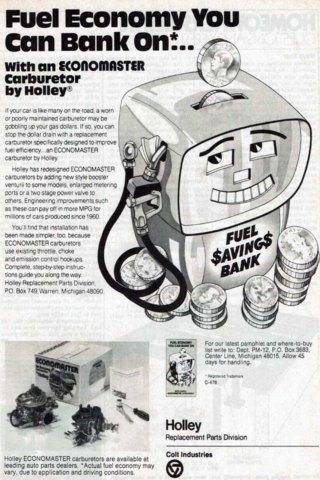
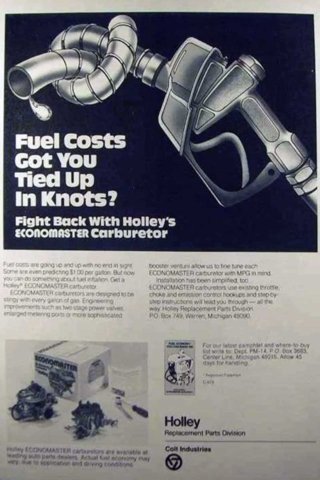
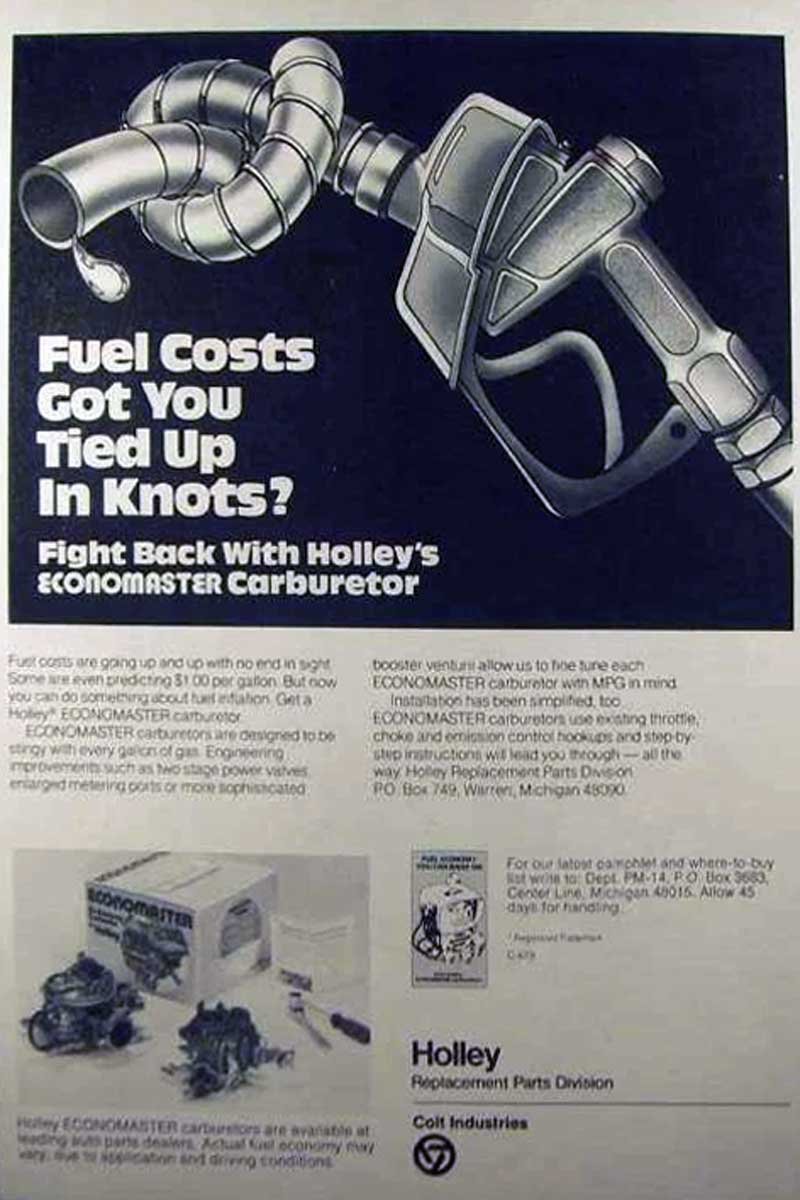
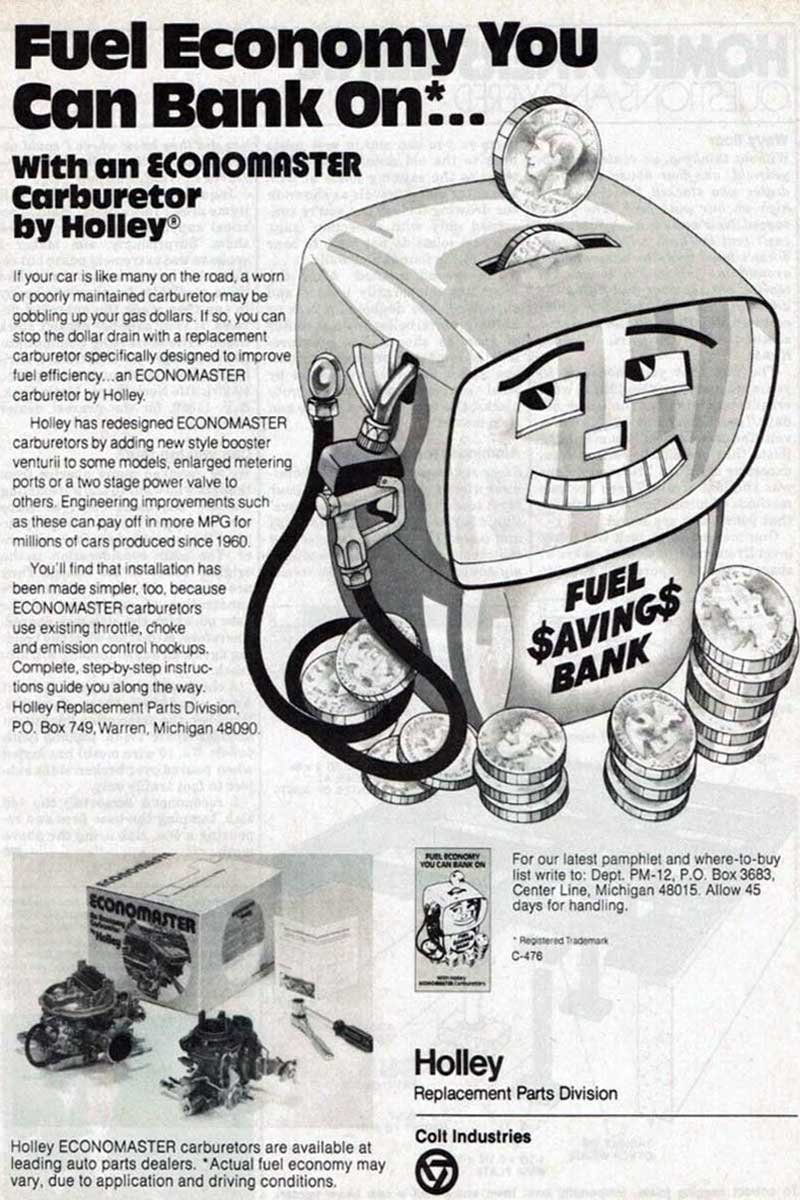
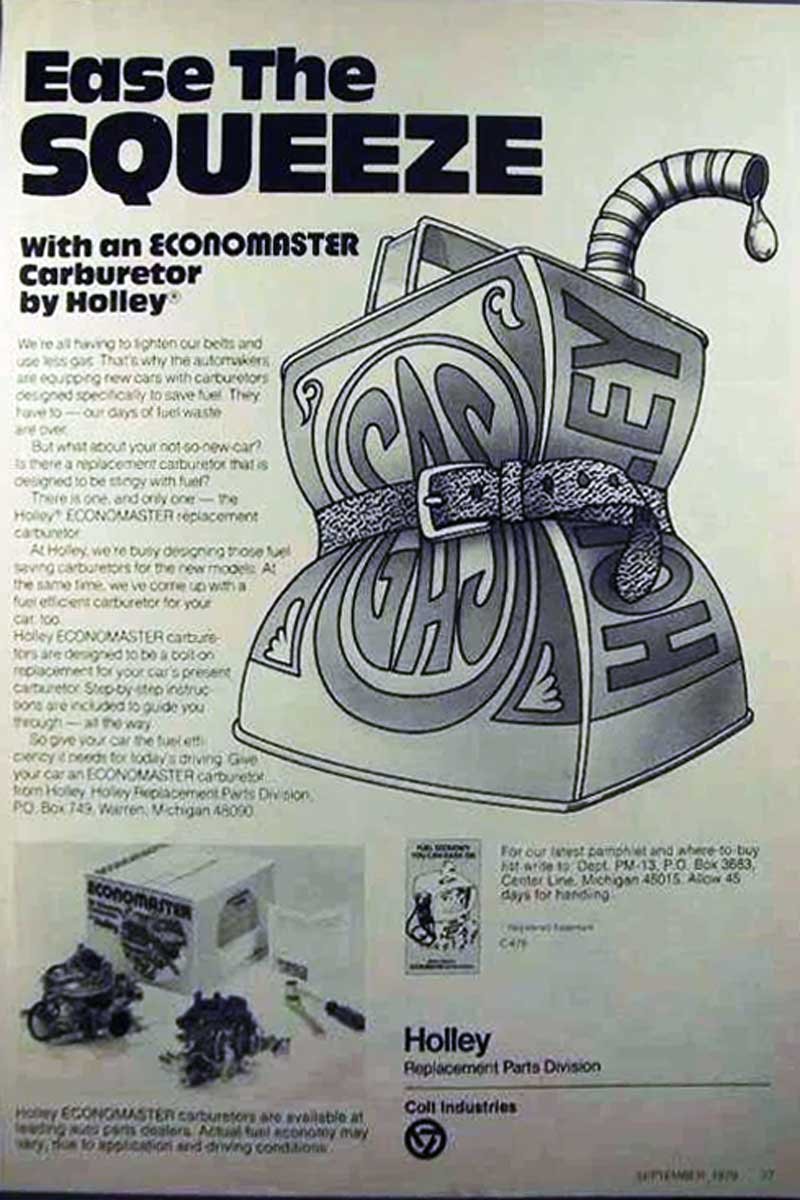
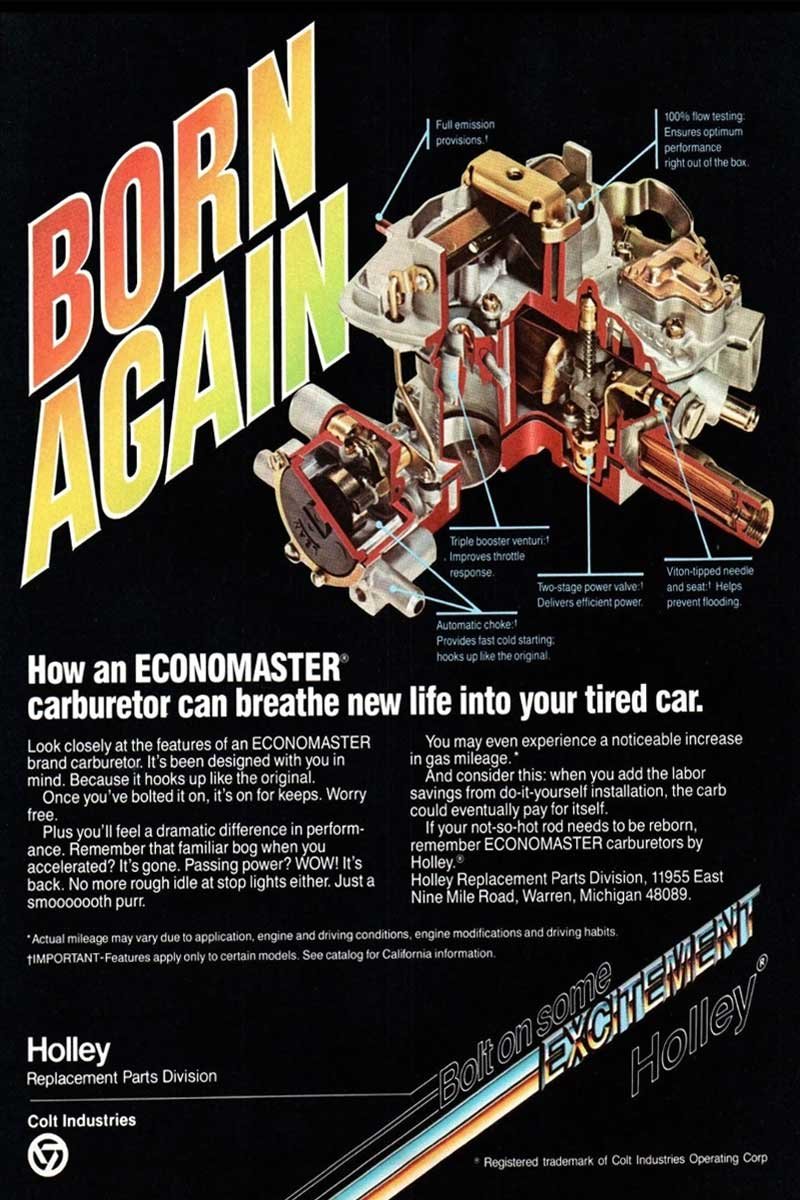
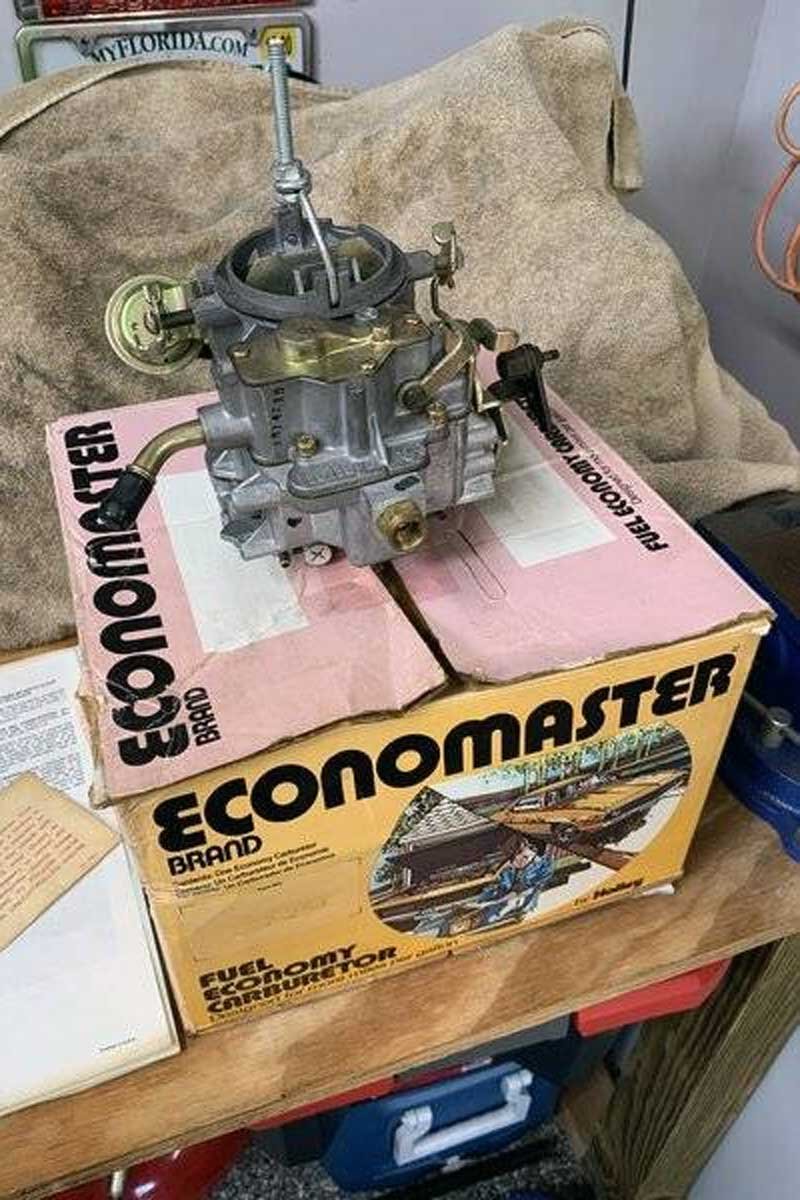
Above Left: In response to the early 1970s oil crisis, Holley Performance Products rapidly introduced the Economaster carburetor line. Available in one-, two-, and four-barrel versions, each was engineered to sip fuel rather than gulp it. Above Right: The Economaster delivered improved fuel economy as gas prices surged during 1973, rising from a national average of $0.39 to $0.84.
The 1973 oil embargo propelled a rapid change in priorities across the industry. Efficiency superseded horsepower as the immediate concern, while early emissions constraints added complexity and chaos. It was a difficult spell for automakers, aftermarket companies, and enthusiasts alike.
For Holley Performance Products, a brand deeply tied to performance, the shift created both pressure and opportunity. The company responded with a product that stood in stark contrast to its double-pumper image: the Economaster carburetor.
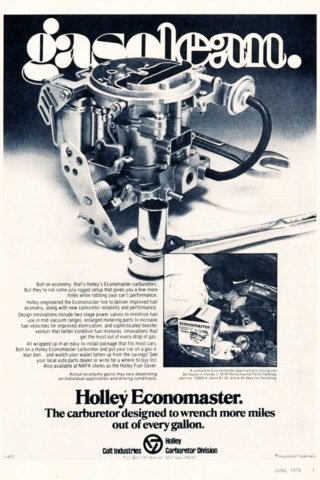
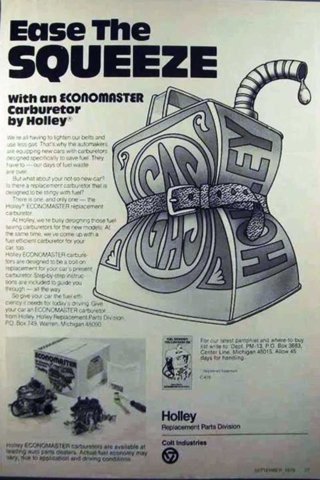
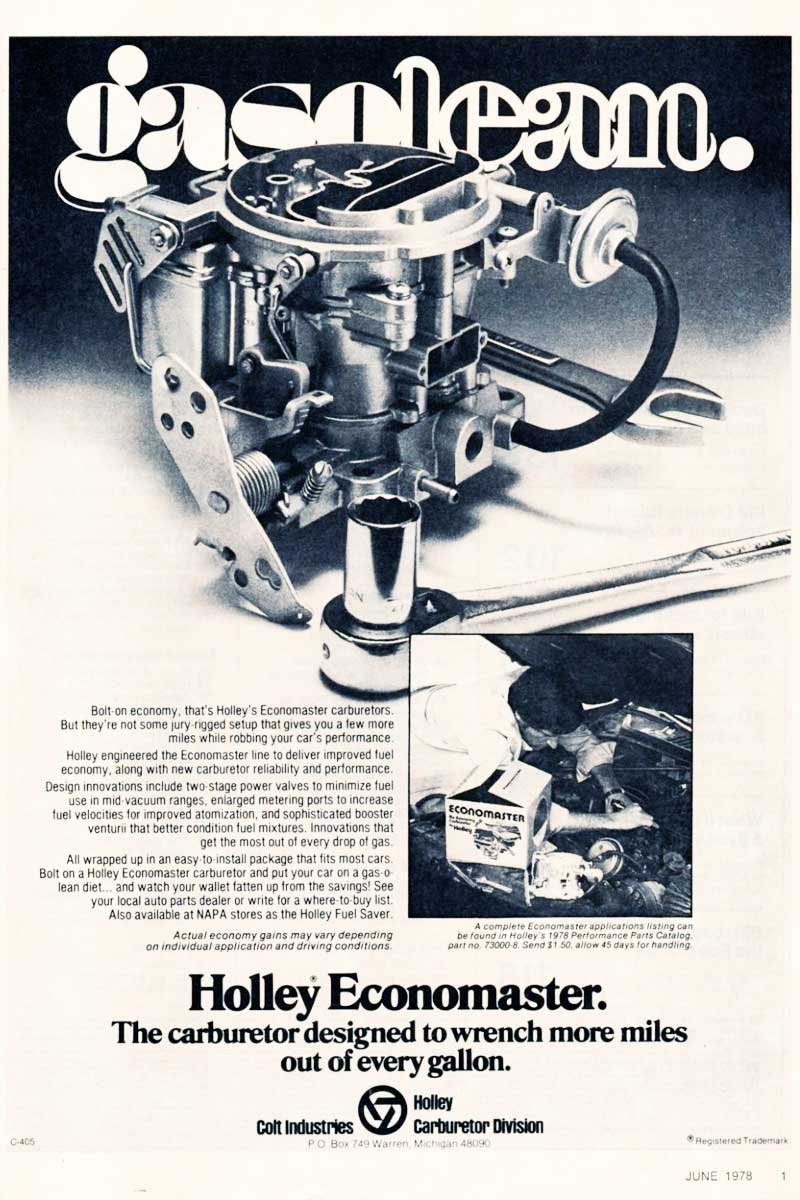
Above Left: The red-hot performance boom of the 1960s cooled dramatically in the 1970s. Rising fuel prices, higher insurance costs, and tightening emissions regulations brought the muscle car era to a halt. Above Right: Holley Performance Products found success with its 450 CFM four-barrel Economaster, offering enthusiasts a balance of modest performance, emissions compliance, and improved fuel economy.
At a glance, the Economaster reflected restraint rather than excess. Built as a one-barrel design, or a progressive two- or four-barrel design, it relied on a small primary bore(s) to manage most driving conditions. At light throttle, this smaller circuit improved airflow and enhanced fuel atomization, allowing the engine to run more efficiently. When additional power was required, a larger secondary bore(s) opened to provide more air and fuel. The concept was straightforward: deliver only what the engine needed when it needed it.
Holley also incorporated annular discharge boosters to improve fuel distribution and promote a more complete burn. The result was a carefully engineered attempt to stretch the limits of carburetor technology at a time when those limits were becoming increasingly clear.
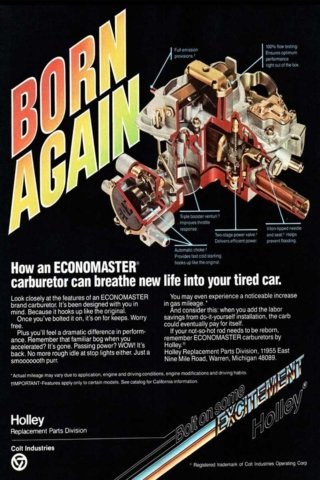
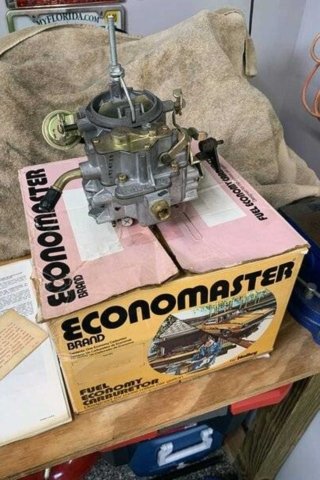
Above Left: In the early 1980s, Holley Performance Products reimagined the Economaster, adapting it as a performance carburetor for the era’s lower-output factory vehicles. Holley noted that installing an Economaster could also improve fuel economy. Above Right: Externally, the Economaster often resembled a typical emissions-era carburetor, complete with vacuum ports, bowl vent fittings, and multiple linkages.
In practice, the Economaster delivered measurable gains in fuel economy. Drivers who swapped out traditional four-barrel carburetors often saw evident refinements, especially during steady highway cruising. For cost-conscious motorists dealing with fuel shortages and rising prices, that mattered.
Still, the benefits came with compromises. Throttle response lacked the sharpness enthusiasts expected from a Holley product. The shift from the primary to the secondary circuit felt subdued, and the overall experience biased practicality over excitement. For a generation raised on muscle cars, the Economaster felt less like improvement and more like adaptation to circumstance.
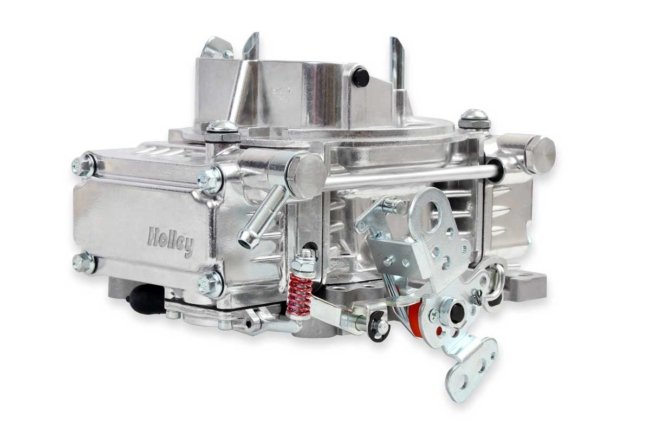
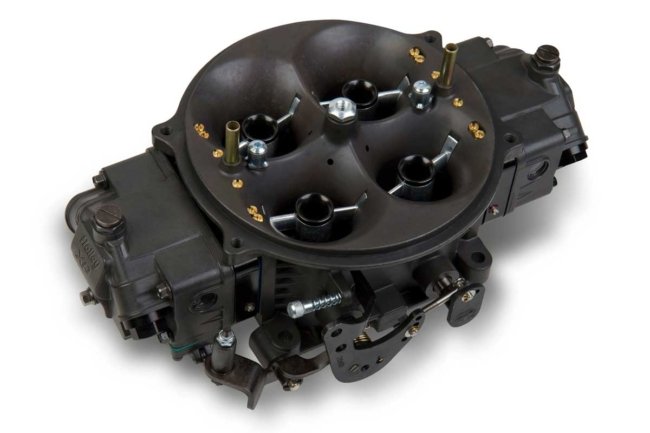
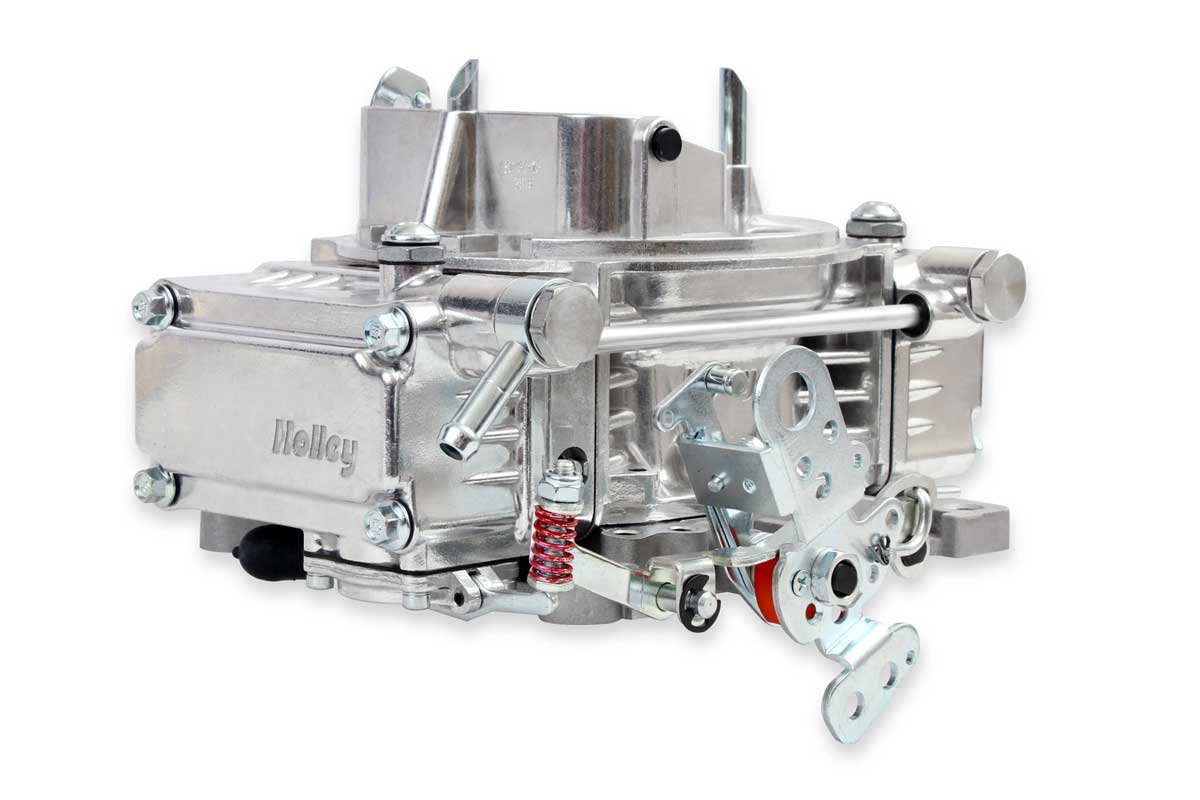
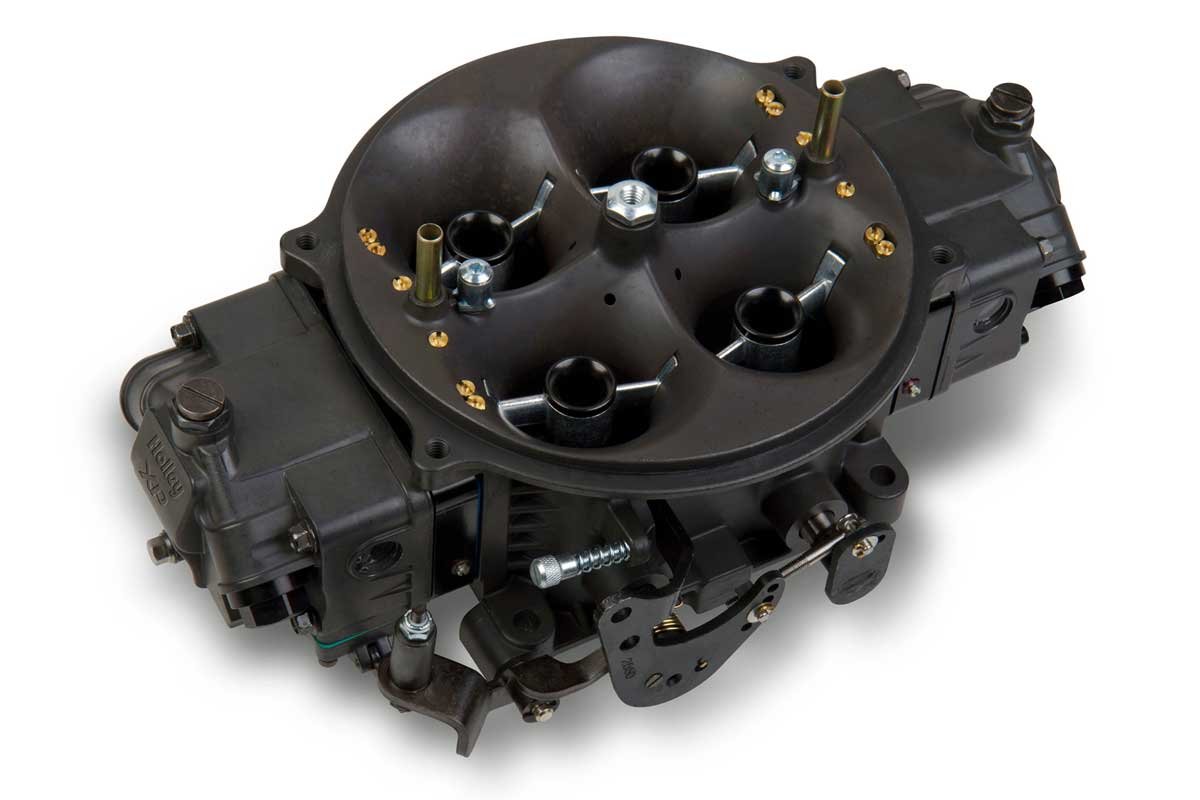
Above Left: Today, Holley Performance Products continues to produce street carburetors, though the Economaster is no longer offered. The 4160 600 CFM four-barrel remains a favorite among enthusiasts seeking mild performance, good drivability, and respectable fuel economy. Above Right: At the other extreme is the 4500 series Dominator, flowing an impressive 1,250 CFM. Built for maximum performance, it prioritizes power over drivability or fuel efficiency.
As the decade moved forward, the industry continued to evolve. Emissions standards were tightened, and carburetors became increasingly involved, incorporating vacuum controls and feedback systems to comply. At the same time, early electronic fuel injection systems began to materialize, offering a glimpse of a more precise and adaptable future. Within this environment, the Economaster occupied a narrow window in time. It was a smart solution, but one ultimately constrained by the limitations of mechanical fuel metering.
Fast forward to today, and Holley Performance Products operates in a completely different landscape. The company has evolved into a full-spectrum performance technology provider, with products that directly address the challenges that defined the 1970s.
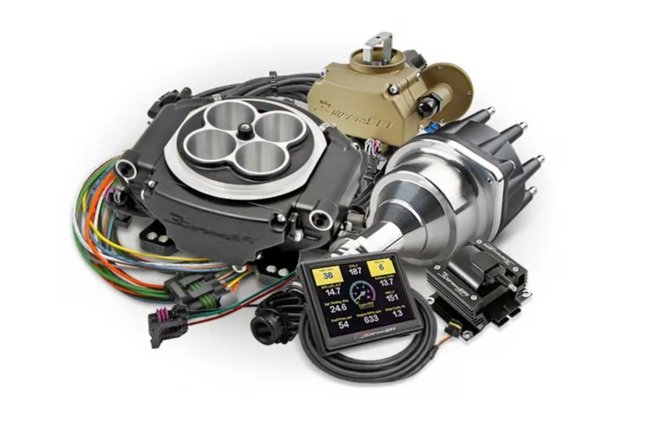
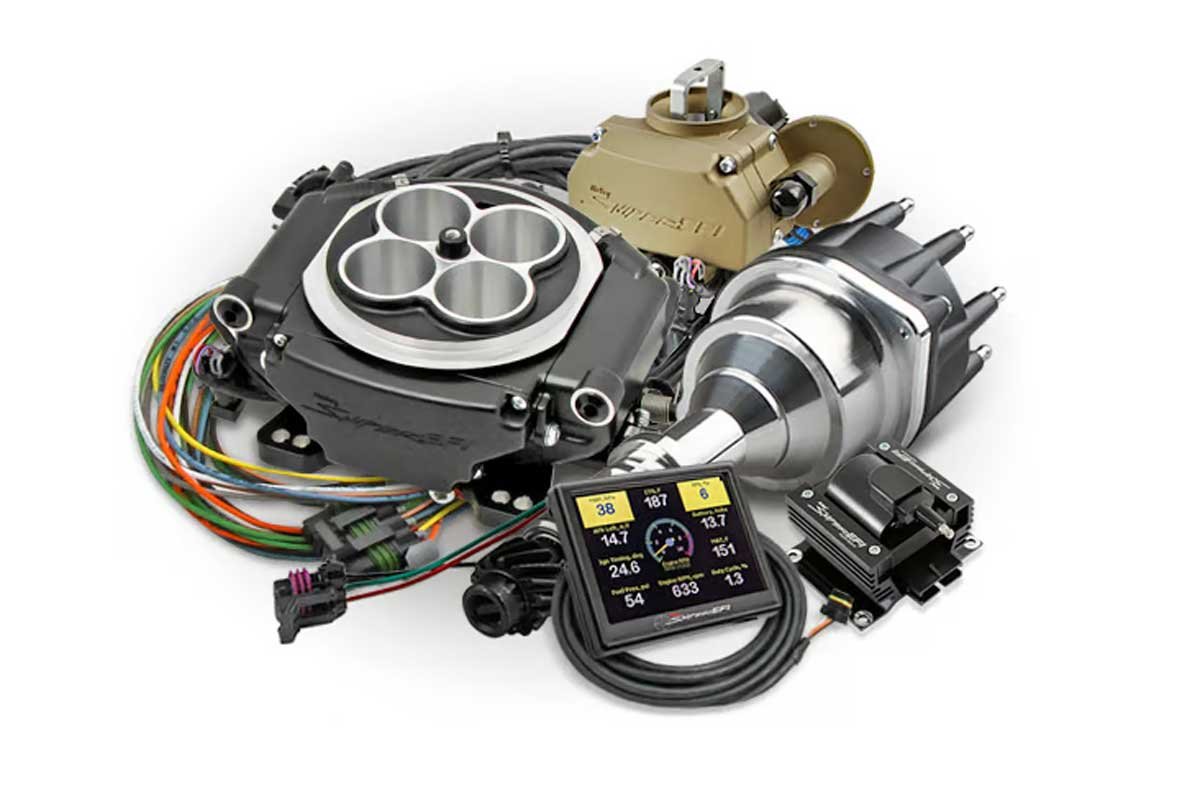
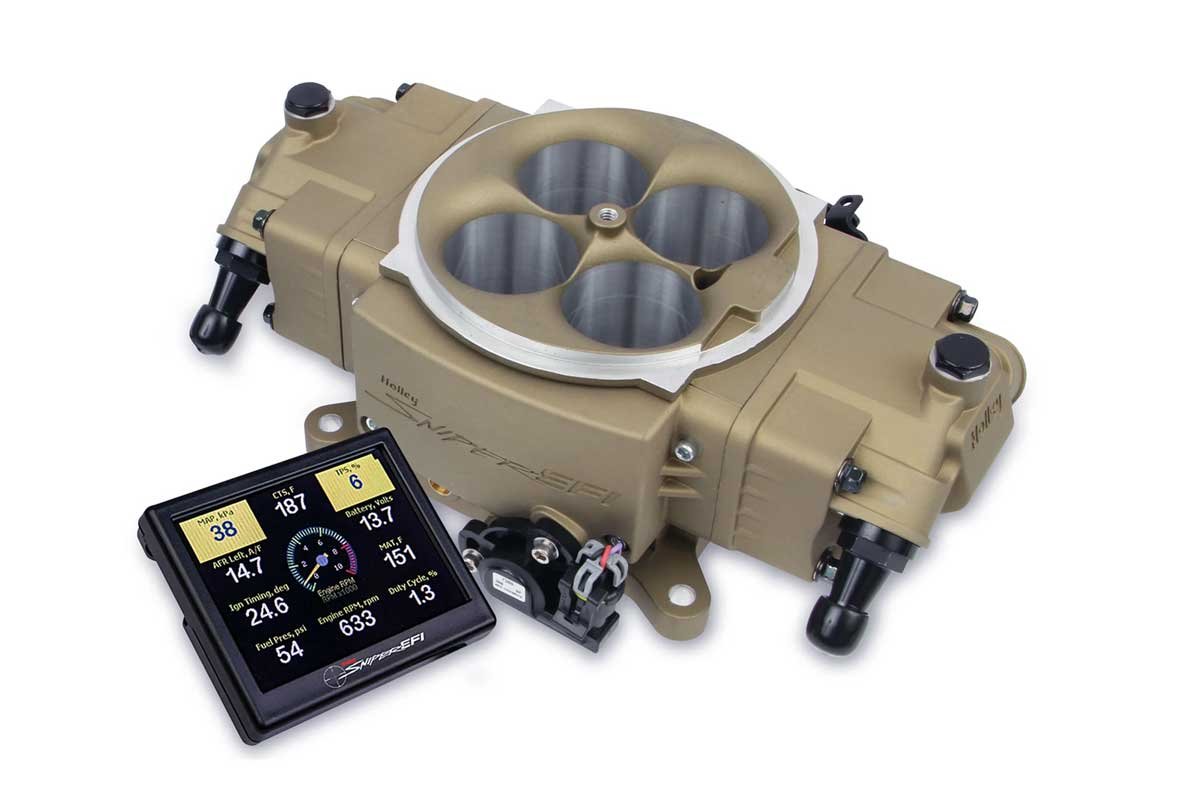
Above: Holley Performance Products has developed Sniper EFI systems that manage fuel trim and integrate the entire ignition system, delivering maximum performance while maintaining excellent drivability and fuel efficiency.
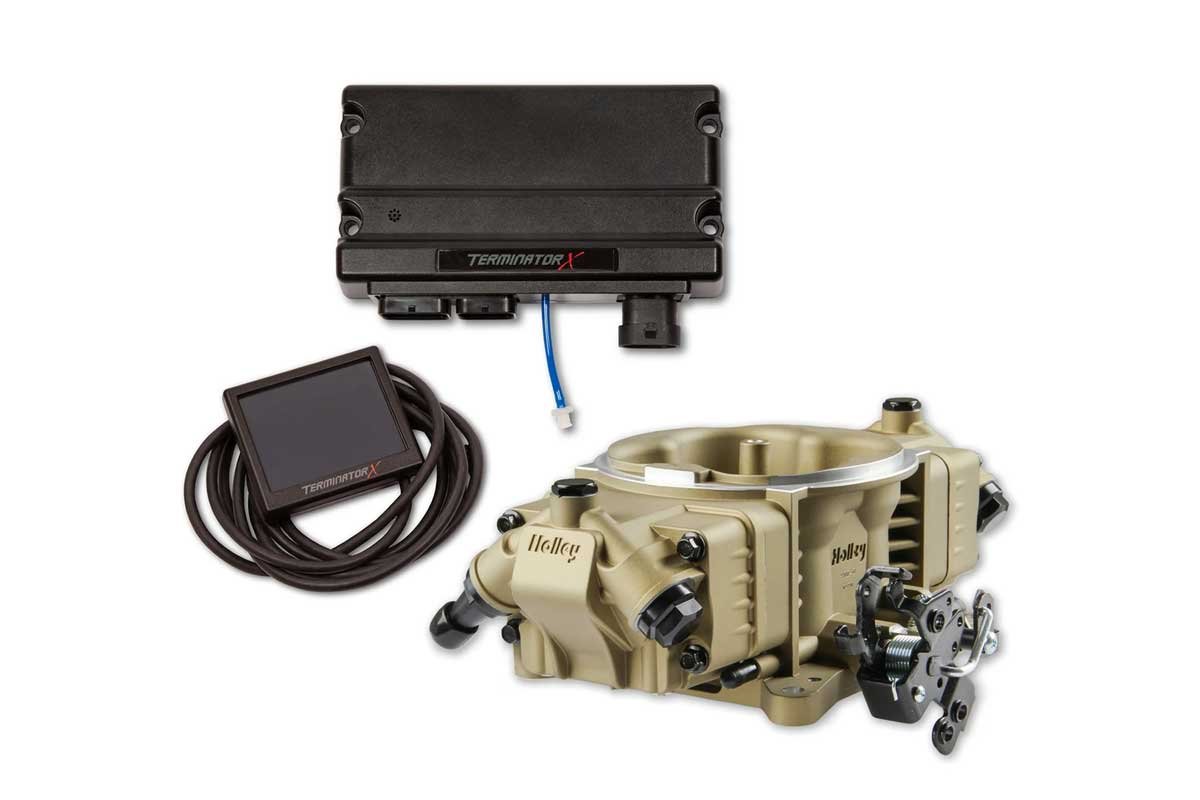
Modern systems such as the Holley Sniper EFI and Holley Terminator X have transformed fuel delivery. Instead of relying on fixed mechanical calibration, these systems use sensors and real-time data to adjust air-fuel ratios continuously. Whether cruising, idling, or making a full pass down the track, the engine precisely receives the fuel it requires. The outcome is improved efficiency without sacrificing performance.
Accessibility has improved as well. Where tuning once required experience and patience, modern self-learning systems permit enthusiasts to input essential parameters and let the ECU refine the calibration over time. Holley has also expanded into integrated platforms that combine fuel control, ignition, transmission management, and data logging, giving users unprecedented control over the entire vehicle.
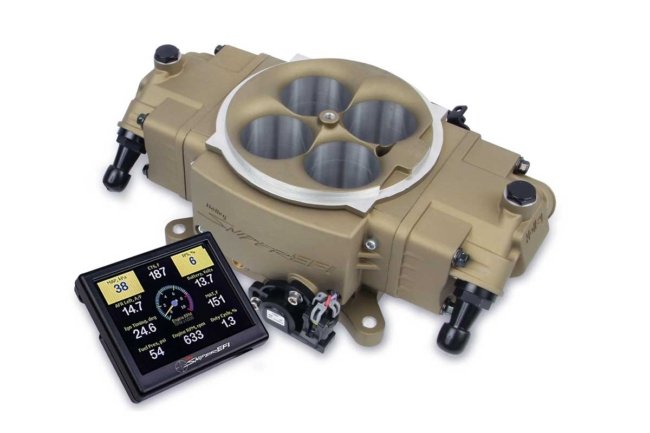
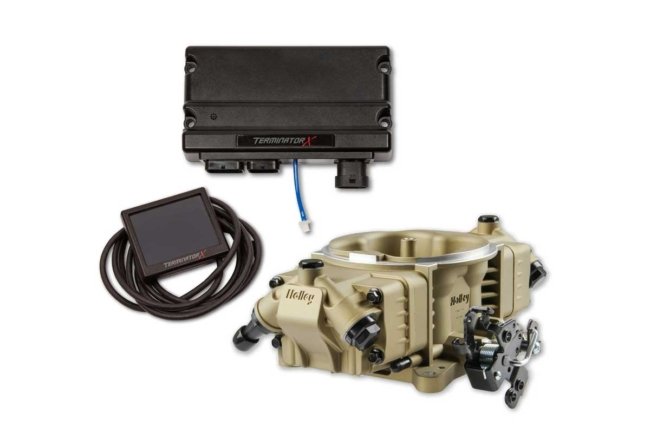
Above: Holley Performance Products’s Sniper and Terminator X EFI systems meet the needs of any Mopar vehicle. Unlike the 1970s, when Holley scrambled to address rising fuel costs, today the company offers complete management systems that help optimize performance while minimizing the impact of higher fuel prices.
The most important change may be philosophical. In 1973, rising fuel costs threatened performance culture. Today, they are simply another factor in the design process. Holley no longer reacts to fuel crises; it engineers around them.
In that context, the Economaster stands as a reminder of a transitional juncture. It reflects both the limitations and inventiveness of an industry under pressure. While it never achieved iconic standing, it represents a thoughtful attempt to balance efficiency and performance at a time when that balance seemed nearly impossible.