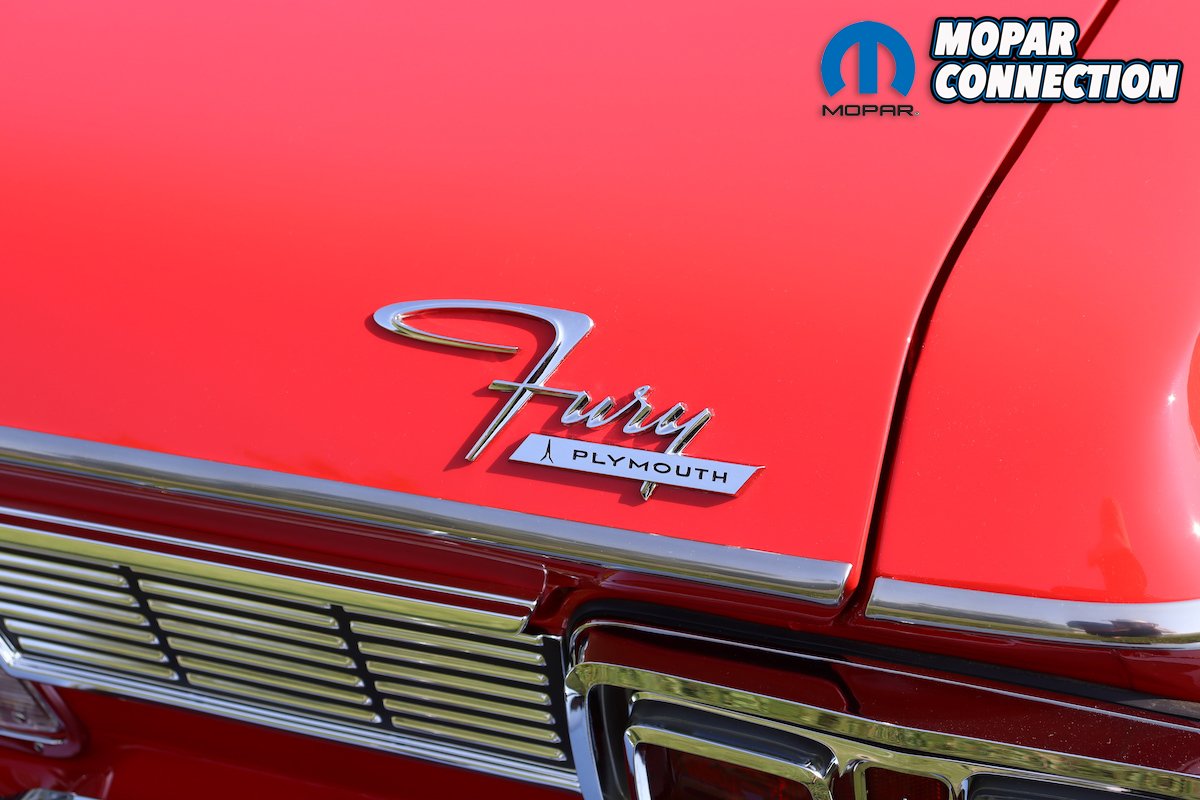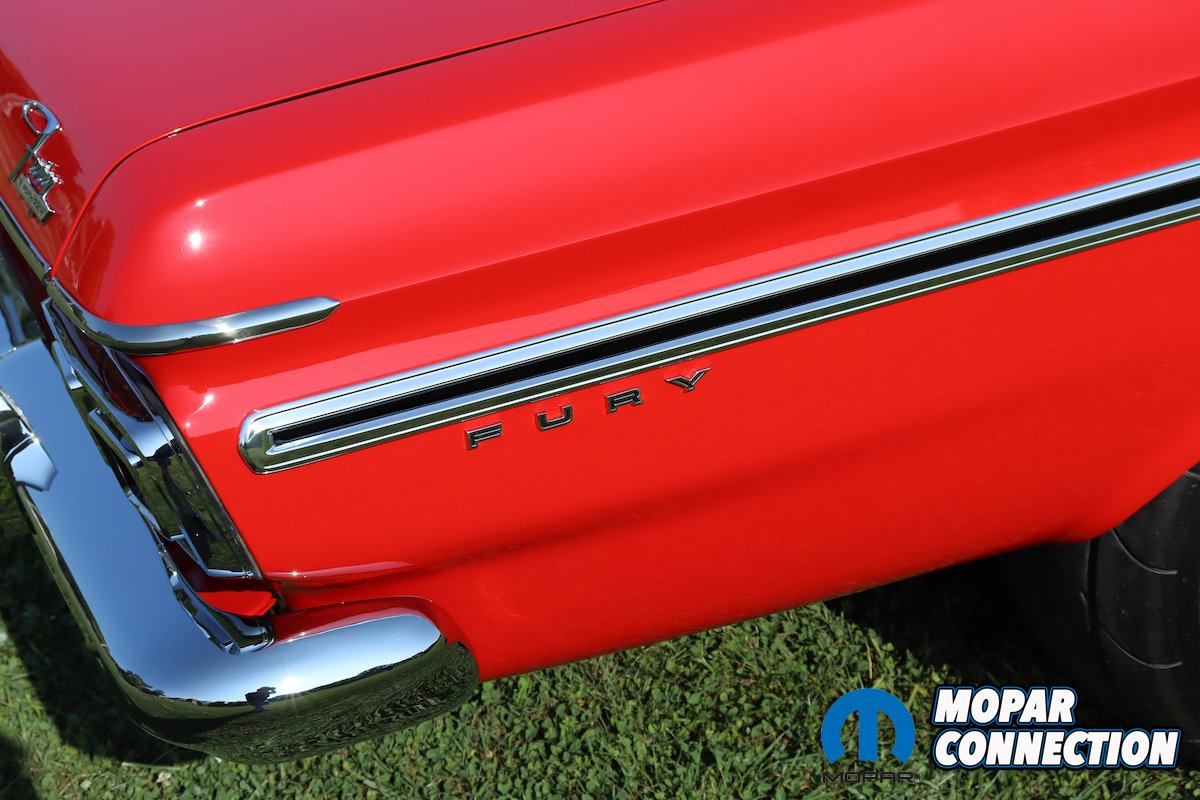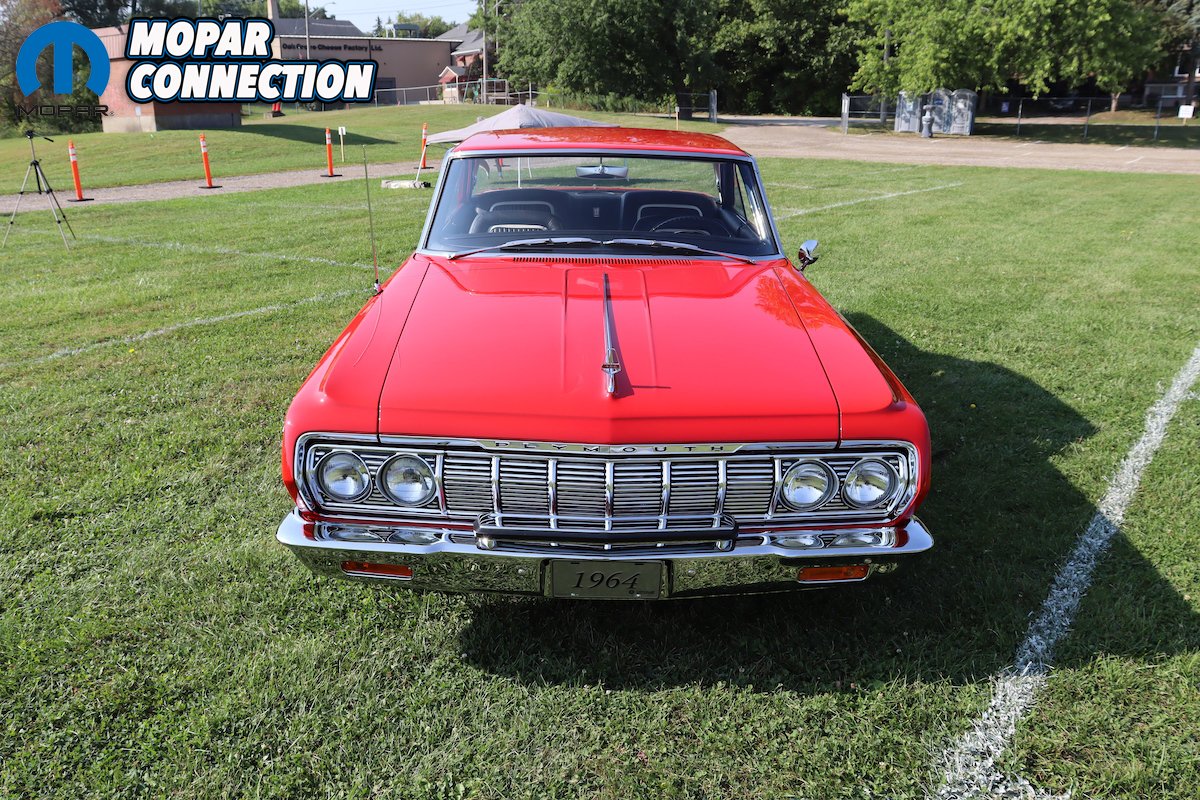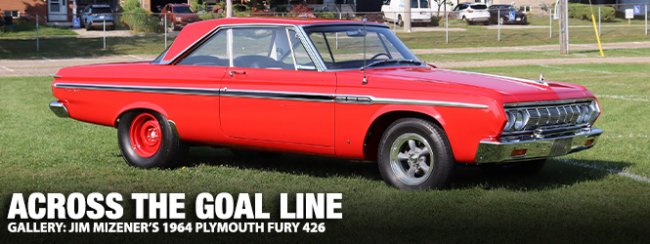
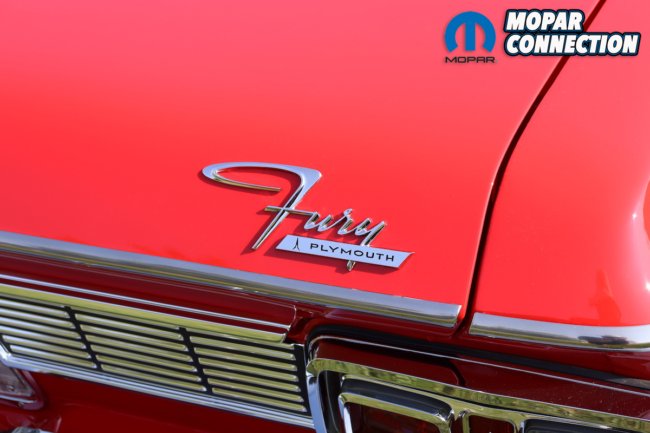
Production-wise, a total of 115,771 Plymouth Furys rolled off Chrysler’s assembly lines for 1964, built primarily at the Lynch Road and Hamtramck plants in Detroit, U.S.A., with additional output from Windsor, Ontario, Canada, for the Canadian market. Among the various body styles, the 2‑door hardtop accounted for 26,303 units, while the Sport Fury—assembled at the same facilities—contributed another 23,695 cars to the year’s production totals.
Unfortunately, precise production numbers for the Canadian-made Plymouth Fury are hard to pin down, with estimates varying but around 5,000 units. It’s important to recognize that the Furys manufactured in each country have distinct differences, highlighting the need to understand these variations and their relevance to the specific Plymouth Fury model being showcased.
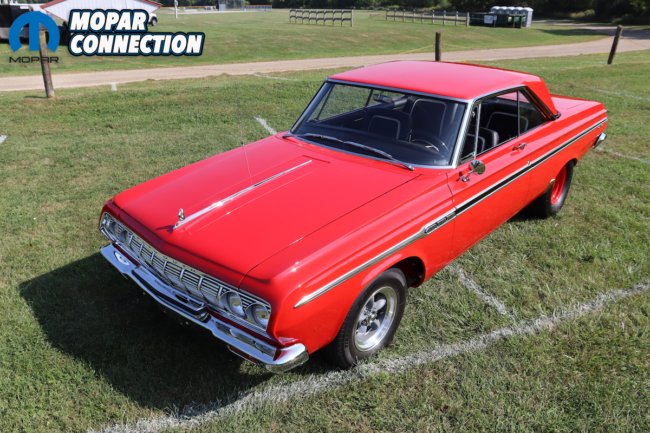
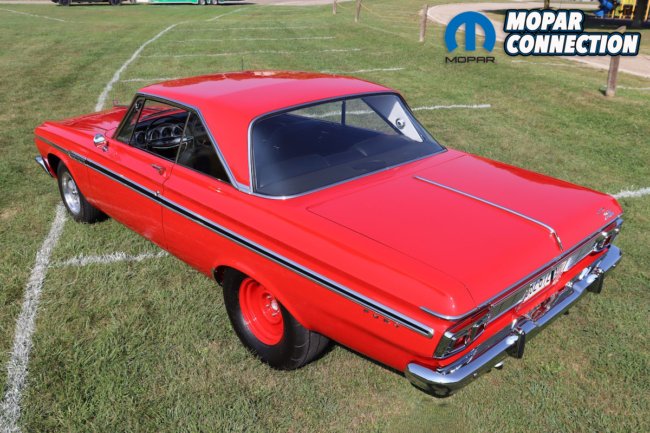
The 1964 Canadian Plymouth Fury showcases notable differences from its U.S. counterpart, particularly in engine options, interior design, and trunk arrangement, reflecting the unique aspects of Canadian manufacturing and the market.
Both versions of the Fury rode on the same B‑body platform and offered the familiar engine lineup, but north of the border, big‑block cars were noticeably scarcer. Higher insurance premiums and steeper fuel costs pushed most Canadian buyers toward the dependable 313 Poly instead. Four-speeds showed up less often as well, with Hurst shifters uncommon and even clutch suppliers sometimes differing from their U.S. counterparts.
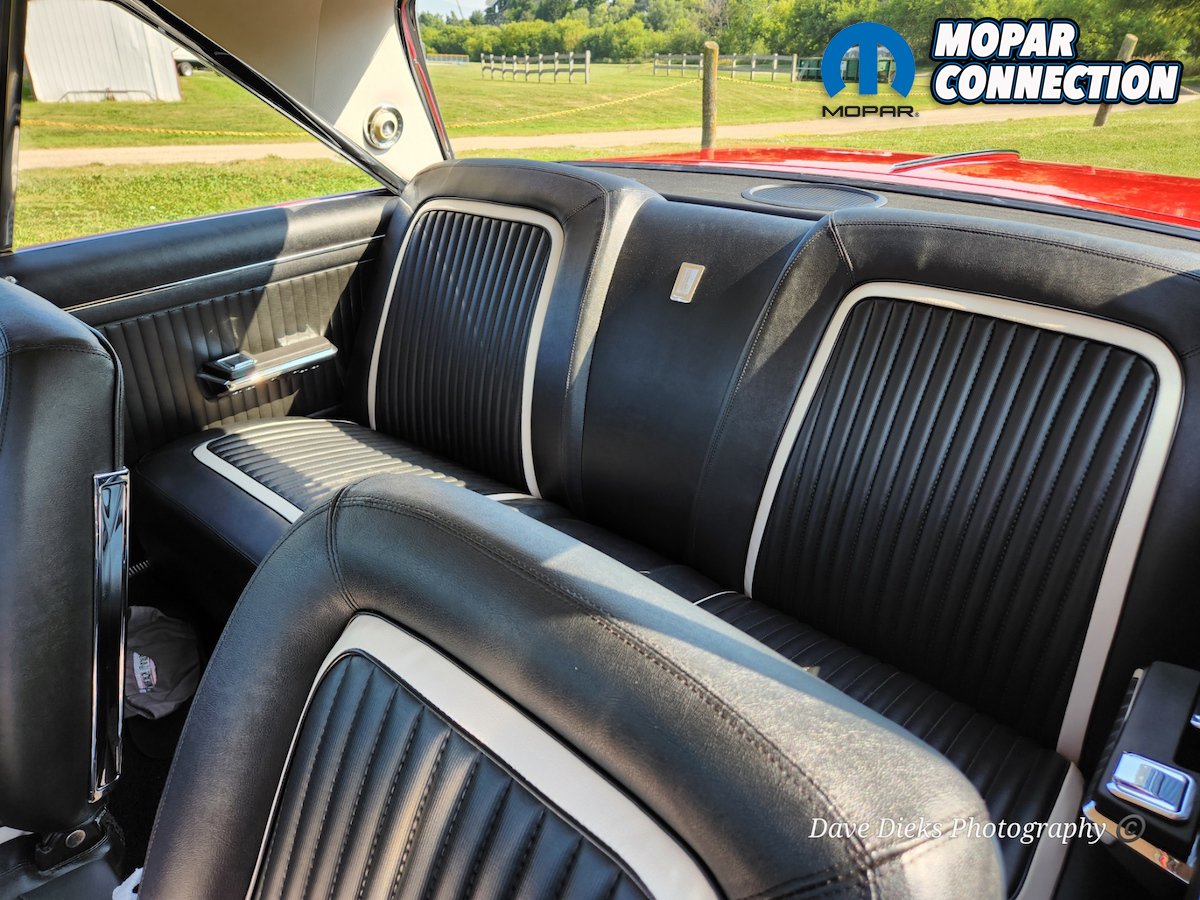
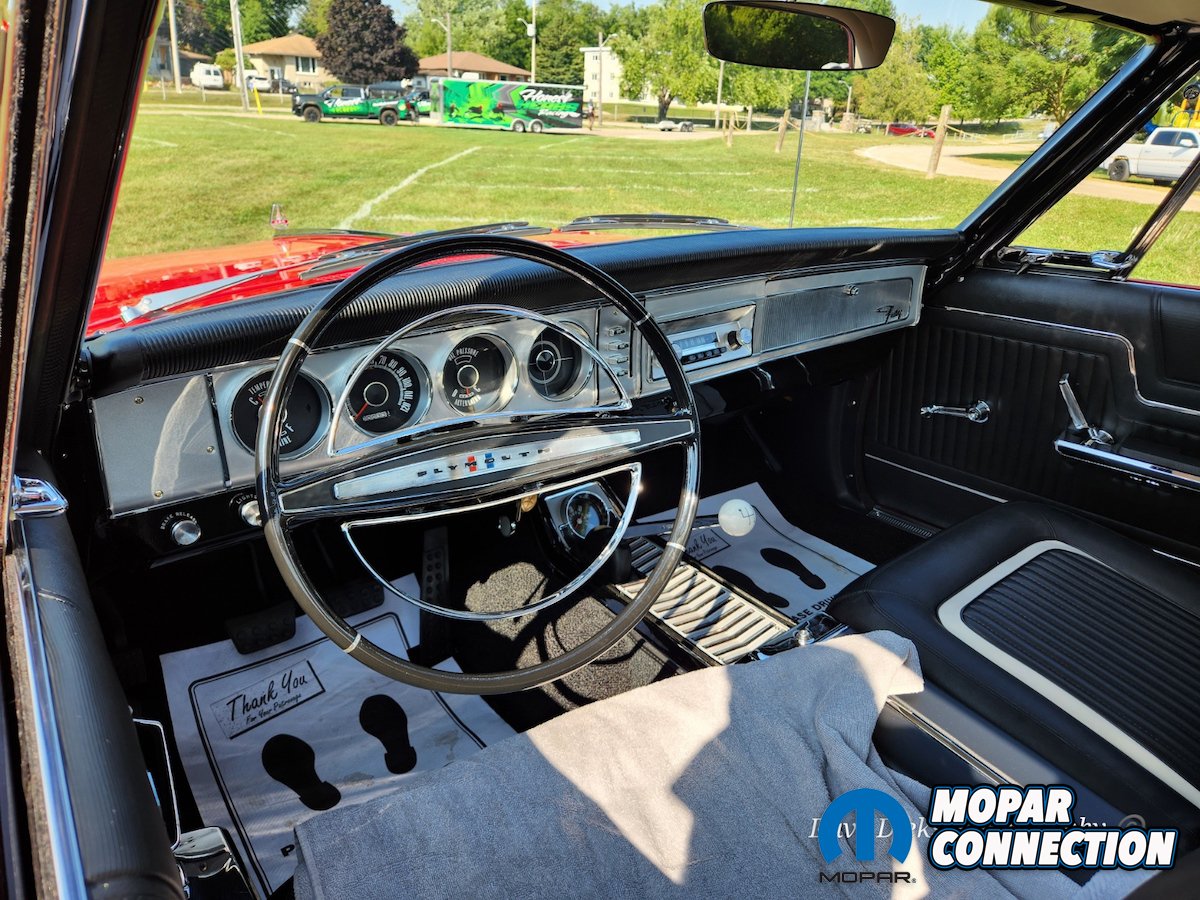
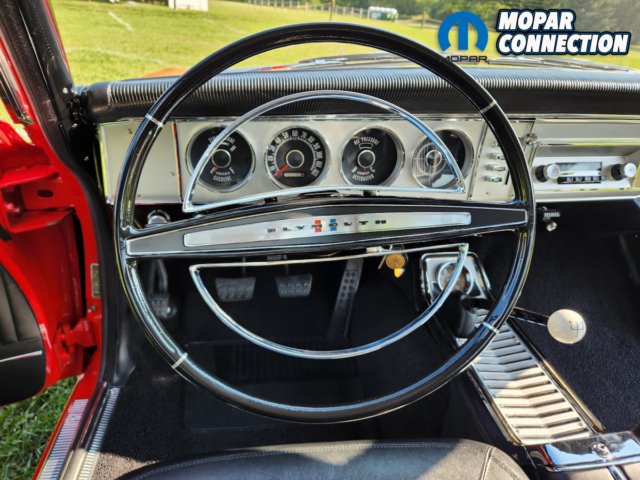
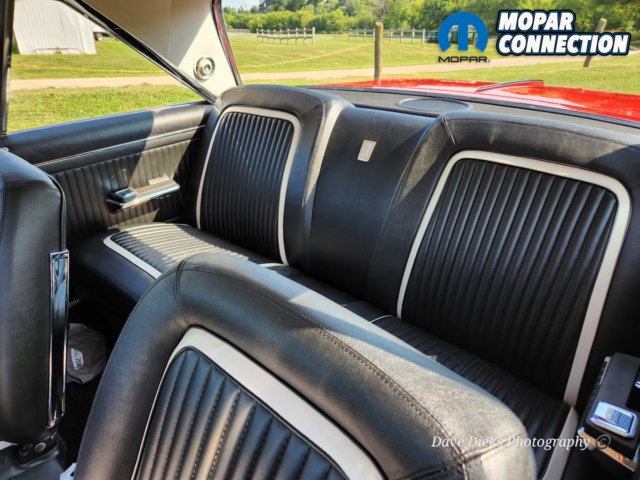
In terms of interior design, the US had a perforated headliner, and the Canadian cars had what I call a polka-dot pattern. The front seat backs were carpeted for U.S. models but vinyl-covered for Canadian models.
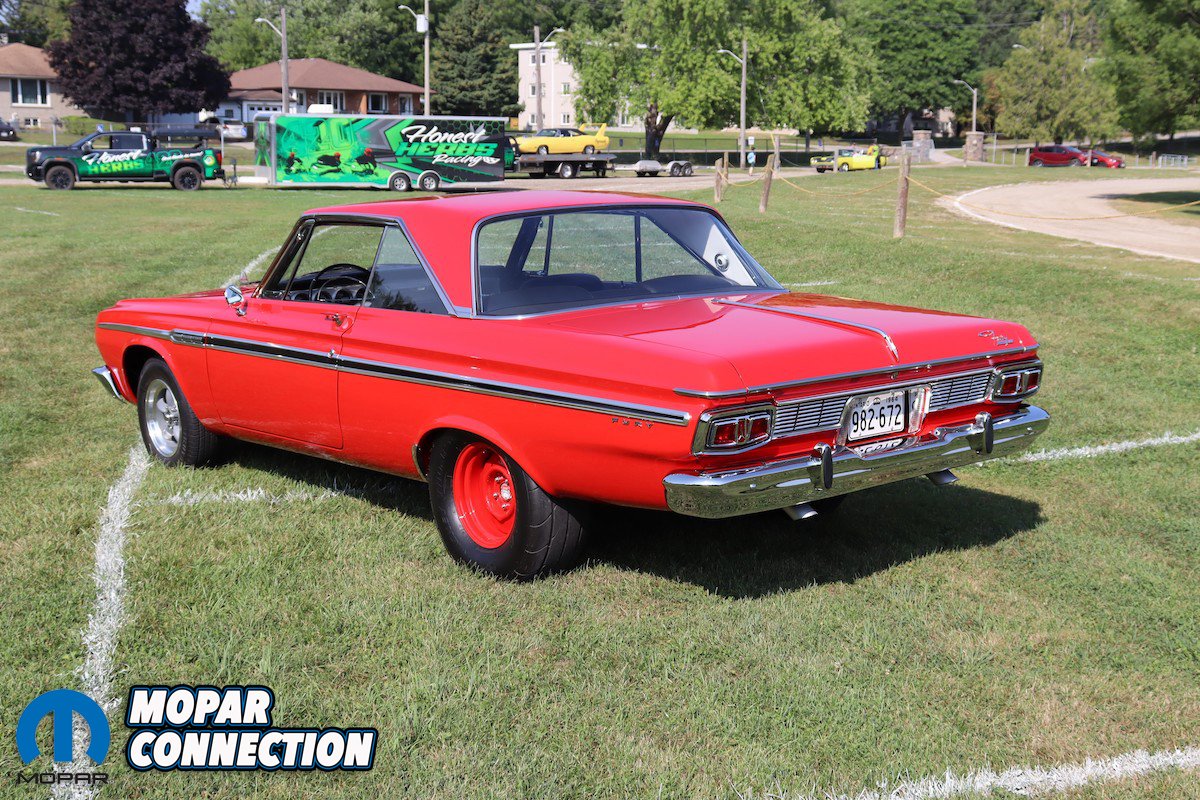
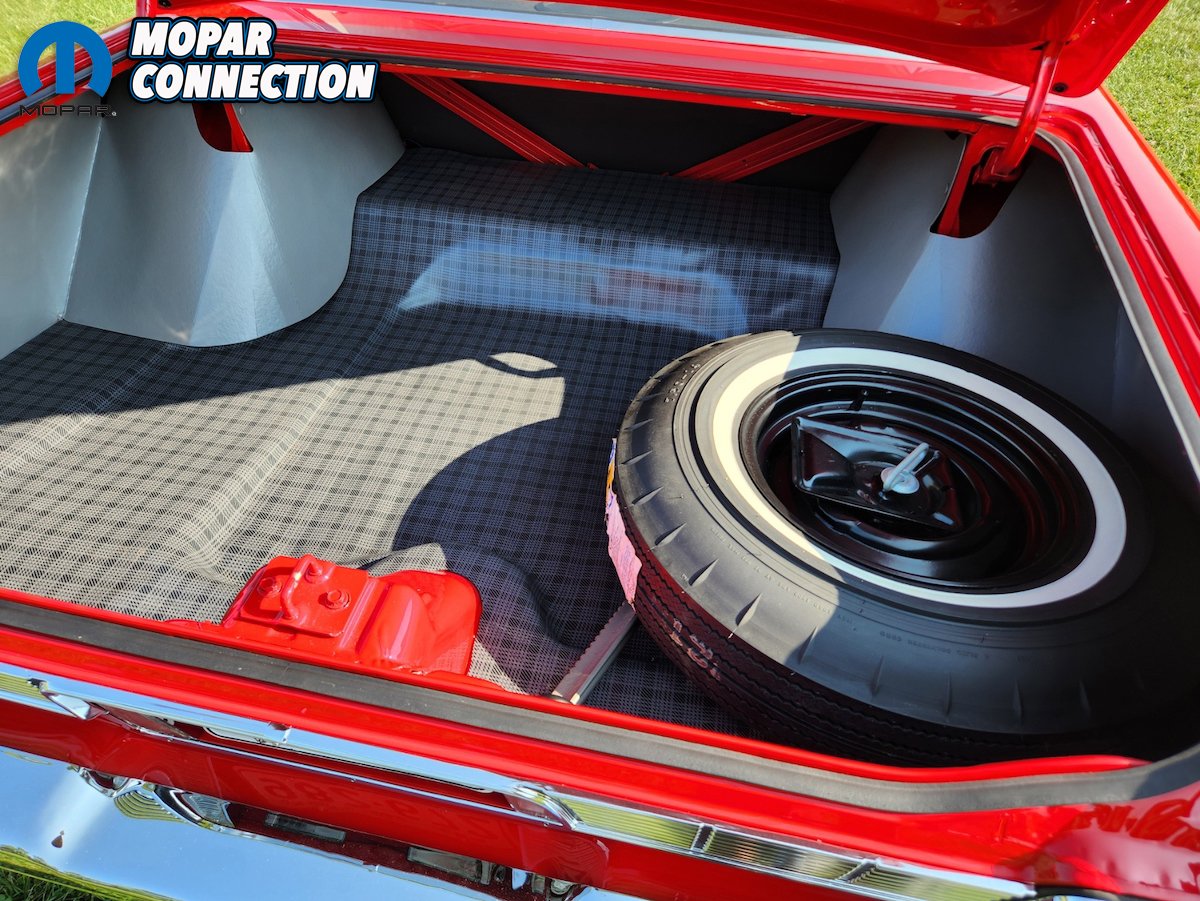
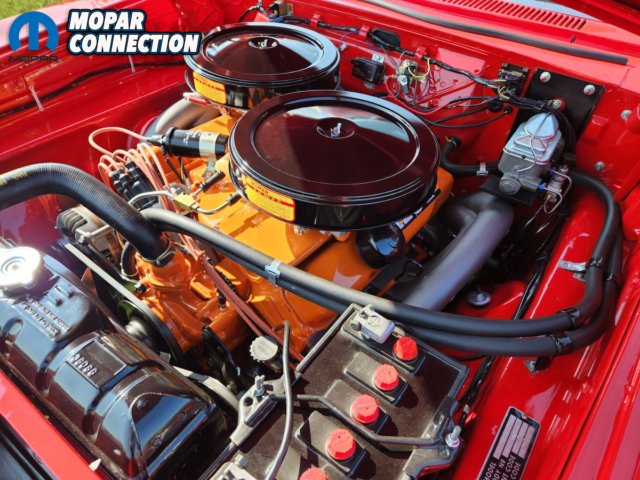
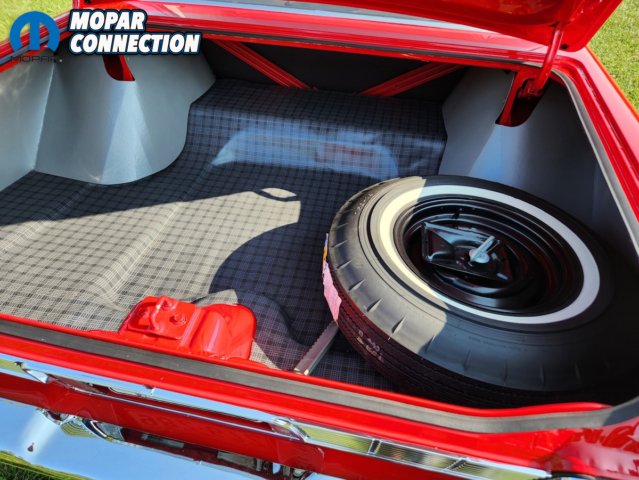
Furthermore, there were differences in how the spare tire was mounted. In the Canadian Fury, the spare tire was positioned in the right corner of the trunk, resembling the configuration found in U.S. convertible models. In contrast, the U.S. Fury placed its spare tire under the package tray, situated above the rear axle for non-convertible models. Lastly, the air cleaner on the Canadian version was larger and less performance-looking than the US-built one.
Chrysler Canada had a long tradition of creating “hybrid” models—mixing Dodge and Plymouth components into uniquely Canadian offerings. The infamous “Plodge” cars are the best example. U.S. plants produced Furys in high volume. Canada built only a fraction of that. Today, a Canadian‑built Fury—especially a high‑performance one—is significantly rarer.
The Canadian Fury, meanwhile, was shaped by a different reality. Import tariffs meant Chrysler Canada sourced as many parts domestically as possible. That meant Canadian‑coded glass, Canadian‑woven fabrics, Canadian wiring harnesses, Canadian fasteners, and even Canadian‑specific paint formulations. Two Furys painted the “same” color could stand side by side and look just a shade apart.
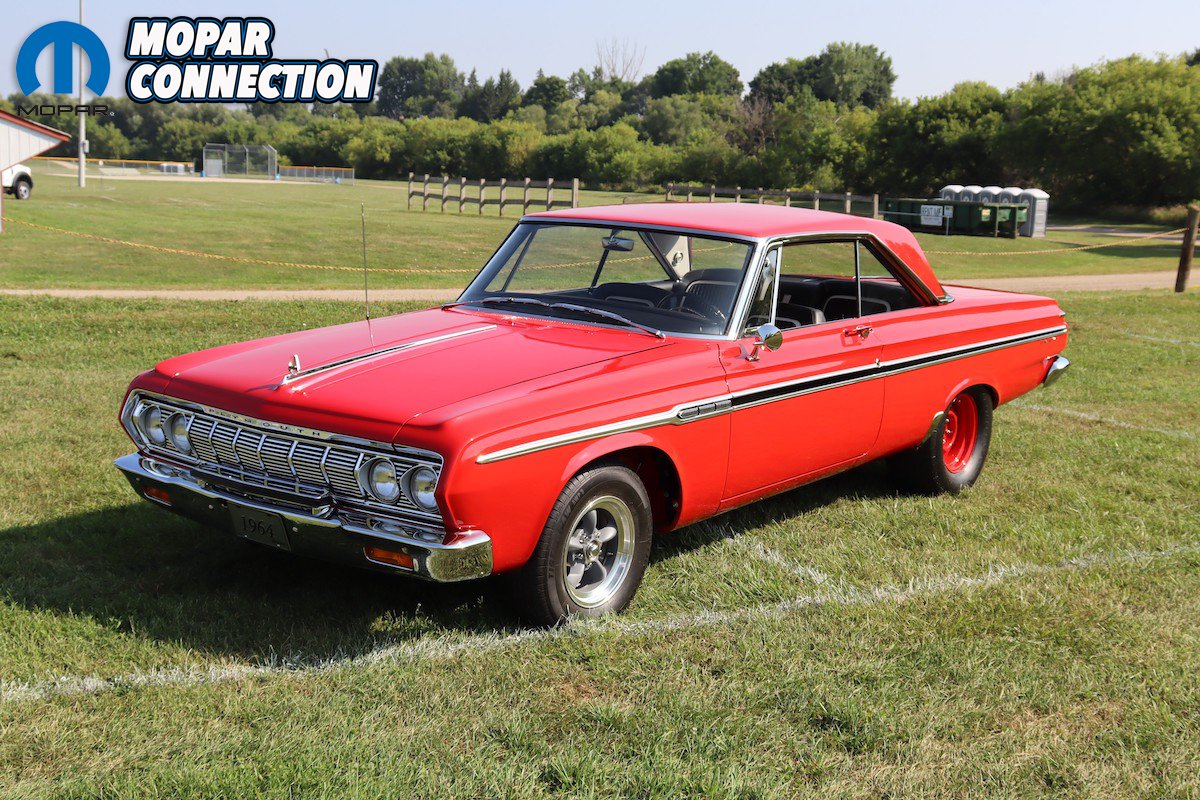
Our story began in January of 1964 when Rube Mizener purchased a new 1964 Fury 2-door hardtop with a 383 cubic inch 4-barrel, 4-speed manual transmission with an 8 3/4 rear axle with 3.23 SureGrip rear gears. It was purchased from Koehler Motors Ltd. in Sarnia, Ontario, Canada.
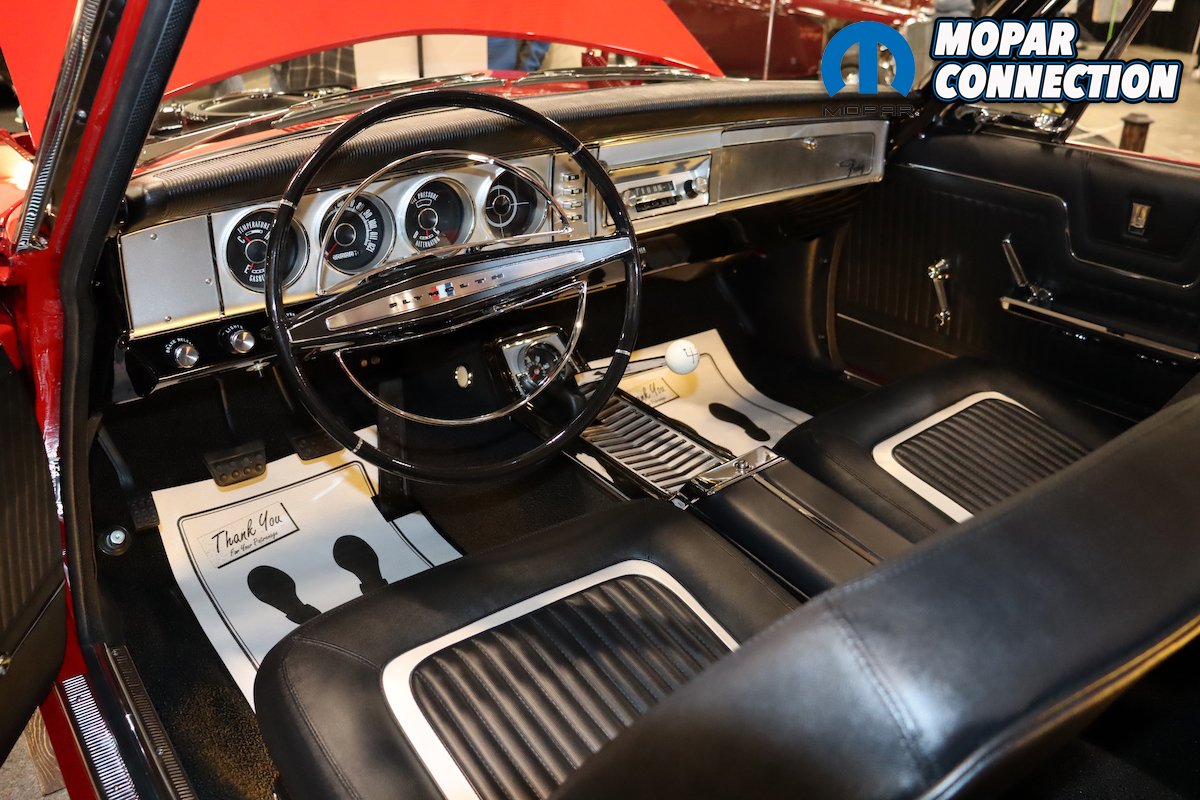
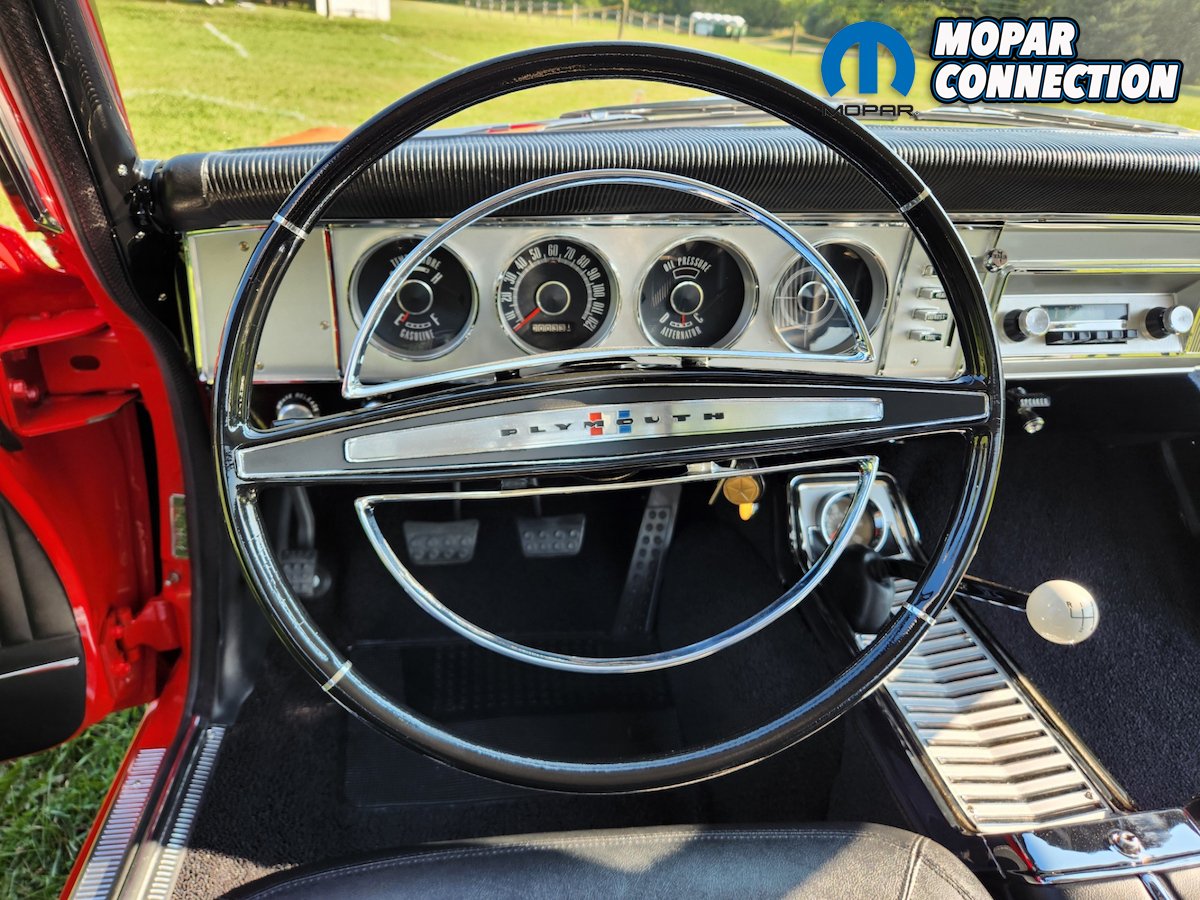
The car was intentionally positioned in the dealership showroom; its striking red exterior was complemented by black bucket seats and a center console. To finalize the sale, a driver’s side mirror, an AM radio and speaker, and a windshield washer had to be installed. Typically, Rube would trade in his cars every three to four years, but for some inexplicable reason, he never parted with the 1964 Fury.
After 10 years, that car had 140,000 miles from driving to and from work and summer vacations, and he basically used the car as a truck for his welding machine rental business. In other words, it was showing its age.
The Fury left a lasting impression on Rube. He would often set his 5-year-old son, Jim, on the console, guiding him on when to shift gears. By the time Jim turned 15, his father permitted him to take the wheel for their Sunday drives. Numerous co-workers shared tales of Rube racing against colleagues on their way home. In fact, one man ended up trading in his Pontiac after losing a race, opting instead for a Plymouth Fury.
When the Mizener family moved in the early 70s, the Fury was moved as well, or rather, was towed to the new house. The car sat in the driveway for the next four years with the odd knock on the door to see if the car was for sale. Finally, in 1978, Rube had the 383 rebuilt and sent the car to Specialty Auto Body Works in Brigden, Ontario. The interior received some attention and was again on the road and looking a little better.
In 1986, at the age of 22, Jim set out to restore the Fury to its original condition as it left the factory in Windsor. With enthusiasm, he began the process by carefully dismantling the vehicle. However, he soon recognized that the restoration would require a greater investment of time and financial resources than initially anticipated.
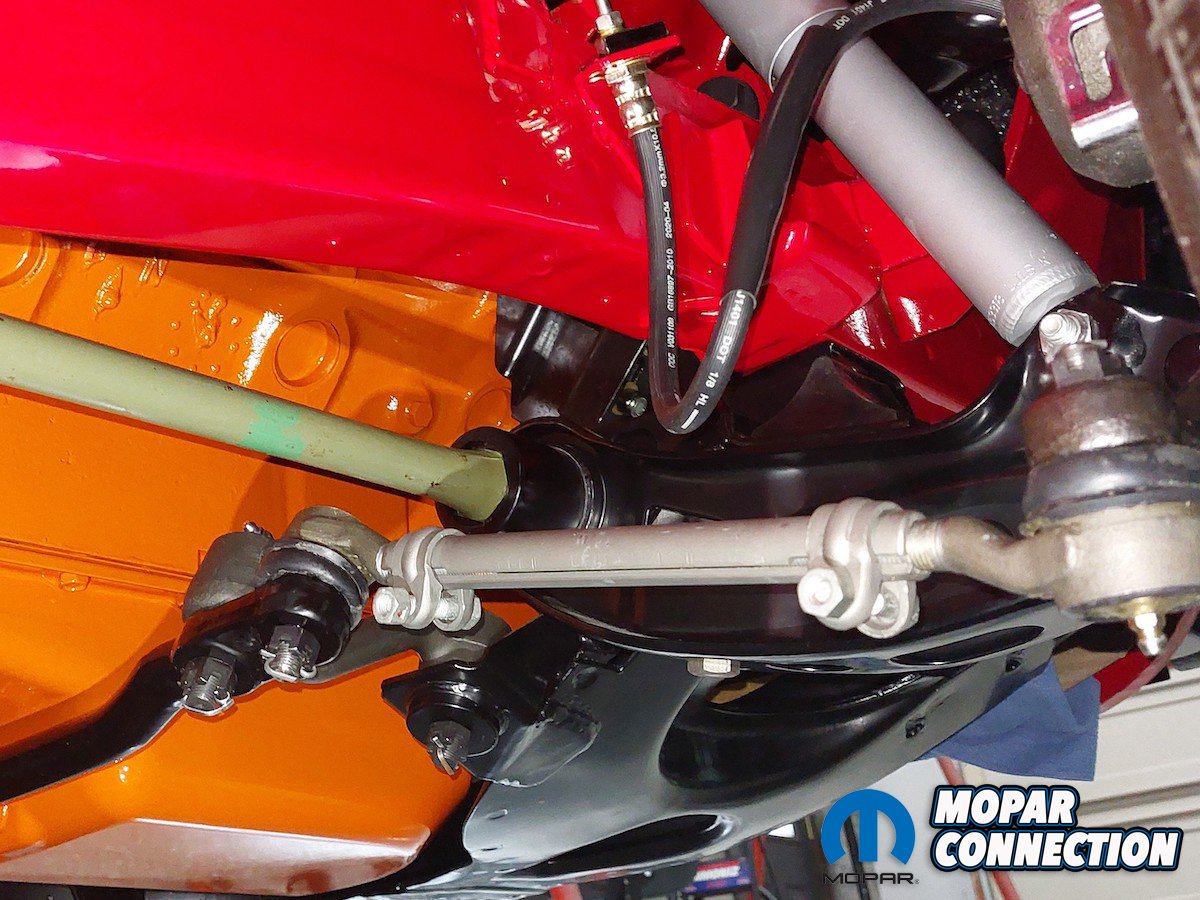
The Fury at this point needed new quarter panels, doors, fenders, floors, and firewall work behind the front wheels. The unibody frame was flaky inside and pitted. Jim thought to himself that “this was never going to be that magazine car I had pictured in my head.”
Aftermarket parts are scarce, so any restoration work would face limited parts availability. It was by word of mouth from their neighbor Rick that they learned of a super rust-free 1964 Fury in Junction City, Kansas. So, Rube, who was always up for a road trip, jumped into his 1984 D150 pickup with a homemade tow bar and a few days later returned with his $400.00 purchase and a fairly intact Fury. The best part was that someone began to convert the car into a 4-speed.
The idea at this point was to discard the original Fury and use the rust-free car to make a replica of the one Rube had purchased. Now the hunt was on to find NOS parts, mostly trim and side moldings.
Like many aspects of life, Jim found himself distracted by a 1970 Hemi Plymouth Road Runner that he and Rube had been restoring together. Once they finally got the Road Runner to the condition they desired, Jim shifted his focus toward purchasing his first home in 1989. Consequently, the Hemi Road Runner was sold in 1993.
In 1994, Jim and his wife, Julie, celebrated the arrival of their first child, Lauren. Sadly, in January 1997, Jim lost his father. That same year, Julie gave birth to their son, Dale, and Jim could not help but wish his dad could have been there to meet his grandson. As they navigated the challenges of parenting, mortgage payments, and work commitments, the beloved old 1964 Fury inevitably took a backseat.
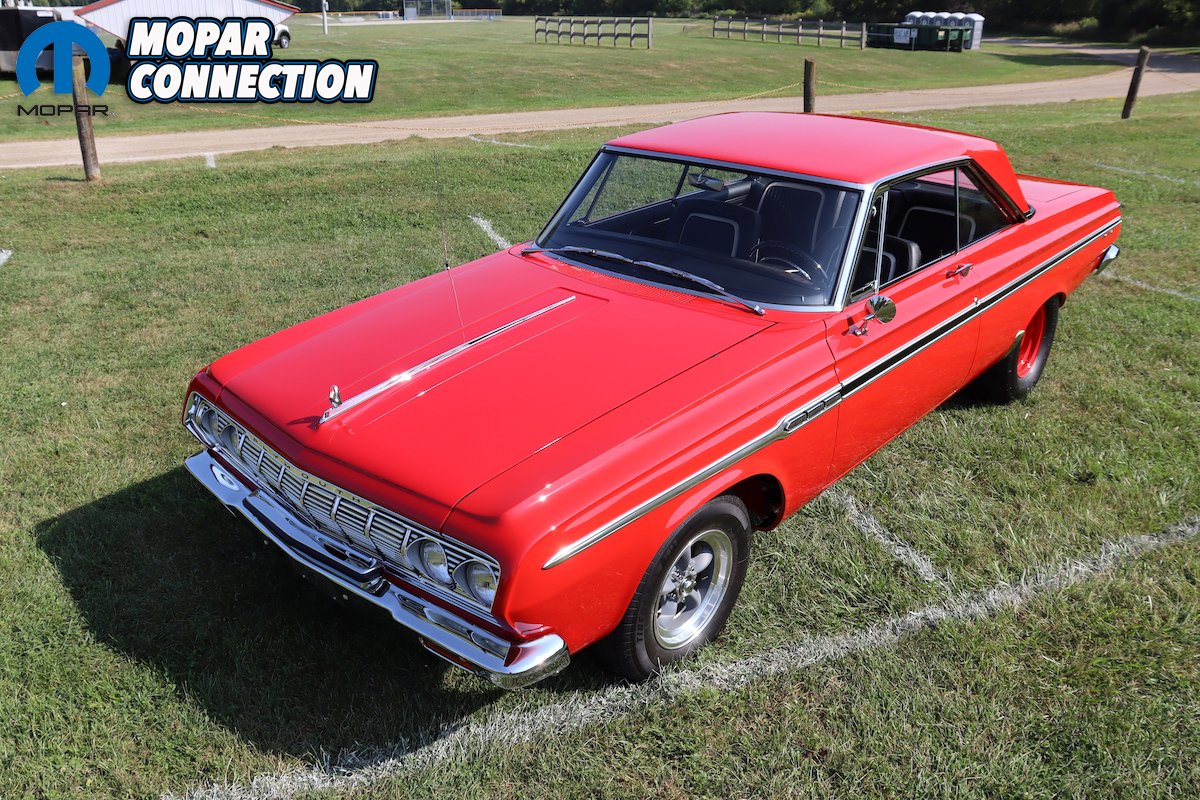
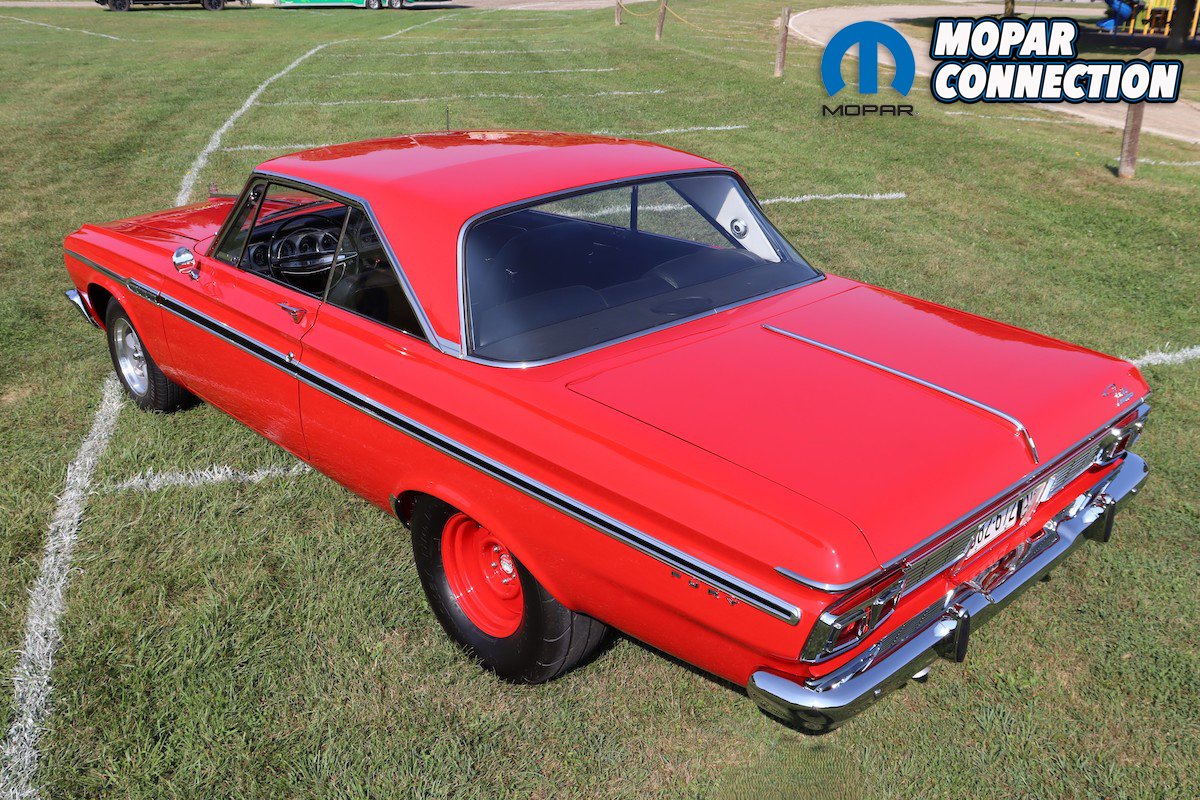
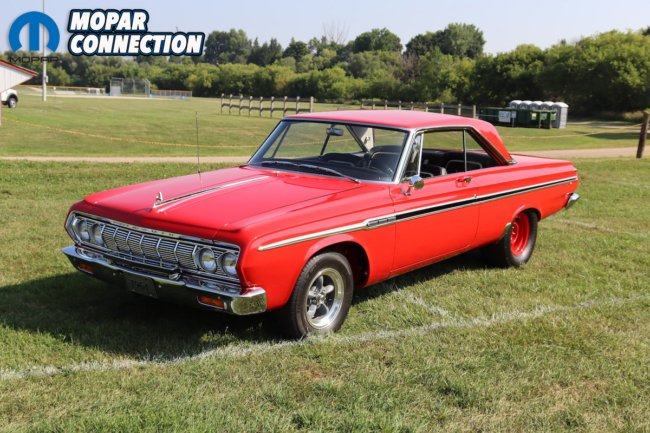
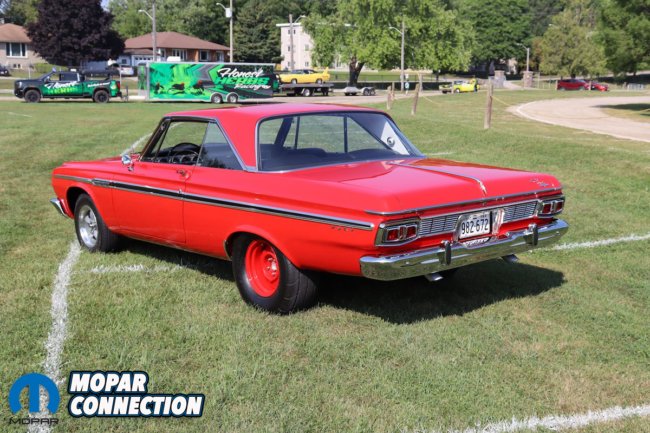
By 2017, Jim decided it was time to take the restoration of the car seriously. He reached out to Blaine Schmidt, a well-respected body shop owner in Erin, Ontario, known for his exceptional work. In just three months, he transformed the car, meticulously restoring it to its original Plymouth color, Ruby Red. It was only later that Jim found out the true color for a Canadian car should have been Flame Red.
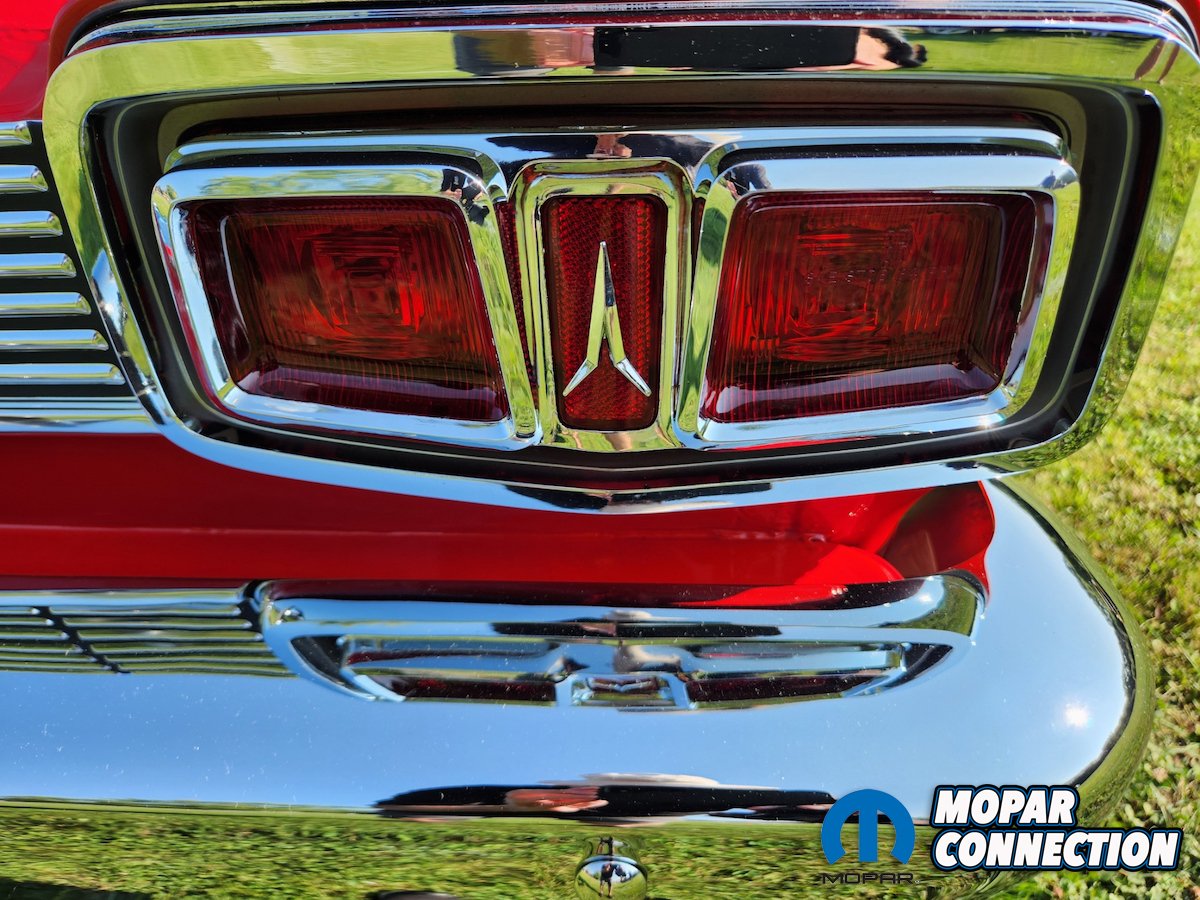
Once he got it home, Jim started the assembly process, but it only took place on weekends and evenings after work. Progress was slow initially, as he could only move forward when he had the funds available. Finally, in 2024, the car was completed, and it looked pristine, as if it had been on the showroom floor at the dealership.
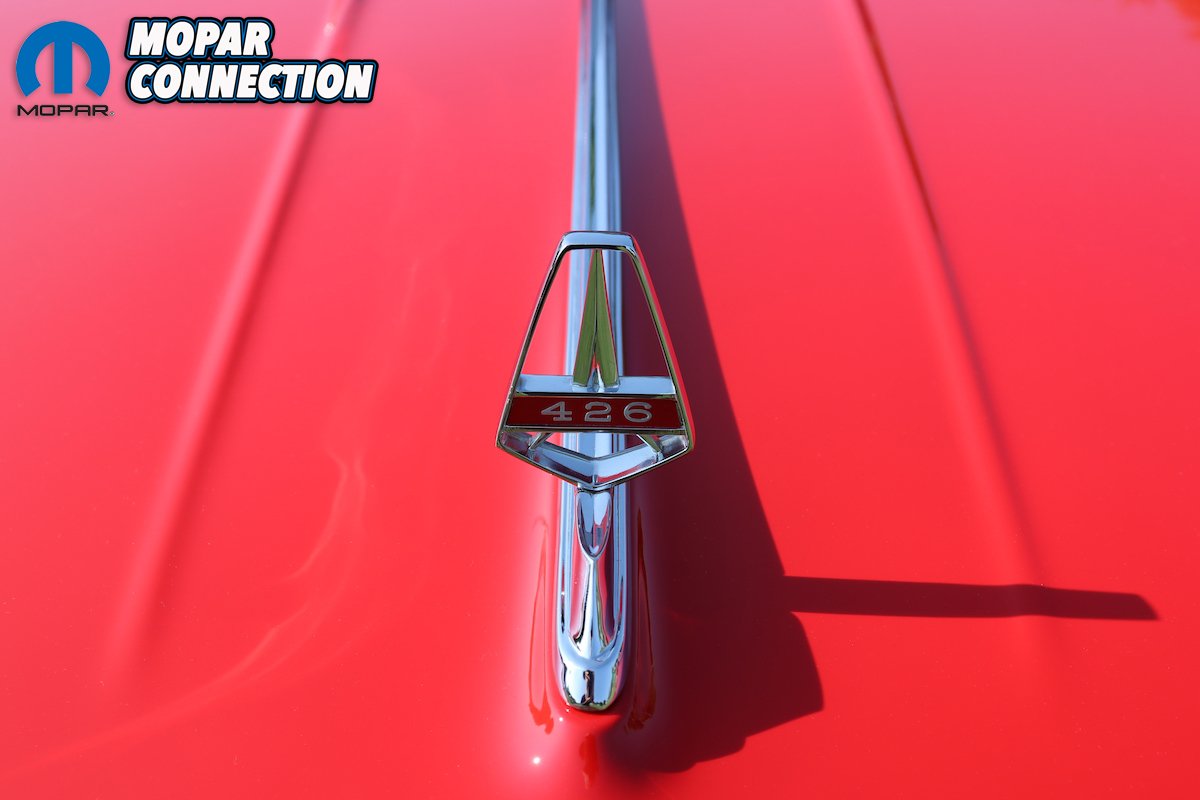
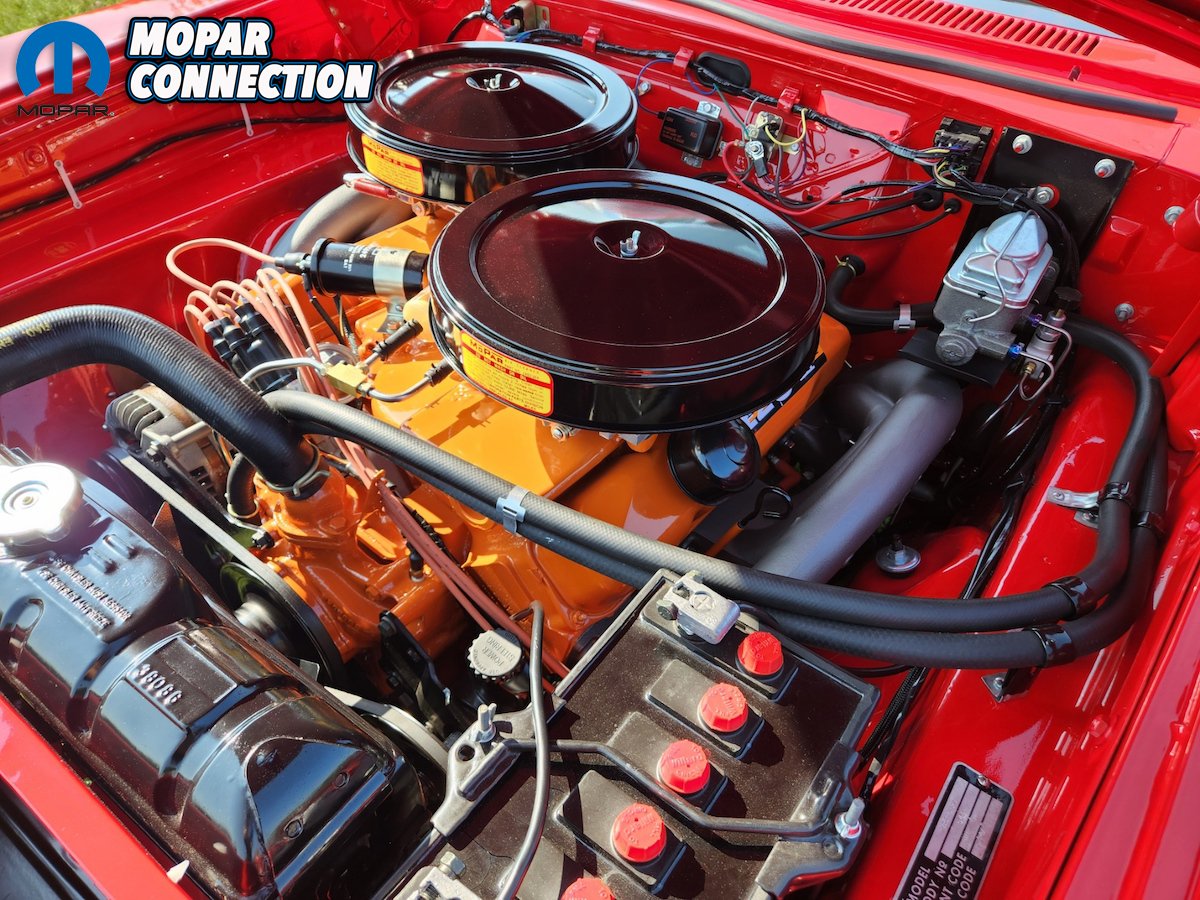
After parting ways with his beloved Hemi Road Runner, Jim yearned for more power and performance. He chose to build a 426 Max Wedge tribute engine using a 440 block as the foundation. The block was bored .030 over, and to enhance its performance, he installed new Molnar cranks and connecting rods, paired with Icon forged pistons, achieving a compression ratio of 11.3:1.
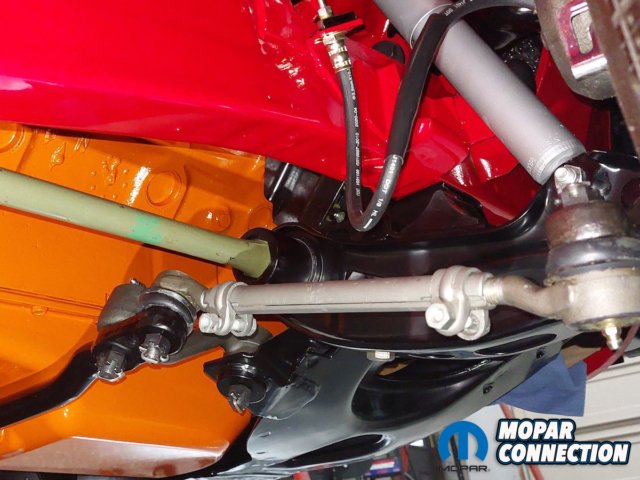
Jim chose Trick Flow aluminum 270 heads and equipped his engine with dual Carter AVS 3705 carburetors. He installed a Comp Cams hydraulic cam with a .524 lift for both intake and exhaust, along with the original Chrysler factory stock exhaust manifolds. To enhance steering responsiveness, Jim also incorporated a Borgeson power steering pump. This powerful setup was built by Nick Panaritis from “Nick’s Garage,” who has his own program on YouTube. Well known in the Mopar community for outstanding engine builds.
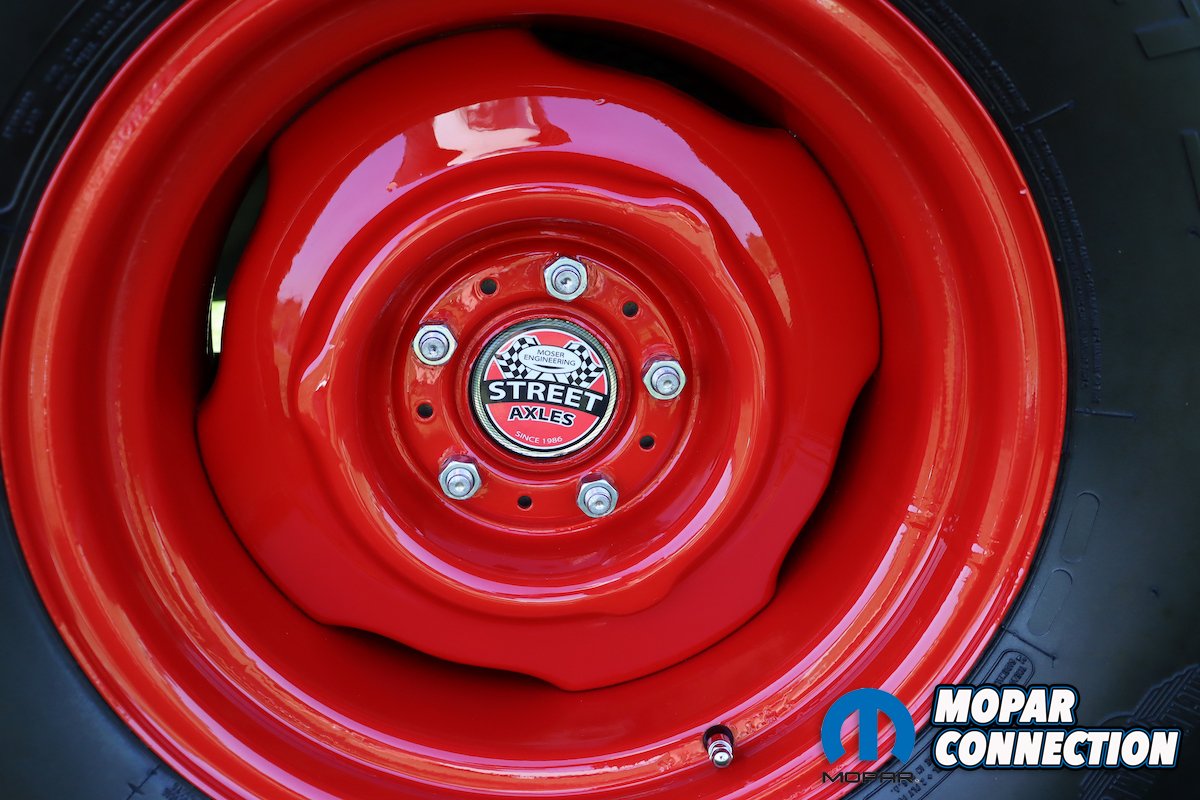
To ensure optimal cooling under the hood, Jim equipped the vehicle with a record factory Chrysler radiator, complete with a factory shroud and a 1968 Chrysler 18 1/2-inch fan featuring a clutch. The Fury is equipped with a late 60s Chrysler 8 ¾ rear axle featuring a SureGrip differential and 3.91 gears. To enhance strength and reliability, Moser axles were installed.
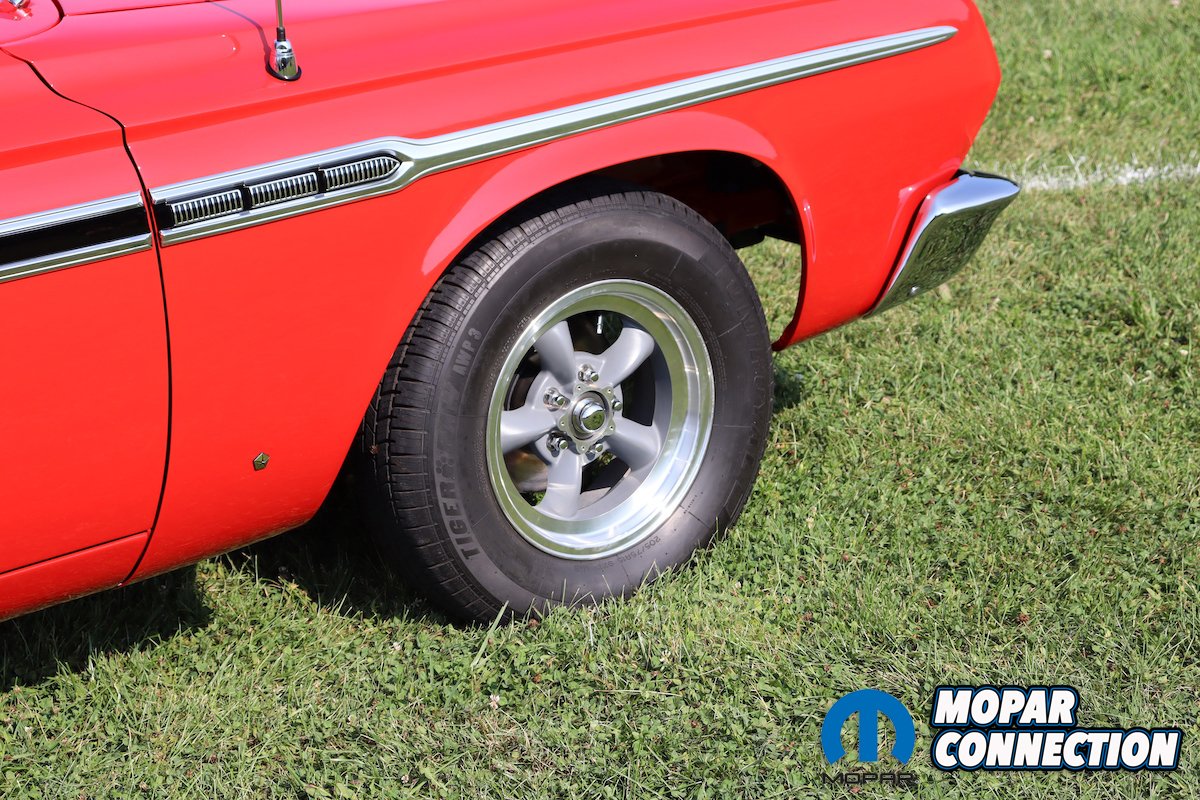
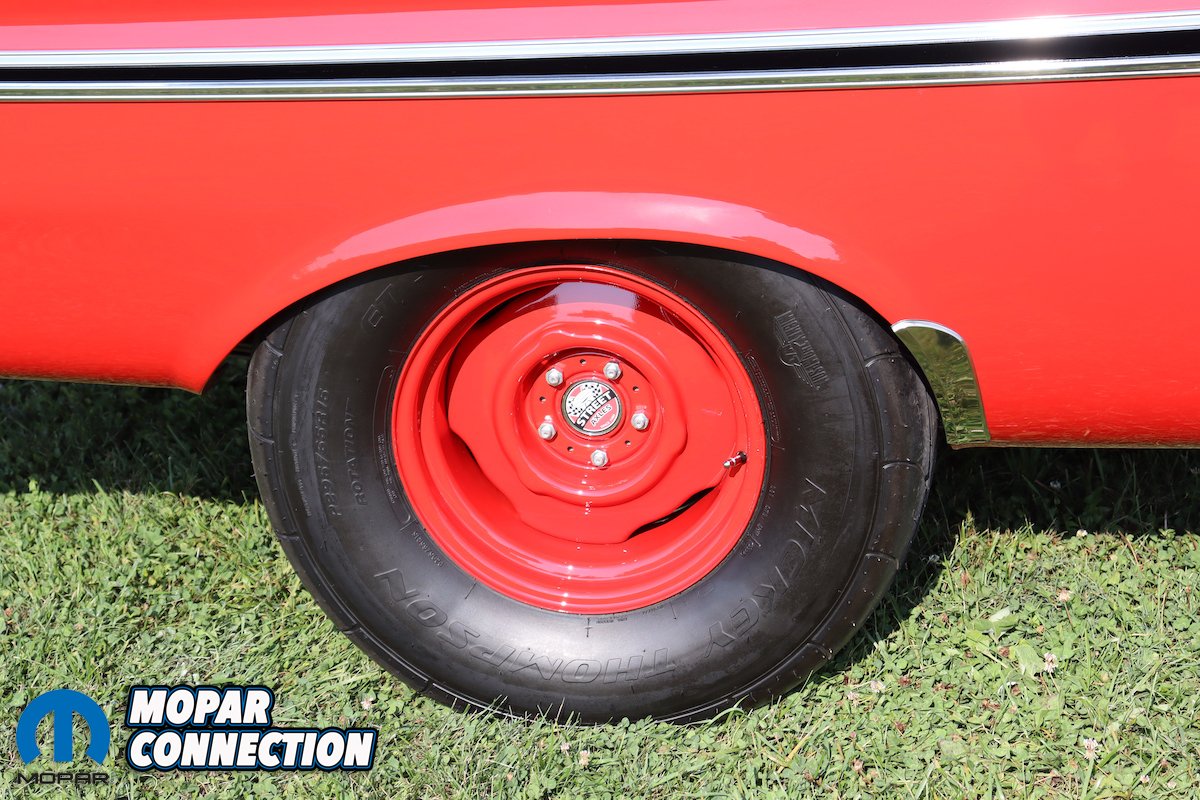
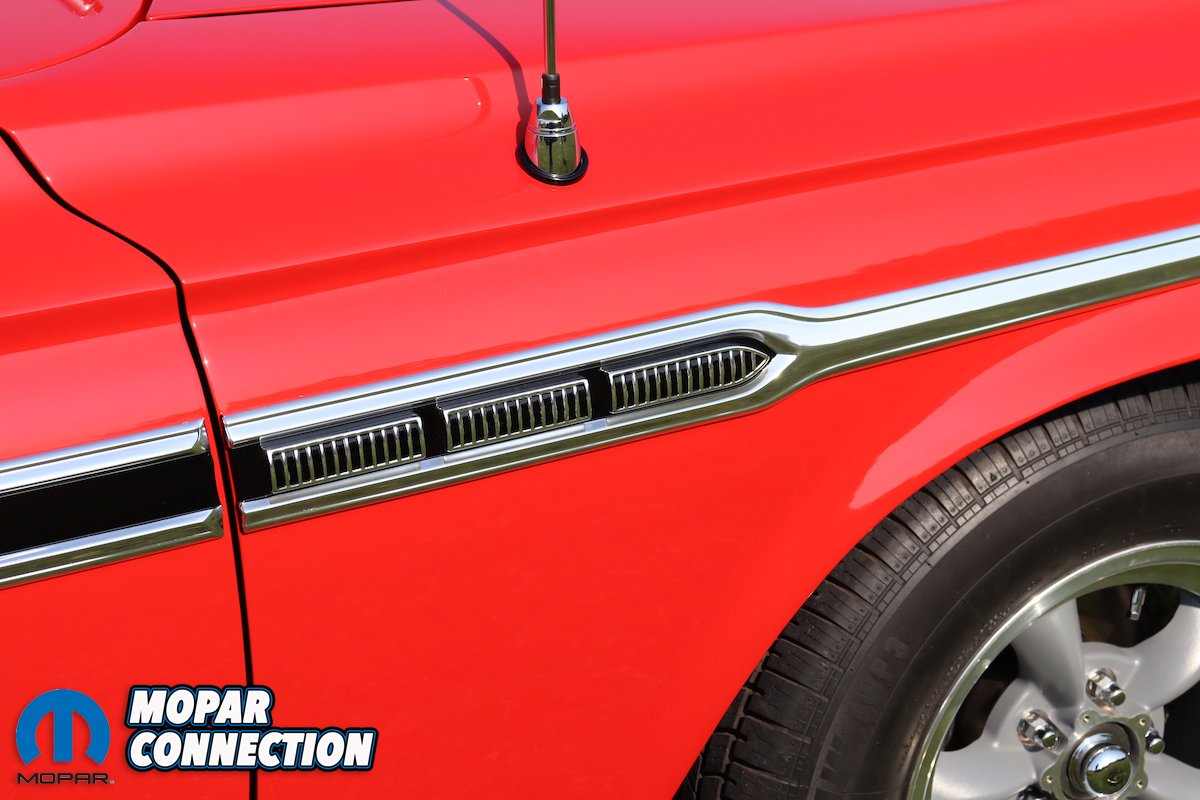
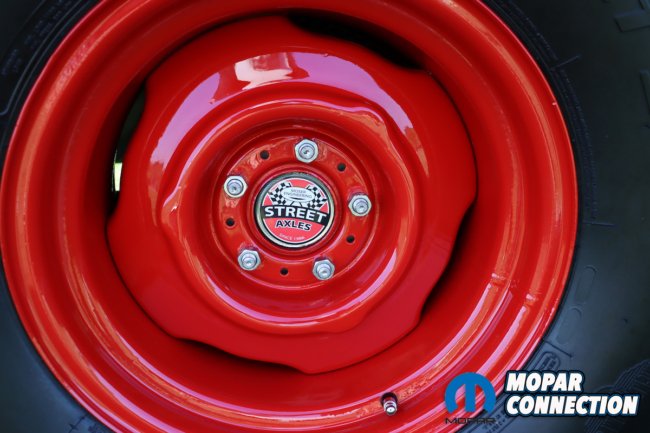
Jim has two sets of tires and rims to display with his car. For the classic factory appearance, he uses 14×5.5 wheels fitted with 7.50 whitewall tires and wheel covers, just as it sat at the dealership. For a more aggressive drag track look, he opts for American Racing Torque Thrust wheels with Uniroyal 205/75R15 tires in the front, paired with 15×8 painted steel rims and Mickey Thompson drag radials measuring 295/65R15 in the rear.
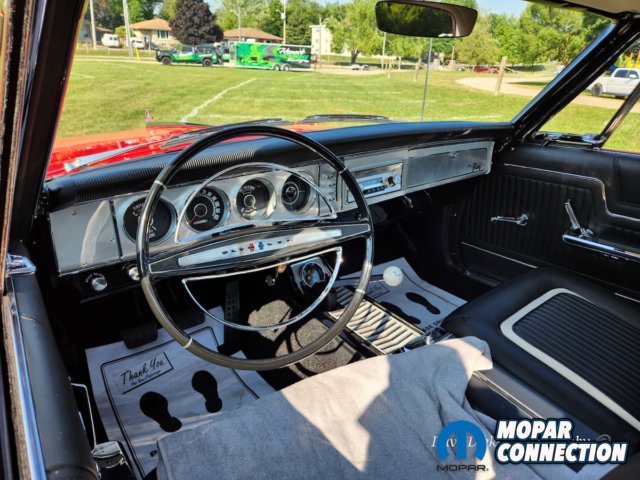
The interior was redone using Legendary seat covers, carpet, and interior door and quarter panels. The headliner was sourced from SMS Auto Fabrics. Diamond Trim in Aurora, Ontario, did the installation of the new seat covers and interior panels.
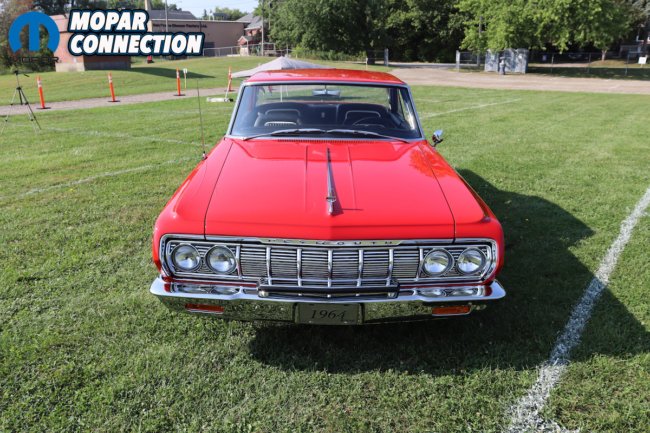
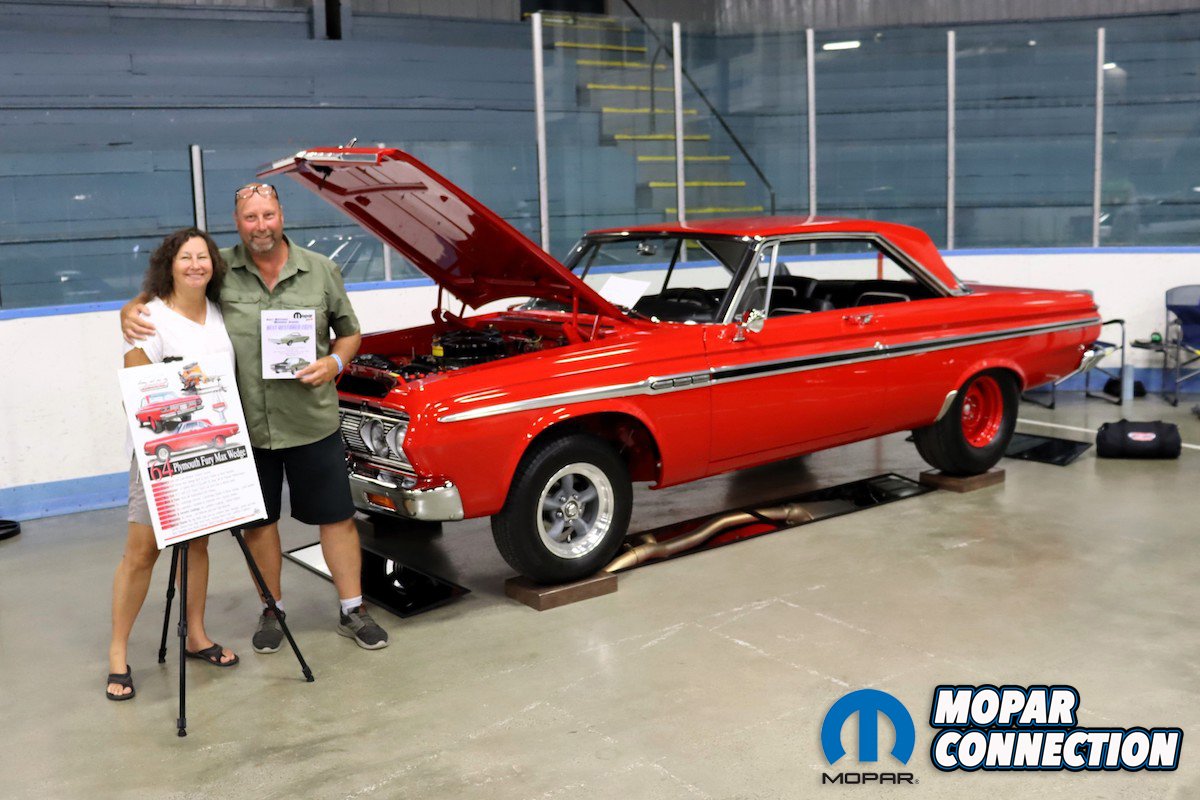
Since its completion, the Fury has received a multitude of prestigious awards. At the MCACN show in Chicago, Illinois, it was honored with the 2024 Blue Ribbon in the modified Plymouth category as well as the Judge’s Pick for modified Plymouth. In 2025, it claimed the title of Best Dodge/Plymouth at the Toronto Motorama show in Ontario, along with accolades for Best in Class, Best Restored Engine, and a position as a top 10 finalist.
The car also triumphed at the Carlisle Chrysler Nationals 2025, securing third place in the stock class for 62-65 B-bodies. At Moparfest in New Hamburg, Ontario, the Fury was showcased in the arena, winning the Gary Hoffman award for best restored car. The Fury made another appearance at the MCACN show, further demonstrating its exceptional status.
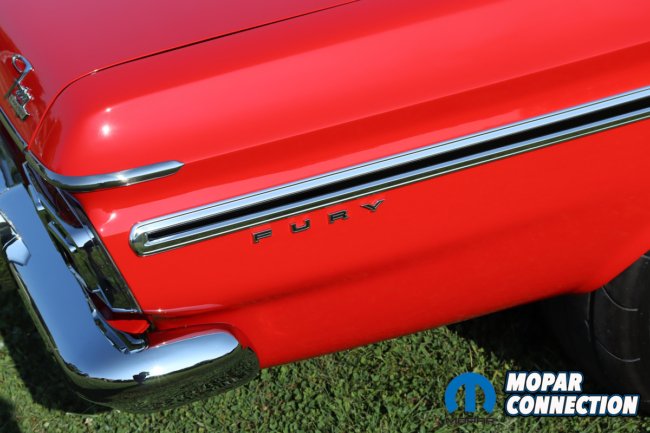
Jim’s primary aim in building the Fury was to pay tribute to his late father, Rube. He often felt a sense of regret for not finishing the car in time for his dad to enjoy it. It’s clear that Rube would be proud of how the car turned out, and every time Jim gets behind the wheel, he feels his father’s presence alongside him.
This accomplishment wouldn’t have been possible without the unwavering support of his wife, Julie, and his family—Dale, Georgia, Aria, Lauren, Alex, and Nora. Special thanks also go to Nick Panaritas from Nick’s Garage on YouTube, as well as Andrew Kelch and Sandro Dibona for their invaluable contributions and support.