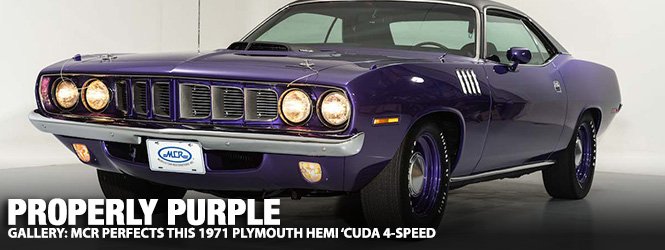
What makes a collectible car valuable? Certainly being rare helps a lot but just because a car is scarce doesn’t automatically make it desirable. There are plenty of older very rare cars that nobody really wants. There are also cars that are desirable but somewhat more readily available so that negatively affects their value because if you really want one you can likely find one. What makes a car really valuable is at the intersection of very small numbers and ultra high desirability combined with being in museum level condition.
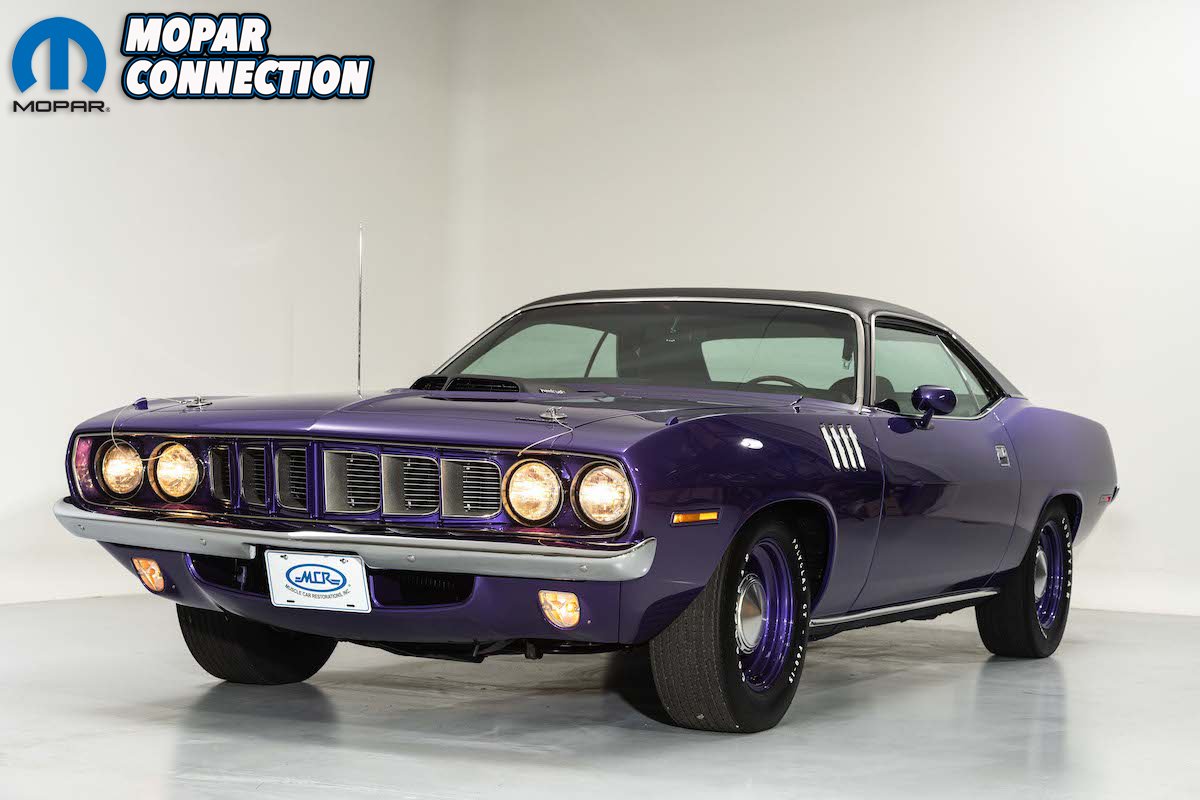
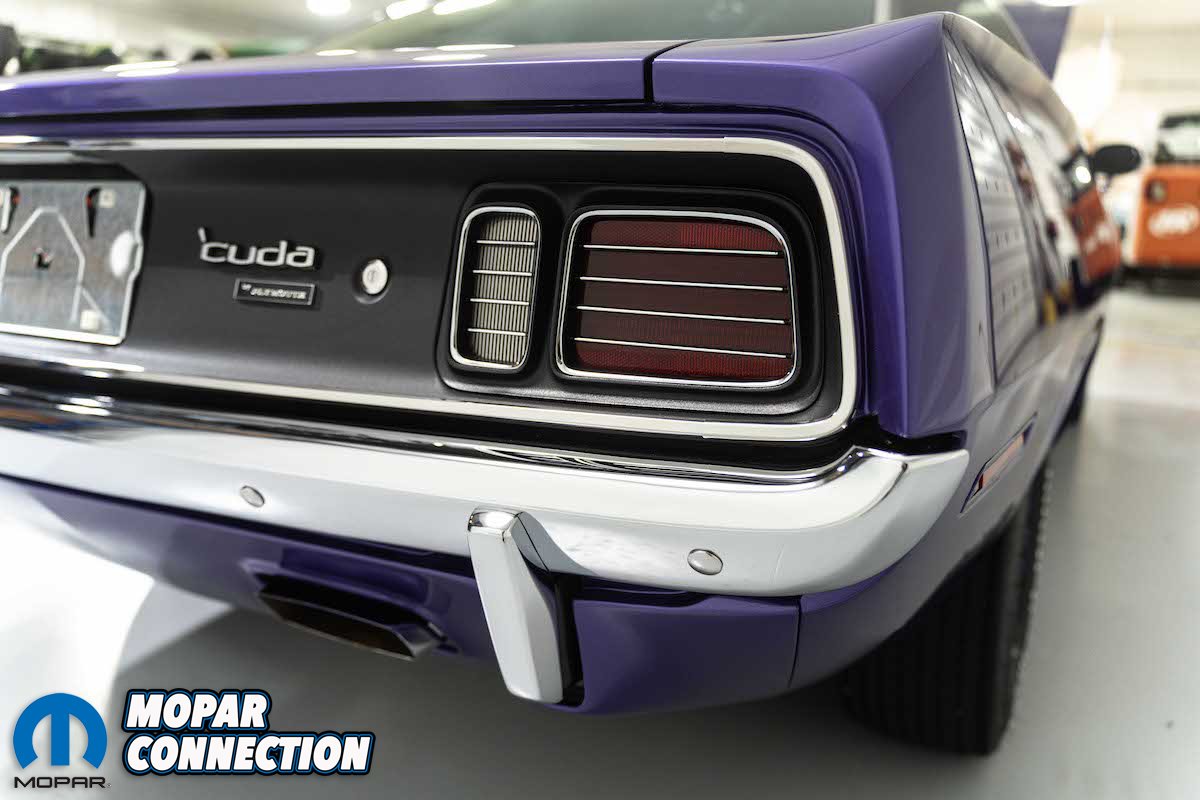
These are, understandably, hard to come by but owner John Balow (owner of Muscle Car Restorations) has always had a knack for finding them, and this 1971 Hemi ‘Cuda most certainly fits the definition.
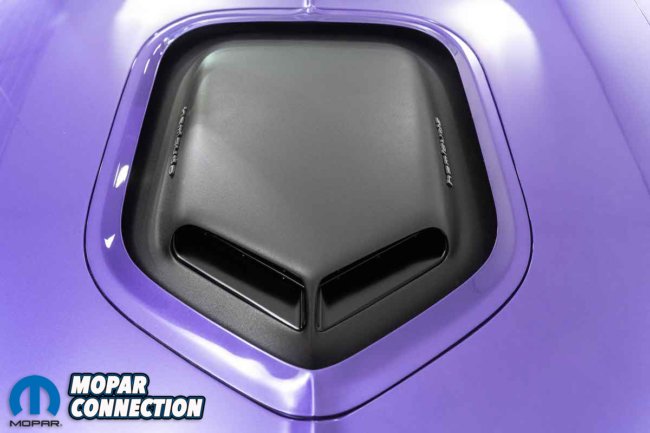
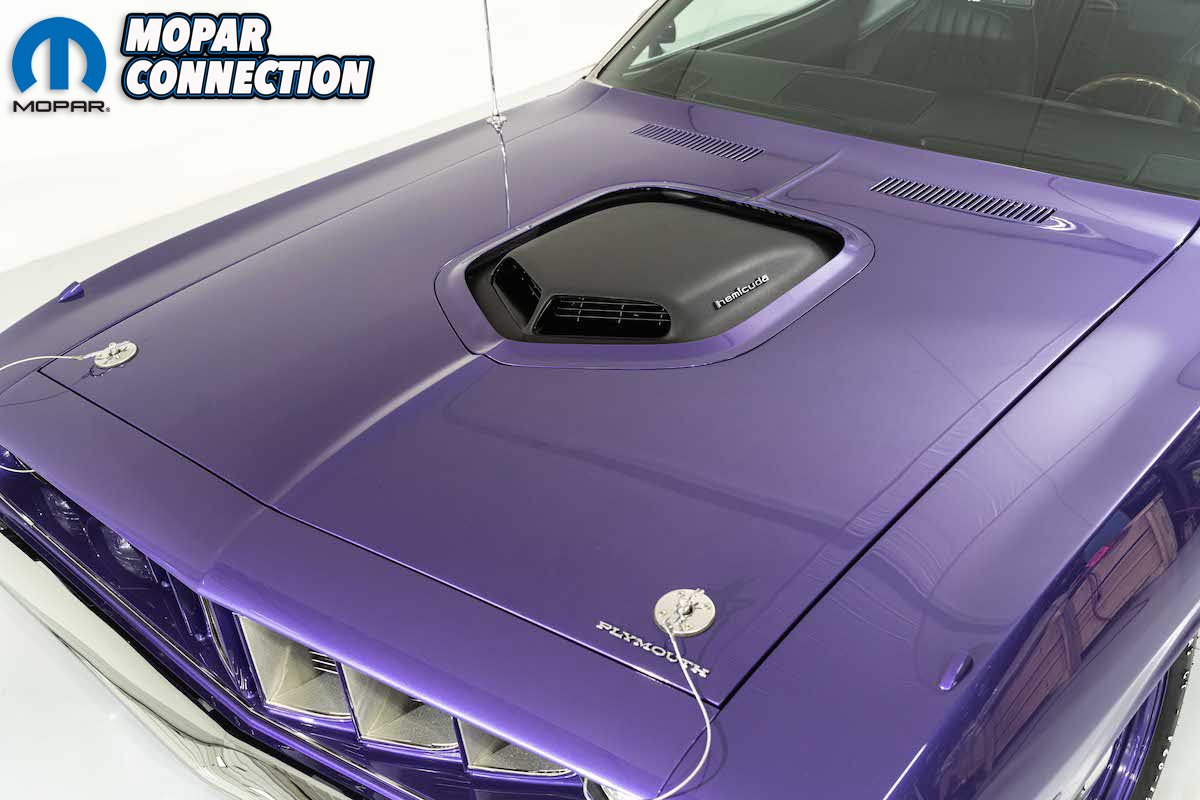
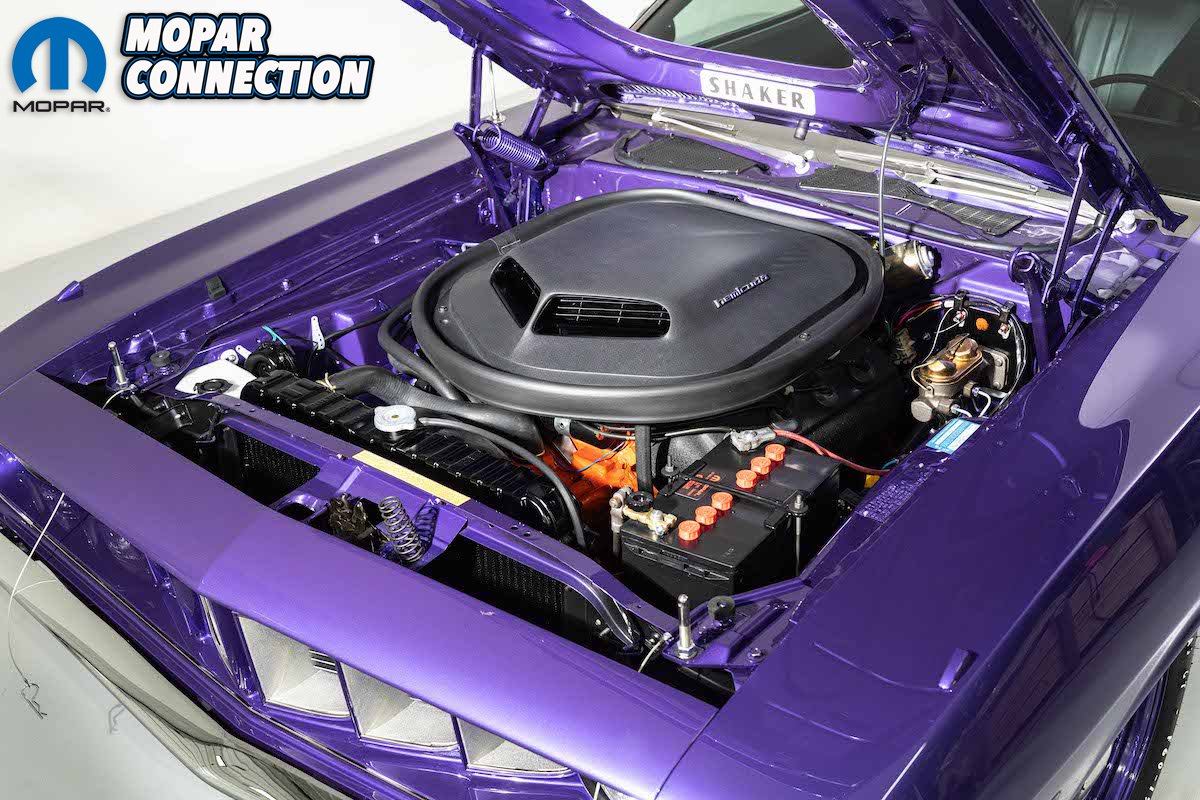
Above: Though the Shaker scoop appears centered within the hood, the engine itself is biased to the passenger side.
John came across this gem in a barn (of course) in the upper Midwest while procuring a ’70 440 for another customer. The owner of the 440 also had the ’71 but wasn’t ready to part with it just yet. John expressed his interest in the Hemi car as MCR had a current client that was building collection of rare muscle cars and a ’71 Hemi ‘Cuda would be a good fit for him.
About eight years later, the owner – now retirement age – and his family decided it was time to sell the last car in the collection along with hundreds of NOS parts that had been collected over the years.
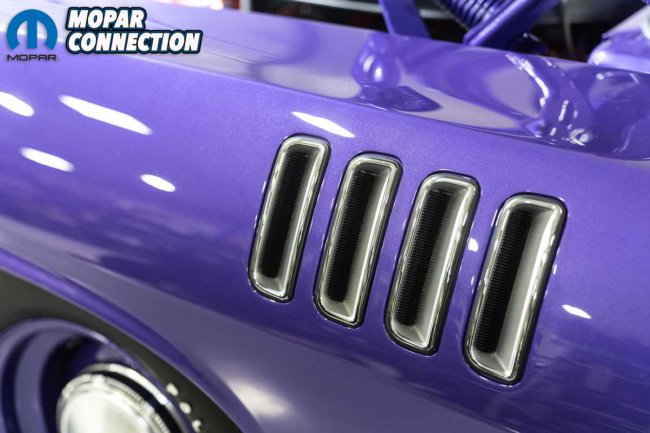
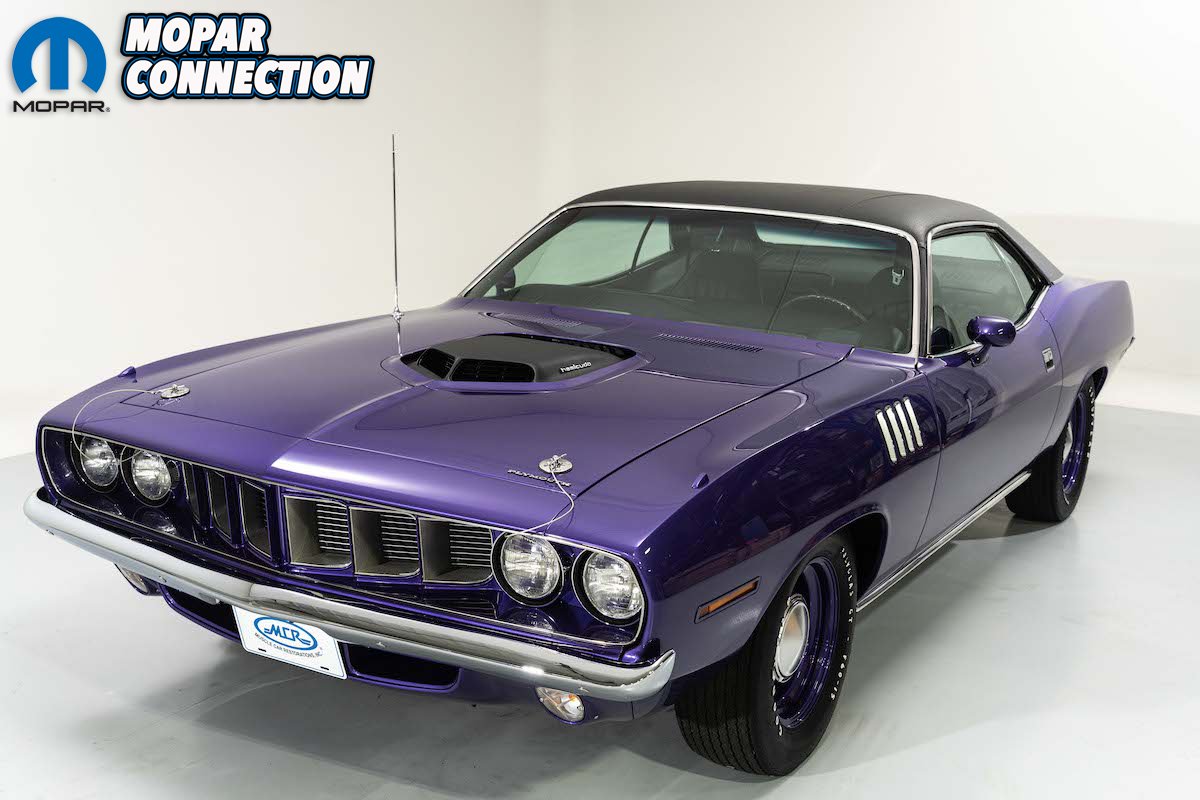
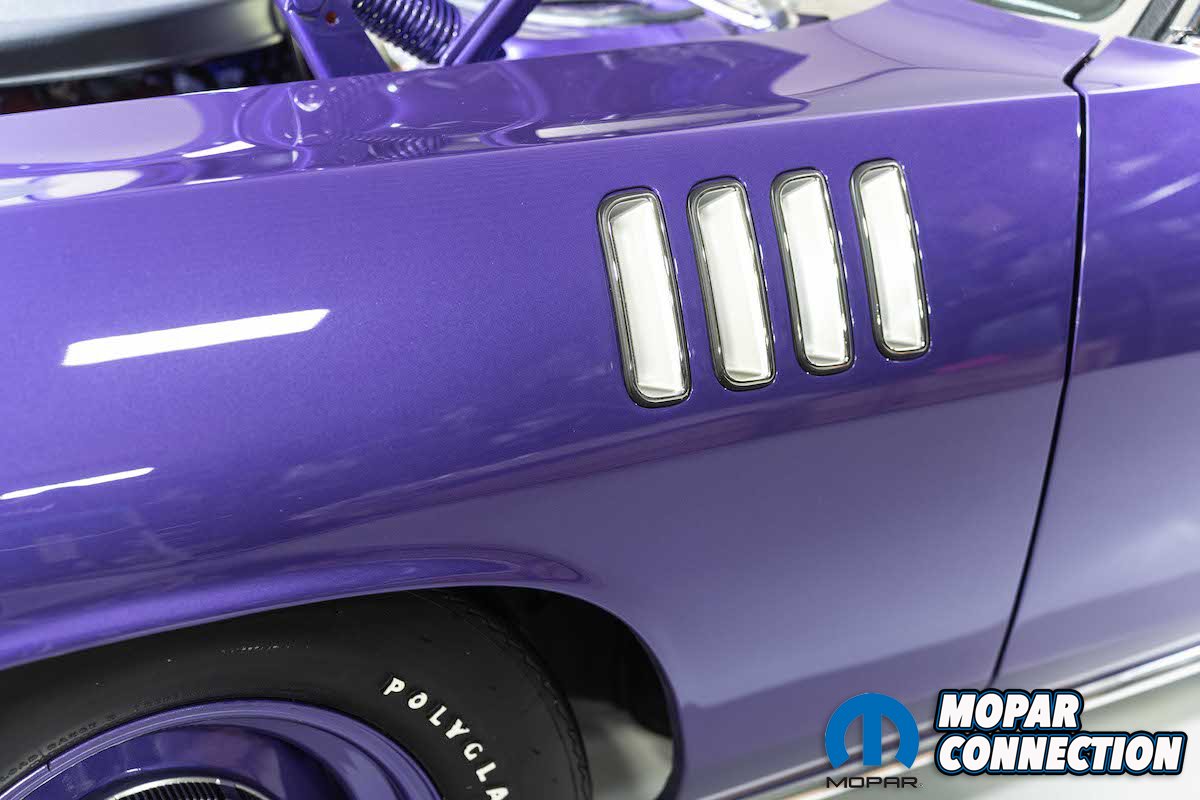
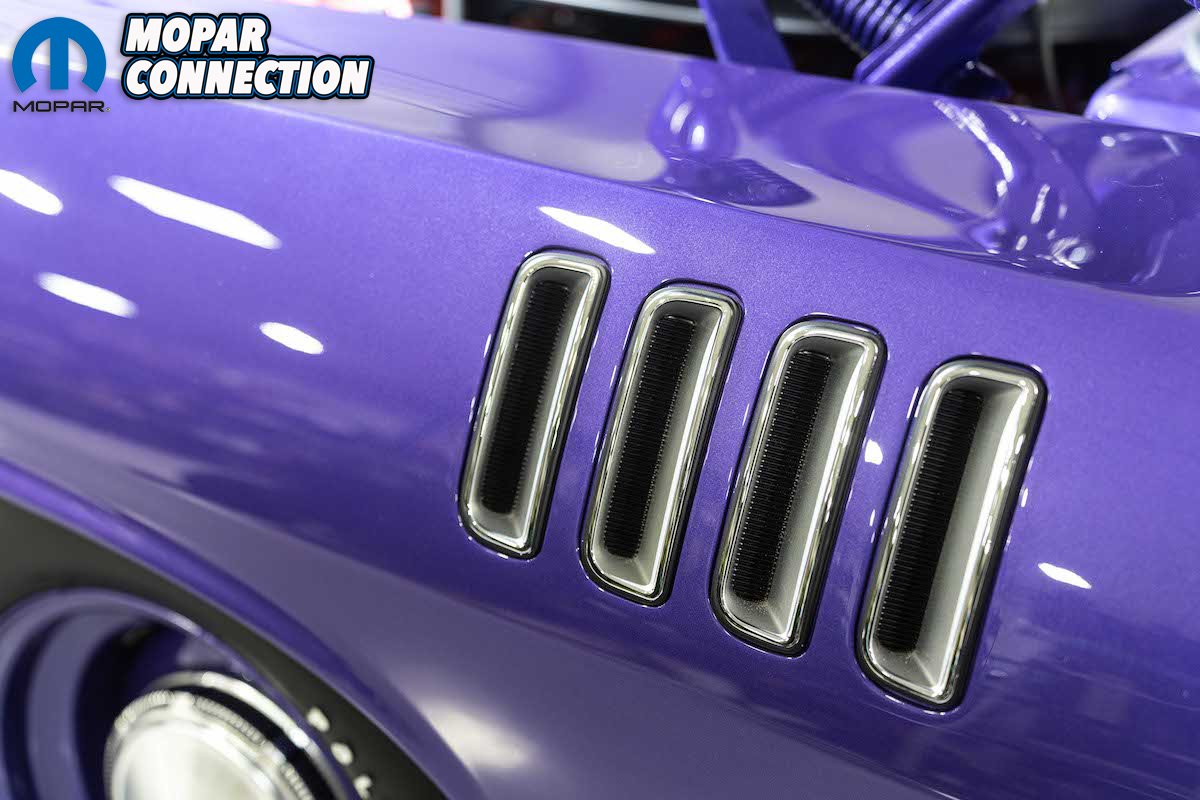
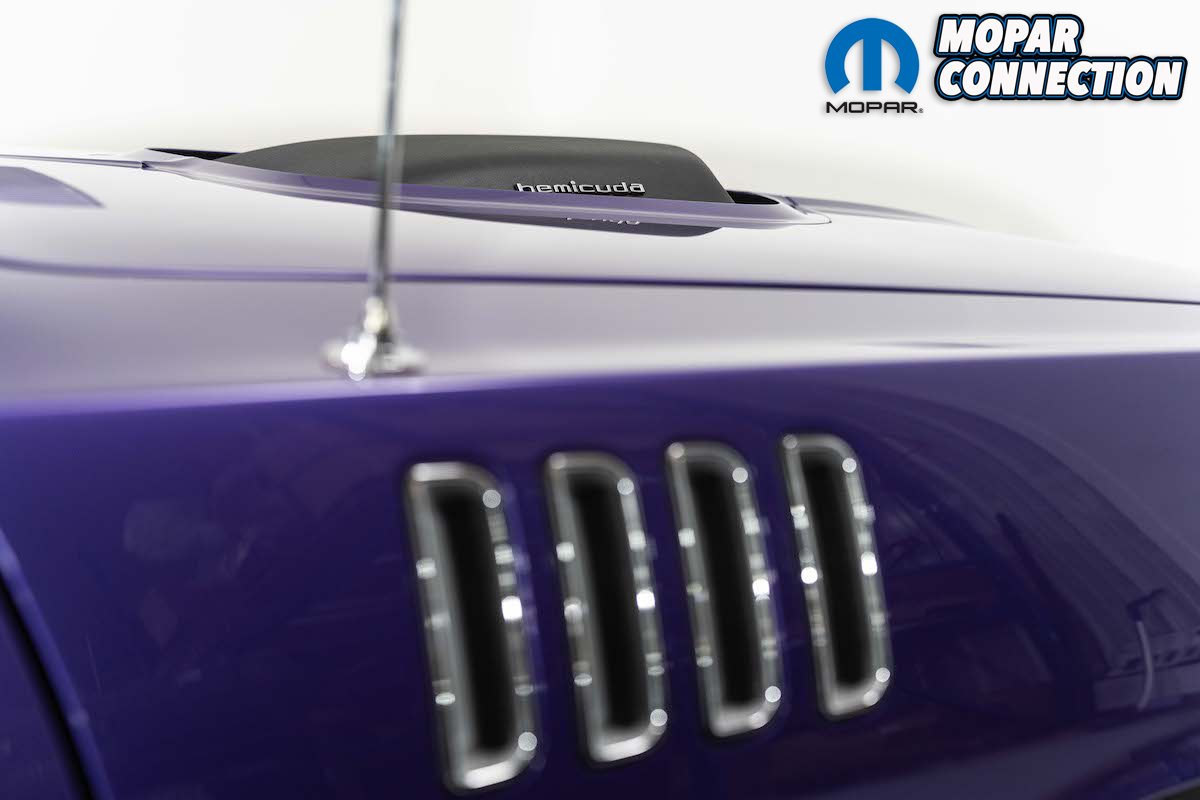
Above: Only seen on the ’71 model year are these fender slots that are supposed to resemble the gills on a Barracuda.
This Hemi car needed a full restoration but was in better shape than most as it had been stored in a safe relatively dry place for more than 30 years. It was a perfect candidate for museum-quality restoration as it was all there and could be redone as a perfect numbers matching proper date-coded original.
While the quality of work at MCR is always the same, what differentiates one restoration from the next is how far each client wants to go and this owner wanted his ’71 Hemi to look just like it would have as it rolled out the factory door.
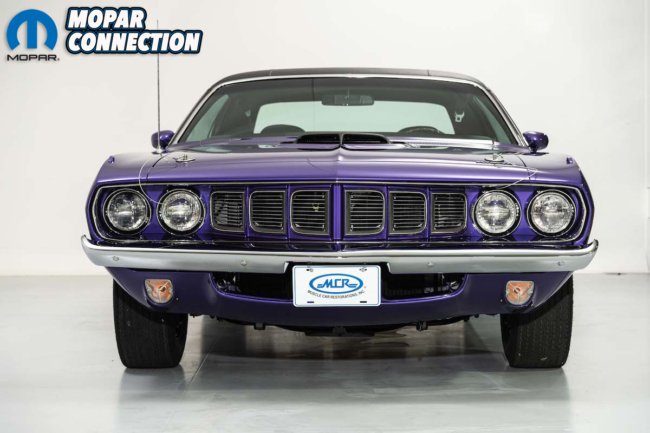
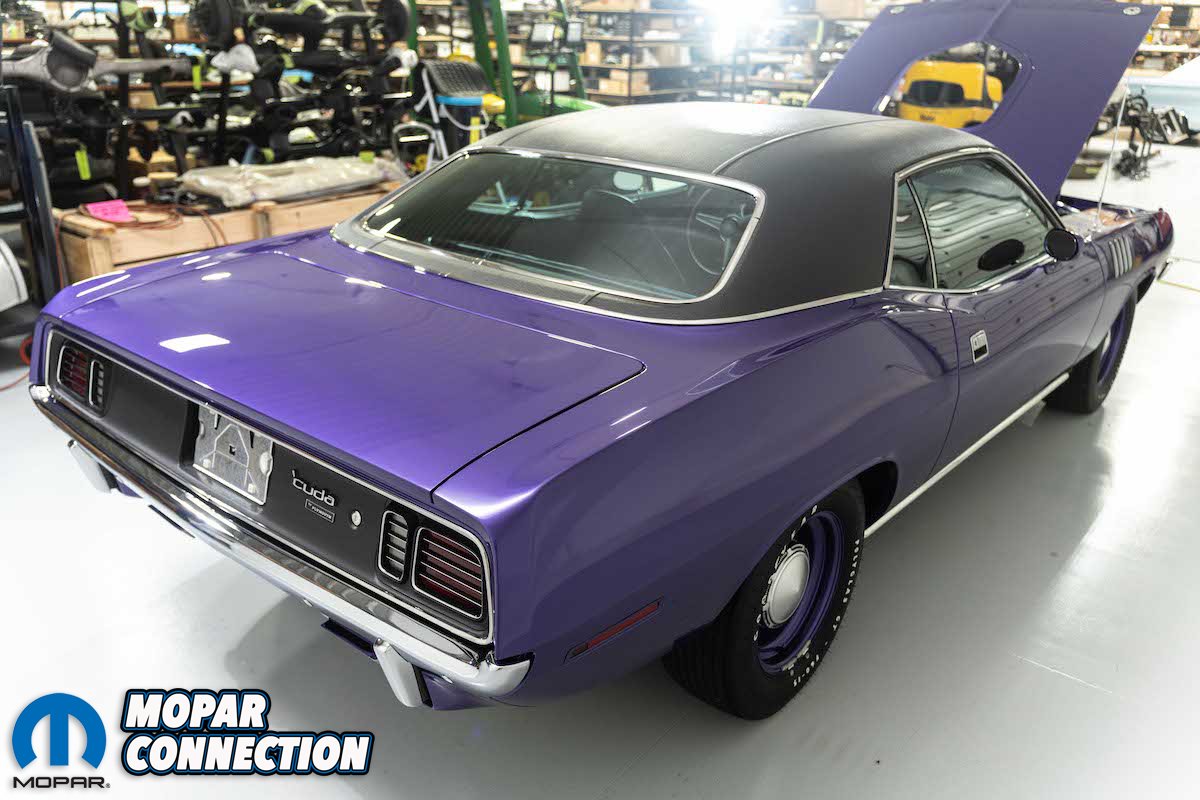
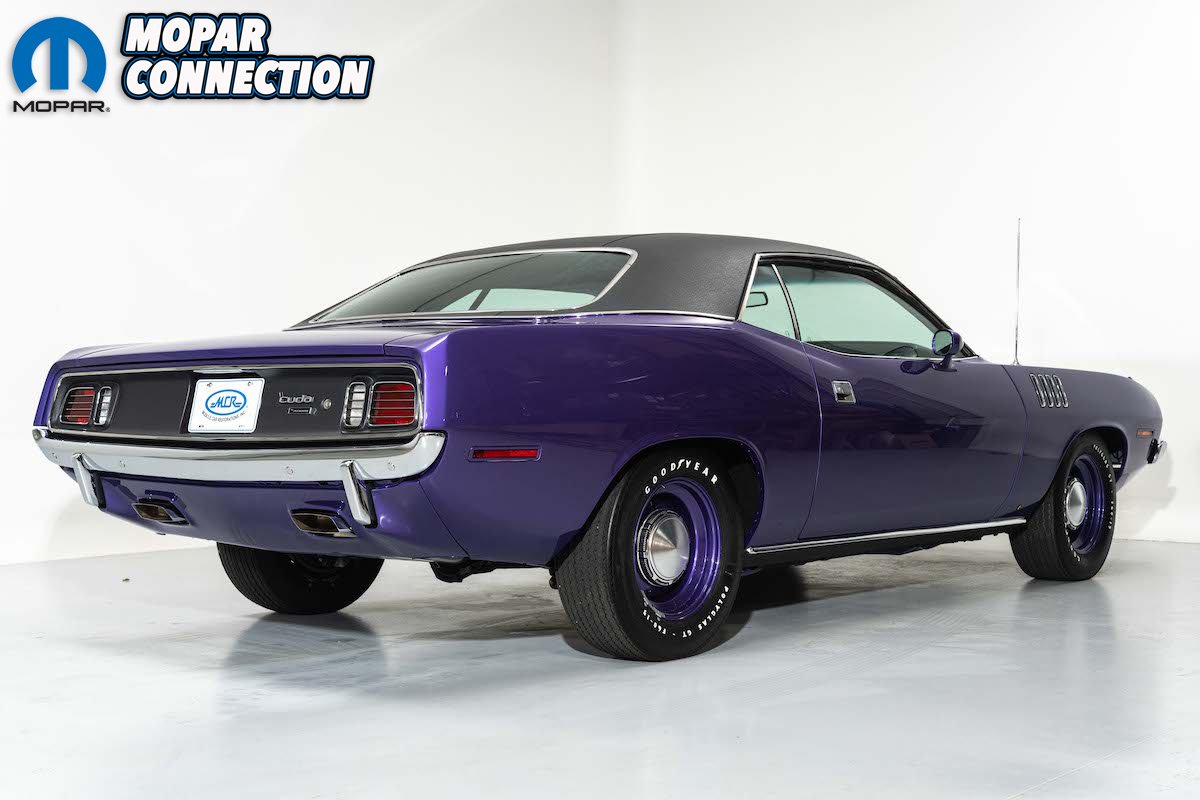
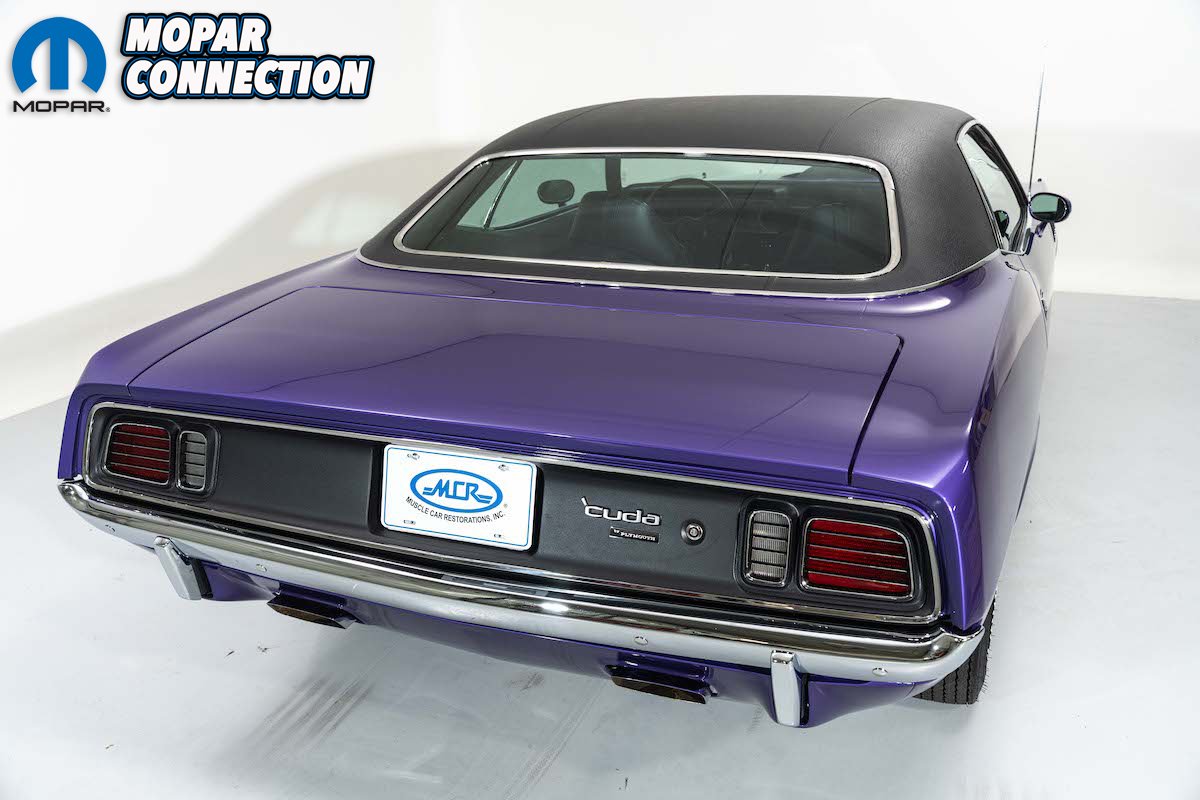
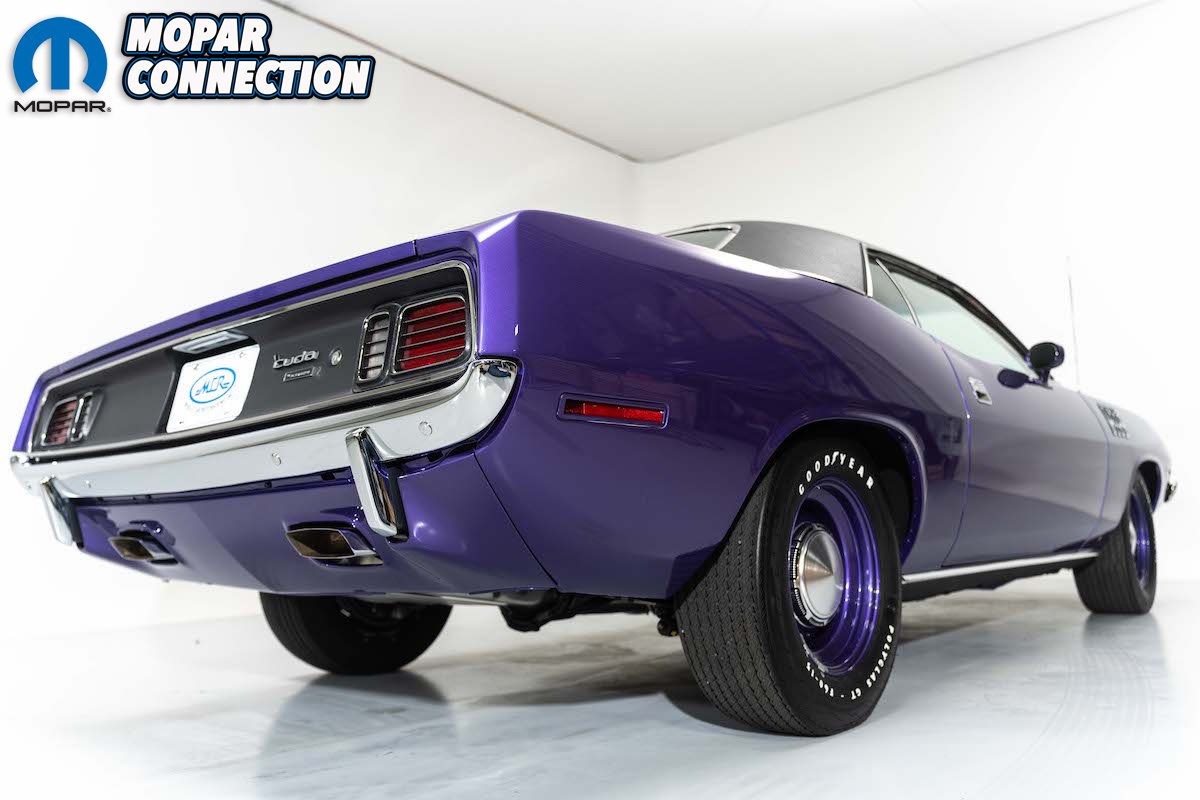
Above: How’d you like this parked in your driveway? Certainly would make the commute to work a whole lot more fun.
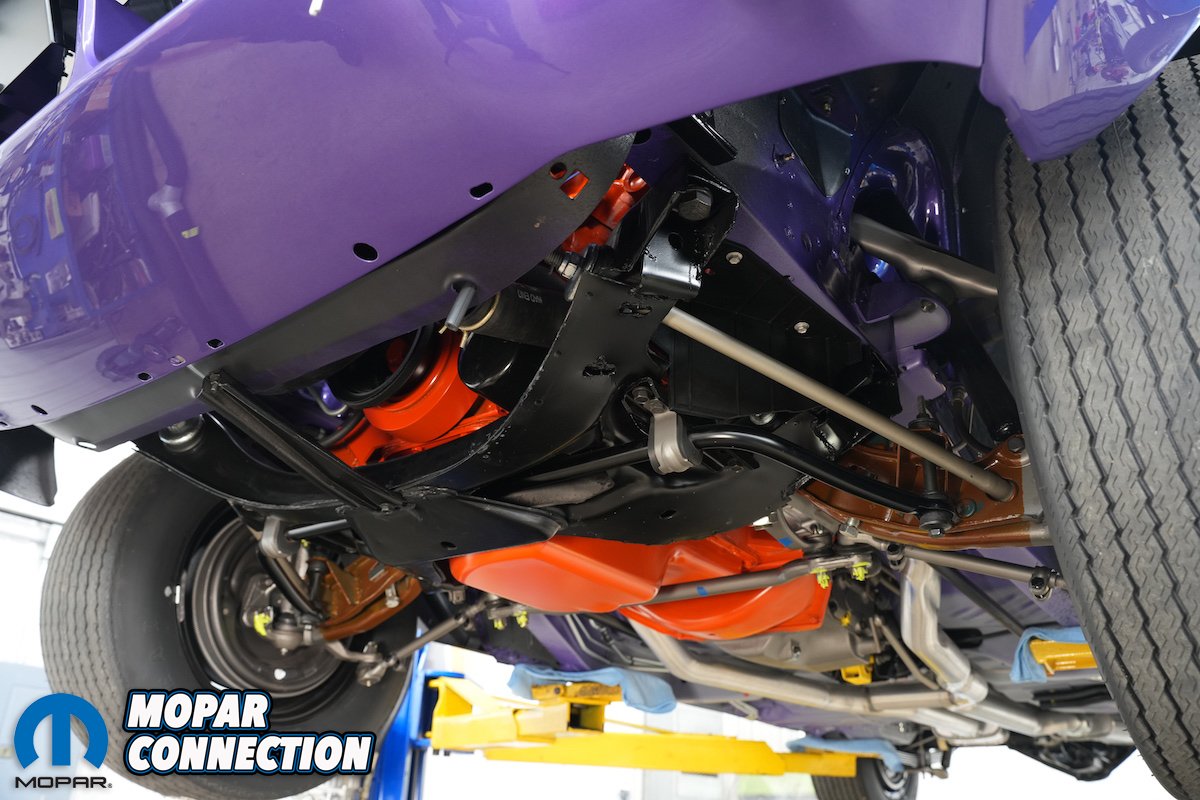
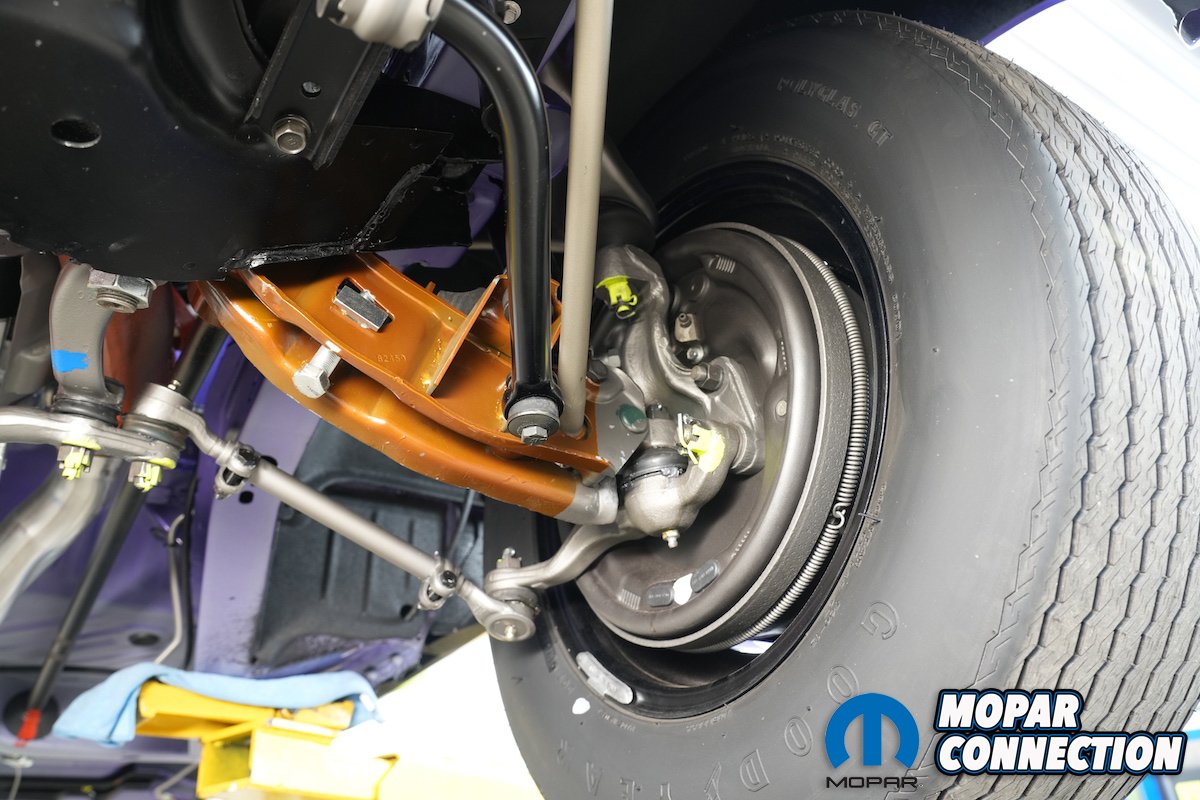
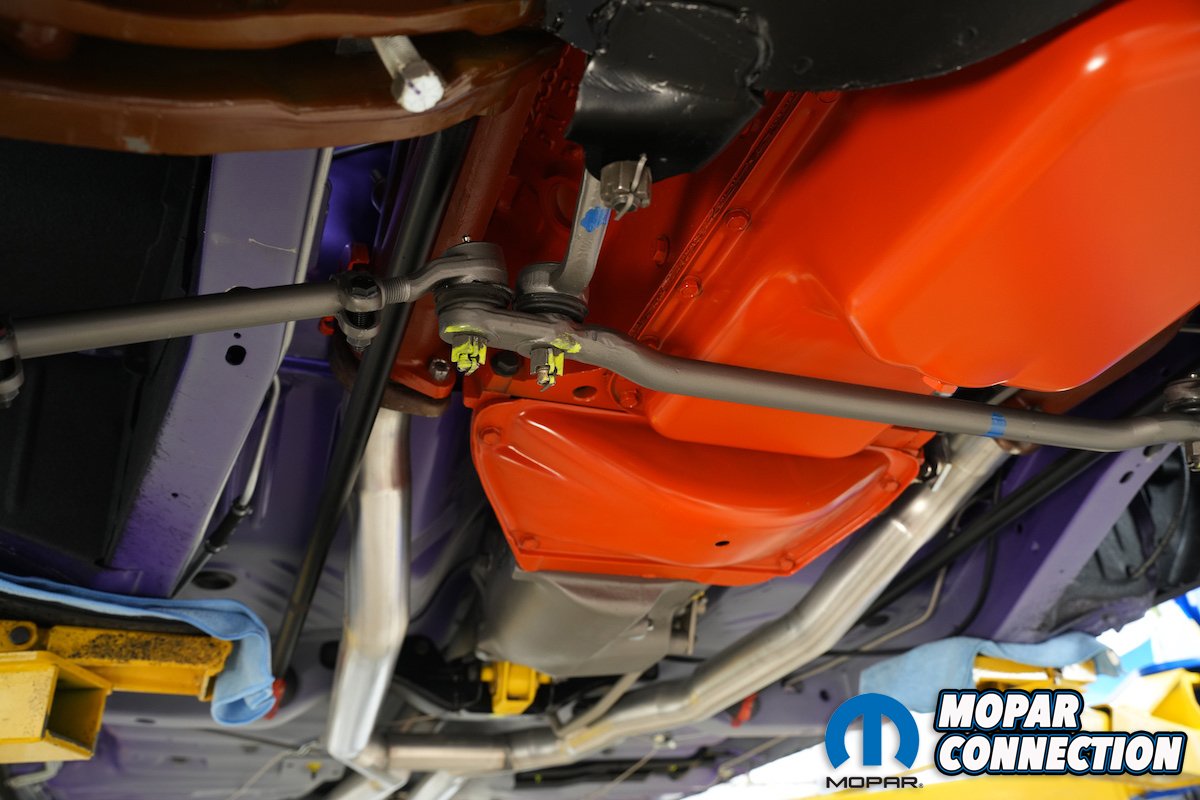
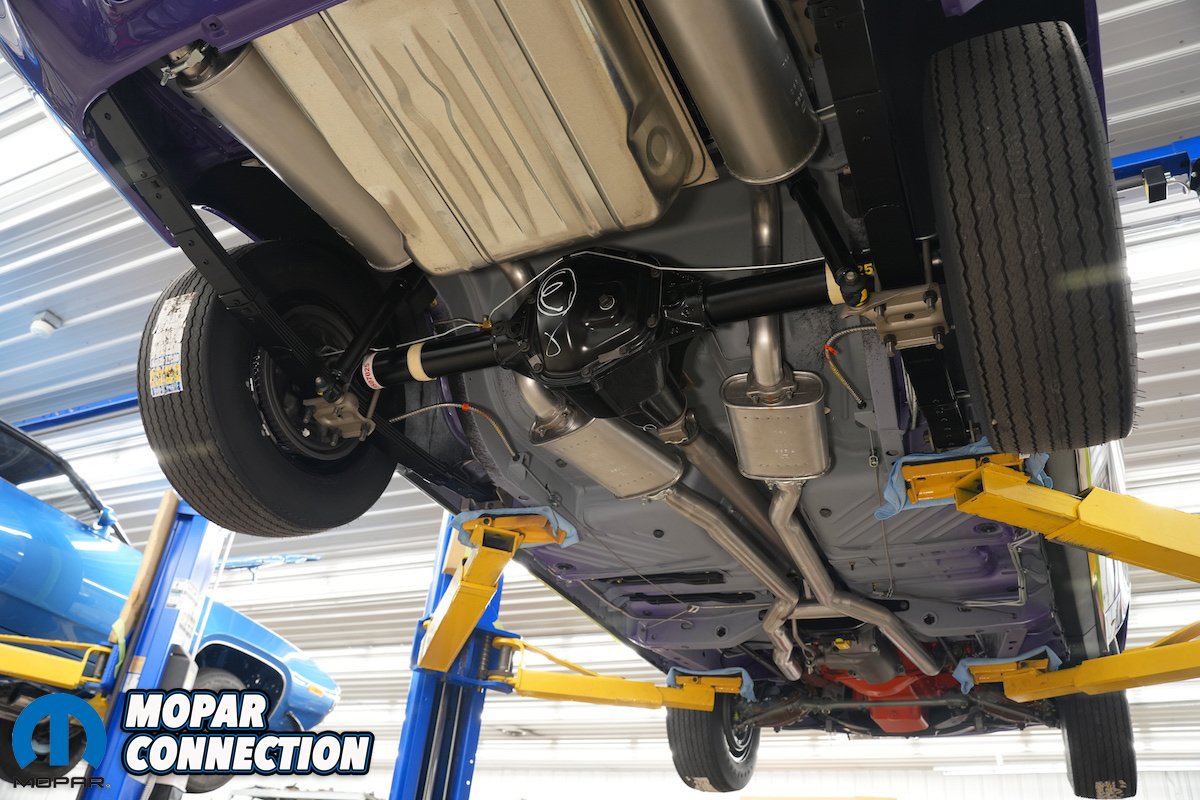
This included a complete factory-correct restoration but also with the addition of all the stamps, stickers, labels, tags, paint dabs and even a faithful reproduction of the factory overspray under the car. Essentially, no item on the car is overlooked. Everything that would have been there has been accurately put back just as it would have been.
This is accomplished first by MCR’s extensive experience with Mopars but also, and no less important, with a thoroughly documented disassembly process. Much like an archeologist, the MCR team goes over the entire car looking for and documenting any and all clues that they can find as to how this particular car was assembled at the factory.
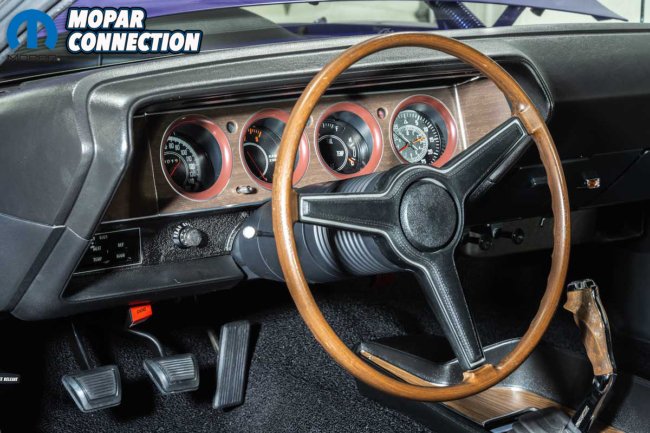
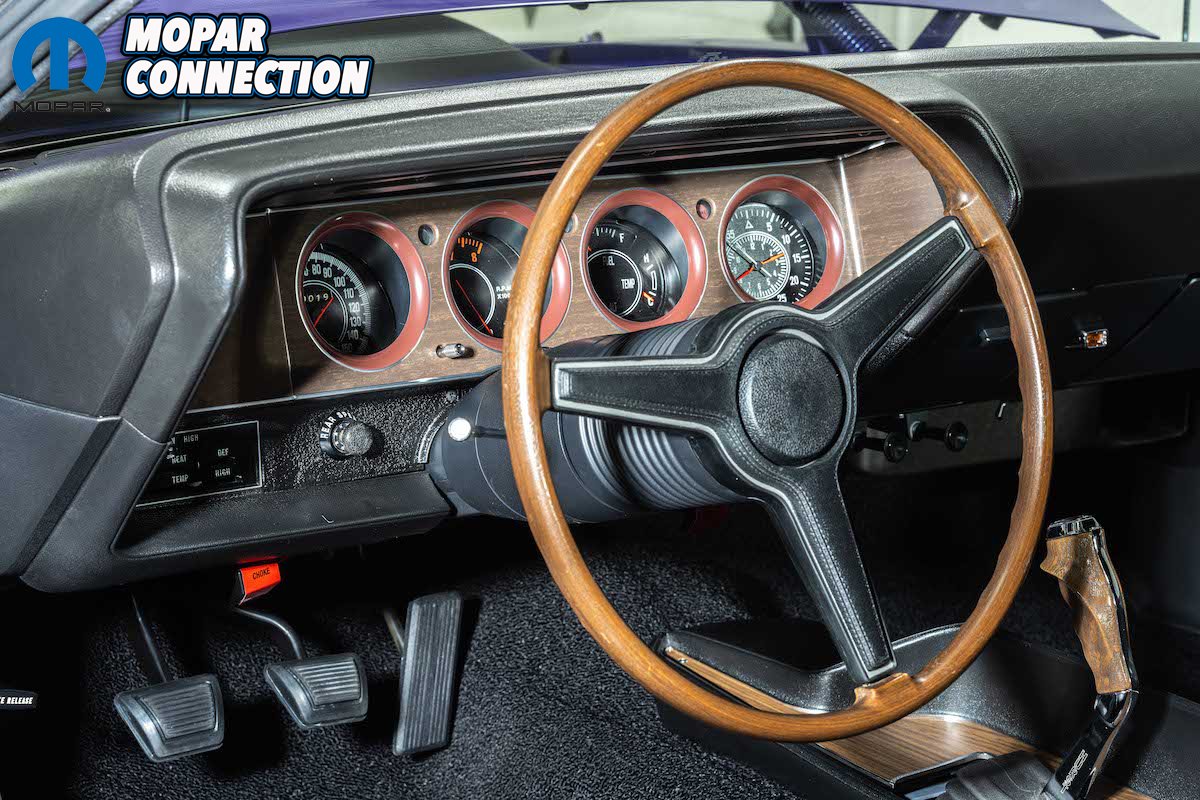
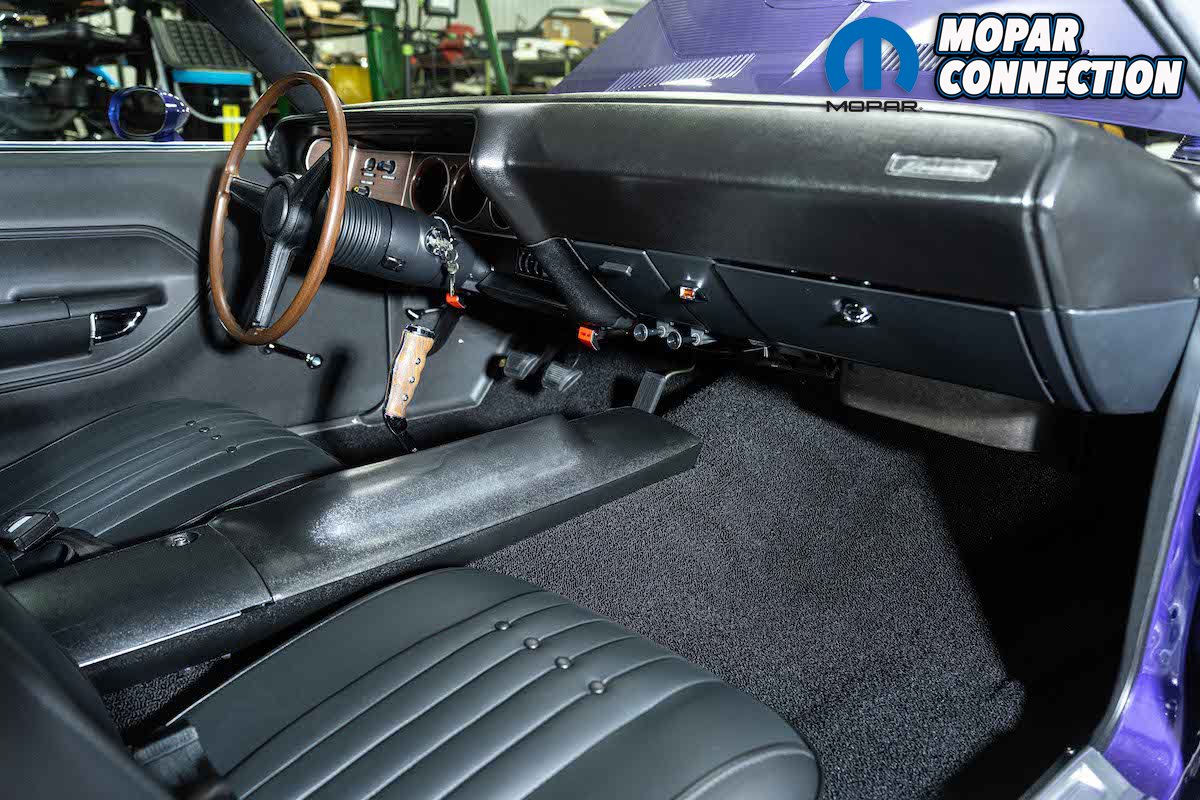
Above: Gauges are fully restored and work as new. The 19 miles on the odometer is from MCR’s dyno and road testing to confirm that everything is functioning as is should.
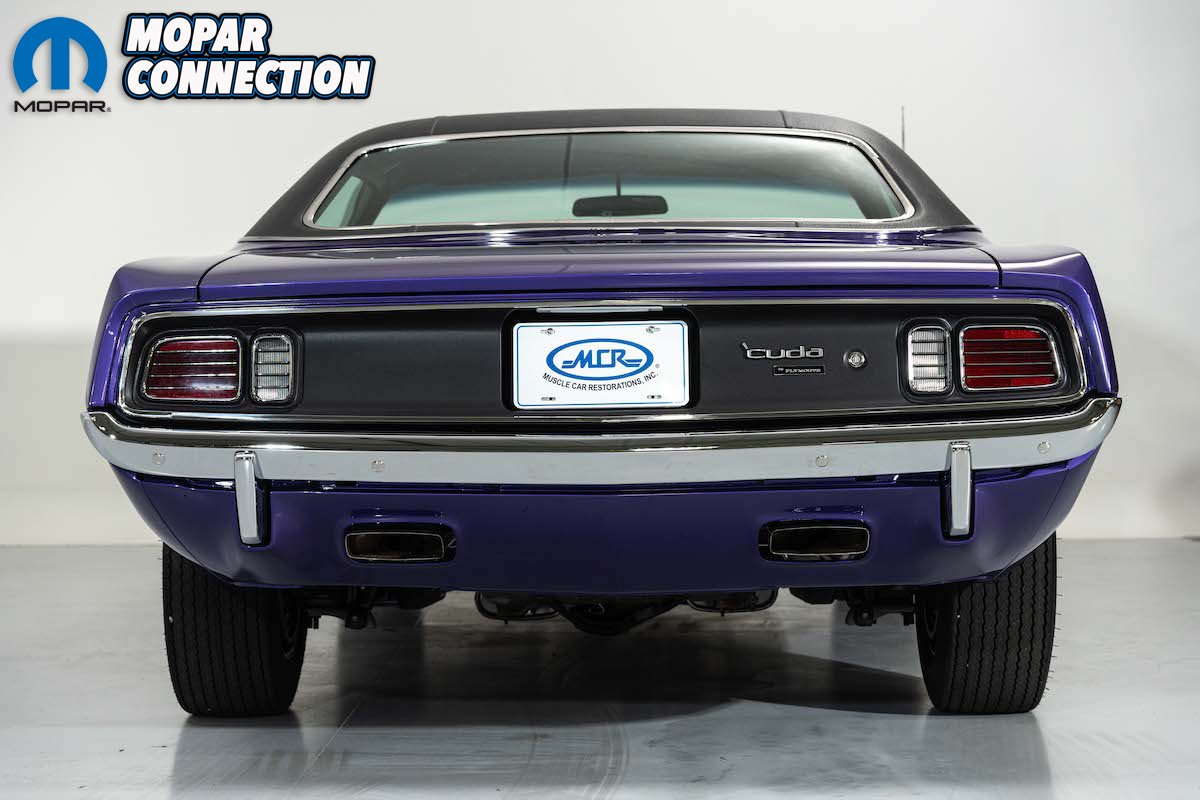
How rare is this ’71 Hemi? Well only a little over a hundred were built in total with just 59 of those coming equipped with a 4-speed. That combined with the In Violet (Plum Crazy) paint color makes this one a rare and valuable muscle car that pretty much everyone would like to have.
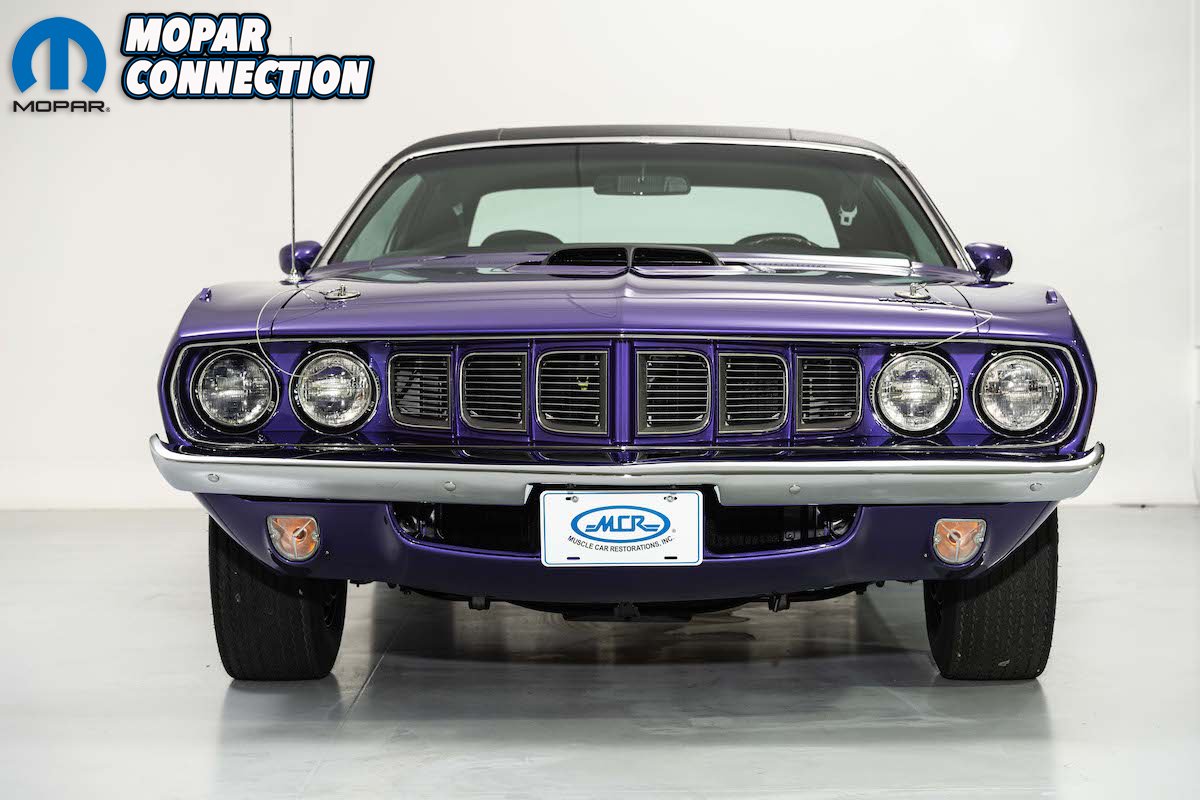
Some versions of these Hemi cars are bold and flashy. This one almost looks like a sporty family car. The In Violet paint color is more subdued than the Sassy Grass, Tor-Red or Lemon Twist options.
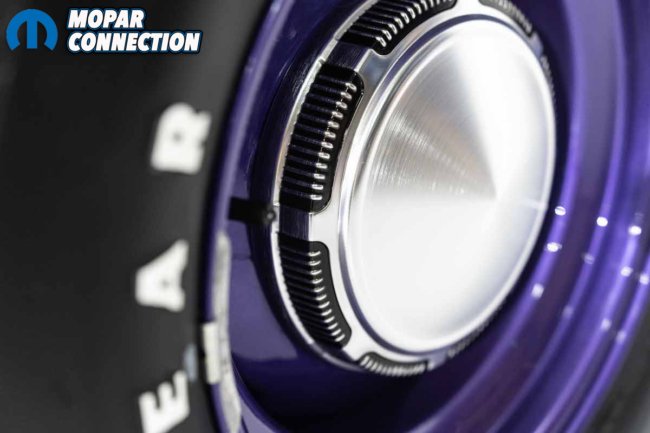
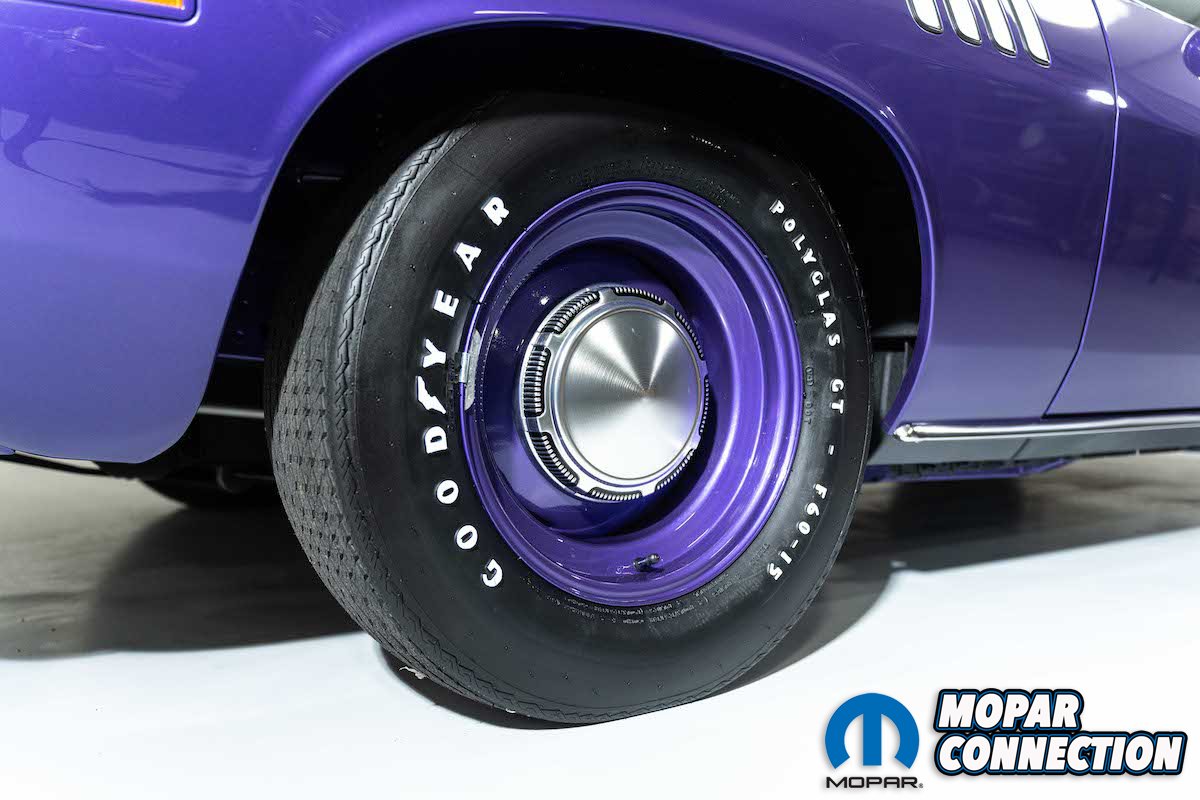
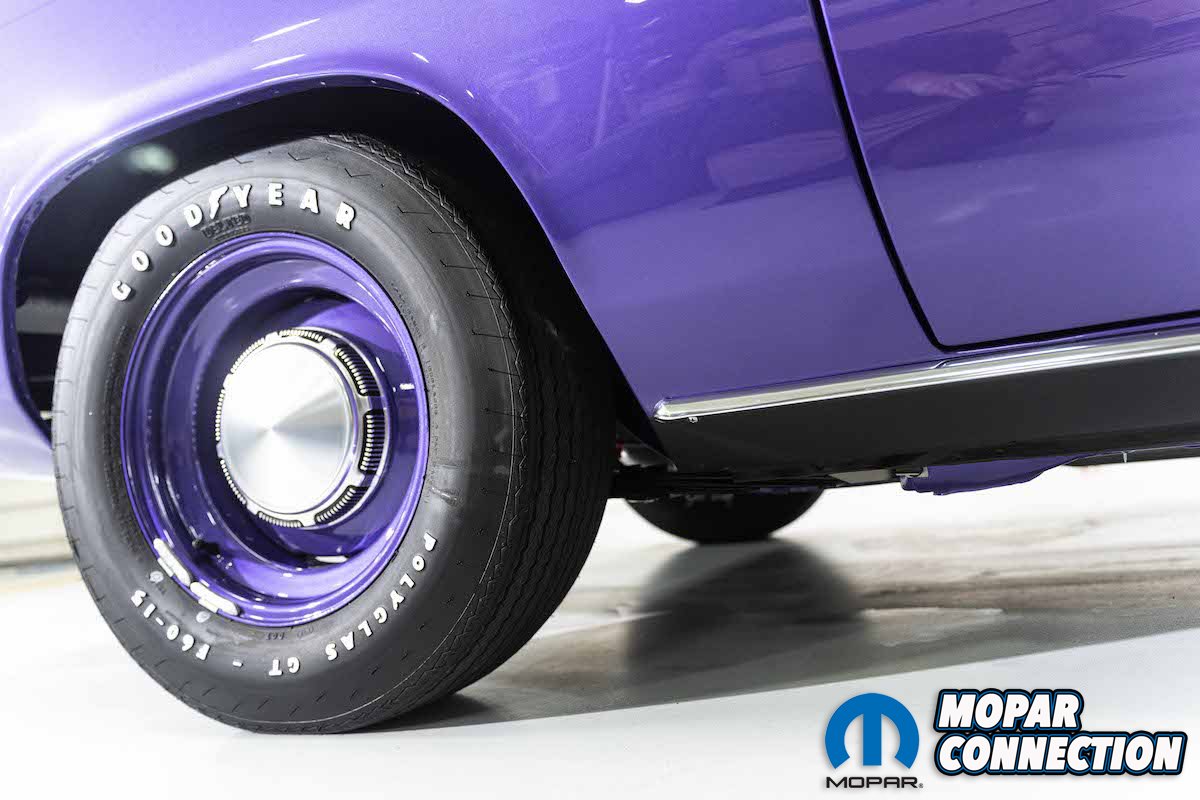
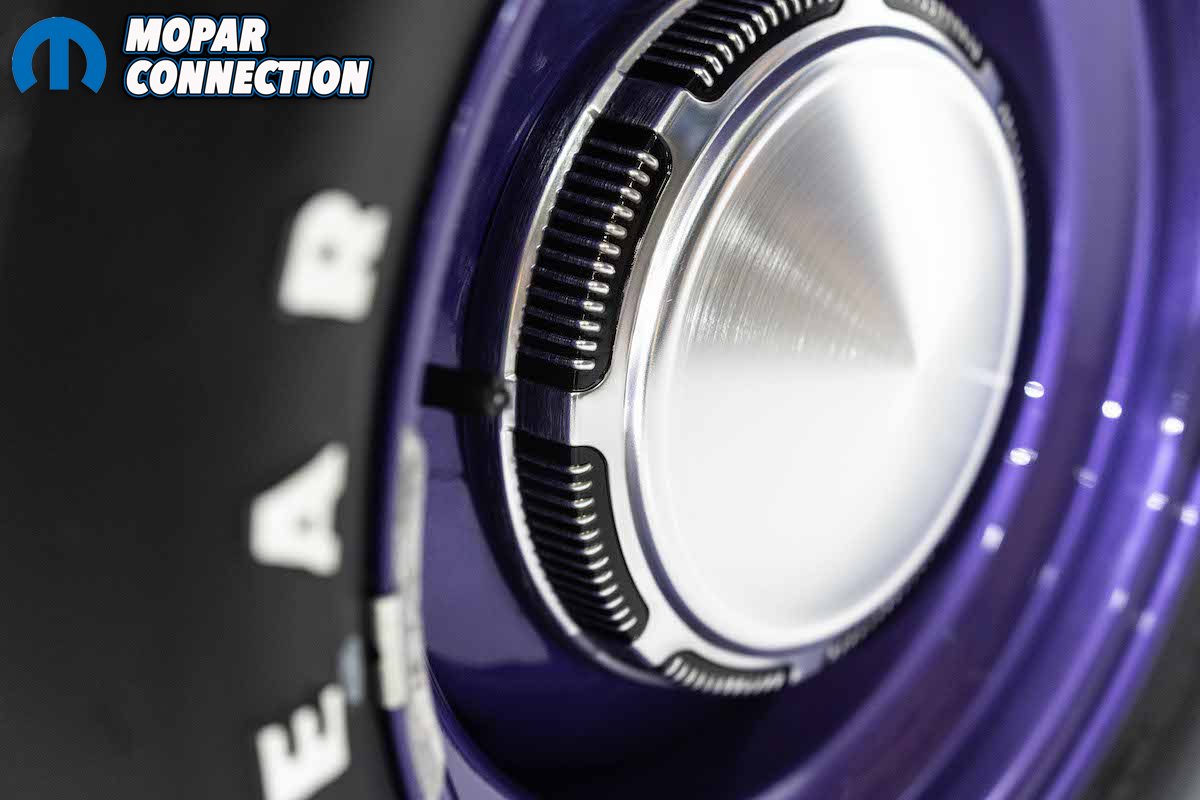
Above: Nothing real fancy here. Just 15×7 steel wheels painted body color with the small “dog dish” hubcaps.
The F60-15 tires are bigger than would be normally found on cars of that era. Behind these wheels are the factory correct manual drum brakes. Hardly seems adequate knowing what’s hiding under the hood.
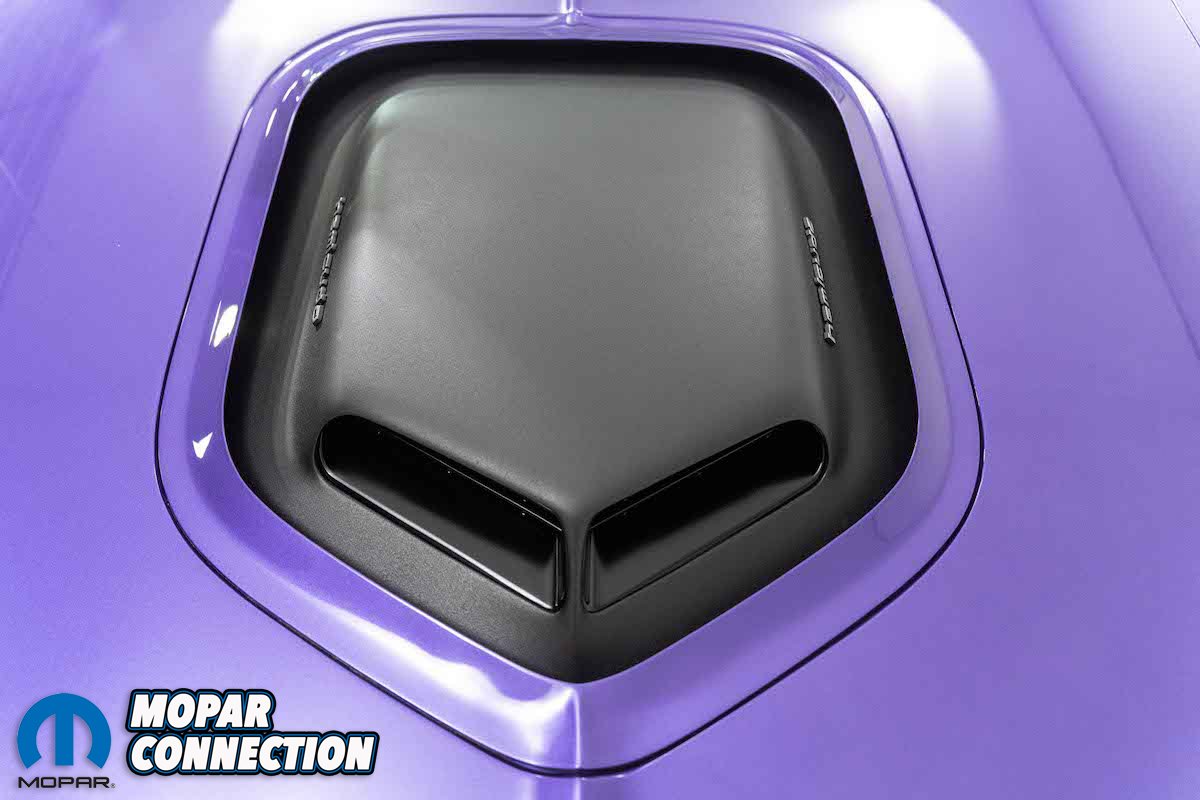
The Shaker hood scoop was an available option with the other engines offered in ’71 so it in and of itself is not an indicator of what’s under the hood. Only the smallish “hemi cuda” on both sides of the scoop reveal the power that’s available.
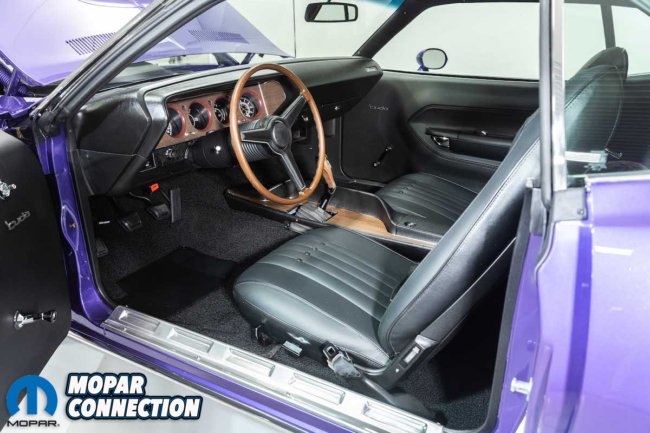
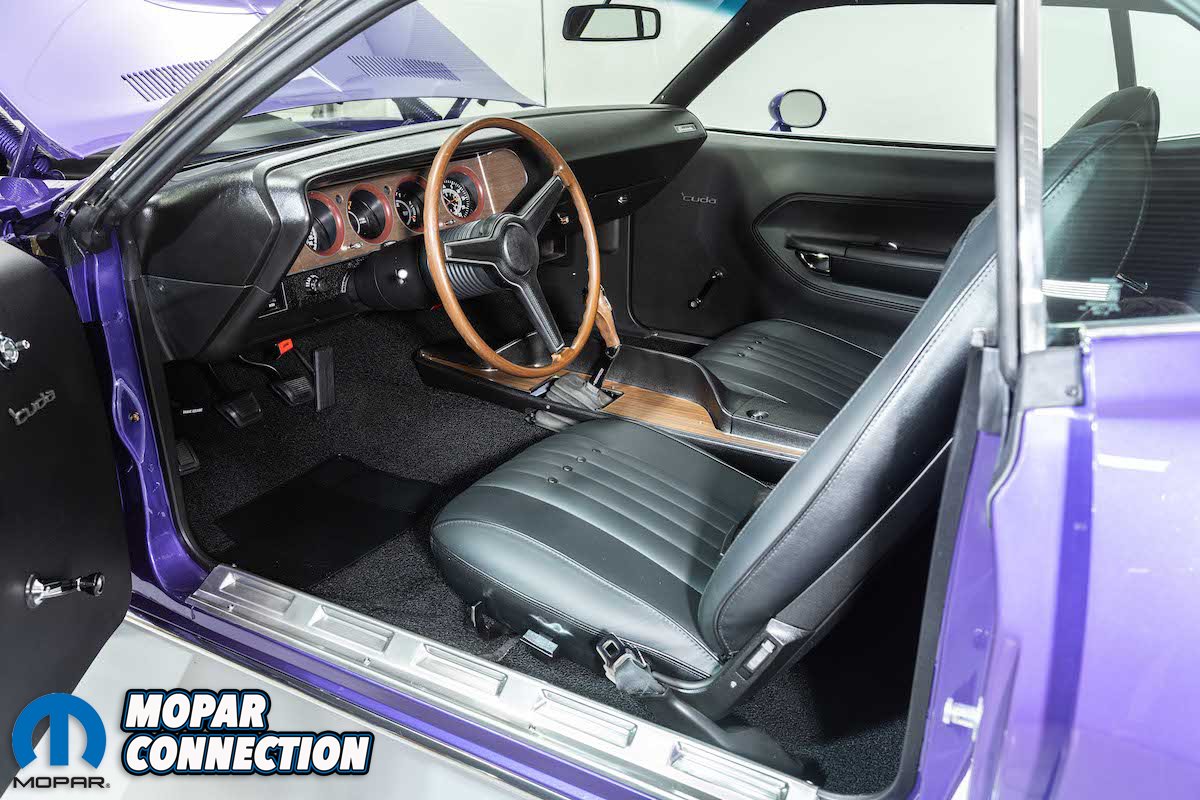
Above: Seats are 6-way power leather. MCR was able to save and restore the original dash pad and steering wheel.
This is what all the fuss is about; 426 cubic inches of Hemi displacement. Rated with a deceptively low 425-horsepower output, the reality was that these made a lot more than that. (This one made about 510 on the dyno.) This was the only engine for the ’71 model year that didn’t get at least somewhat detuned from the previous year. This was indeed the last of the great muscle car engines.
Yes, these were the days of engineering excess. Were two 4-barrel carbs really necessary for this engine – probably not? Did they help some – likely? Were they efficient – not a chance? Fun? Oh for sure. Note that the number stamps were reproduced as they would have been seen when new and that there is a manual choke plate only on the rear carb.
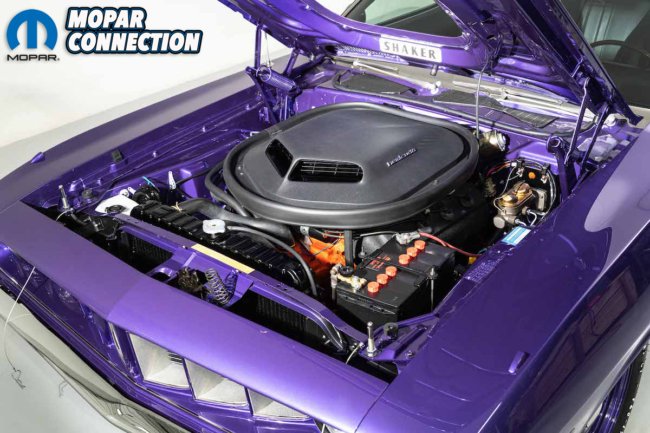
Above: This has to be the largest ever air cleaner assembly but it was necessary to capture and redirect rain water away from the engine.
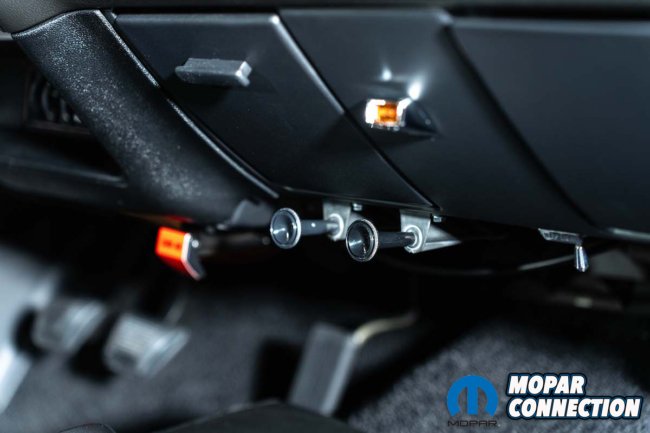
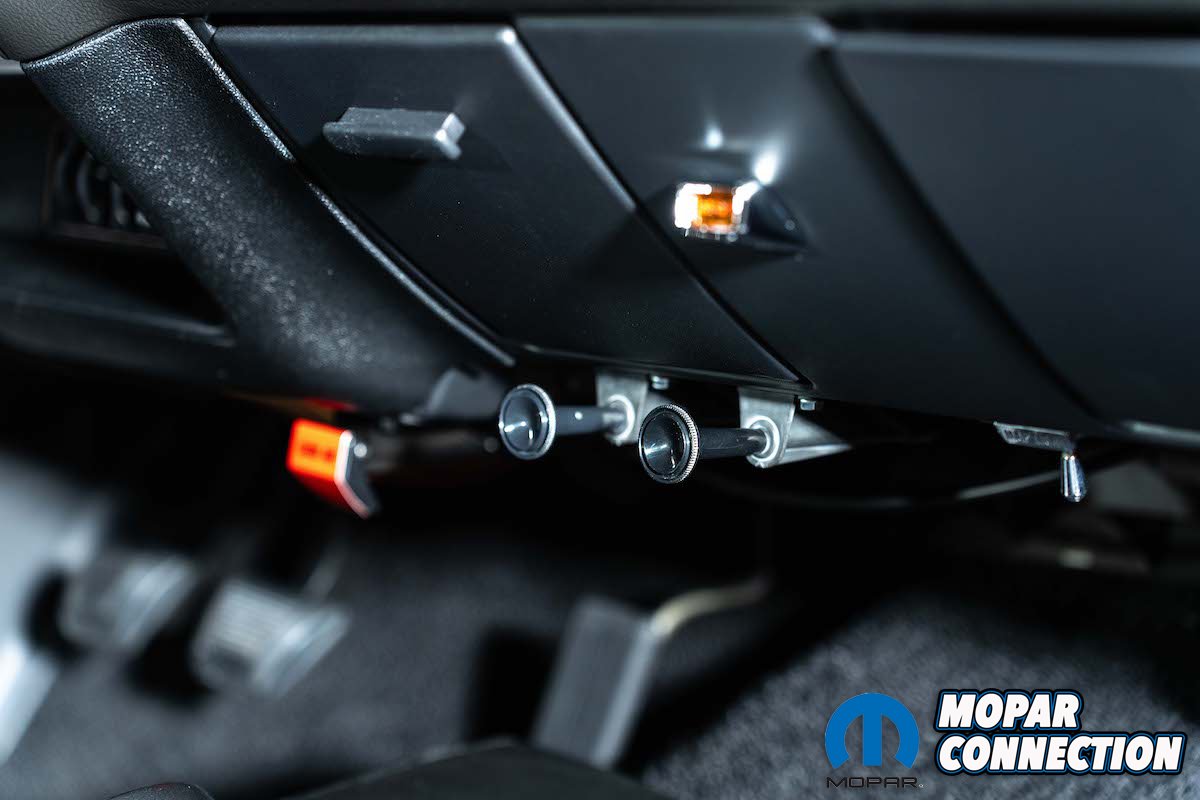
Above: Check out the red choke-pull under the dash. Is this the last factory manual choke ever installed on a new car?
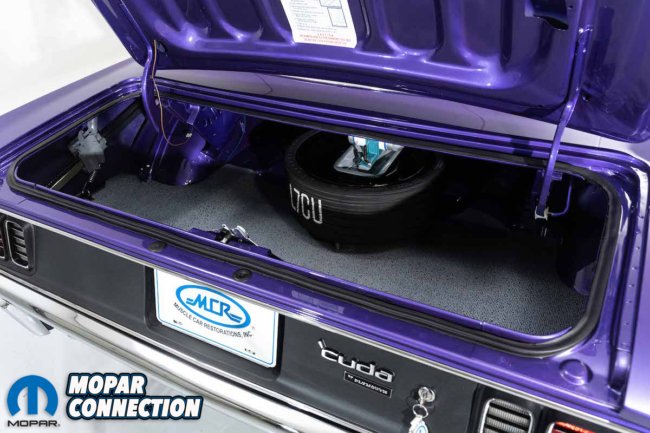
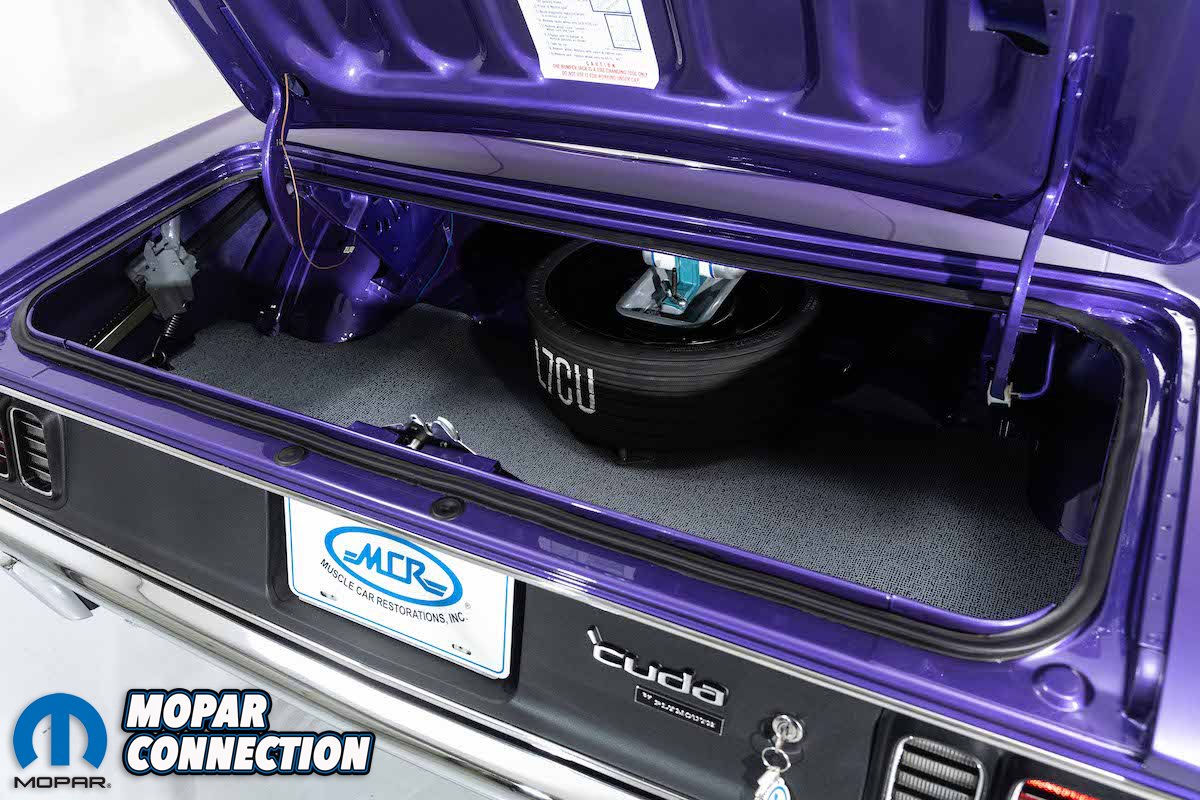
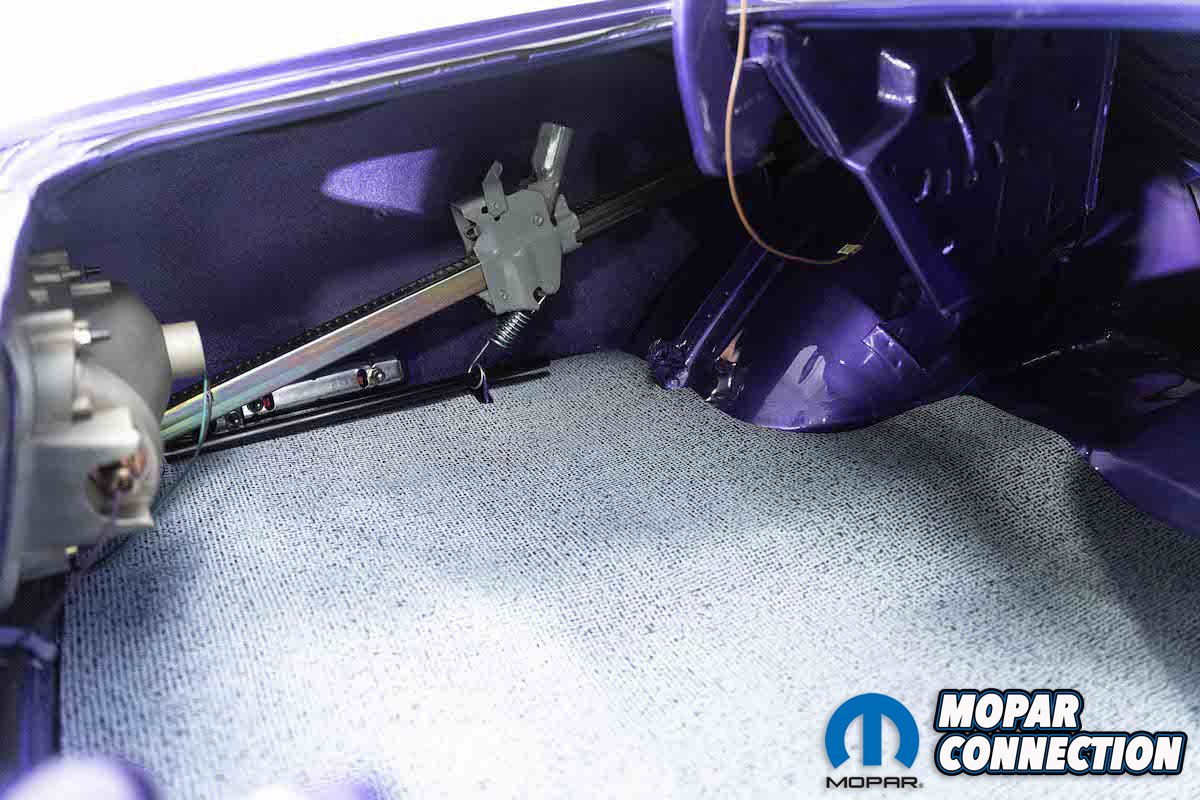
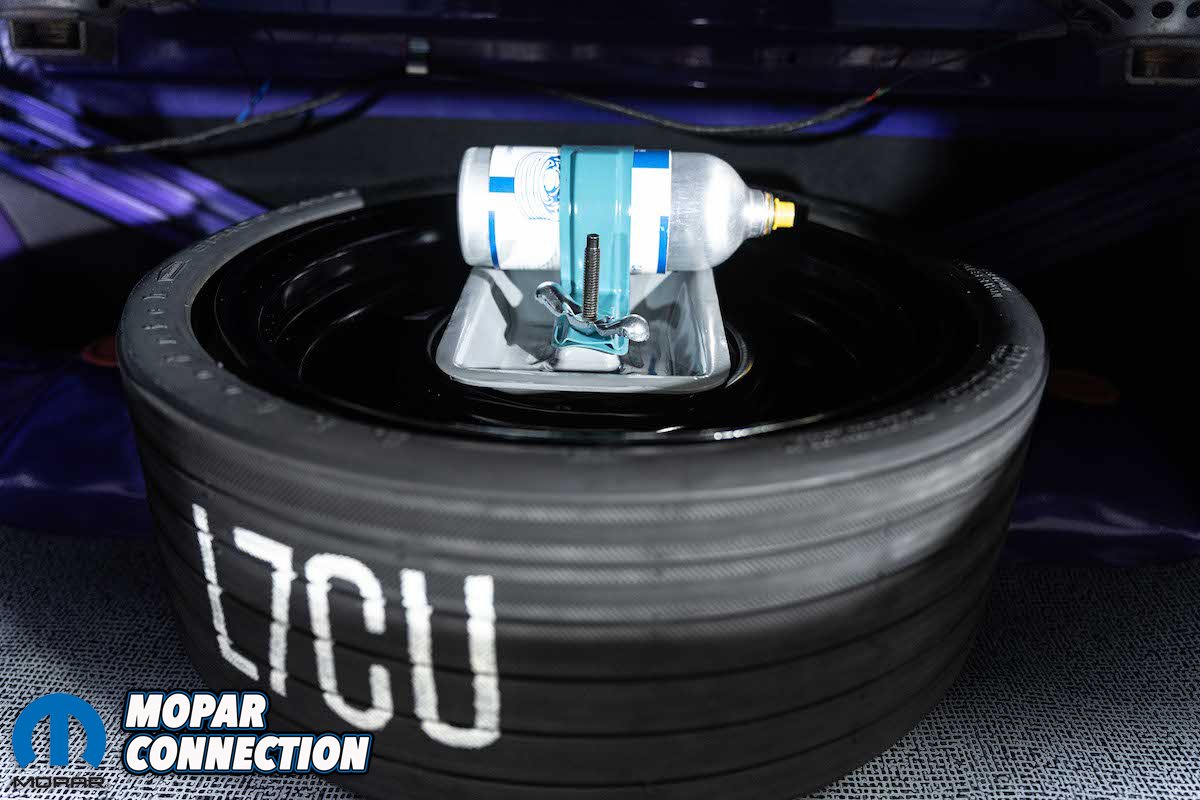
Above: The restored trunk includes the bumper jack, inflatable spare tire and the instruction sticker under the trunk lid. Check out the compressed air bottle mounted on top of the spare.
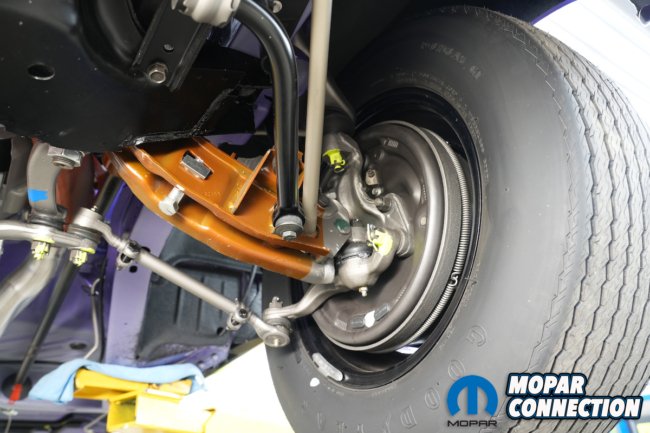
Above: The lower control arms are coated in Cosmoline. The rest of the paint marks meant something to factory line workers. Yes, those are drum brakes on a car with this much power – and they are manual only.
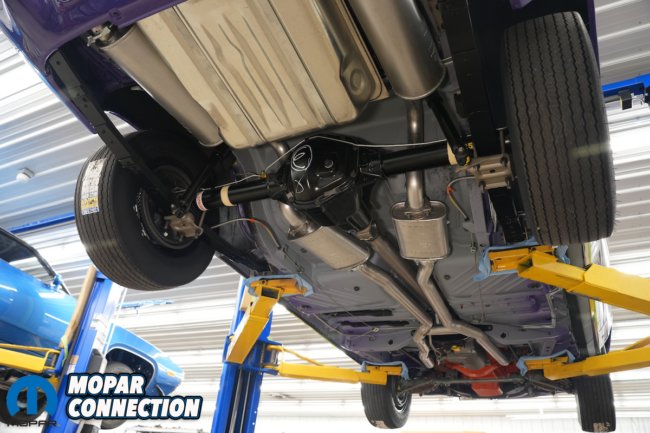
Above: A bunch more paint markings that had to be reproduced but this is also a good example of the paint and undercoating overspray that was recreated.
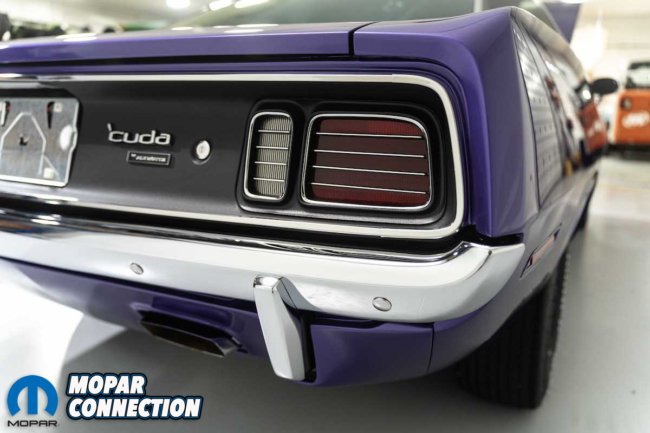
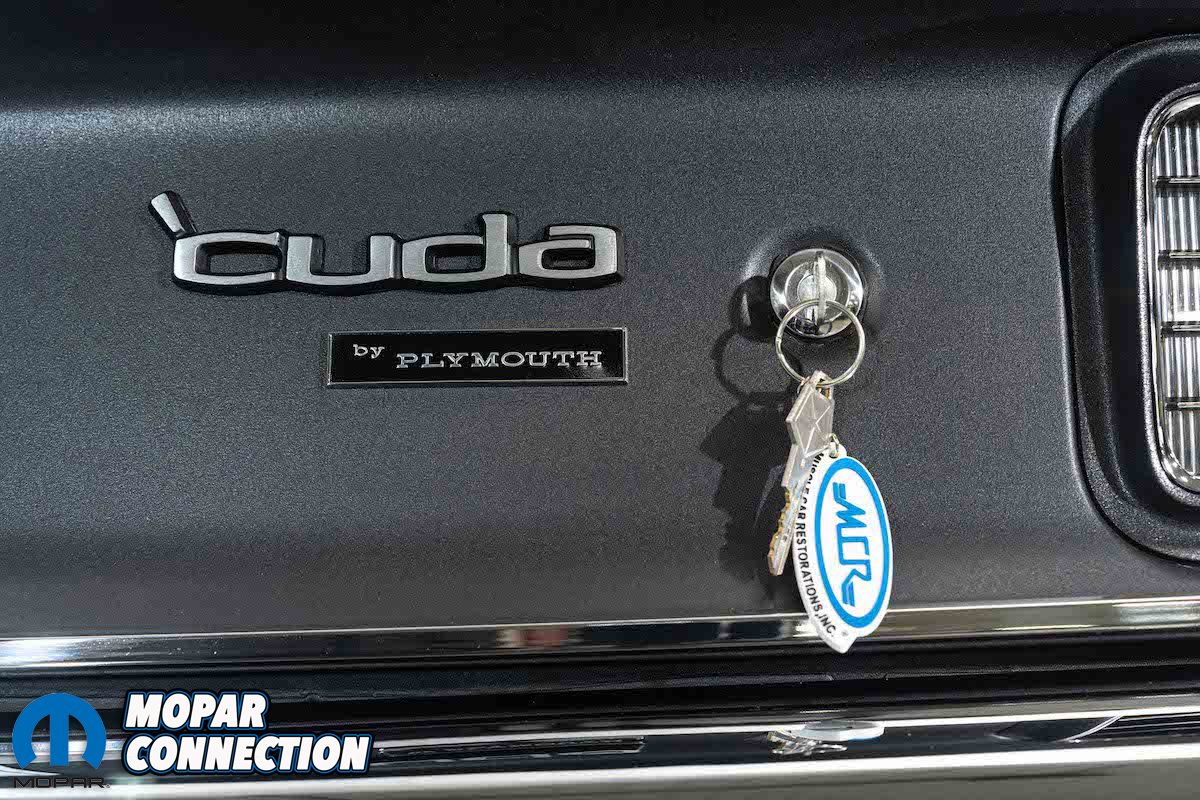
Above: Plymouth was great at this sort of on car advertising.