In 1978, the Dodge Magnum nameplate was introduced to complement the Dodge Charger. It was the last vehicle to use the long-running Chrysler B platform before being replaced, and the nameplate lasted only two years.
It was not until 2005 that the Chrysler Corporation would bring back the name for a new 5-door wagon along with the Chrysler 300 and the Dodge Charger. The Dodge Magnum would be the first V8 rear-wheel drive car to be produced since the Dodge Diplomat Wagon (M-Body) was discontinued in 1981.
Originally, Chrysler Corporation was going to make an updated front-wheel-drive car, but Daimler’s influence on the development of the Dodge Magnum was substantial, stemming from the DaimlerChrysler merger and the shared engineering philosophy that emerged during that era. So, as a result, it was made as an RWD and an AWD.
The new Magnum was built on the LX platform, which was co-developed with Daimler and shared key architecture with the Mercedes-Benz E-Class (W211). While not a direct copy, the LX chassis borrowed suspension geometry, rear differential design, transmission, and some electronic systems from Mercedes-Benz, giving the Magnum a more refined ride and handling than previous Chrysler products.
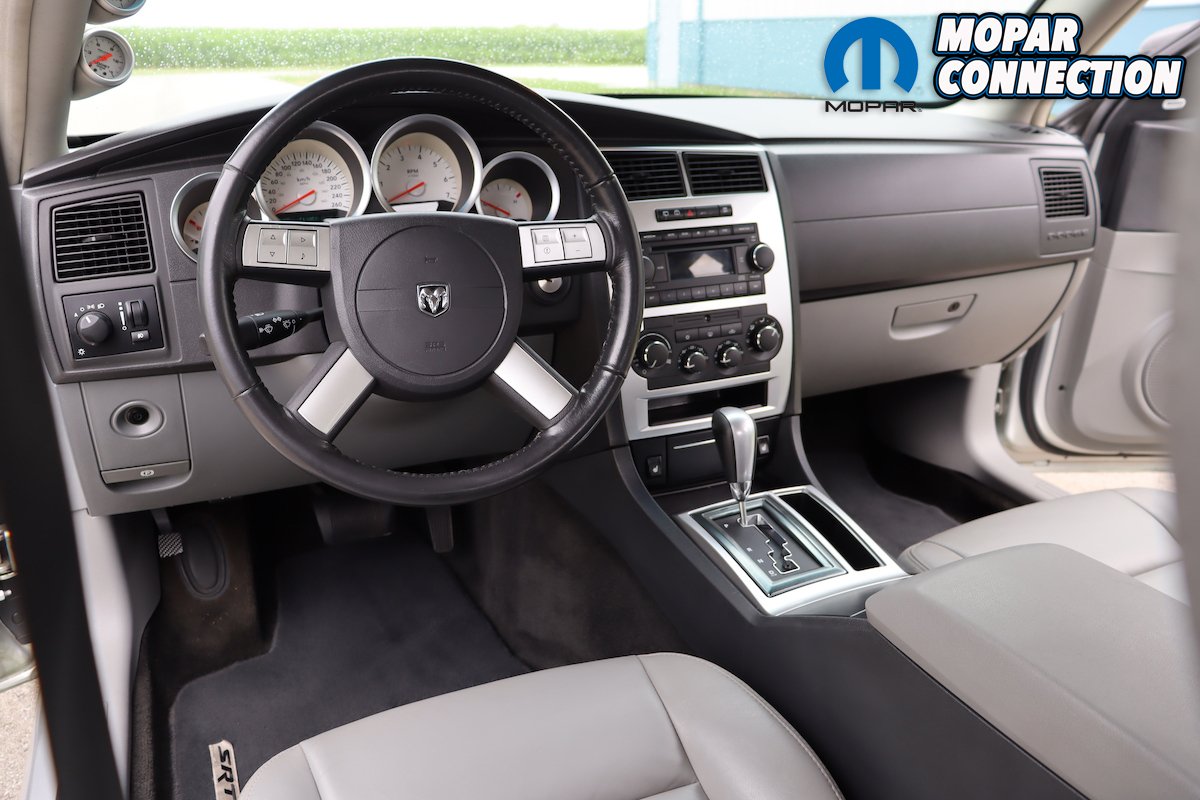
The Dodge Magnum uses the Daimler W5A580 five-speed automatic transmission. This transmission, derived from Mercedes engineering, was praised for its smooth shifting and robust durability, offering a more refined driving experience than Chrysler’s previous automatic gearboxes. It also featured AutoStick, allowing drivers to manually select gears for a sportier feel.
Featuring a striking high beltline and a commanding silhouette, the Magnum signified a notable transition towards European-inspired design, emphasizing a powerful stance and elegant proportions. This transformation was heavily influenced by Daimler, merging American bravado with German sophistication.
It was a daring move during an era when wagons had all but faded from favor in the American market. Minivans, once family staples, had become synonymous with outdated practicality, and the spotlight had shifted to SUVs. That shift was not just a passing phase; it sparked a trend that still dominates the roads today.
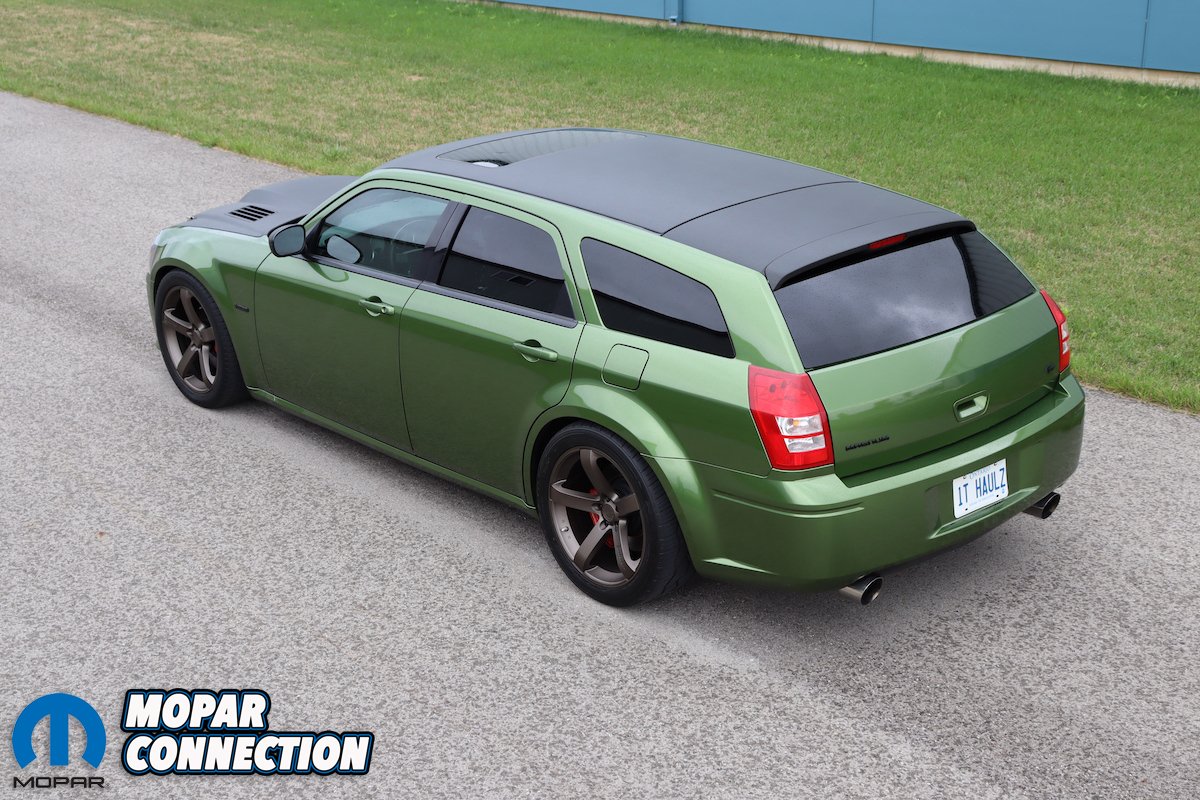
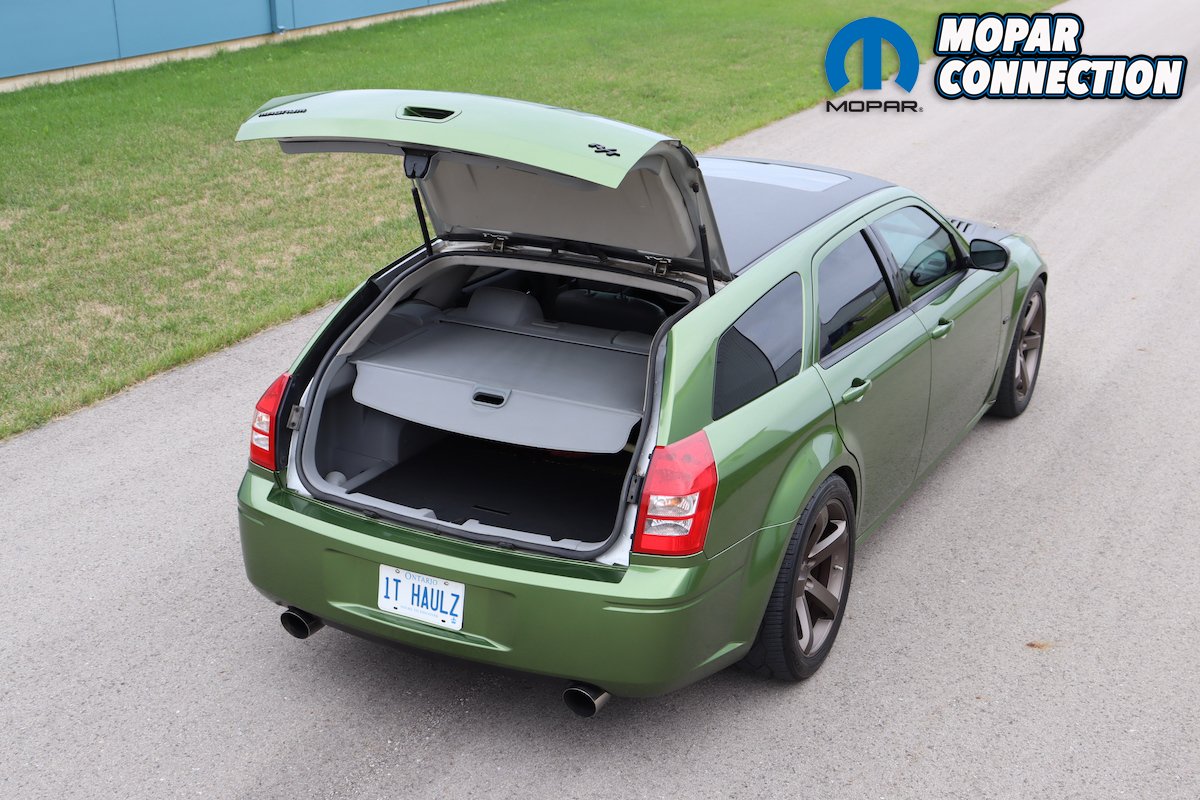
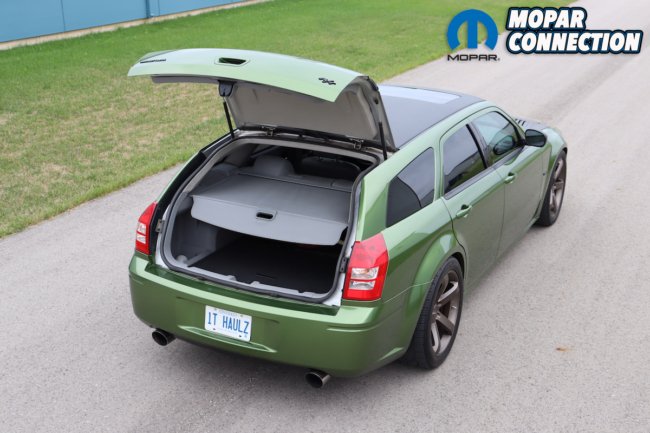
One interesting feature was the combination of hatch and roof design that makes easy access to the cargo area. The cargo room behind the rear passenger seat is 27.2 cubic feet and, with the seat folded down, increases to 71.6 cubic feet. In the TV commercial for the Magnum, a Dodge Hemi Magnum passes a sports car, and when they meet at the intersection, he asks the Magnum driver, “Dude, what do you have in that thing?” The driver replies, “I have an amp, a guitar, a surfboard, a ladder, and 12 2x4s.” Highlighting performance and versatility.
Upon closer inspection, one can observe several design elements shared with the Chrysler 300, including flared fenders and matching door handles. This design choice stems from Chrysler’s decision to market the vehicle in Europe as the 300 Touring, a station wagon that features the iconic Chrysler 300 front end and offered an optional 3-litre turbo diesel engine alongside various gas engine options.
In North America, the Dodge Magnum offered four distinct engine choices, again ranging from a 190-horsepower 2.7L V6 (164.8 cu in), paired with a 4-speed automatic transmission, ideal for those looking at a lower price point. Stepping up, the SXT trim featured a 3.5L V6 (215 cu in) delivering 250 horsepower and came equipped with an optional 5-speed AutoStick for added control.
For drivers seeking more muscle, the R/T model packed a 5.7 L (345 cu in) HEMI V8 pushing out 340 horsepower. It also included Chrysler’s cylinder deactivation technology to improve fuel efficiency, along with upgraded seats and interior trim for a more refined experience.
At the top of the lineup was the SRT-8, powered by a formidable 6.1 L (370 cu in) HEMI V8 that unleashed 425 horsepower that was engineered for true performance enthusiasts who craved raw power and aggressive styling more than the other models.
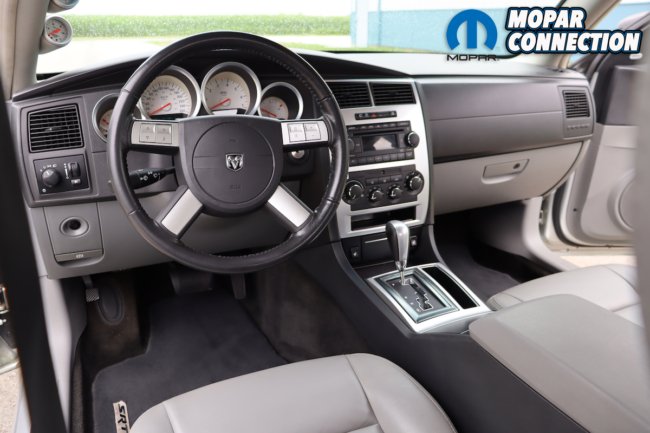
The Magnum, the Dodge Charger, the Chrysler 300, and later the Dodge Challenger were made at the Brampton facility in Ontario. The Magnum was manufactured from 2005 until 2008 but was later discontinued with the introduction of the Dodge Challenger, and slow sales for the Magnum sealed its fate.
The Magnum was offered in a diverse palette of colors, including Stone White, Silver Steel Metallic, Bright Silver Metallic, Inferno Red Pearl, Midnight Blue Pearl, Magnesium Metallic, and Brilliant Black Crystal Pearl.
In 2006, a total of 51,874 Dodge Magnums were produced, including 8,705 units of the R/T model. Of those R/Ts, just 1,200 were finished in Bright Silver Metallic, making it a rare color choice for that trim.
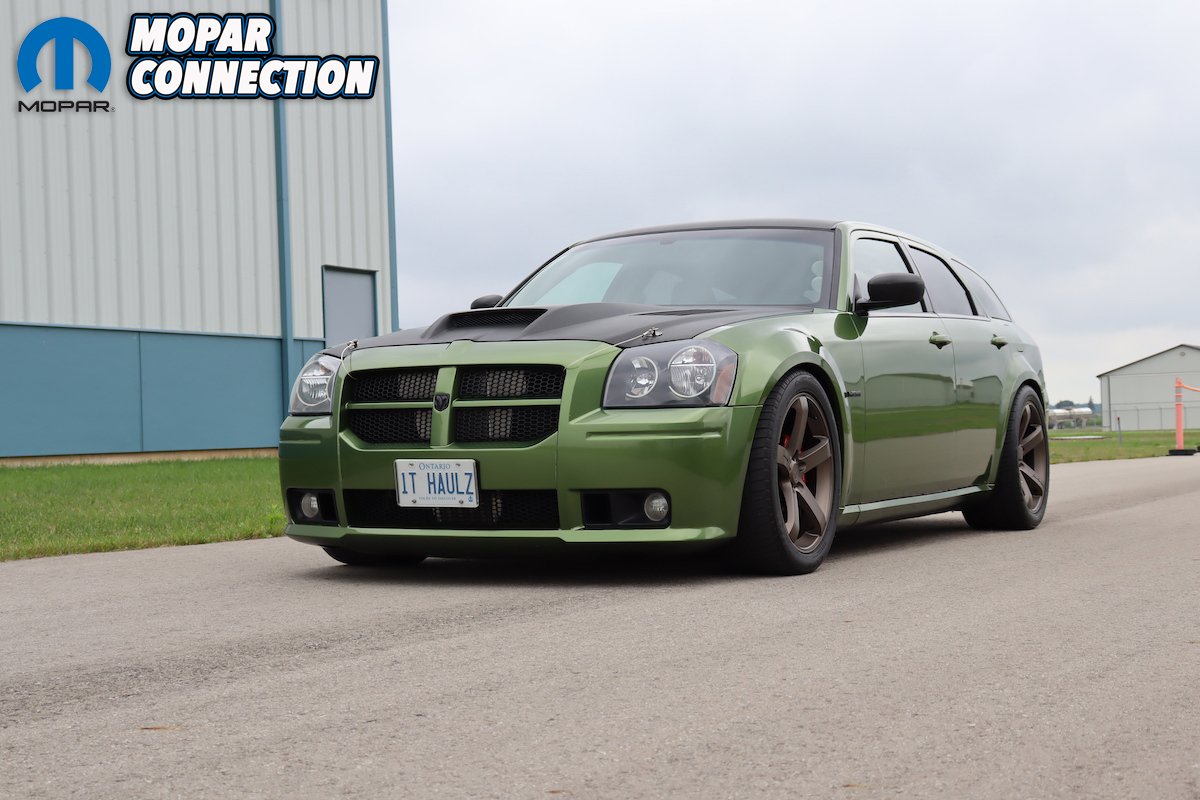
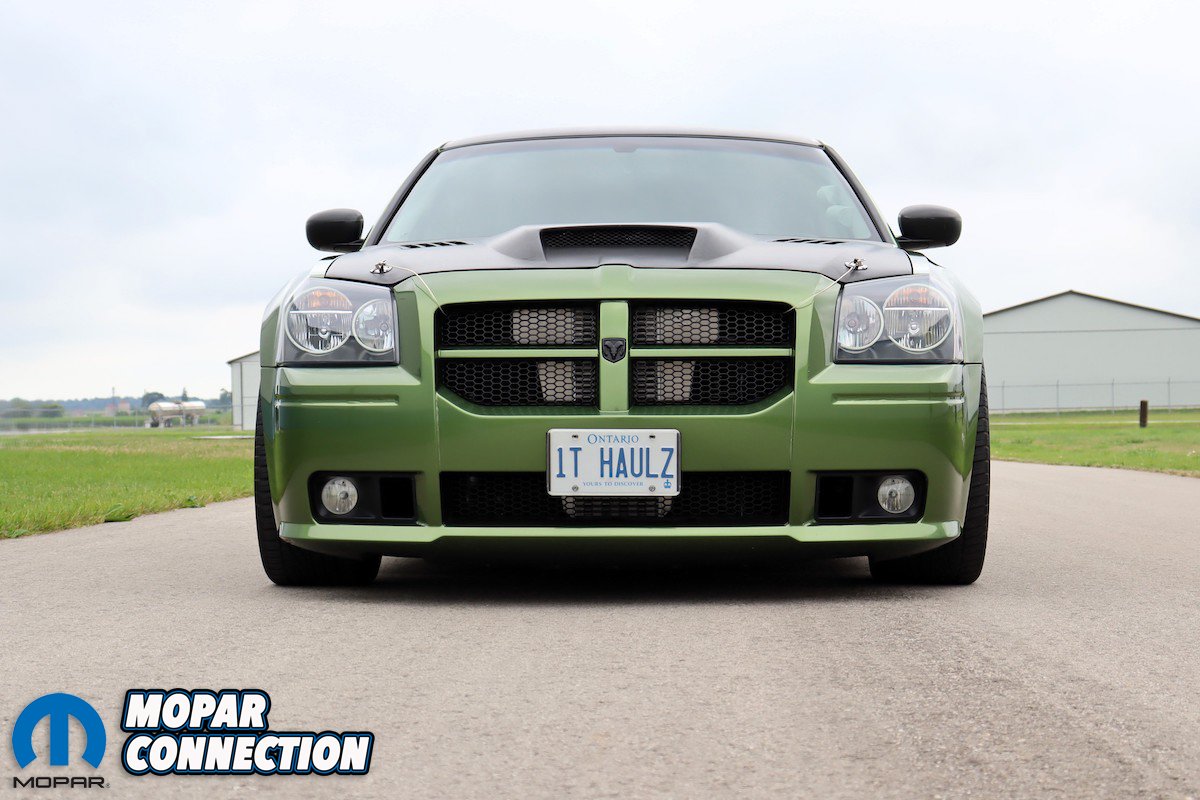
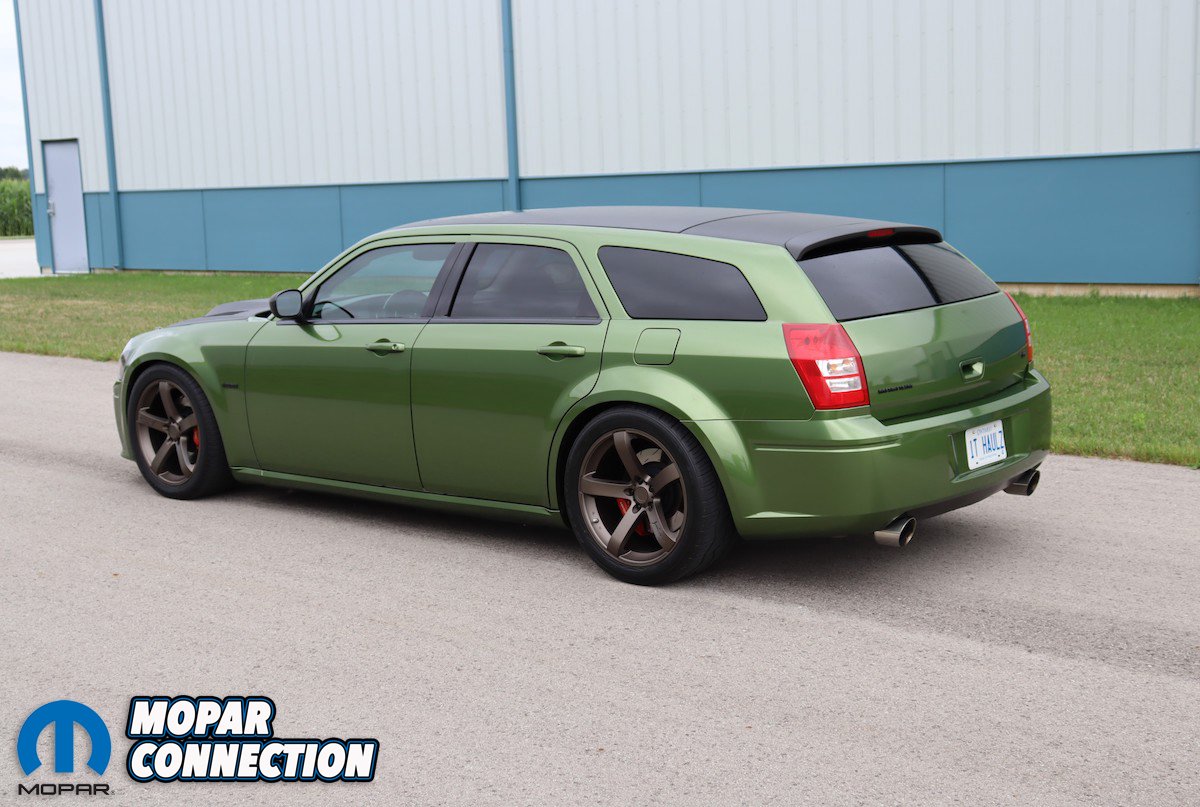
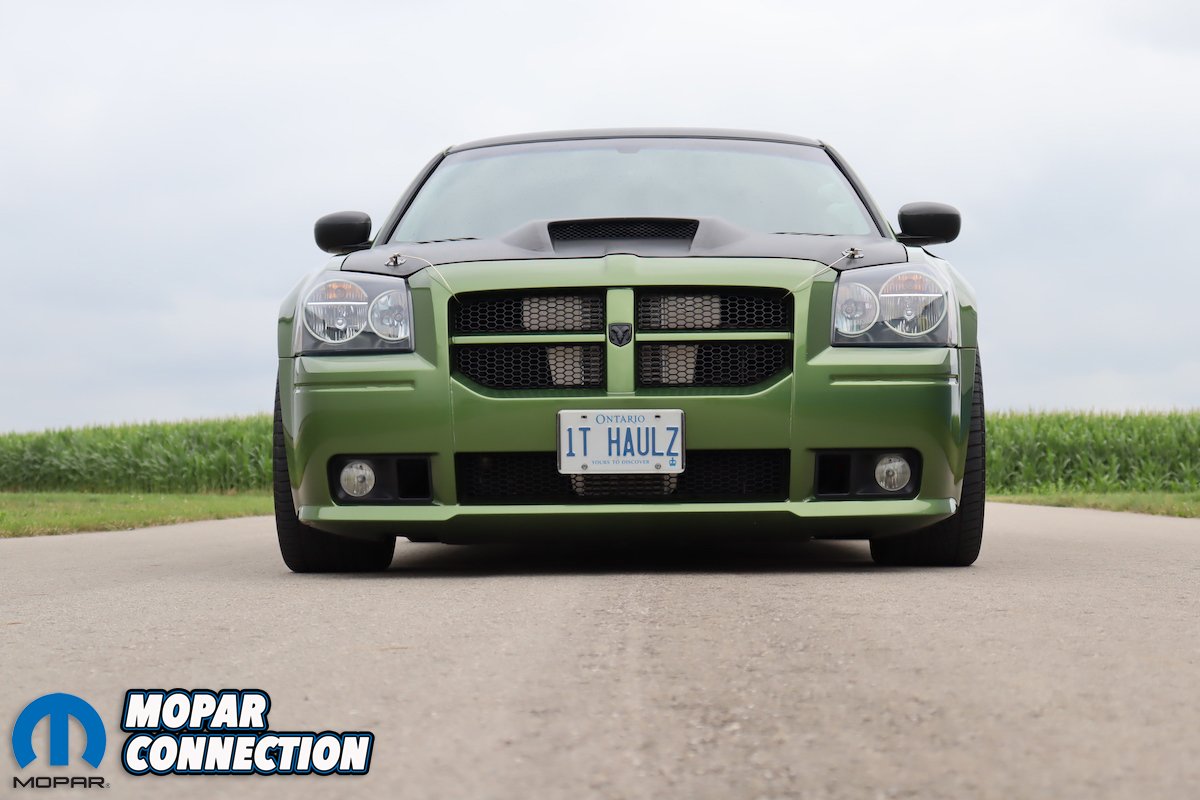
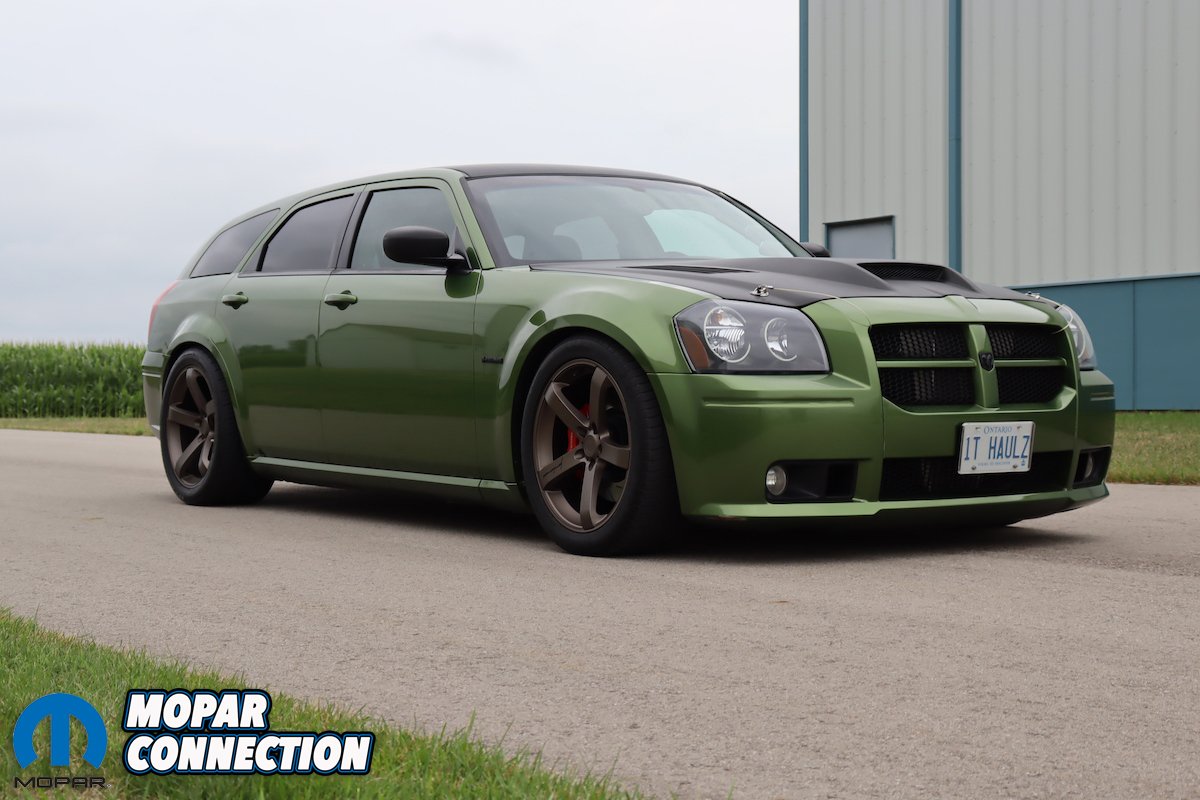
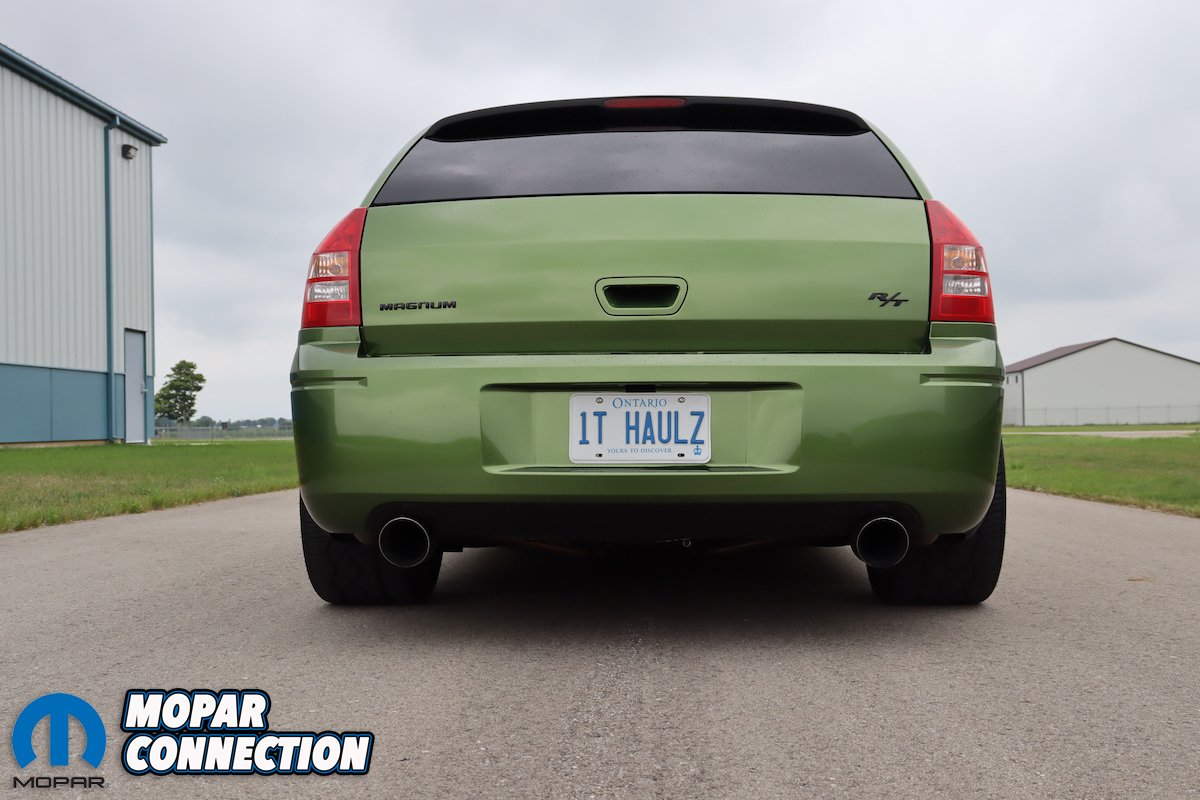
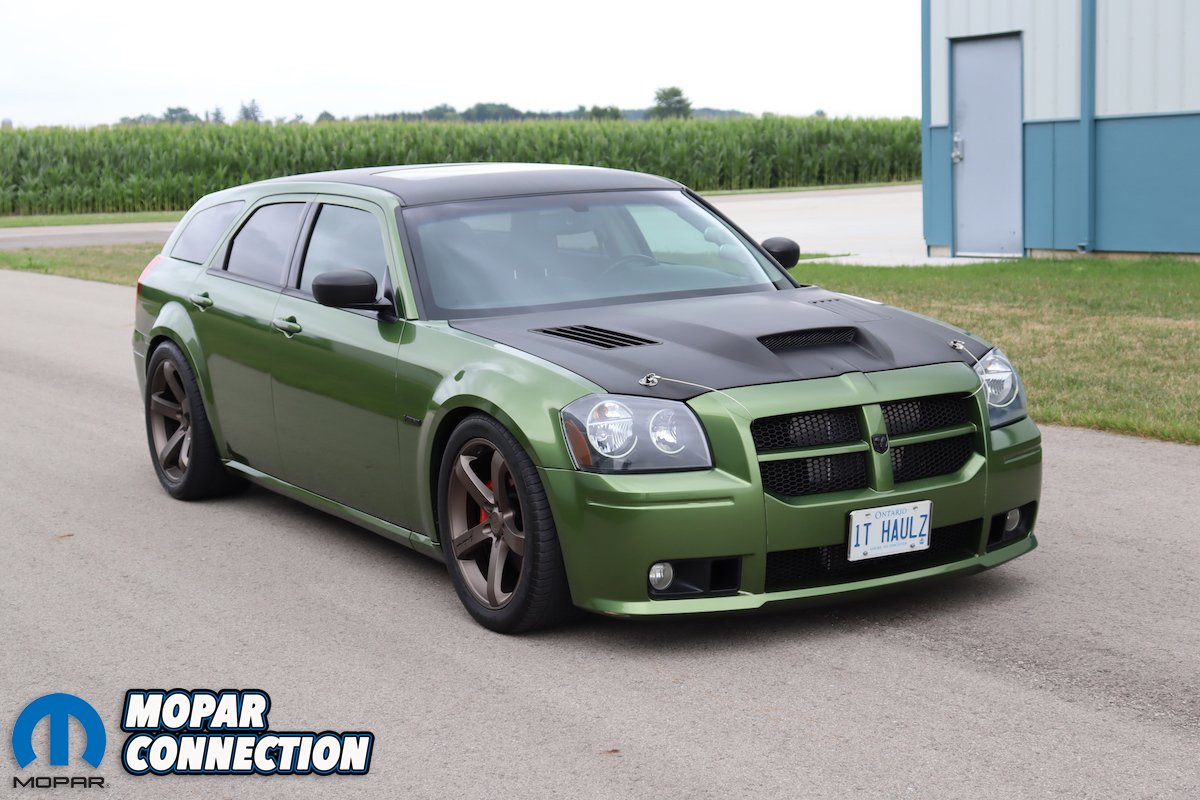
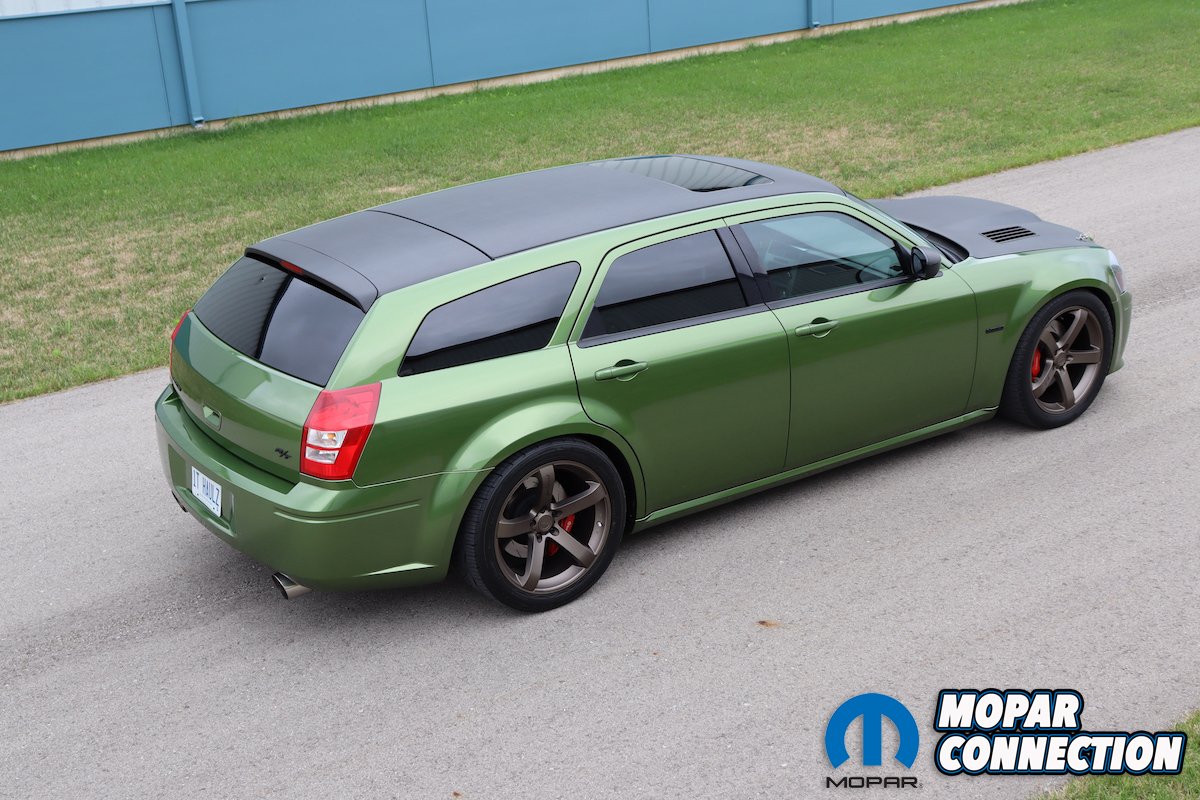
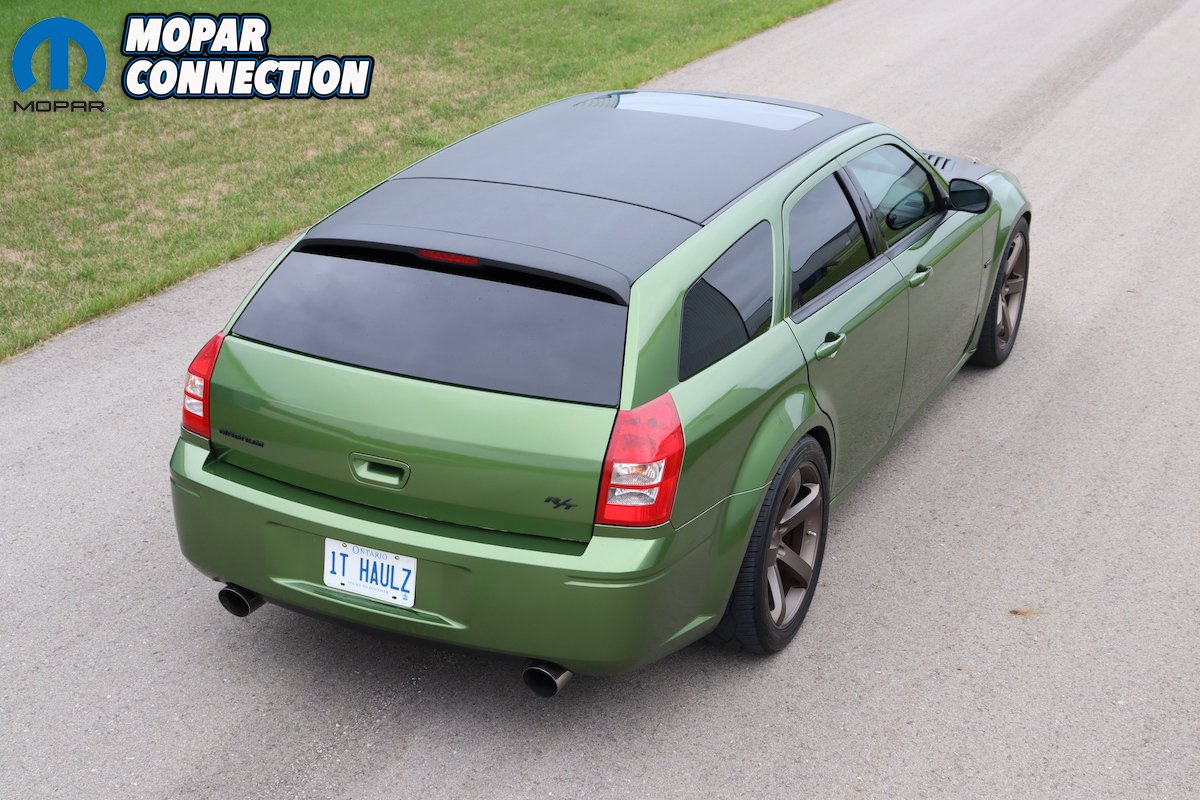
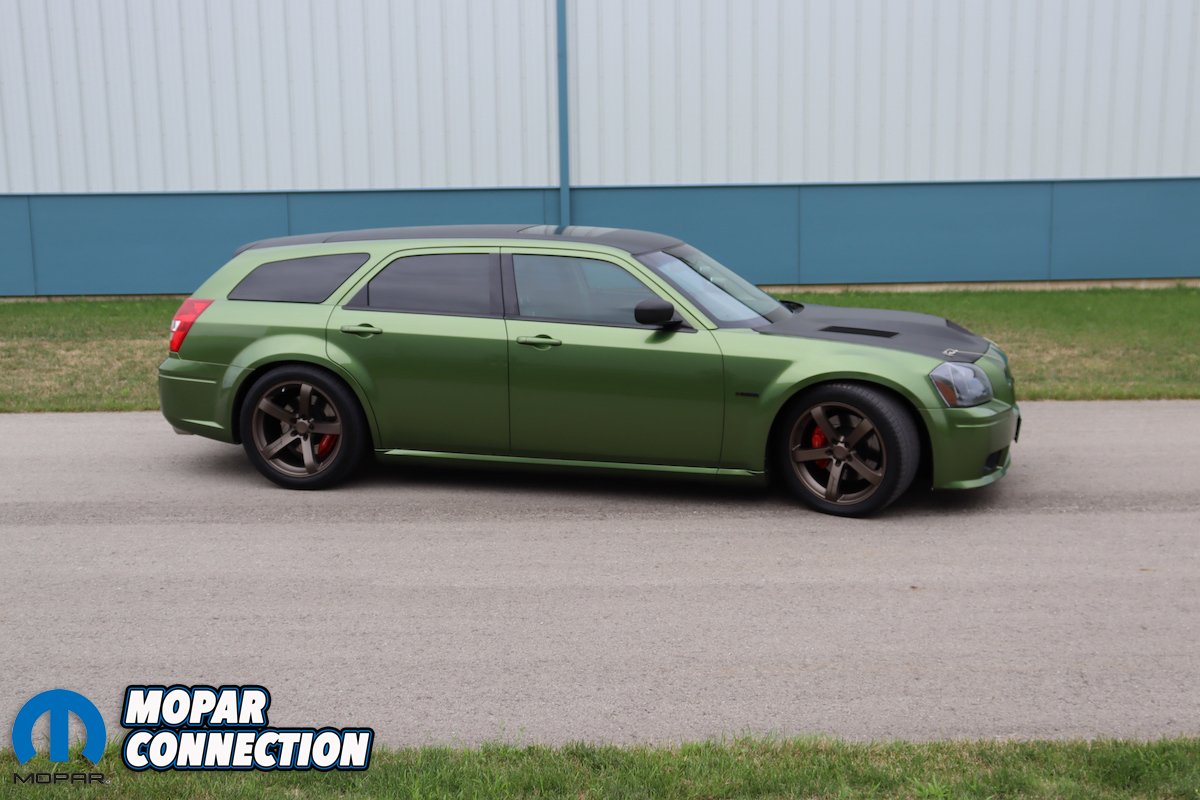
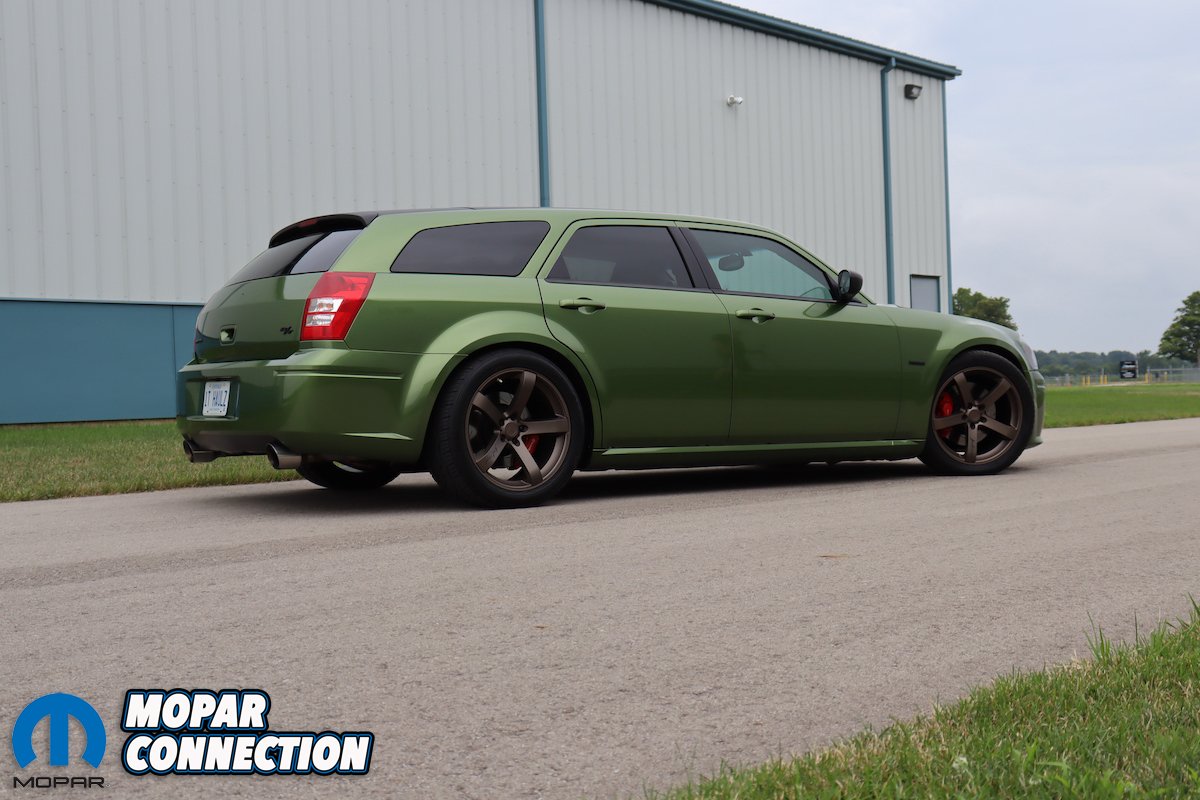
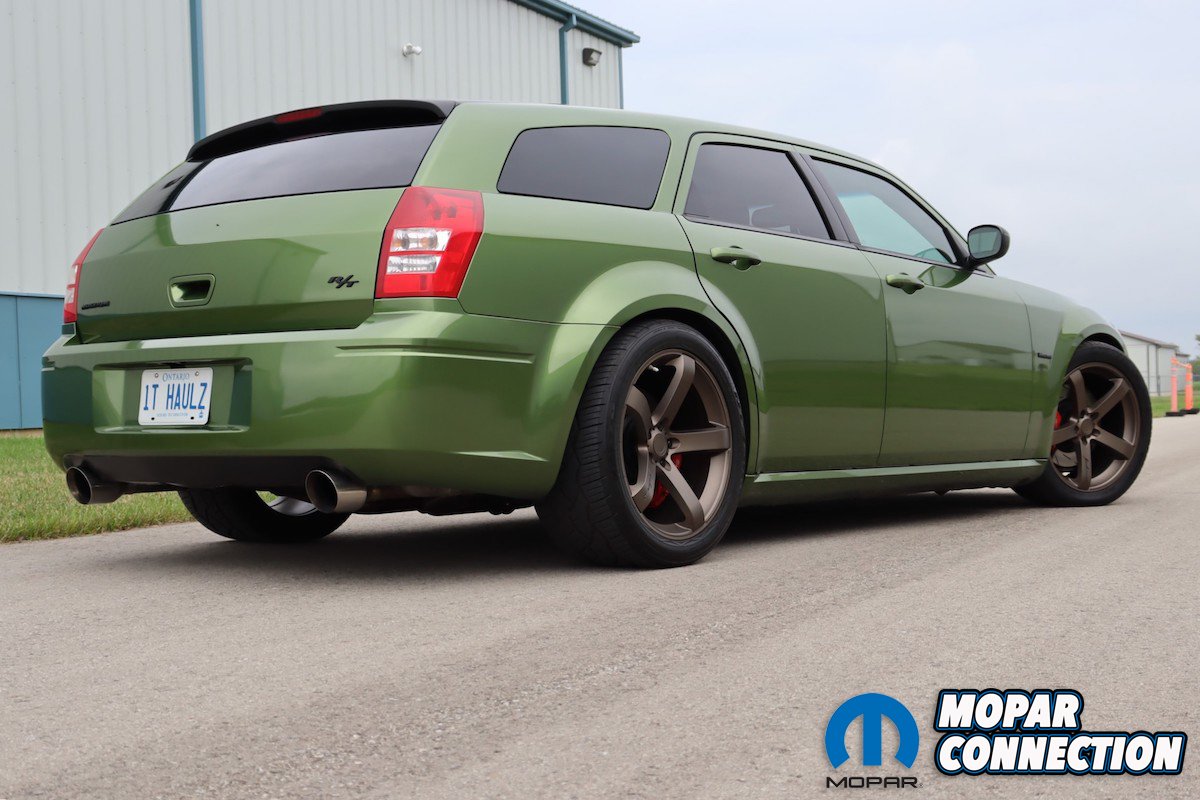
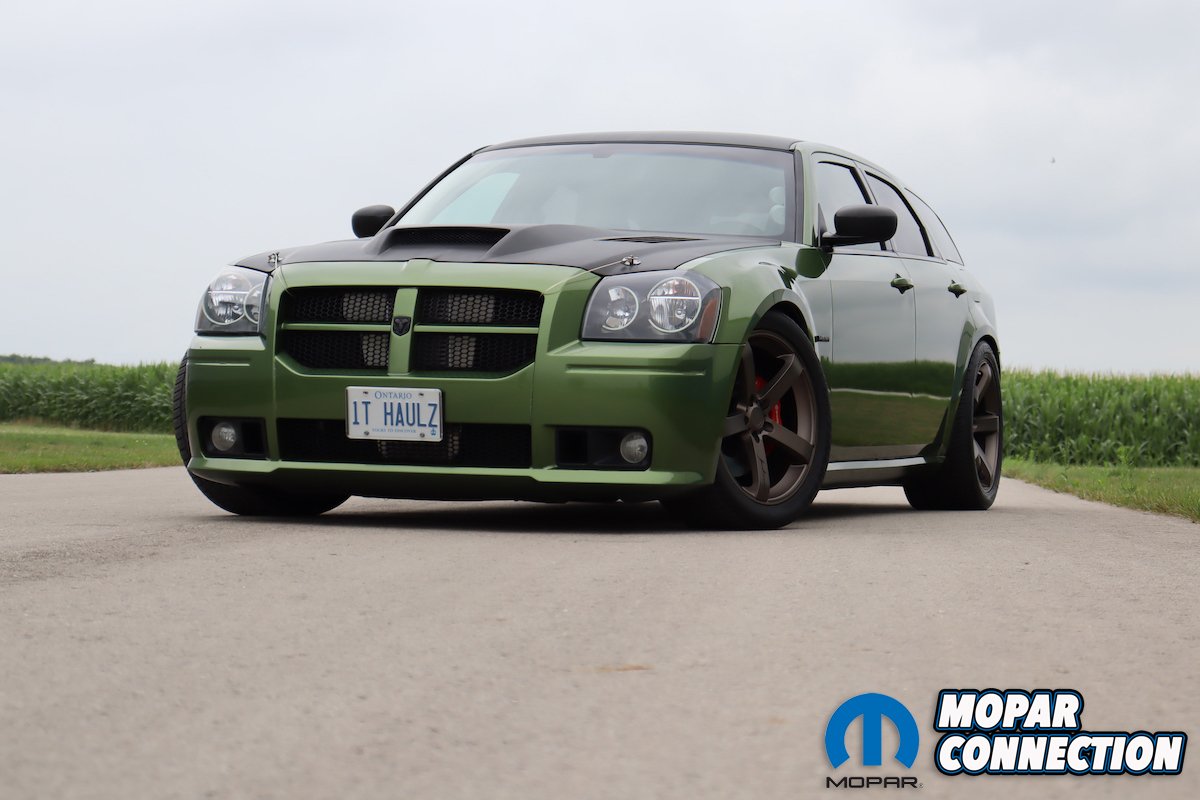
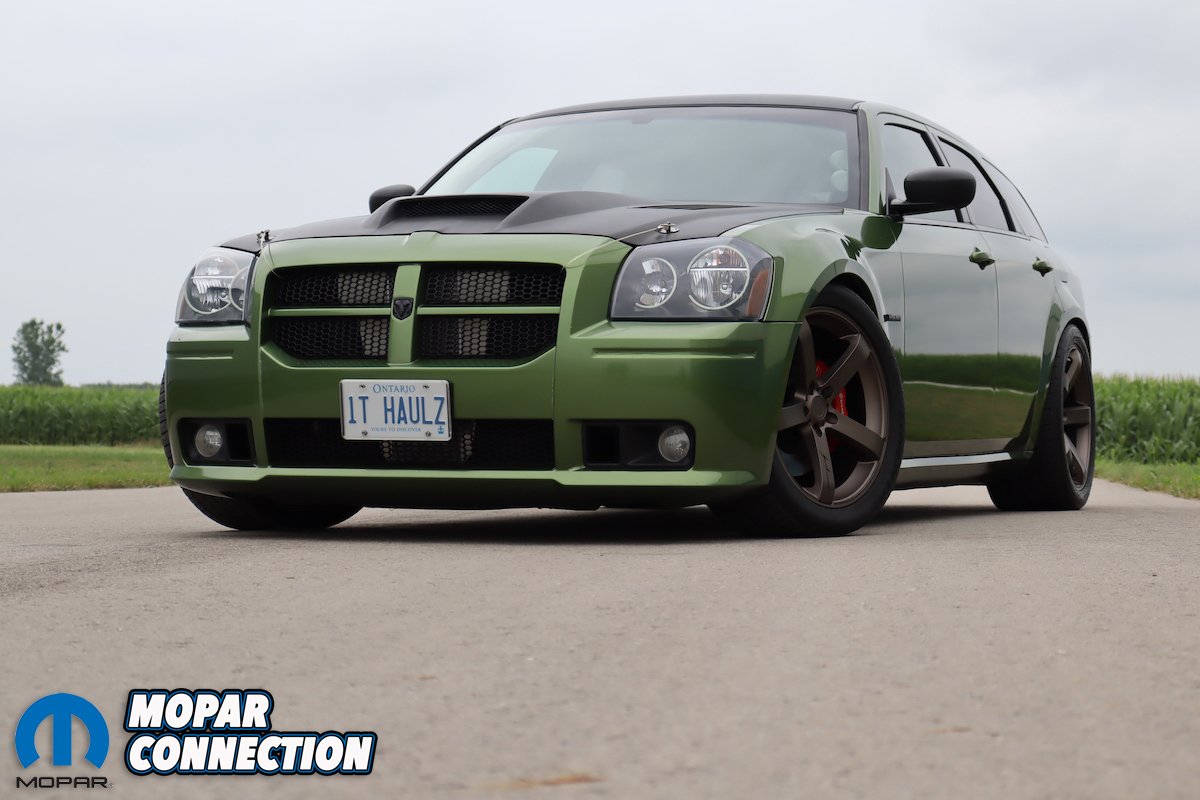
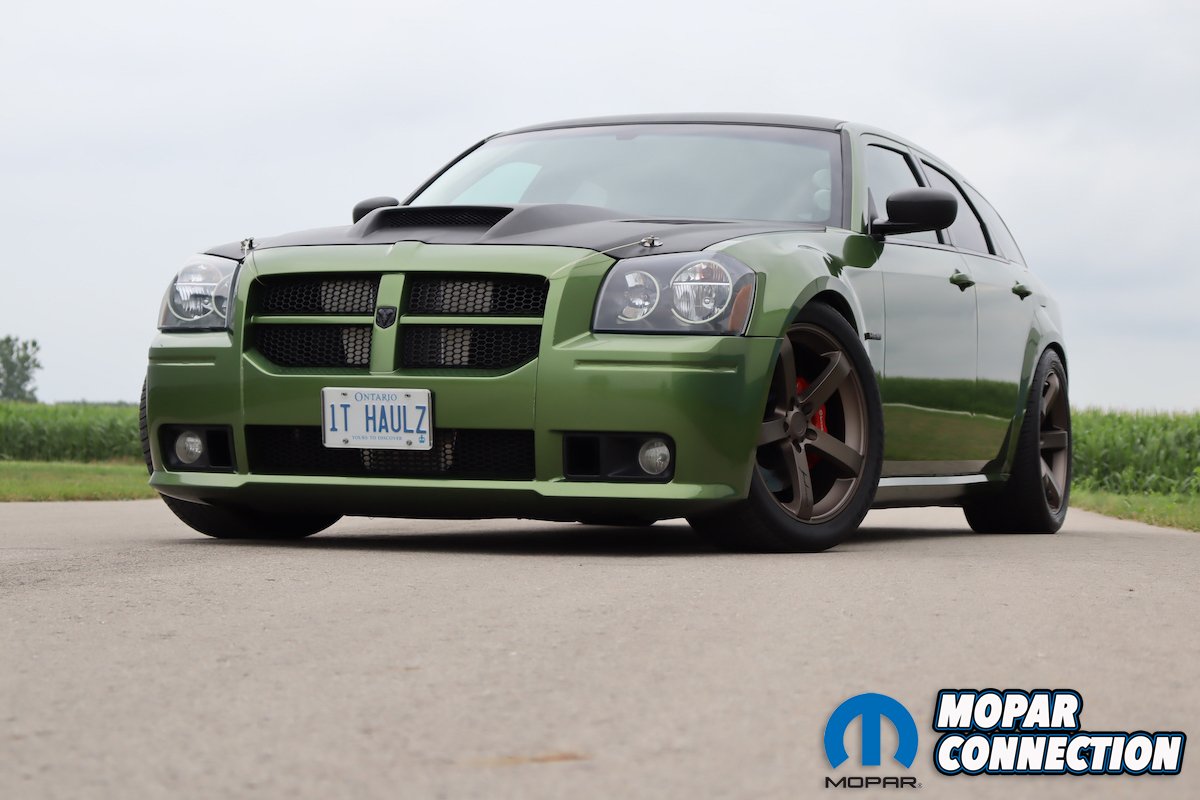
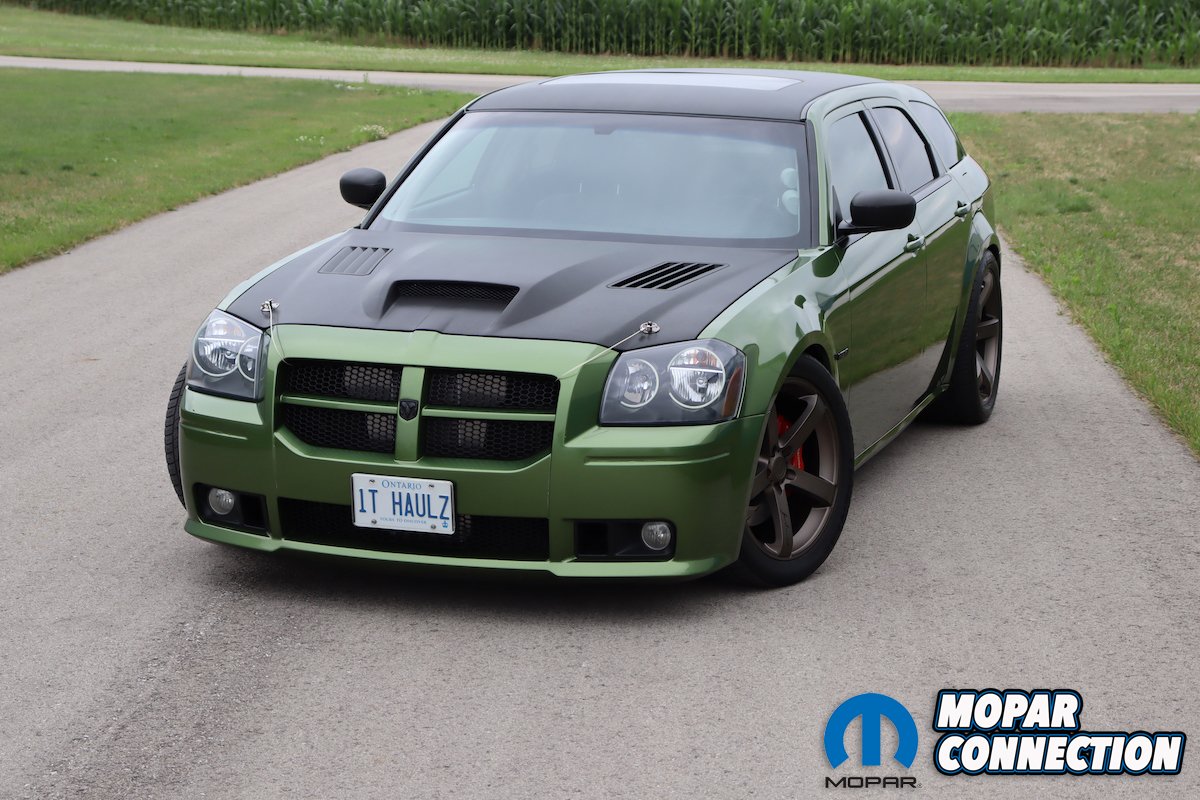
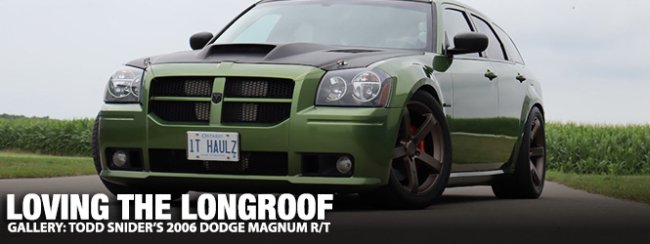
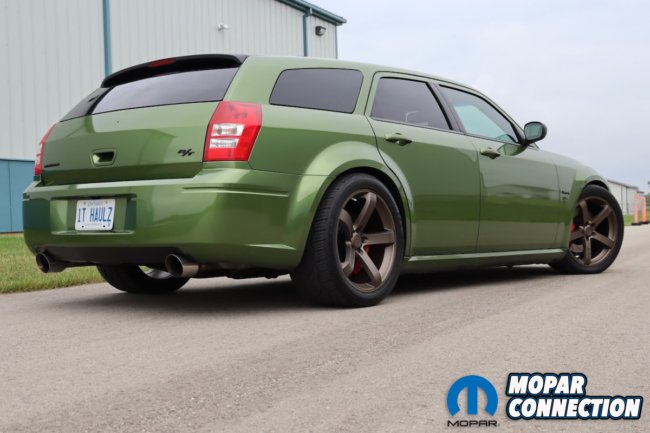
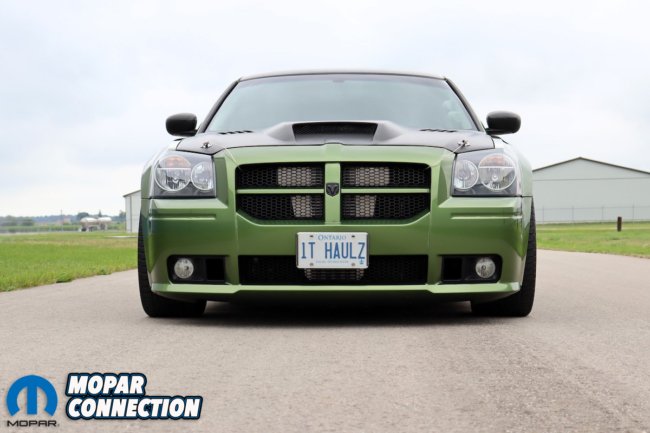
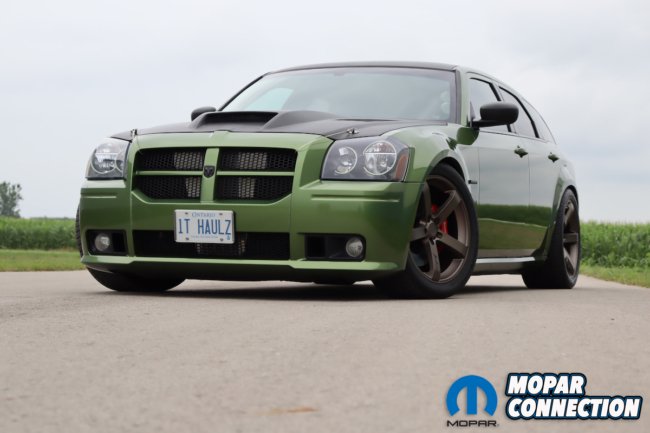
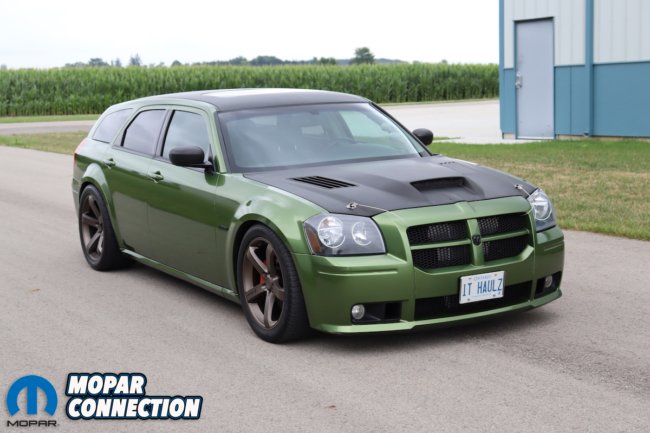
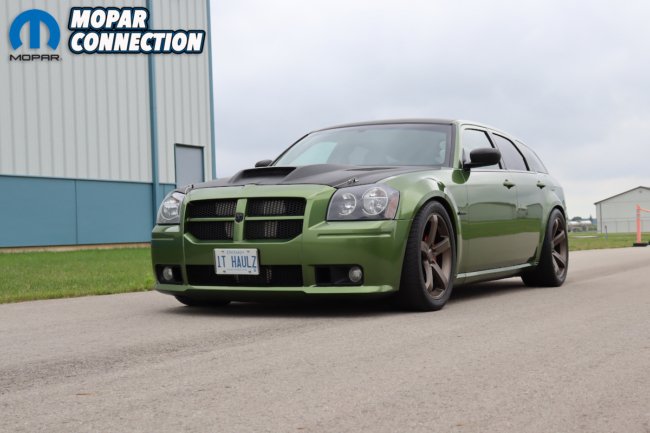
This car that you are looking at the pictures of belongs to Todd Snider, and right from the get-go you notice the green metallic colour, which is not even listed on the list of colors available. Therefore, let us address this first before going on.
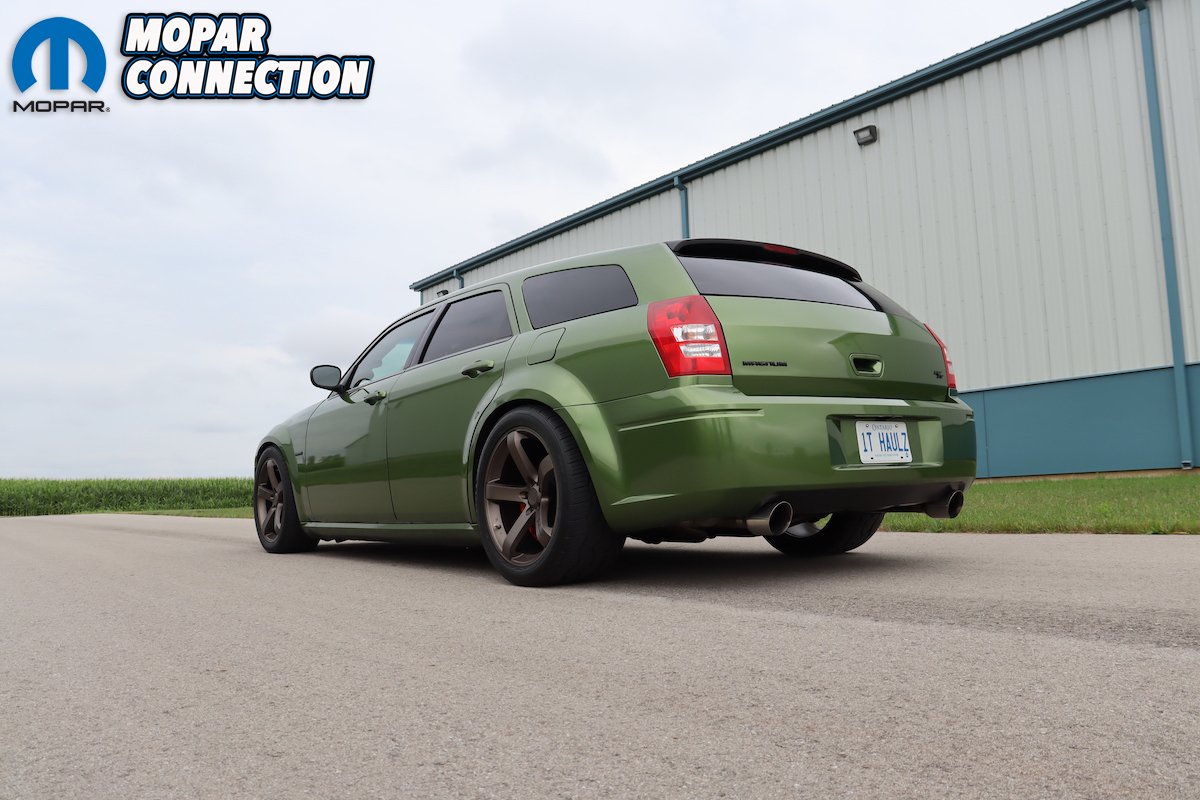
This R/T Magnum is indeed one of the original factory-produced Bright Silver Metallic examples. If you’re thinking Todd had it repainted, think again; it is actually wrapped. The funny part is, when sunlight hits it just right, the wrap gleams so convincingly that you would swear it is paint. The metallic finish really comes alive, and even I was fooled at first glance.
After addressing that question, let’s revisit the origins of Todd’s passion for cars. Throughout his life, Todd has consistently preferred GM vehicles and has owned numerous Camaros, including a 1973 Z28 LT, a 1979 Z28 featuring a 454 big block engine and turbo 400 transmission, and a 1989 IROC Z convertible, which remains in his possession today.
Todd dedicated two years to his Uncle Les’s shop, meticulously rebuilding and heavily modifying a 1987 Buick LeSabre T-Type. Todd did not have unlimited funds, so he did as much work as possible on the car himself. He has done bodywork on numerous cars and painted more than a few as well. Todd said, “I’m a welder by trade, so doing the rust repairs on my T-Type Buicks wasn’t a big deal, but it was time-consuming.”
Among Todd’s impressive custom touches is his ability to shave the fuel door for a cleaner look and ingeniously relocate the fuel filler neck behind the driver-side taillight. He even hinged the taillight itself, allowing it to swing open for refueling—a clever and seamless modification that showcases both his creativity and craftsmanship.
Tragically, the first car was lost to a fire during its maiden voyage. Undeterred, Todd tracked down another LeSabre T-Type in Wisconsin and joined by his supportive wife, made the trip to purchase it. Sadly, fate struck again, as this second car was written off a while later after a collision with a deer.
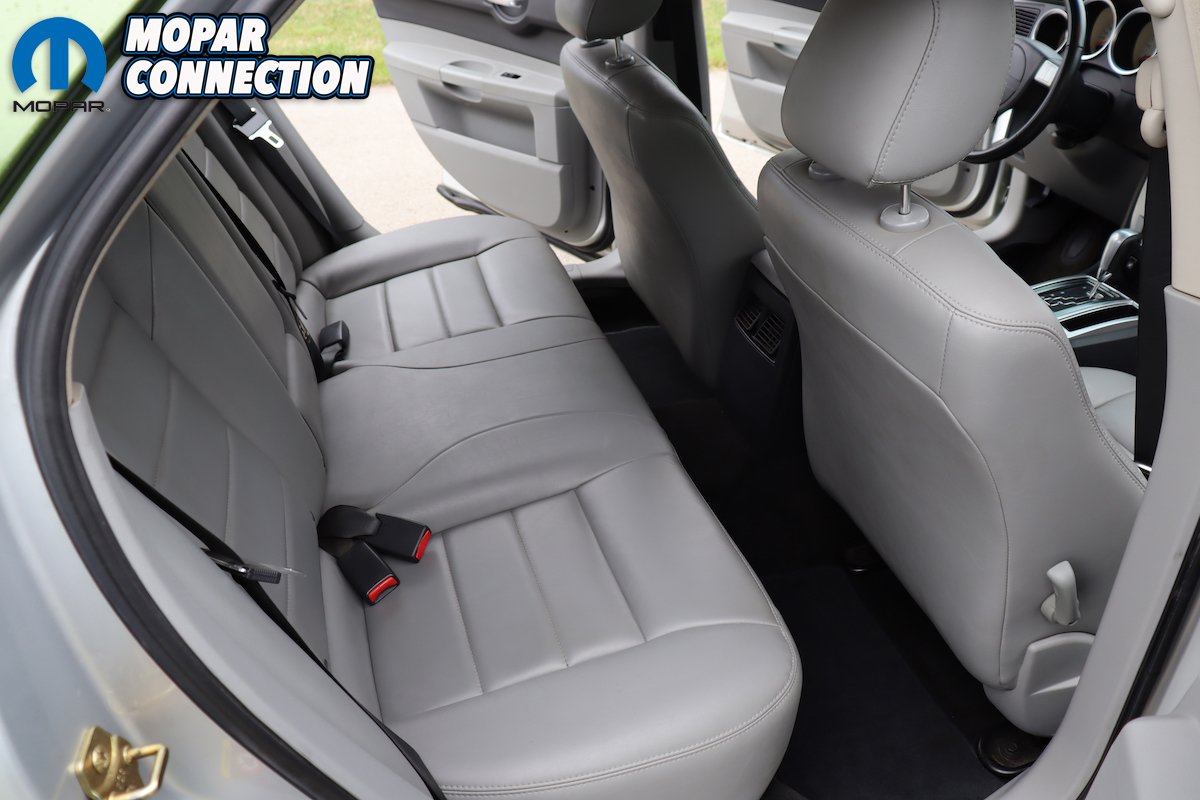
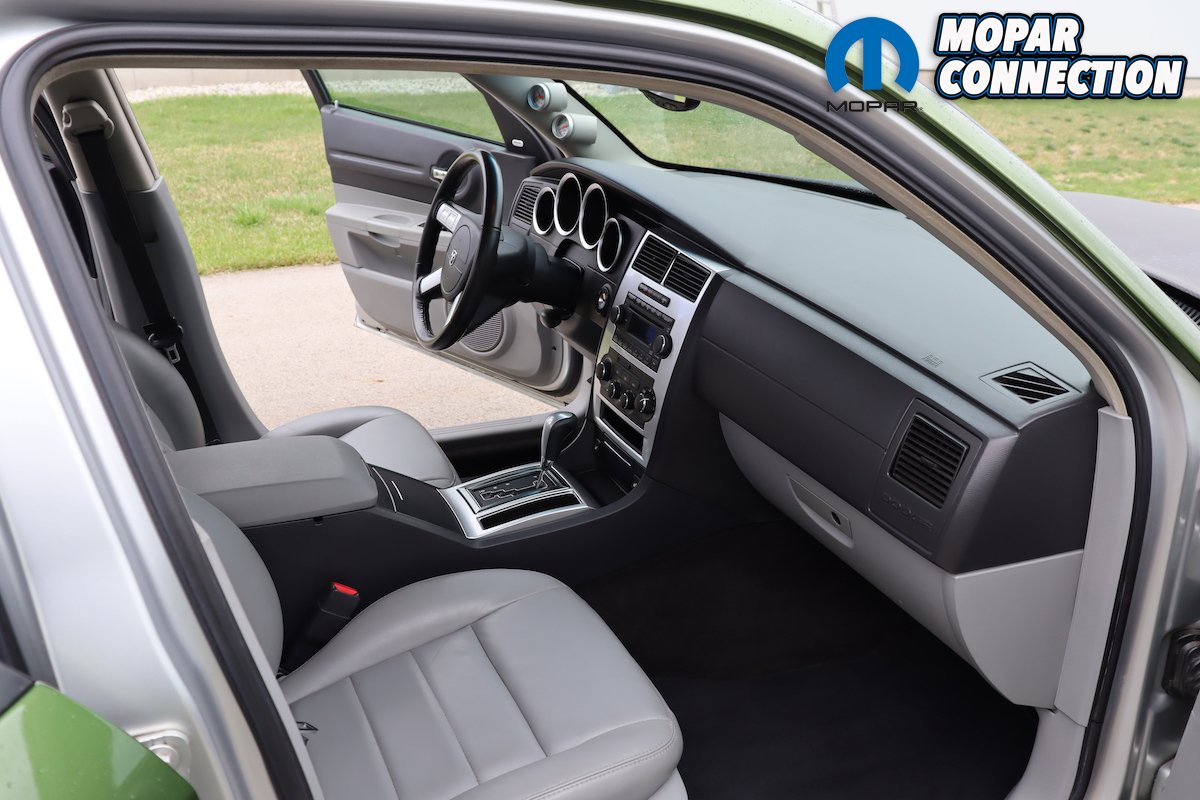
At this point, Todd began to take notice of the Dodge Magnum wagons. He was particularly drawn to their overall design, especially the extended roofline. The SRT models featured a distinctive front end that set them apart from other Magnum models. The inclusion of 20-inch rims with Brembo brakes further enhanced the vehicle’s appeal. Upon taking a test drive, Todd was immediately impressed by the car’s responsiveness and driving performance. Additionally, he noted the spaciousness of the interior.
Todd had his sights set on a Magnum SRT, but the price tag proved too steep. Shifting gears, he turned his attention to the more budget-friendly R/T models, hoping to find one that had not endured harsh winter conditions. Most of what he came across were tired examples with either high mileage, rust creeping in, or signs of hard use. But persistence paid off. Todd found one in Quebec; he discovered a gem with low mileage, a single owner, no winter exposure, and best of all, it fits his budget.
The car was inherited by the original owner’s son, who showed no interest in it. Since he had no attachment or intention to keep it, he decided to sell it. That’s when Todd came along, purchased the car, and drove his new treasure home.
Once home, Todd peeled off every bit of stuck-on chrome trim. The car had SRT badging and LED headlight strips because the previous owner tried to make it into an SRT Magnum. Todd completely rebuilt the front suspension by adding the BC Racing coilovers.
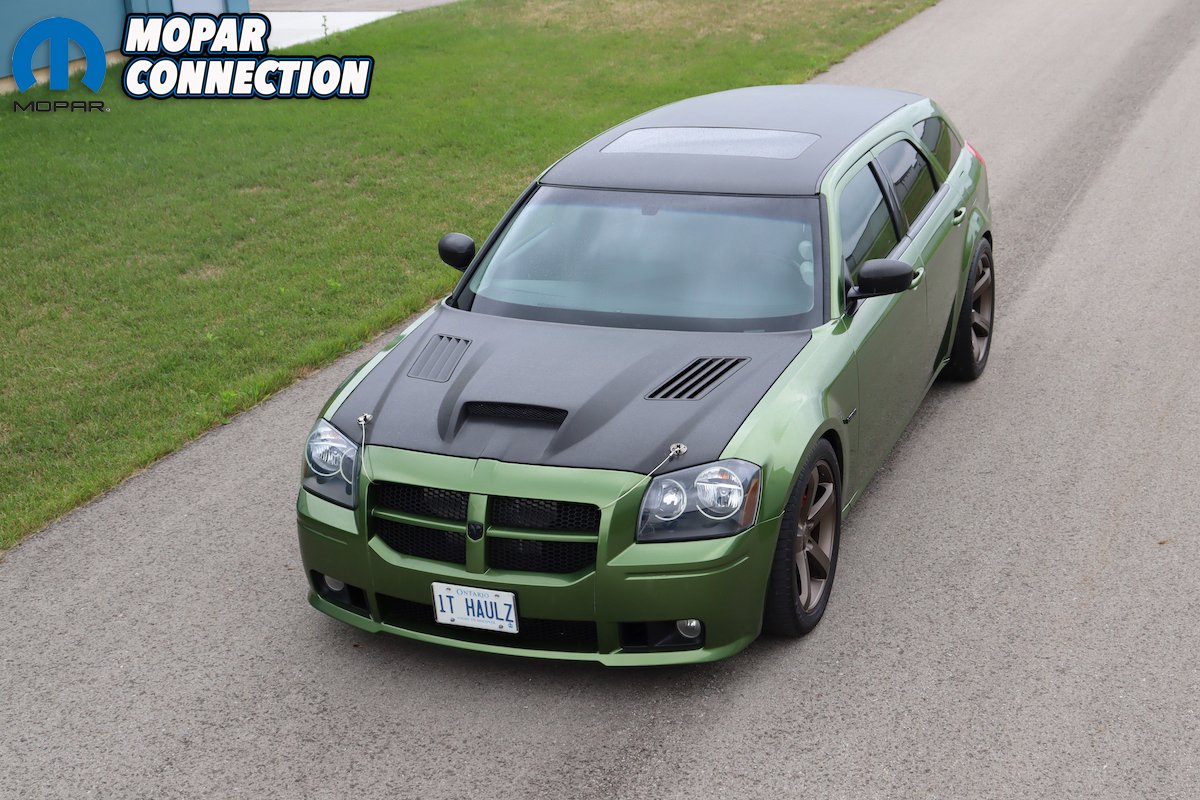
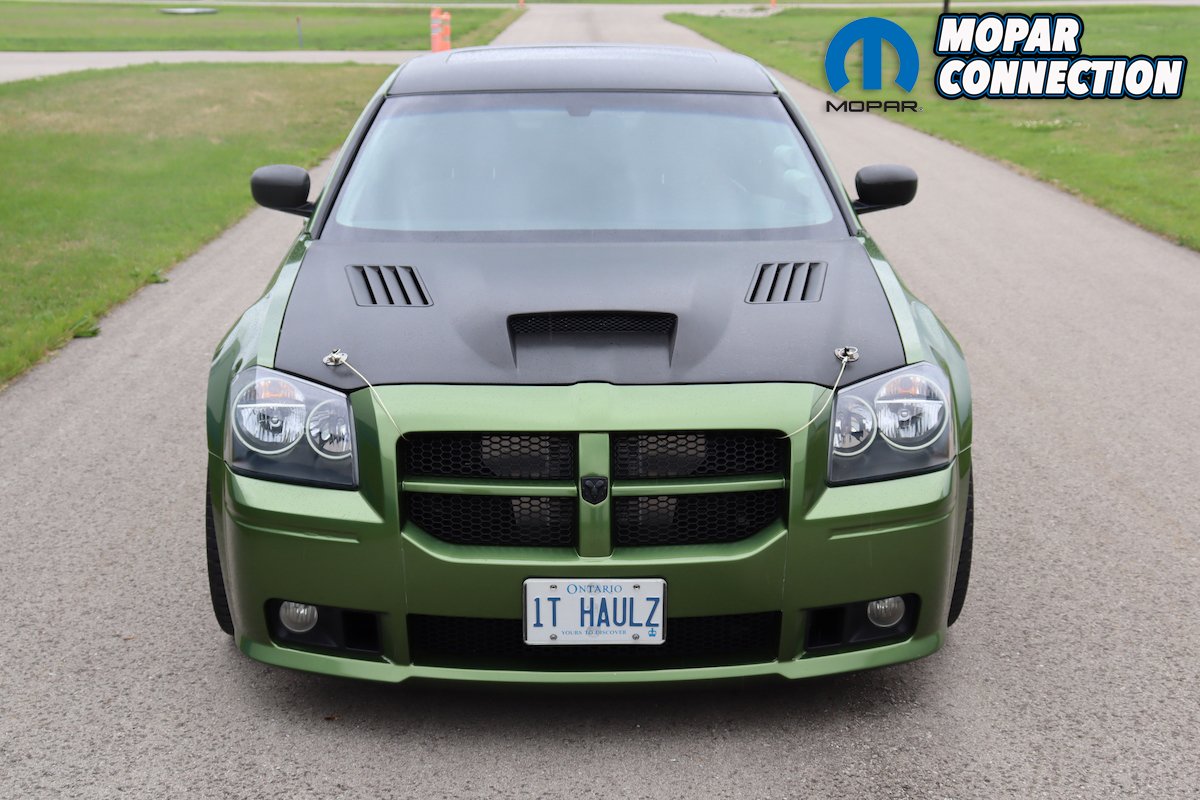
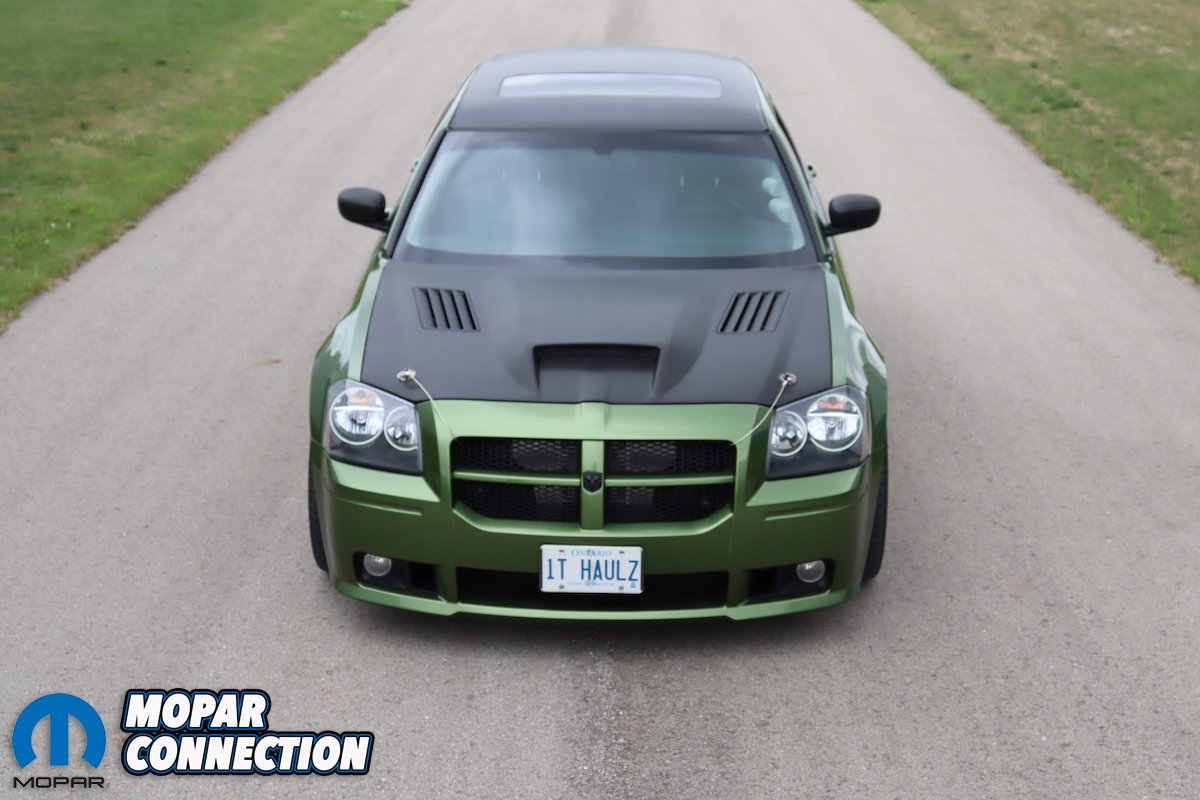
Todd did find the front fascia of a Magnum SRT that has an aggressive performance-style front with an incorporated chin spoiler. All along Todd’s goal was to have a clean but aggressive look with performance to back it up.
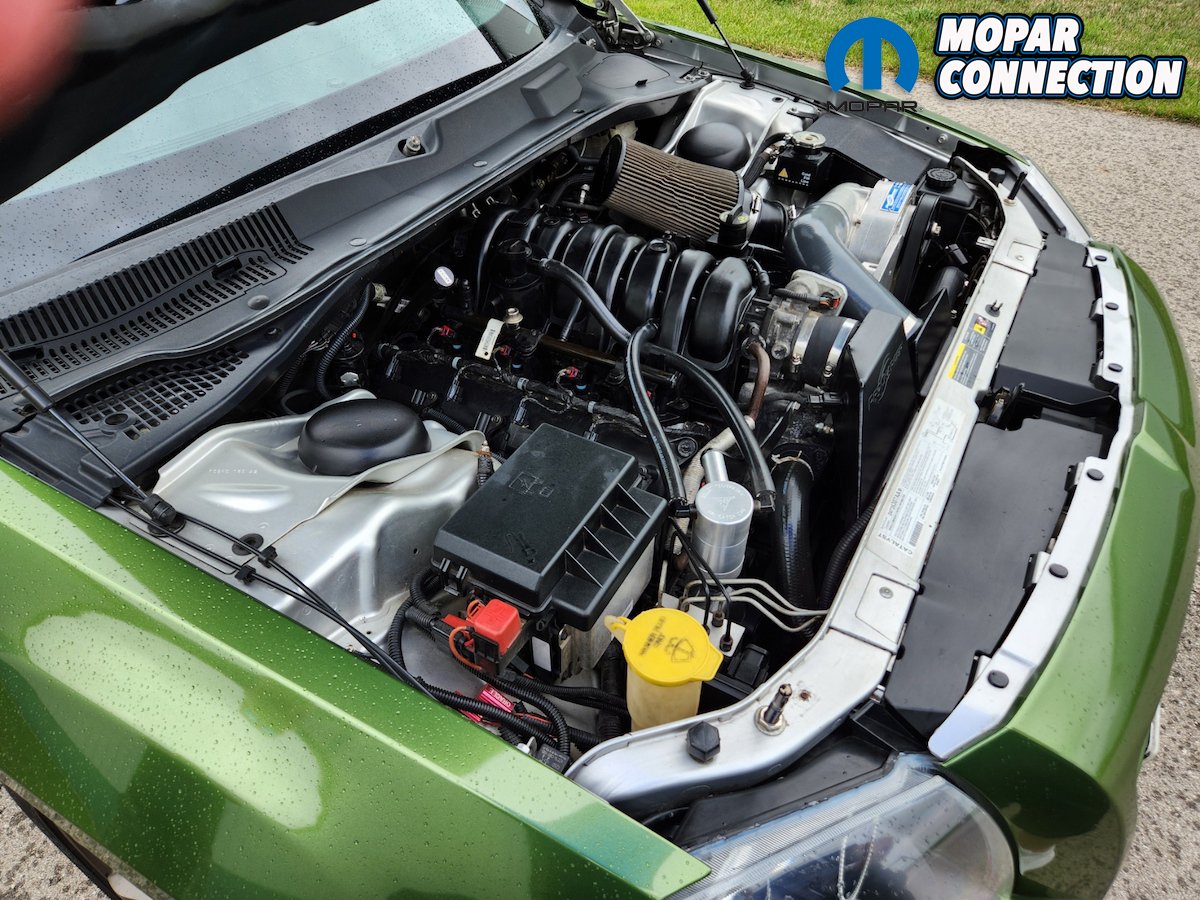
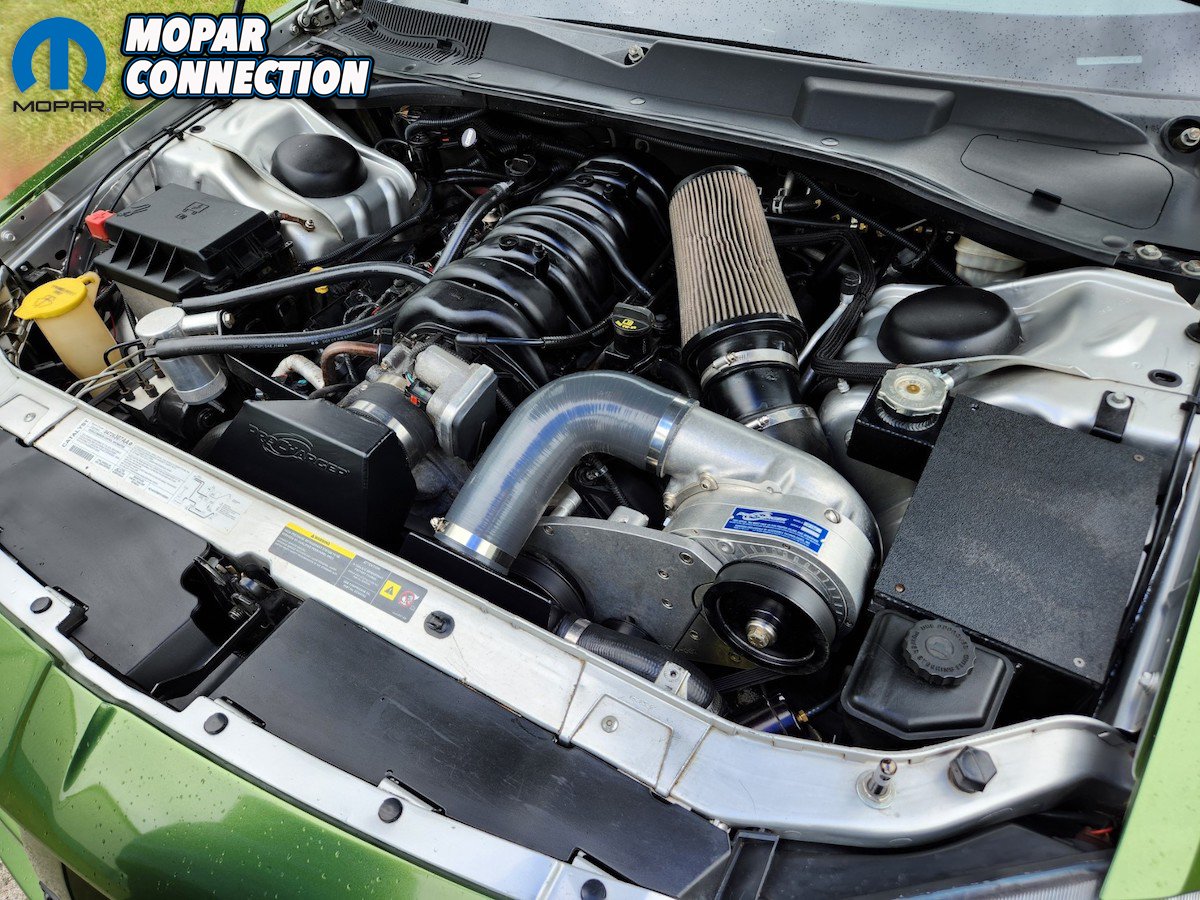
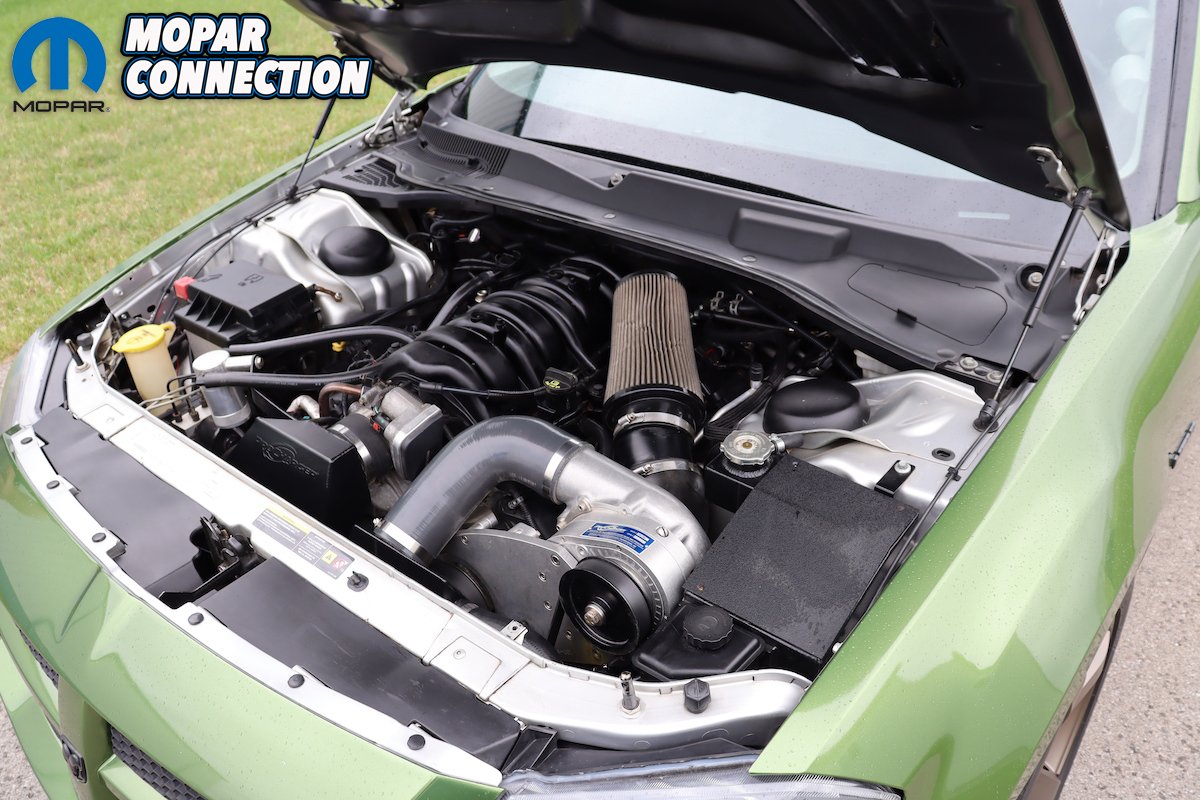
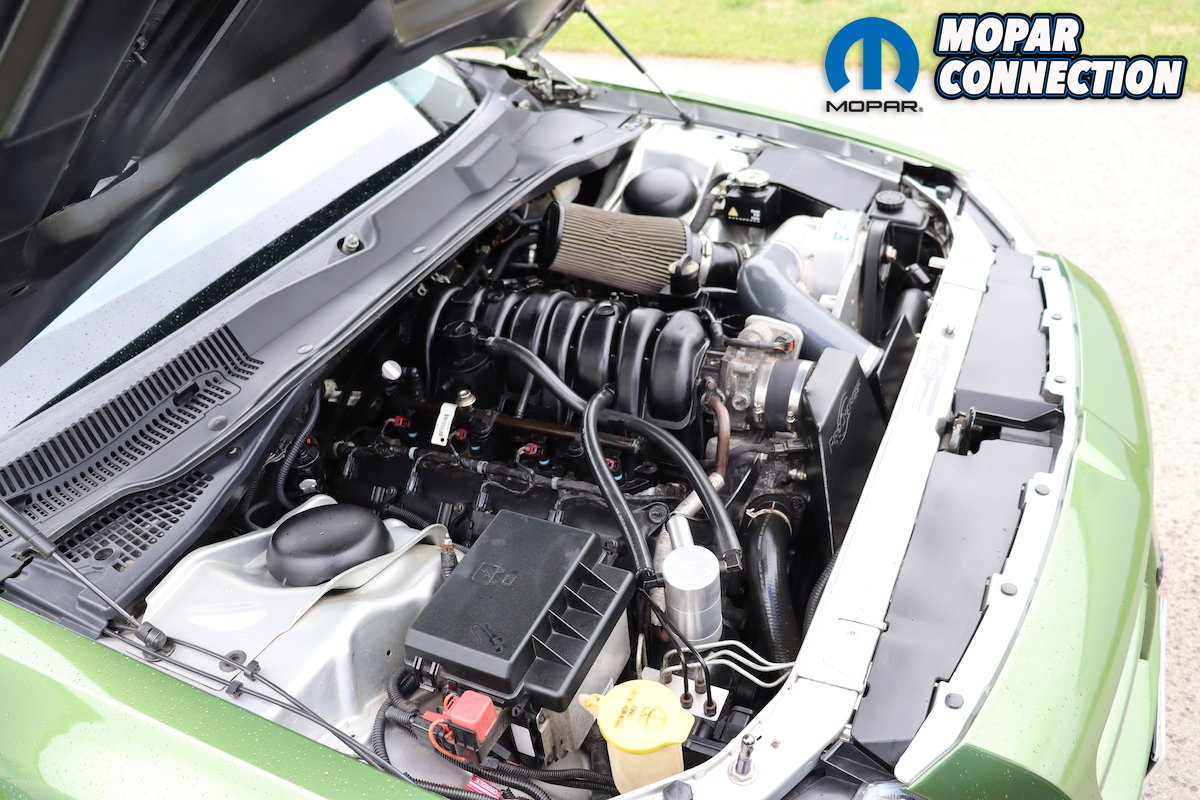
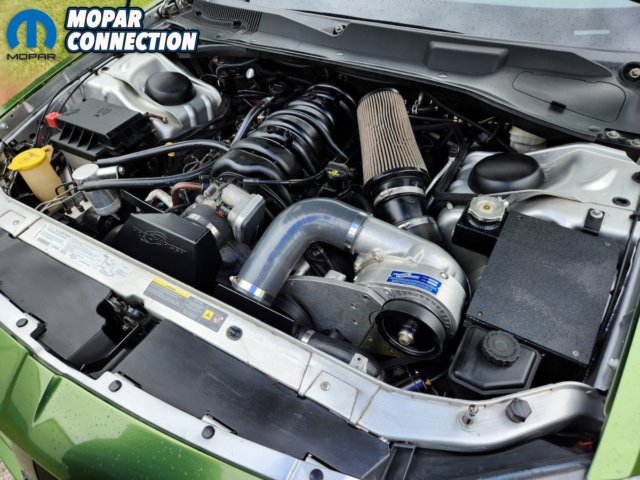
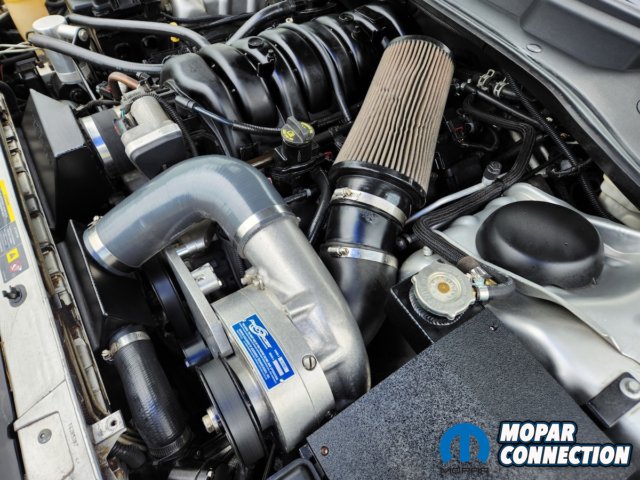
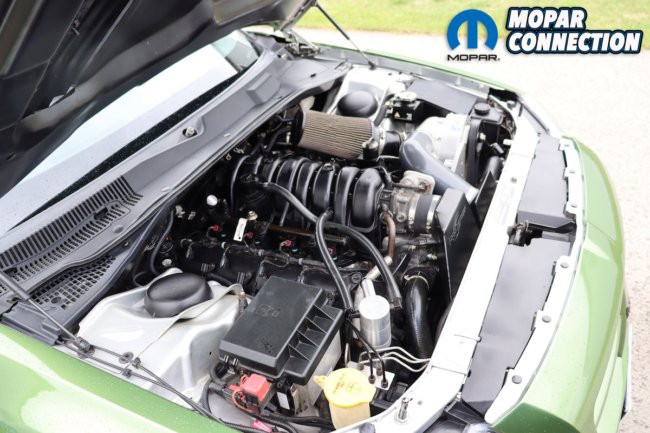
Todd upgraded his 5.7L HEMI by fitting it with factory 6.1L factory headers, an SRT-spec swap that delivers improved exhaust flow and efficiency, ideal for high-output builds. Zoro Muffler did the amazing task of the header and exhaust installation. A Billet Tech catch can was added.
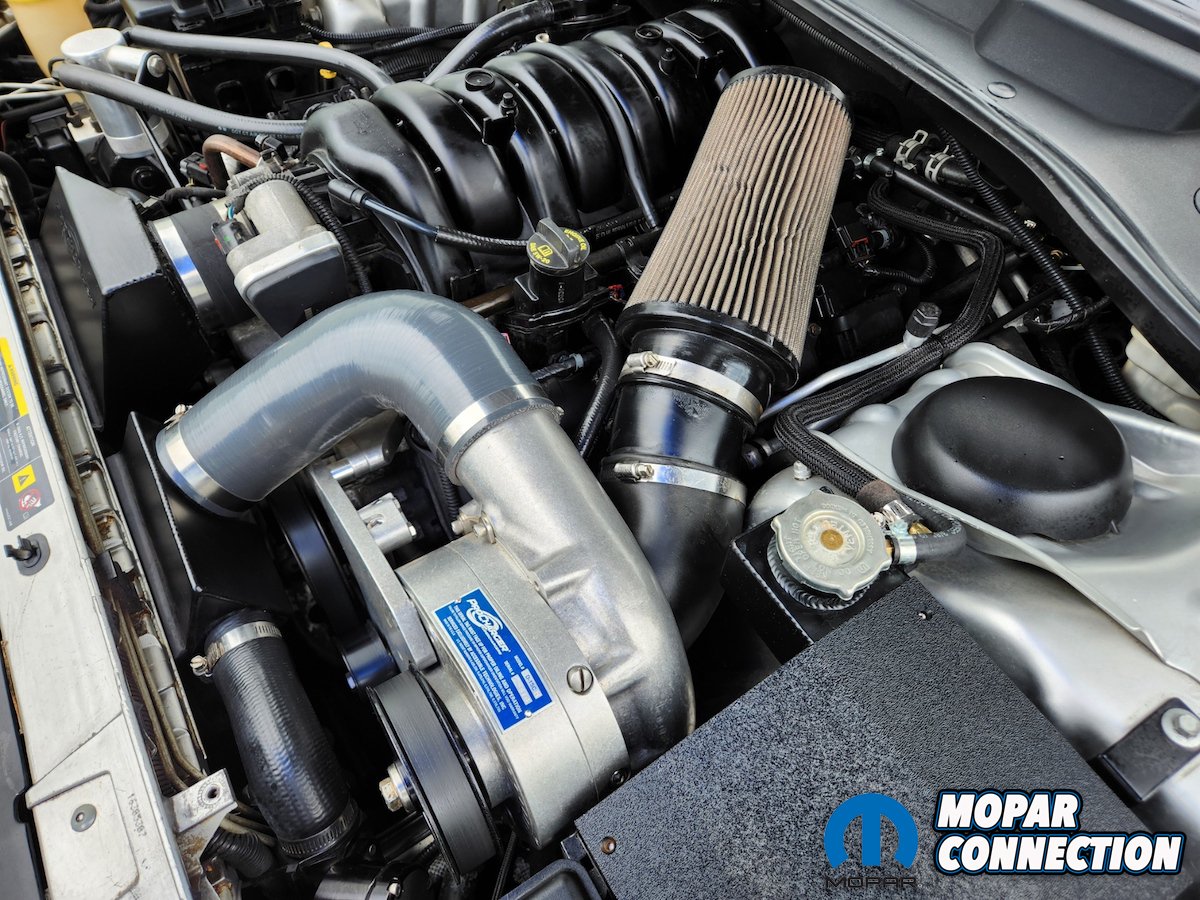
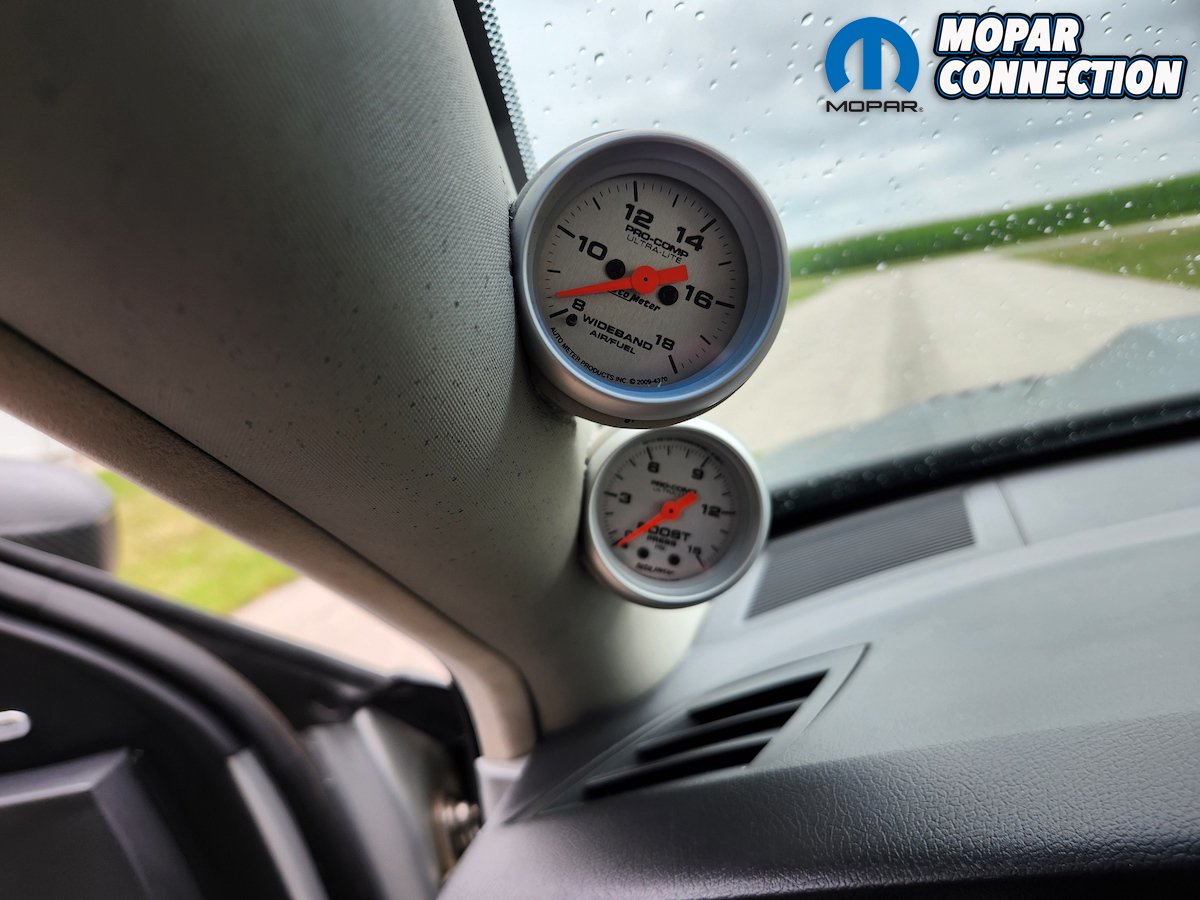
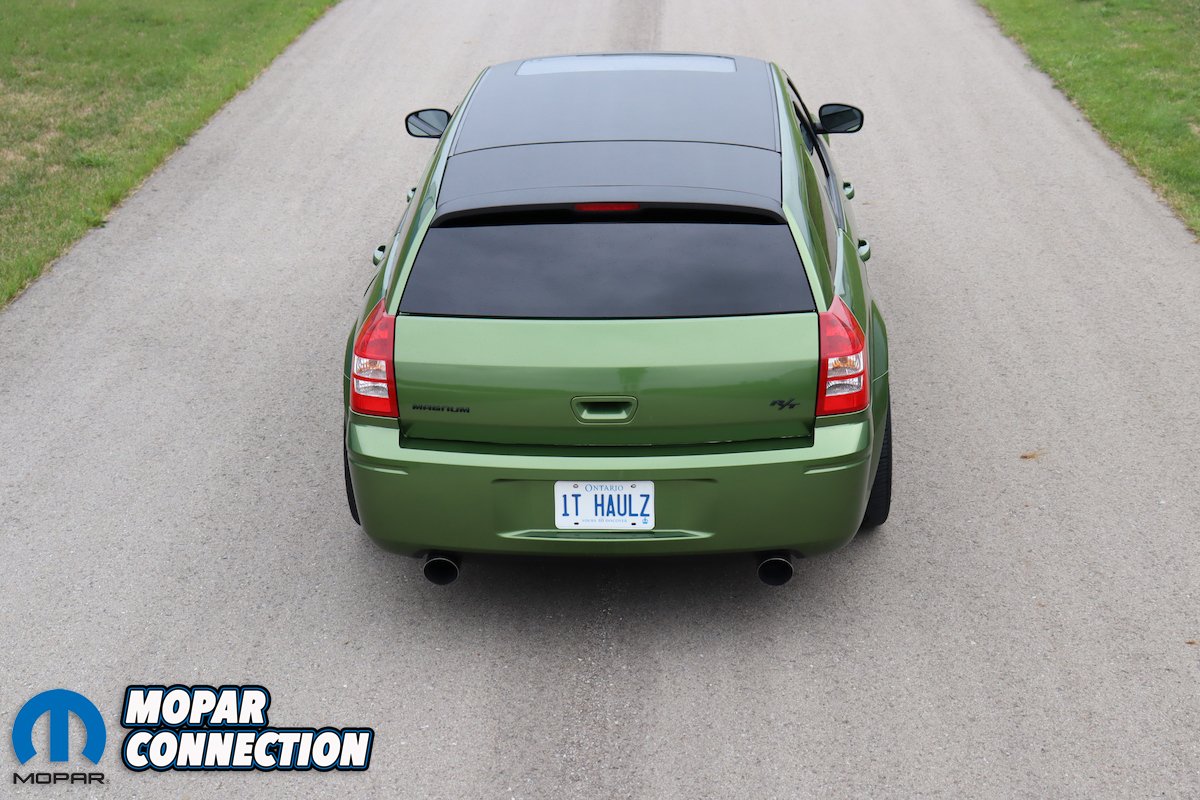
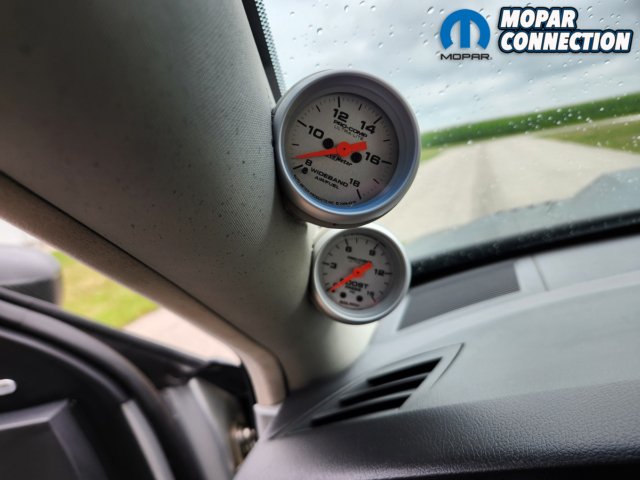
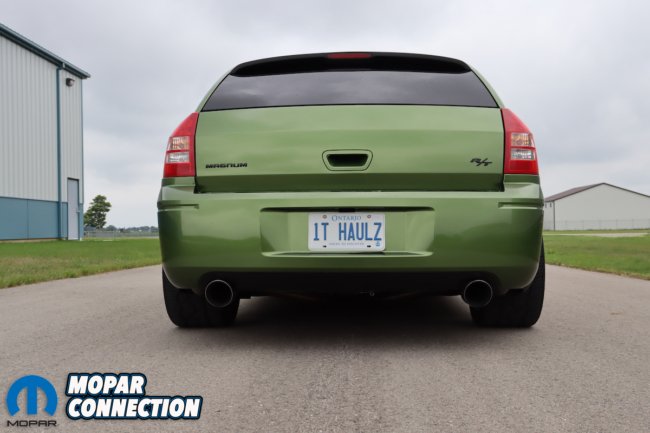
To push things further, he added a ProCharger D1SC supercharger running approximately 7 psi of boost. Tuning duties were handled by Johan at Authentic Performance in Scarborough, dialing in the setup to produce a solid 378 rear-wheel horsepower and 418 lb-ft of torque. Rounding out the build, a Solo Performance 2.5-inch cat-back exhaust system was installed to enhance flow and deliver a deeper, more aggressive tone.
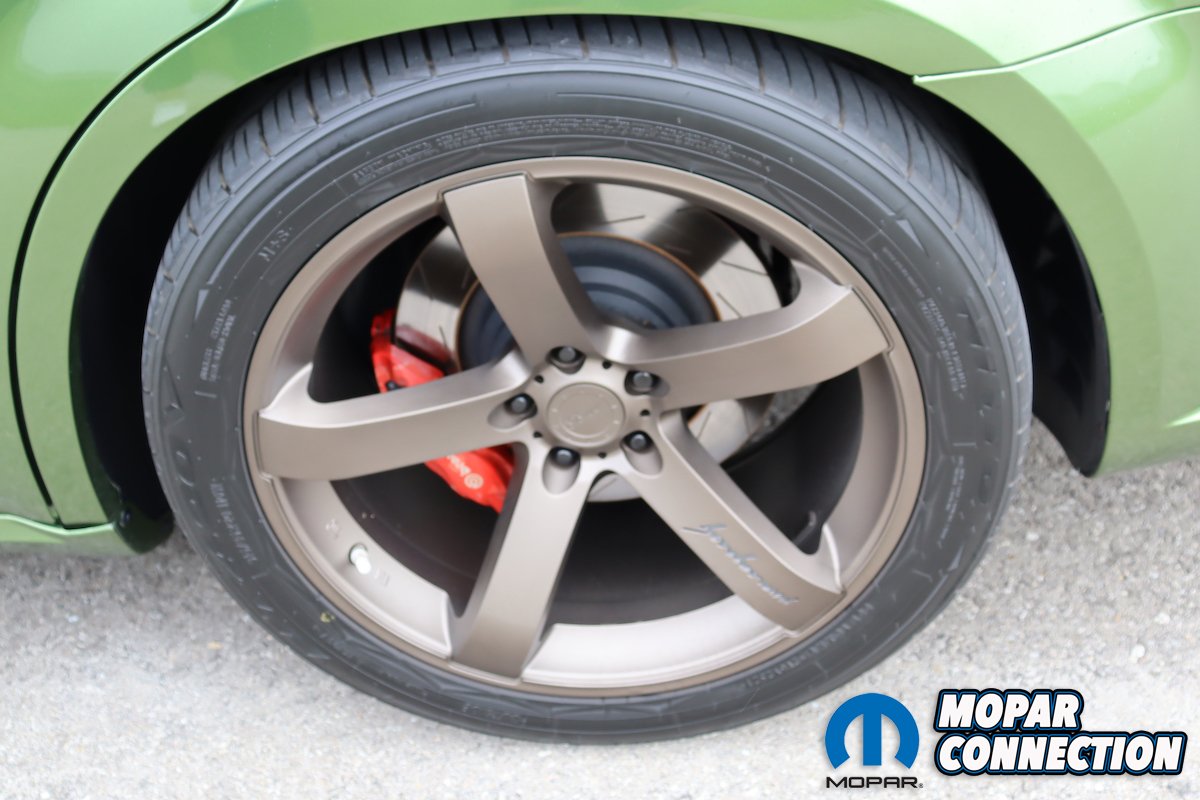
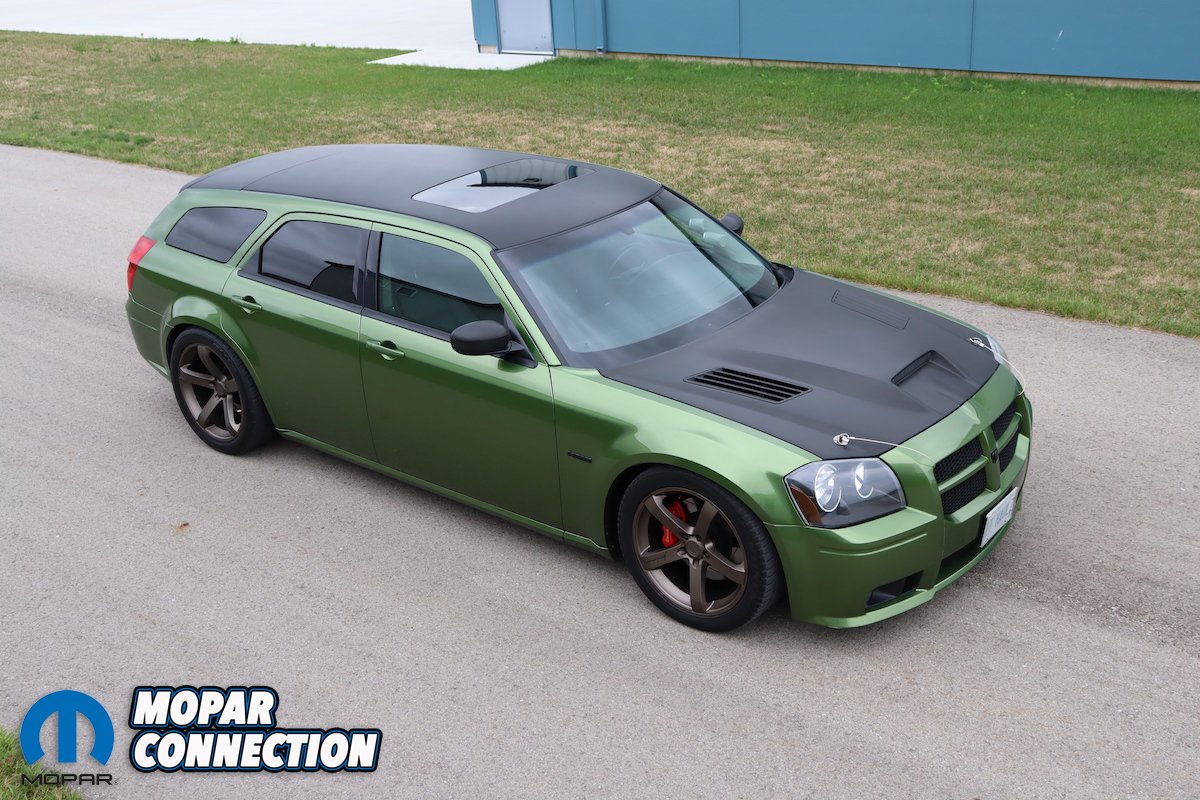
Of course, all this horsepower needs to be kept at bay during normal day-to-day driving, so SRT 4-piston Brembo brakes were installed with EBC Red Stuff brake pads and slotted rotors to help keep brakes cool. An SRT 30 mm (about 1.18 in) front sway bar and a 15 mm (about 0.59 in) rear sway bar help with handling. The BWoody sway bar links are 7/8″ in diameter in the front and 1/2″ in diameter in the rear, nearly triple the size of OEM sway bar links.
Todd has installed a standard NAG1 (W5A580) transmission paired with a Tranzformer controller in his vehicle. The Magnum features a Wavetrac differential with a 3.06 gear ratio, which improves traction by minimizing wheel spin, allowing for quicker acceleration, and ensuring optimal power distribution to all wheels during cornering. Additionally, he has upgraded to DSS (Drive Shaft Shop) axles, which are more robust than the factory stock configuration.
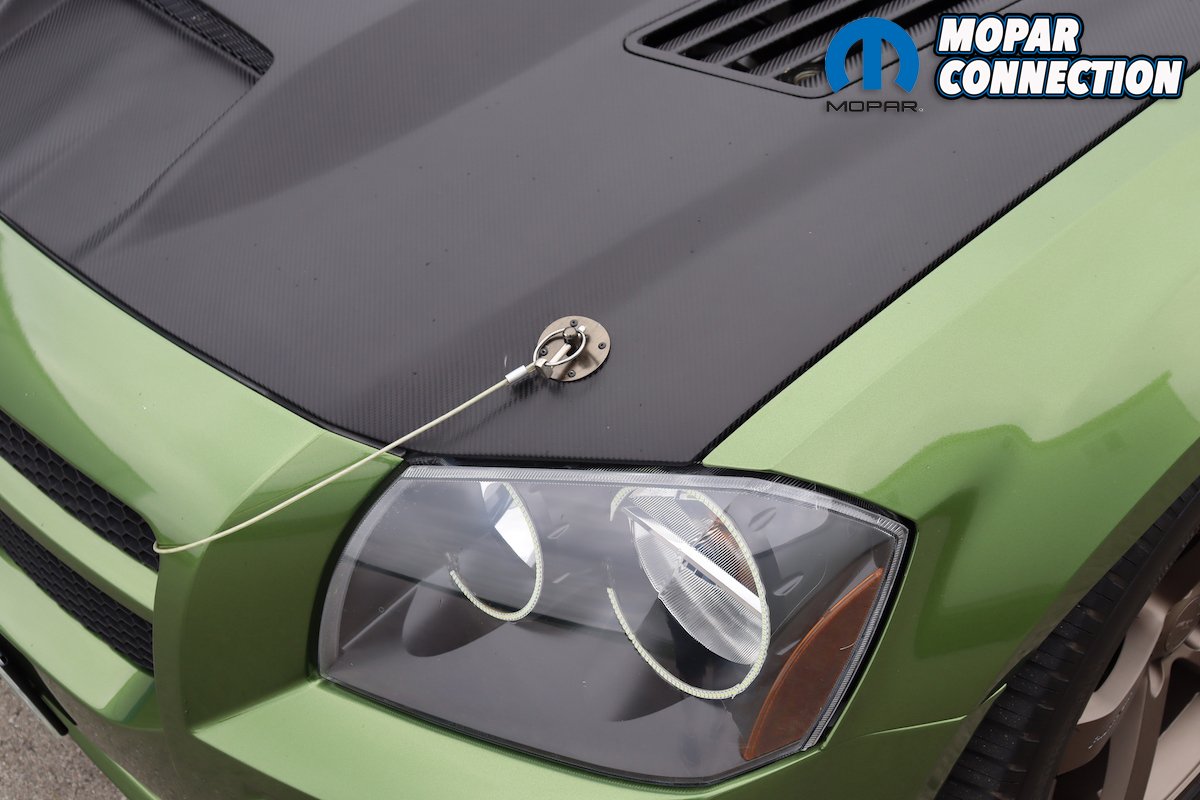
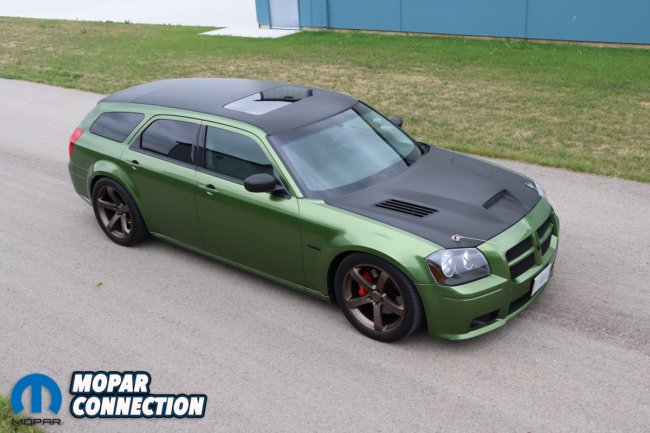
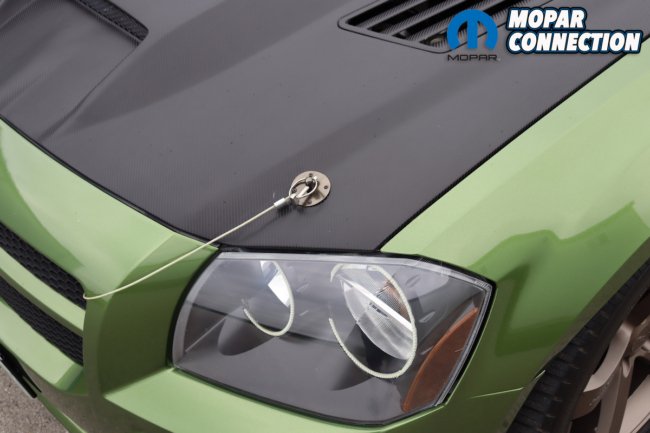
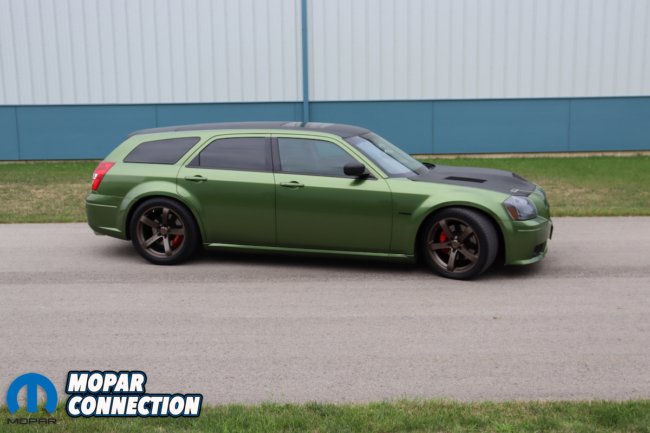
As mentioned at the beginning of this article, the INOZETEK Metallic Mamba Green vinyl is what they refer to as a “true gloss vinyl.” Todd added 3M carbon fiber to the hood, roof, rear spoiler, and mirrors. All the work was done by Peter at Street Stars Customs in London, Ontario. The Trufiber SRT fiberglass hood with Z34 hood louvers mounted flush was done by Todd himself. Again, a man of many talents.
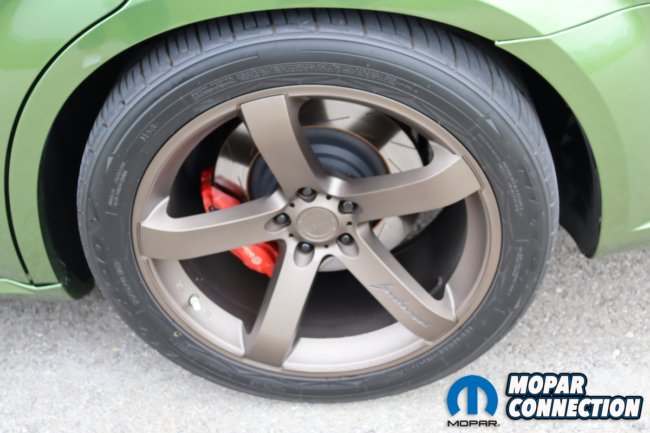
The Magnum is equipped with custom-painted MRR VP5 rims, featuring a matte bronze finish complemented by candy black accents applied by Todd. The front wheels measure 20×9 inch and are fitted with 275/45R20 Continental DWS 06 tires, while the rear comprises 20×10.5-inch wheels paired with 315/35R20 Nitto NT420 tires, providing a robust and stable appearance.
Todd has been the proud owner of his Magnum for over a decade, and it’s remarkable to consider that the vehicle is approaching its 20th anniversary. This enduring project would not have been possible without the steadfast support of his wife, whose patience and understanding have been invaluable throughout his automotive journey.
Key contributors to the build include Glen and Adam from Authentic Performance in Scarborough, renowned tuner Johan, Peter from Street Stars Customs who executed the vinyl wrap, and the dedicated team from Zoro Muffler that were responsible for the header and exhaust installation. Their collective expertise and commitment have played a vital role in bringing Todd’s vision to life.