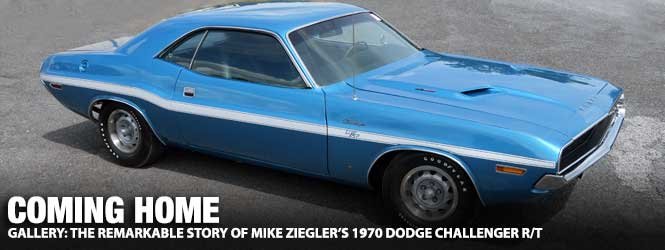
When Dodge introduced the Challenger for the 1970 model year, it arrived late to the pony car party. Ford’s Mustang had been on the market for nearly six years, and Chevrolet’s Camaro had established itself as a serious contender. Yet Dodge’s timing proved nearly perfect. By 1970, the horsepower wars were raging, and Chrysler Corporation unleashed one of the most impressive muscle cars of the era.
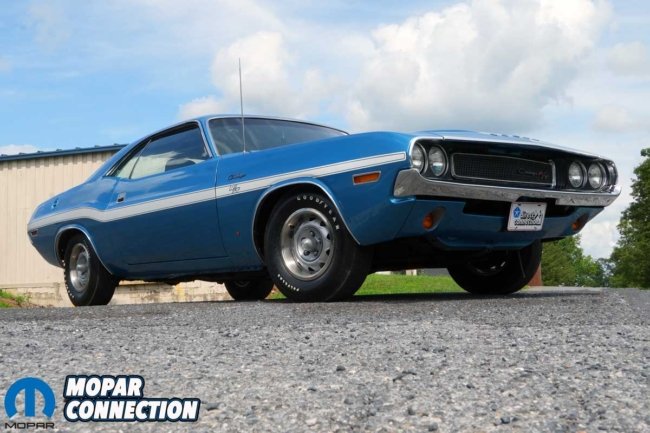
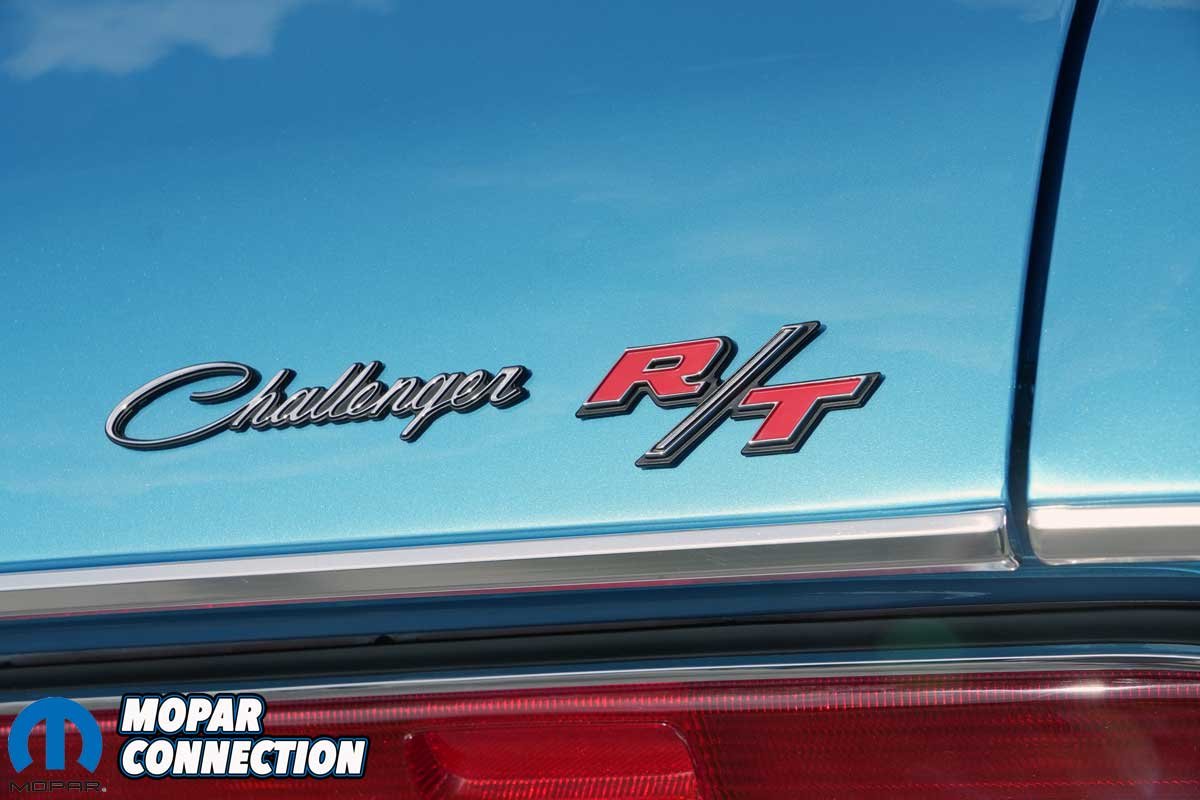
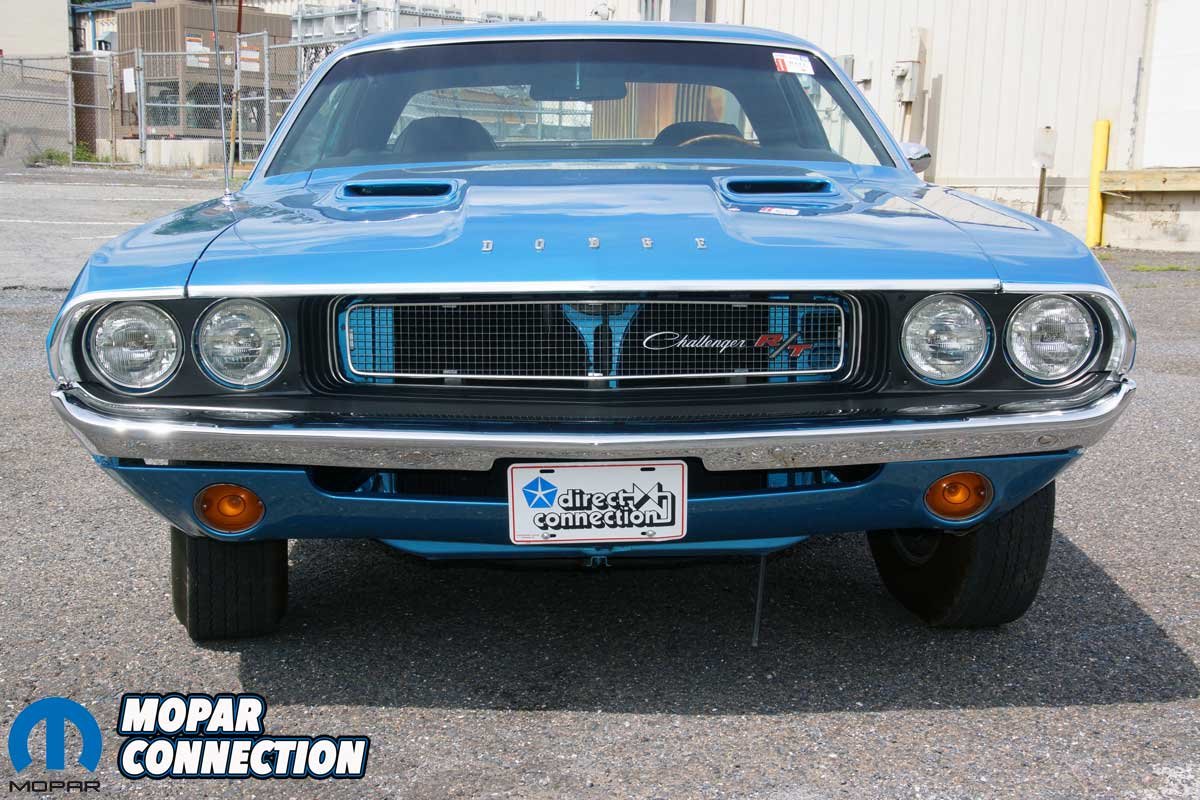
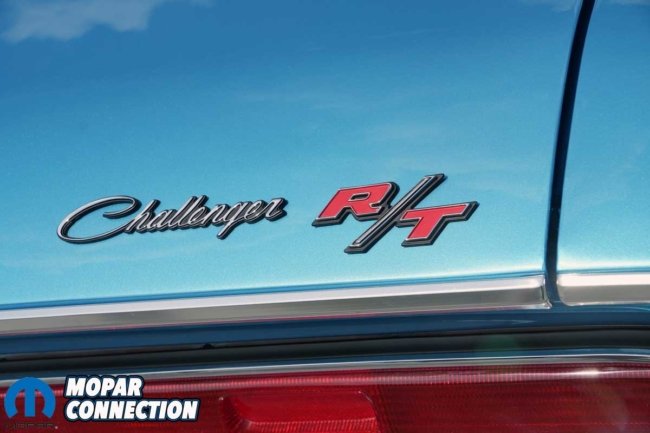
The 1970 Dodge Challenger R/T, Road/Track, was designed to be the performance flagship of the new Challenger lineup. Combining bold styling, luxurious appointments, and some of the most powerful engines available in Detroit, the Challenger R/T quickly earned its place among the legends of the muscle car era.
Built on Chrysler’s new E-body platform, the Challenger shared much of its architecture with the Plymouth Barracuda. However, Dodge positioned the Challenger as a slightly larger and more upscale offering. With a 110-inch wheelbase and an endless list of available options, buyers could order a Challenger tailored to their exact tastes, whether they preferred luxury, performance, or a combination of both.
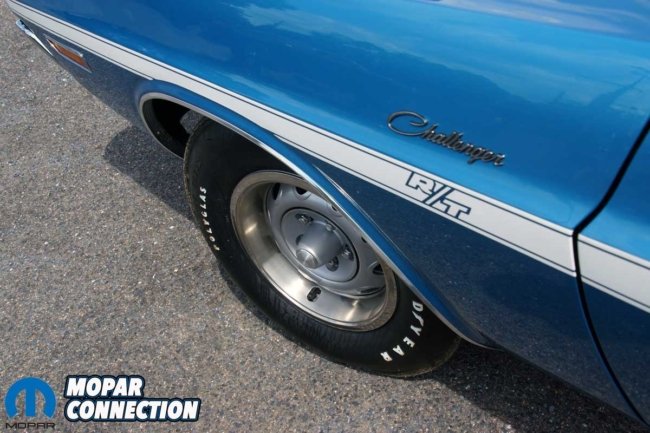
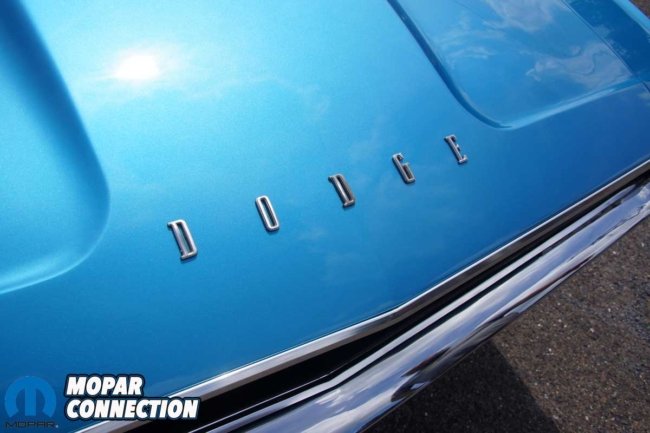
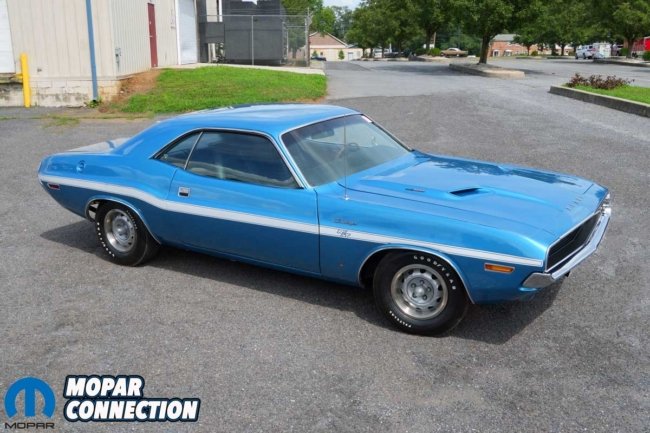
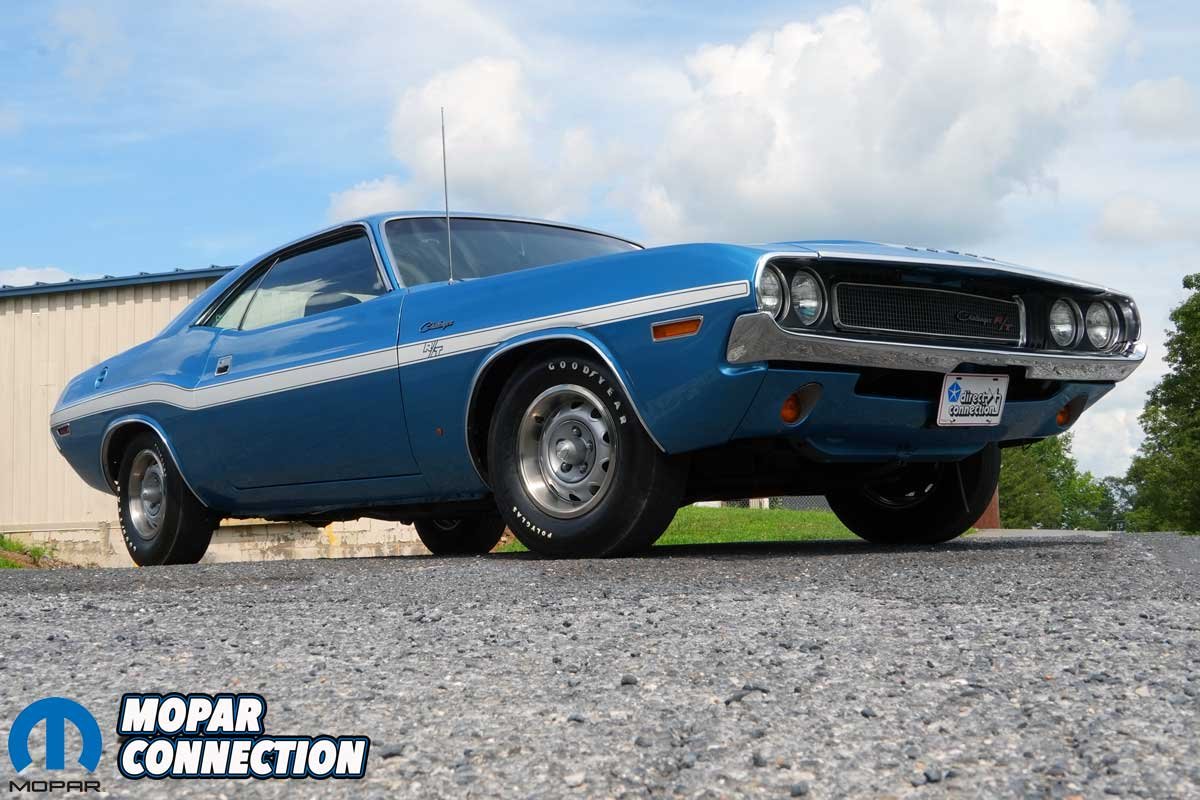
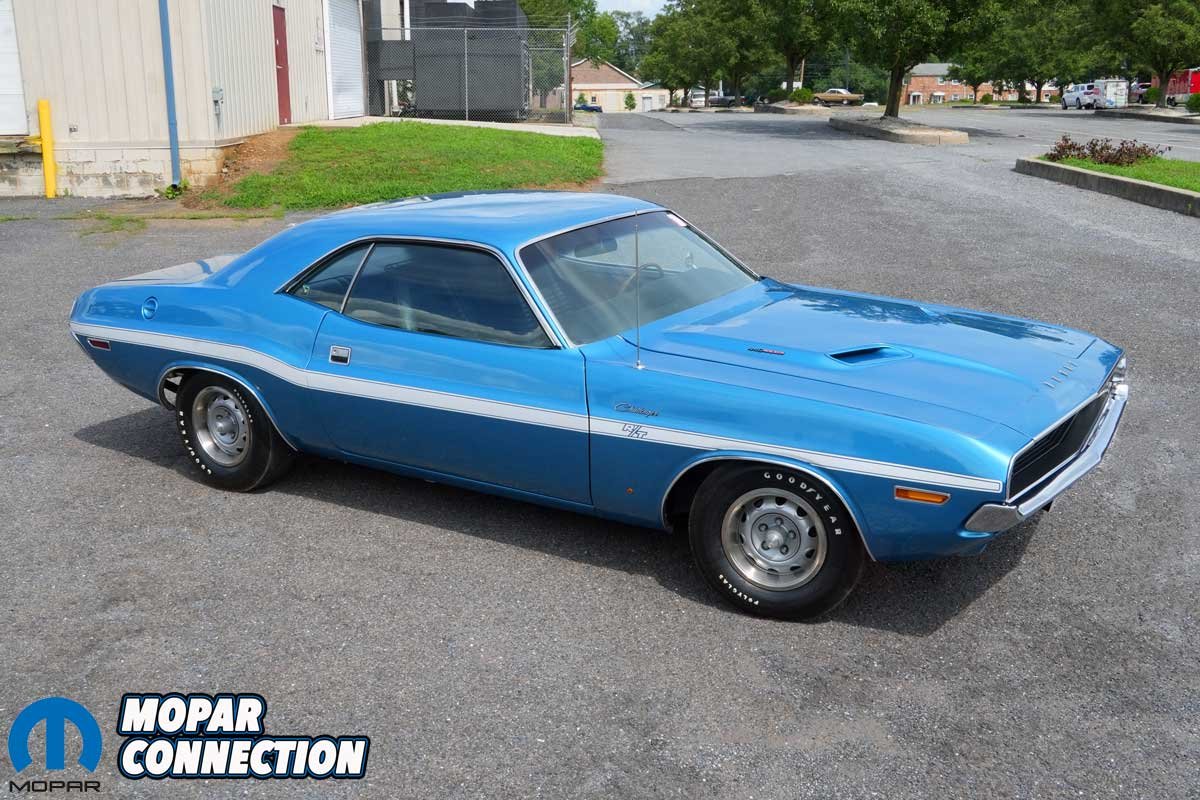
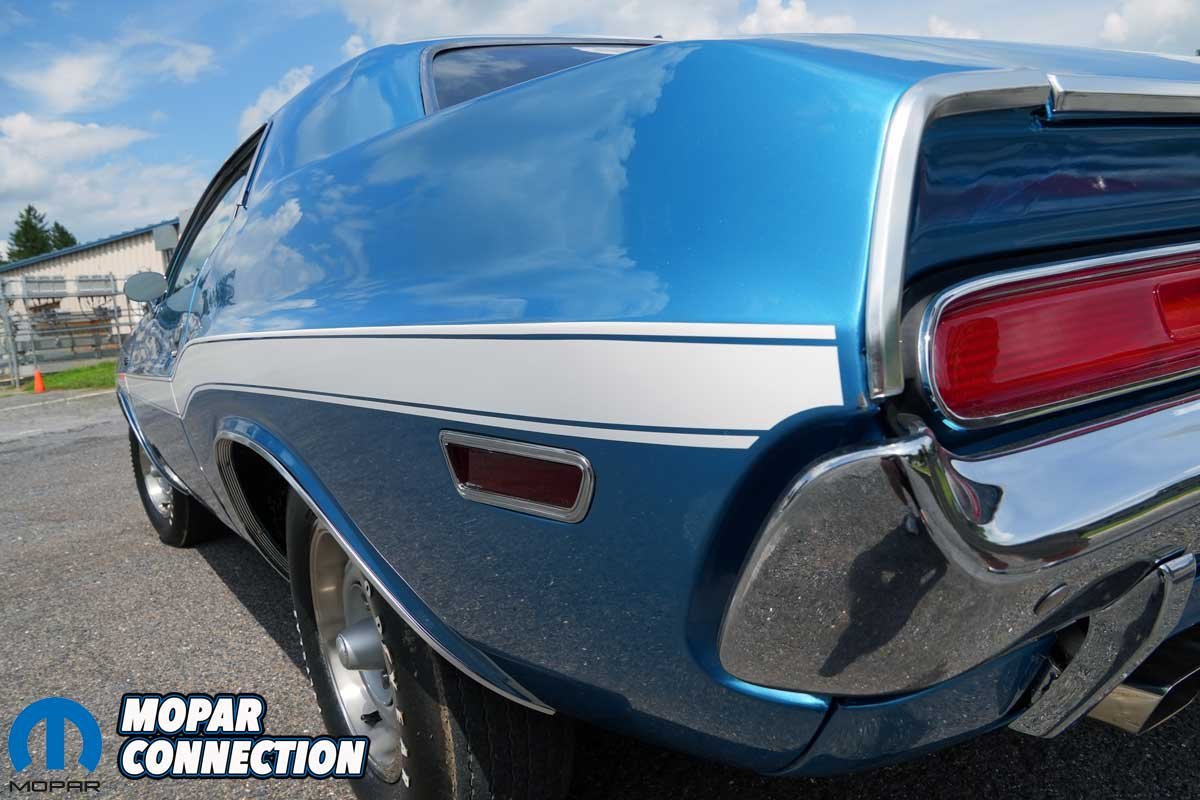
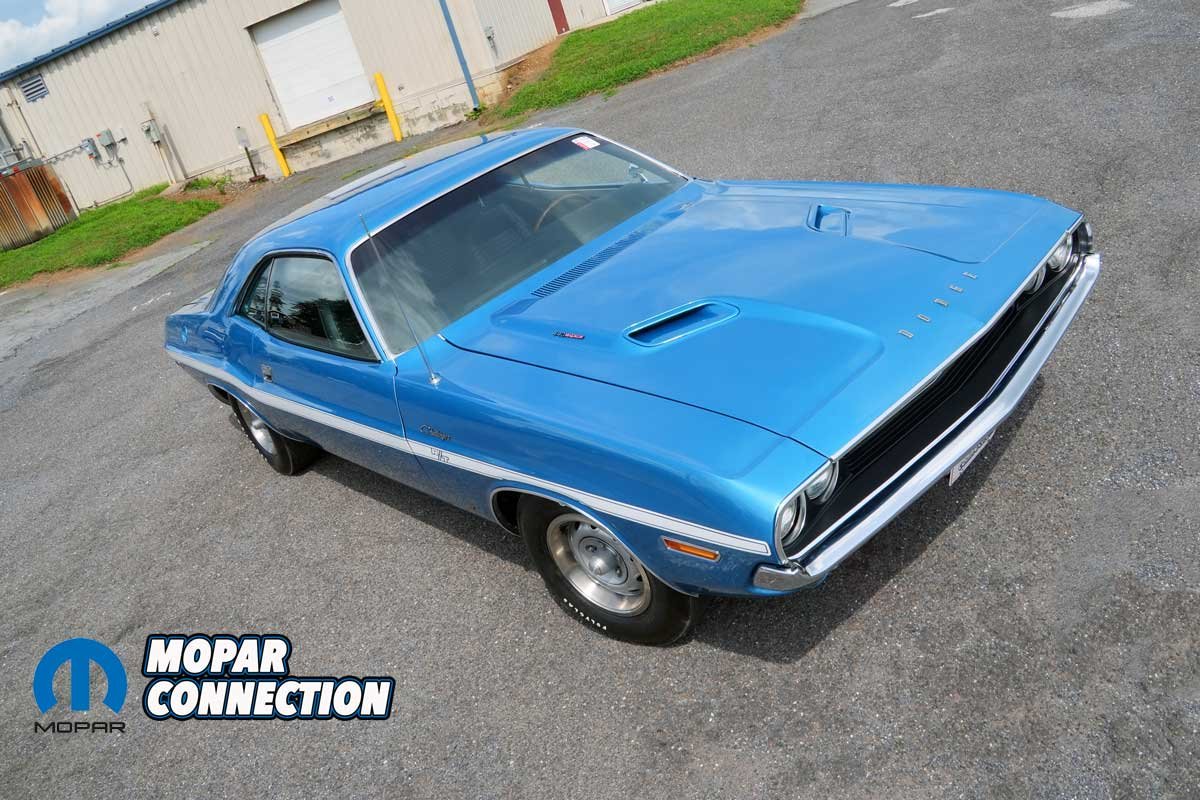
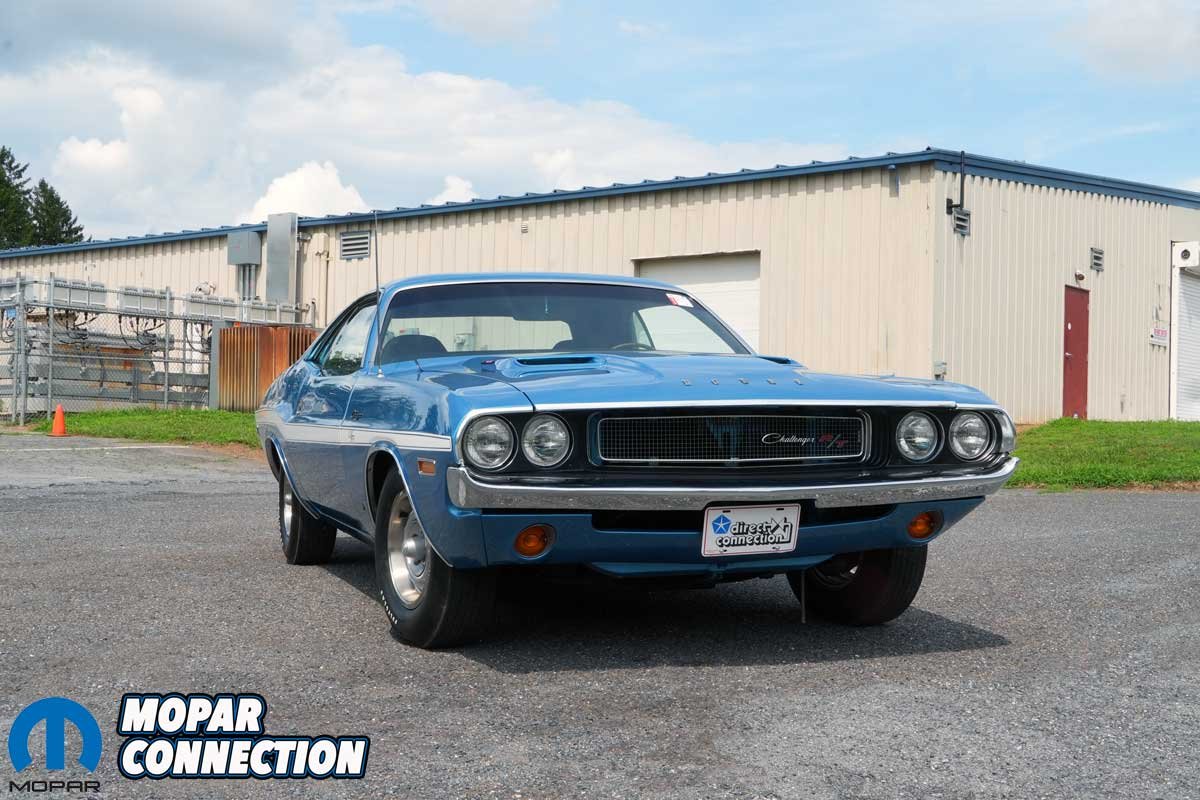
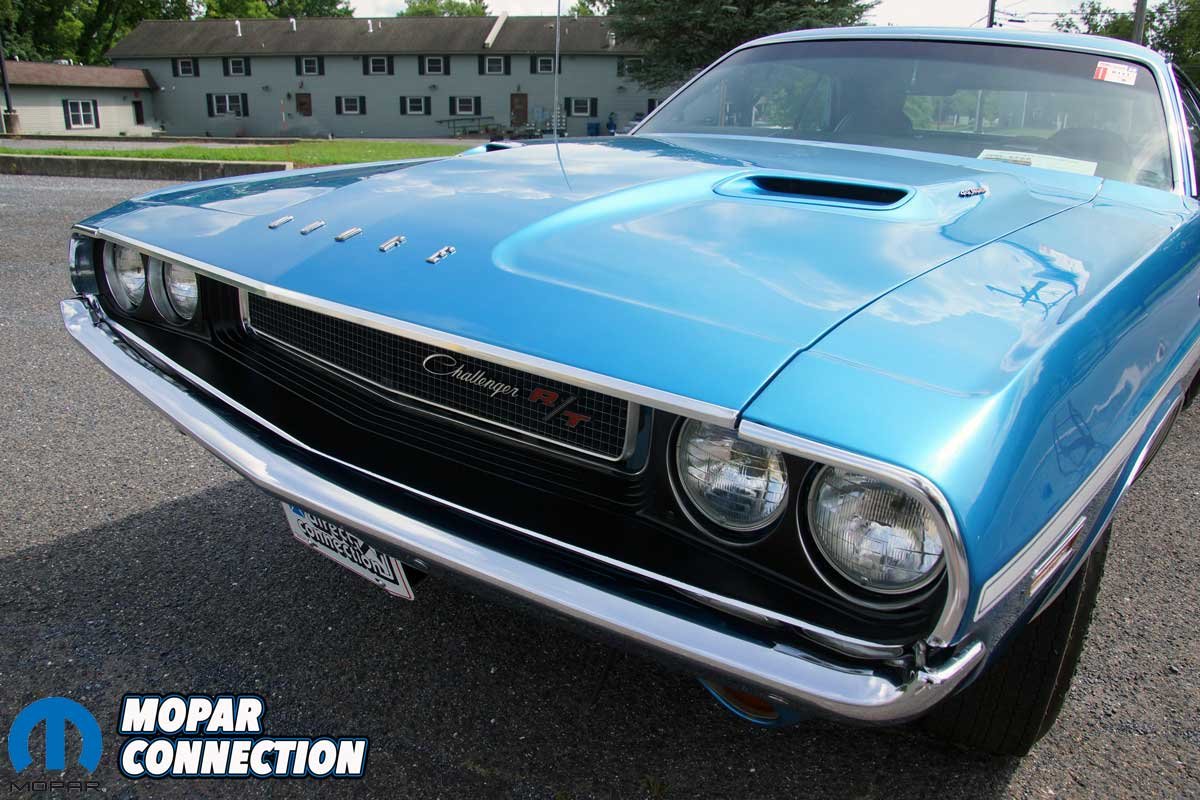
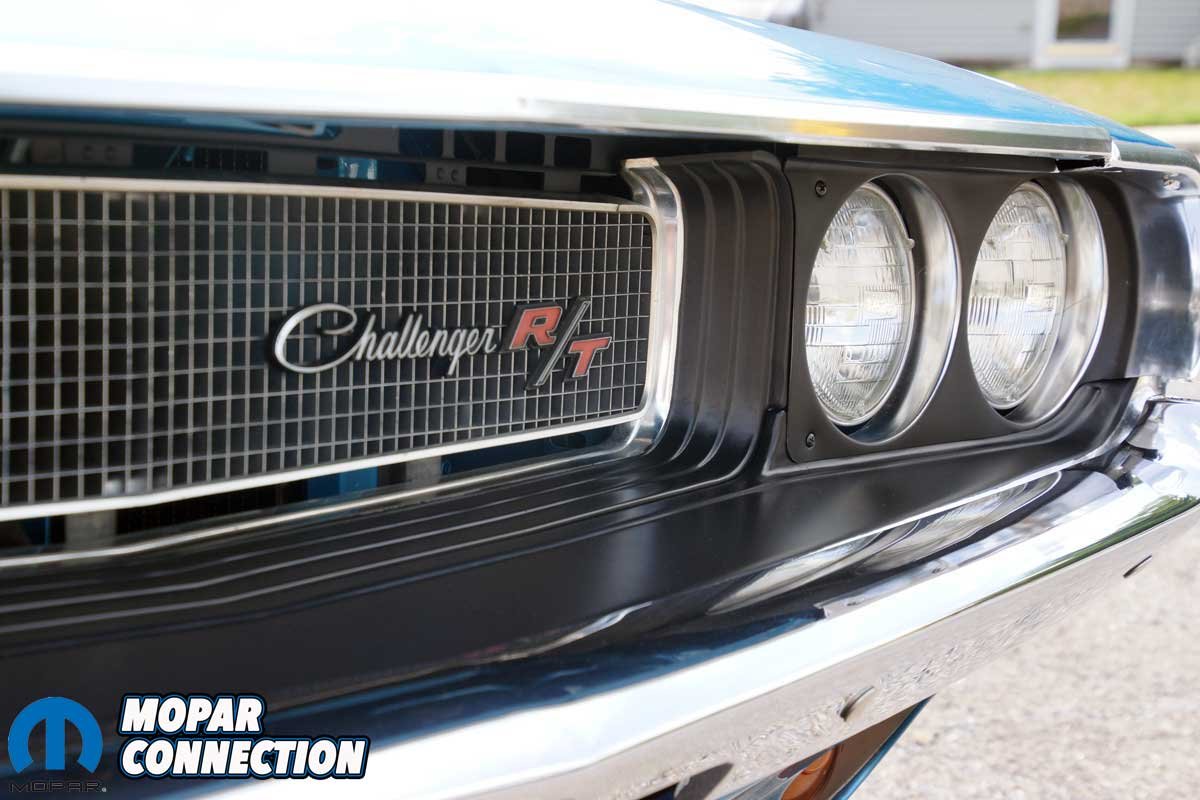
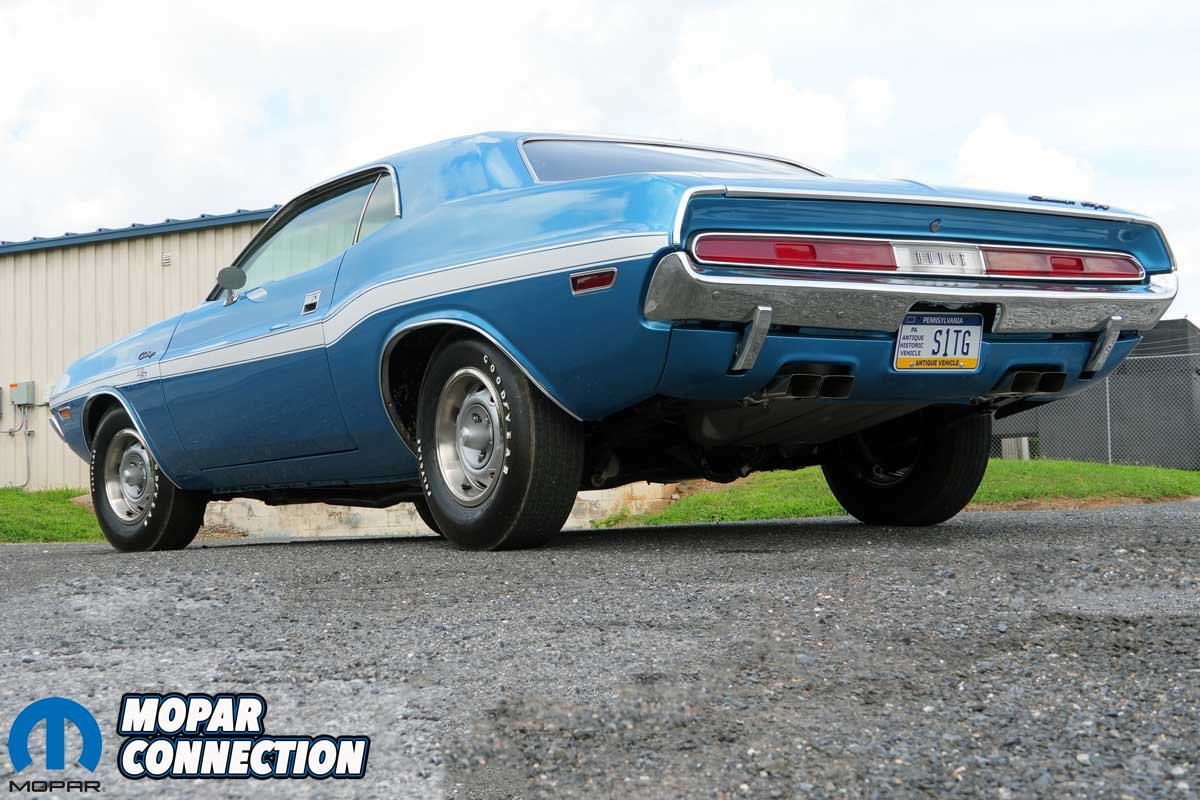
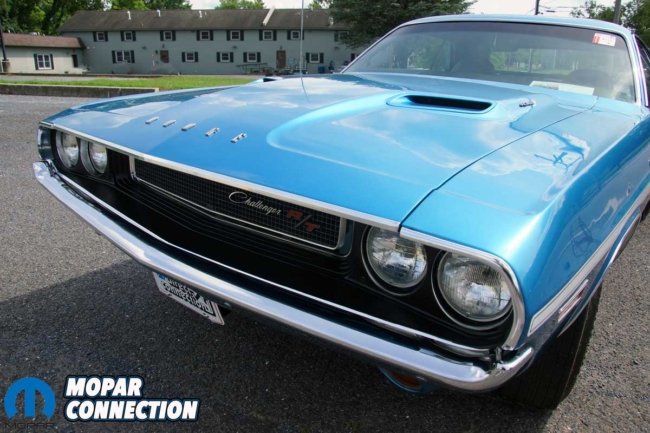
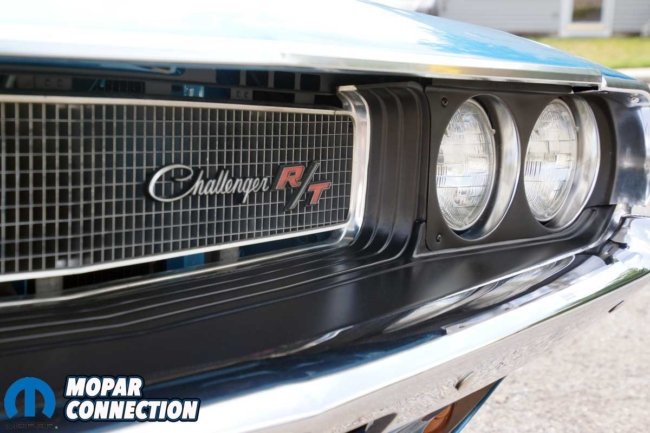
The Challenger’s styling was the work of Carl Cameron, whose design featured a long hood, short deck proportions, deeply recessed grille, and muscular body lines. The result was a car that looked fast even when parked. Nearly six decades later, the design remains one of the most recognizable and admired of the muscle car era.
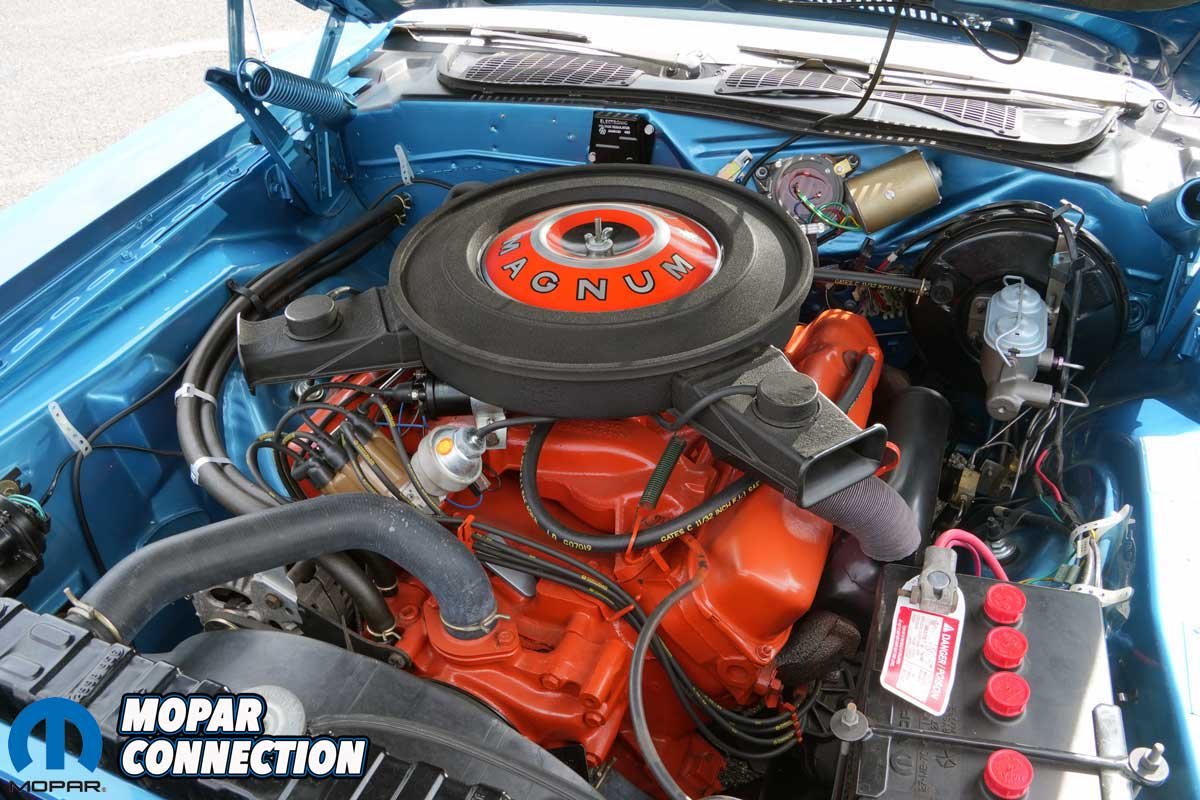
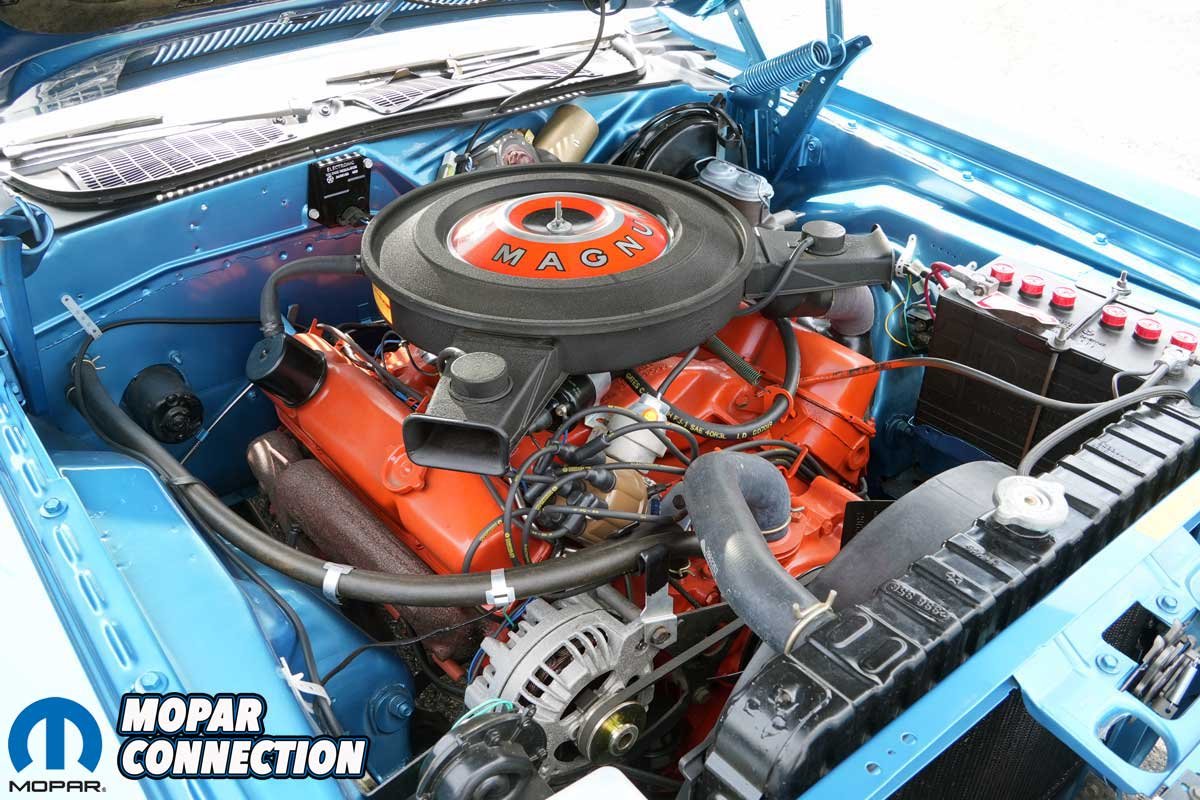
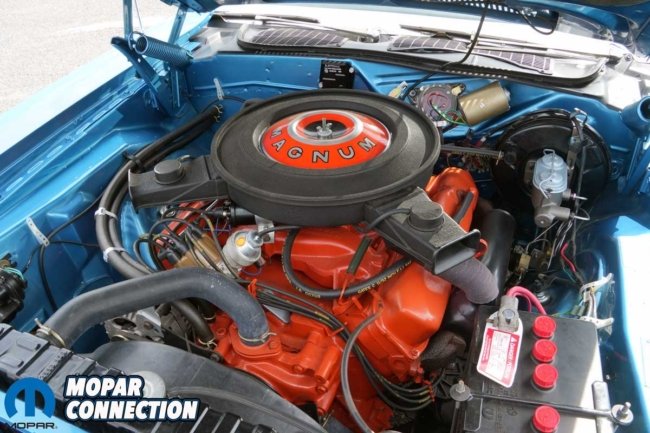
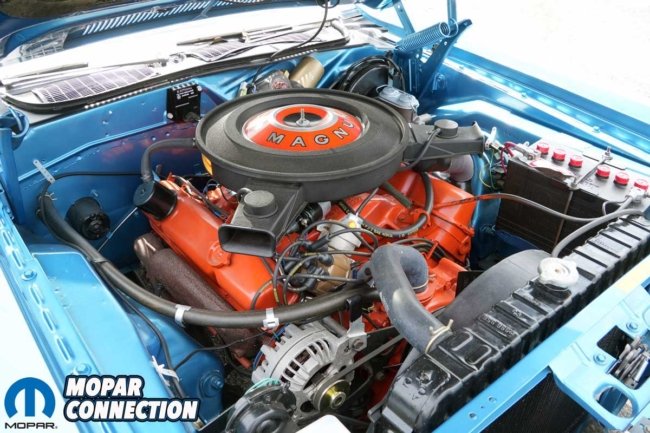
While numerous Challenger models were offered in 1970, the R/T was reserved exclusively for big-block V8 power. Standard equipment included Chrysler’s proven 383 Magnum, rated at 335 horsepower and 425 lb-ft of torque. For buyers seeking more performance, Dodge offered the legendary 440 Magnum, producing 375 horsepower and a massive 480 lb-ft of torque.
The options became even more exciting from there. The 440 Six Pack featured three Holley two-barrel carburetors and carried a factory rating of 390 horsepower and 490 lb-ft of torque. At the top of the food chain sat Chrysler’s legendary 426 Street Hemi, officially rated at 425 horsepower and 490 lb-ft of torque.
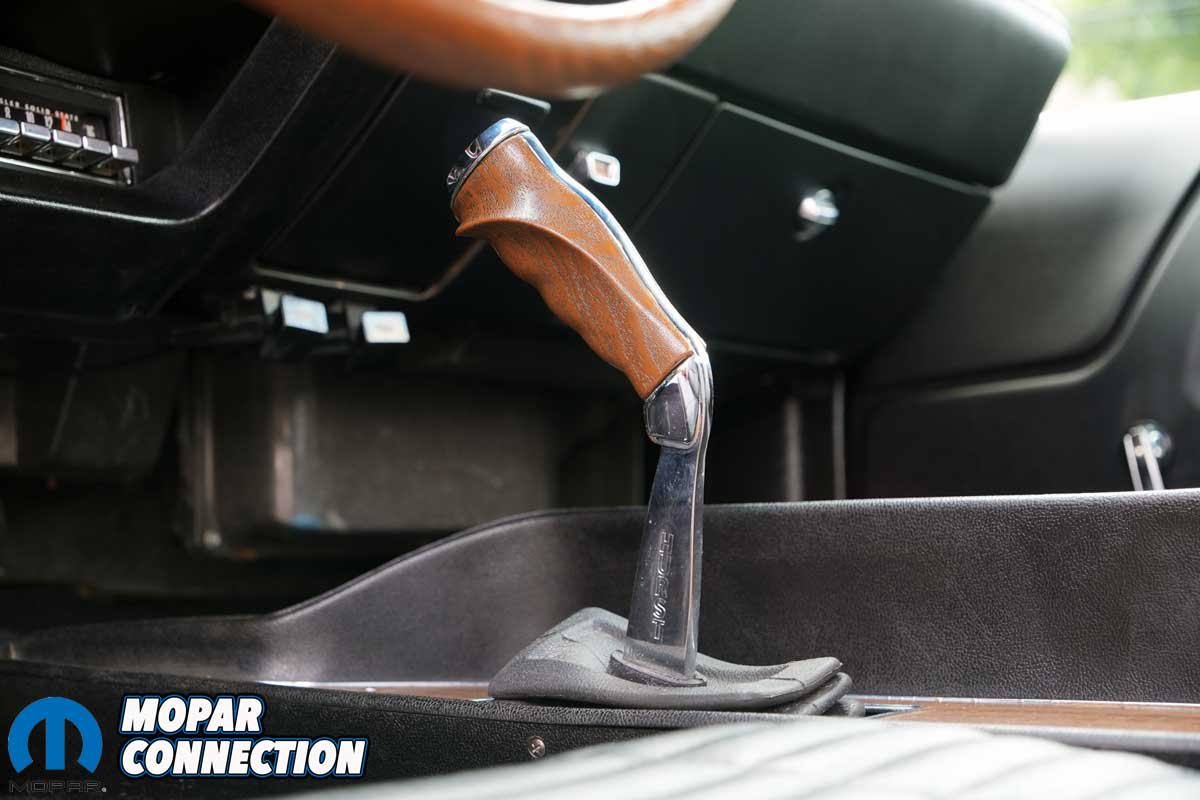
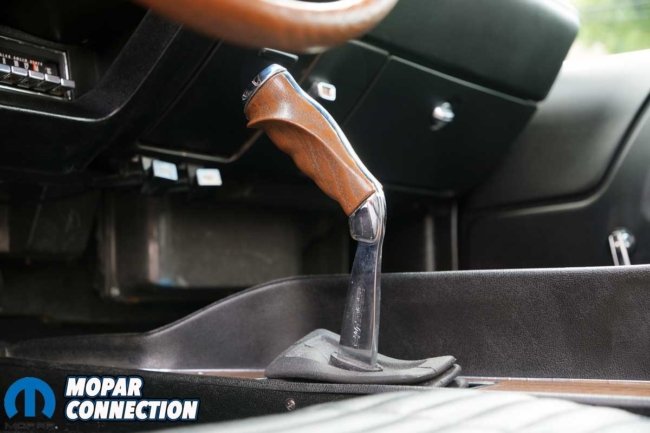
Buyers could pair these engines with either a heavy-duty A833 four-speed manual transmission or Chrysler’s nearly indestructible 727 TorqueFlite automatic. The four-speed cars featured the now-famous Hurst Pistol Grip shifter, while automatic-equipped Challengers earned a reputation for consistency and durability on both the street and drag strip.
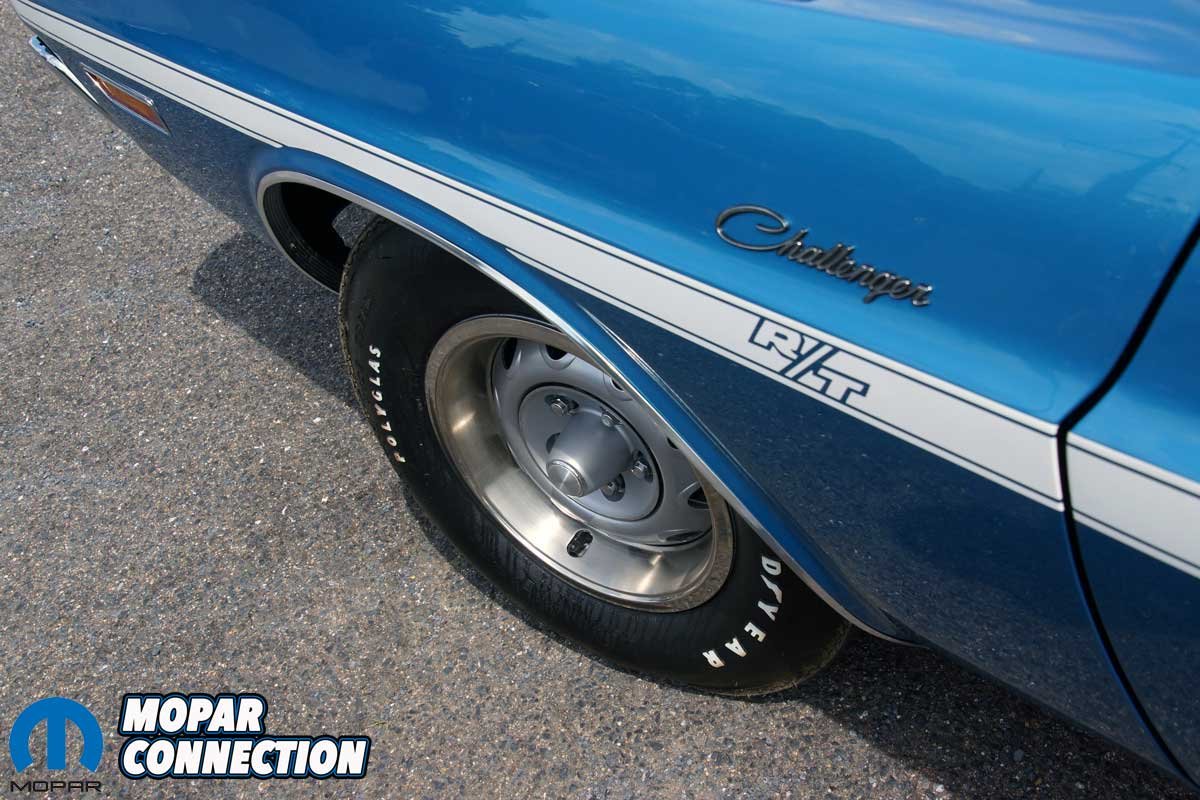
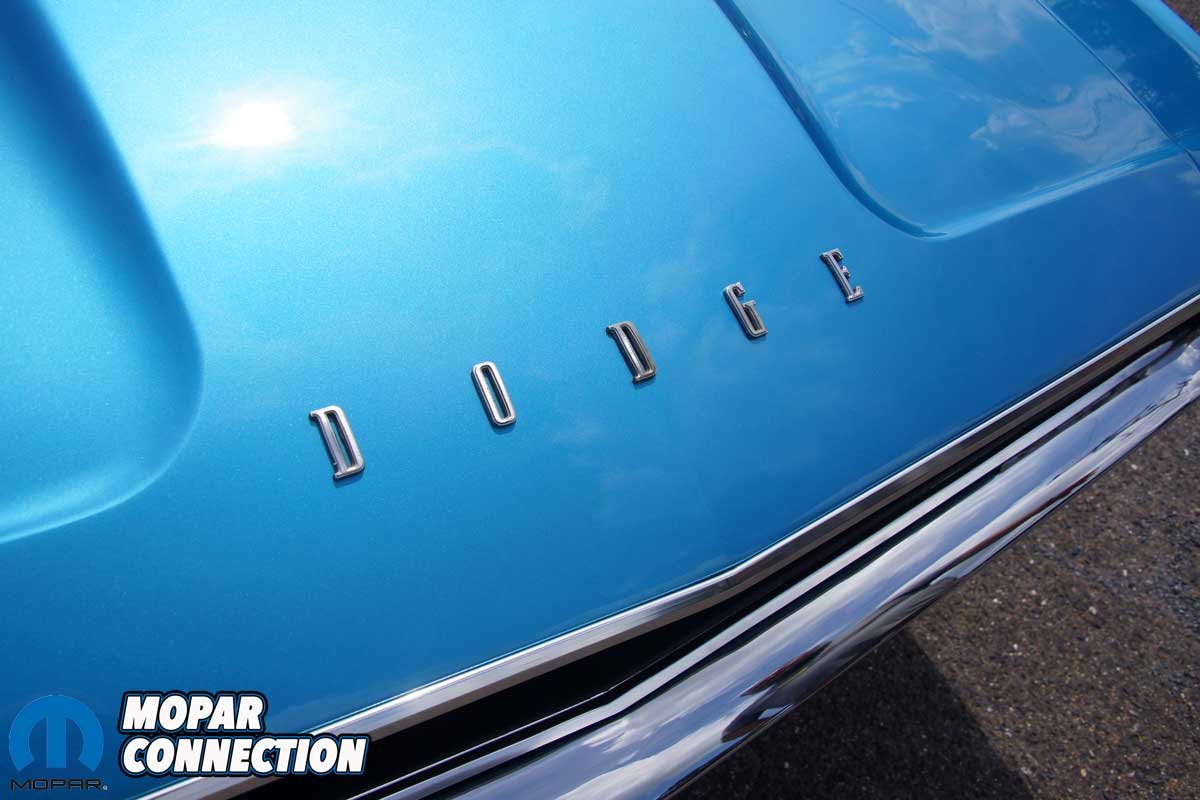
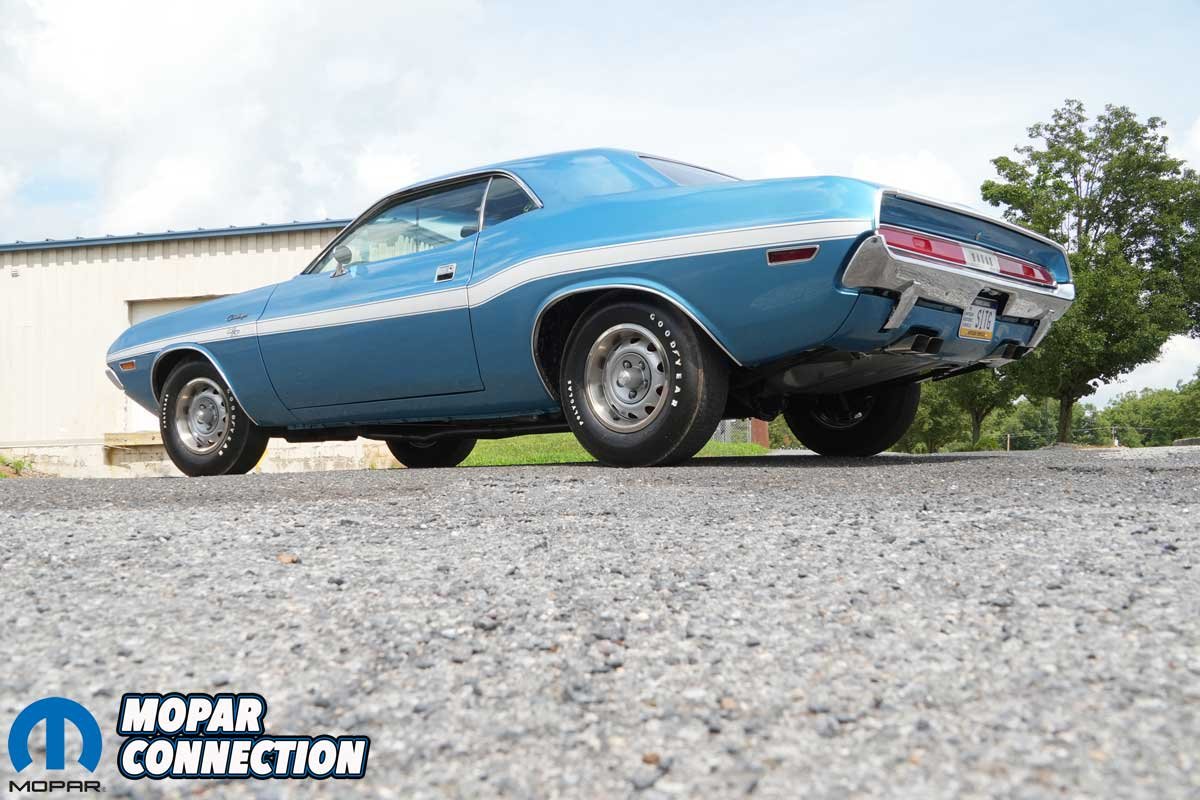
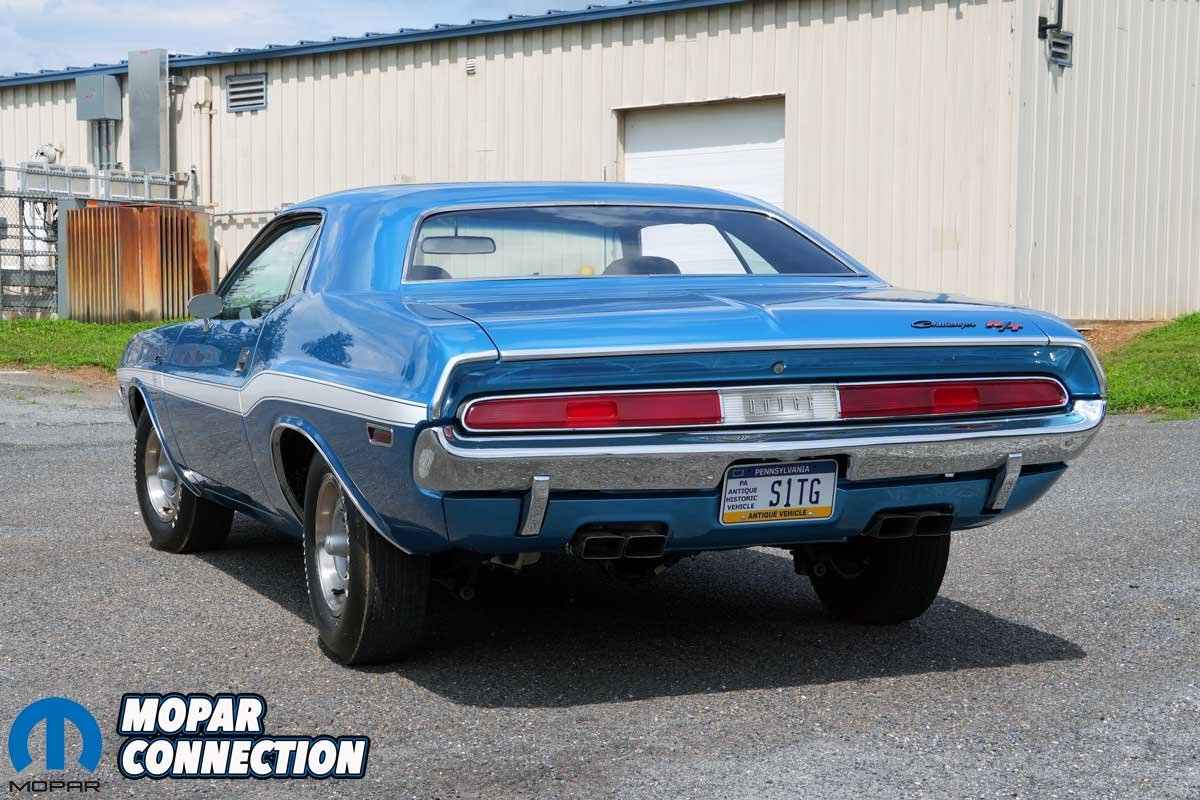
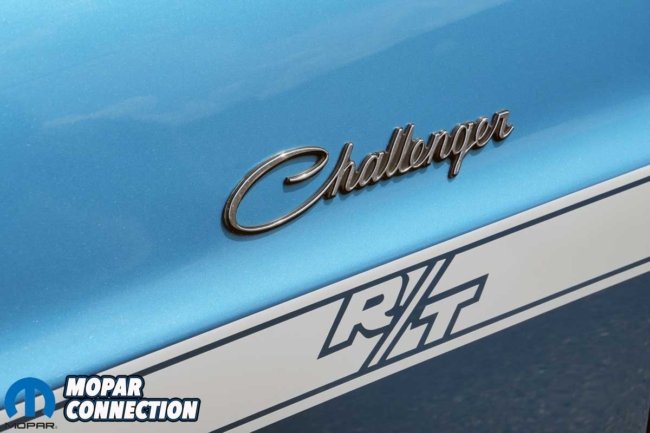
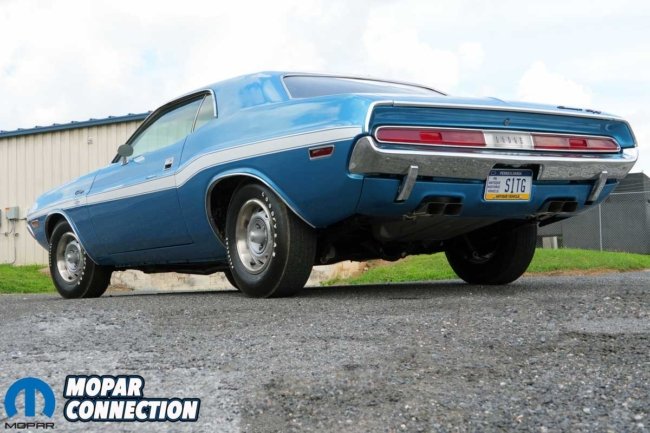
Available options included the Shaker hood, hood pins, rear spoilers, front spoilers, performance stripes, vinyl roofs, Rallye wheels, Magnum 500 wheels, and the popular R/T bumblebee stripe. Buyers could also select from Dodge’s High Impact color palette, which included eye-catching shades such as Plum Crazy, Sublime, Go Mango, Panther Pink, and Top Banana. These vibrant colors perfectly captured the spirit of the muscle car era and continue to command attention at car shows today.
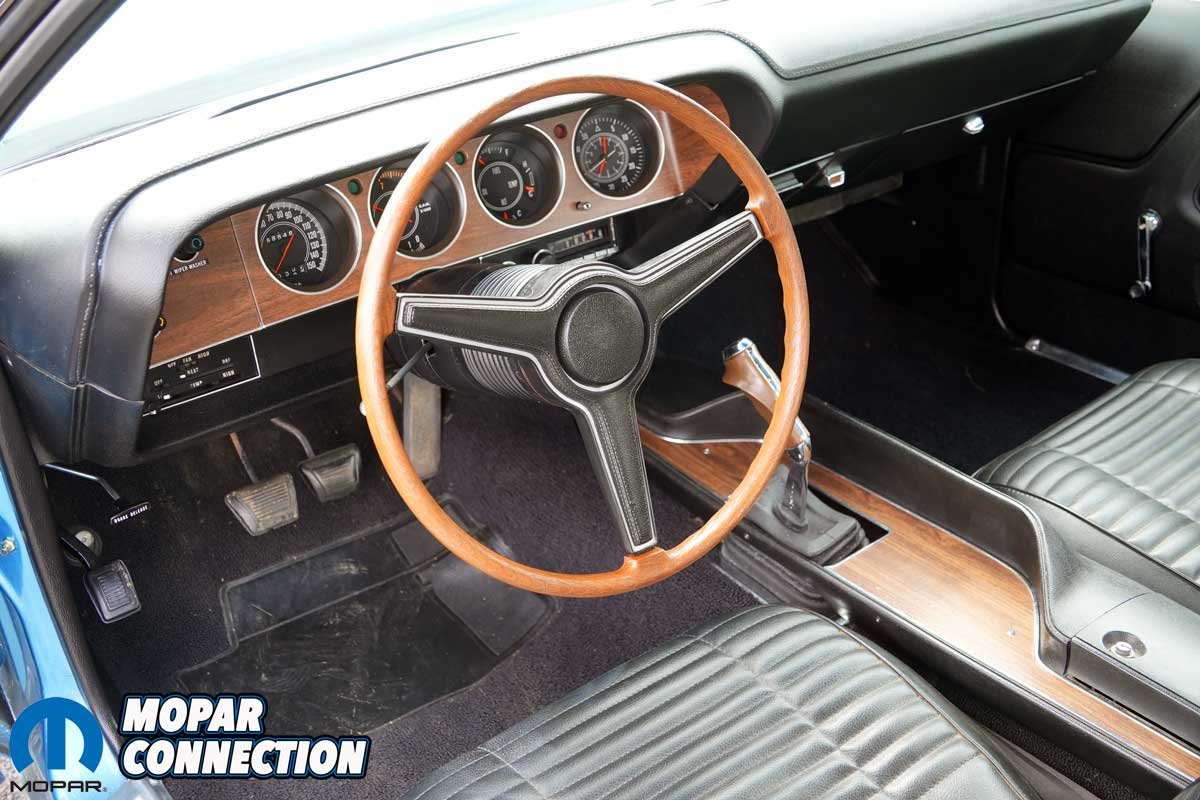
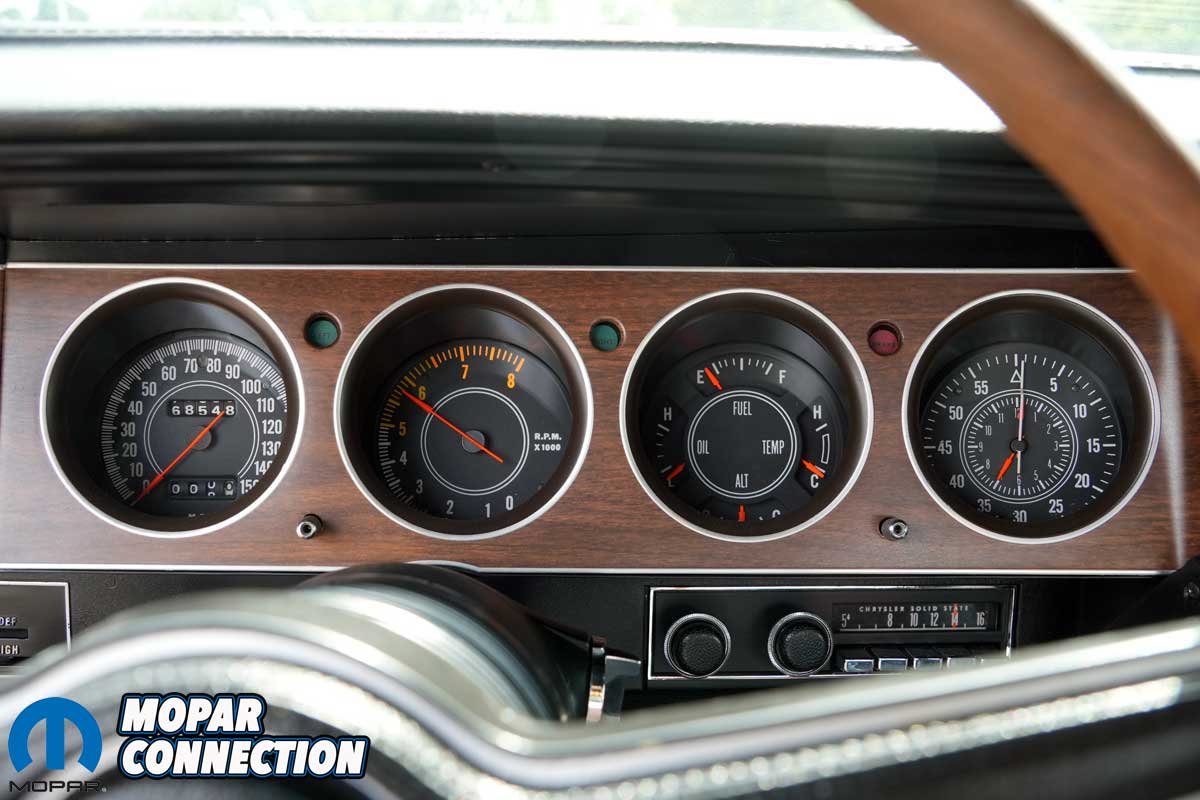
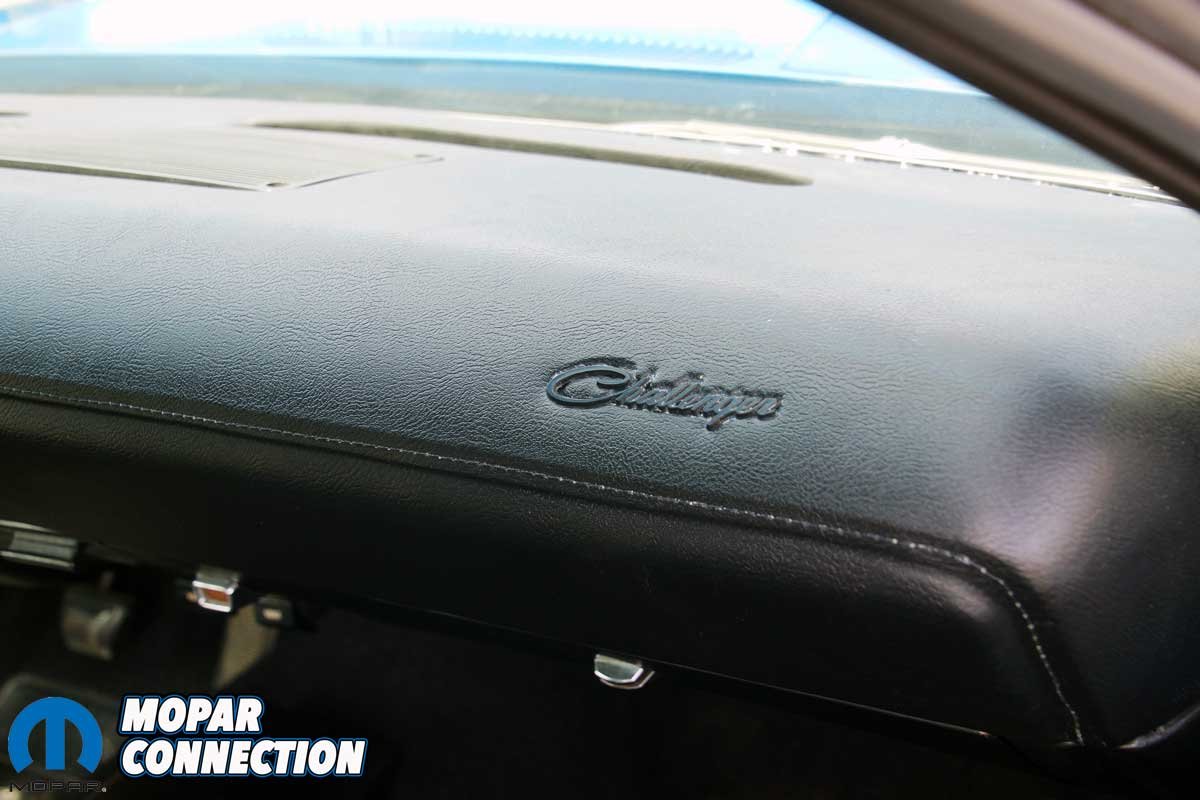
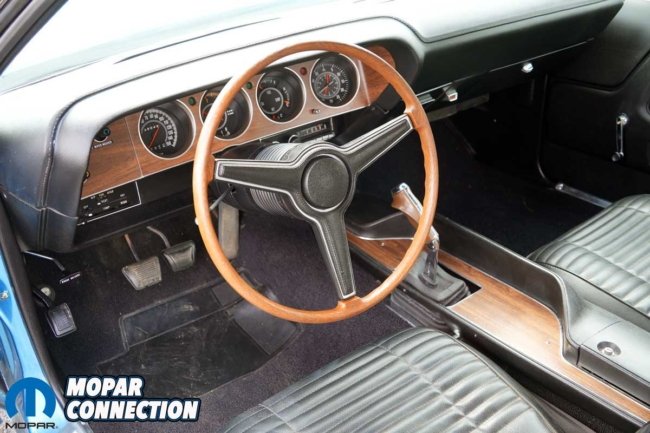
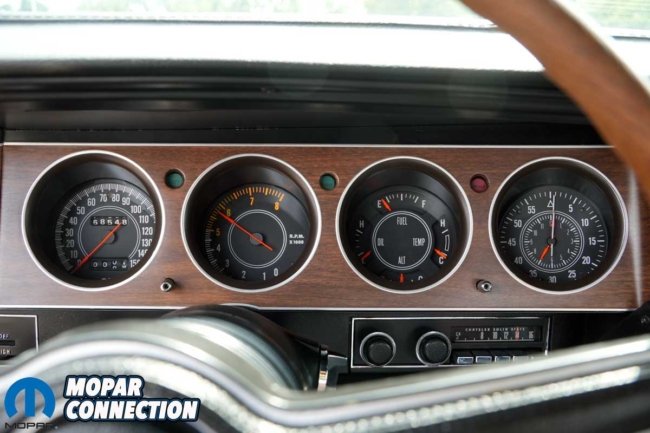
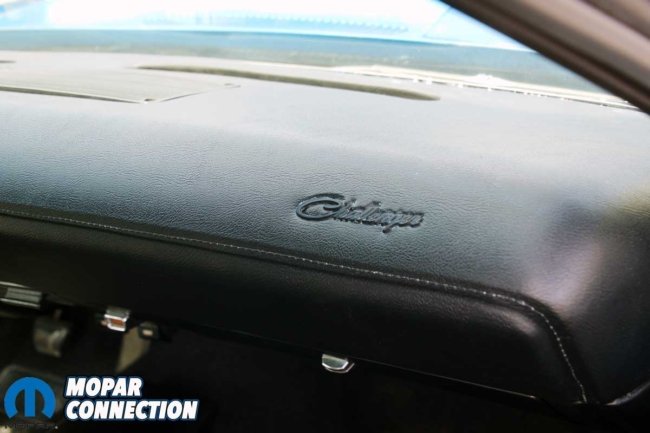
Inside, the Challenger offered one of the most attractive and functional interiors in the industry. Rallye instrument clusters featured a 150-mph speedometer, tachometer, and a full complement of gauges. Optional equipment included bucket seats, center consoles, woodgrain trim, Rim Blow steering wheels, and the luxurious Special Edition package.
The Special Edition, or SE, transformed the Challenger into a luxury muscle car. Features included a smaller formal rear window, vinyl roof, upgraded seating, additional sound insulation, overhead console, and numerous comfort-oriented touches. Buyers seeking both performance and luxury could order an R/T SE, creating one of the most distinctive combinations available from Chrysler.
Production of the Challenger R/T totaled 18,512 units during the 1970 model year, making it a relatively exclusive offering even when new.
Like many vehicles of the era, rust remains the greatest challenge for restorers. Common problem areas include the rear frame rails, trunk floor, rear window channel, cowl, floor pans, and torsion bar crossmember. Fortunately, strong aftermarket support has made restoration more feasible than ever before.
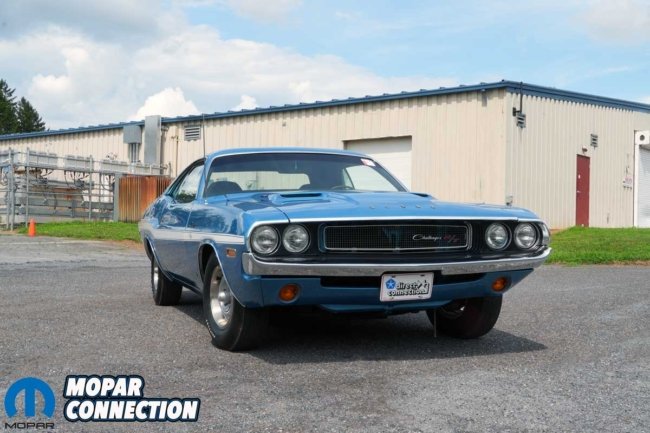
Decades after its introduction, the 1970 Dodge Challenger R/T continues to represent the peak of Chrysler’s muscle car era. It combined dramatic styling, legendary powerplants, luxury options, and nearly endless customization possibilities. Whether equipped with a 383 Magnum, a snarling 440, or the mighty Street Hemi, every Challenger R/T embodied the spirit of American performance.
Michael Ziegler, of York, Pennsylvania, has a history with the car that goes all the way back to when he was a little lad. His dad purchased the brown colored Challenger in 1985 after seeing an advertisement in the local Sunday paper. The previous owner had street-raced the car. It had been converted to an automatic transmission with a reverse manual valve body, but luckily the original 4-speed remained with the car.
The Challenger also had a line-lock, which his dad used occasionally at the local McDonald’s to impress a young Michael and his cousins. Set the line-lock and hit the gas pedal, and the McDonald’s parking lot disappeared in plumes of smoke.
Unfortunately, as the family continued to grow, the Challenger had to go. It was sold to a 16-year-old. We all know where this is going. A big-block Challenger with a 440 as a first car in the hands of an inexperienced driver ended up in an accident, which resulted in serious passenger-side door damage after the Challenger slid into a pole.
After the accident, the Challenger sat in a yard just down the street from Michael’s parents’ house. Eventually, a friend of a friend purchased the Challenger, and once he discovered it was originally a 4-speed car, he quickly set about fixing the car to resell it.
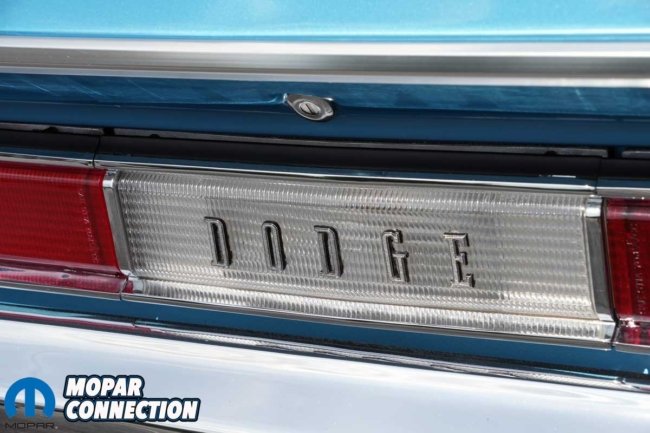
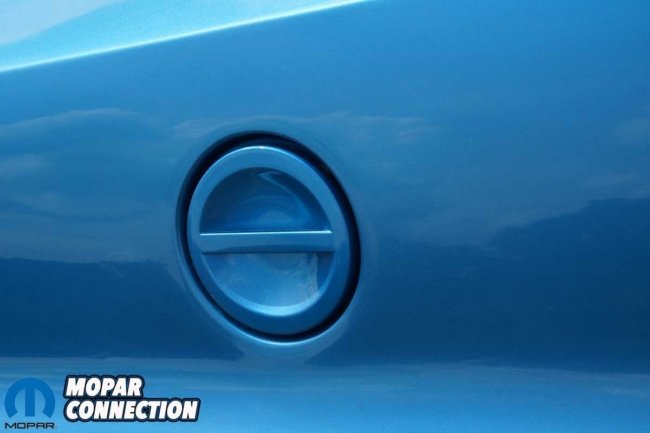
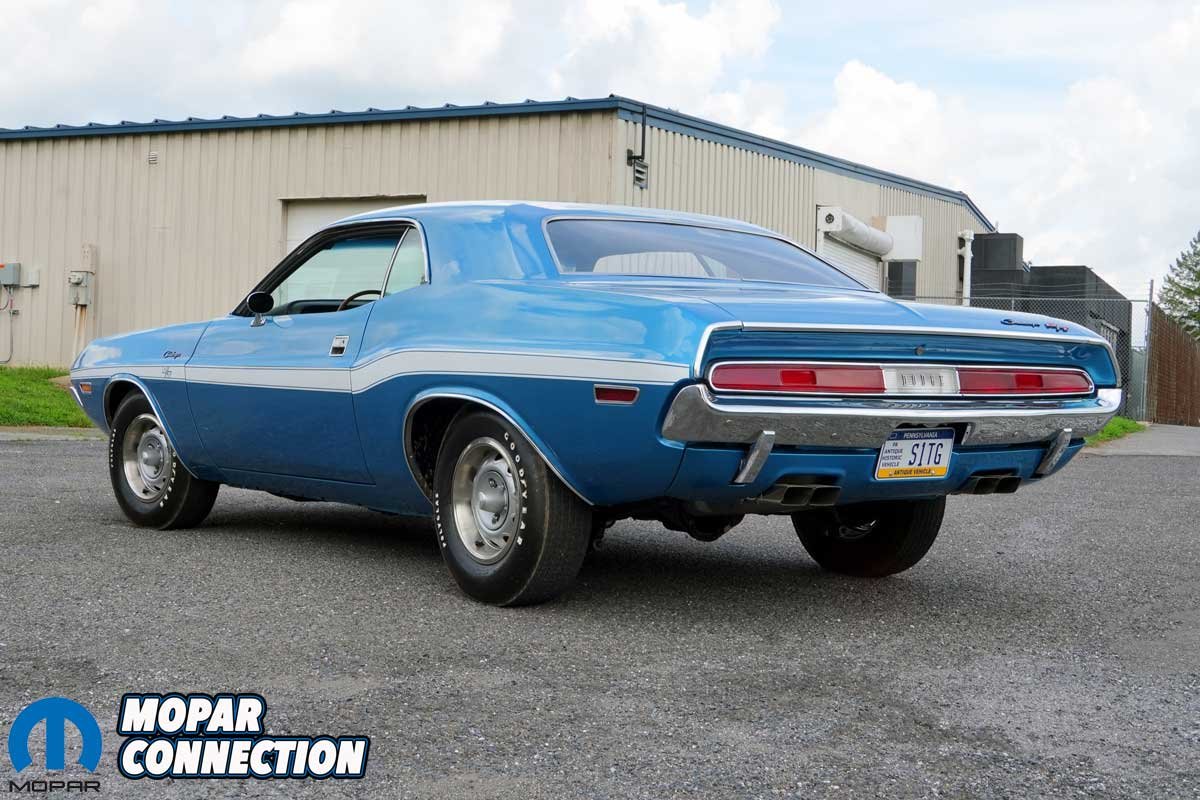
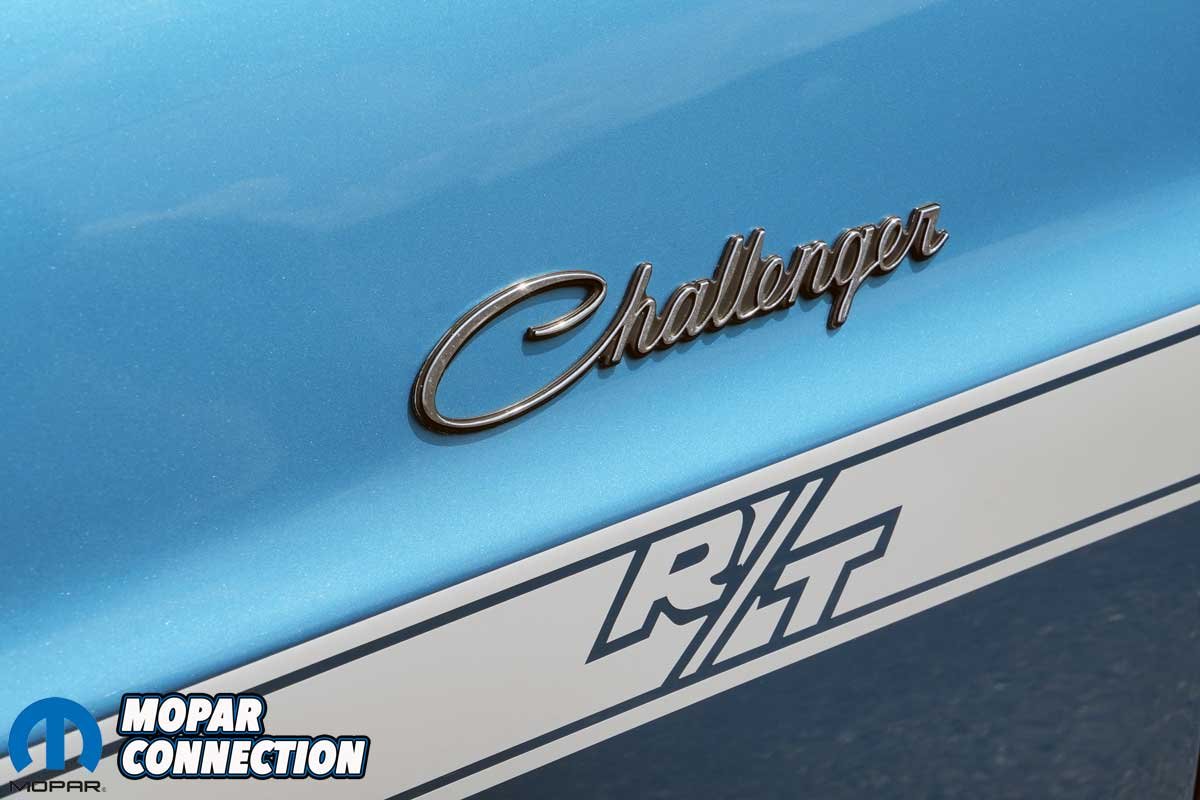
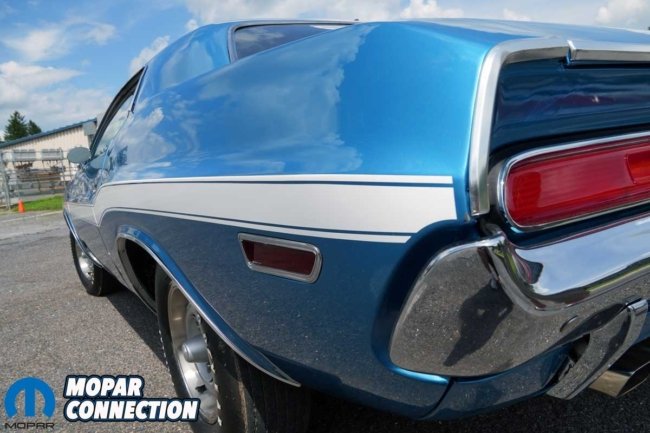
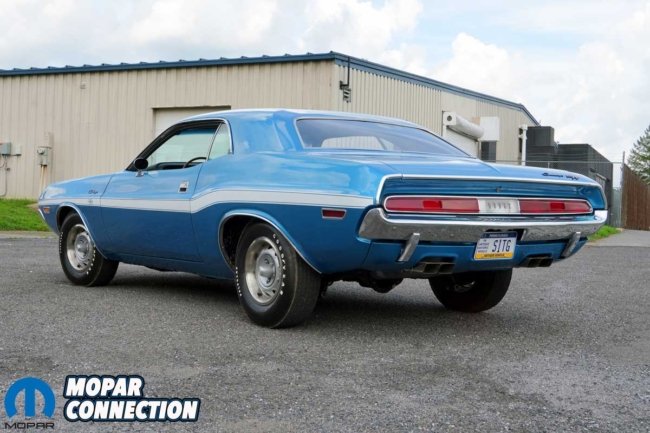
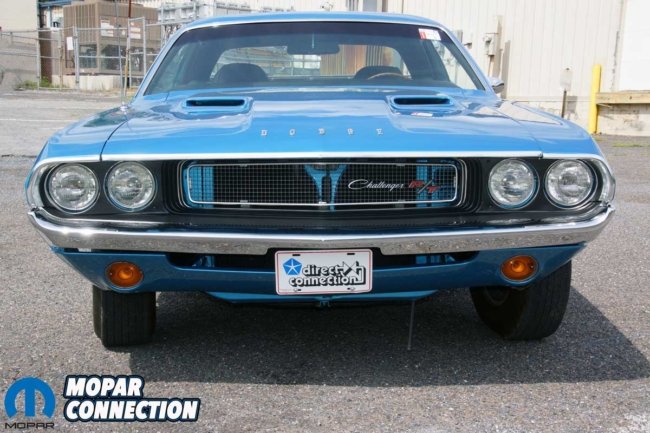
The body work was being done at a local dealership right down the road, Baugher Motors in Jefferson, Pennsylvania. Michael’s family are friends of two of the body shop employees and the service manager, so they were able to observe the repair to the accident damage and witness the car being repainted its original B5 blue and the installation of the white longitudinal stripe.

One evening, while the Challenger was still at the body shop, it came up in discussion at the dinner table. Michael mentioned the time he had marked up the Challenger’s carpet with chalk from the football field that had transferred from his football equipment. That simple statement triggered something in his mom. And quickly thereafter, she contacted the current owner with a wish to bring the Challenger back home.
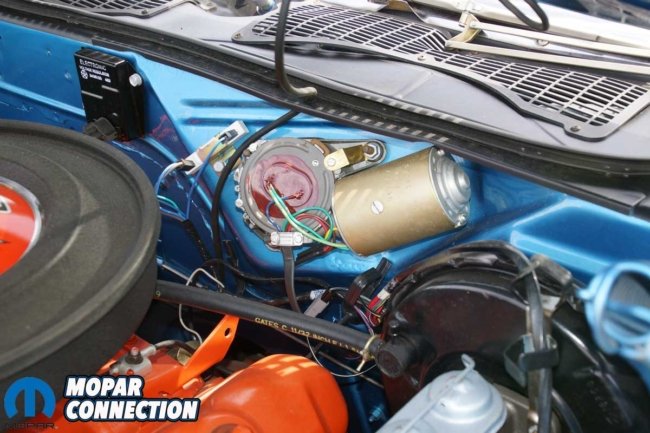
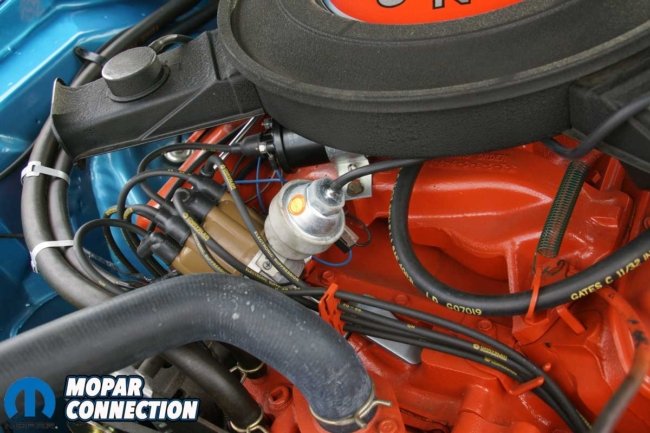
A deal was made, and the Challenger was trailered home from the dealership. What she got was a painted Challenger with the engine and 4-speed transmission sitting in the chassis, and the headliner, dash, and carpet installed. Even with the great start on the restoration, the car sat in the garage for a few years until April 2013, when Michael’s dad offered the car to Michael.
An arrangement was made in a minute, and in no time, the Challenger received the attention it deserved. Michael pulled the 440 and 4-speed. The long block was sent to Warrior Machine in Red Lion, Pennsylvania, to be checked out and touched up.
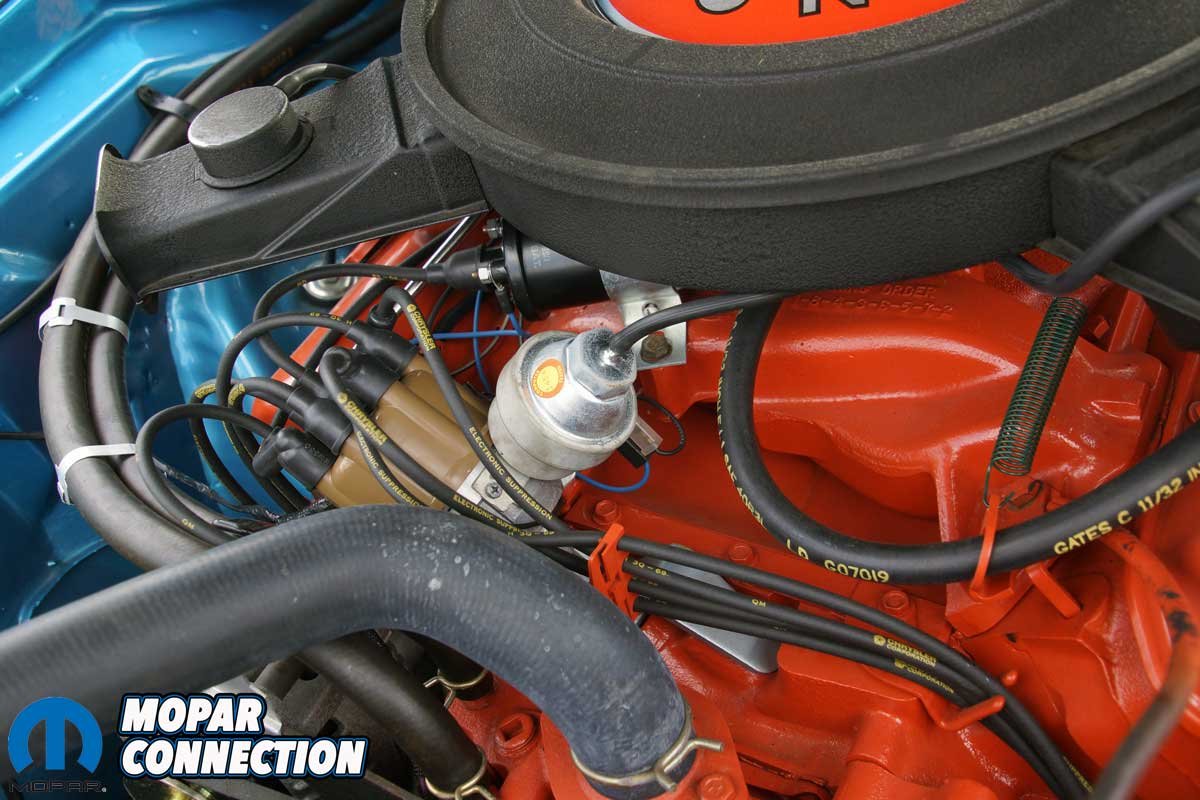
With everything passing at the machine shop, Michael rebuilt the 440 and painted it in the correct factory hue. He cleaned up and repainted the transmission before mounting the two. Additionally, the 3.54:1 gears in the Dana 60 were serviced.
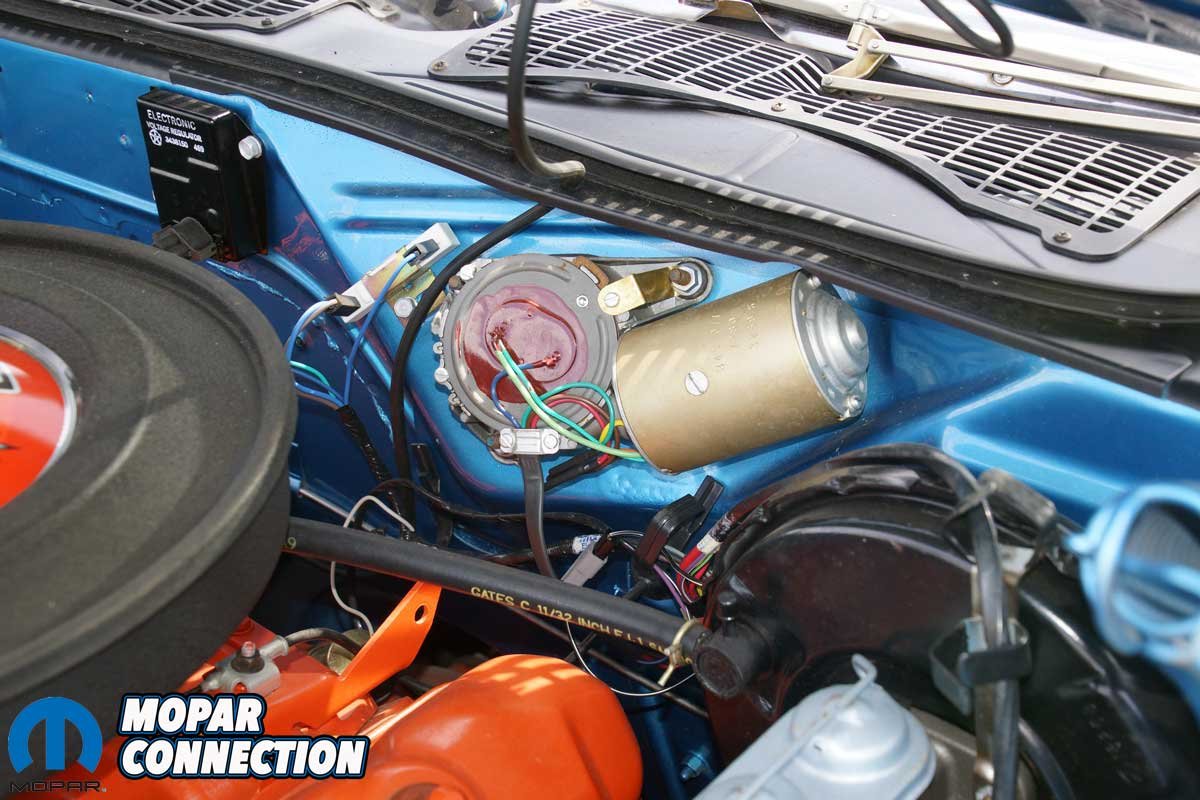
Before installing the engine, Michael took a good amount of time cleaning and detailing the engine bay. Once satisfied with the appearance of the engine bay and with assistance from his brothers and dad, the engine and transmission were swung back into the Challenger.
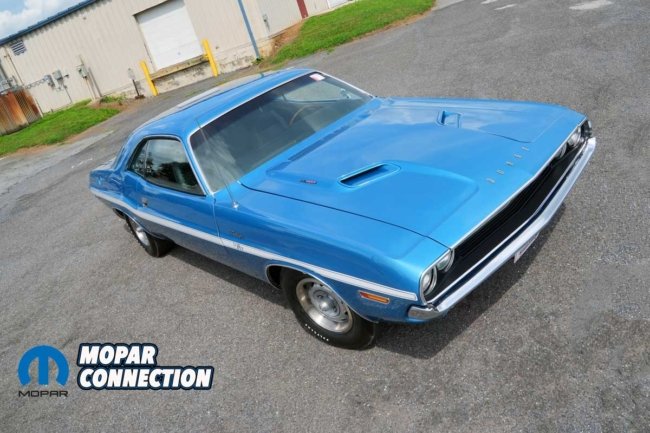
Michael moved his attention to the interior. He did all the work himself, with the help of his then-girlfriend (now wife). Their date nights were called “Challenger Date Nights” by Michael’s mom because the two would spend Friday and Saturday night in the garage working on the car. The final touches came together over the next few years, which eventually returned the Challenger to its as-delivered appearance in 1970.
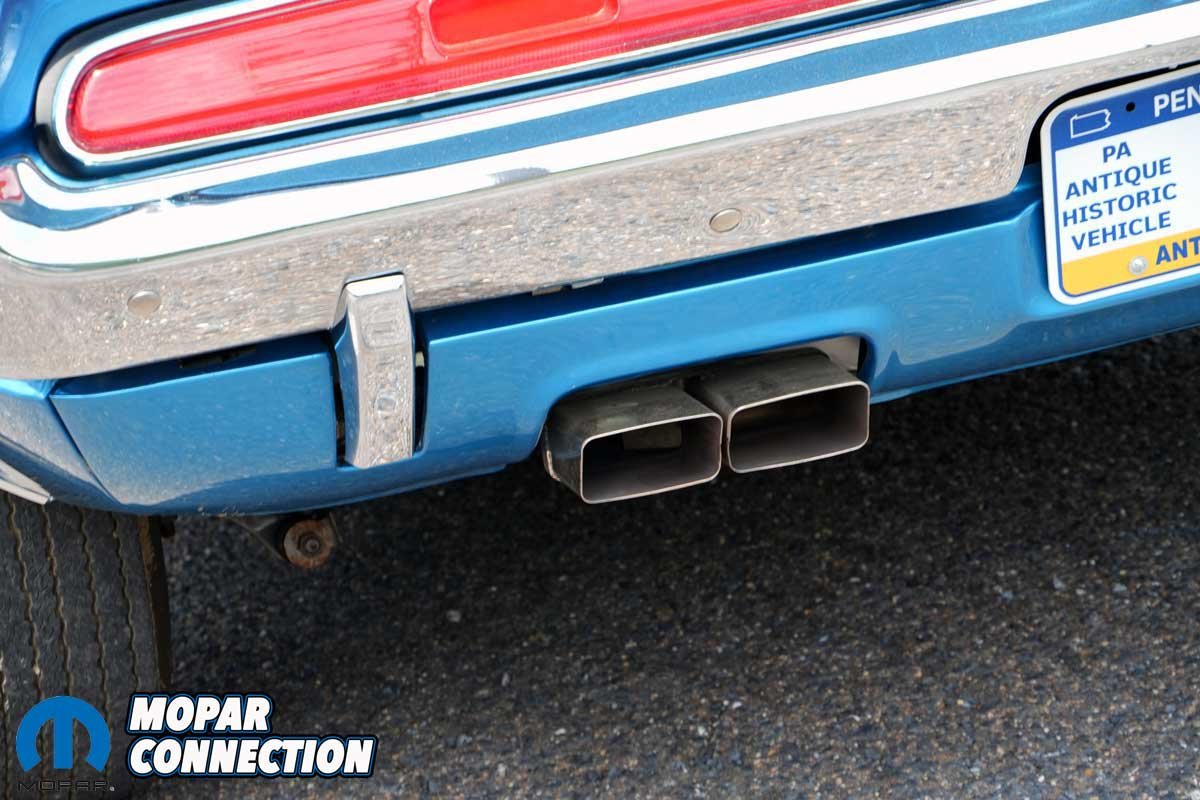
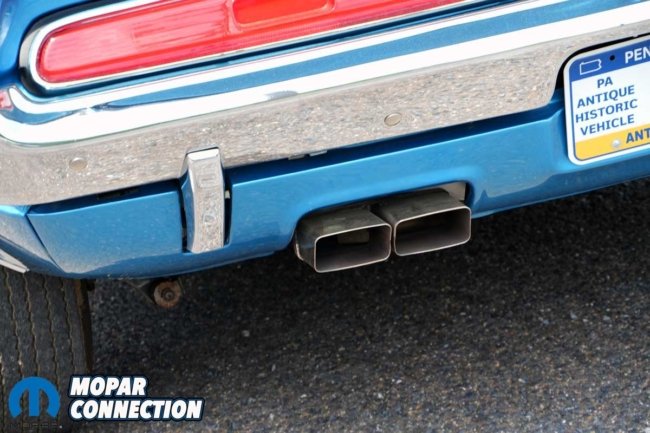
To complete the car, Michael used Harms Auto to restore the carburetor, R/T Specialties for bolts and hardware, and Instrument Specialties for the radio and gauge cluster. Tony and Jeff at Tony’s Parts helped find hard-to-find parts, Sharon’s Web for seatbelt restoration, Brewers for all the 4-speed parts, Accurate Exhaust, Rossville Moparts, and many more. Many references to Dave Wise books and several phone calls ensured everything was done correctly. The entire time the two worked on the car, they had Graveyard Carz on in the background.
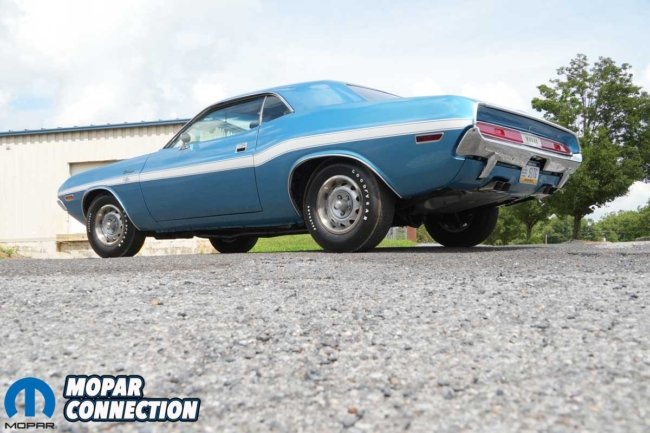
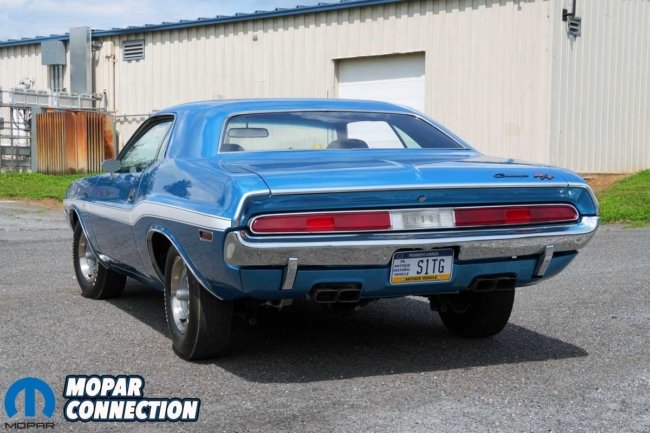
While the Carlisle event marked the Challenger’s first major public appearance, and although a few final details remained to be completed, the vehicle was exceptionally well received. Throughout the weekend, Michael fielded a steady stream of questions from attendees, enthusiastically sharing the Challenger’s story with every interested onlooker. His passion for the project was unmistakable, as a smile rarely left his face while discussing the car and describing the restoration with visitors.
For Mopar enthusiasts, the 1970 Challenger R/T is more than just a muscle car. It is a symbol of a period when horsepower ruled the streets, colors were brighter, engines were larger, and manufacturers competed relentlessly to build the fastest and most compelling automobiles in America.