 Pull the dash bezel out of a ’69 Road Runner and there’s a fair chance the last guy who saw those mounting tabs worked for Plymouth. Spend Saturday rebuilding a busted tab or two with epoxy and come Sunday morning you’re likely to still have a brittle old bezel that’s ready to bust at any moment.
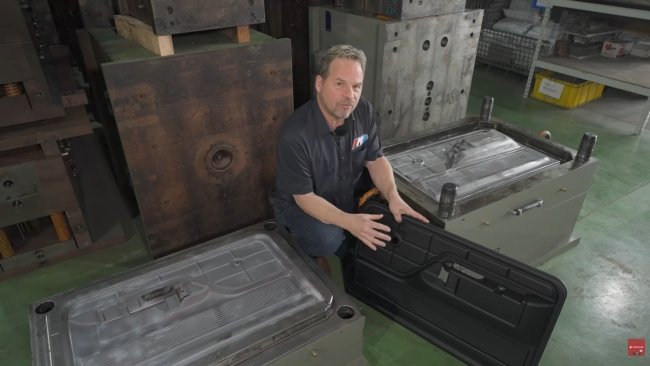
Before you mix up another batch, take a gander at what goes into good reproduction plastic components and give that path some consideration. In the first episode of AMD – How We Do It, Kevin Tetz went straight to the factory floor with Auto Metal Direct (AMD) to find out how the best in the business go about it.
 Their homework starts with original parts. AMD’s crew checks for changes made during the original production run since copying a mounting hole down to the last decimal won’t help much if the factory moved it halfway through the model year.
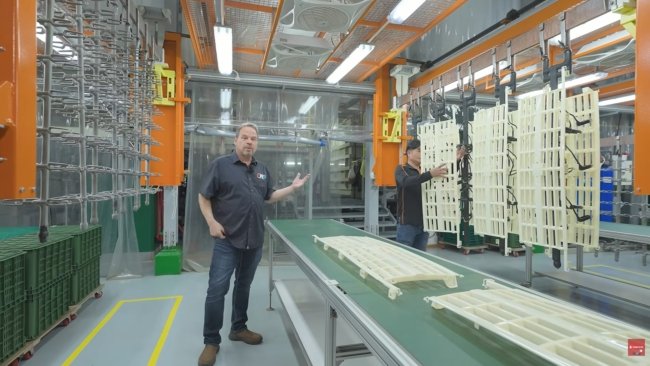
Robots are employed to remove parts from the 1,000-ton injection molding press without damage, but a good old-fashioned set of human hands trims them up and cleans up the edges. After plating, another set of eyes checks the chrome before the part gets wrapped and boxed.
Sheet metal gets top billing in AMD’s Mopar catalog, but watching their folks fuss over the finish on a piece of plastic really drives their winning formula home: whether it comes out of a mold or off a stamping die, AMD is picky about what goes into their packaging.