 Somewhere inside a 480-pound aluminum forging is a race block itching to rev. Callies’ recent shop tour video visited sister company Energy Manufacturing in Fremont, Ohio, to show exactly how it gets out. Unsurprisingly, it involves a little more specialized tooling than the chisel and die grinder rattling around your toolbox.
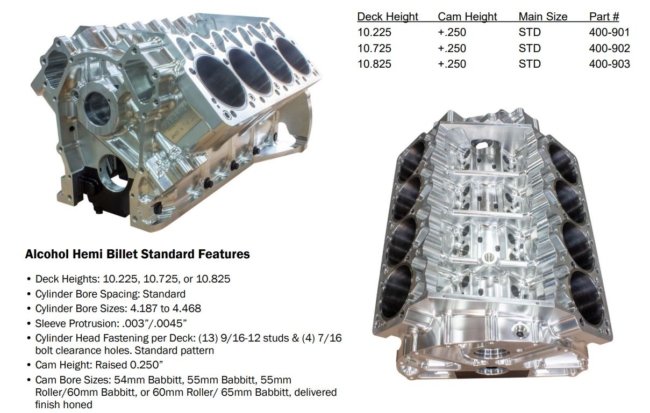
The process starts with American-made forgings, with finished blocks weighing approximately 110 to 135 pounds after going on one heck of an aluminum diet through machining. Initial roughing cuts give the chunk its recognizable engine-block shape before subsequent processes tackle the bores, decks, and tapped holes.
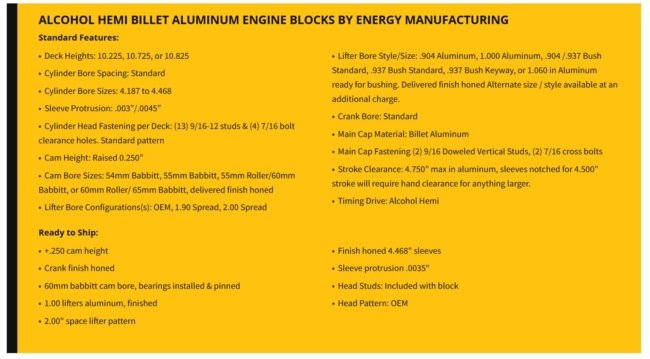 Keeping those cutters busy are mammoth CNC machining centers with automated pallet changers that move different fixtures into position for each operation. The tour eventually landed on a finished Gen II alcohol Hemi block, complete with sleeves and cam bearings and awaiting final geometric inspection because all that shiny aluminum still has to do more than just look good.
Cylinder, cam, and crankshaft bores plus deck height, flatness, finish, and threaded-hole dimensions are all verified on each block. Their automated measuring equipment gets the last word before the horsepower crowd gets its hands on it.
Of course, most street Mopars won’t need a billet block built for alcohol-burning abuse. That’s OK because Callies also offers officially licensed cast-iron Gen II Hemi and Wedge blocks, plus Gen III Hemi blocks in iron and aluminum. Yep, even if your Dodge or Plymouth doesn’t need a parachute out back, Callies and Energy still have you covered.