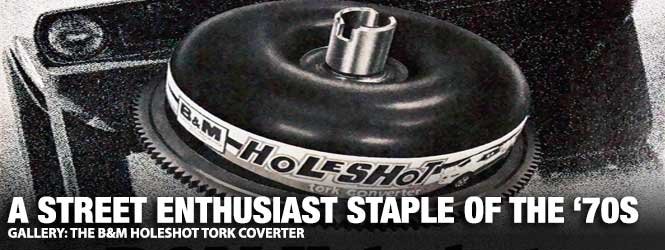
During the early muscle car tuning era, the B&M Holeshot Tork-Converter became a key name among dedicated performance car enthusiasts, especially hobbyists, drag racers, and Mopar owners, looking to optimize their Torqueflite automatic transmissions for more aggressive driving.
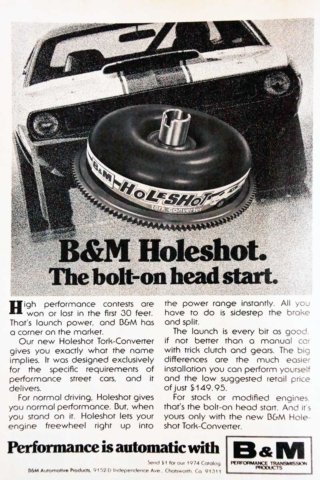
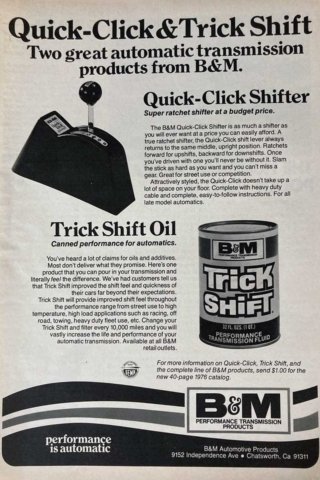
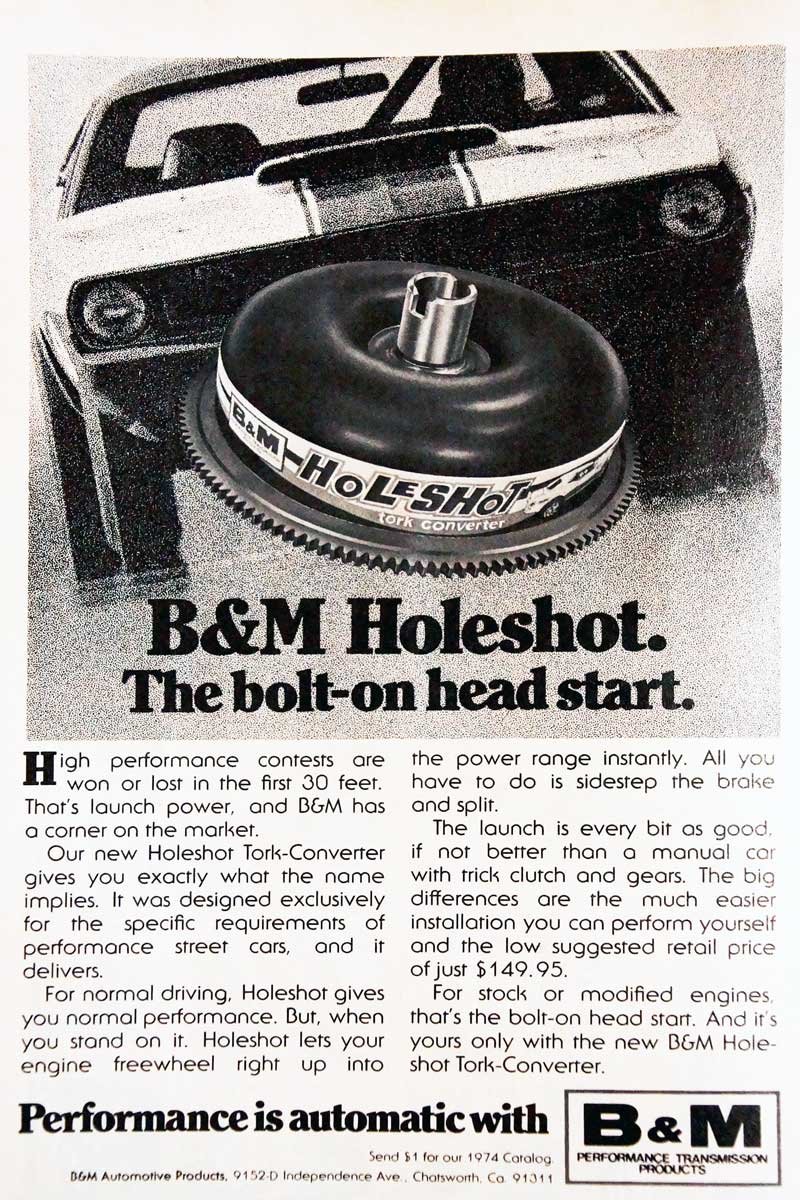
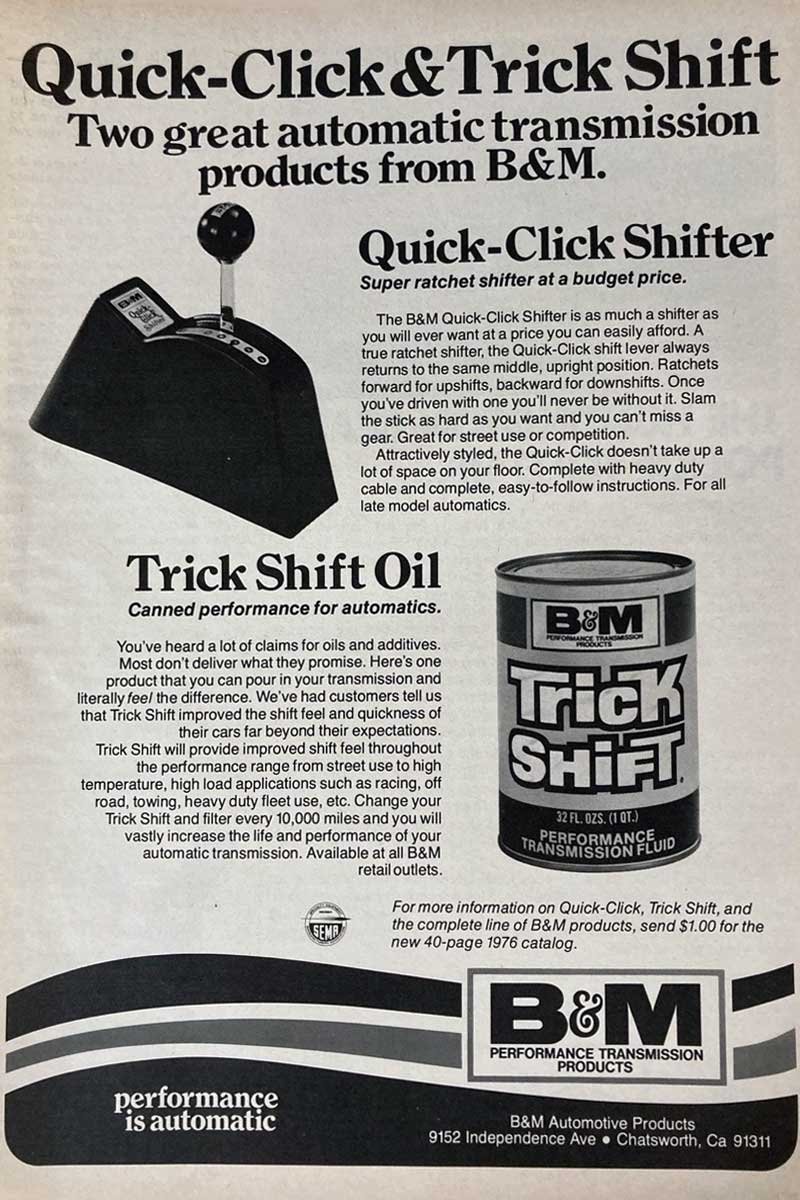
Above Left: In the April 1974 issue of Hot Rod magazine, B&M promoted its all-new Holeshot Tork Converter, a unit that quickly set the benchmark for aftermarket performance torque converters. Above Right: A May 1976 Hot Rod advertisement illustrates the breadth of B&M’s product line, which by then included not only performance shifters but also branded automatic transmission fluid.
Developed by B&M Performance Transmission Products, the Holeshot converter was intended for those wanting to boost their vehicle’s off-the-line power well beyond standard capabilities. Building on these goals, the Holeshot improved acceleration by enabling the engine to reach higher RPM before drivetrain engagement.
The higher stall speed allowed engines with peak power higher in the RPM band to achieve quicker launches. This technical advantage set the stage for its influence on high performance throughout the decades to come.
These features mattered in the 1970s as automatic transmissions became more common in performance builds. Mopar fans recognized the value of better converters for launch and acceleration. Demand rose for higher-stall units like the Holeshot, which helped modified engines deliver quicker starts and reflected growing interest in drivetrain tuning.
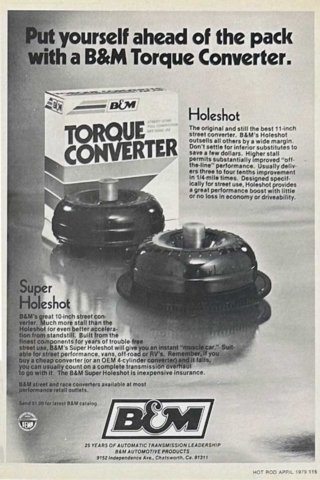
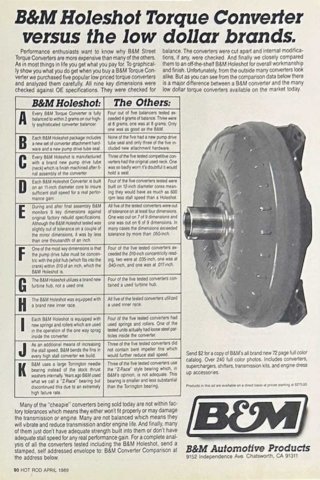
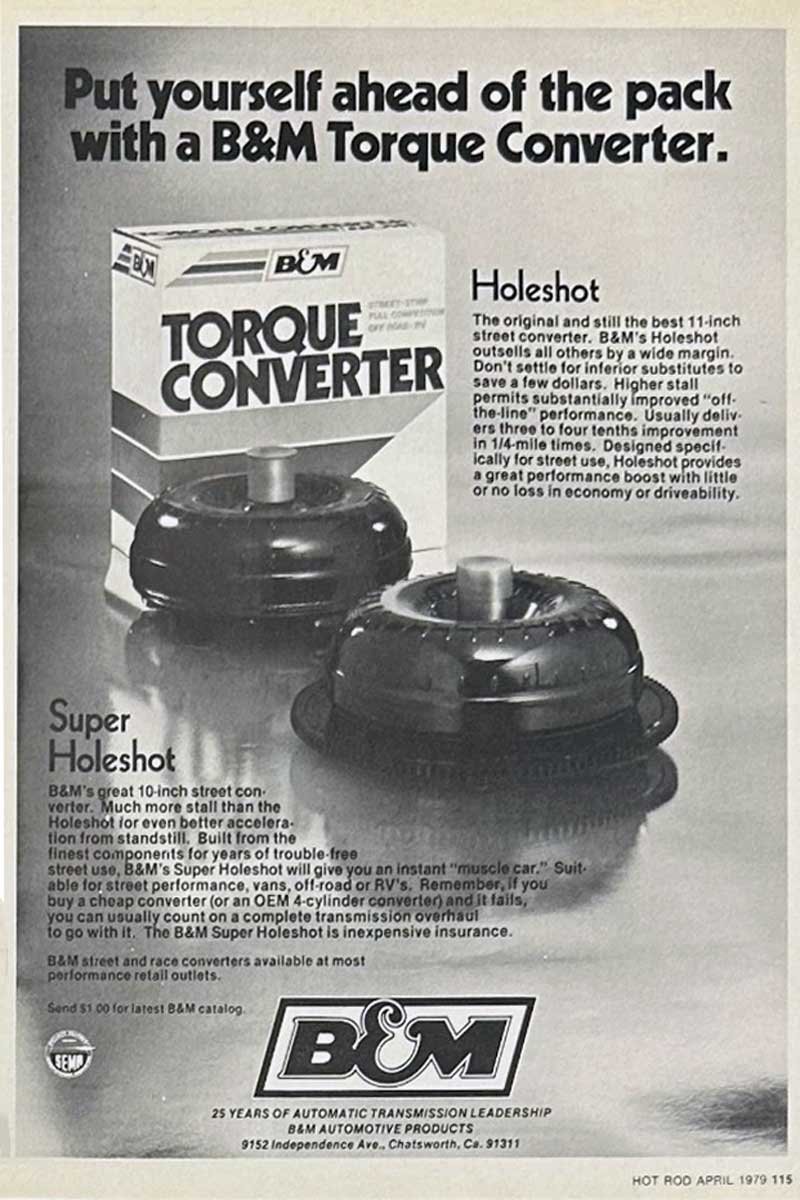
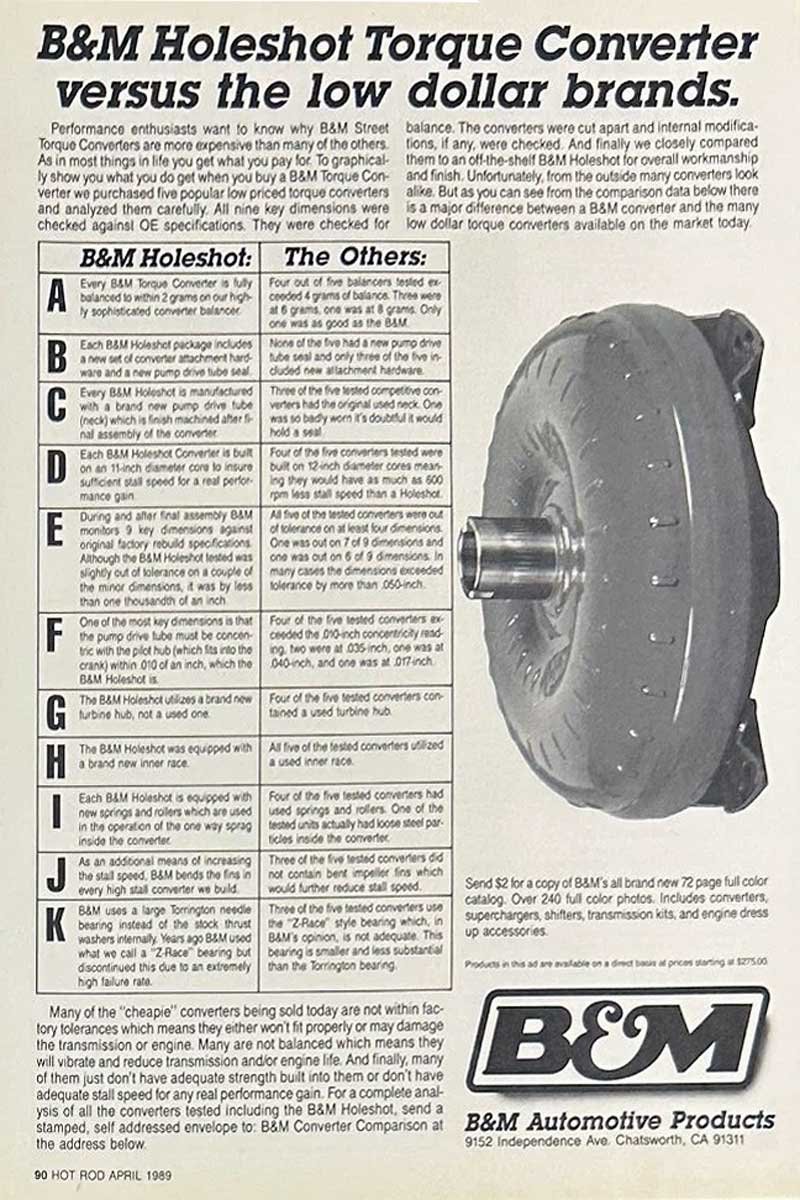
Above Left: Throughout the 1970s, B&M continued refining the Holeshot converter line. As shown in the April 1979 Hot Rod magazine advertisement, the company introduced the Super Holeshot, expanding the lineup and giving enthusiasts additional stall-speed options for increasingly powerful street and strip combinations. Above Right: Even into the late 1980s, the B&M Holeshot remained a go-to choice for street performance. In an April 1989 Hot Rod advertisement, B&M confidently compared the Holeshot against competing converters, reinforcing its reputation as the standard for reliable performance on the street and at the strip.
A few technical highlights of the Holeshot converter included:
- -Higher Stall Speeds: Different ratings let enthusiasts match stall speed to their engine for quicker launches
- -Reinforced Construction: Furnace-brazed internals and heavy-duty parts improved strength over stock units.
- -Performance Focus: Specifically intended for street enthusiasts and weekend racers seeking durability and predictable launch performance, Holeshot converters were not aimed at owners of heavily boosted engines but were designed to provide reliable improvement for those using their vehicles for daily driving or occasional racing.
B&M’s prominence in the performance aftermarket, originally built on shifters and transmission components, meant the Holeshot became part of a more expansive suite of products designed to maximize power delivery and vehicle responsiveness.
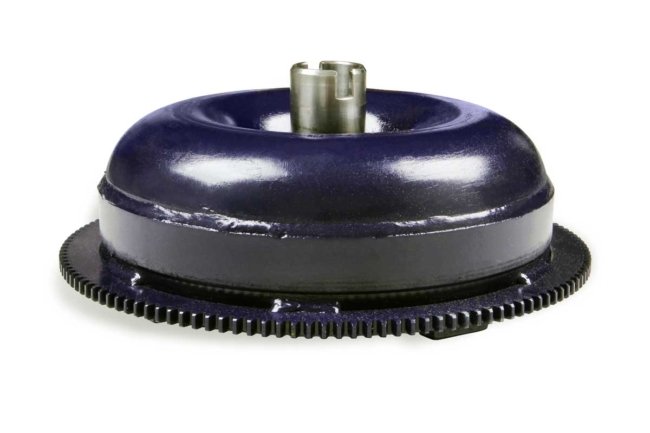
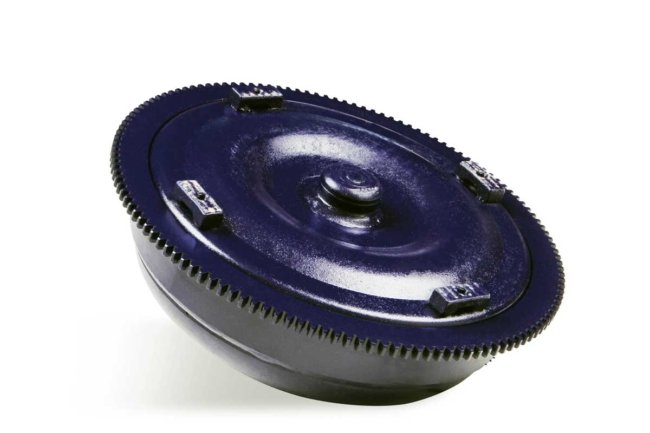
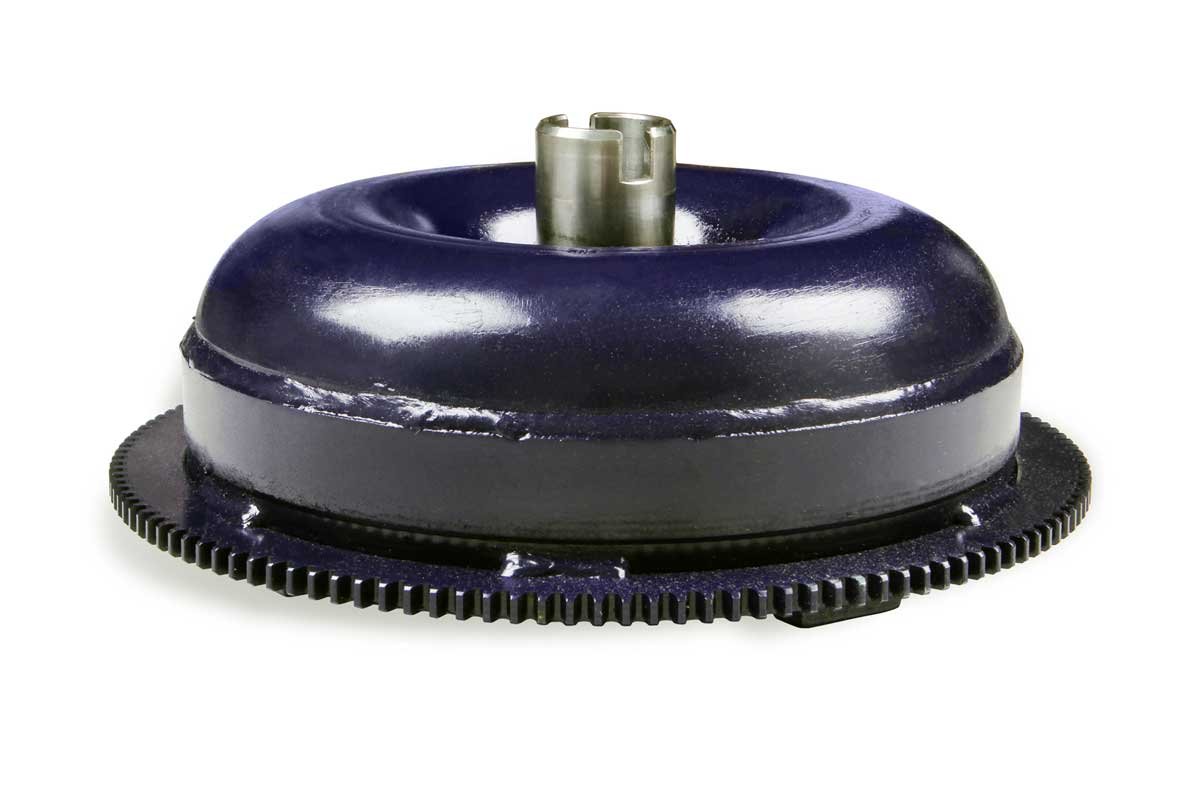
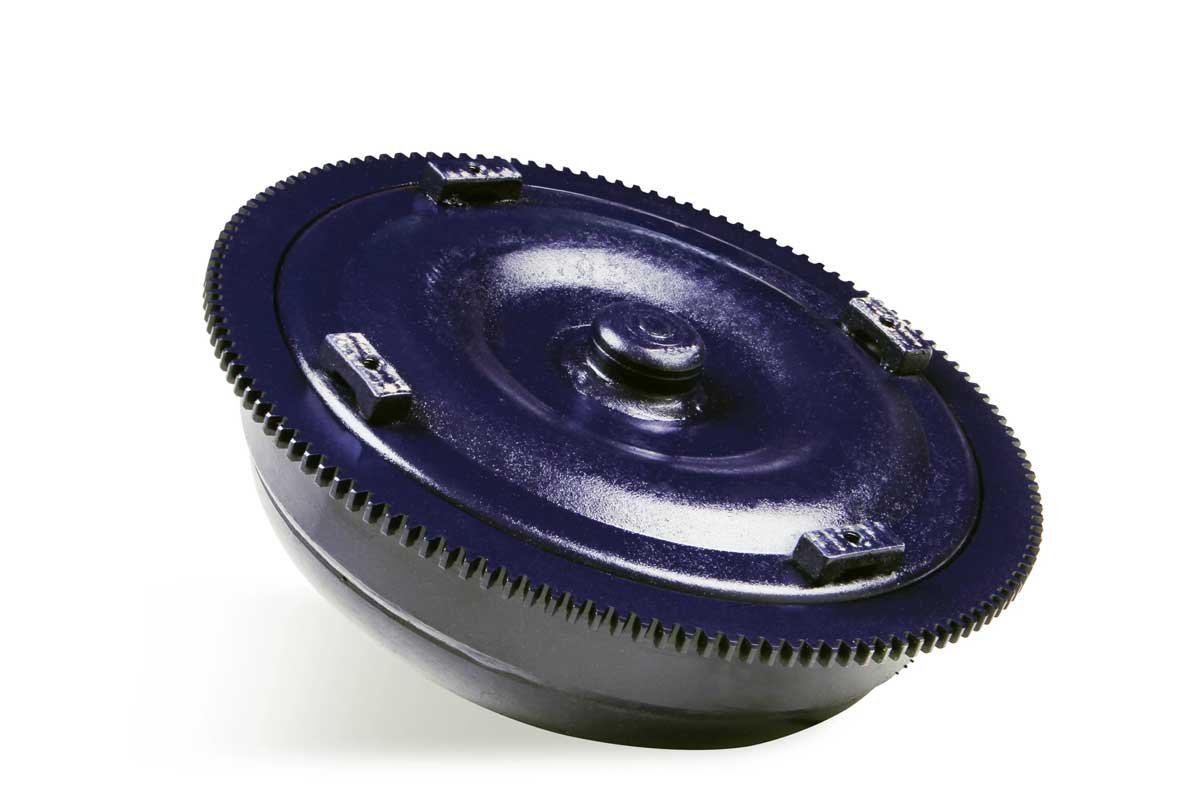
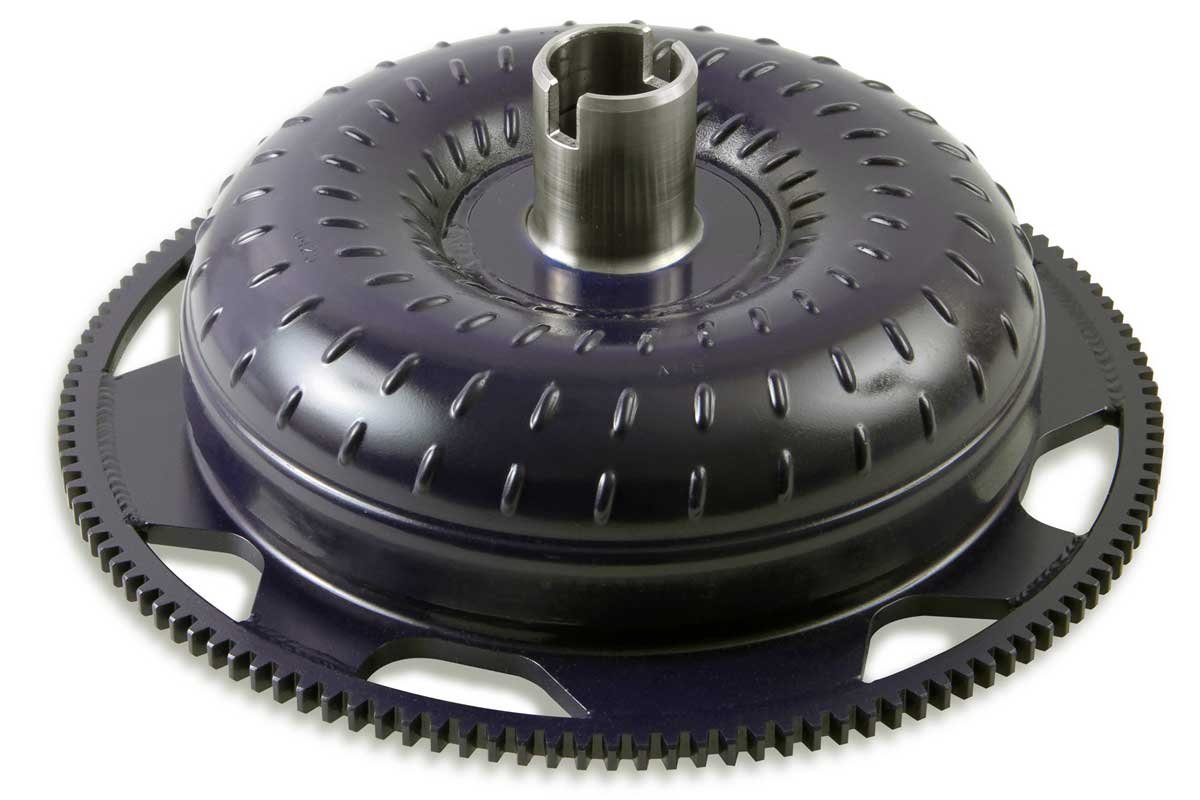
Above: Built for both strength and performance, the Holeshot features a precision-alloy-steel pump tube and a factory-equipped needle thrust bearing. Each unit is fully balanced and pressure-tested to ensure smooth, steady operation. The design delivers quicker launches and harder acceleration while maintaining the durability enthusiasts expect from B&M. This non-lockup converter is rated at a stall speed of 2400 RPM.
For hot rodders and street rod builders, this translated into Holeshot converters being prized for their consistency, relative dependability, and support for quicker launches, without the sophistication or cost of race-only units. Typically, they were paired with mild-to-moderately built engines, with stall speed selected based on torque curves and rear-end ratios for each build, underscoring their versatility within B&M’s lineup.
Understanding B&M’s importance requires tracing its roots: the company began in the early 1950s as a small, enthusiast-driven producer of shifters and transmission parts. By the 1970s, it had proved itself as a recognized brand in the performance aftermarket, with products like the Holeshot torque converter firming its presence in the muscle car community.
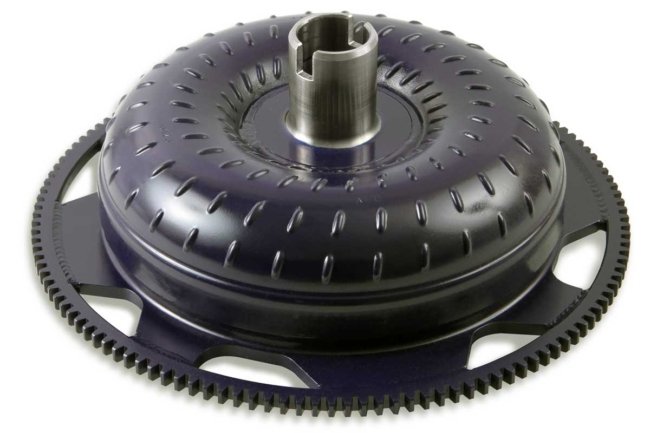
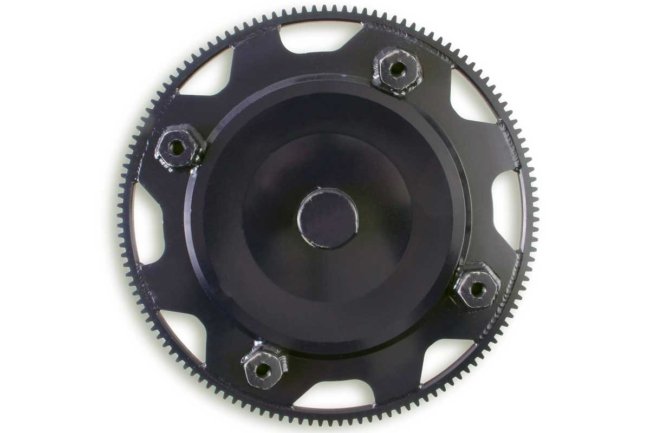
Above: Engineered for the serious enthusiast, the Holeshot fuses race-proven technology with meticulous craftsmanship. Both the impeller and turbine are copper-furnace brazed for maximum strength, while a new precision-alloy-steel impeller hub adds durability under high-stress conditions. Each unit was precision-balanced on certified equipment, ensuring smooth, consistent performance on every run. With quality and reliability at the forefront, this converter was built to deliver the kind of performance racers demand. This converter is rated at a stall speed of 3000 RPM.
B&M’s 1974 advertisement clearly states the Holeshot converter’s purpose. “The bolt-on head start” was the perfect statement as to what the converter would do. B&M was also correct in affirming “high performance contests are won or lost in the first 30 feet.” While performance was automatic with B&M, the likelihood of Sox & Martin’s ‘Cuda in the background using a Torqueflite with Ronnie Sox overseeing the driving chores was slim.
Today, B&M operates as part of the Holley Performance portfolio, delivering a wide range of drivetrain products, including performance shifters, transmission coolers, torque converters, flex plates, and deep-sump pans.
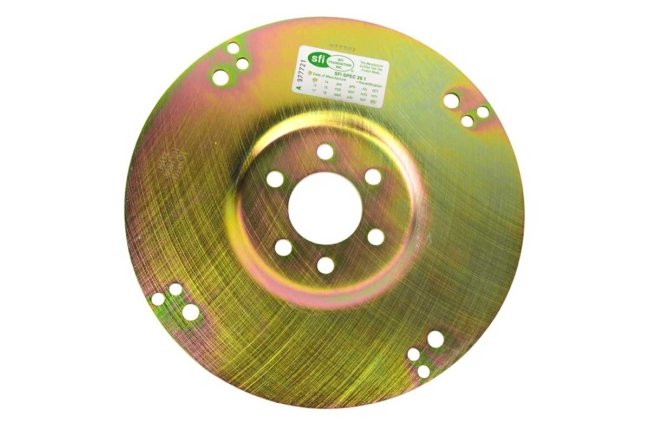
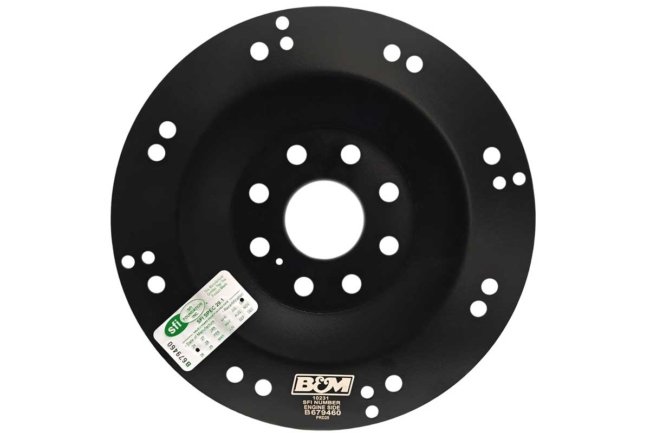
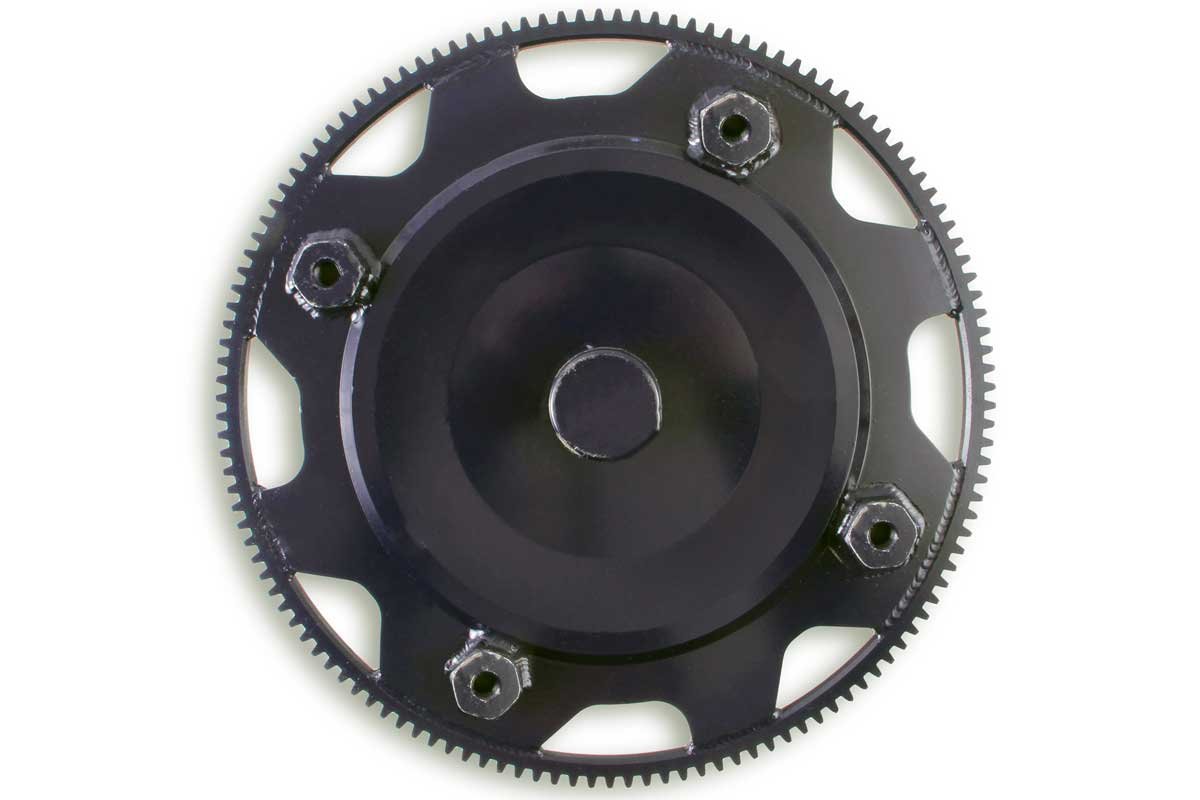
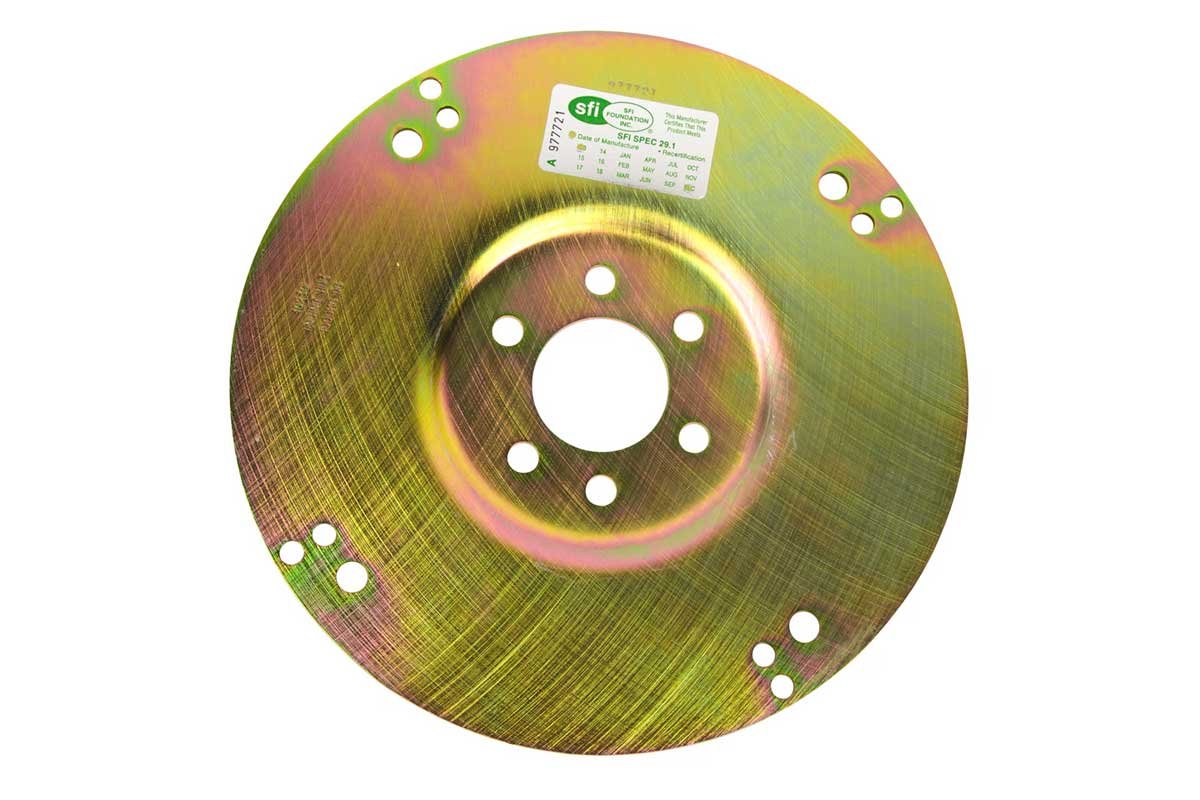
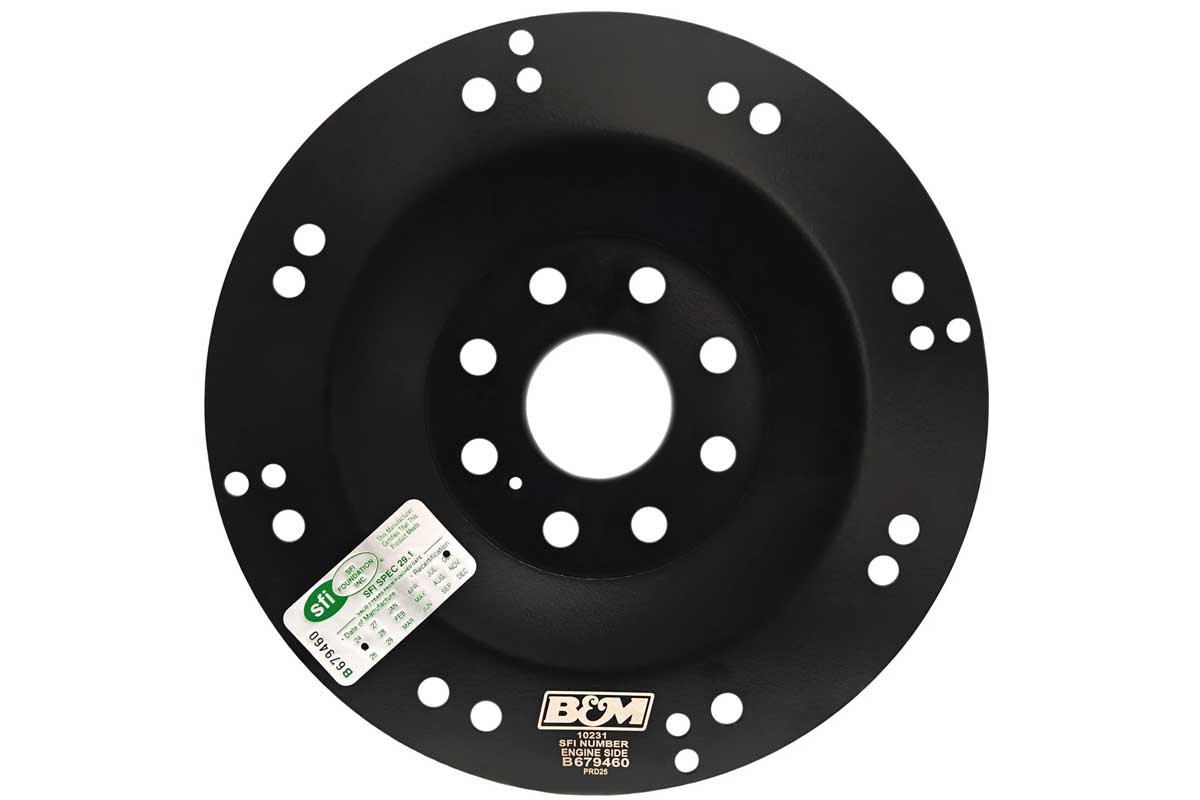
Above Left: For high-performance applications, B&M’s high strength flex plate fits 1962‑up TF727 transmissions and Chrysler, Dodge, and Plymouth V8s with 6‑bolt cranks. Made from tough steel, SFI 29.1-certified, and zinc‑plated for corrosion resistance, it delivers enduring, race-proven performance for the street or the strip. Above Right: B&M’s high-performance flex plate fits 1962‑up A727/A904 transmissions and internally balanced Chrysler, Dodge, and Plymouth V8s with 8‑bolt cranks. Made from high-tensile steel, SFI 29.1 certified, and zinc‑plated for durability, it is built for race, street, or tow applications.
While current units use advanced metallurgy, lock-up technology, and engineering designed for higher-power engines, B&M remains devoted to the ethos it established in the 20th century: providing reliable, enthusiast-focused solutions that improve vehicle performance for both street and light-track use. This continuity bridges B&M’s historic legacy with its present-day innovations.
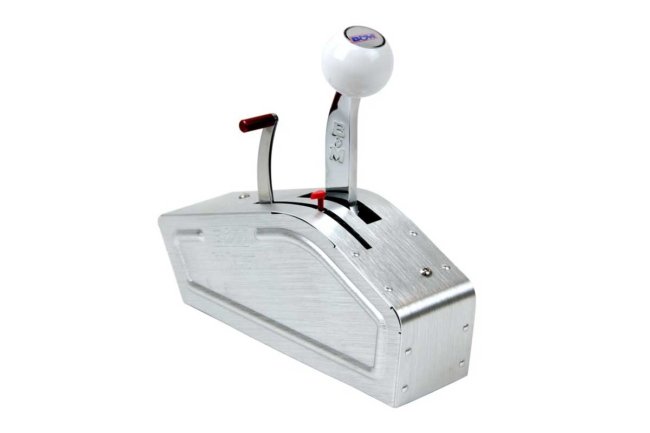
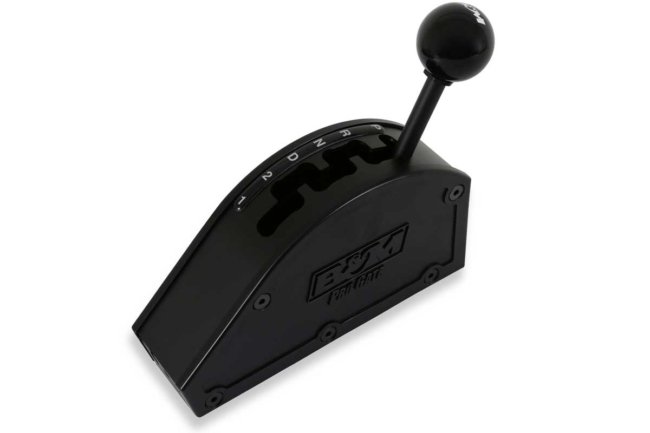
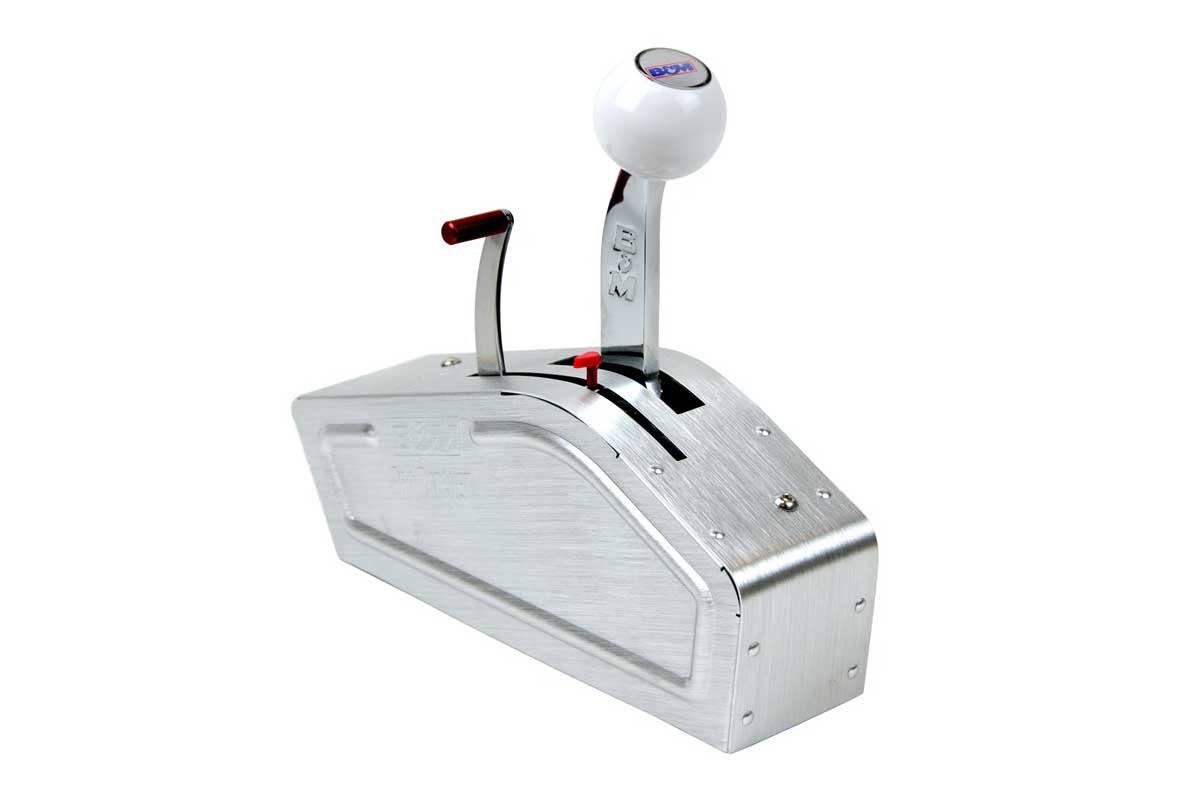
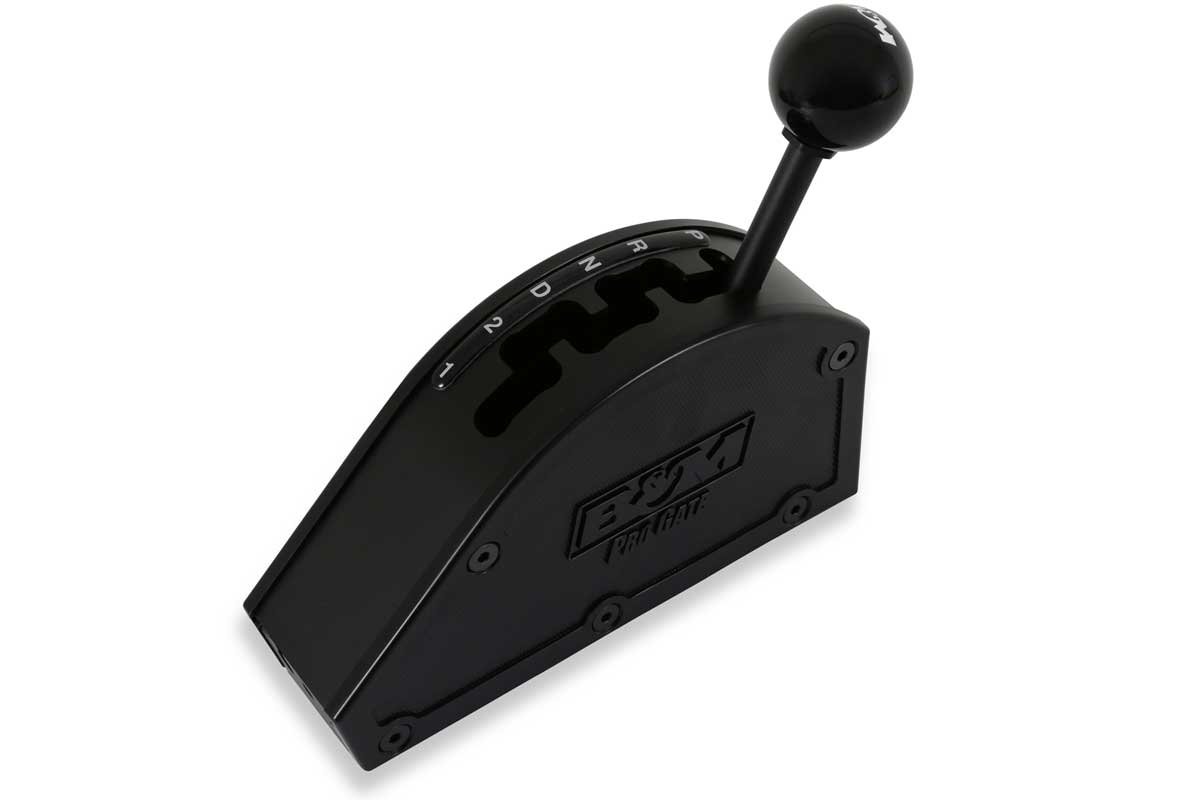
Above: B&M offers a wide range of shifters with both front- and rear-cable entry options to suit virtually any application. Its lineup contains ratchet-style shifters, which return the handle to center for the next shift, as well as gated layouts that guide the handle through precise manual shifts. Additional styles are also available, giving enthusiasts plenty of options to match their driving style and performance needs.
For Mopar aficionados interested in classic Chrysler, Dodge, and Plymouth vehicles, as well as drag racers and classic car hobbyists, the legacy continues. Even with refinements in transmission technology, the Holeshot series remains a traditional example of 1970s performance aftermarket thinking, engineering that balanced greater launch capability with durability. In this way, it helped shape how enthusiasts regarded torque converters: not as fixed factory components, but as adjustable, performance-critical parts in their own right.
To check out all the products available from B&M and all the Holley companies, visit Holley online or contact its representatives.