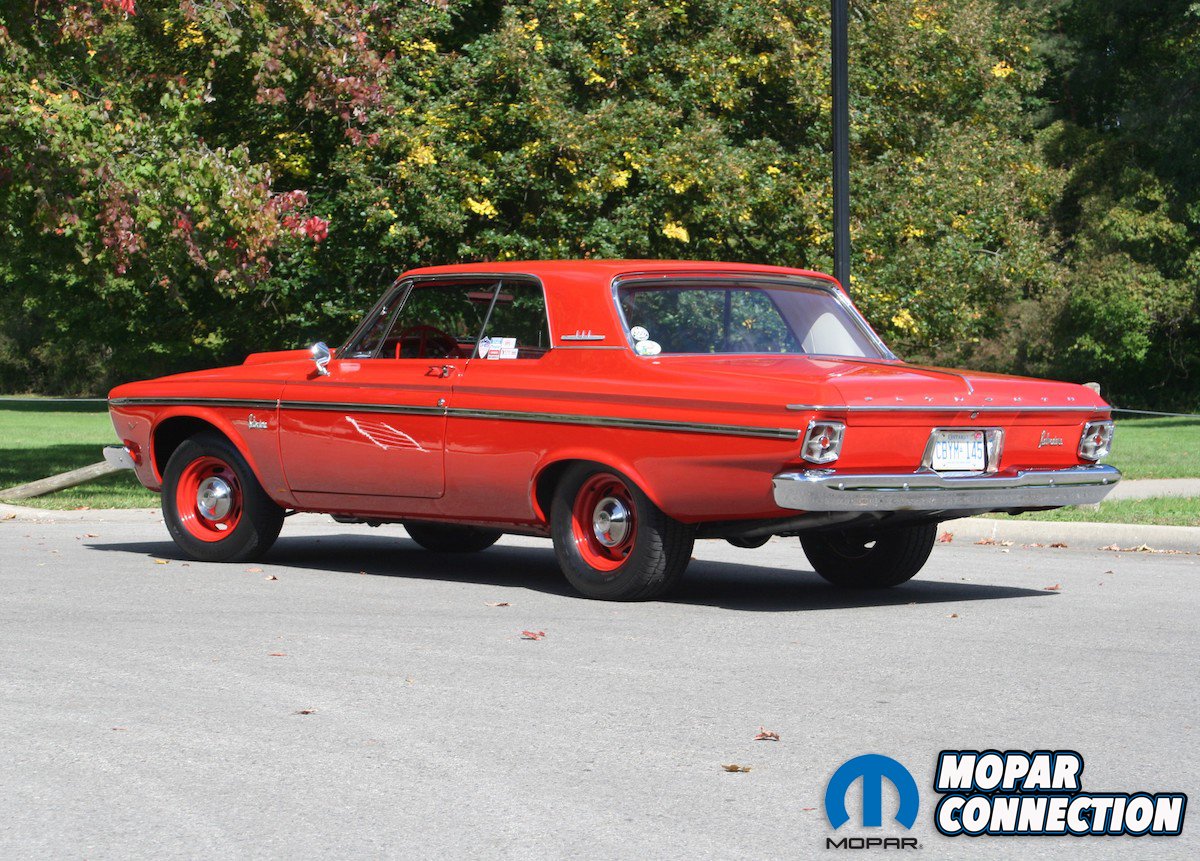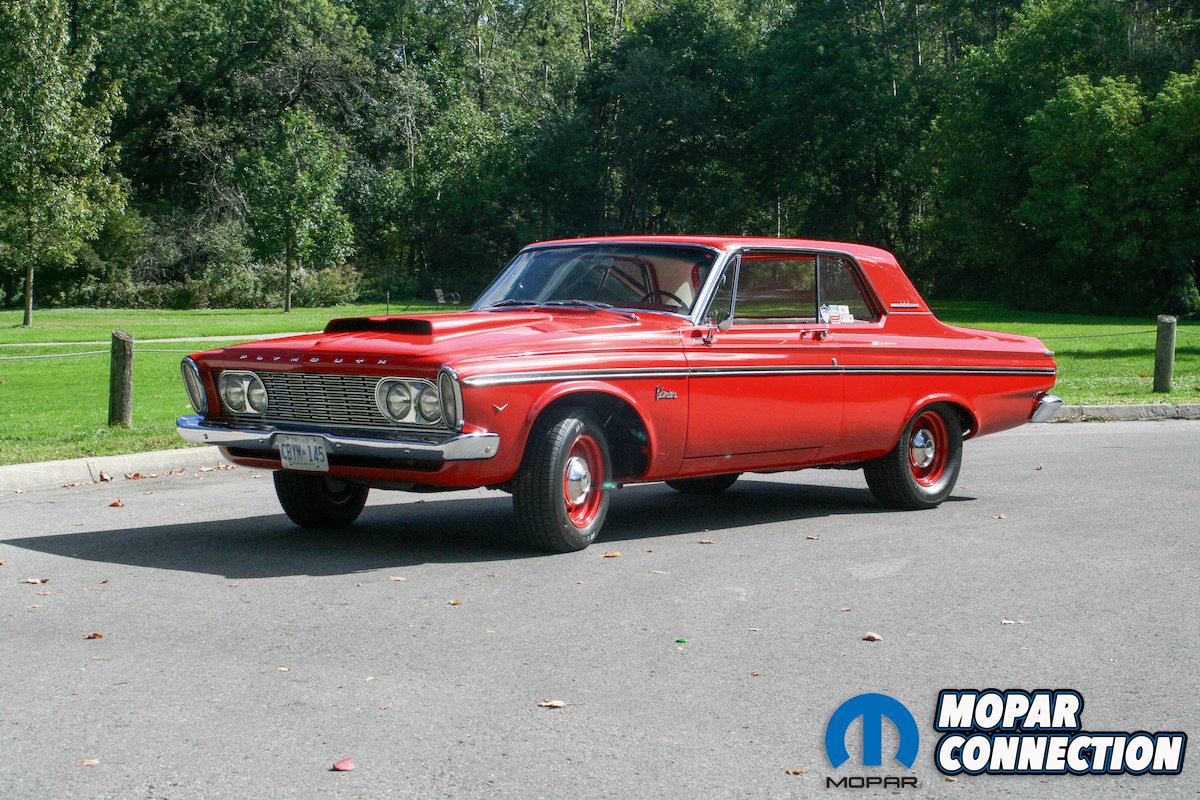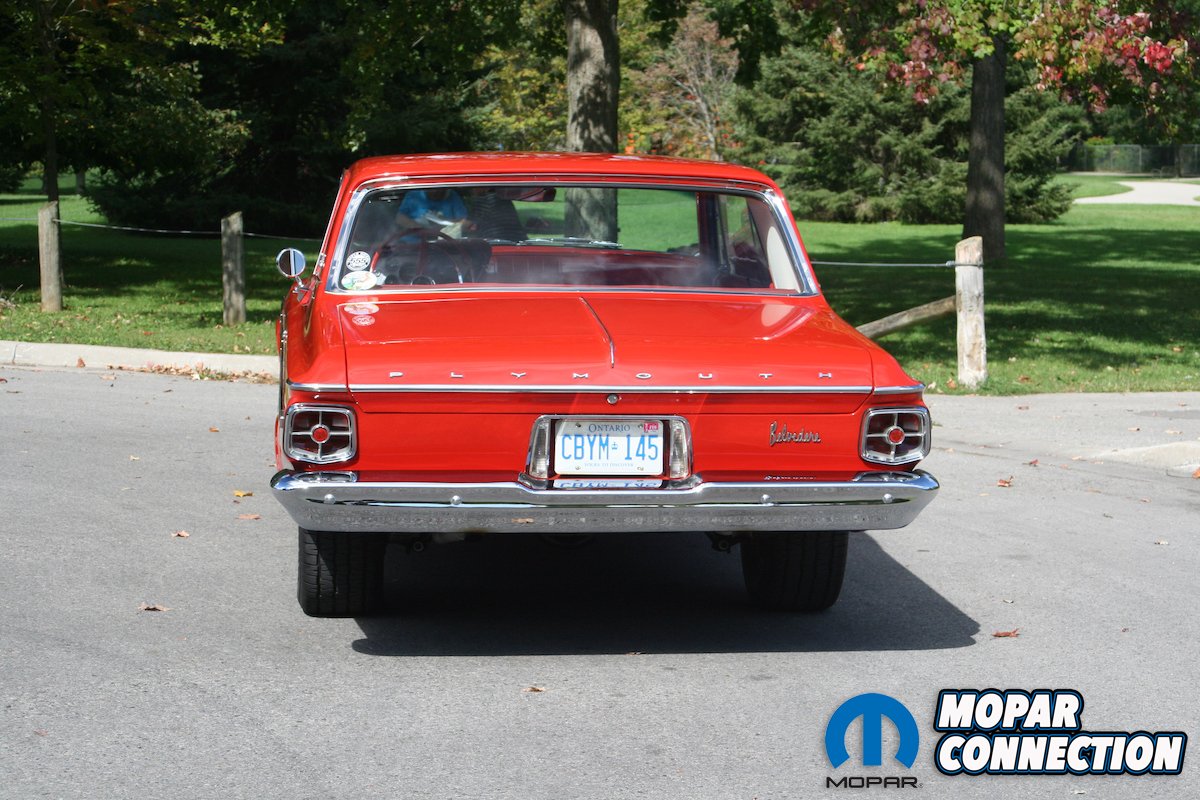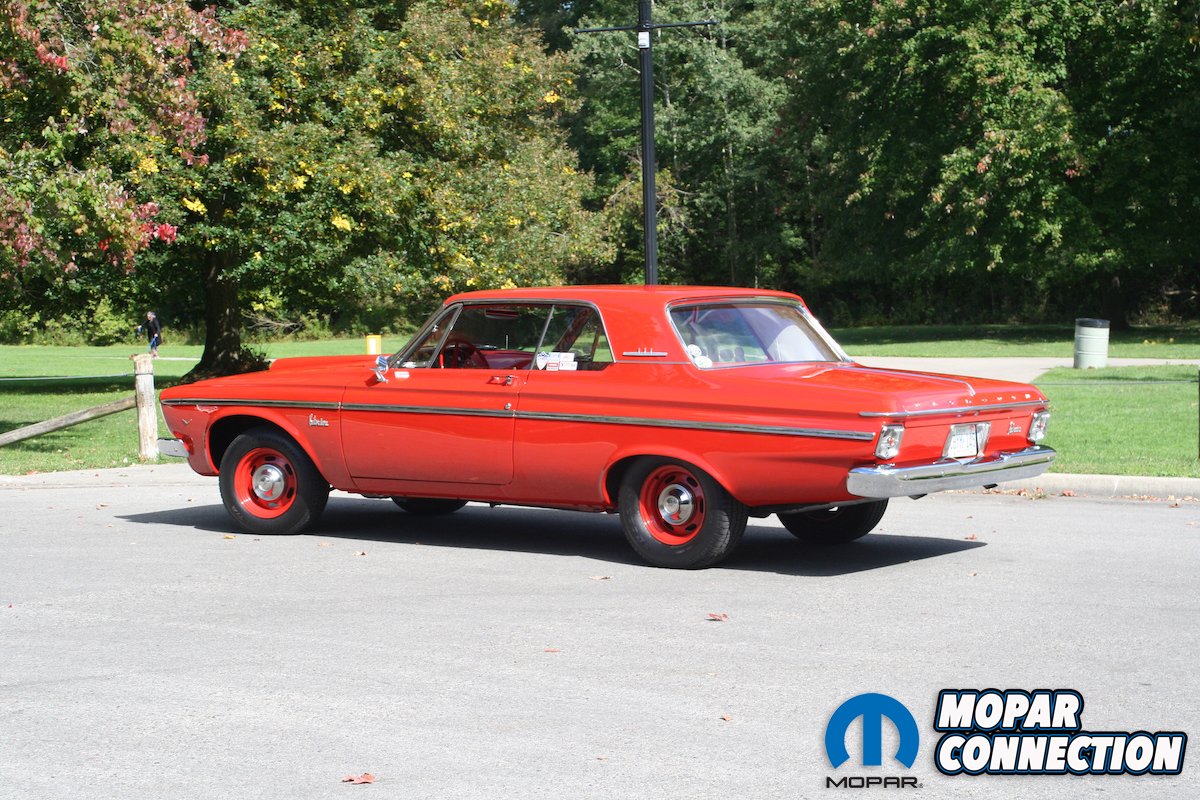
Brian Watson has always had a passion for automobiles. During the 1960s and 1970s, Brian worked on Sundays at his local drag strip, St. Thomas, one of Canada’s oldest drag strips. His first automobile was a 1955 Chevrolet. When Brian first married, he received his father’s 1964 Dodge Polara, which he drove until he needed a more practical family vehicle. So, like any responsible husband, he downsized to a 1970 Dodge Dart Swinger with a 340-ci engine.
Brian’s Dart was more than just a car—it felt like part of the family. While working the staging lanes at St. Thomas, he occasionally let trusted friends drive it, a rare honor for a muscle car owner. After their daughter Jodi was born, Brenda would often wait in the car with her until Brian’s turn to race. For three exciting years, the Dart ran the strip before the family replaced it with a more practical 1973 Dodge Coronet wagon.
Even after the Dart was gone, Brian remained devoted to Mopars. Over the years, he owned several, but the early-’60s B-body cars stood out above the rest. Their stance, styling, and performance on the strip clearly made a lasting impression on him.
Brian first spotted the ’63 Plymouth Belvedere at a swap meet in 2011 and was immediately drawn to it. But to make room for it, he had to part with his beloved Chevy Camaro—no easy decision. With the Camaro still in his garage, Brian stayed in touch with the owner, Eldon Cocklin of Burlington, Ontario, hoping the Belvedere would still be available when the time came.
Two years later, Brian finally sold the Camaro and called Eldon—only to find out he was too late. The Belvedere had already been sold and was waiting to be picked up. Then came an unexpected turn: the buyer’s wife called Eldon to say her husband had passed away before he could collect the car.
That twist gave Brian a second chance, and he took it without hesitation. In September 2013, the Belvedere became his. Turning to Brenda, he smiled and said, “See, it was meant to be ours.”
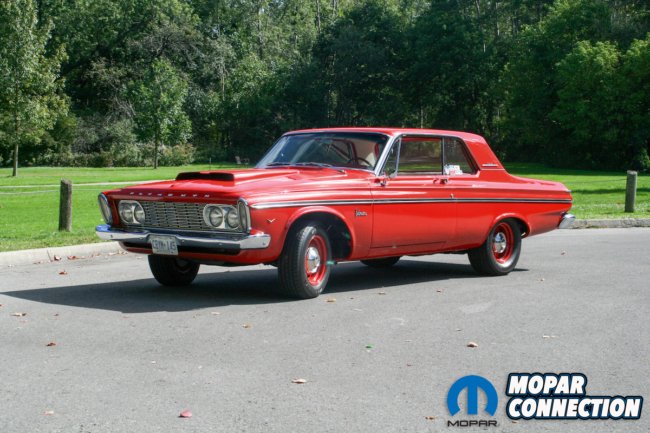
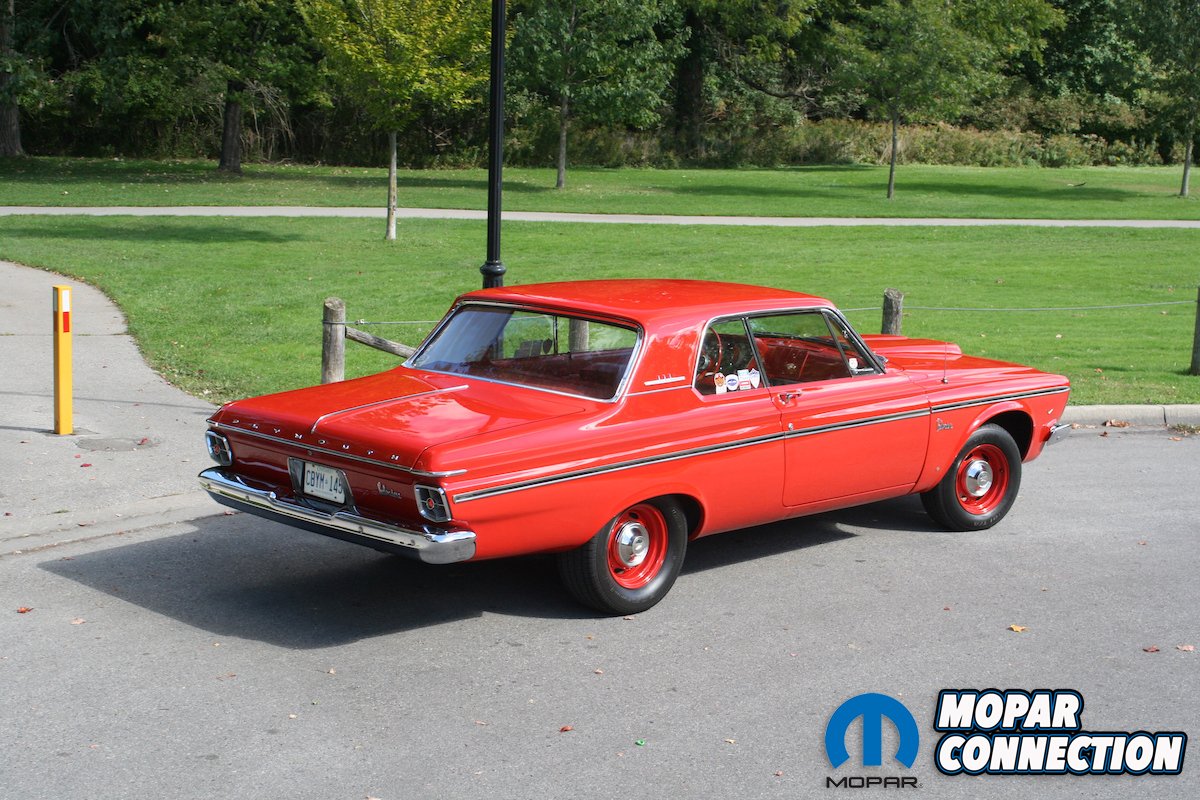
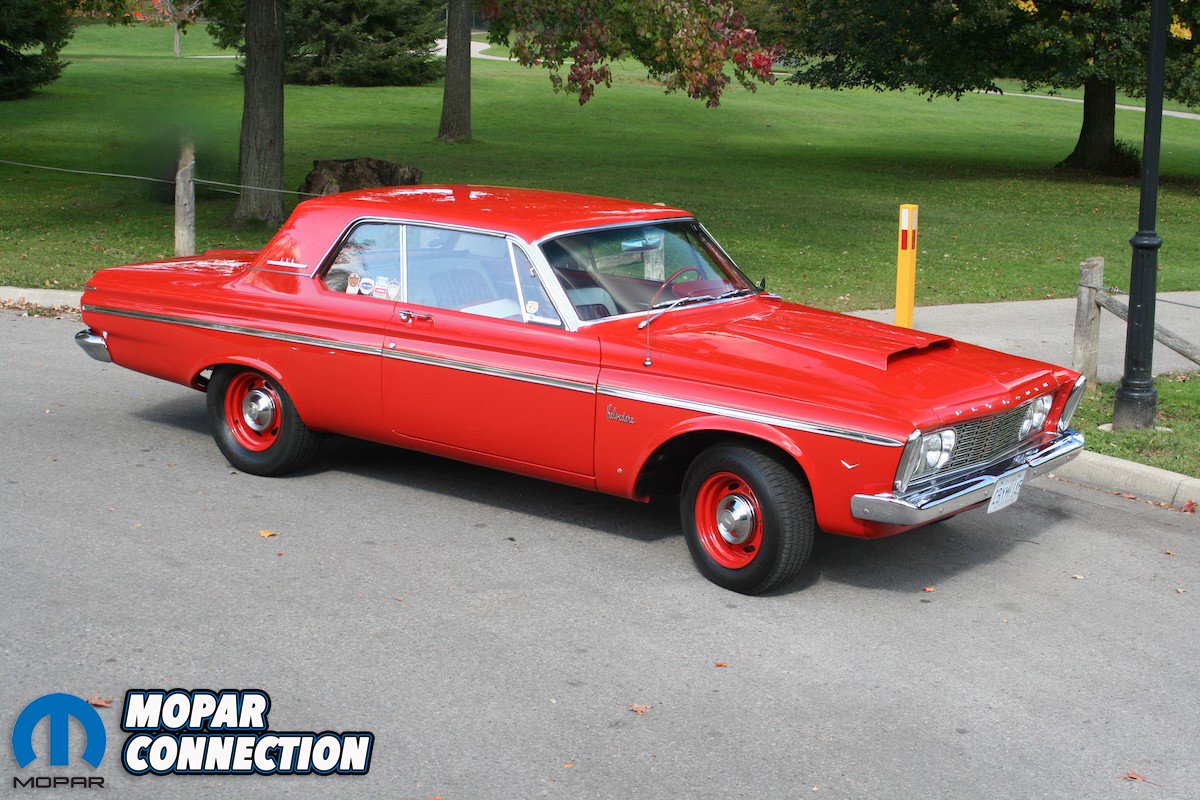
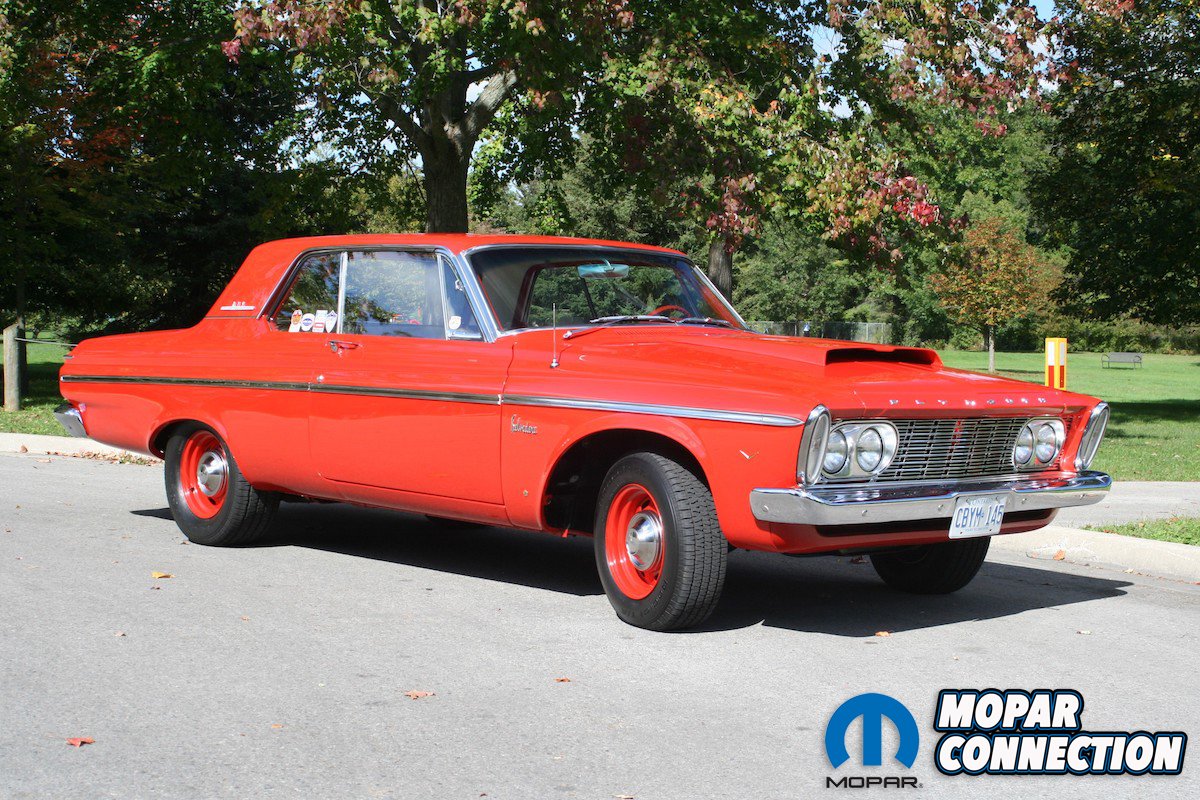
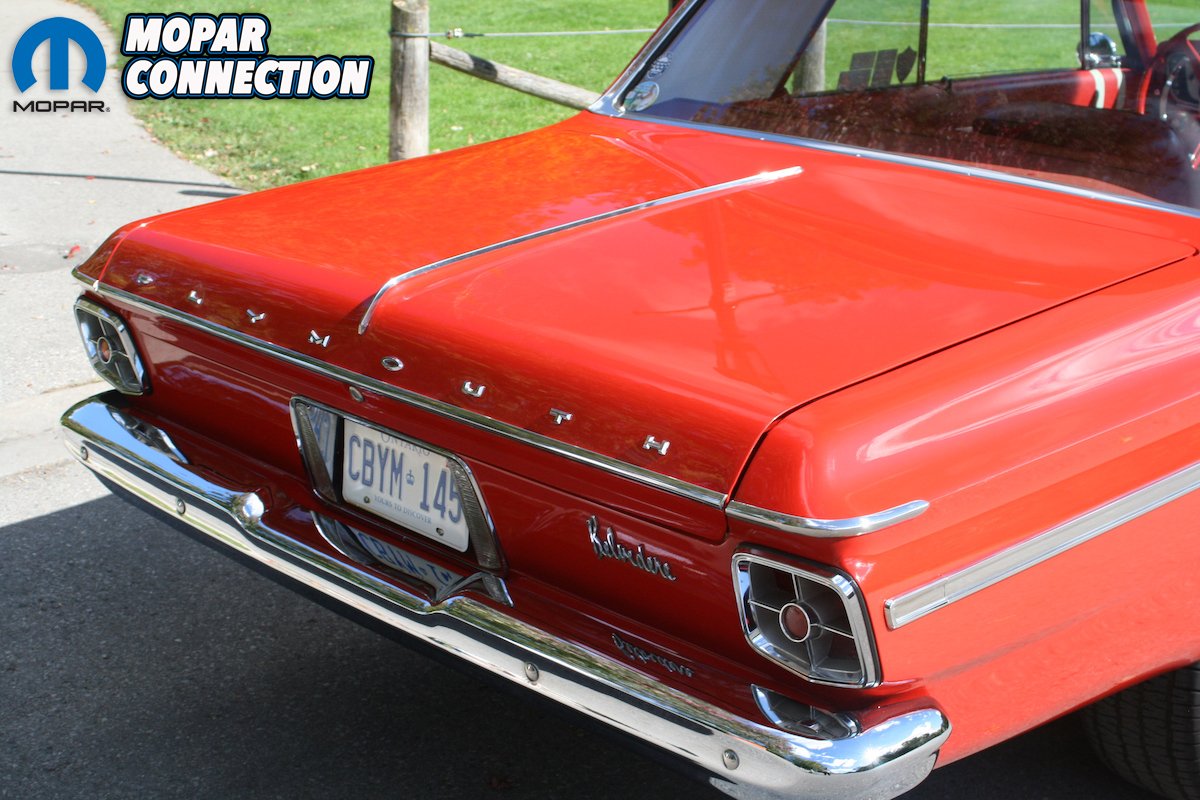
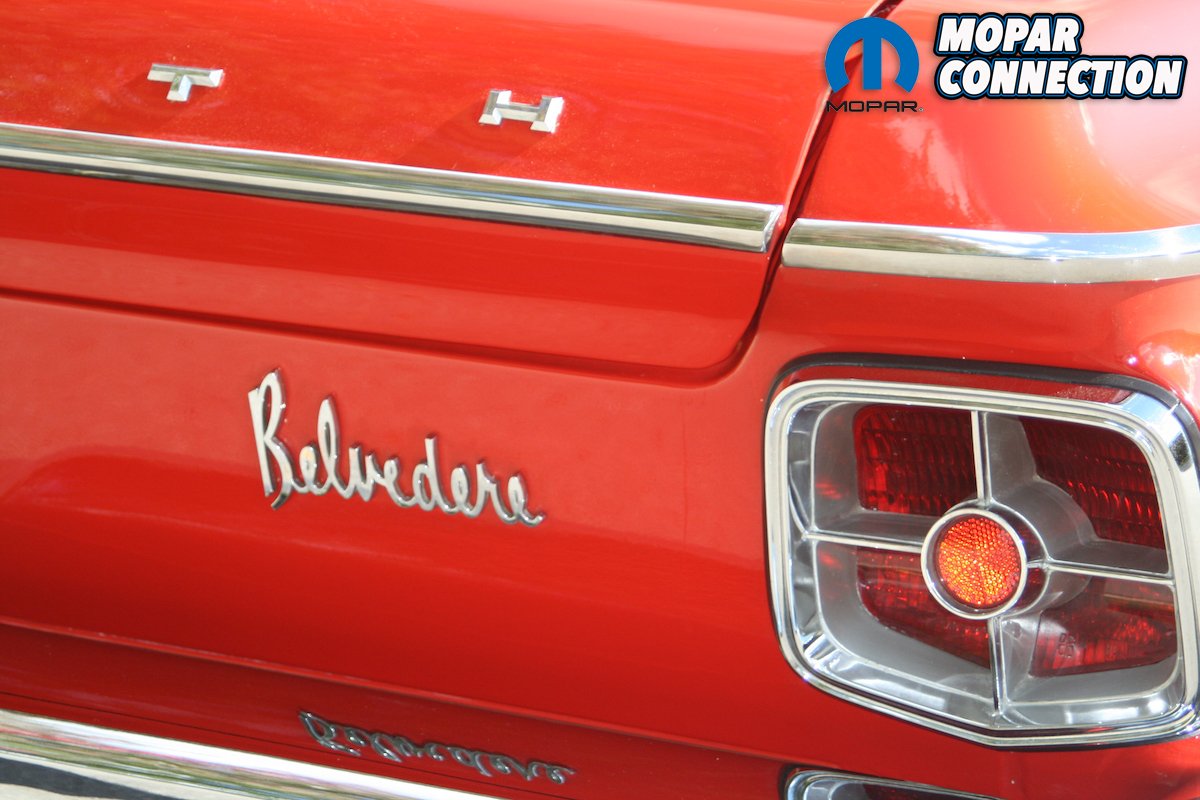
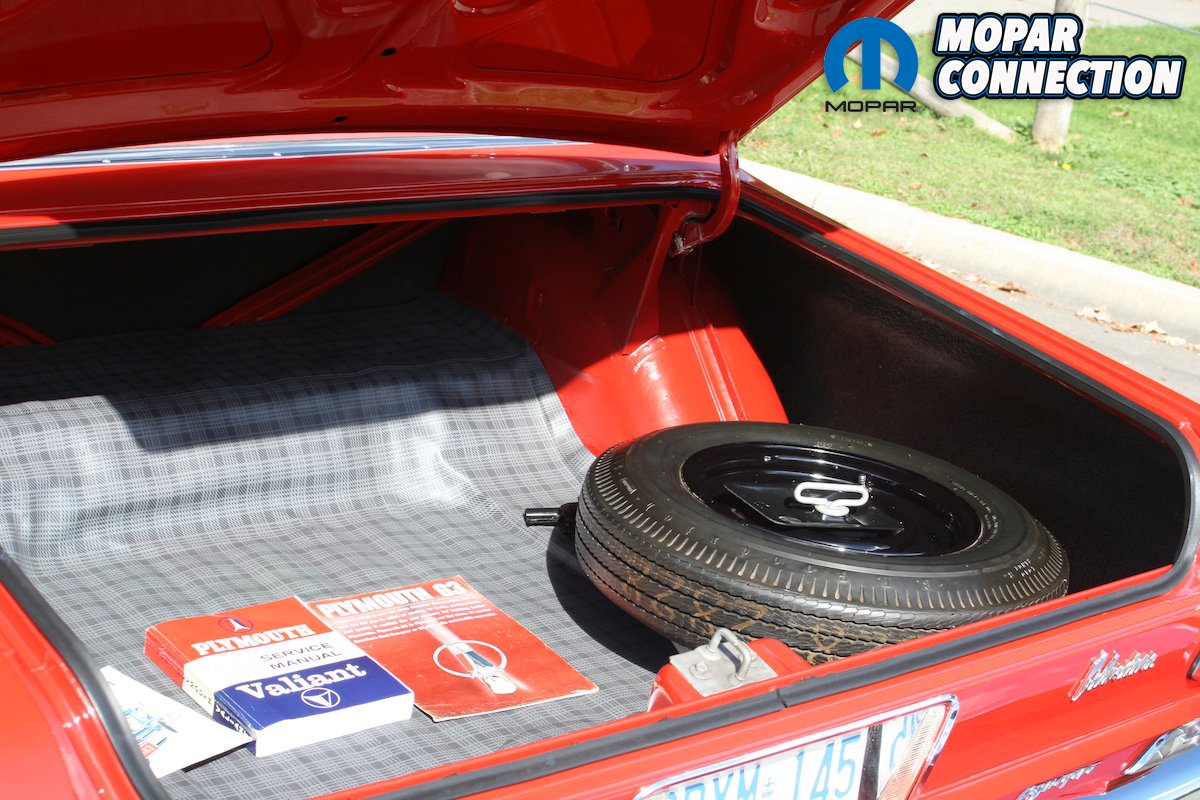
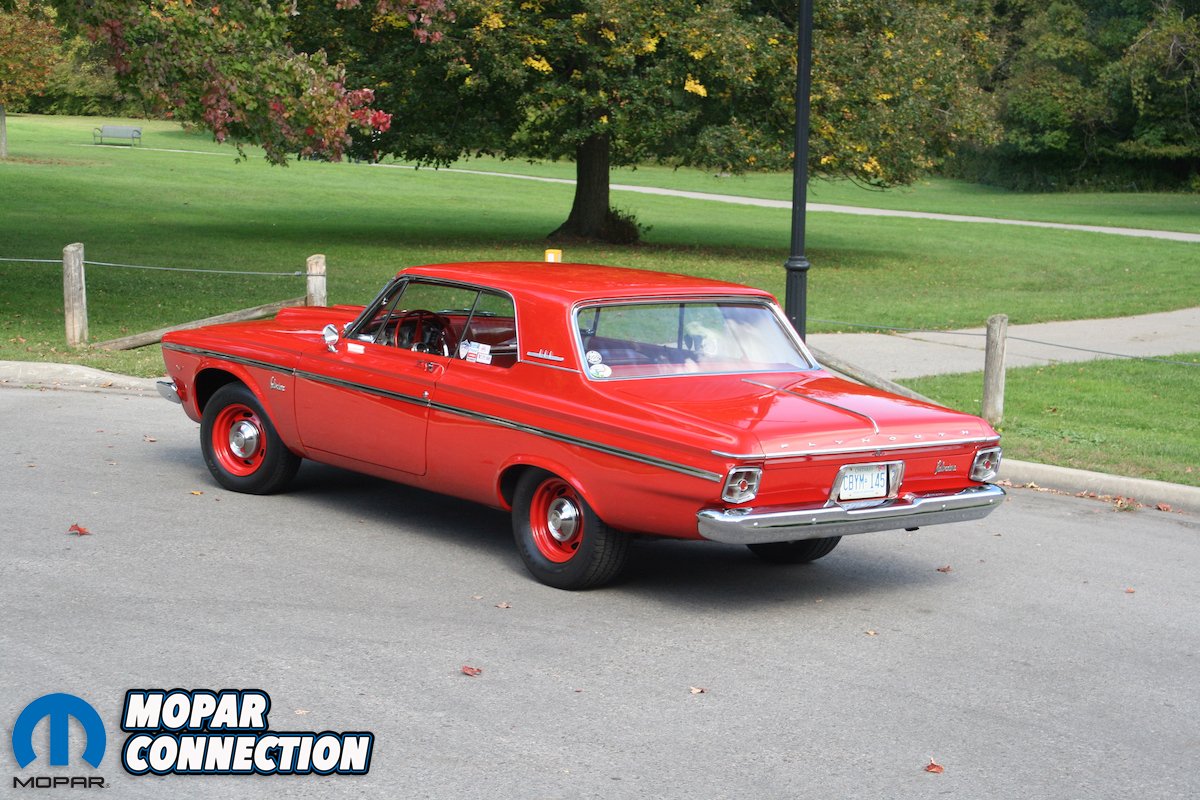
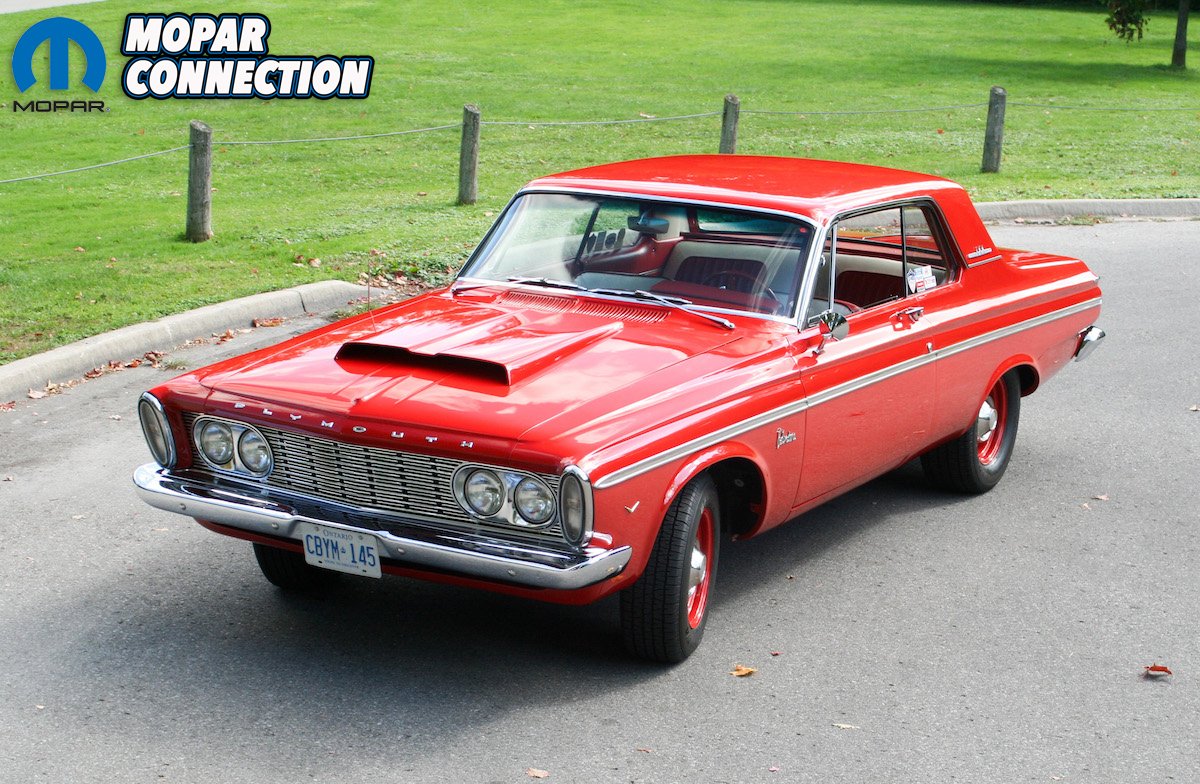
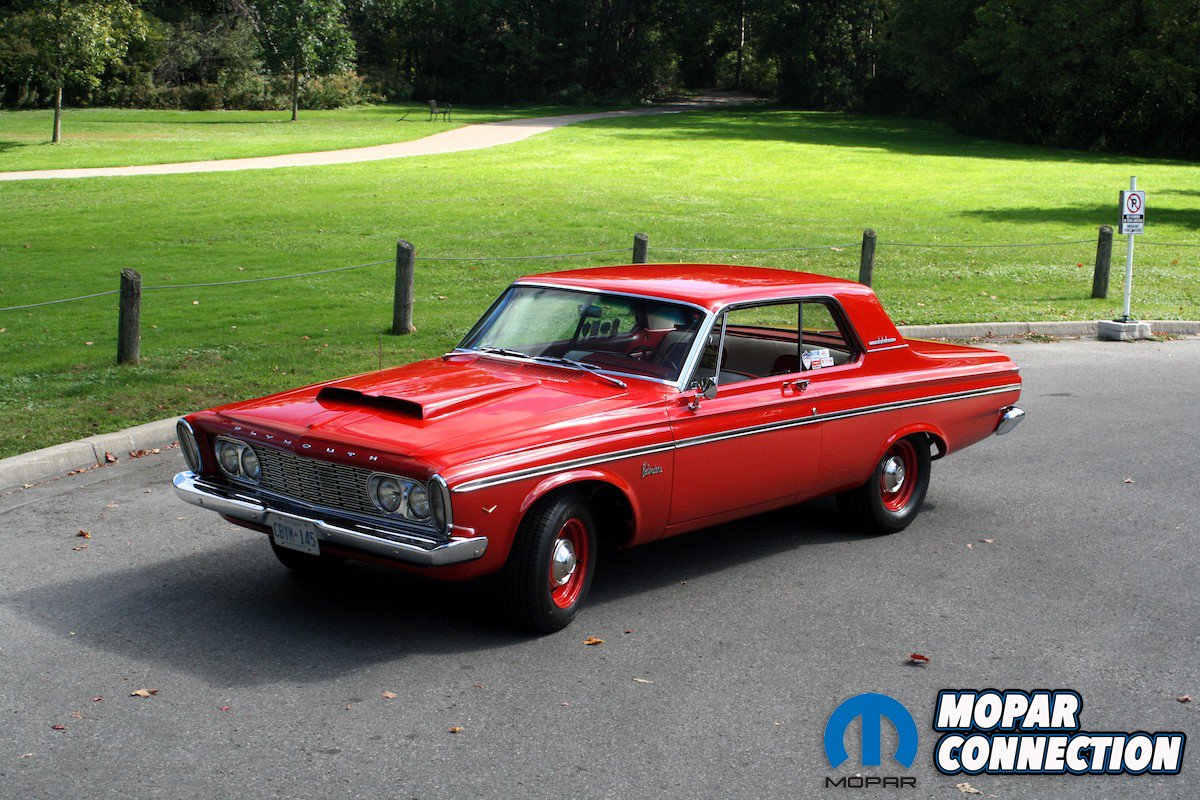
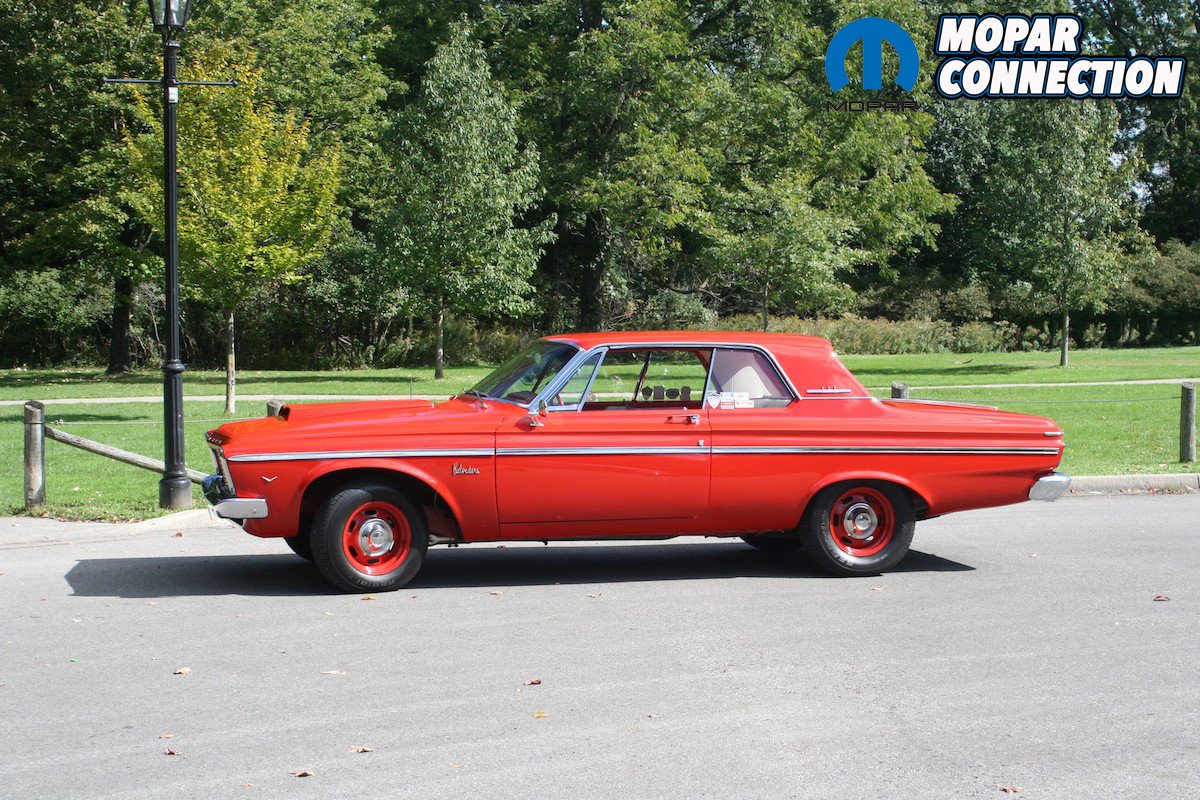
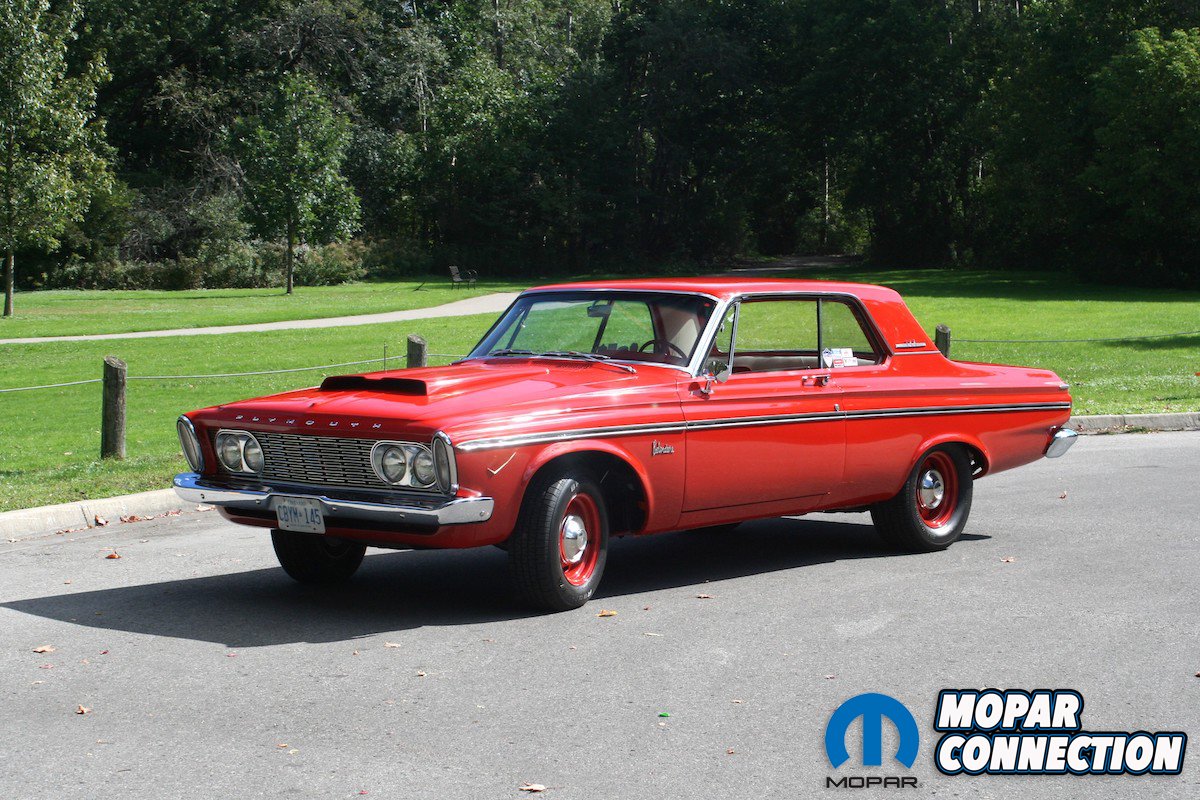
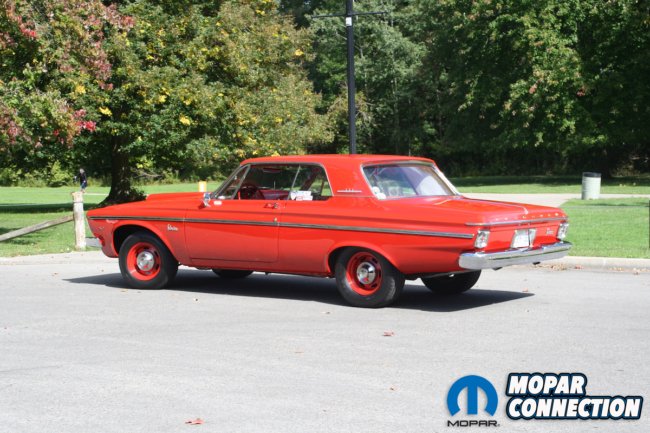
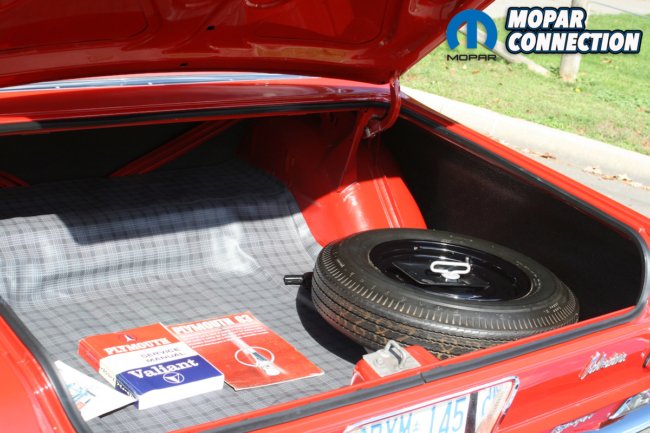
Built at Chrysler’s Windsor, Ontario, plant, this 1963 Plymouth Belvedere has several features that set it apart from its American counterpart. The V-8 emblems sit on the fenders, a chrome trim piece accents the C-pillar, and the spare tire is mounted on the right side of the trunk. At the time, Chrysler Canada built roughly 60% of the vehicles sold in Canada. In 1963, it produced 18,848 Plymouth Savoy, Belvedere, and Fury models, though the exact number of Belvederes remains unknown.
Full-size Plymouths were “downsized” for the 1962 model year, with smaller outside dimensions. At the time, American car buyers believed that “bigger is better,” and sales of these models suffered as a result. The 1963 and 1964 models shared the same unibody platform as the 1962 but were restyled to appear longer and wider, which increased sales.
Buyers of the 1963 Plymouth Belvedere had no shortage of choices when it came to performance. Engine options ranged from the fuel-friendly 225-cubic-inch six-cylinder to a trio of V-8s—318, 361, and 383 cubic inches—each offering its own balance of muscle and refinement. For shifting duties, you could opt for a classic 3-speed column-mounted manual or the smooth-shifting TorqueFlite automatic.
Structurally, the car featured unibody construction, giving it a lighter and more rigid frame. Standard equipment included a 12-volt electrical system and 10-inch drum power brakes. This particular Belvedere also came with a few handy factory options: backup lights and a driver-side mirror, subtle but useful upgrades that added to its practicality and charm.
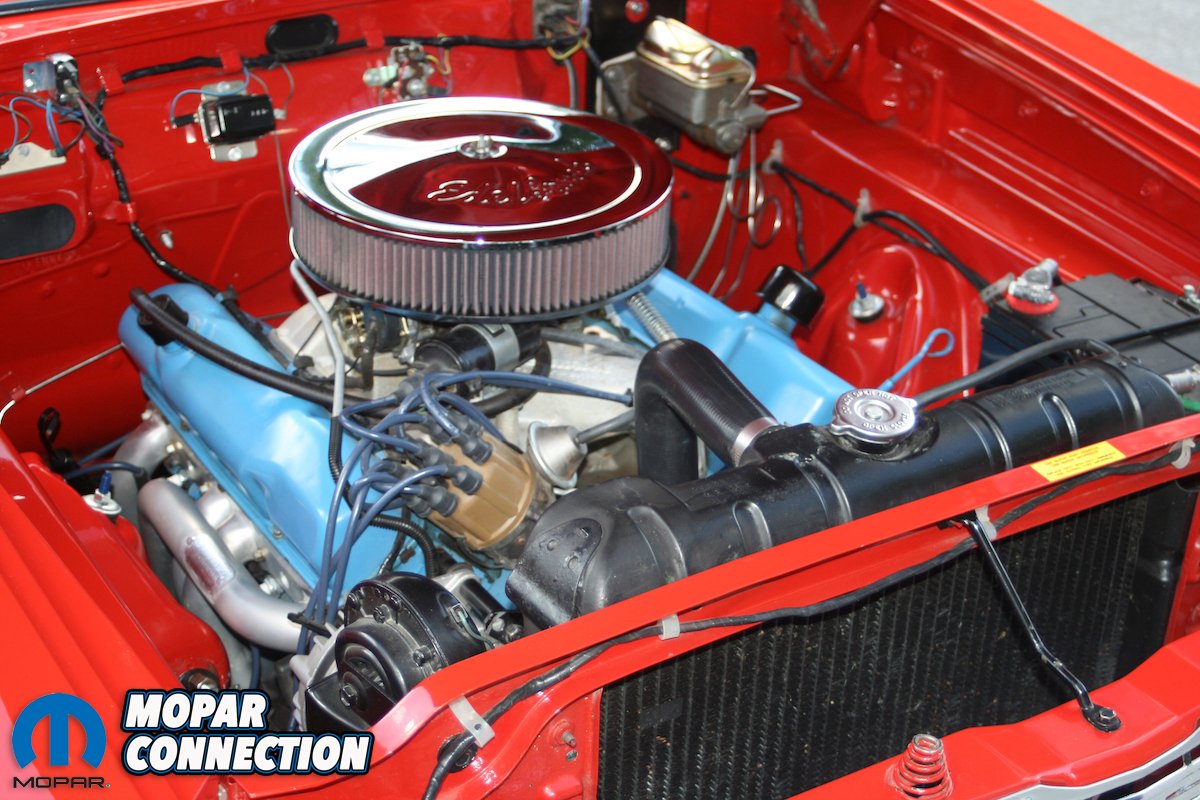
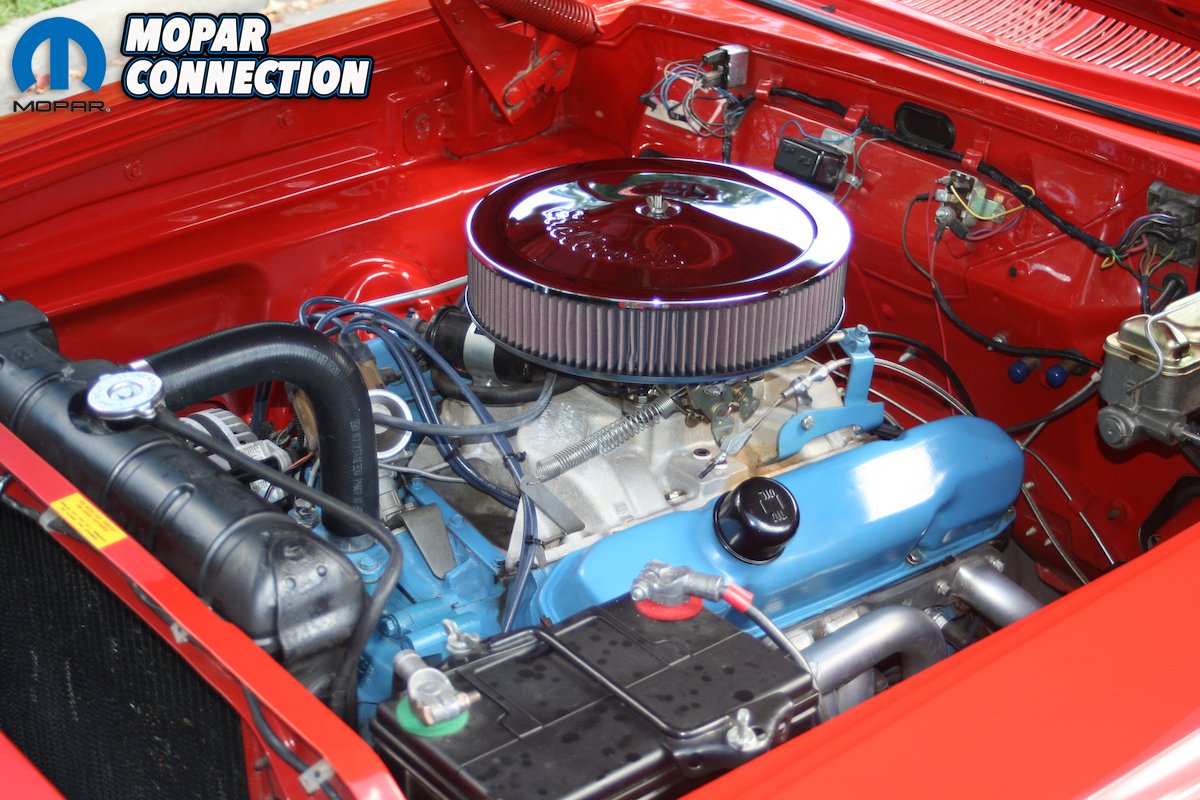
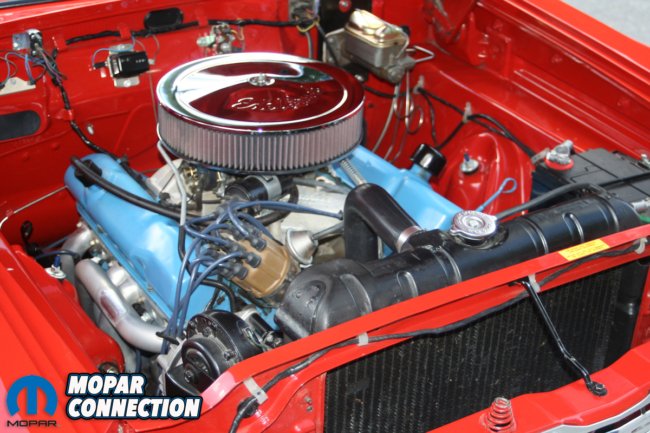
Brian’s Belvedere has a 383-ci block that was replaced with a 1969 383-ci block. It is fed by an Edelbrock 4-barrel AVS 600 cfm carburetor perched on an Edelbrock Performance intake. The air filter is a K&N with an Edelbrock chrome lid.
The lumpy idle is courtesy of a Comp hydraulic cam, giving “Big Red” that unmistakable throb of serious horsepower. Spent gases exit through Hedman-coated headers and rumble out a 2.5-inch Flowmaster exhaust, music to any Mopar fan’s ears.
Backing up all that under-the-hood muscle is a rebuilt A-727 TorqueFlite automatic transmission—strong enough to manage the extra horsepower from the upgraded 383-ci block. Power travels through a sturdy driveshaft to the original 8¾ rear axle, now geared with a 3.23:1 ratio. It’s a solid blend of acceleration and highway comfort, making the Belvedere far more street-friendly without sacrificing its muscle car roots.
To balance all that go-power with some whoa-power, Brian upgraded the factory front drums with a disc brake conversion kit. That boost in stopping performance adds confidence behind the wheel—especially when “Big Red” opens up on the road.
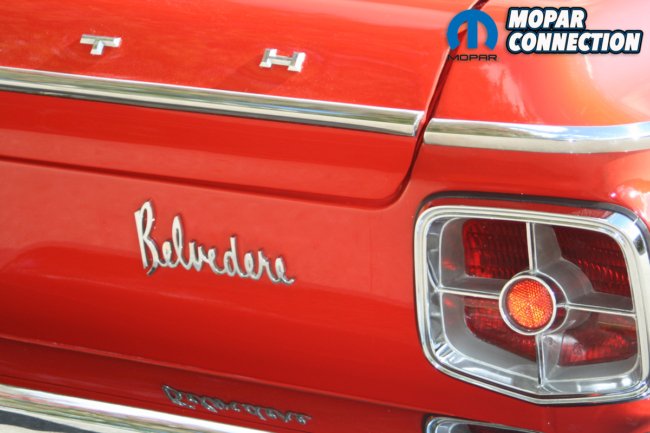
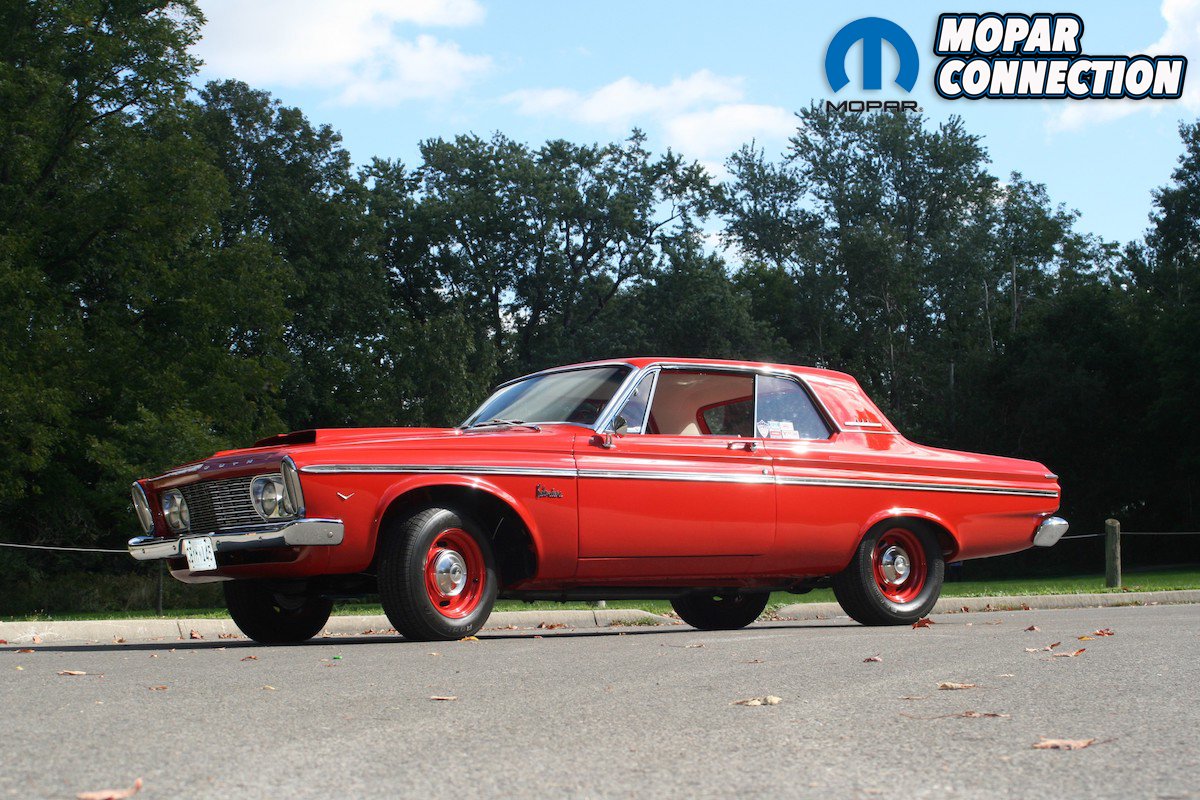
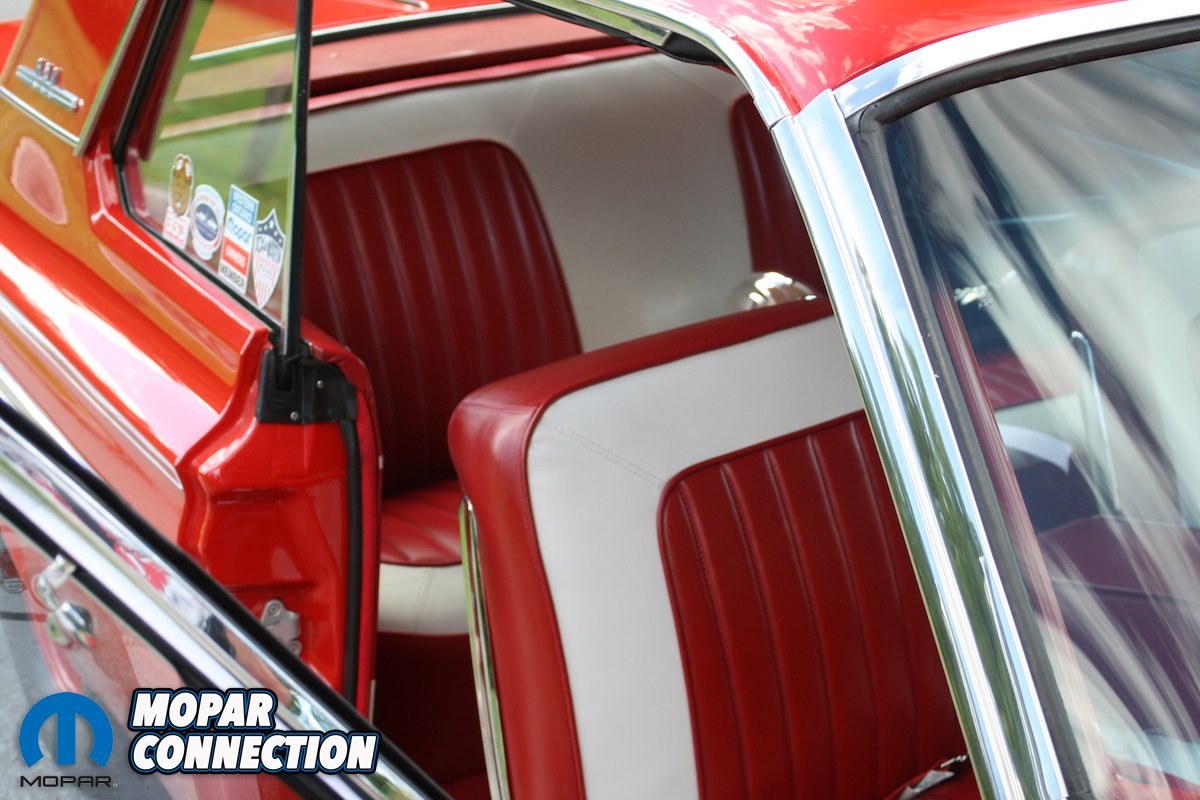
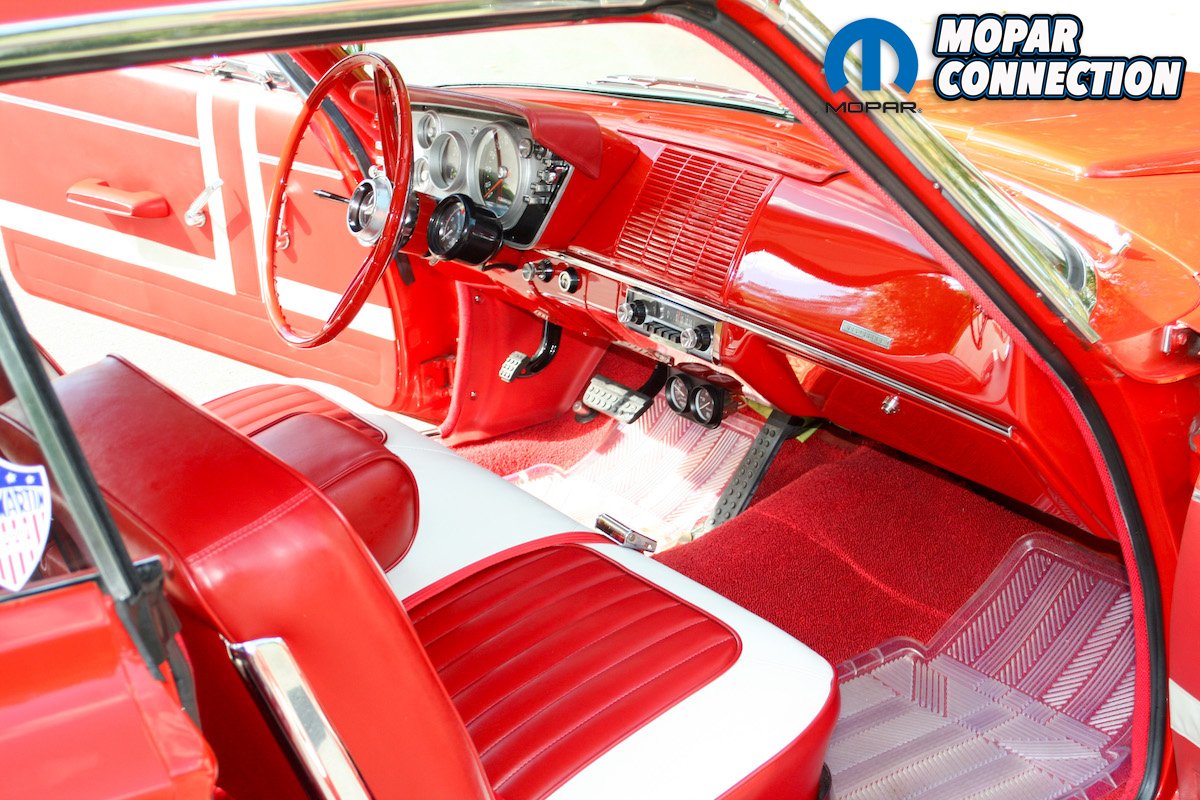
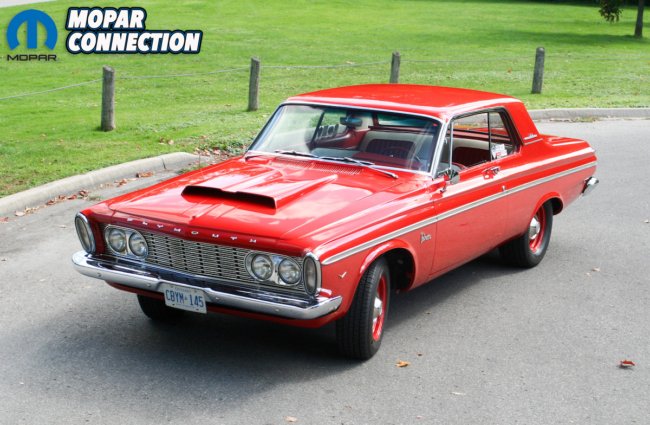
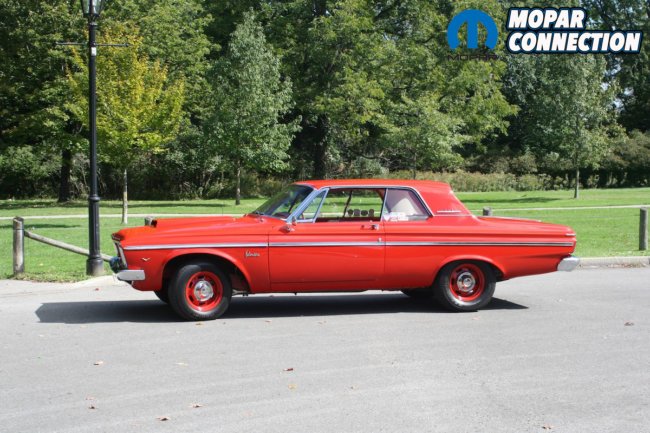
The restoration of Brian’s Belvedere body and interior was a true team effort. Eldon and his brother Charlie handled the bodywork, finishing the car in striking red with a contrasting white roof—an era-appropriate combination. At his Burlington, Ontario, shop, Eldon also renewed the seat covers, headliner, and carpet to a factory-fresh look. Fortunately, the original door panels were still in excellent condition, preserving some of the car’s authentic character.
Eldon fully restored the front and rear suspensions, detailing them to show-quality standards. The bumpers were rechromed, the stainless trim was polished, and fresh weatherstripping and new sill plates completed the job.
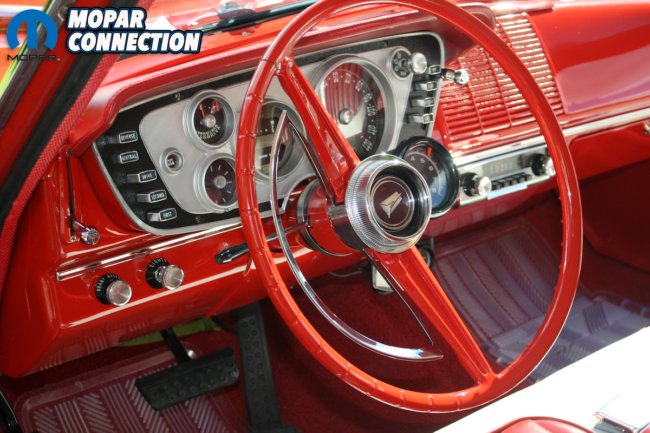
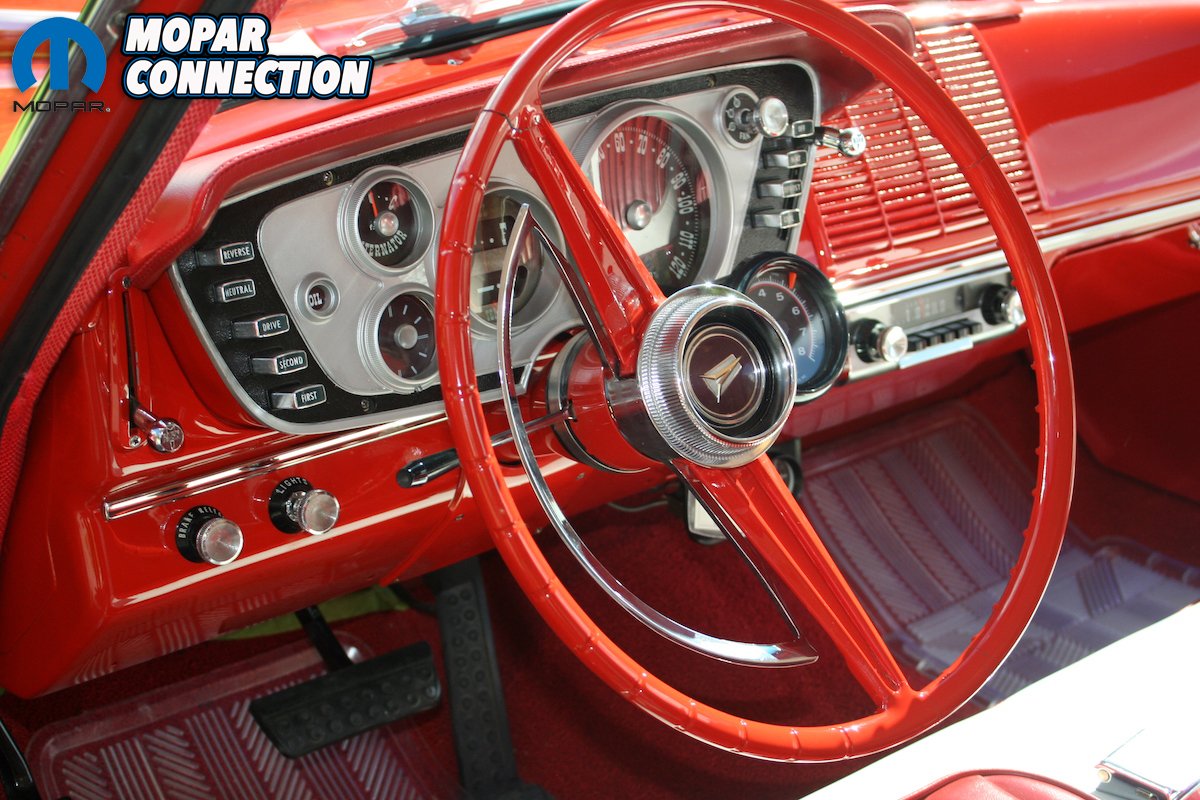
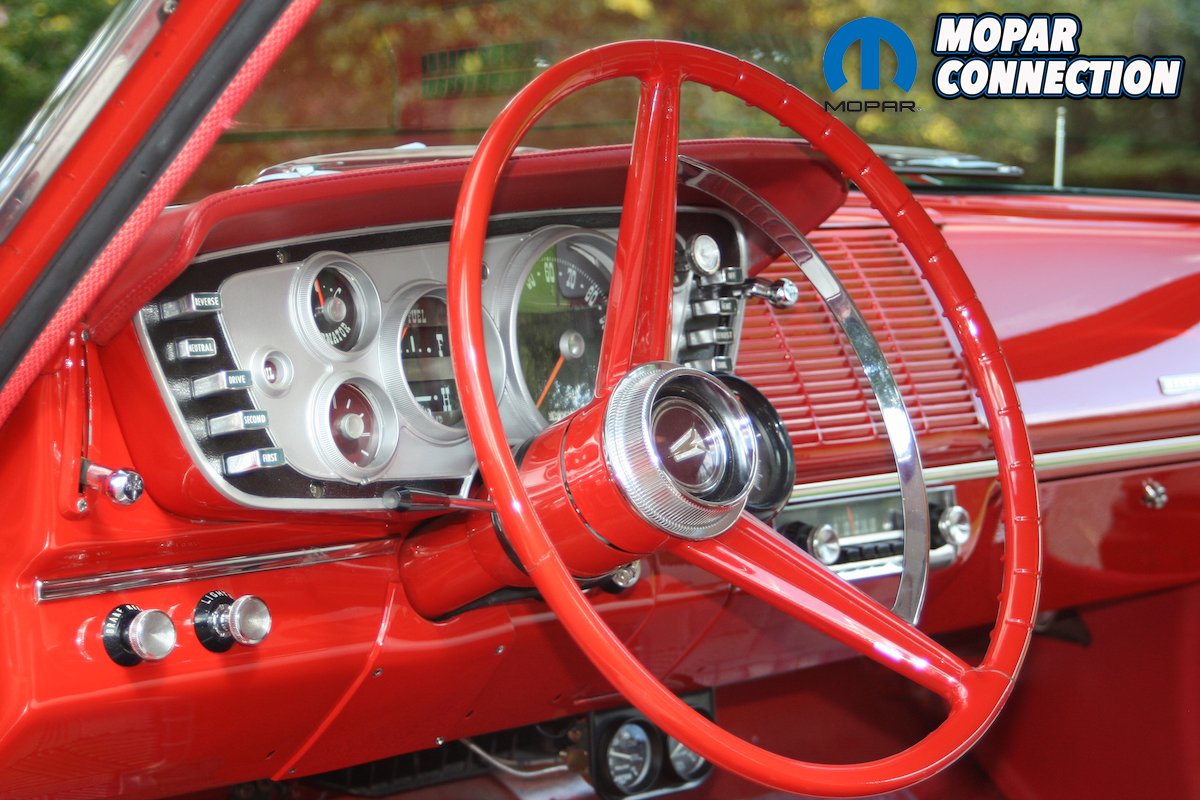
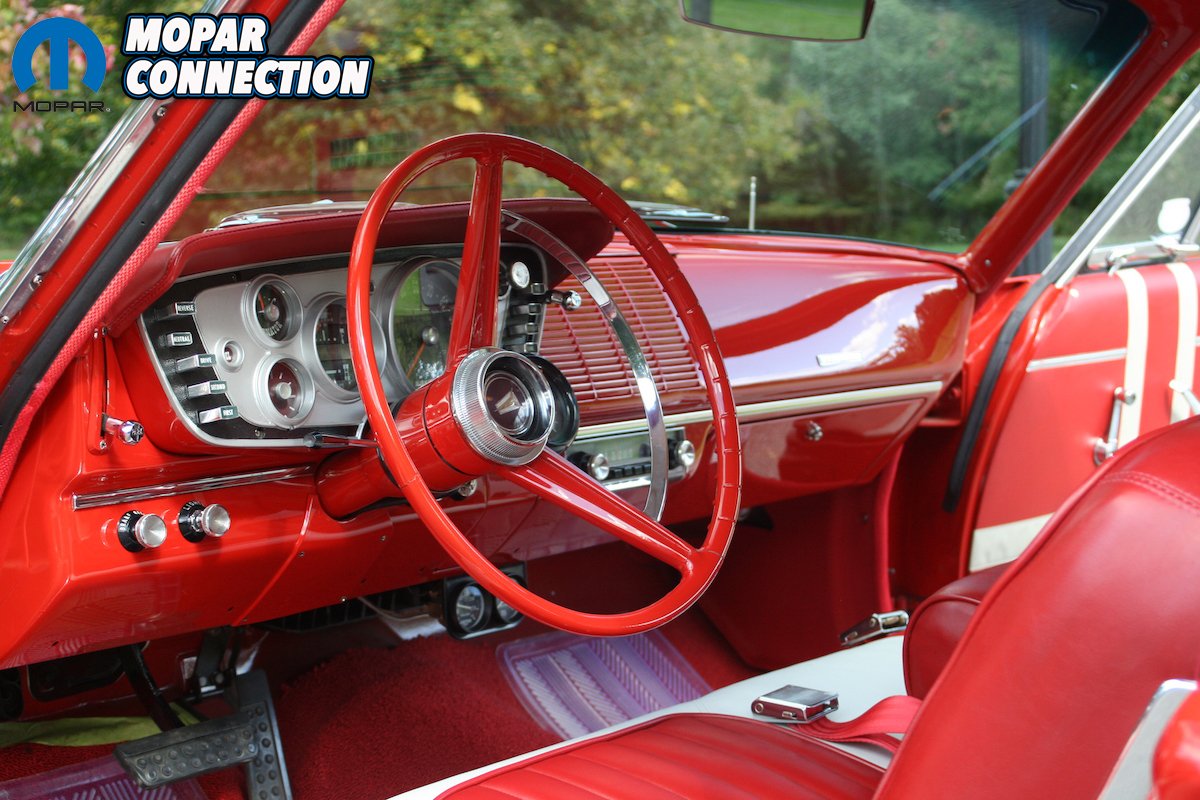
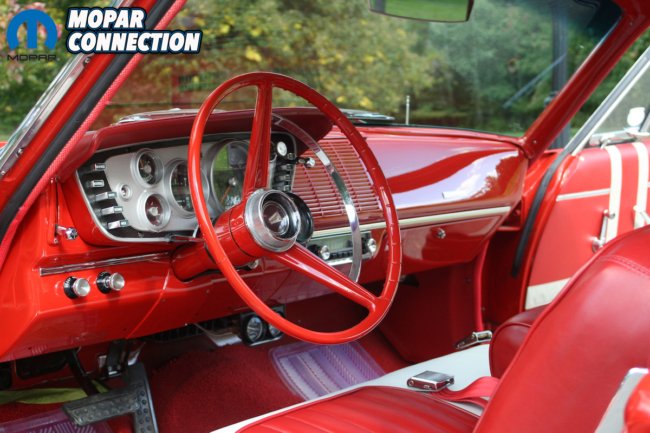
Inside, the instrument cluster was refinished and thoroughly tested, with everything confirmed to be in proper working order. The dash itself is in pristine condition, looking almost factory-fresh. For added functionality, Brian installed a water temperature and oil pressure gauge beneath the dash to keep tabs on the engine’s vitals. A tachometer, mounted just to the right of the steering wheel, rounds out the setup with a sporty, track-ready touch.

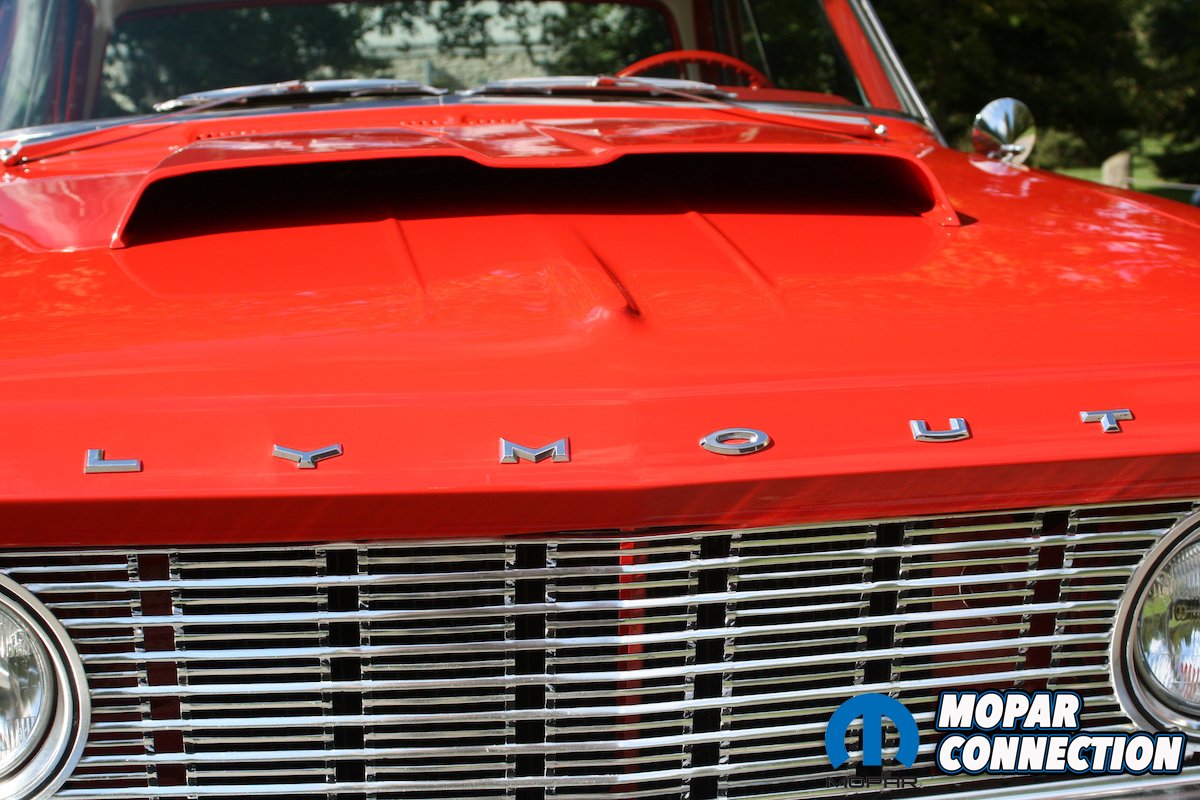
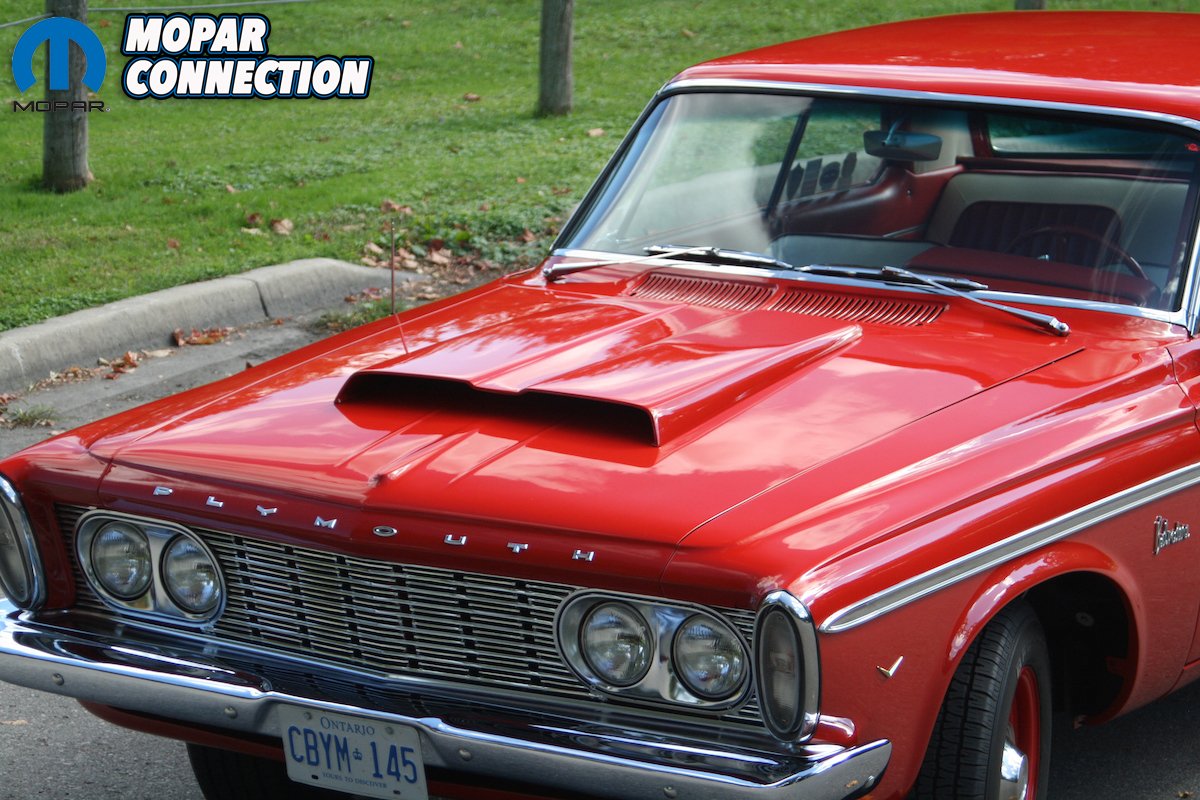
Brian made some changes after obtaining the Belvedere. For starters, he did not like the white roof, so it was sent to Hiemstra’s Auto Body in St. Thomas, Ontario, where the paint was perfectly matched. The next item was the fiberglass hood scoop that Magic Touch from St. Thomas, Ontario, had installed on the steel hood. Thanks to Jeff Sawyer and Paul Gemme’s magic, the hood scoop appears to have always been there. The hood scoop is functional, providing ram air. Magic Touch has been in business for 17 years and has worked on many classic vehicles.
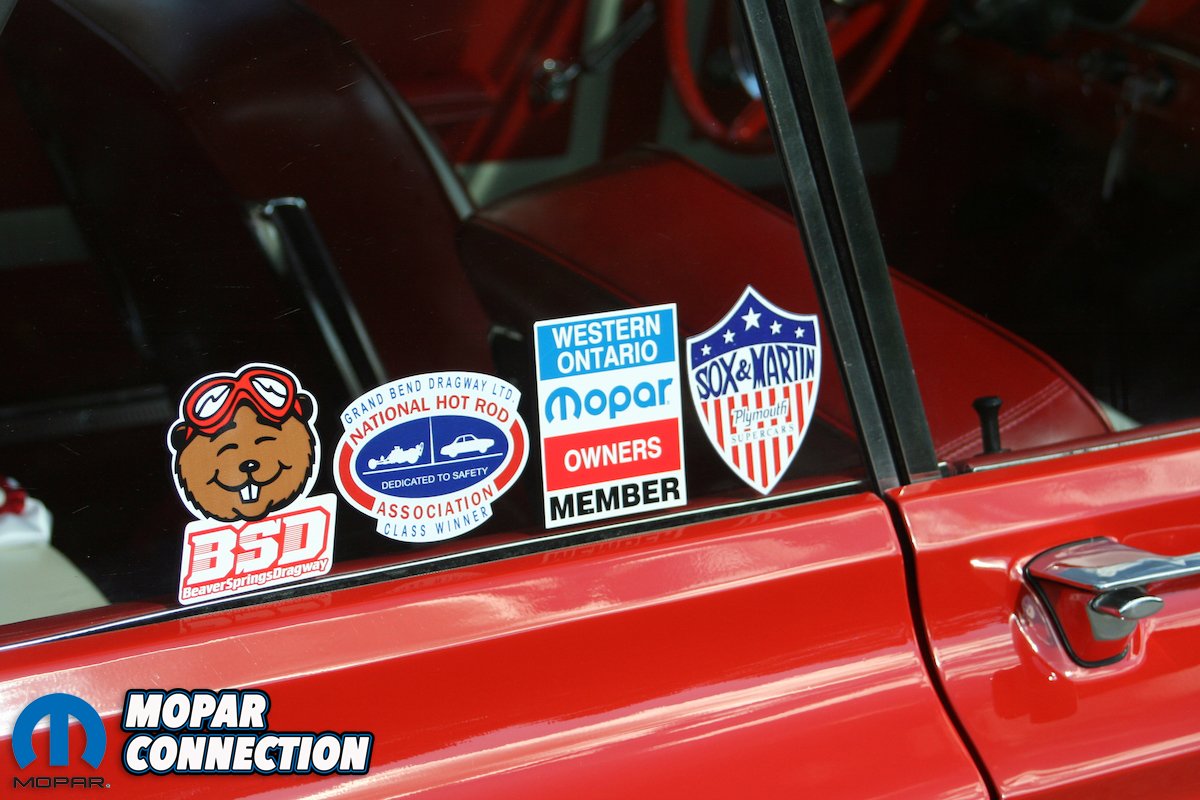
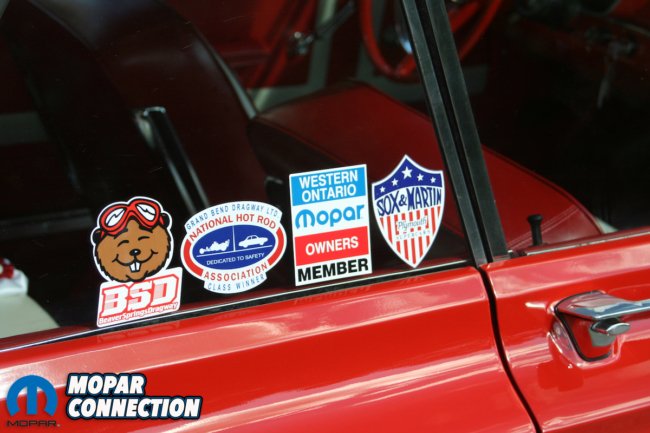
The improvements did not end there. Brian desired more stopping power for his Belvedere. He bought a front power disc brake conversion kit from Right Stuff. This kit included everything needed to upgrade the brakes from the old drums. All necessary hardware, including the disc, hubs, and spindles, are included. Brian’s work was completed by Dave Wheeler Automotive in Dutton, Ontario. In addition, Dave is the president of the Western Ontario Mopar Owners Car Club.
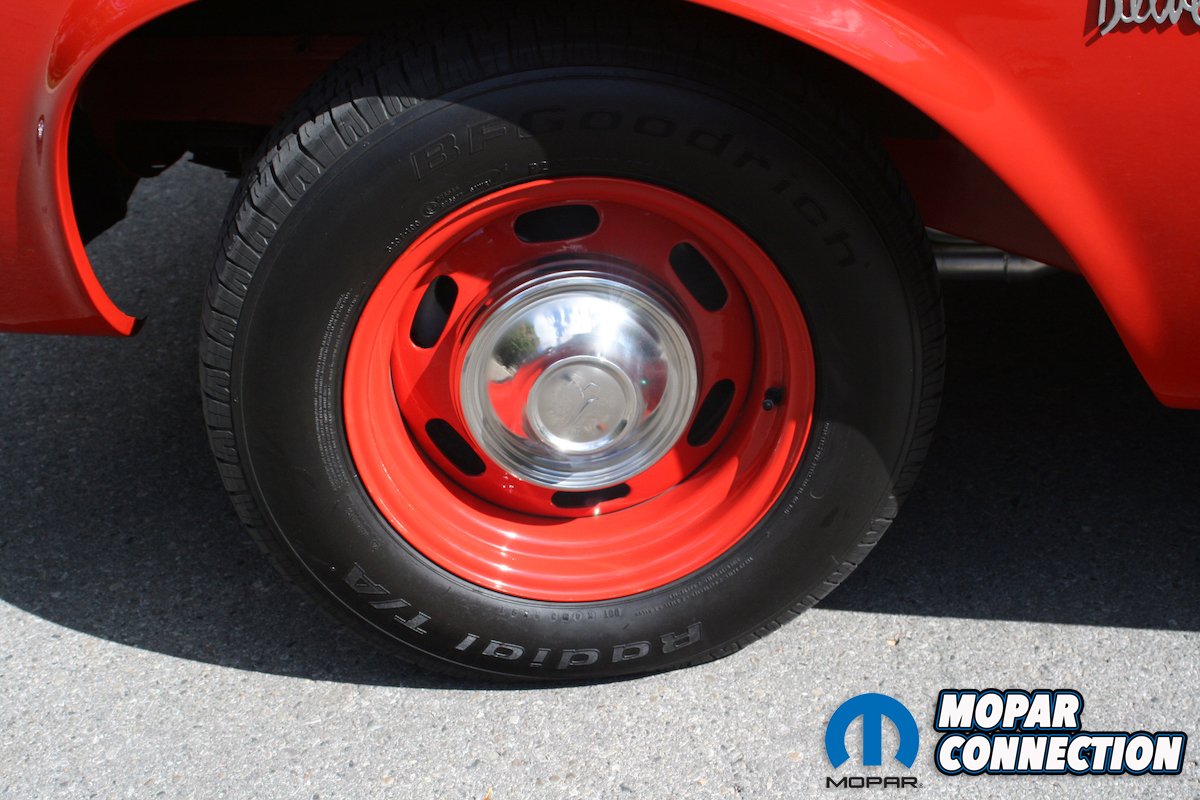
Brian’s car was outfitted with steel police rims. Because the rear axle was narrow, wider tires and rims could be used. This was fantastic because no tubing was required. Both front and rear rims are 15×7, with 215/70R15 tires on the front and 275/60R15 tires on the rear. All the tires are B.F. Goodrich Radial T/A, which helps in the handling department. The car has 1968 Plymouth Road Runner hubcaps.
None of this would’ve come together without the helping hands and heartfelt support along the way. Brian extends a big thank-you to the Western Ontario Mopar Owners Club and his longtime friends Dave Meharg and Dave Wheeler for their time, expertise, and enthusiasm throughout the build. He’s especially grateful to his wife Brenda, who stood by him through it all. As Brian puts it, “I’m so blessed to have a wife who supports my love for cars.”
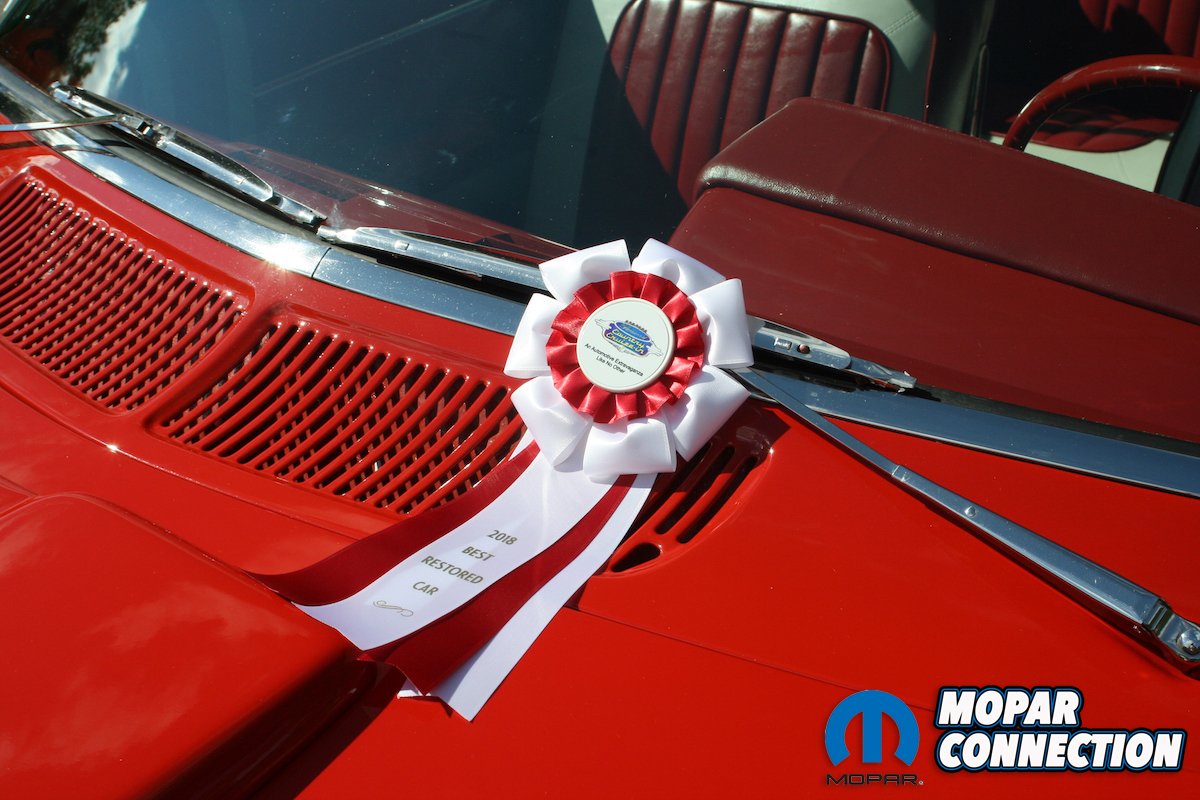
“Big Red” is no garage queen—it regularly appears at cruise nights and car shows, proudly flying the Mopar flag. In 2018, Brian’s effort was rewarded when the Belvedere won Best Restored Vehicle at the Fleetwood Country Cruise, one of North America’s largest car shows. It was a fitting honor for a true labor of love.