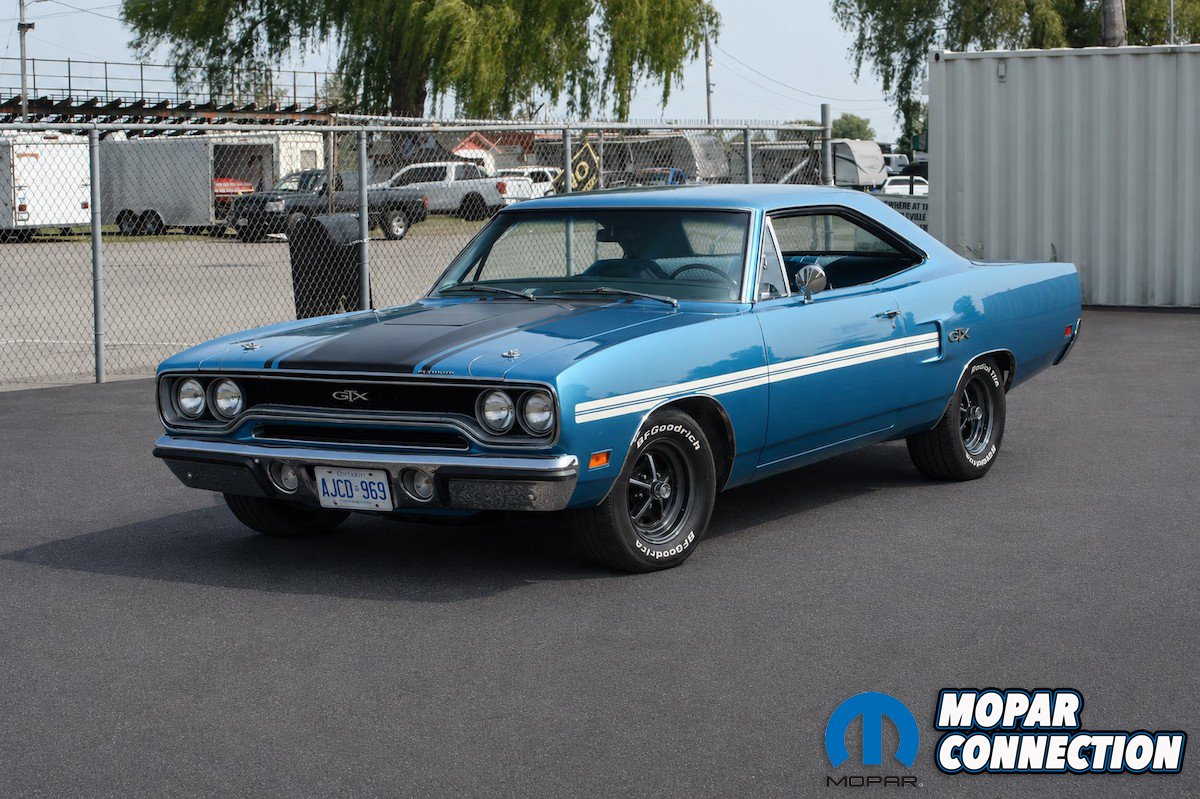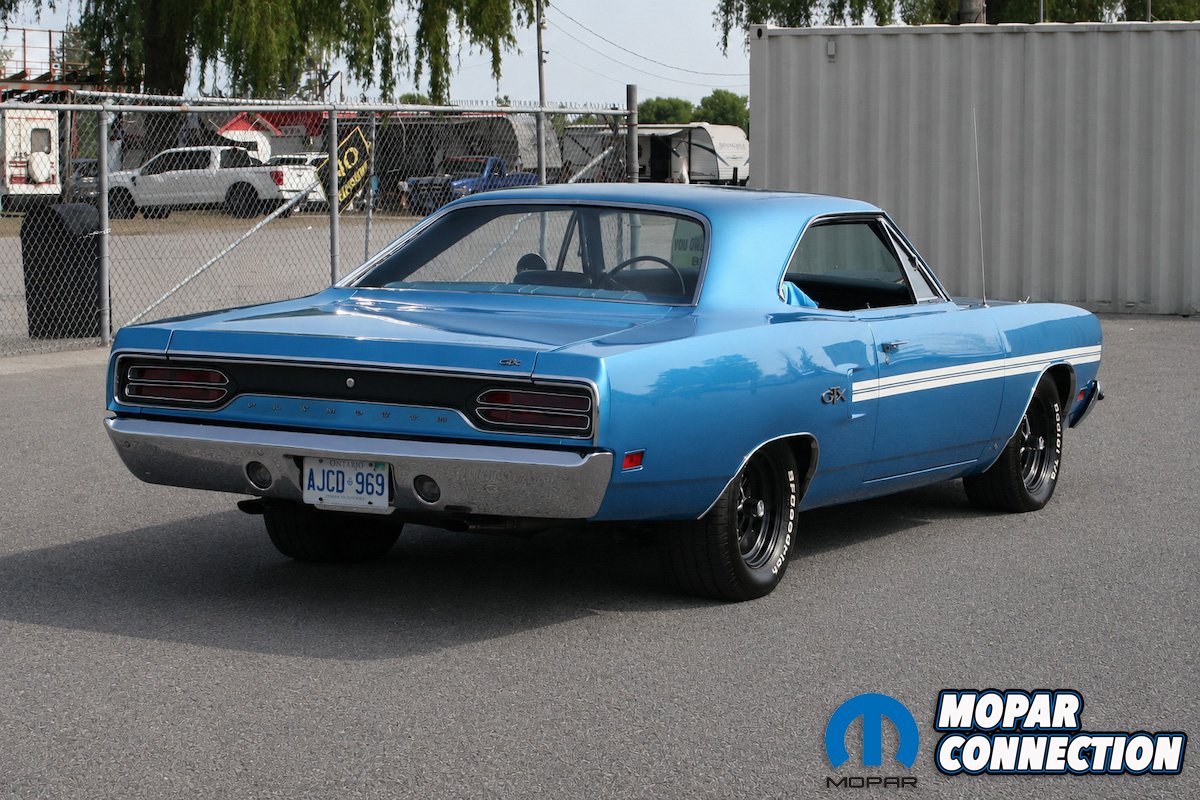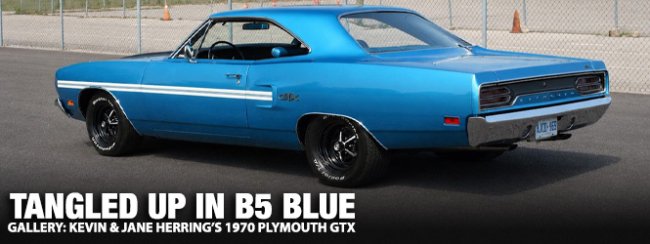
Kevin and Jane Herring’s 1970 Plymouth GTX is far more than a rare Mopar muscle car—it’s a testament to persistence, family passion, and years of hands-on restoration. The Herrings’ enthusiasm for automobiles, especially Mopars, runs deep; working on them isn’t just a pastime, it’s part of their family heritage. I first met Kevin and Jane during a lull in the racing action at the Mopar Day show at St. Thomas Dragway, where their shared excitement for the hobby was unmistakable.
Jane had mentioned that her husband had just completed the restoration of his car, therefore my curiosity was instantly sparked. The journalist in me knew there was a story waiting to be told—because behind every car, there’s always a story worth sharing.
Kevin’s connection to the GTX began with a tip from a former coworker who mentioned the car and where it was tucked away. Curious, Kevin headed to the storage facility. A worker there wished him luck, noting he was not the only one trying to track down the elusive owner. Undeterred, Kevin returned later and spoke with a different employee, this time managing to uncover the owner’s identity. Only then did he learn that several local Mopar enthusiasts had already tried, unsuccessfully, to buy the car.
Kevin tried to call Russ, the owner of the GTX, but had no success. After several attempts, he tracked down Russ’s father. “I told him how much I loved the car and that I was interested in fully restoring the GTX,” Kevin recalled. Russ’s father explained that his son was not interested in selling the Plymouth, but he agreed to pass along Kevin’s contact information. Most people would have given up at that point, but not Kevin.
Kevin stayed in touch with Russ’s father and struck up a genuine friendship. “I found him to be a remarkably interesting fellow,” Kevin said. Eventually, Russ’s father gave Kevin a specific date and time to call, explaining that Russ would be home for dinner and would take the call. When Russ came to the phone, Kevin again explained his plan for the car and stressed that the GTX needed to be saved before it deteriorated too far. Russ still insisted that the car was not for sale.
A few months later, Kevin called again and, by luck, reached Russ while he was once again having dinner with his father. This time, Kevin asked for permission to take a closer look at the GTX and was surprised when Russ agreed to meet him at the storage facility.
Kevin met with Russ and carefully reviewed the car from top to bottom, pointing out what needed repair and what could still be saved. His enthusiasm must have helped Russ warm to the idea of selling, because before long they had agreed on a price and set a date to pick up the car.
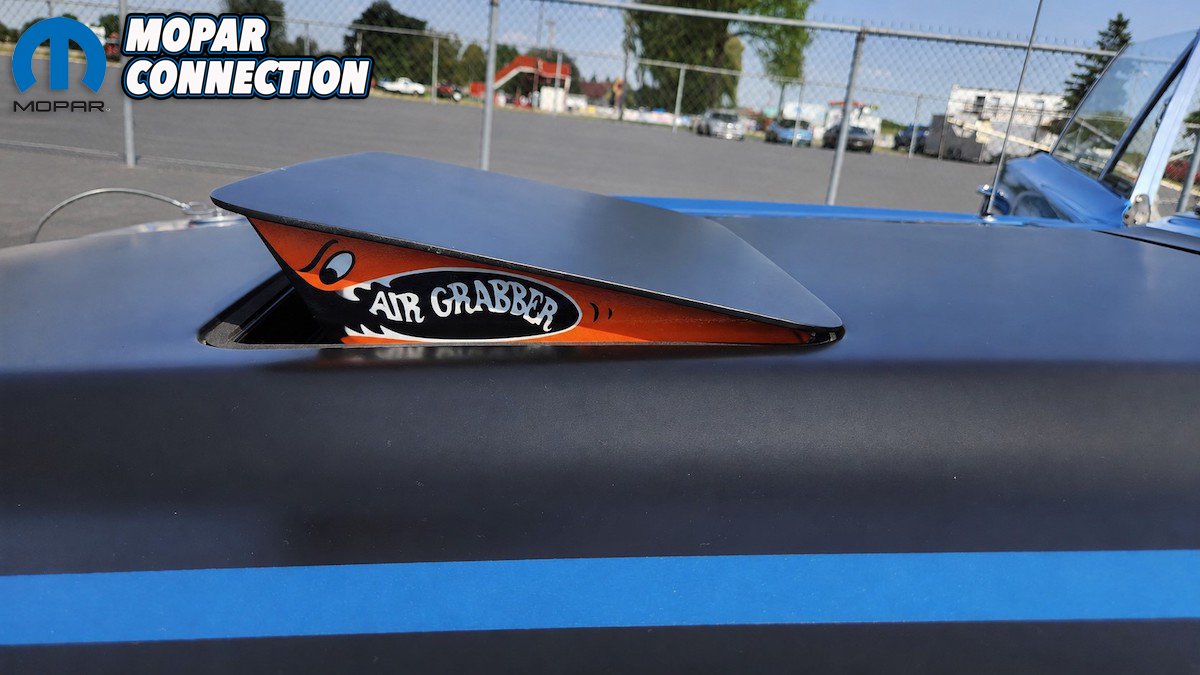
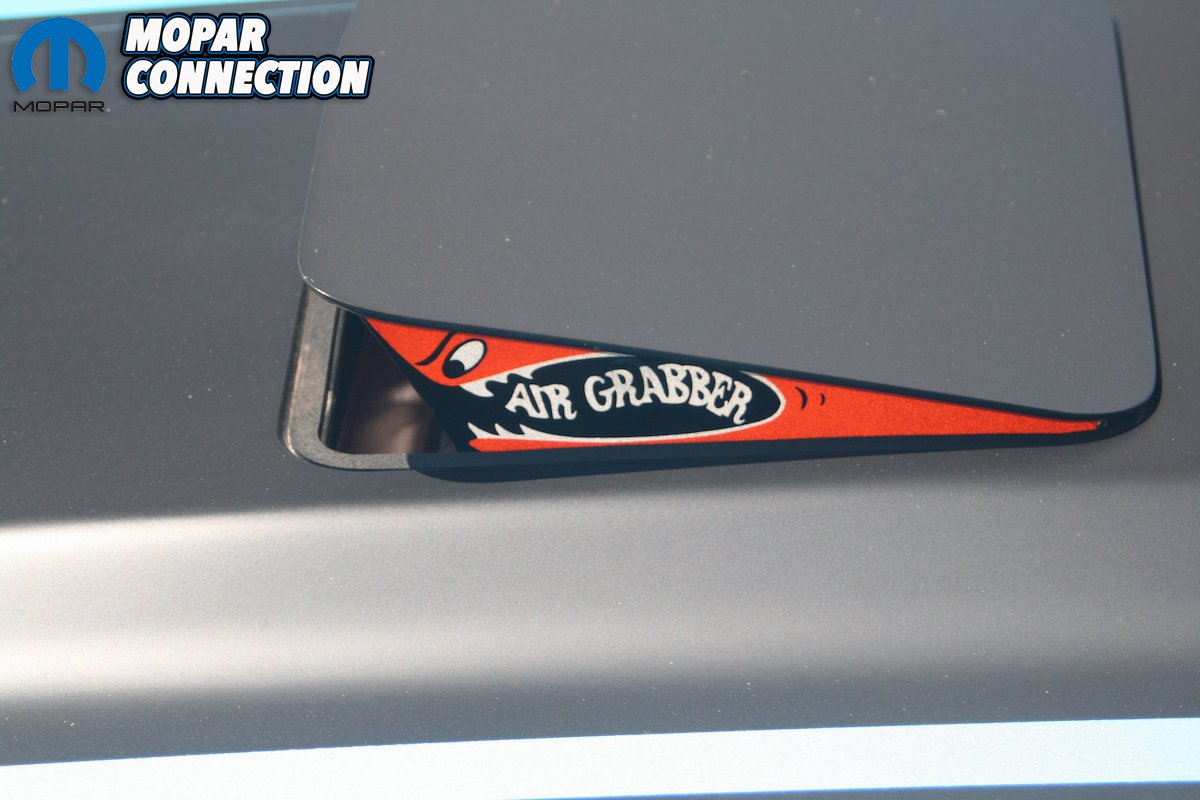
The GTX was discovered with two perfectly intact broadcast sheets, the build sheets that traveled with a vehicle on the assembly line. The engine, transmission, tags, and Dana rear axle are all numbers matching. Much of the paint was original, and the hood stripe remained intact. All Air Grabber components, including the hoses, were original as well. Aside from a different ignition, the car remained remarkably original.
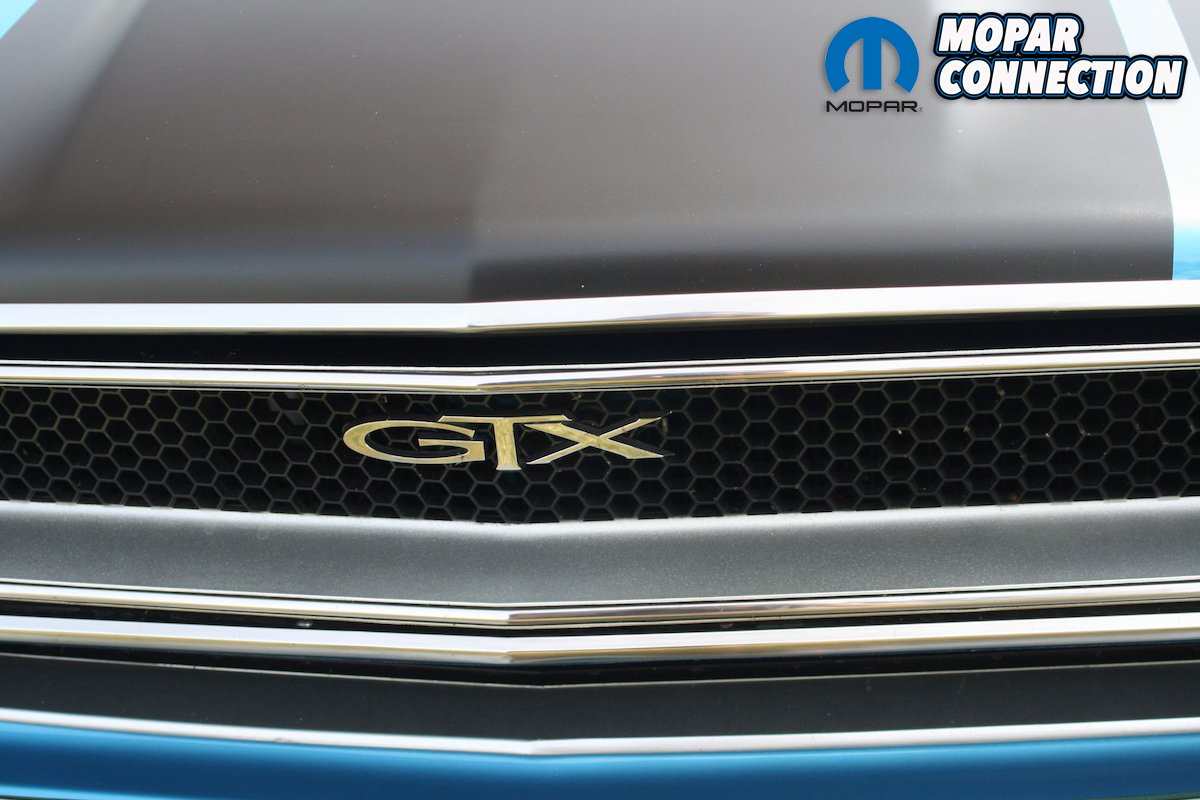
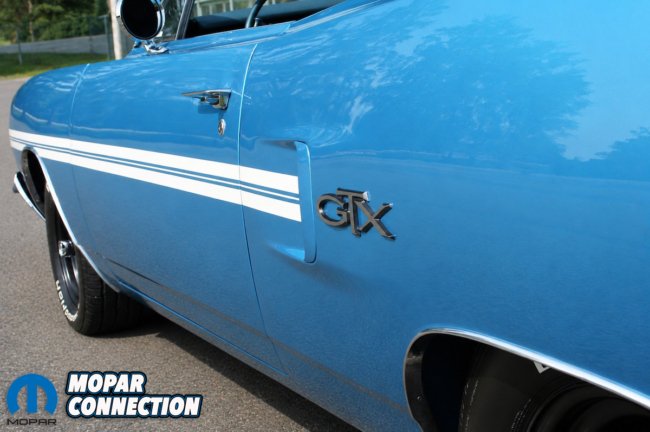
It is common to refer to the Plymouth GTX as a gentleman’s muscle car. One misconception is that the GTX and Plymouth Road Runner were merely two different trim levels. The 1970 Road Runner was based on the Belvedere, while the GTX was based on the Sport Satellite, a car with a slightly different grille and taillight design and a higher trim level. Because the Road Runner was more basic and performance-oriented, it was less expensive. The GTX, however, offered more comfort and convenience features.
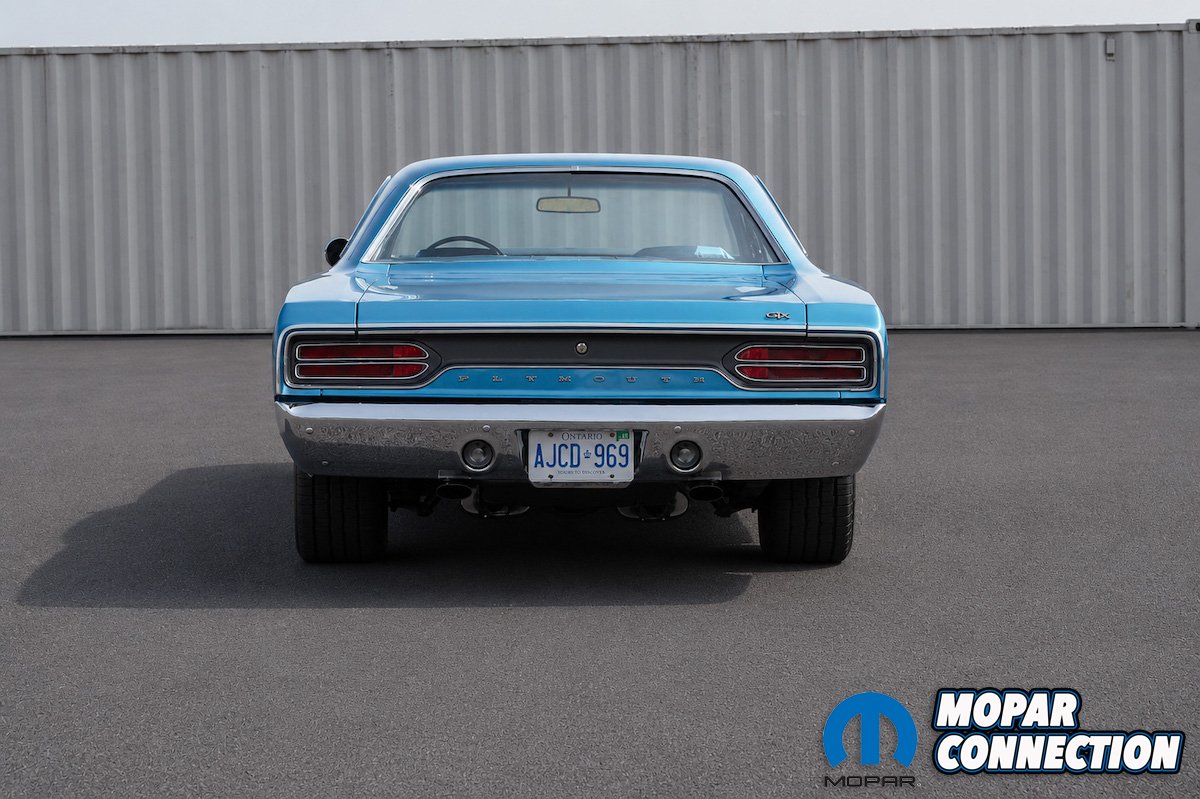
This GTX was built at the Lynch Road assembly plant in Detroit, Michigan, on August 23, 1970. Plymouth produced 7,748 GTXs in 1970. This car came with a 440-cubic-inch engine, a four-barrel carburetor, and an A-833 four-speed transmission, making it one of 1,471 so equipped. If it had been ordered with the 440 Six Barrel, it would have been one of only 350 built.
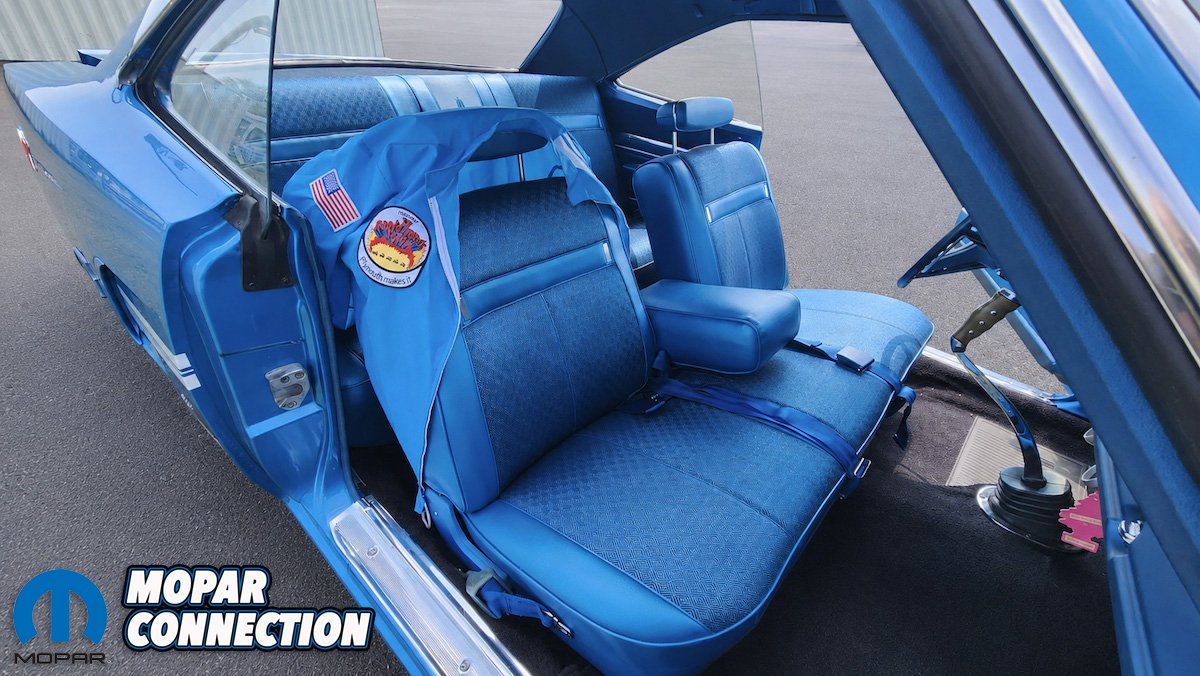
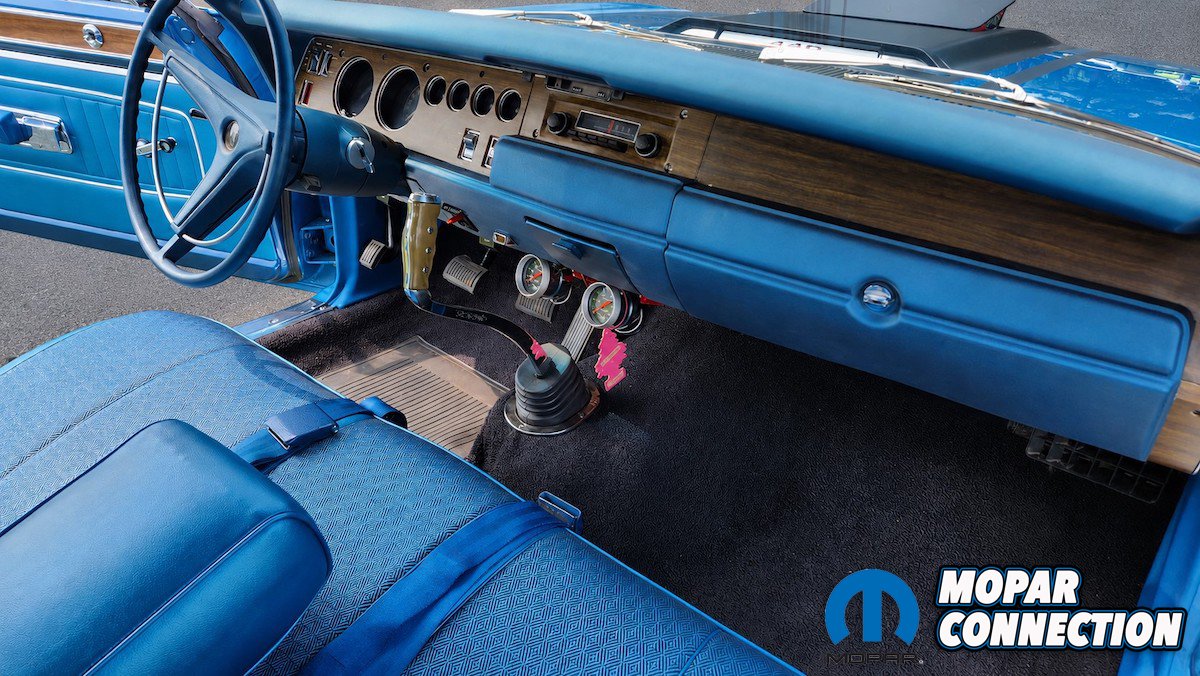
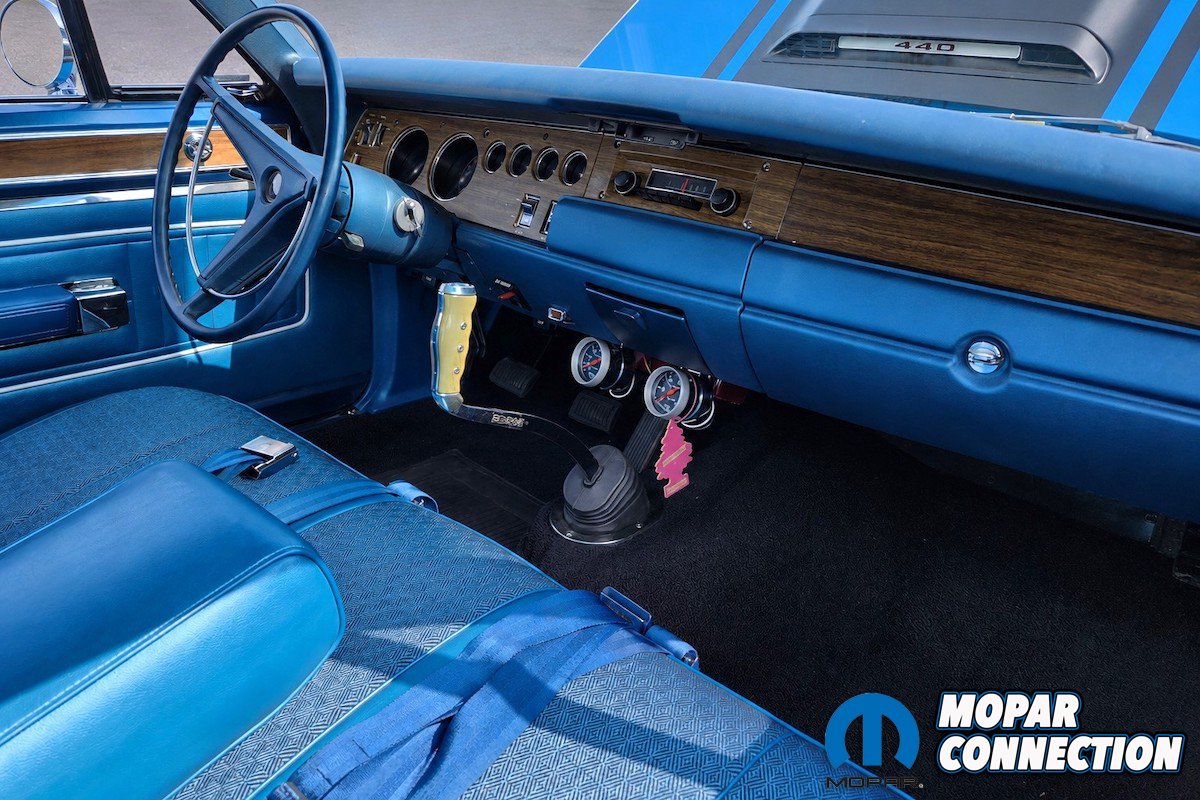
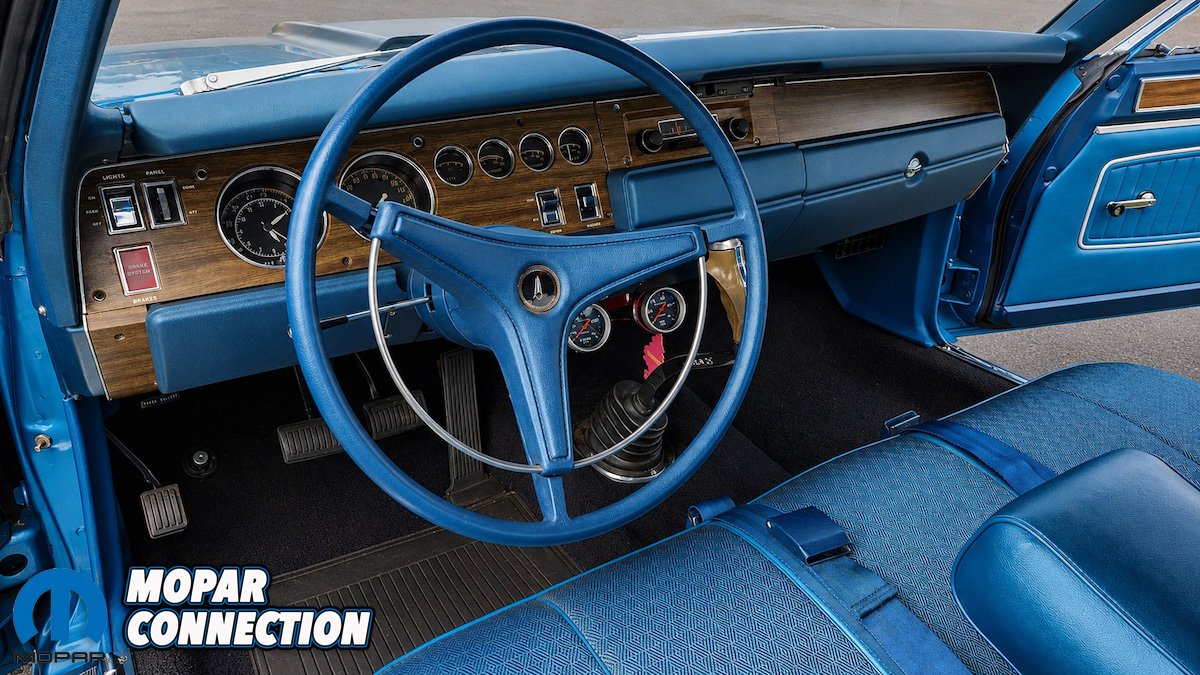
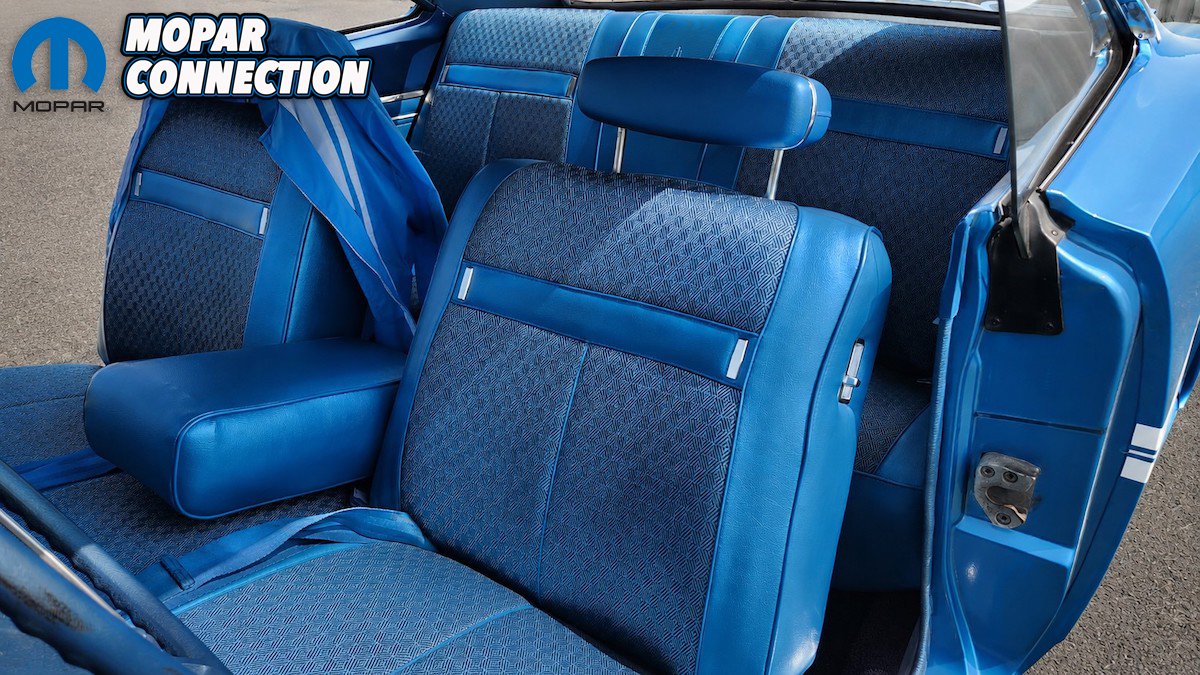
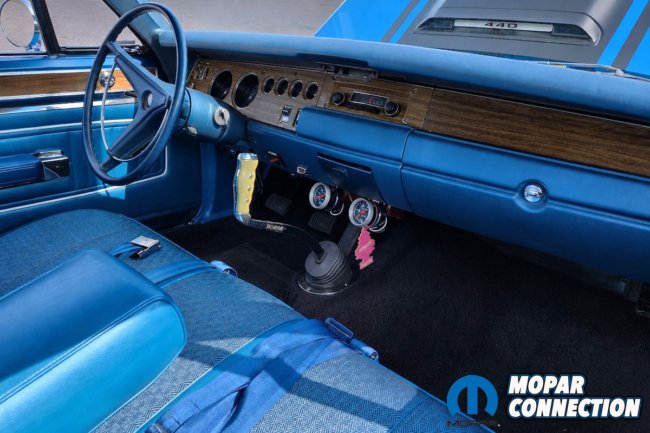
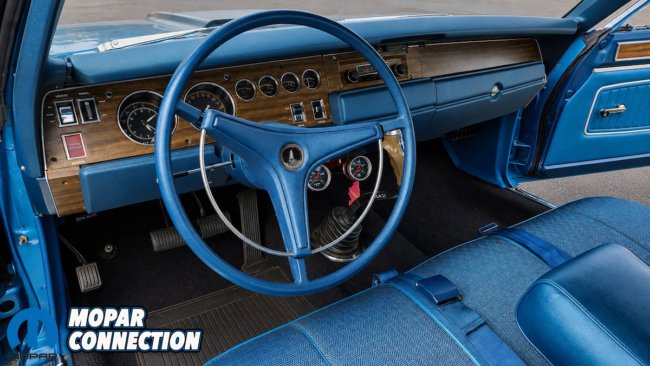
Some of the car’s features include the rare bench seat, armrest, and Hurst Pistol Grip shifter. The N96 “Air Grabber” hood was an option for all 440 models. The GTX also has a “tic-toc-tach,” a tachometer with a clock in the center, along with analog gauges for water temperature, fuel, oil pressure, and voltage. It was a low-option car with standard drum brakes on all four corners, manual steering, a 26-inch radiator, and heavy-duty suspension.
As soon as the car arrived home, Kevin began acquiring the parts needed to return it to its former glory. For the next several years, he made regular trips to Mopar swap meets and shows in Columbus, Carlisle, and Michigan, searching for the right components.
Kevin could see the potential in the car because he had already imagined what it once was. Having completed a full rotisserie restoration before, he was ready to take on another challenge. Piece by piece, he replaced components that were beyond saving and spent countless hours welding, fitting, repairing, and restoring every detail himself. The GTX received new floors, frame rails, rear clip, and rear quarters—each step bringing it closer to the vision he had carried in his mind from the start.
The restoration nearly came to a halt in 2011 when Kevin was diagnosed with a brain tumor about the size of a tangerine. Thankfully, it was not cancerous, but two surgeries and almost a year of recovery delayed the GTX’s completion. “My health did not stop me,” Kevin said. He kept working at a slower pace and eventually had the car ready for painting. Working on the Plymouth has likely become a form of therapy during a difficult time.
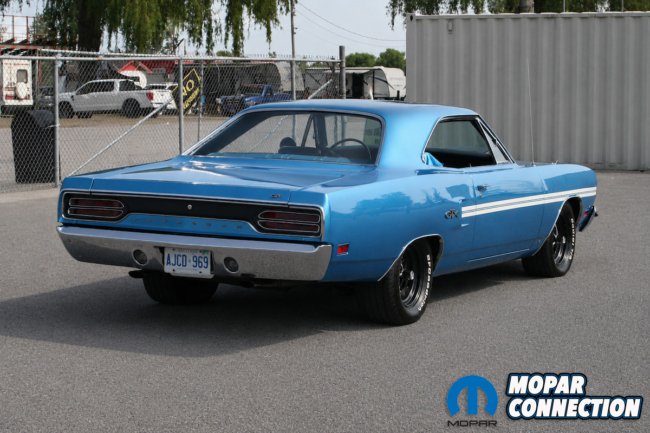
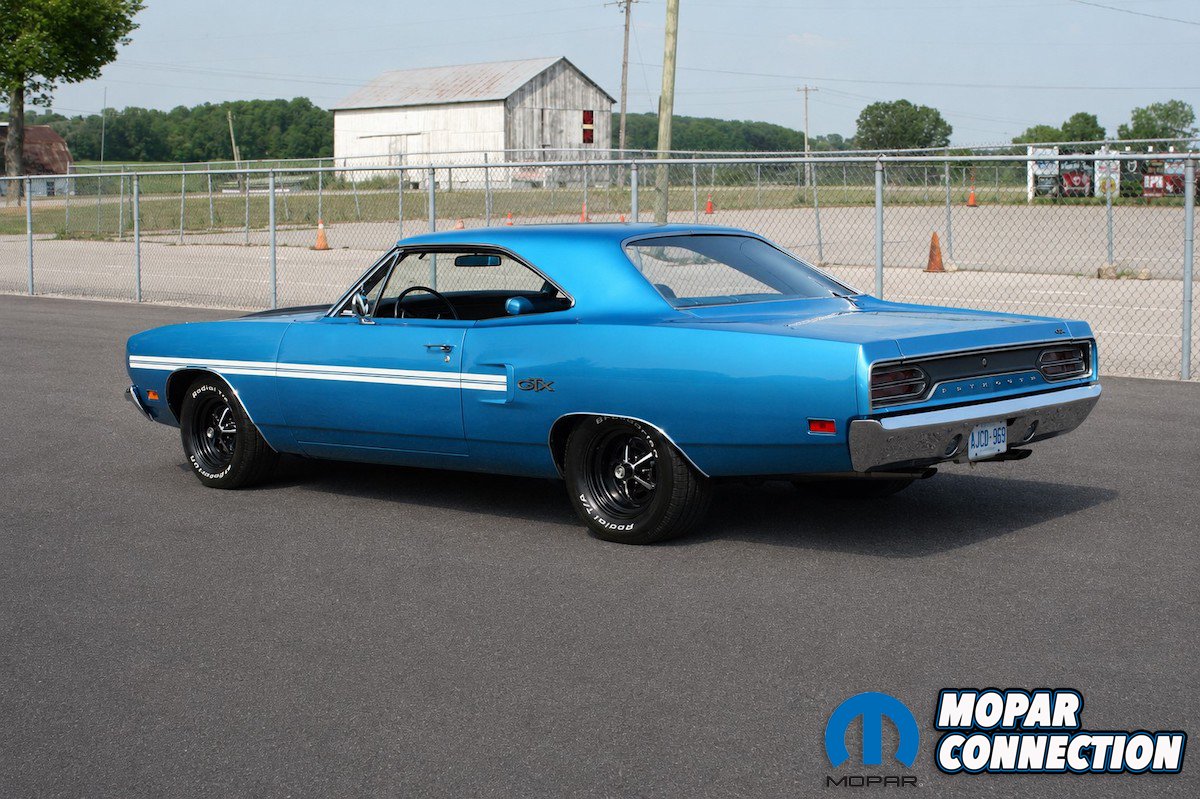
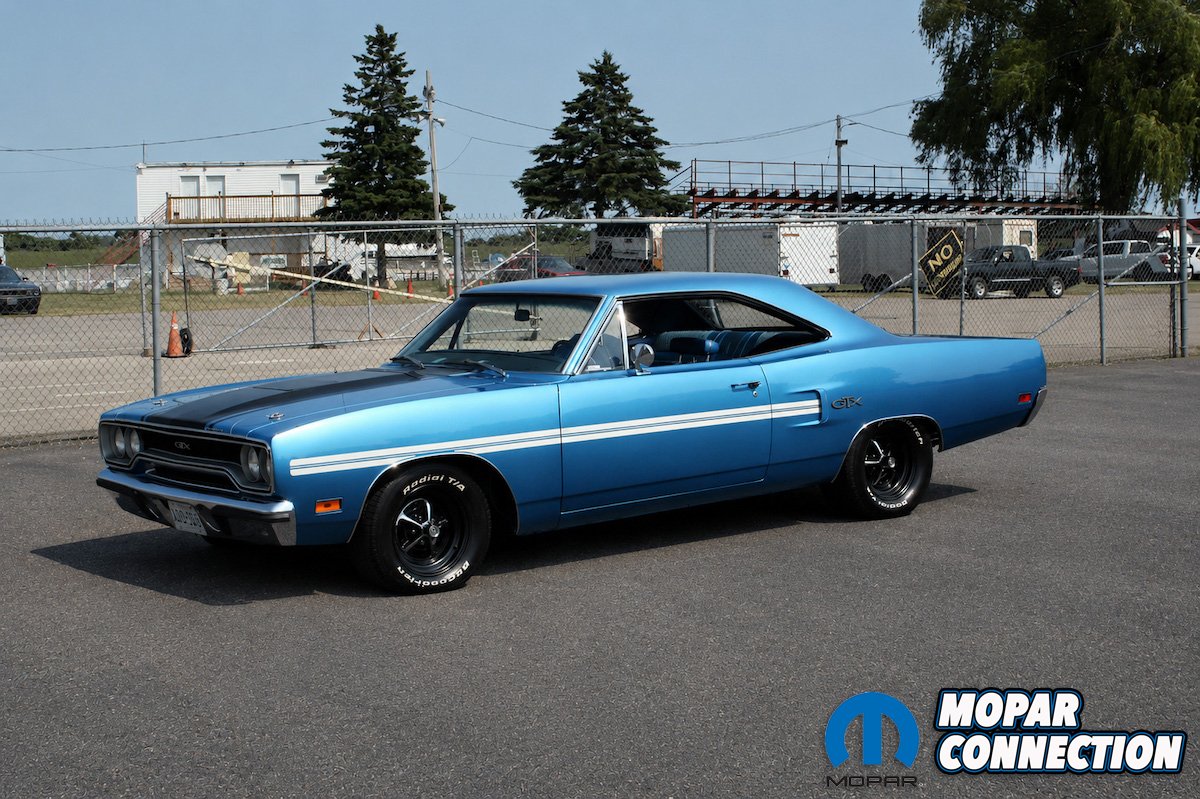
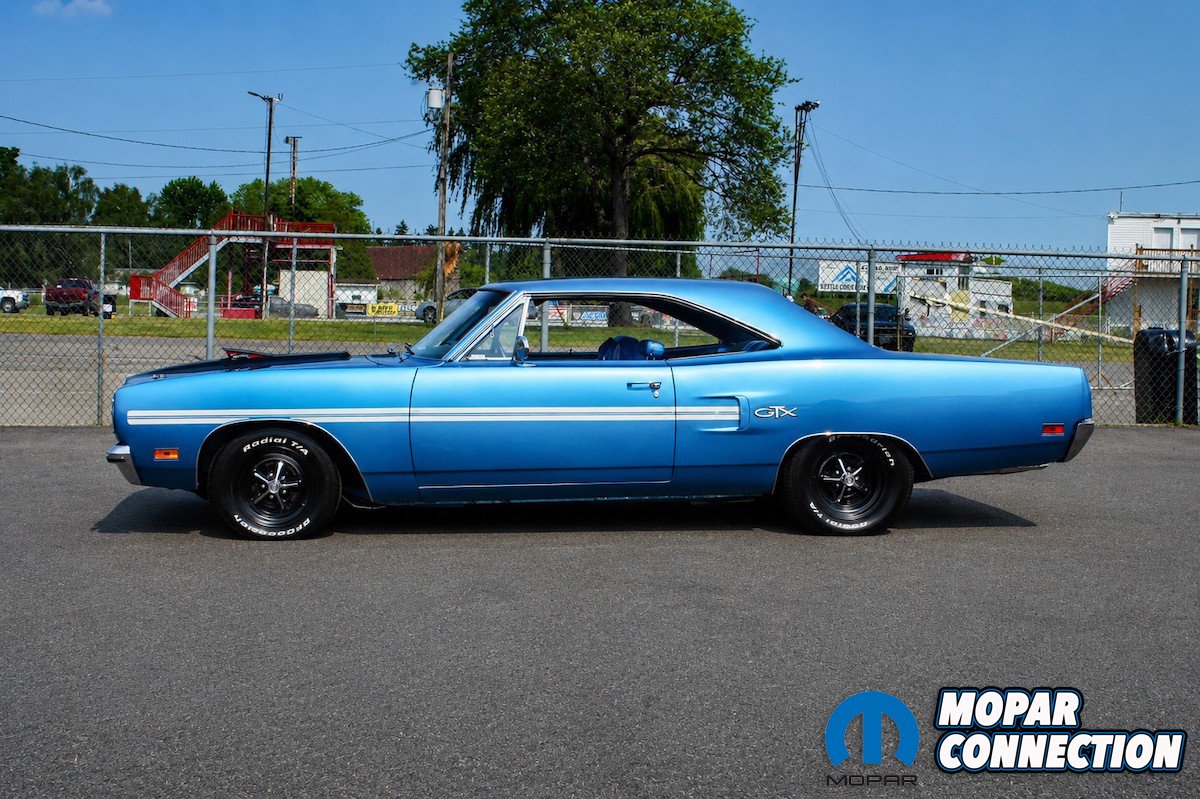
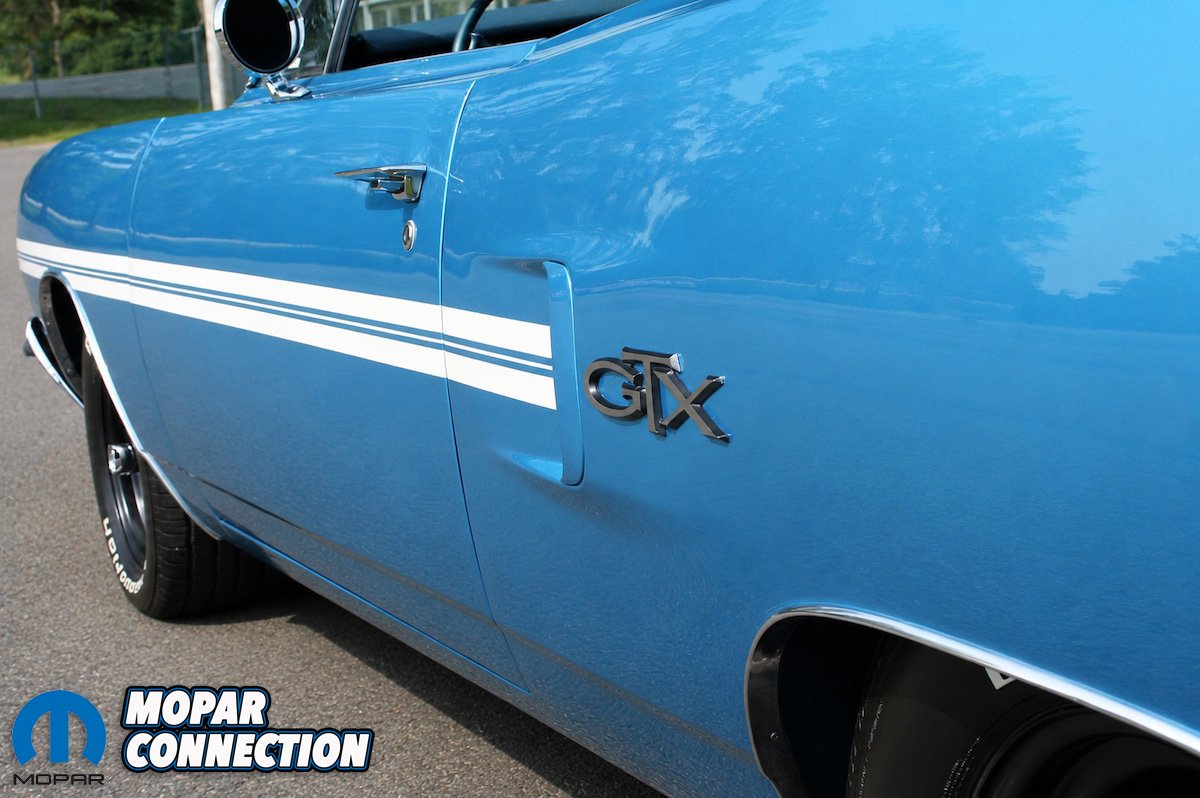
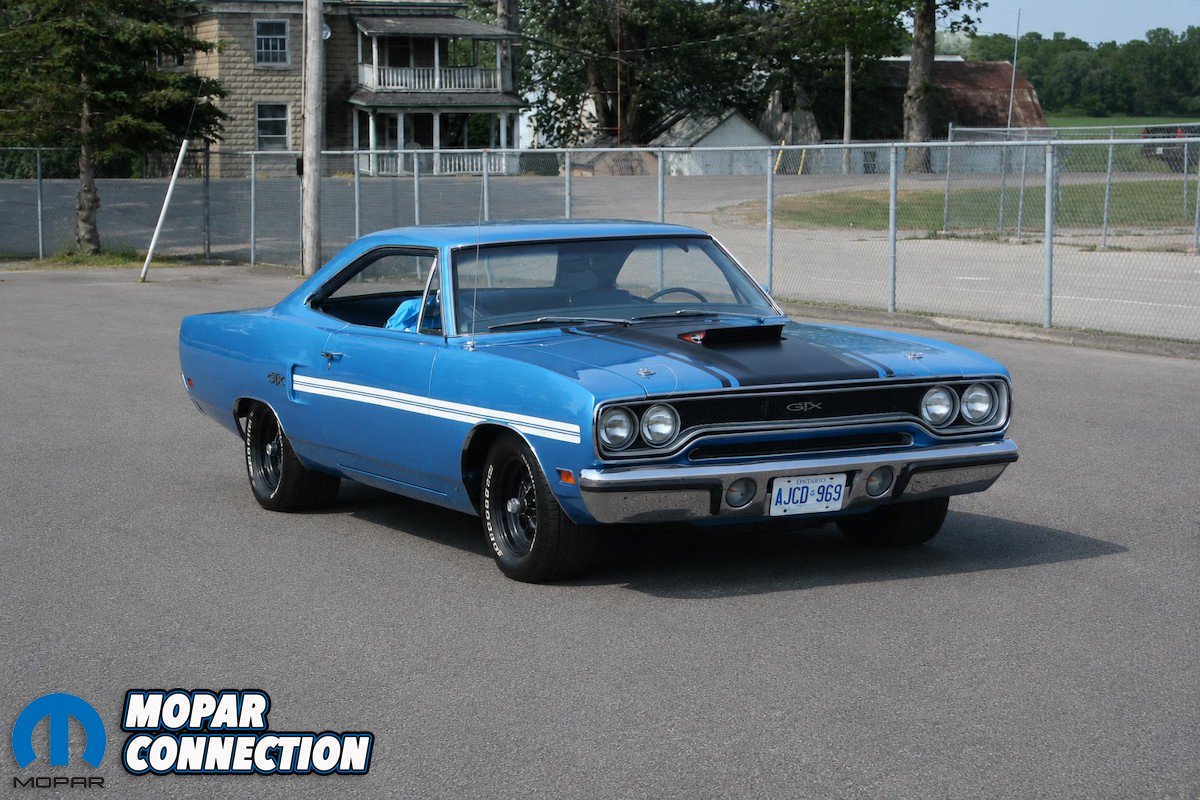
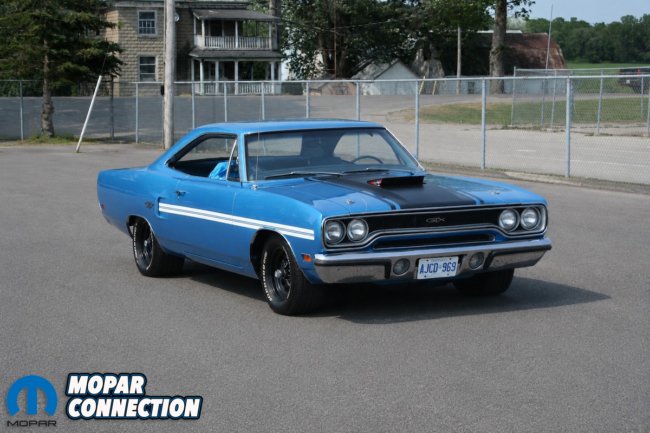
After three painters committed to the job but backed out at the last minute, the bodywork became a long waiting game—nearly five years passed before the GTX finally received its paint. Kevin eventually found a body shop in Brantford, Ontario, that handled the primer and laid down the stunning B5 Blue, known to Mopar fans as Bright Blue Metallic.

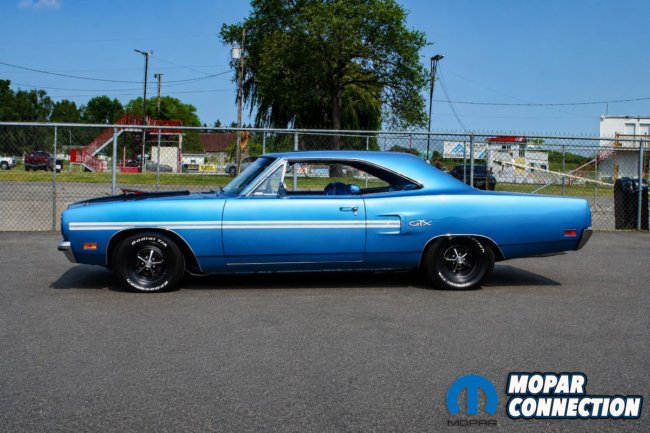
Ellis Auto Body completed the final body prep, and Danny Velletta expertly applied the flawless finish you see today. The crisp white side stripes and blacked-out hood treatment perfectly accent the vivid blue, giving the car its unmistakable, show-stopping presence.
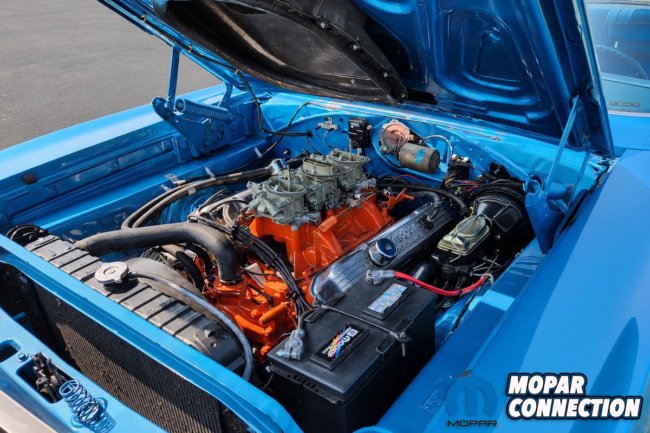
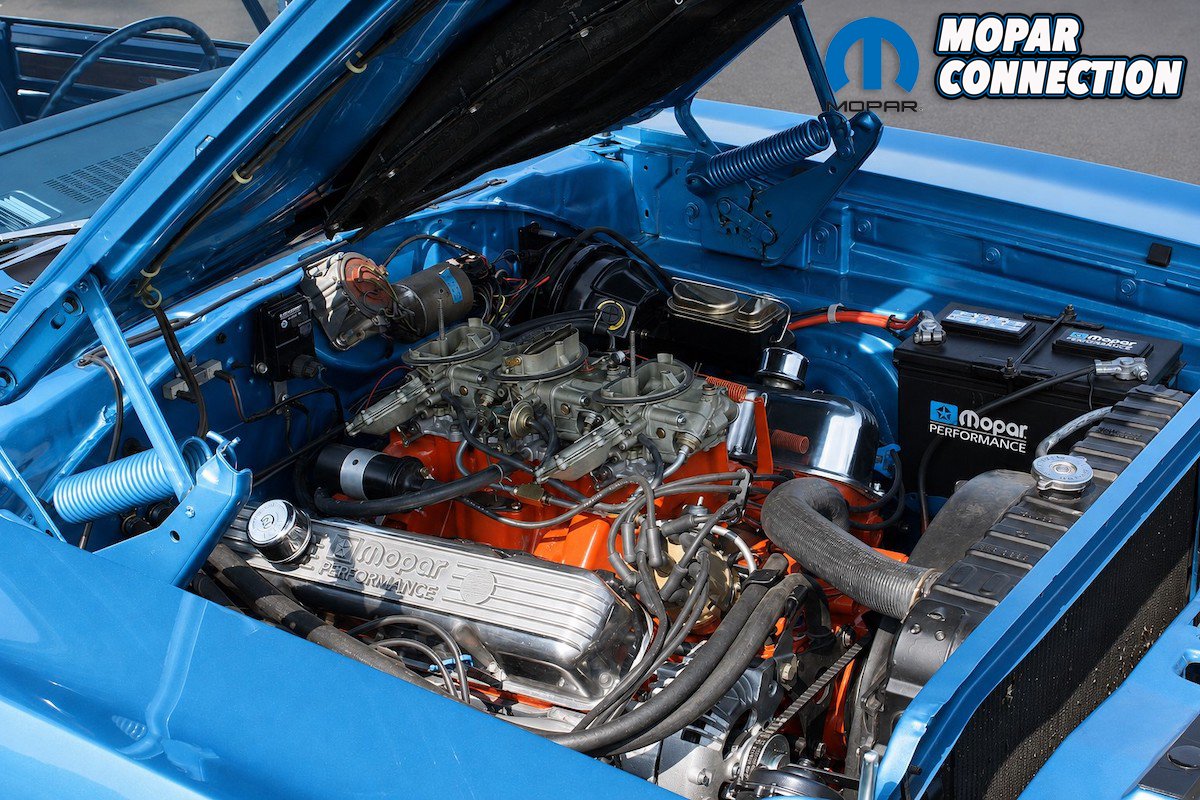
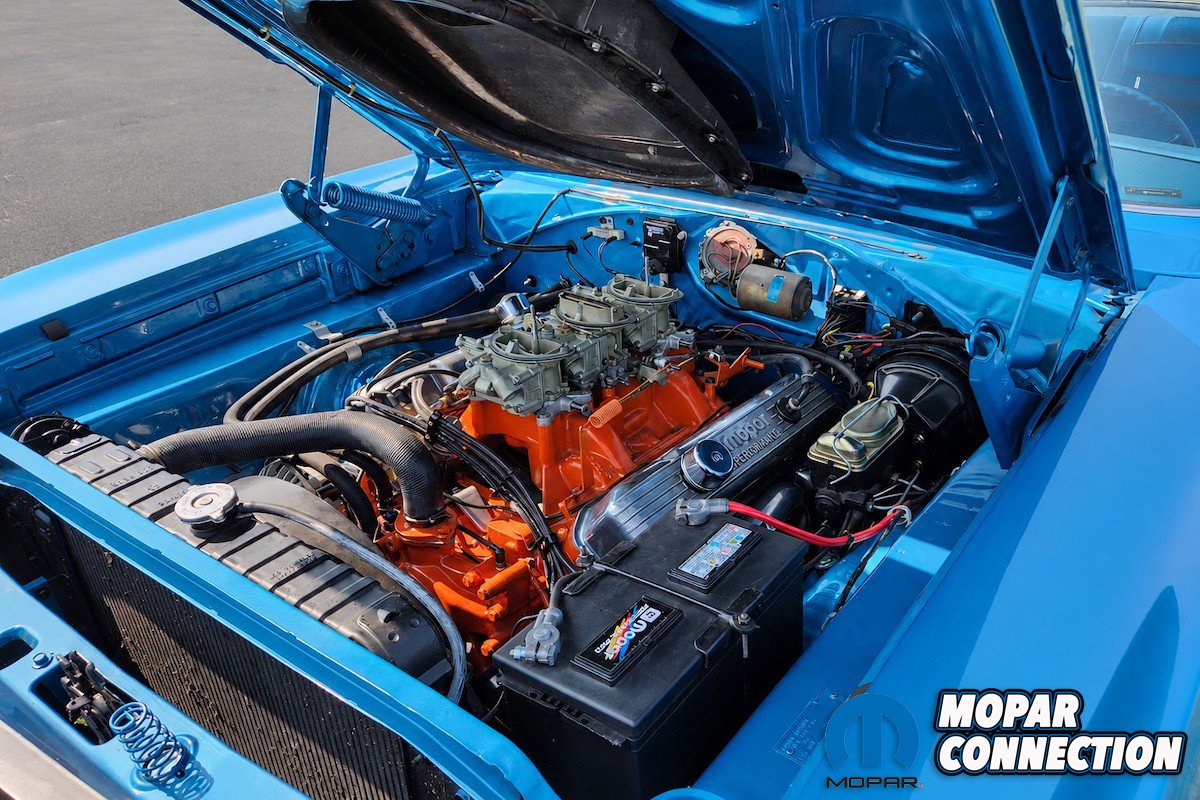
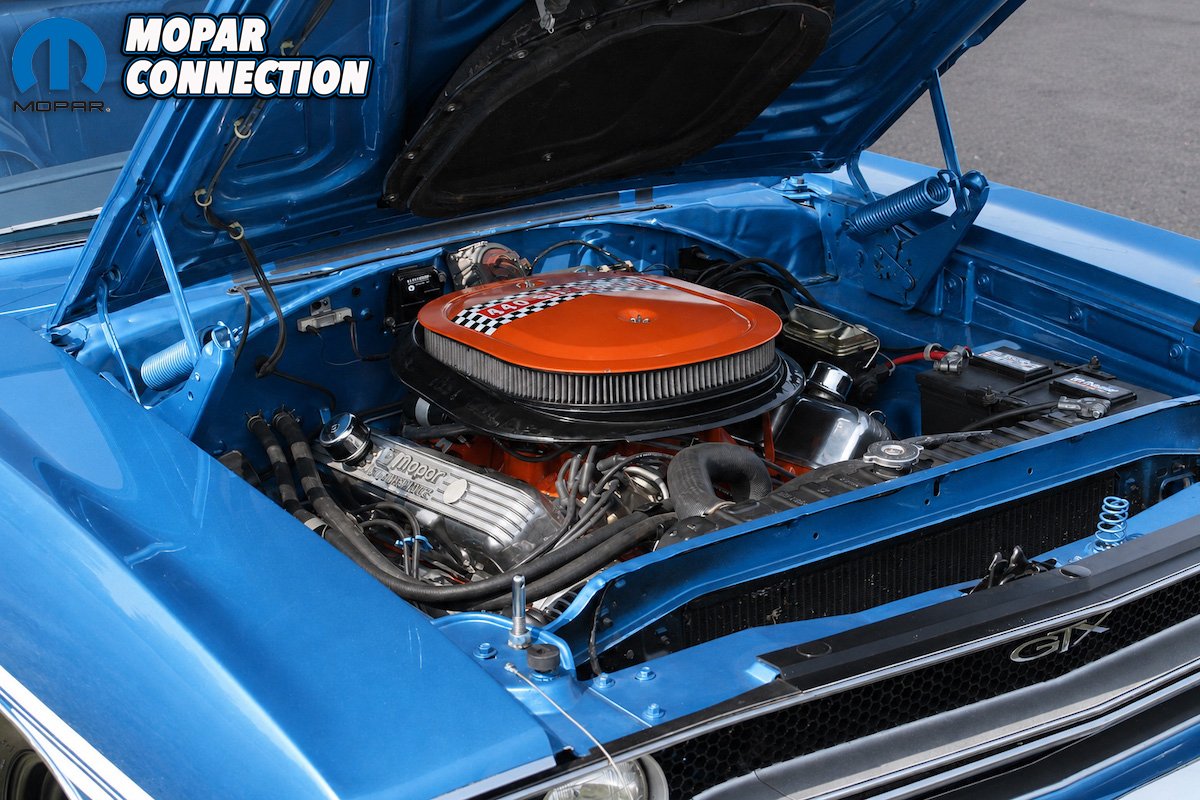
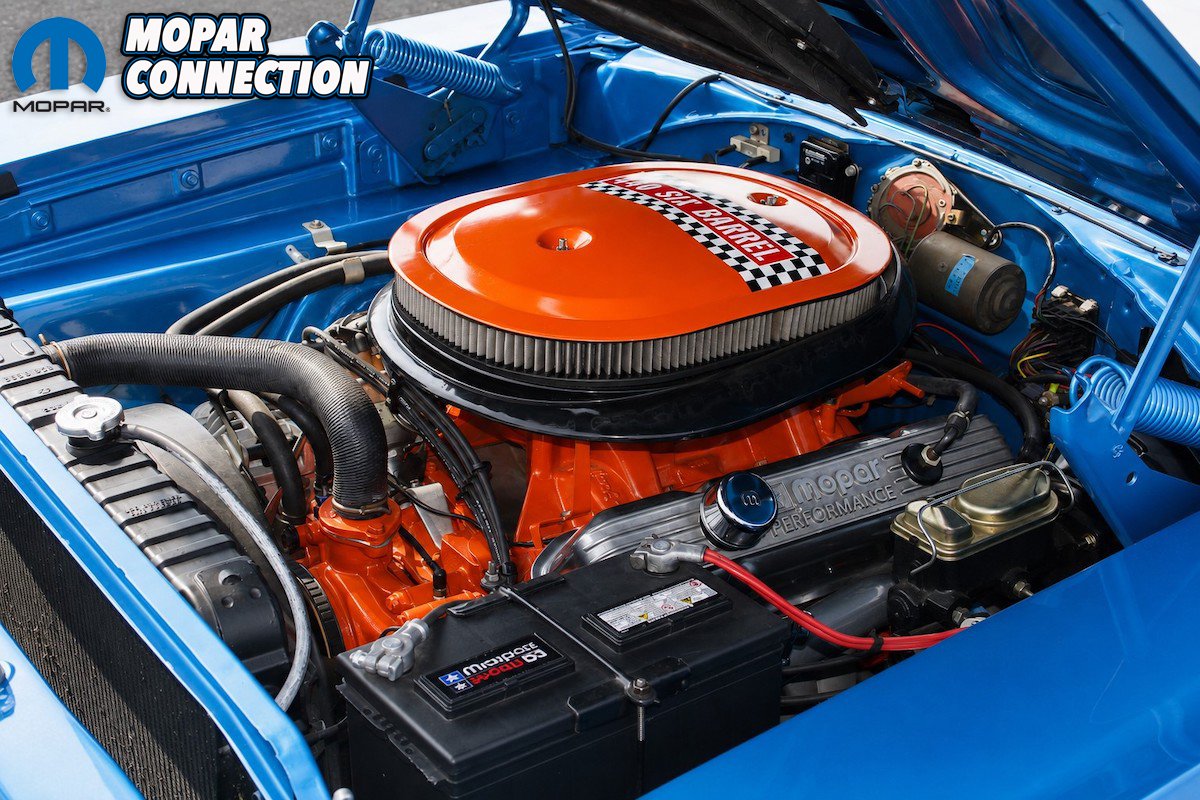
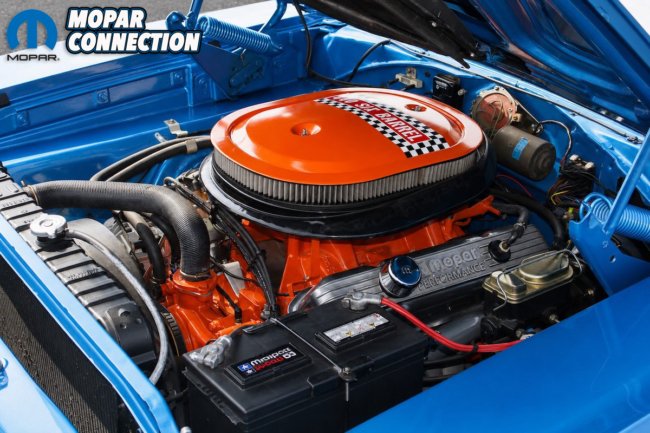
The next major task was rebuilding the engine. Rapid Ralph of Rapid Enterprise took on the job, giving the 440 a full refresh that included a Comp Cams hydraulic roller cam and 440 Source Stealth heads. Under the hood, Mopar Performance cast-aluminum valve covers add a touch of refinement, while Doug’s headers feed a deep-sounding dual exhaust system.
Since Kevin already owned a Holley six-barrel carburetor and matching intake, he installed them—transforming the GTX into an absolute pleasure to drive. The setup can easily be returned to stock if desired, preserving originality. Power is delivered through a heavy-duty A-833 four-speed transmission with an 18-spline input shaft, and as expected, floor-shift cars came equipped with the iconic Hurst Pistol Grip shifter.
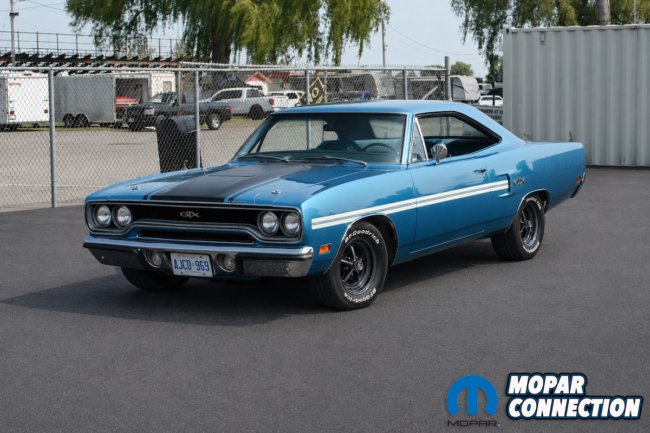
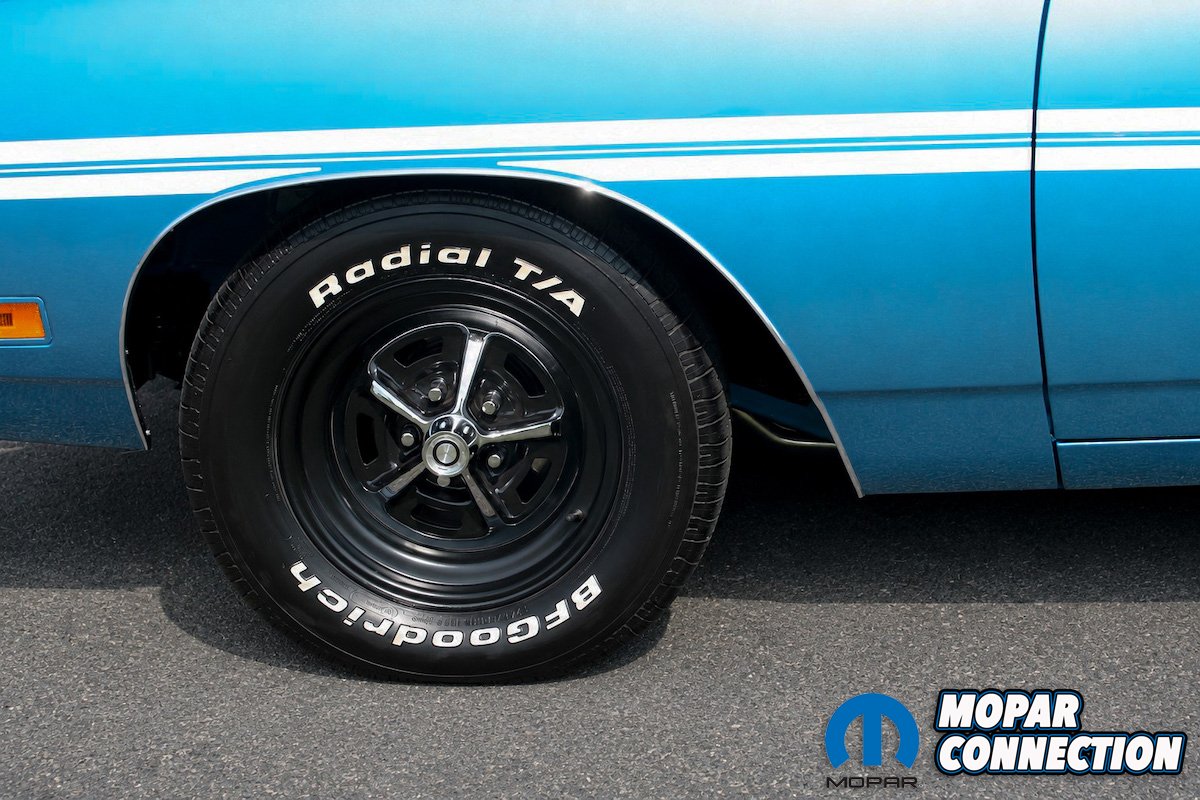
Power from the engine and transmission is delivered to a Dana 60 rear end equipped with a 3.54 gear ratio. The GTX rides on BFGoodrich Radial T/A tires—245/60R15 up front and 275/60R15 in the rear—mounted on factory-correct Magnum Road Wheels. Kevin treated the chassis with the same meticulous care he gave the rest of the car, inspecting and refining every square inch. His dedication and precision are evident throughout the restoration, from the undercarriage to the gleaming bodywork.
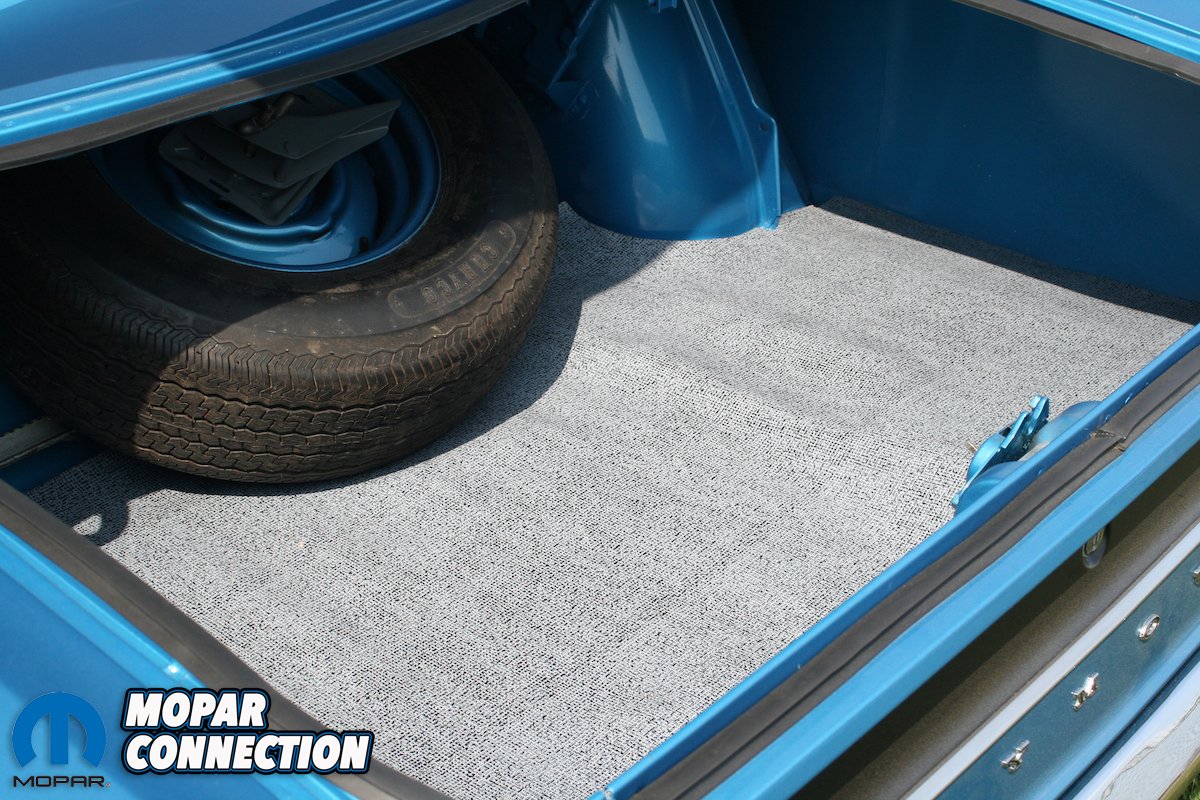
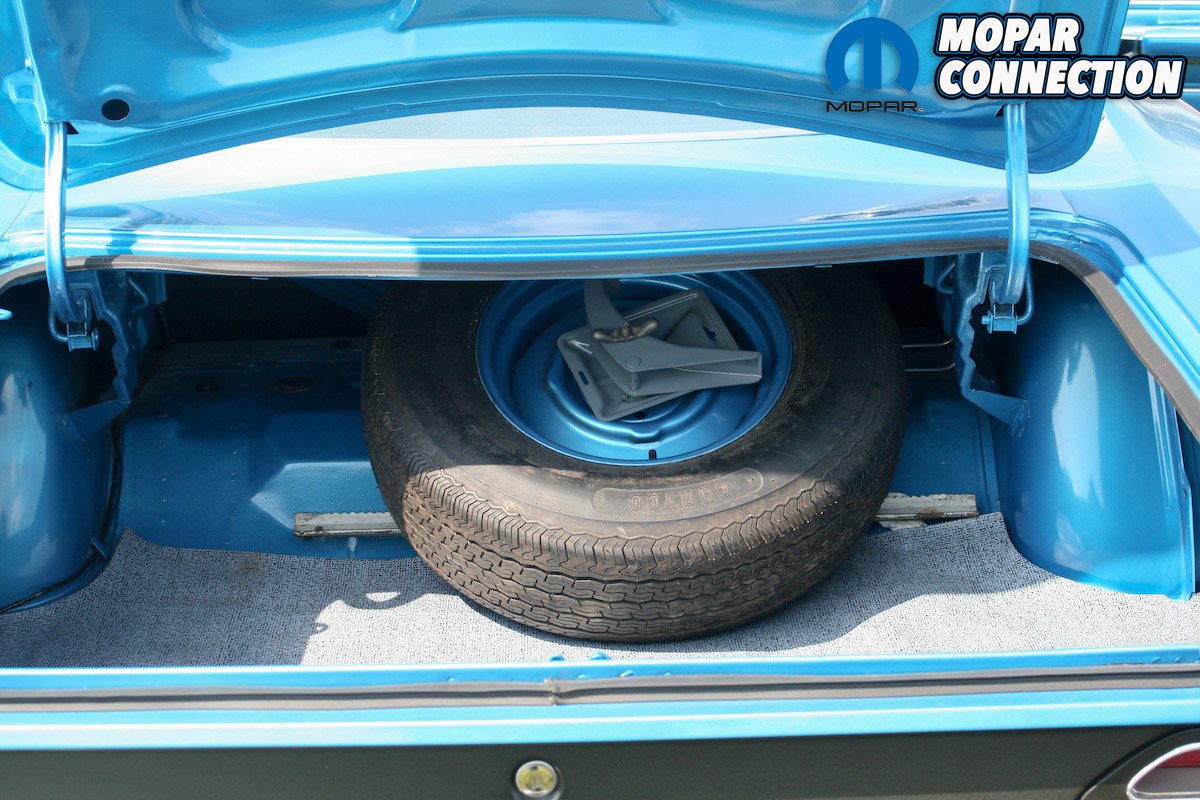
Kevin tackled the interior himself after ordering a new kit from Legendary Interiors. The fresh headliner, carpet, and seat upholstery make the cabin every bit as striking as the exterior, with each trim piece receiving the same meticulous attention to detail. His craftsmanship and passion for restoration shine through in every corner of the car. Having owned the GTX since 2004, Kevin finally brought his vision to completion in 2020—a true labor of love realized.