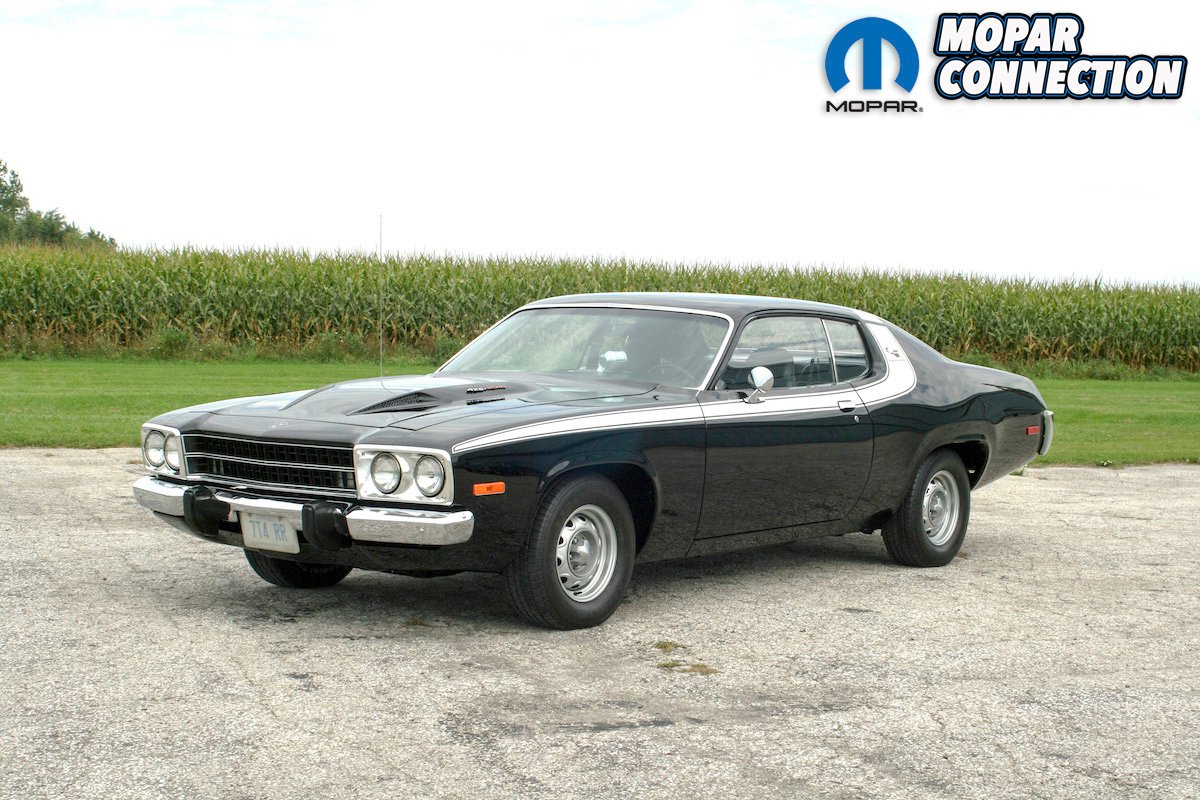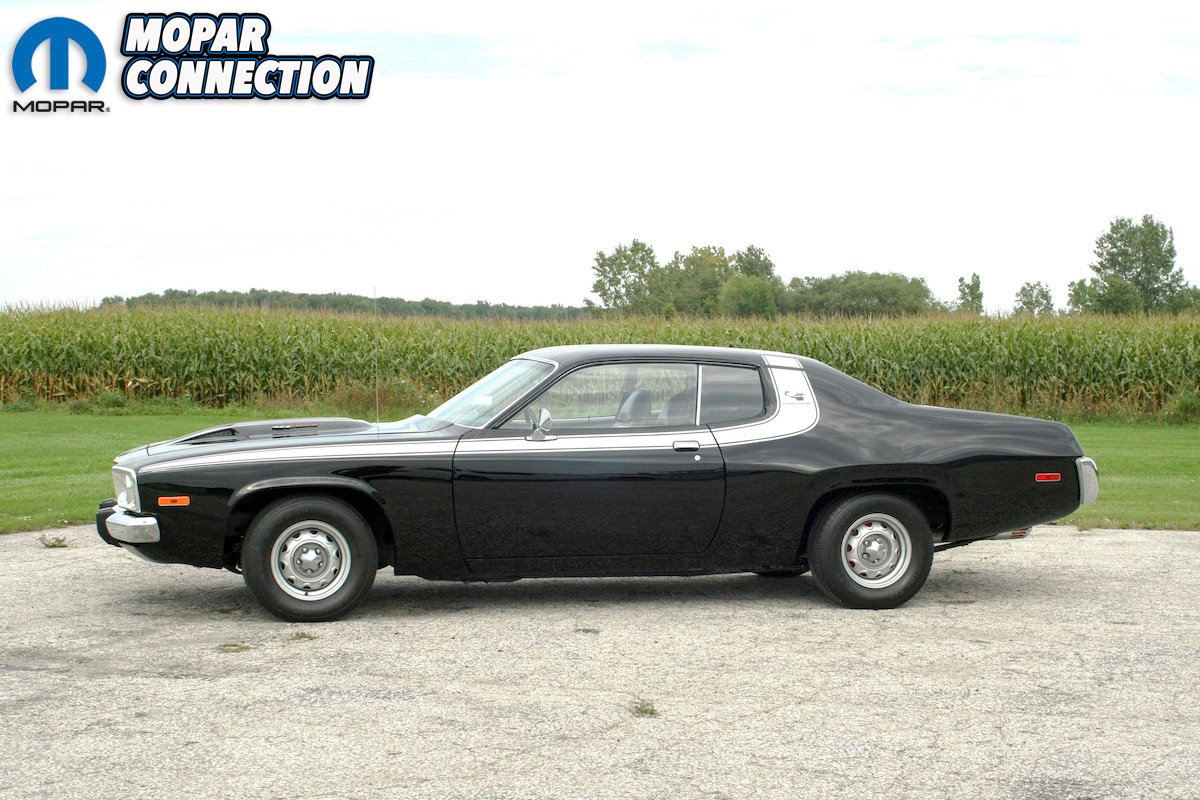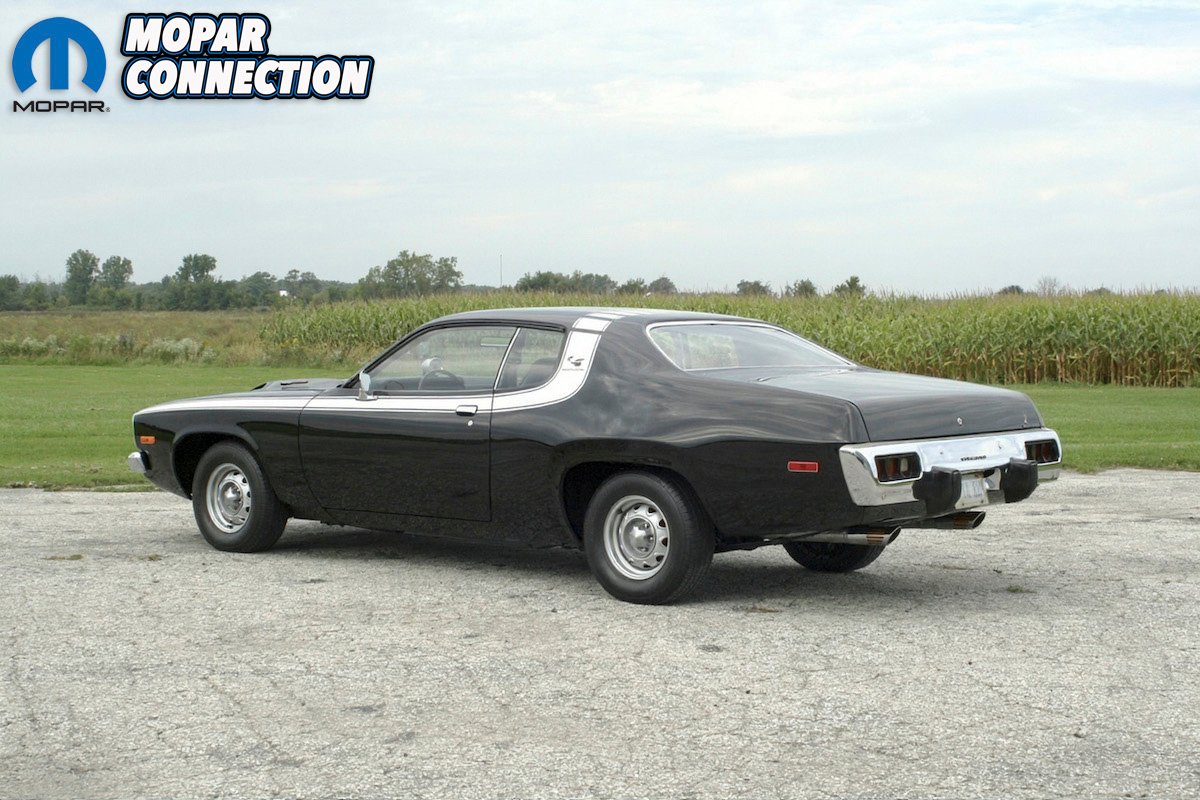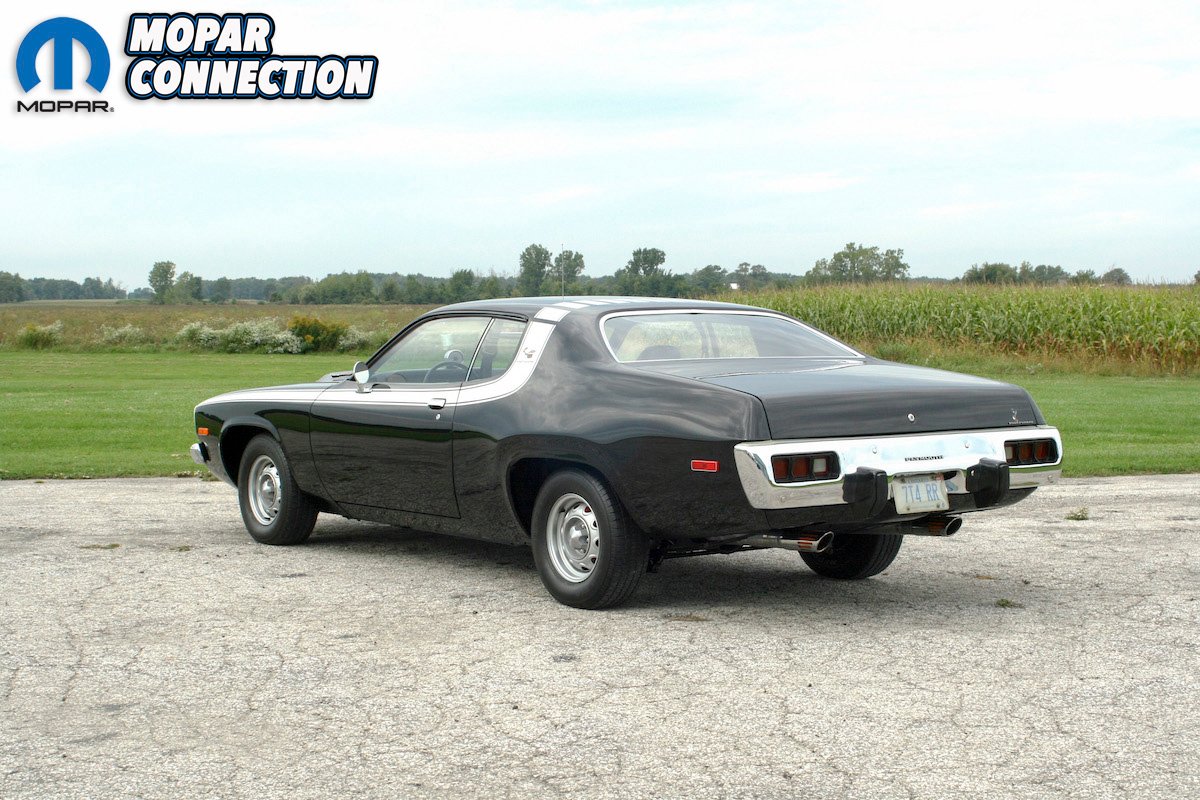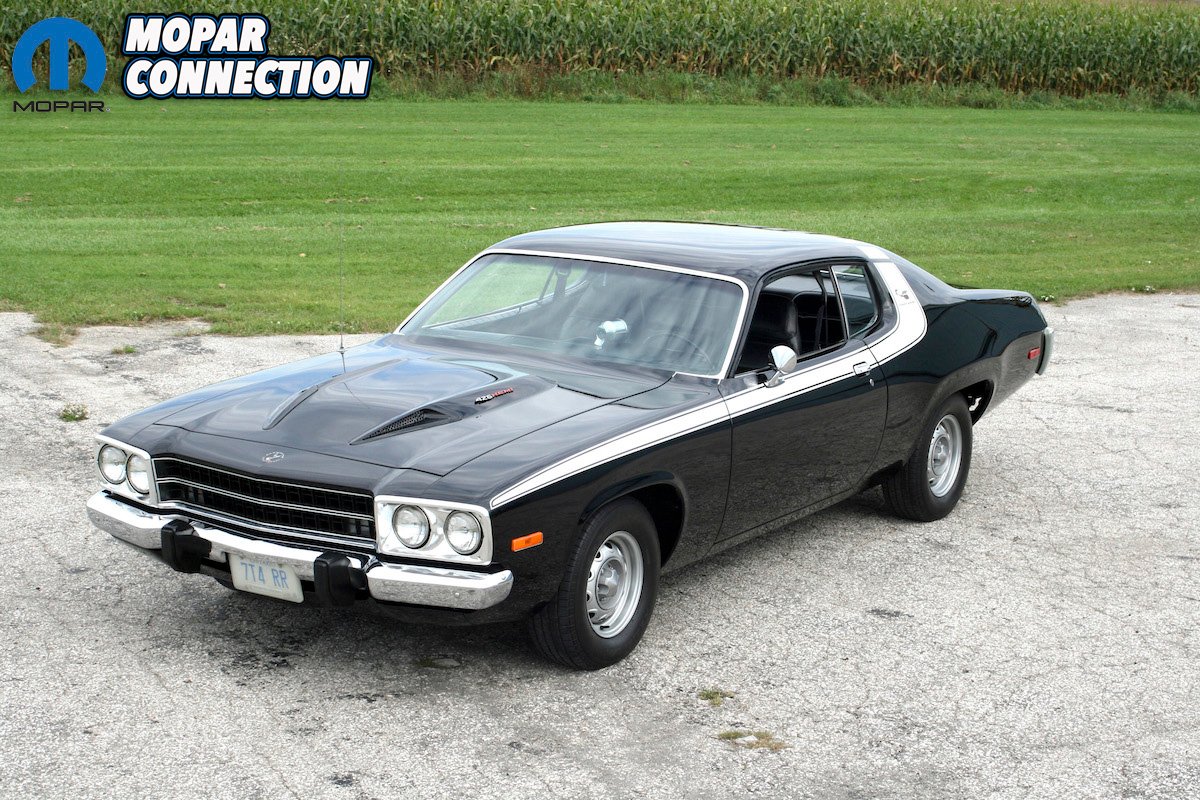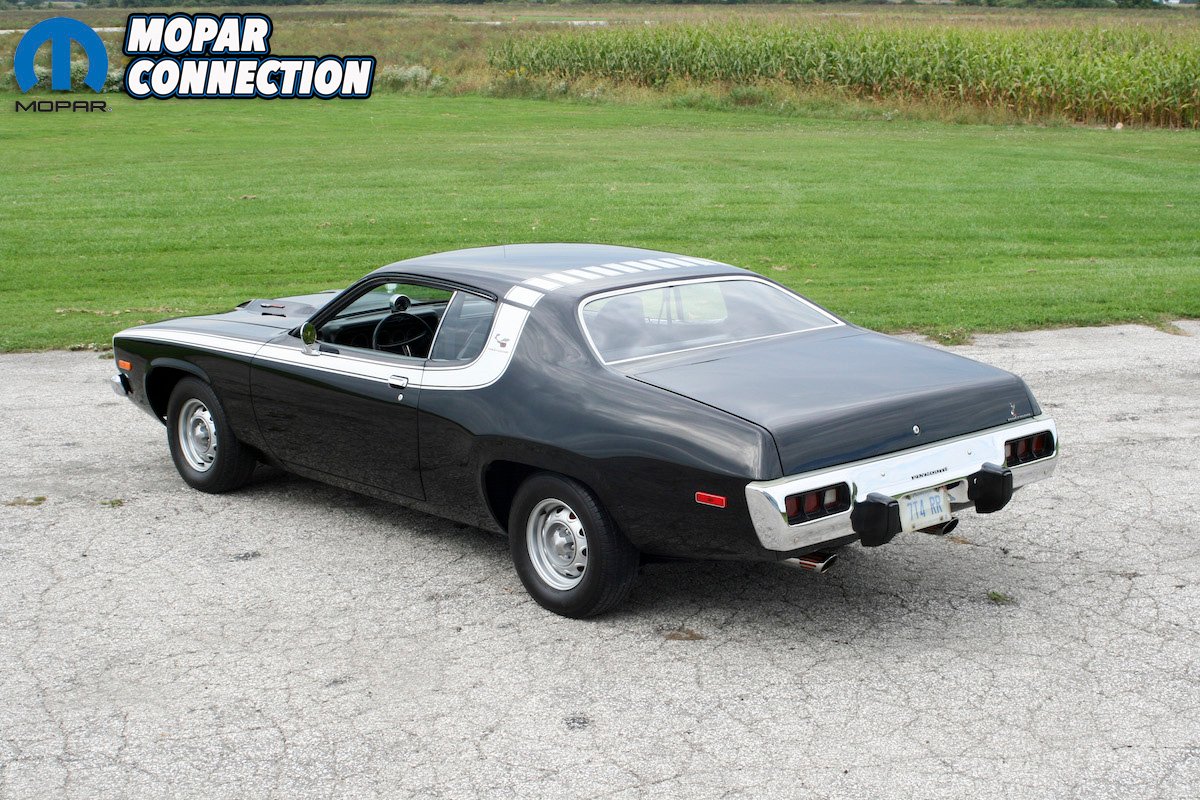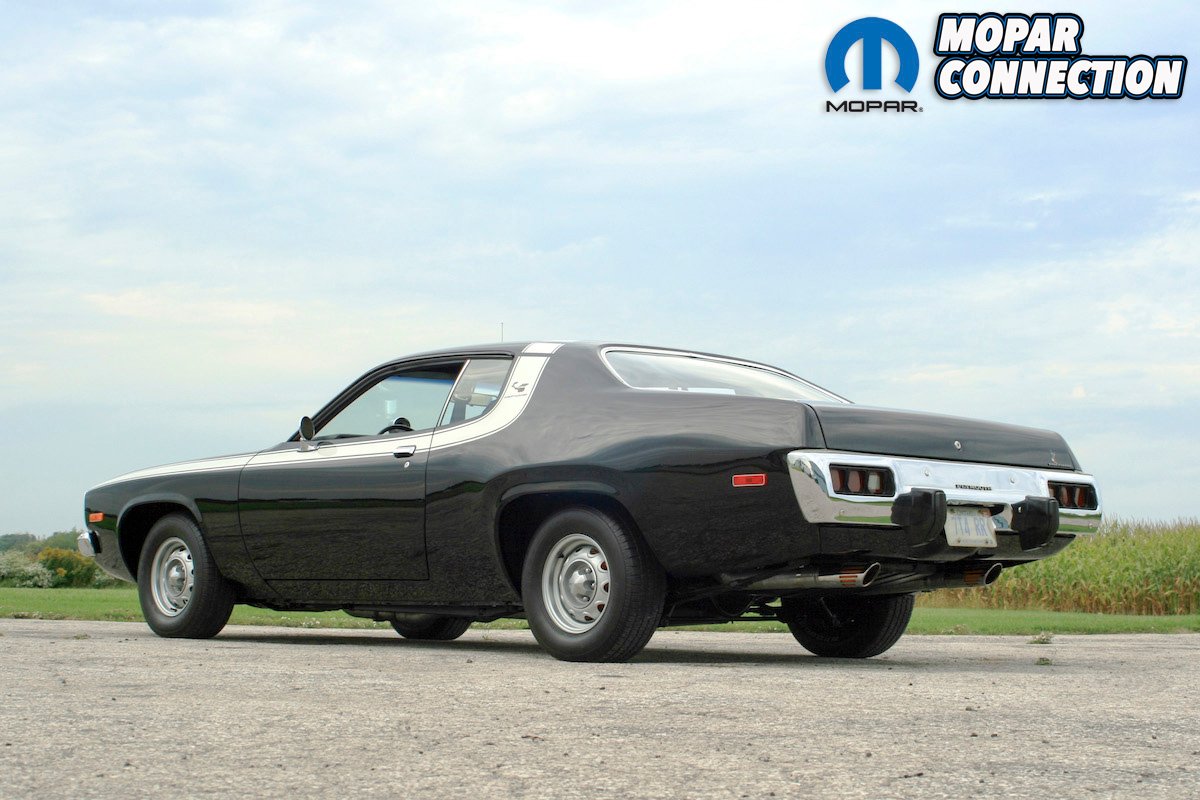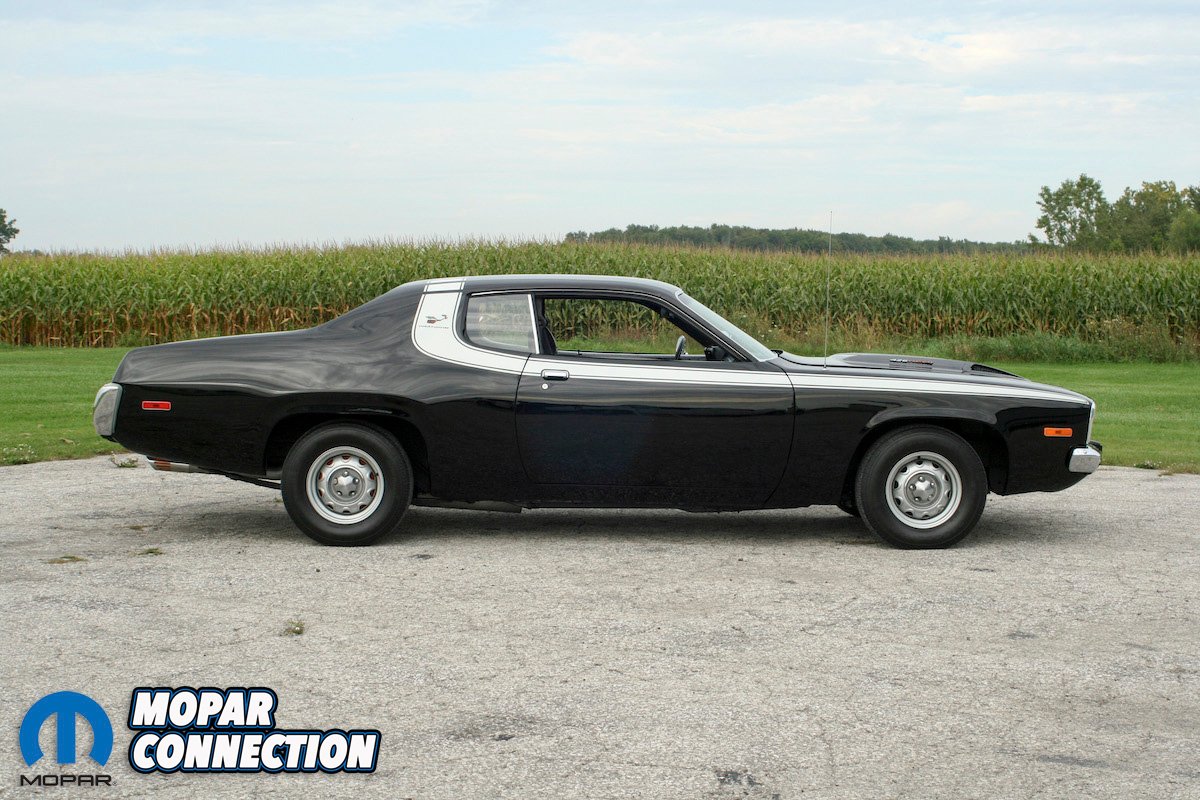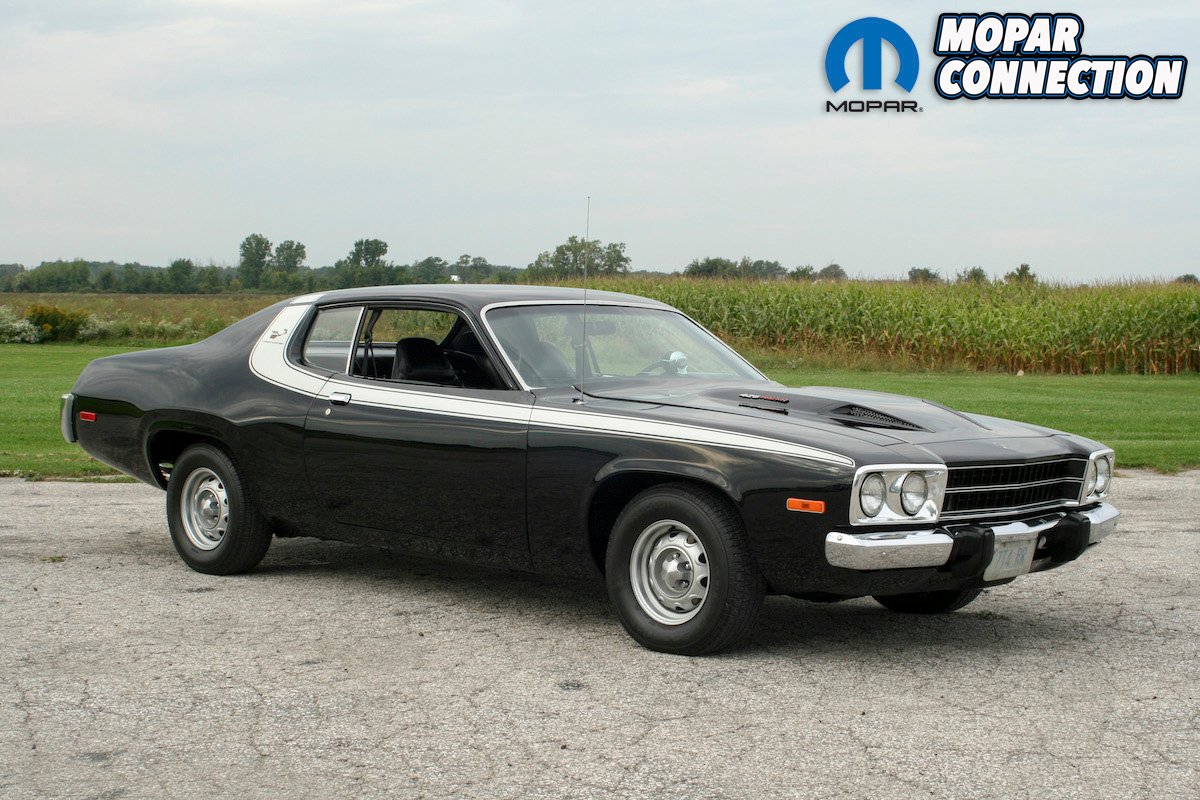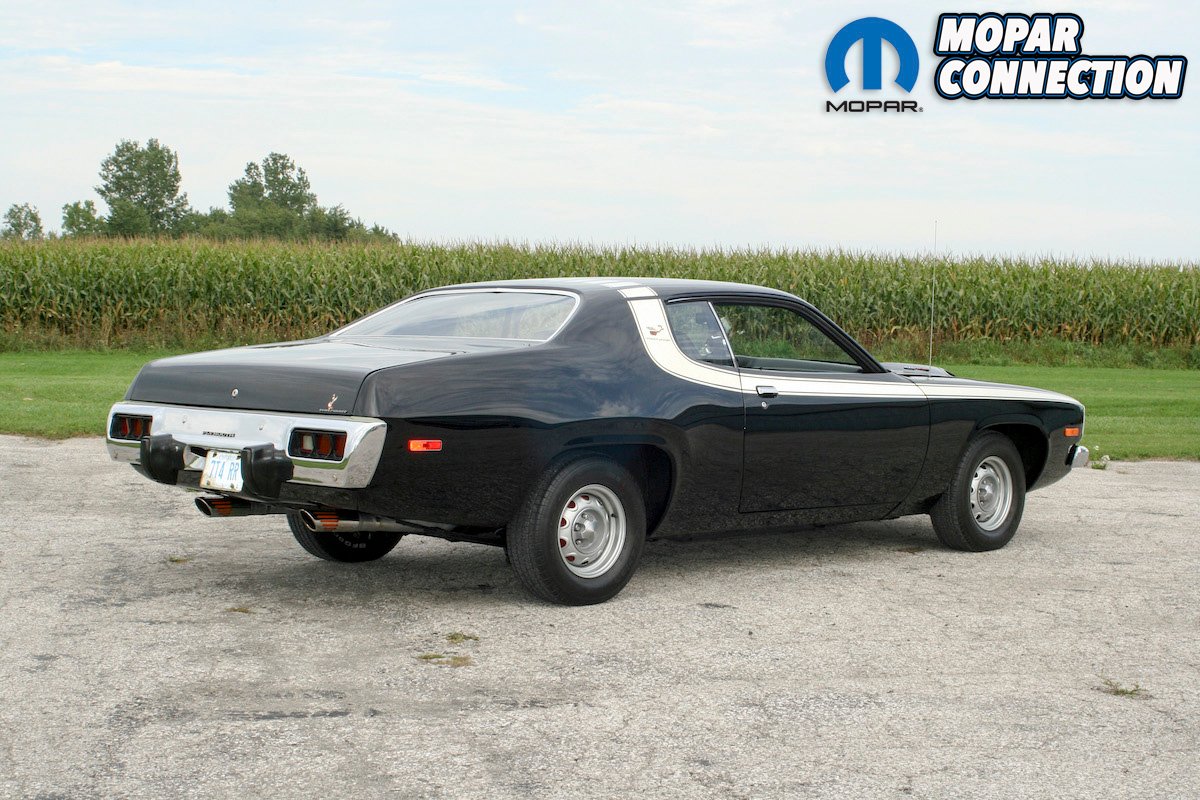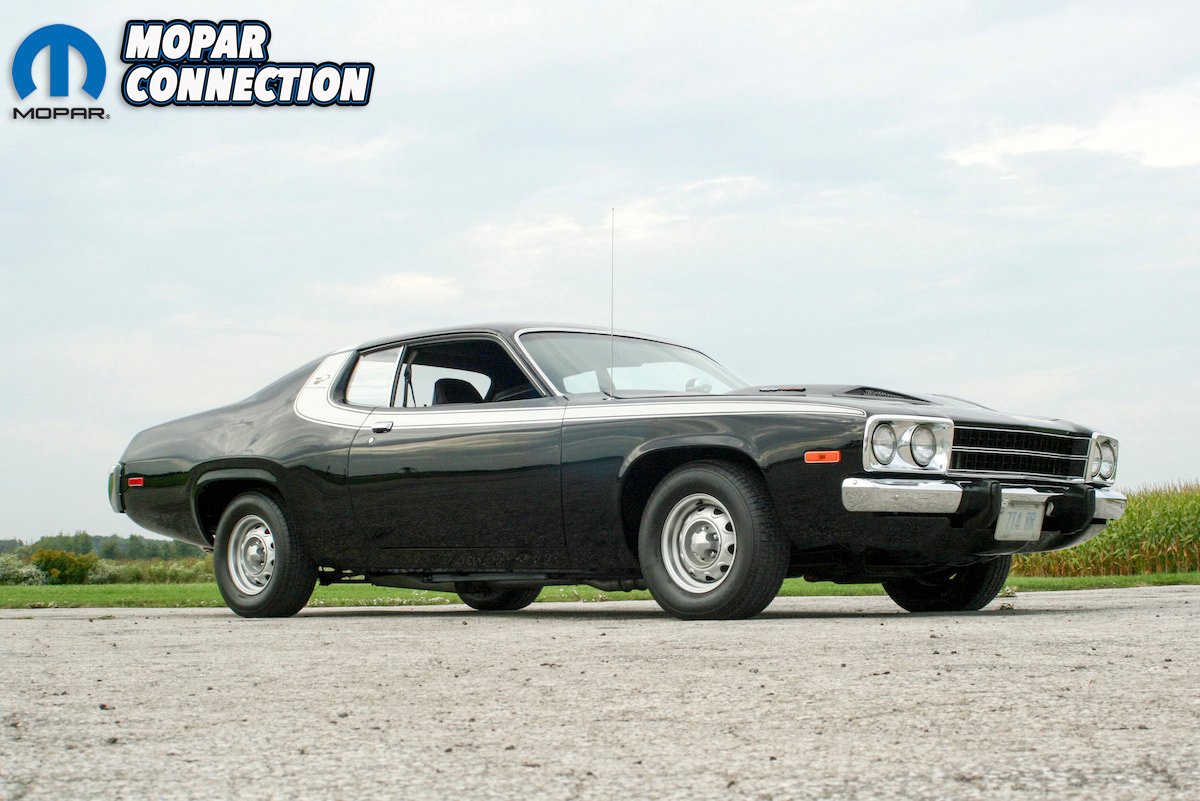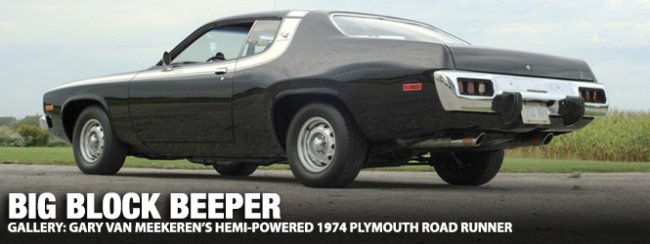
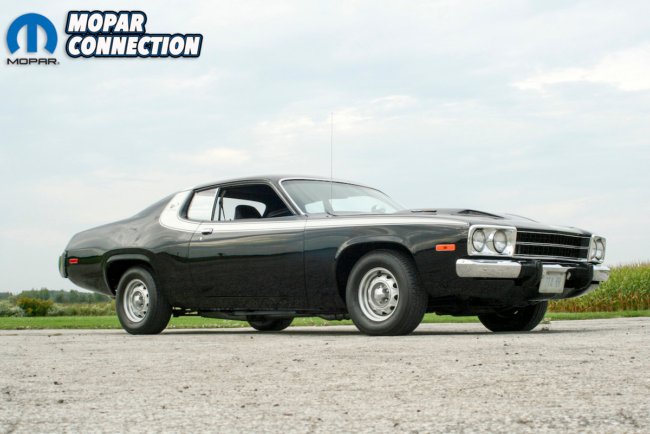
The 1974 Plymouth Road Runner was the final year of the Belvedere/Satellite-based generation before Plymouth shifted the model onto the Fury platform in 1975. It represented the last of the classic “true” B-body Road Runners—muscle cars that balanced performance, affordability, and distinctive styling.
As insurance premiums soared and fuel prices climbed, buyers began shifting away from high-performance muscle cars. The Road Runner felt the impact—Plymouth built just 11,555 examples in 1974, marking the beginning of the end for the classic B-body era.
The Road Runner could be ordered with a range of V8 engines, starting with the standard 318 and optional 360, 400 or the 440 cubic inch versions. Buyers could choose either a 3-speed automatic or 4-speed manual transmission.
This Road Runner belongs to Gary Van Meekeren, its original owner. His story began behind the wheel of a Pontiac LeMans that was giving him engine trouble. While searching for a replacement, Gary picked up a Plymouth Road Runner brochure from his local dealer—and that’s where the journey started.
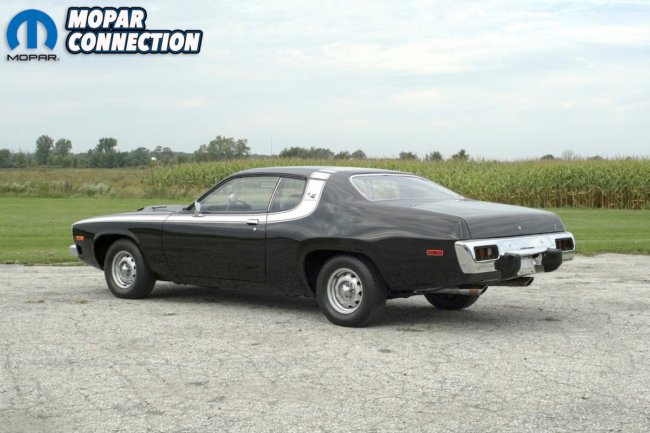
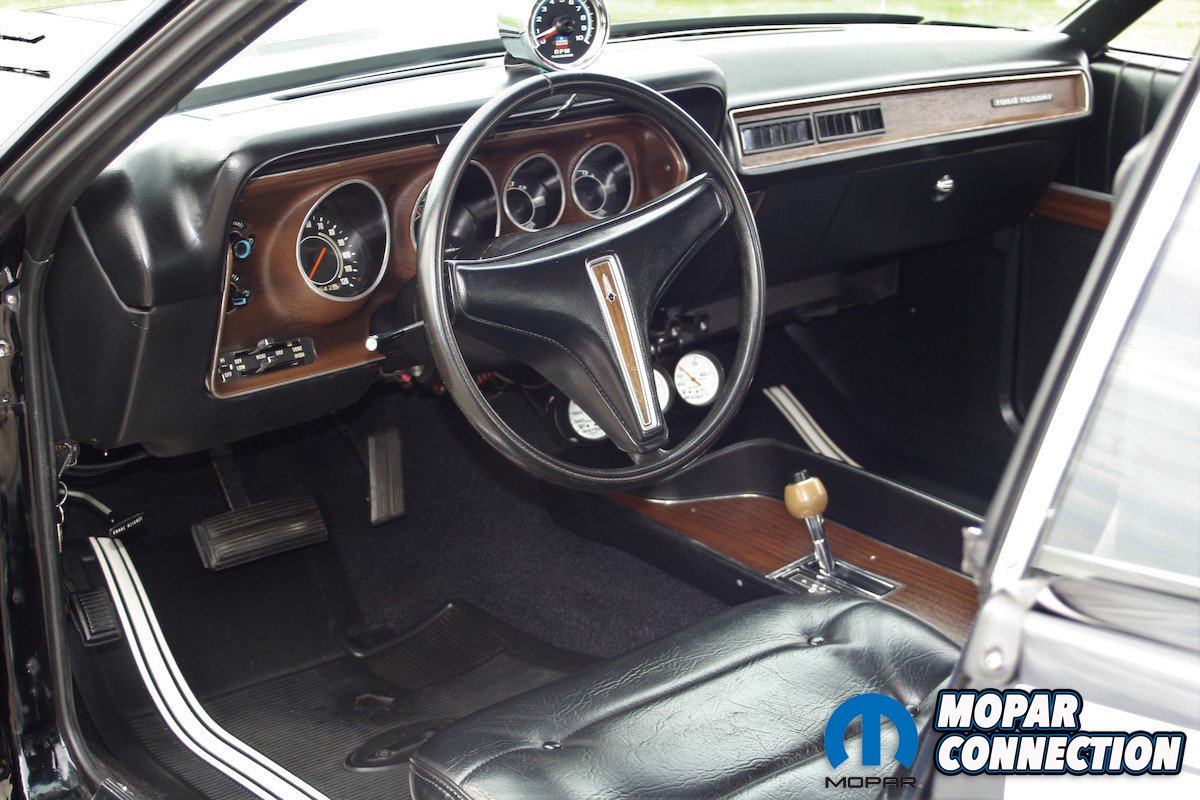
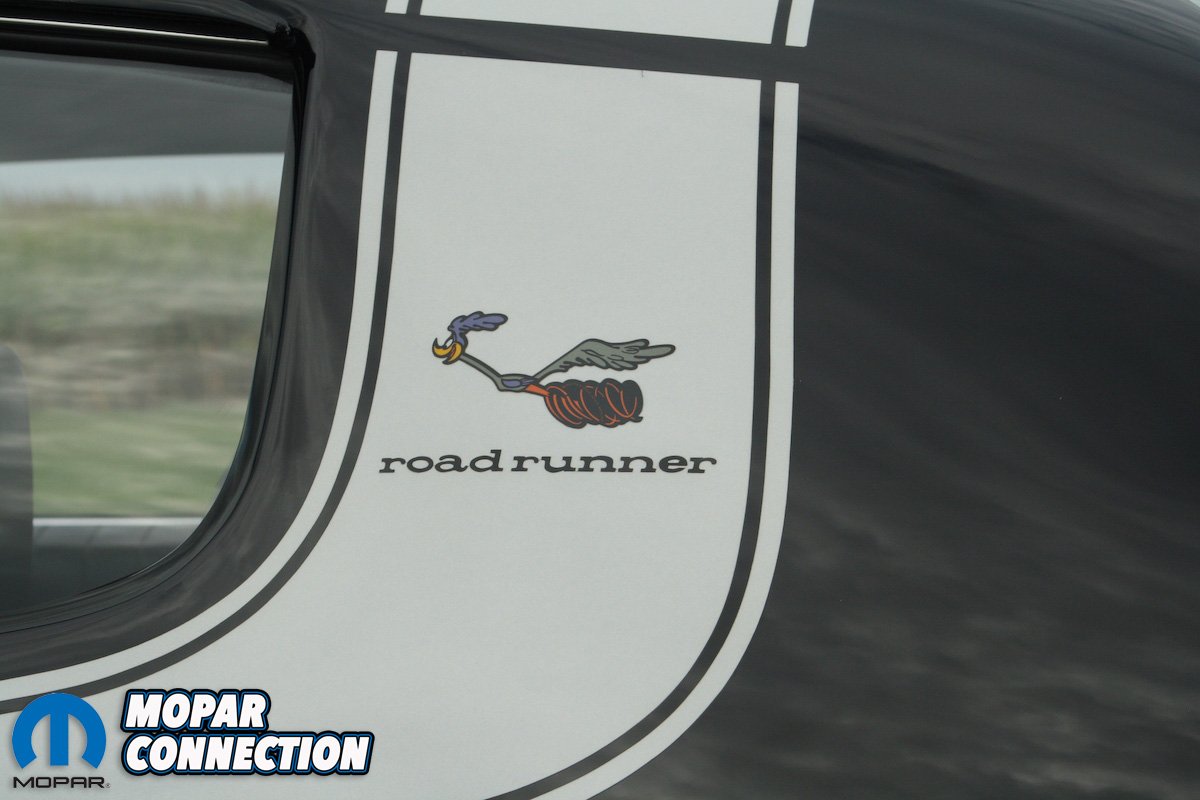
Realizing this was the car for him, Gary headed to the dealer and sat down with salesperson Harold to go over the order sheets. He chose the standard Road Runner package from the Satellite line. The standard Road Runner was equipped with vinyl bench trim, a Rallye instrument panel, disc brakes, a Beep-Beep horn, Rallye wheels with G70x14 tires, heavy-duty suspension, a 3-speed floor shift manual, a dome grille hood, and black out tail lamps with stripes.
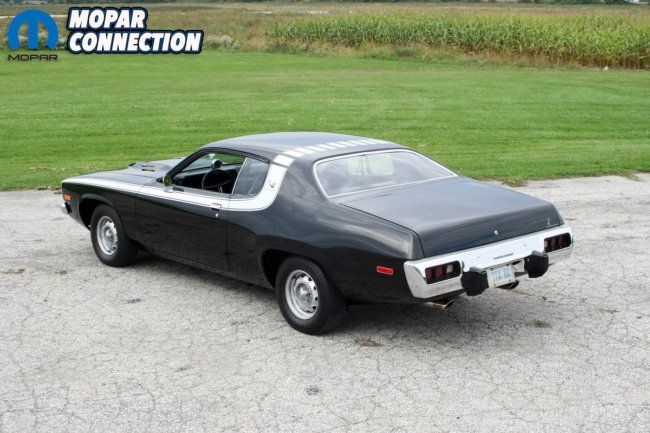
Gary chose the Formal Black paint and upgraded to a matching black interior with white stripes on the body. He chose the 360 ci four-barrel V8 topped with a Carter Thermoquad 750 cfm carburetor, producing about 245 hp and 320 ft-lbs of torque. Instead of the standard 3-speed manual, he went with the A727 TorqueFlite automatic.
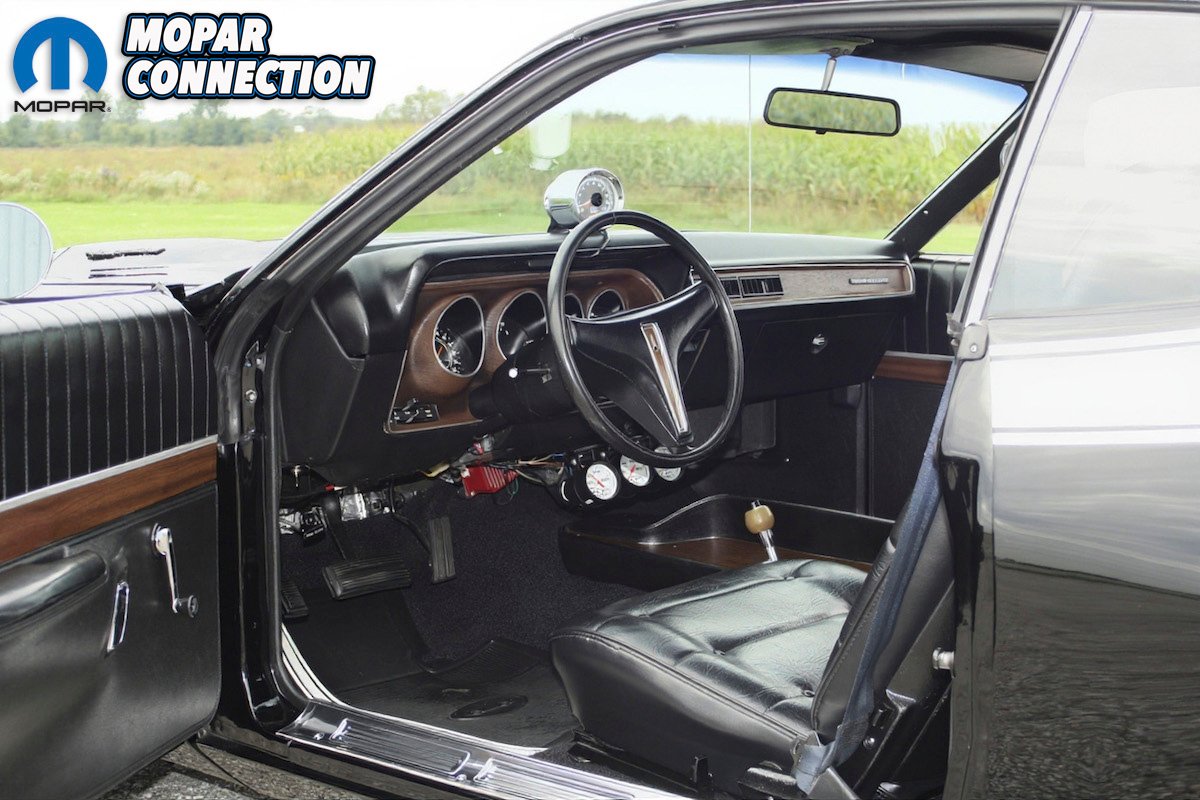
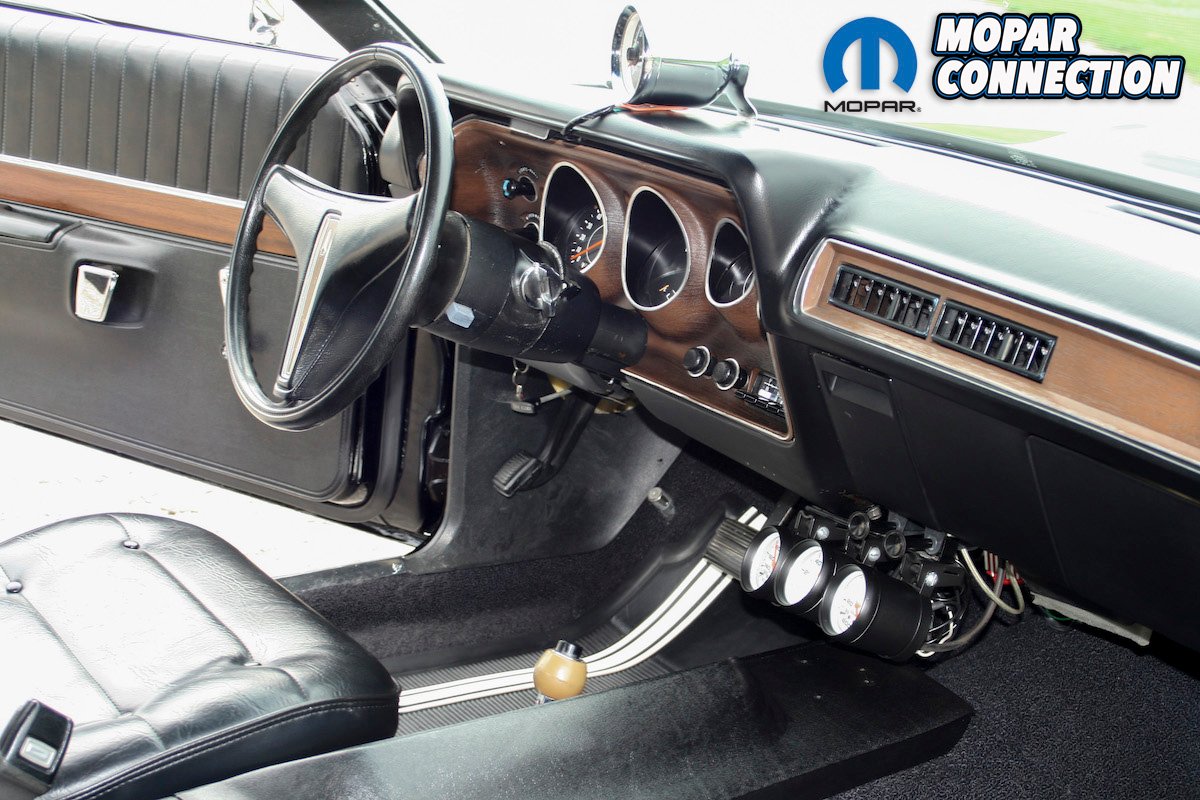
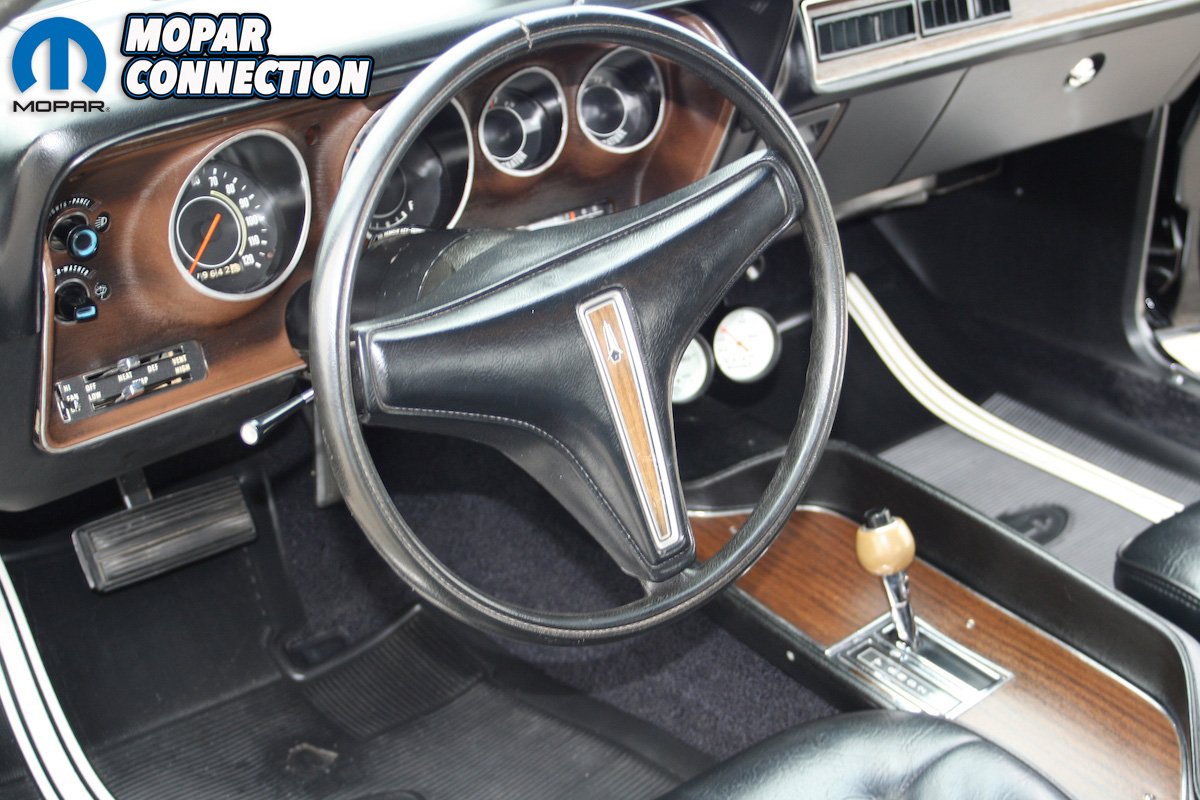
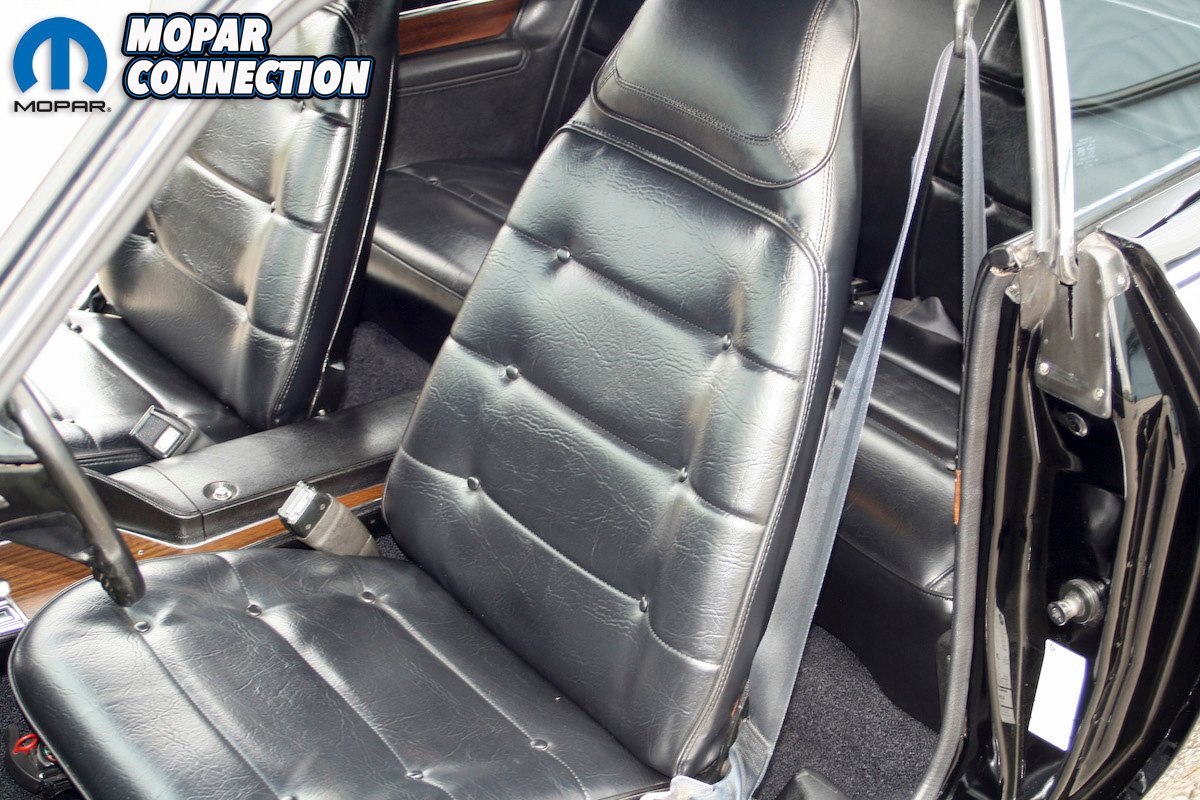
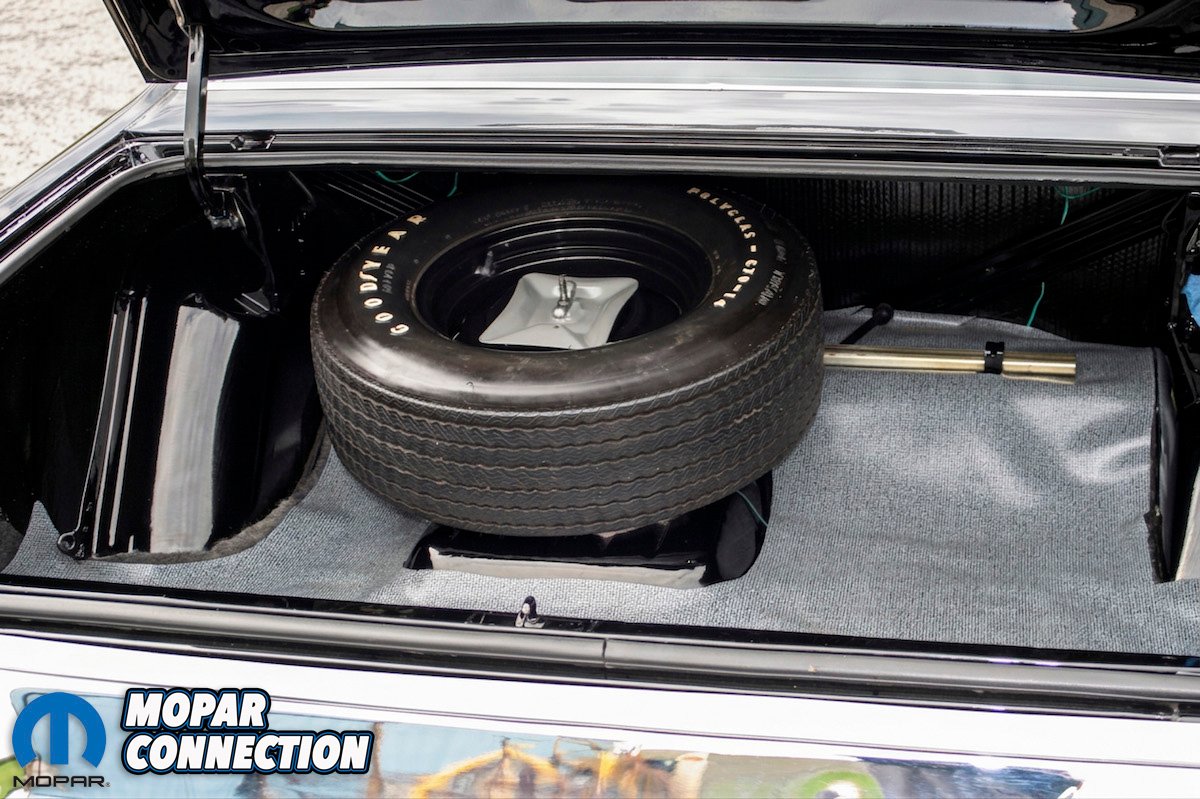
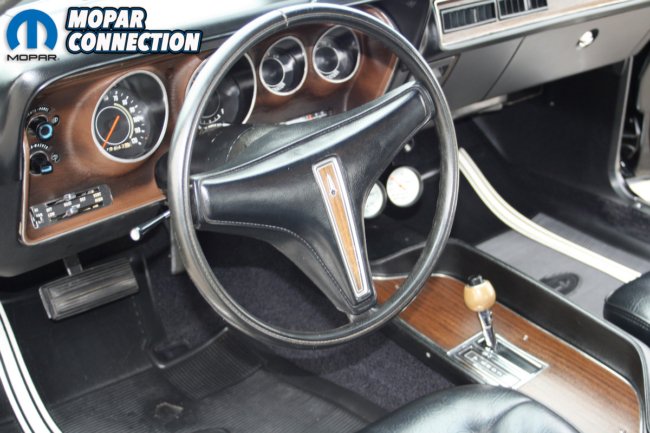
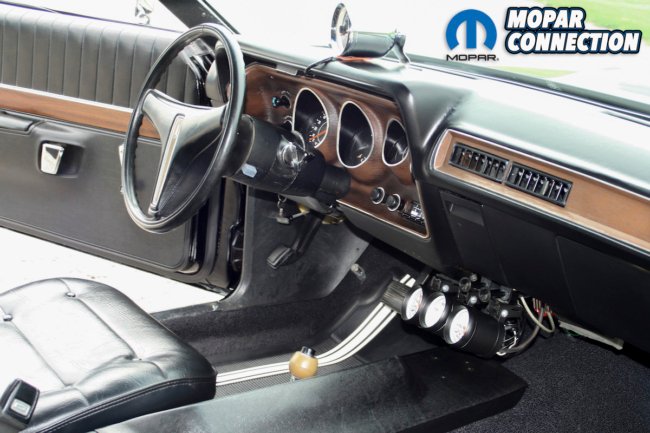
Out back, Gary ordered the 8¾-inch rear axle with 3.55:1 gears and a Sure Grip differential, which is the A36 performance axle package. He added power steering and black sidewall tires to round out the setup. Inside, he upgraded with the A88 décor package featuring vinyl bucket seats and one-piece factory carpet, then added a center console to complete the look. Tinted glass, a single chrome sport mirror, and the R11 AM radio finished off the options list.
The car arrived at the dealer on March 19, 1974, after being built at Chrysler’s Windsor, Ontario, plant. That year, about 1,688 Road Runners were equipped with the 360 engine—338 with 4-speeds and 1,350 with A727 TorqueFlite automatics.
He and his wife, Nona, drove it year-round, with Nona behind the wheel most of the time until October 1990. Ontario winters were hard on the car, and the body began to suffer. So, on their anniversary, Gary bought her a 1991 Dodge Daytona—a car she still owns today. The Road Runner was then tucked away, waiting for the day it could be restored to its former glory.
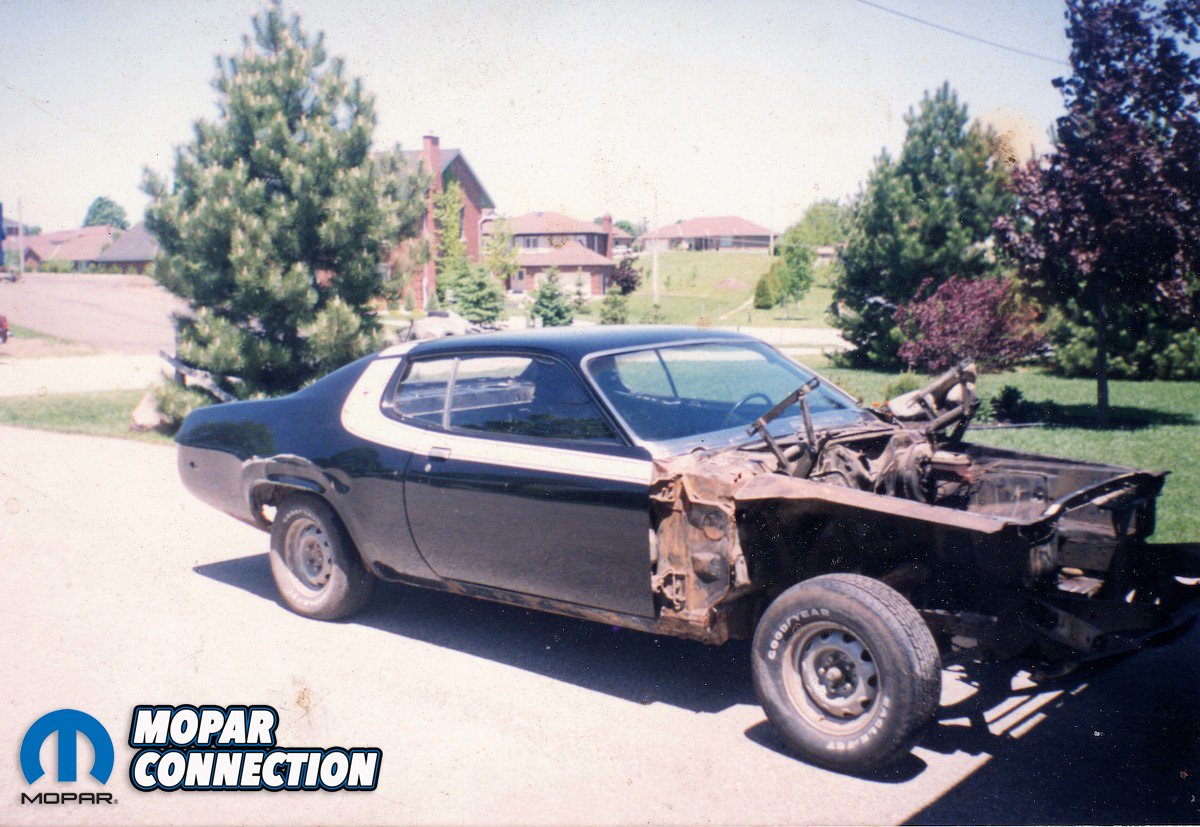
In the winter of 1993, Gary finally began restoring the Road Runner. He stripped it down, cataloged every part, and found two broadcast sheets under the carpet. Once bare, the shell went to Great Lakes Auto Restoration in Courtland, Ontario. Over six months, the shop replaced rusted panels, repaired the body, and completed the paintwork, sourcing parts from the US as NOS pieces or donor cars.
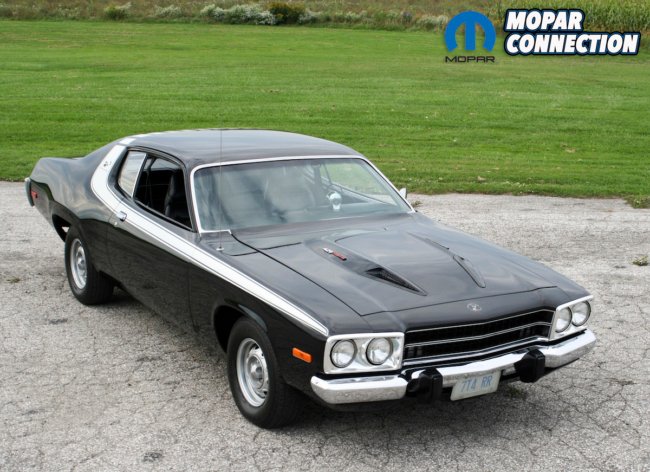
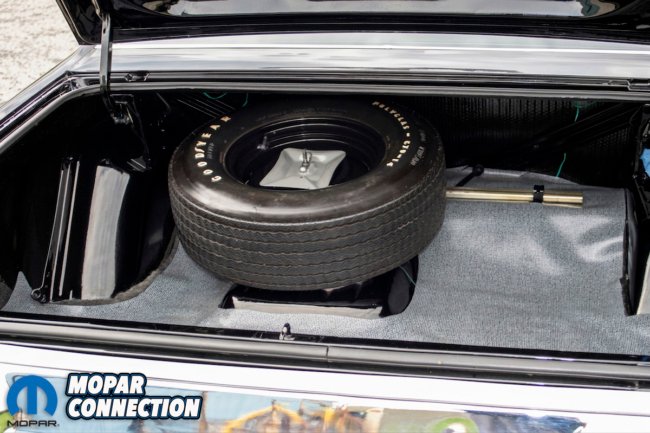
With the bodywork complete and the shell in primer, the Road Runner was ready for paint as the car received the Formal Black paint once again and soon returned home for Gary to begin reassembly. Working steadily, he finished the car by May 1995. During the restoration, he tracked down a rare one-piece carpet in Vancouver, British Columbia, on the west coast, replaced the worn front seat covers and headliner from Year One, and—with help from a friend—recovered the seats and installed the new headliner. The rear seat, dash, door panels, and other interior trim remain original.
The 360 engine was fully inspected and restored to look factory fresh, with the suspension and running gear receiving equal care. Once tuned and polished, the Road Runner was ready for the road again. Gary and Nona took it to cruises and shows, often returning home with trophies—but the story didn’t end there.
While Gary enjoyed the Road Runner, he began dreaming of a big block car. But by the 2000s, prices had soared—those once-cheap 1980s gas-guzzlers had become prized B and E-body mopars. “The car prices were too high!” Gary said. The dream seemed out of reach… or so he thought.
At a car show, Gary met a man with a ’66 Charger whose stolen engine had been replaced with a 426 Hemi built by John Arruzza. The owner shared the details with Gary, sparking his interest.
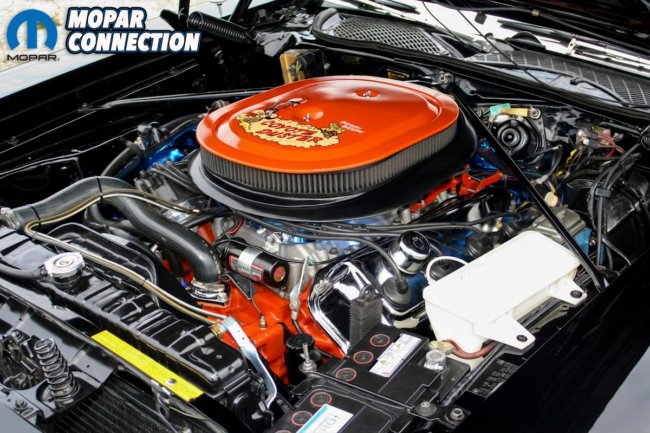

Gary contacted John Arruzza Performance in Trinity, North Carolina, and John sent him everything he needed. Known for building Hemi engines and working with legends like Herb McCandless and Cotton Owens, Arruzza’s expertise impressed Gary. He and Nona drove down to meet John, toured the shop, and discussed the 426 Hemi. Still undecided, they headed home—but before reaching the Canadian border, Gary called and said, “Go ahead—build the 426 Hemi.” John promised 15 weeks, but the call came 13 weeks later.
In November 2001, Gary began the Hemi swap. He fabricated new motor mounts and notched the K-frame for oil pan clearance, replaced the brake booster with a Hemi style unit from National Moparts in Beaverton, Ontario, and sourced a big block 1968 A727 transmission. SMR Transmission in Bradford, Ontario, rebuilt it for drag race strength, ready to handle everything the 426 Hemi could deliver.
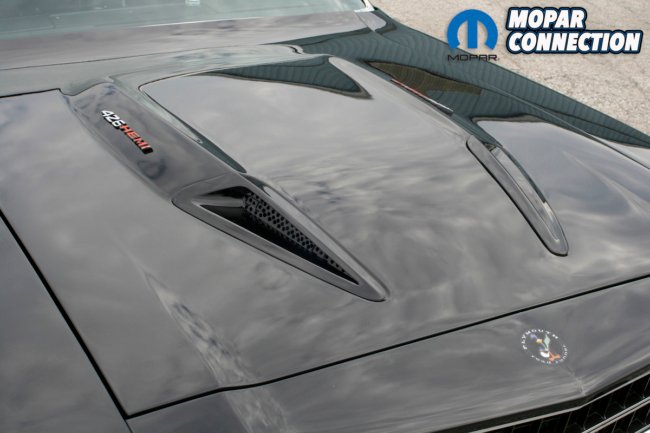
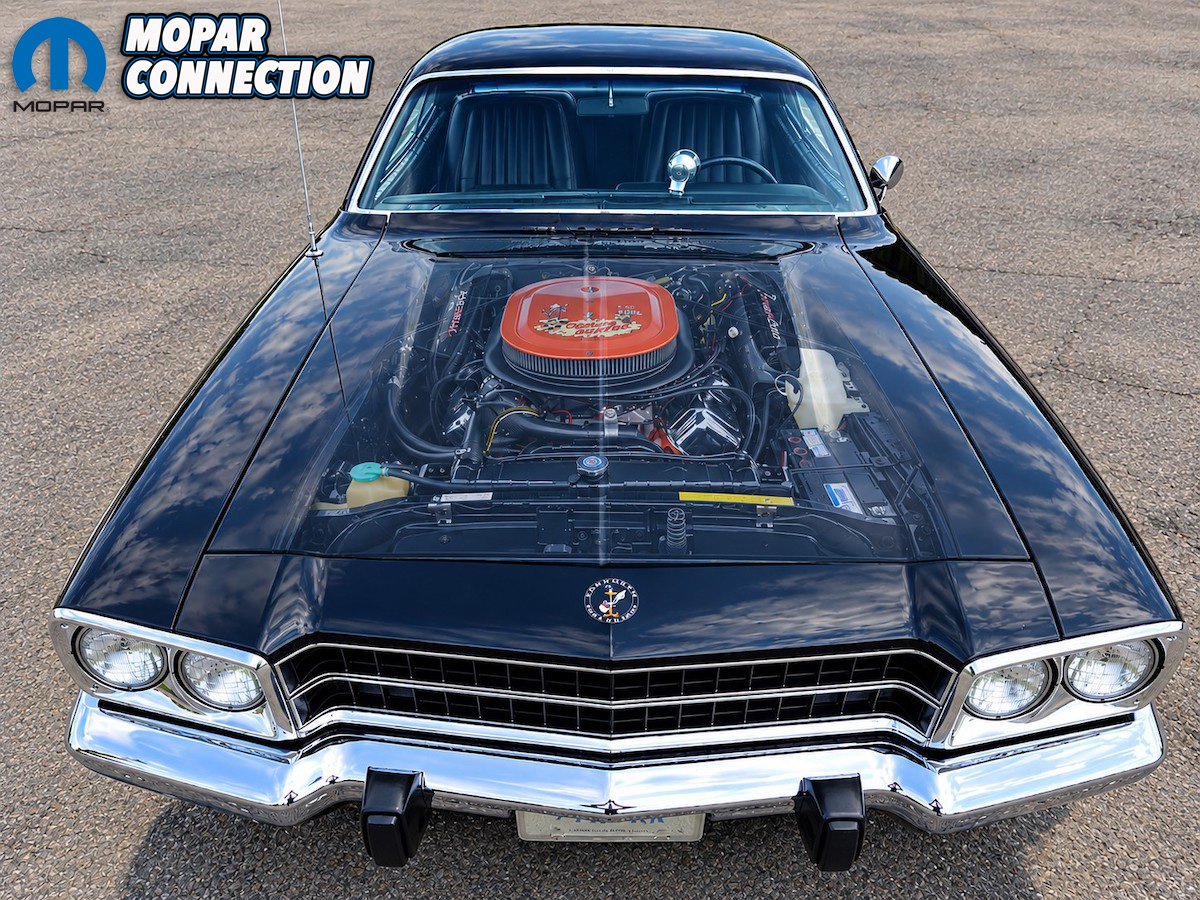
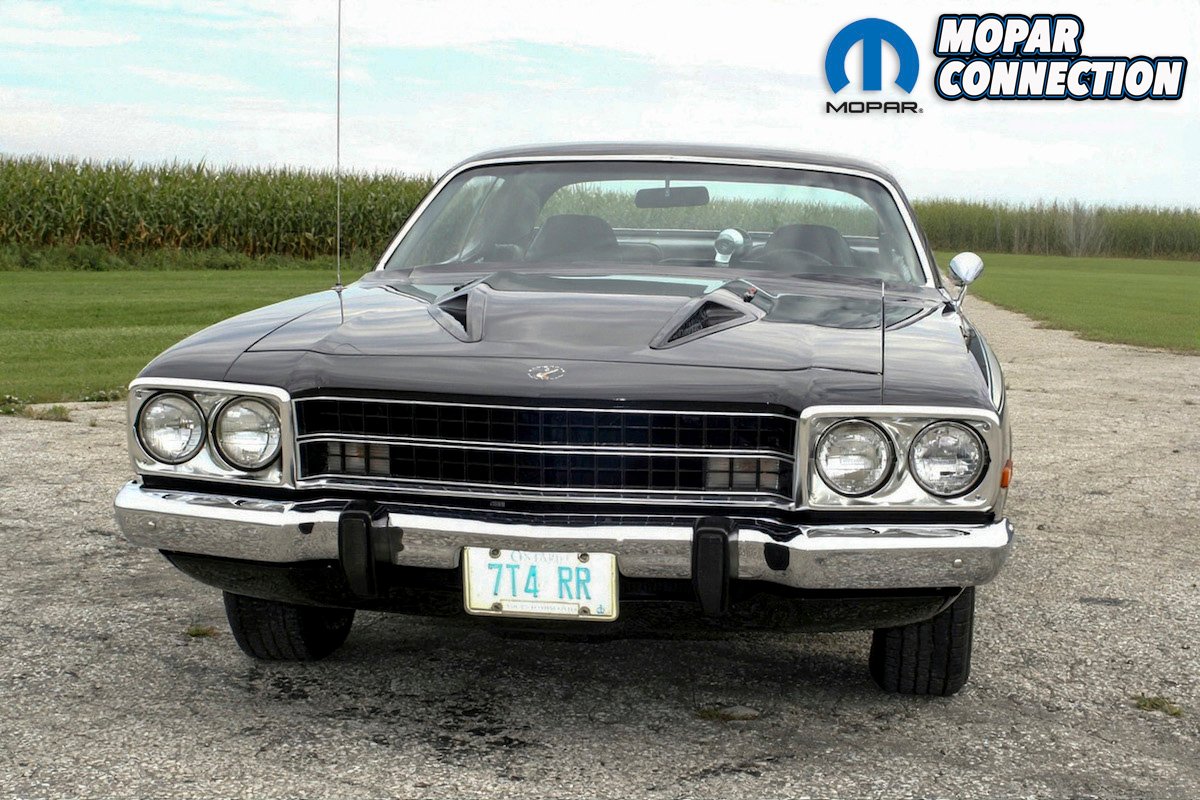
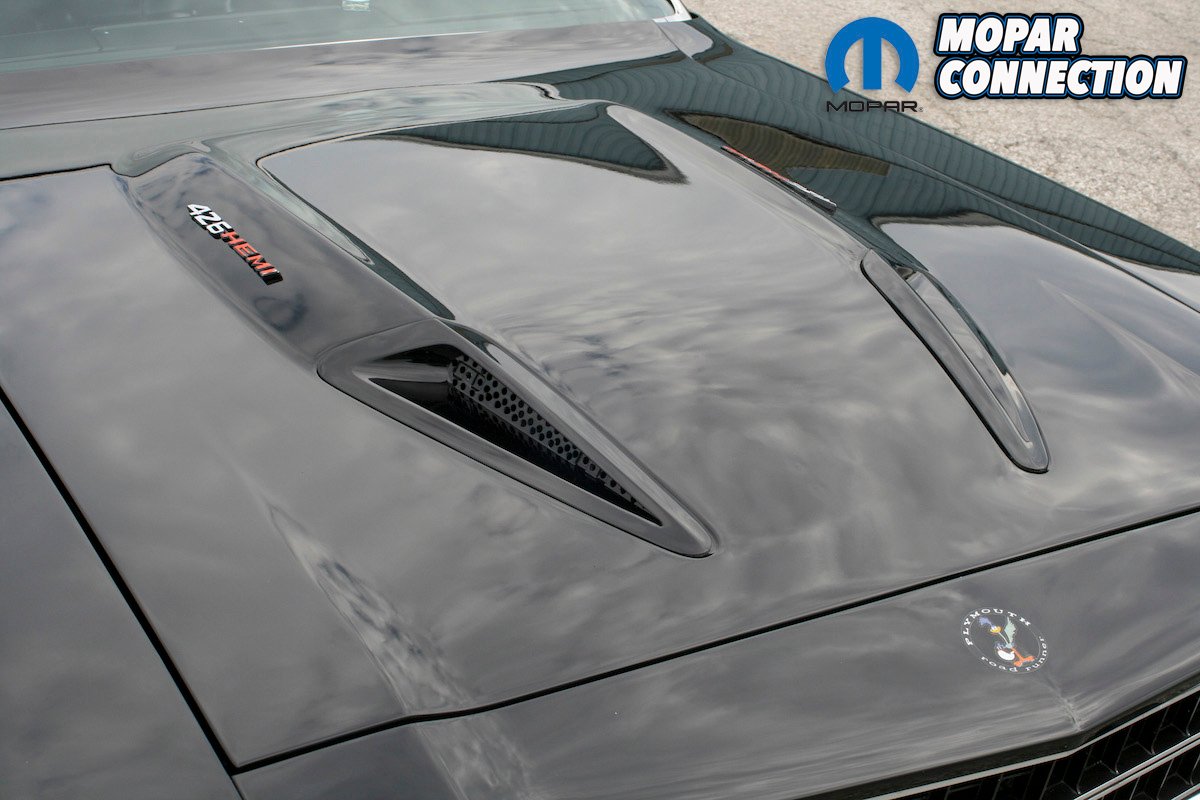
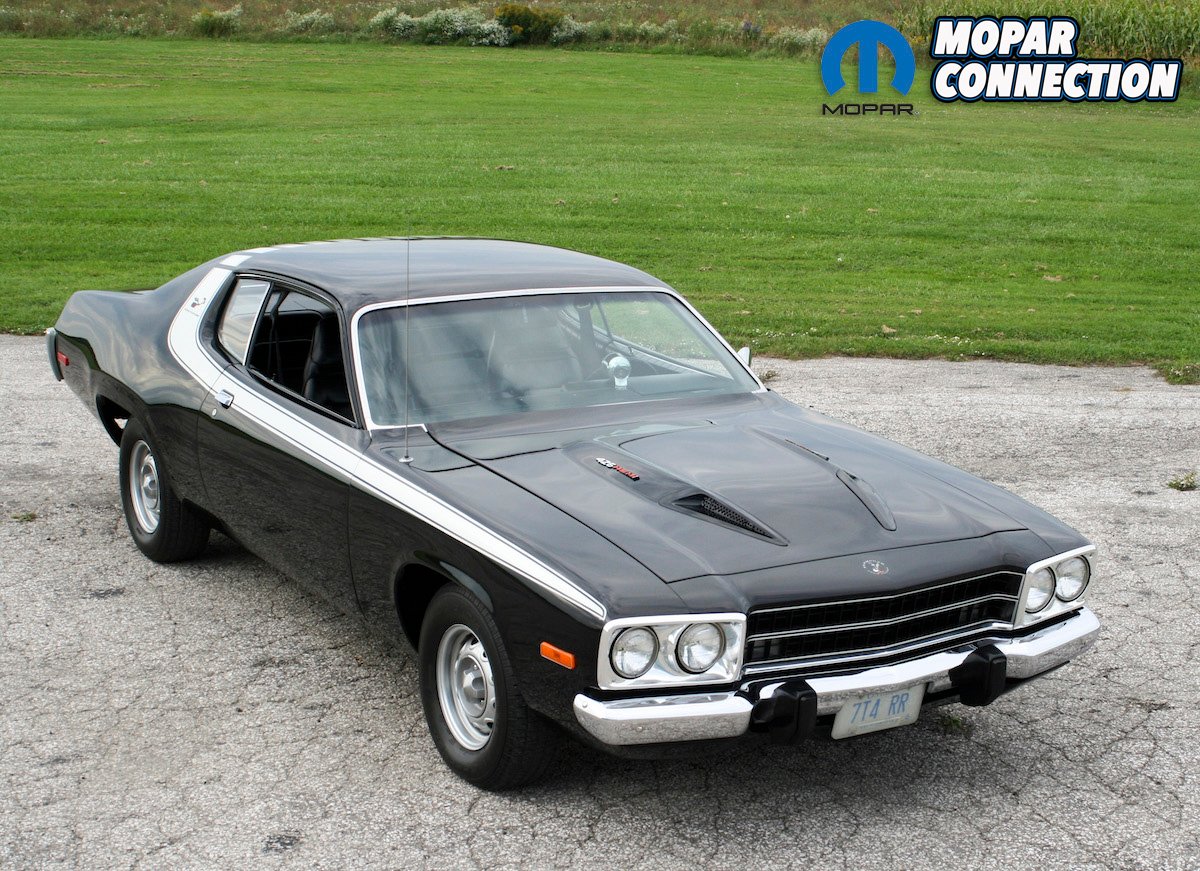
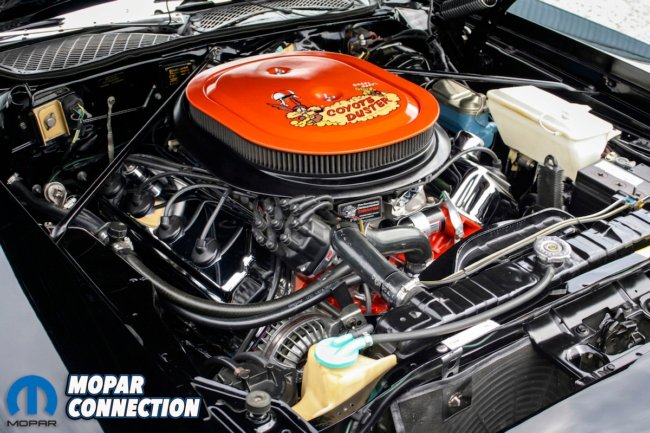
Gary found a replacement hood, so he wouldn’t have to cut the original, which he still has—along with the 360 and transmission. The new hood was modified by Bobby Saunders to clear the Hemi air cleaner and notch the K-member. Heat-dissipating vents and 426 Hemi badges were added. The rear springs were re arched by Simcoe, Spring Service, Simcoe, Ontario, with Monroe coilovers, while the front retained its original small block torsion bars.
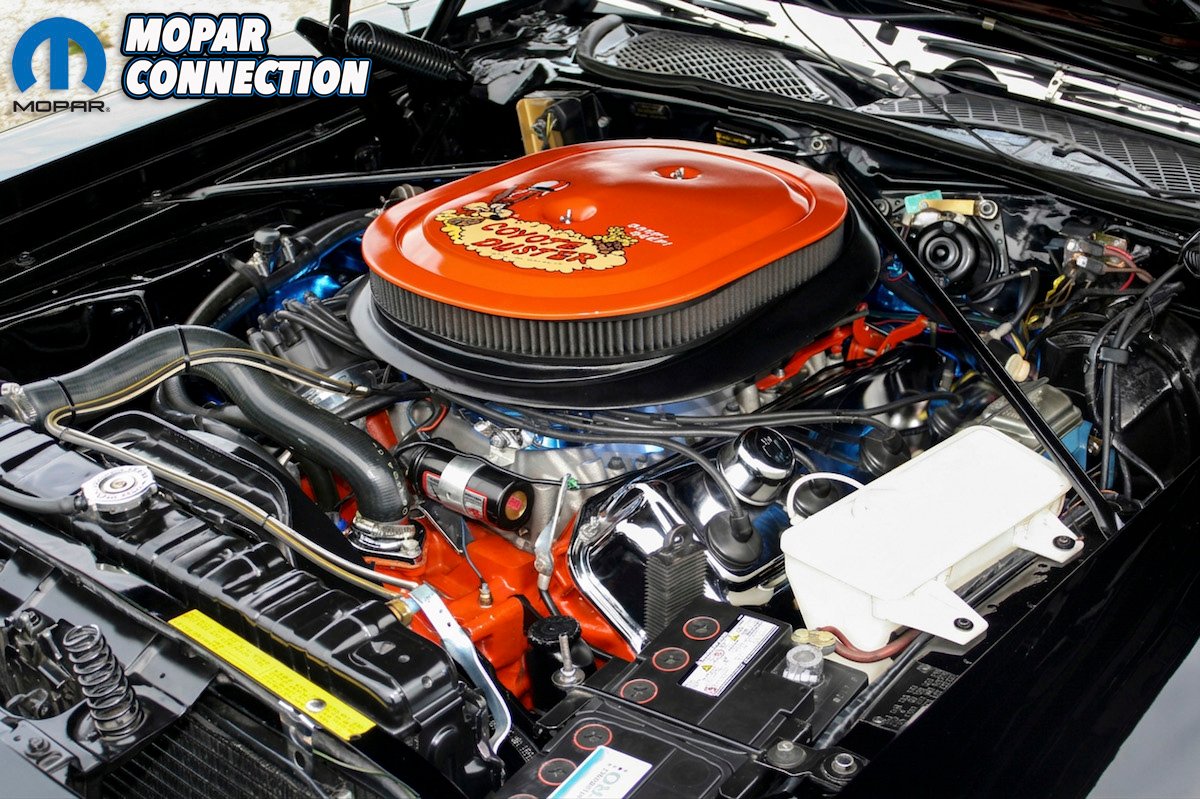
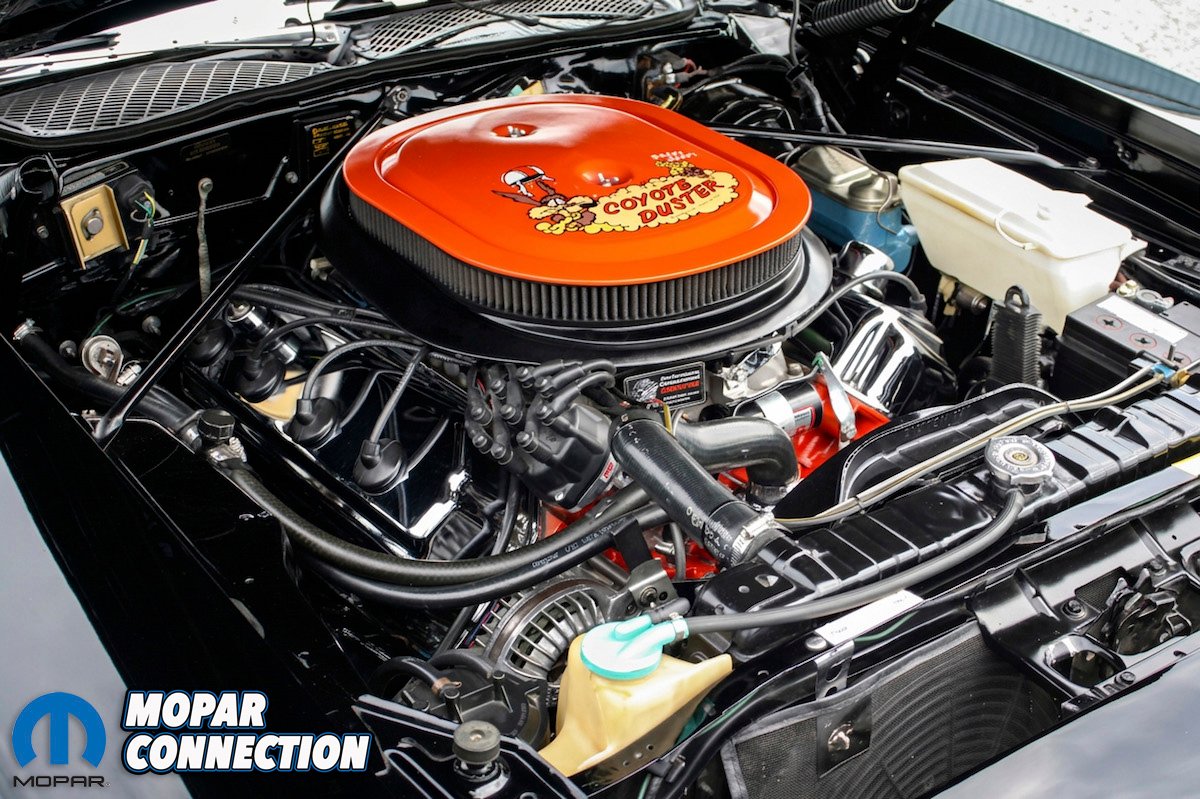
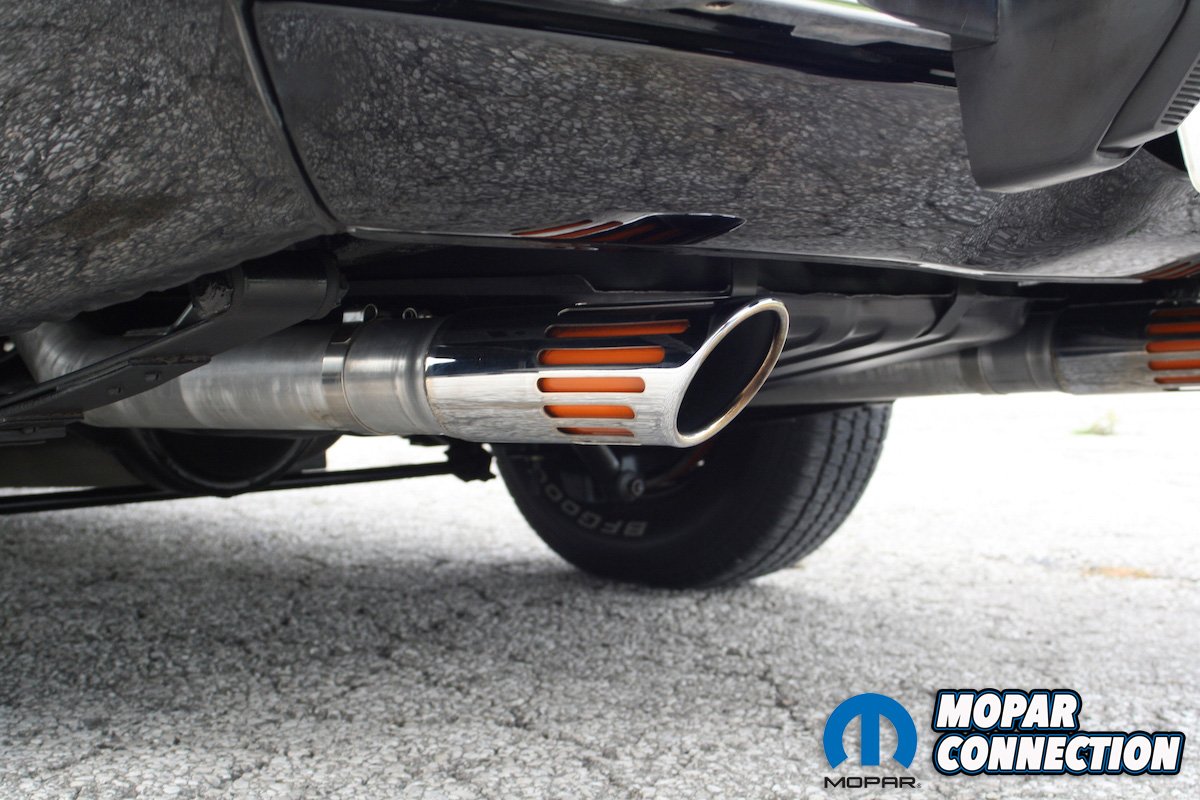
The Hemi produces 475 hp and 500 lb ft of torque with a 9.6:1 compression ratio. The block was squared, deburred, and honed, then built with an M/P intake and a 750 cfm Edelbrock carb, MSD ignition, and JP Performance timing set. It has an M/P 6.5-quart oil pan like the ’66 Hemi, factory manifolds, and a TTI 3-inch H-style exhaust with 70-series Flowmasters and machine gun tips.
Chrome valve covers finish the look. To keep it cool, Gary installed a 4-core 28-inch radiator from John Drotos at the Rad Shop in Tillsonburg, Ontario. To keep an eye on things, Gary added mechanical gauges and added a Mopar tachometer. He was having fun with the car until 2015, when the engine began knocking—never a good sign.
Gary pulled the engine and took it to Klassx Performance in Woodstock, Ontario, where he learned it needed a full rebuild—the crank bearings were destroyed, and the crank, pistons, and rods all had to be replaced. Larry at Klassx consulted John Arruzza for parts, then sent the block to Kraushaar Machine Services in Tillsonburg, Ontario, for machining. Reassembled with Wiseco pistons, K1 rods, Cometic gaskets, and an Eagle crankshaft, which at Hemi ran like an angry Swiss watch. Gary reinstalled it, and the Road Runner was back on the road.
Gary’s Road Runner is exceptional in every respect—a rare machine that turns heads while maintaining an air of subtlety, a true wolf in sheep’s clothing. Beneath the hood lies a 426 cubic inch Hemi. At first glance, it appears to be a cleanly restored 1974 Road Runner, but once the engine fires or the hood lifts, the illusion vanishes, revealing the unmistakable power of the Hemi. With the hood closed, only the sharpest eyes catch the small Hemi callout on the scoop—a clear case of bringing a gun to a knife fight.
So, when Gary and Nona slide into the Road Runner for a quiet drive or roll into a car show, it’s as if time folds back on itself. The Big Block Beeper doesn’t just move—it transports them, stirring the same excitement they felt decades ago. Every cruise brings back warm memories, letting them feel young, alive, and grateful for the journey this car has carried them through.