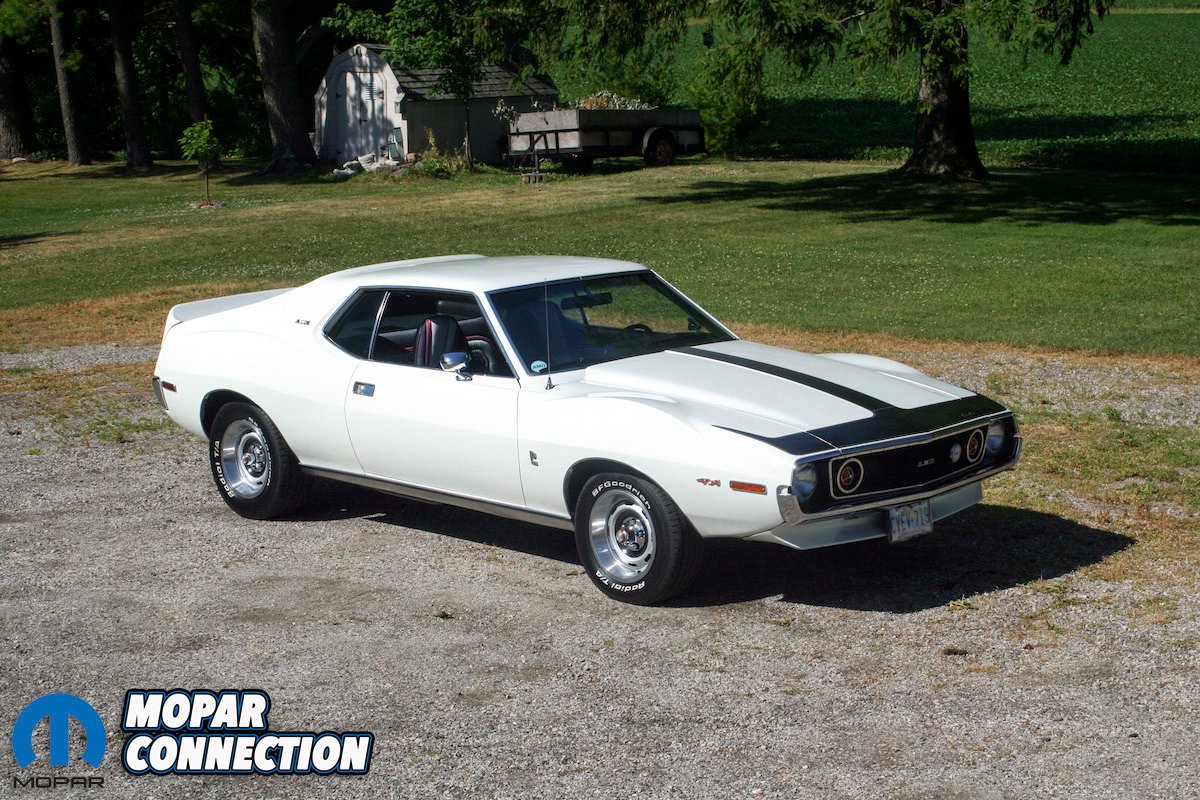
There were two generations of AMC Javelins for those unfamiliar with them. The first ran from 1968 through 1970, and the second from 1971 through 1974. Positioned squarely in the pony car market, the Javelin was AMC’s answer to the Ford Mustang, Chevrolet Camaro, and Plymouth Barracuda. It is the second generation that takes center stage here.
By 1973, the muscle car era was losing steam. Rising insurance costs, stricter emissions standards, and the looming fuel crisis forced automakers to rethink performance. While the Big Three softened their image, AMC fought to keep its edge—offering cars that blended style, individuality, and genuine muscle. The Javelin AMX stood out with its long, sculpted lines and designer-inspired interiors, proof that AMC could still turn heads even as the horsepower wars cooled.
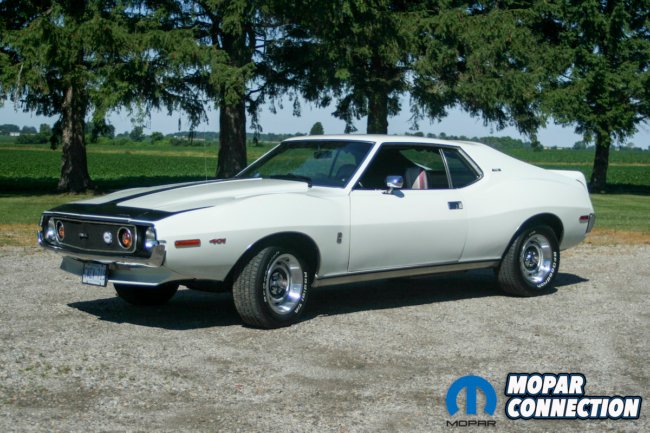
That’s where the Pierre Cardin edition came in—a bold fusion of fashion and performance that gave the Javelin a touch of haute couture. It was the perfect complement to the car’s already striking design—a look born from collaboration between racing legend Mark Donahue, team owner Roger Penske, and AMC chief designer Dick Teague.
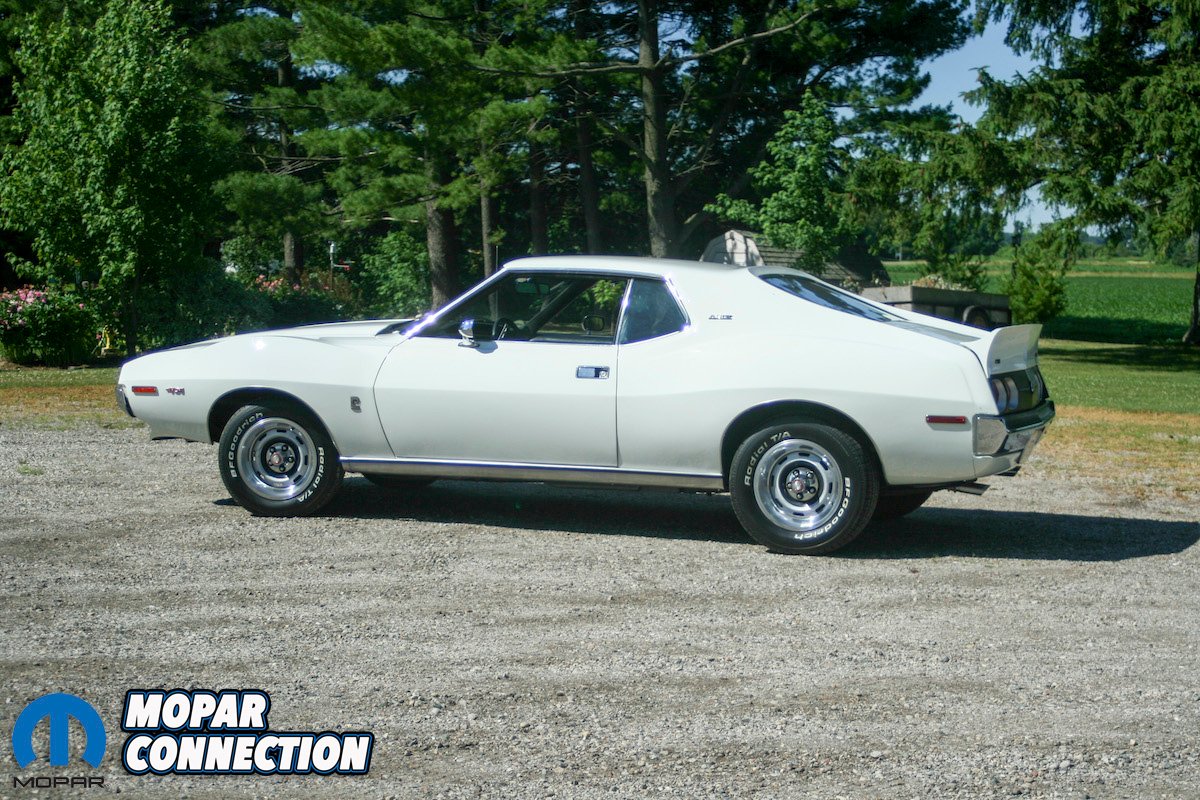
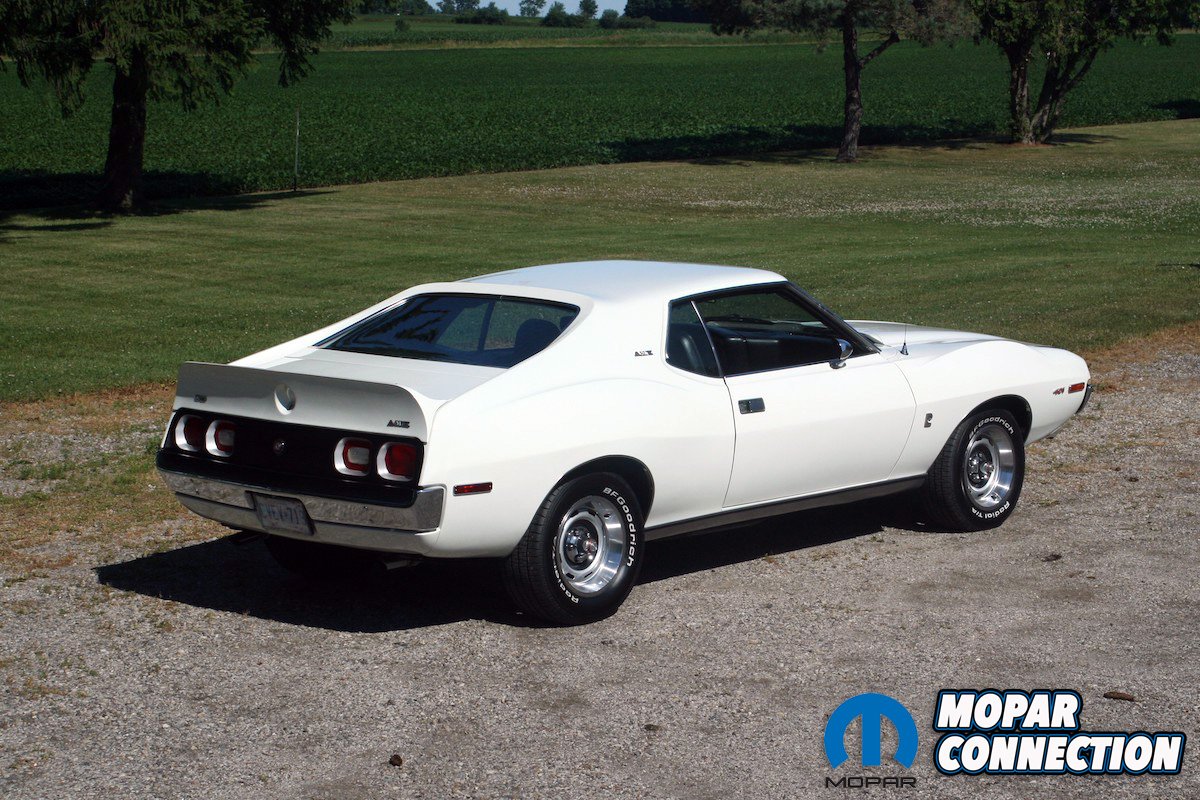
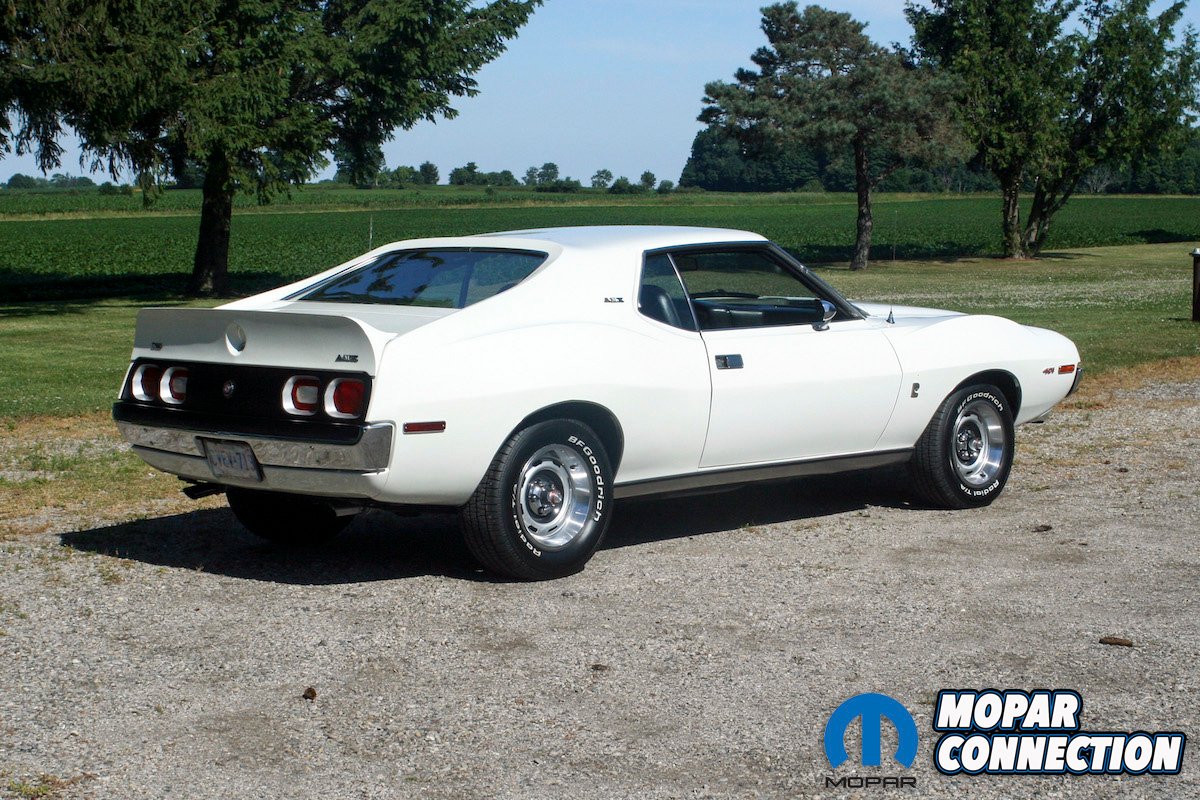
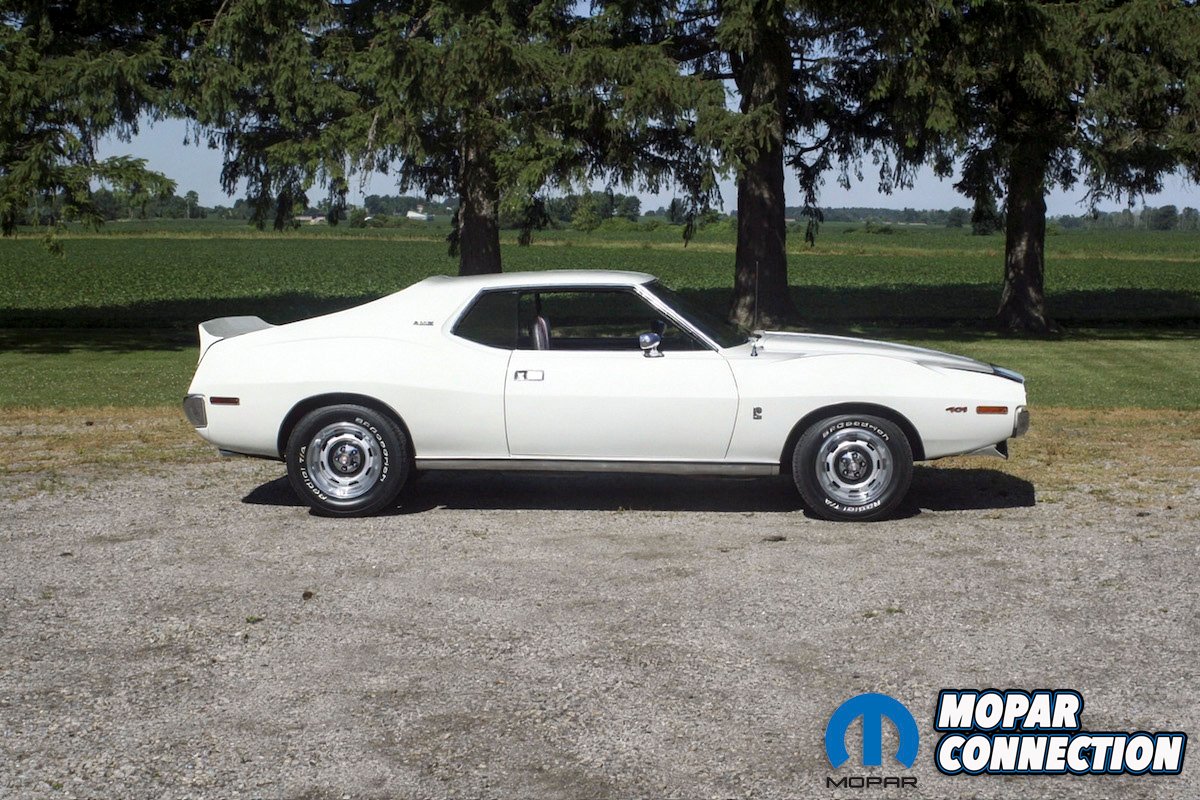
The trio’s work on the 1971 redesign gave the Javelin its distinctive presence: sculpted fender bulges, a built-in roof spoiler, and a more aggressive stance. Gone was the smooth, tucked-in look of the earlier body. The second generation was heavier, broader, lower, and longer than the first, with its wheelbase stretched by an inch to a total of 110 inches.
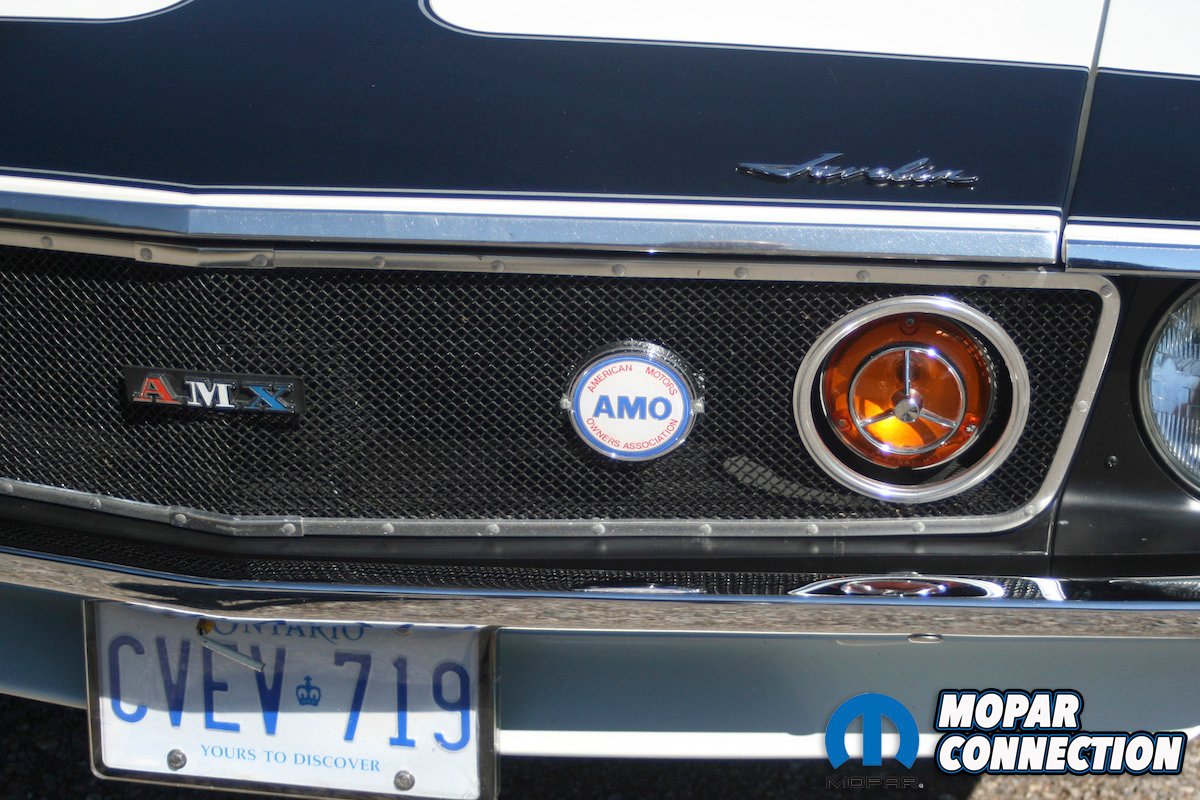
With wider fenders for larger racing tires and a lowered nose, AMC refined the Javelin’s aerodynamics and homologated it for competition. The 1971 Javelin AMX also gained a rear spoiler that Penske Racing tests showed added 100 pounds of downforce. At Mark Donohue’s urging, AMC redesigned the grille to sit flush with the body, improving airflow. The changes helped AMC capture Trans-Am championships in 1971 and 1972, leading to the slogan: “The closest thing you can buy to a Trans-Am champion.”
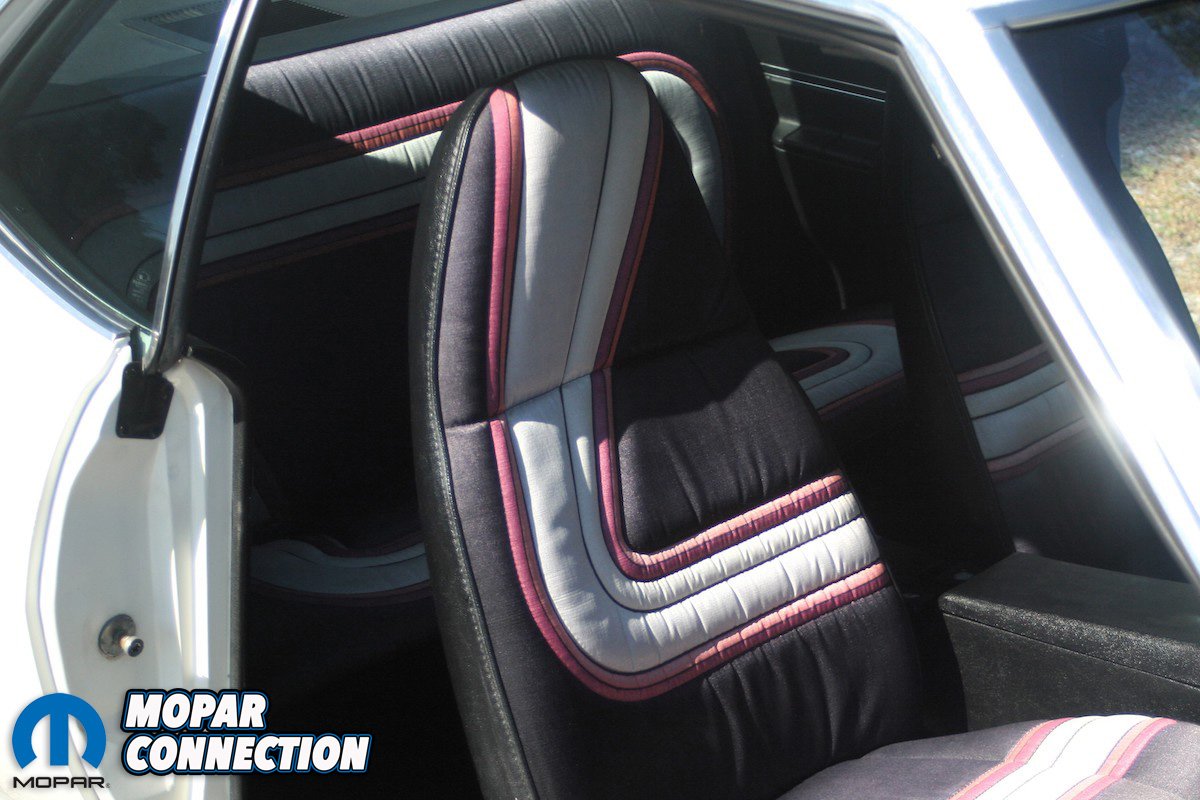
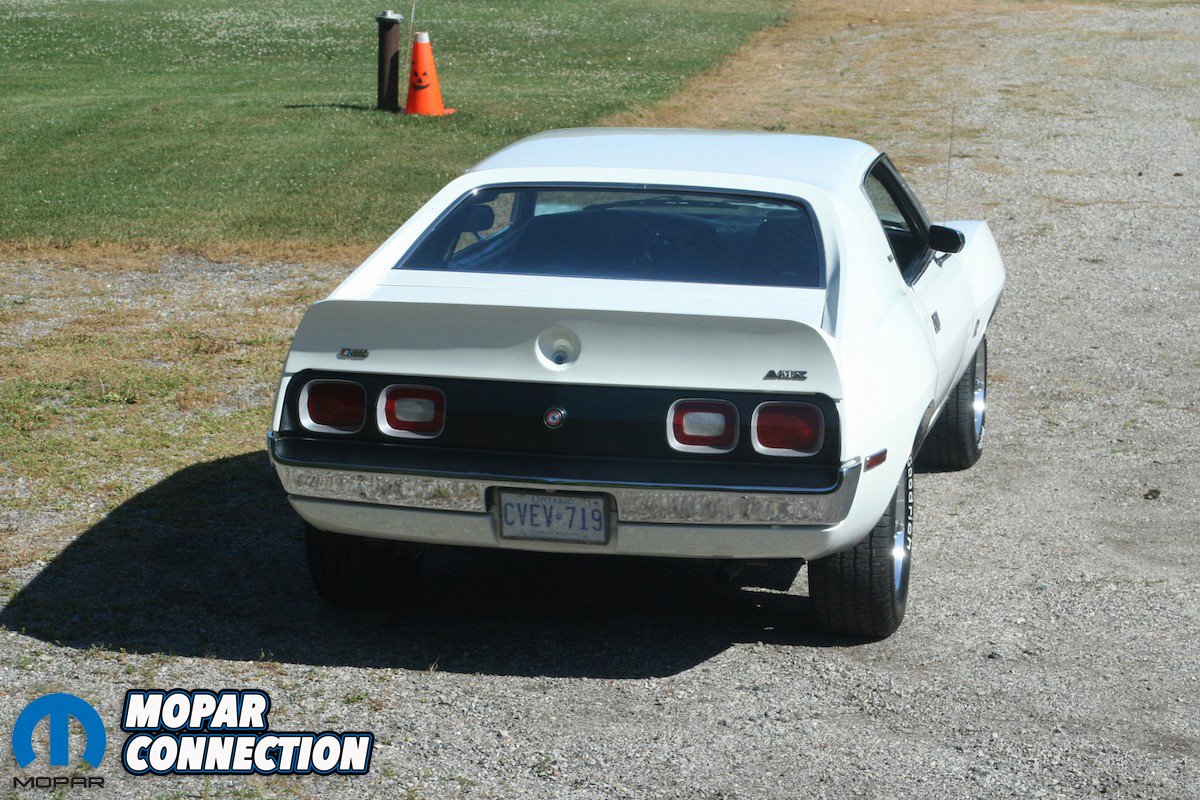
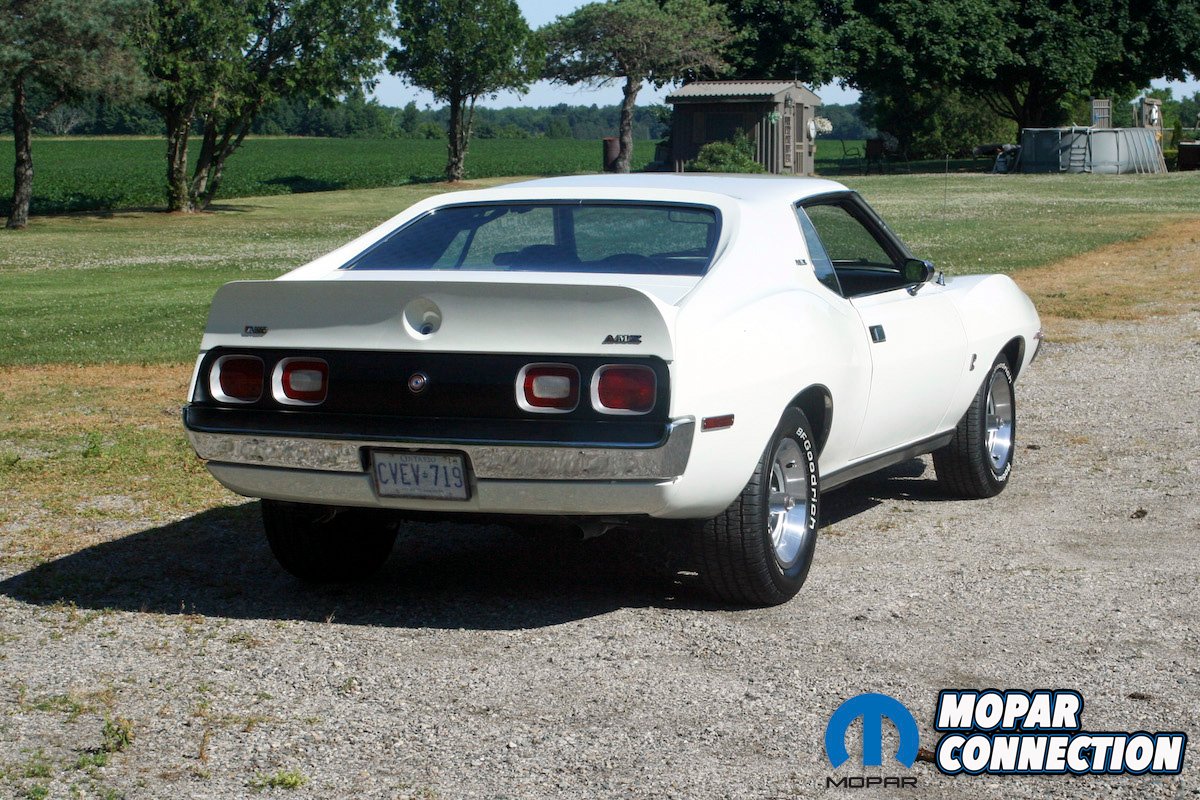
The 1973 Javelin received several notable updates. While the AMX grille remained unchanged, new taillights gave the car a refreshed appearance. AMC also replaced the bulky “Turtle Back” front seats with thinner, lighter, and more comfortable designs that increased rear-seat legroom. In addition, the SST designation was dropped, leaving the model simply known as the Javelin.
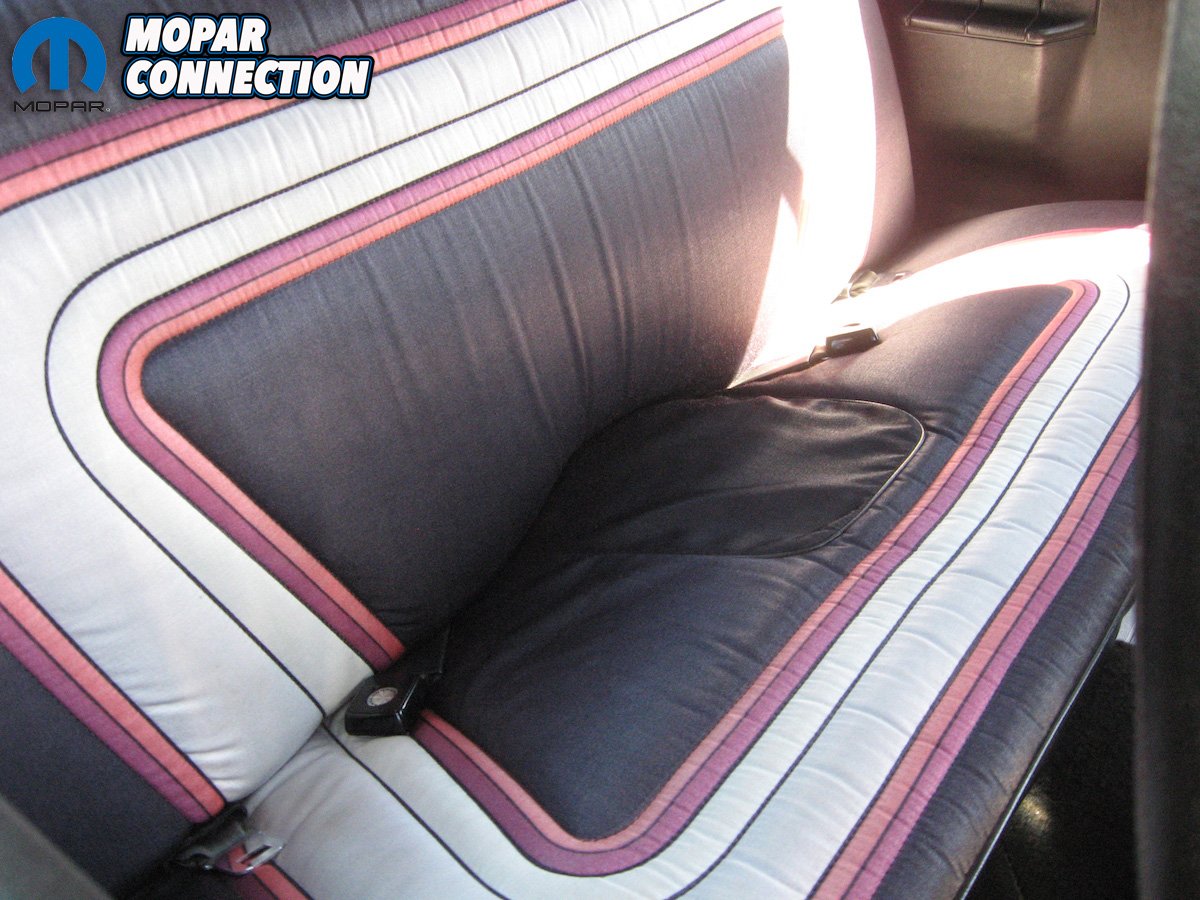
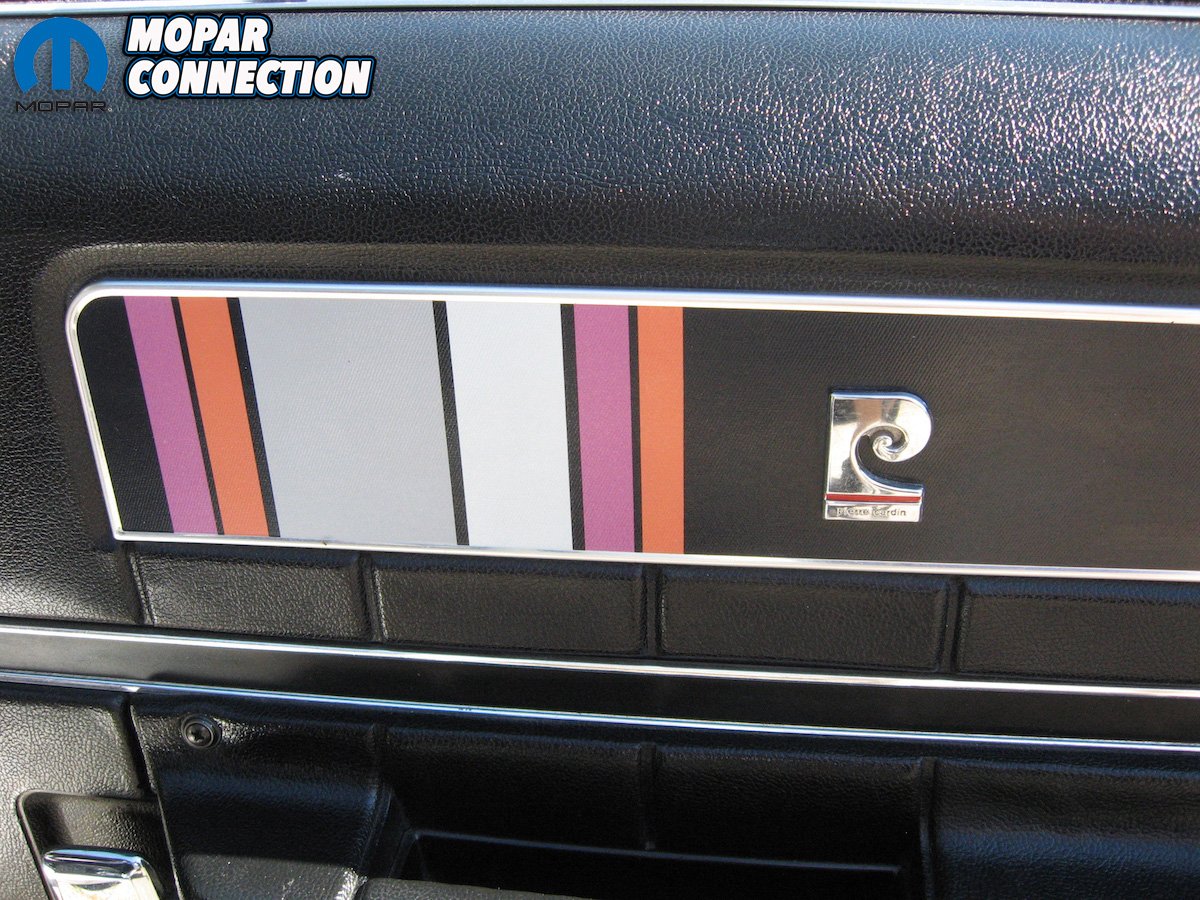
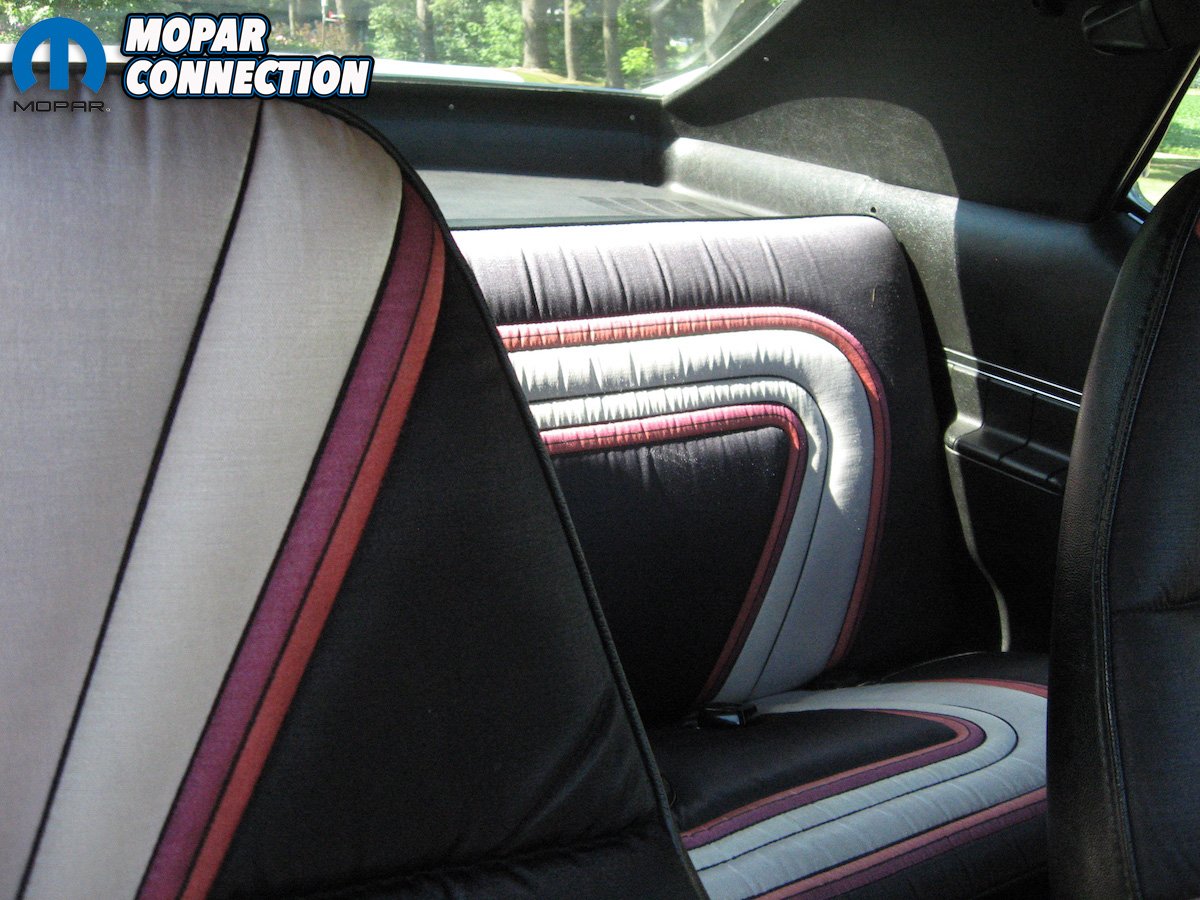
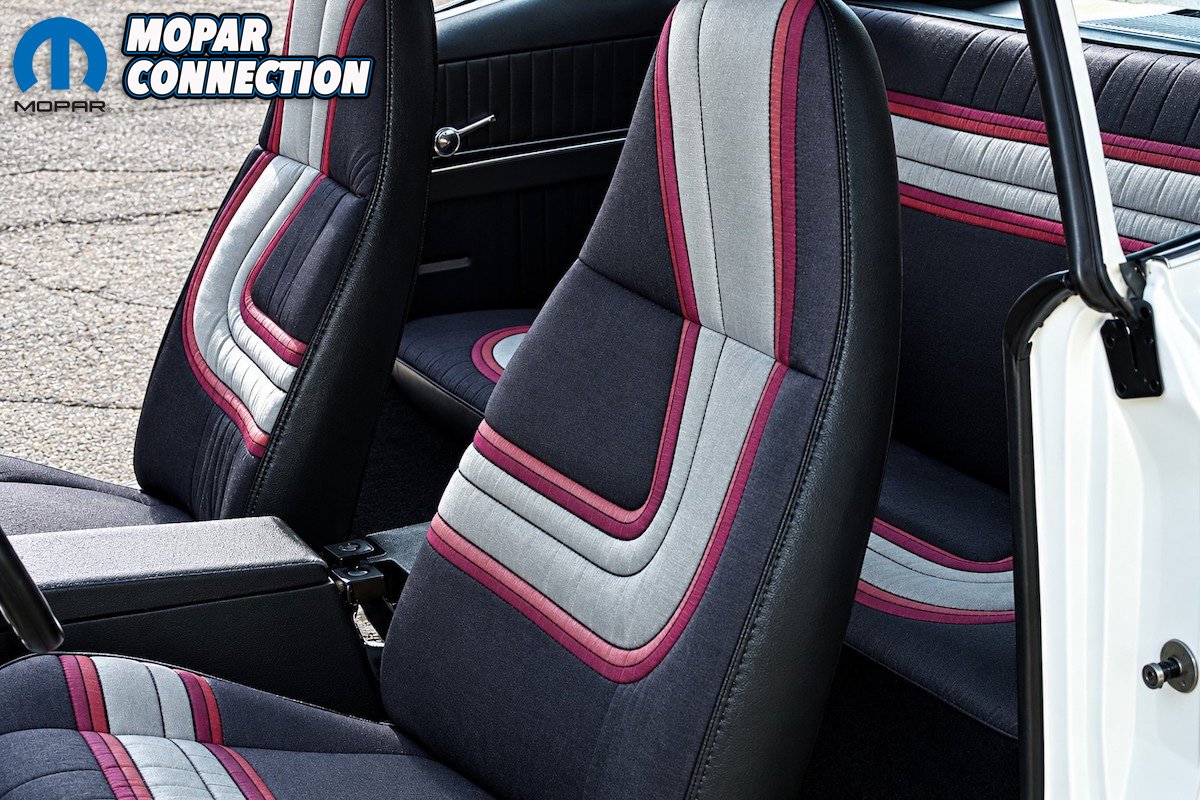
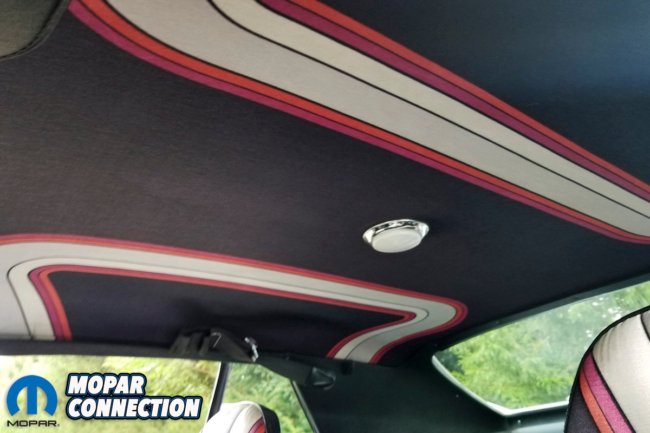
In 1973, AMC built 30,902 Javelins, including just 5,707 AMXs. Of those, only 1,420 were equipped with the powerful 401-cubic-inch V8. AMC also offered the distinctive Pierre Cardin edition, featuring a unique striped interior, matching headliner and trim inserts, plus special exterior badging. Across the 1972-74 model years, only 4,152 Javelins were produced with this designer package.
AMC’s limited-production Designer Interiors embodied chairman Roy D. Chapin Jr.’s “Philosophy of Difference,” a strategy that helped distinguish AMC from the Big Three through creativity rather than scale. By partnering with leading names in fashion and design, AMC transformed its interiors into bold style statements.
The striking geometric patterns of the Pierre Cardin Javelin, the upscale elegance of the Gucci Hornet Sportabout, the denim-inspired Levi’s Gremlin, and the luxurious Oleg Cassini Matador Coupe gave buyers something unique in an era of increasingly similar cars. These collaborations remain among the most distinctive and collectible special editions of the 1970s.
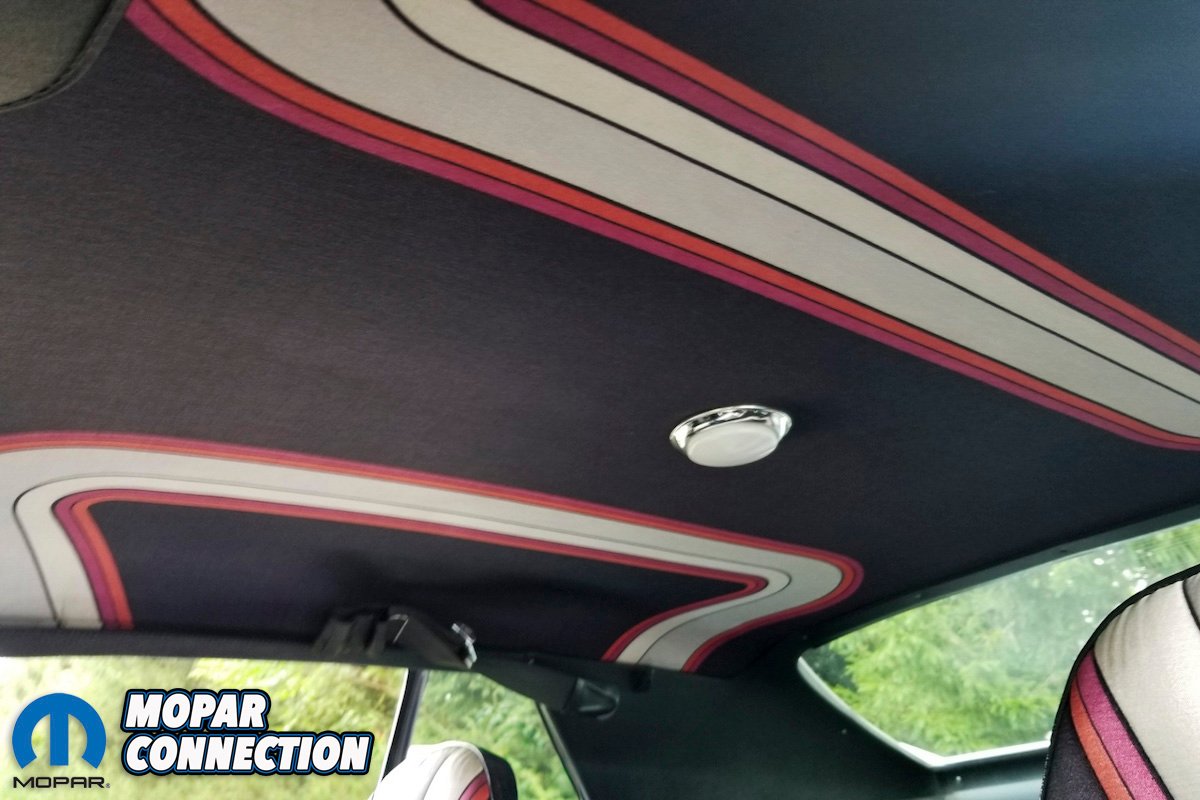
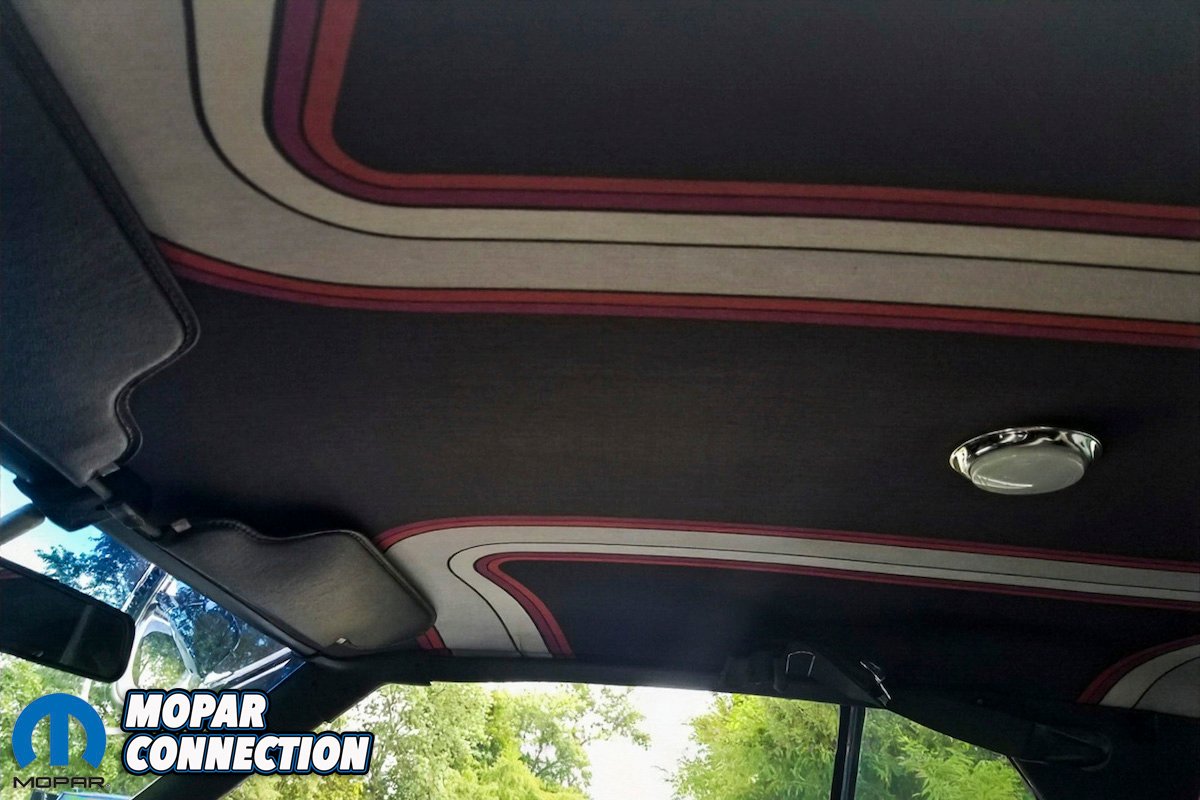
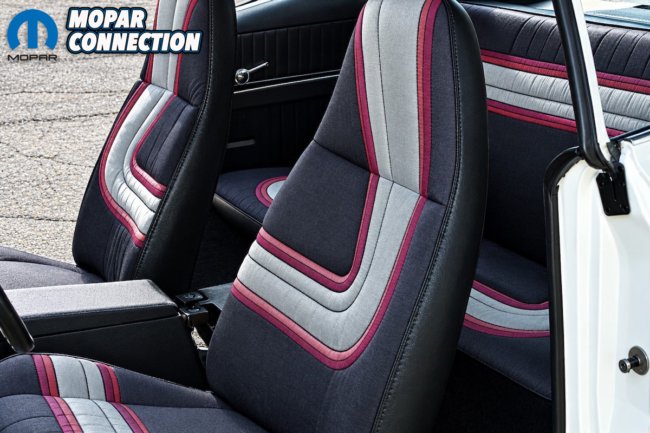
Introduced on March 1, 1972, the Pierre Cardin Designer Interior turned the Javelin’s cabin into a rolling fashion statement. Its striking design featured six pleated stripes in red, plum, white, and silver on black nylon fabric with a stain-resistant silicone finish.
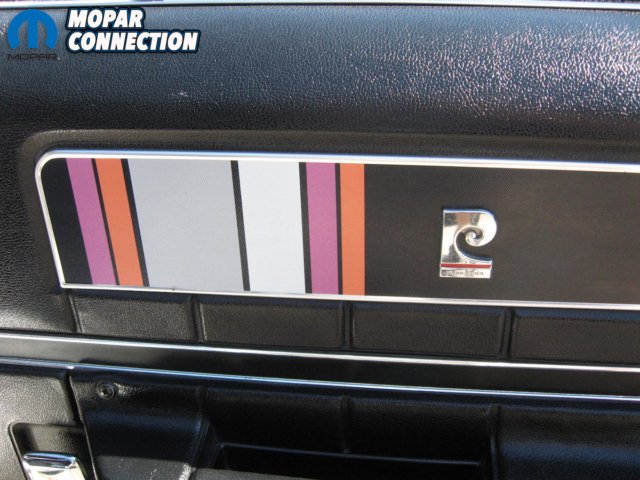
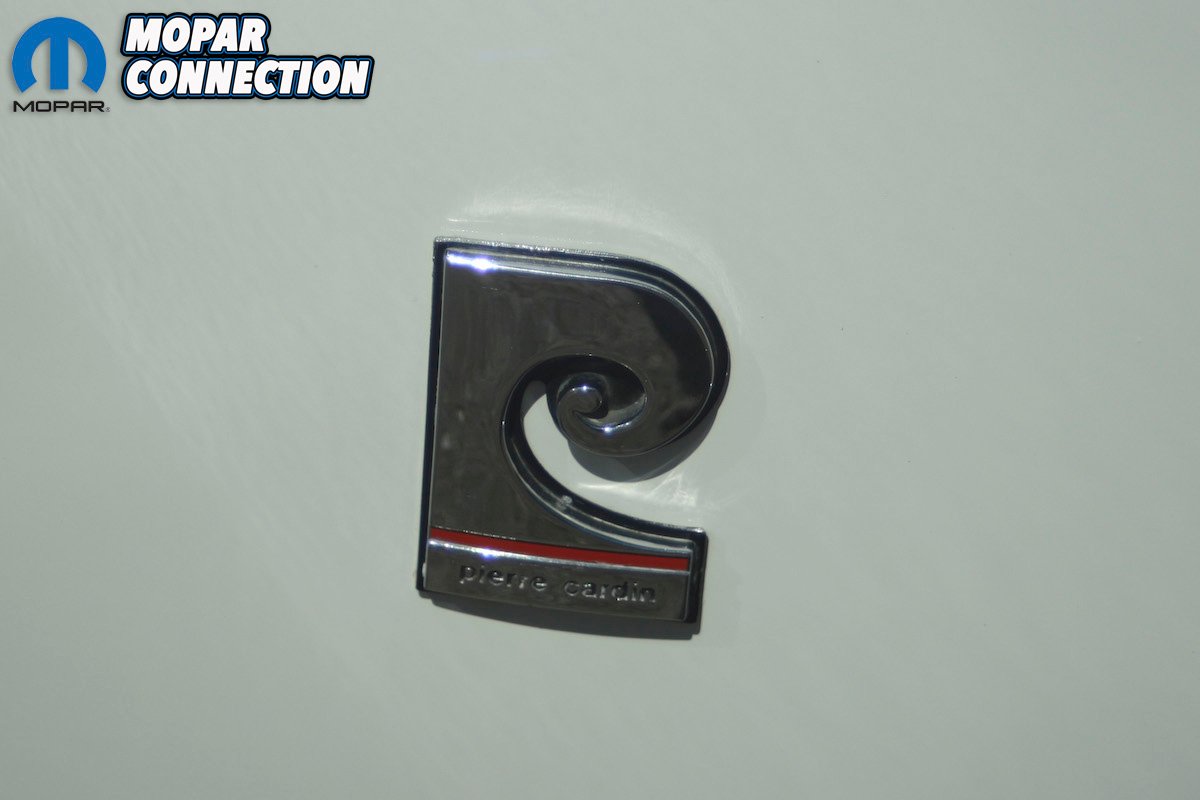
The pattern flowed from the seats across the door panels and headliner, creating a dramatic, wraparound effect. Cardin crests on the front fenders identified the package, which cost just $84.95 and was available only with select exterior colors: Trans Am Red, Snow White, Stardust Silver, Diamond Blue, and Wild Plum.
For Shane Petersen, it all started with his car-loving dad, who hauled him to every car show in town. Weekends meant endless rows of “Chebby” Camaros and Ford “Rustangs,” and before long, he was bored stiff. Then he began noticing the oddballs—the AMCs, Studebakers, and other underdogs that stood apart from the crowd. That spark of curiosity eventually led him to the Javelin AMX, a car that combined muscle with an unmistakable style.
He even told his dad, laughing, “I’m going to own a Javelin someday.” His dad just shook his head, knowing Shane’s taste always leaned toward the unconventional, especially anything from American Motors.
As Shane’s interest in AMC grew, he picked up a unique piece—a 1979 AMC Jeep CJ5 Silver Anniversary once awarded to NHL Hall of Famer Bob Gainey. It became his show vehicle until he spotted the Javelin for sale. “I knew it was a rare gem,” he said. He didn’t hesitate: the Jeep was sold, and the Javelin became his.
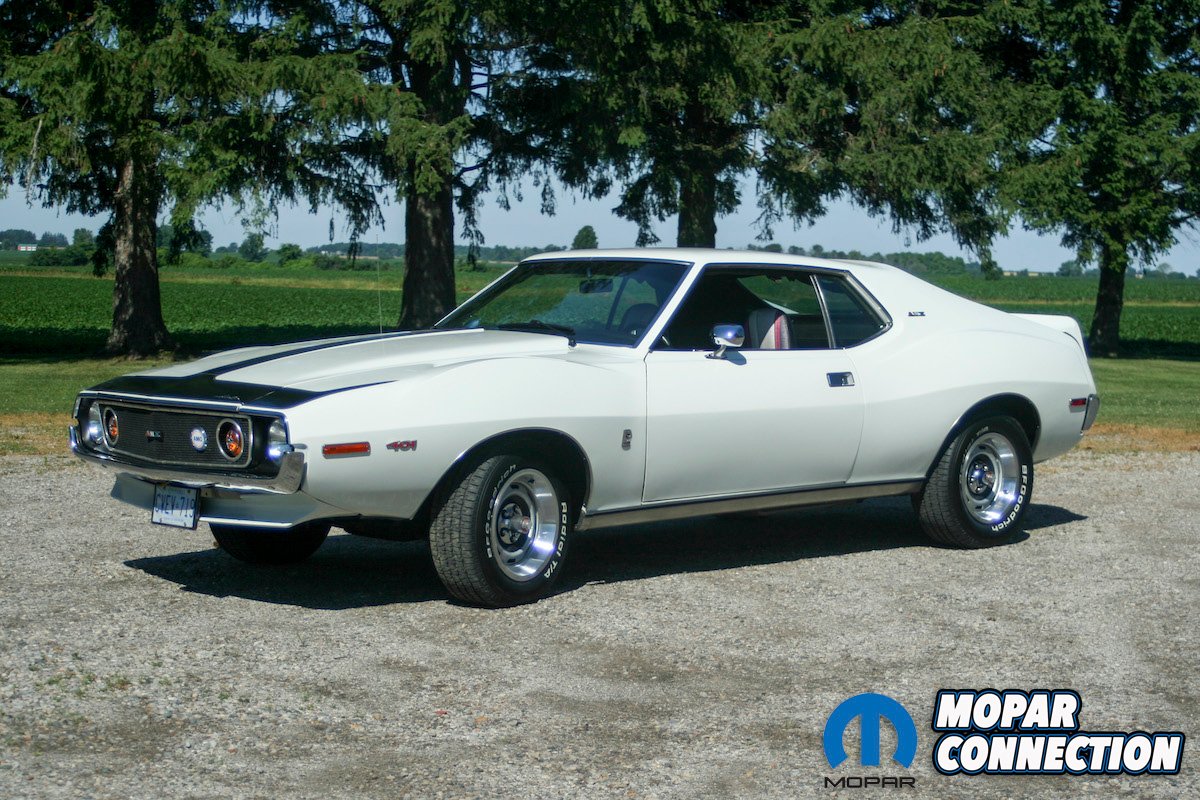
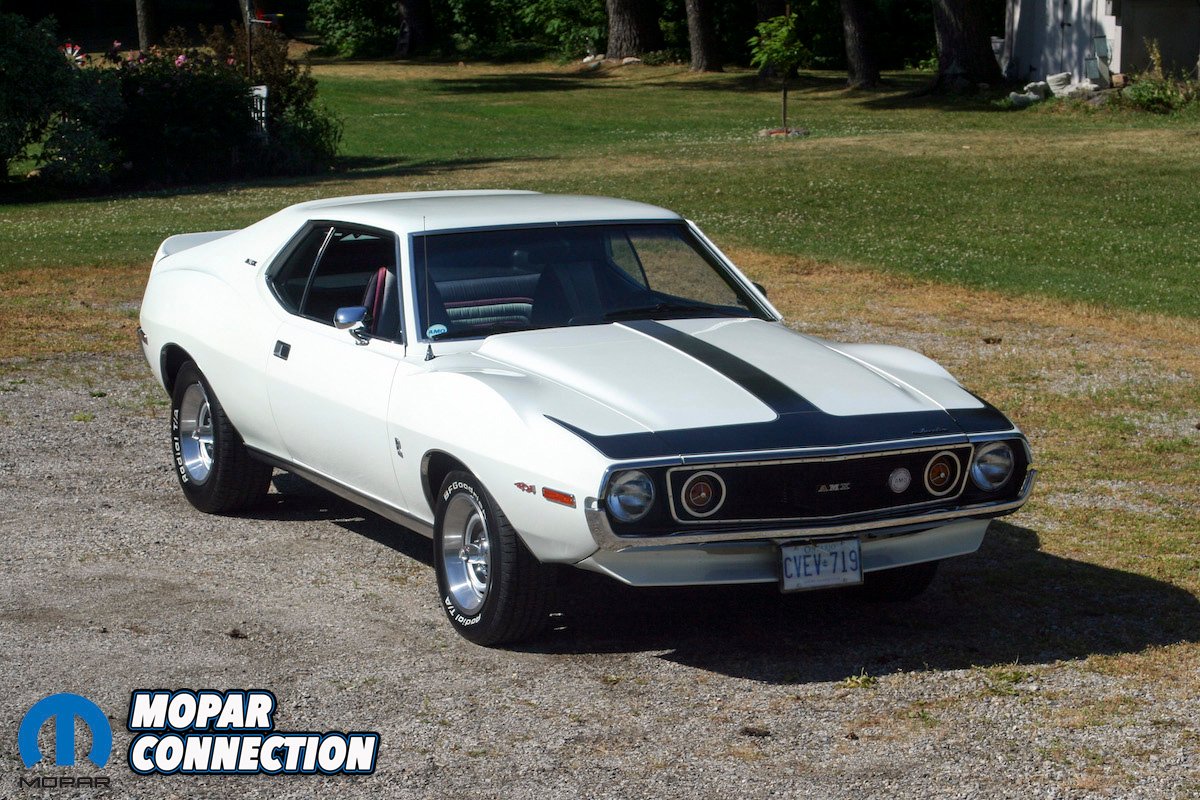
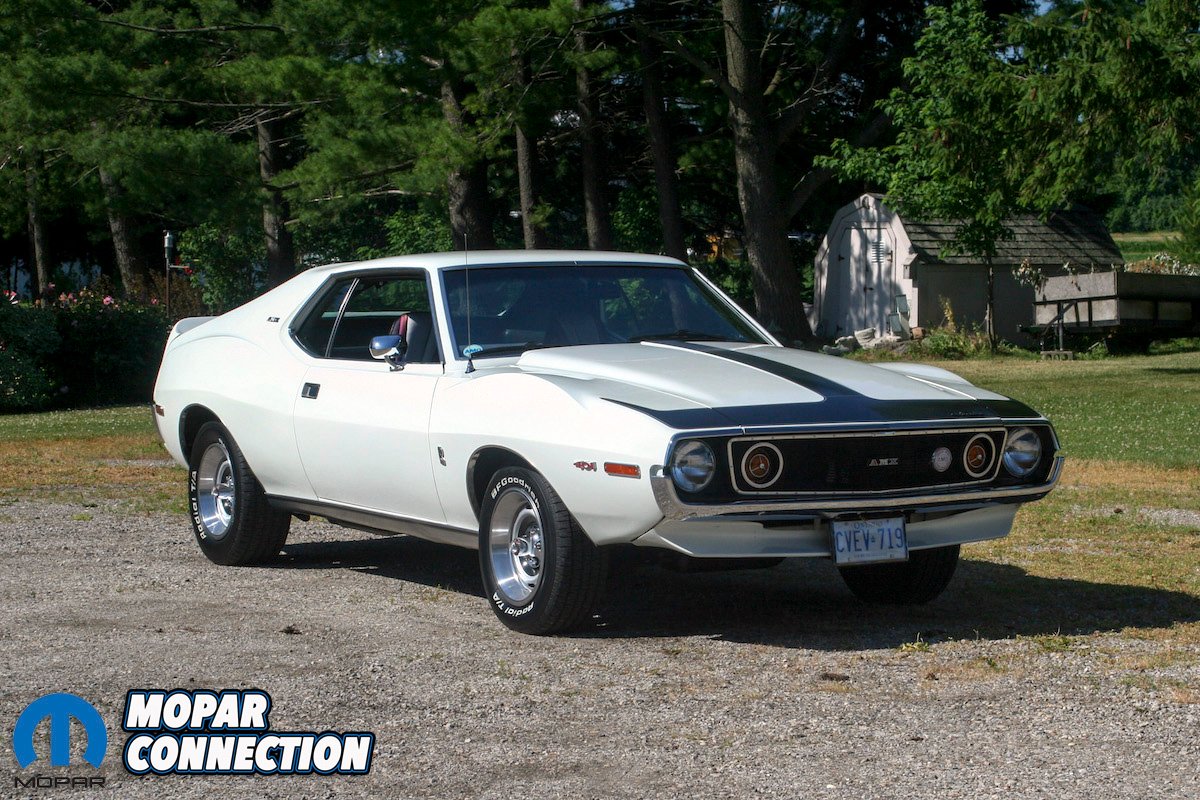
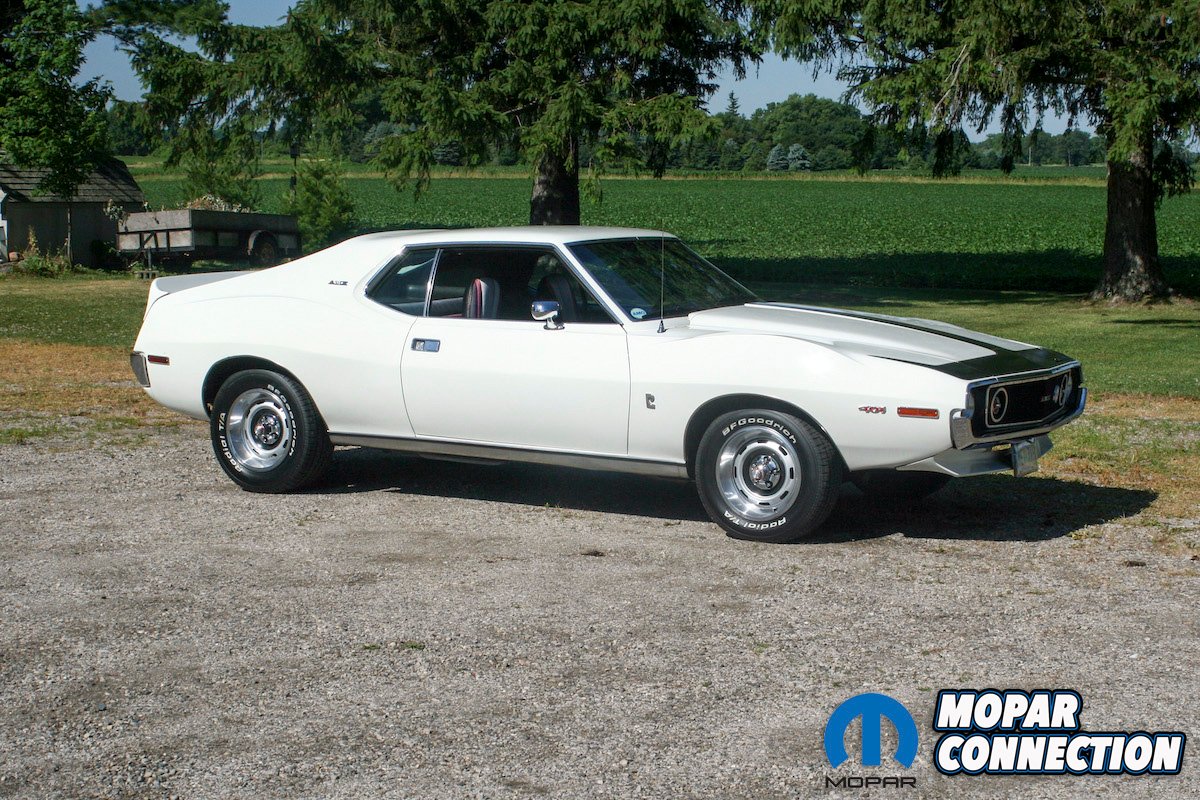
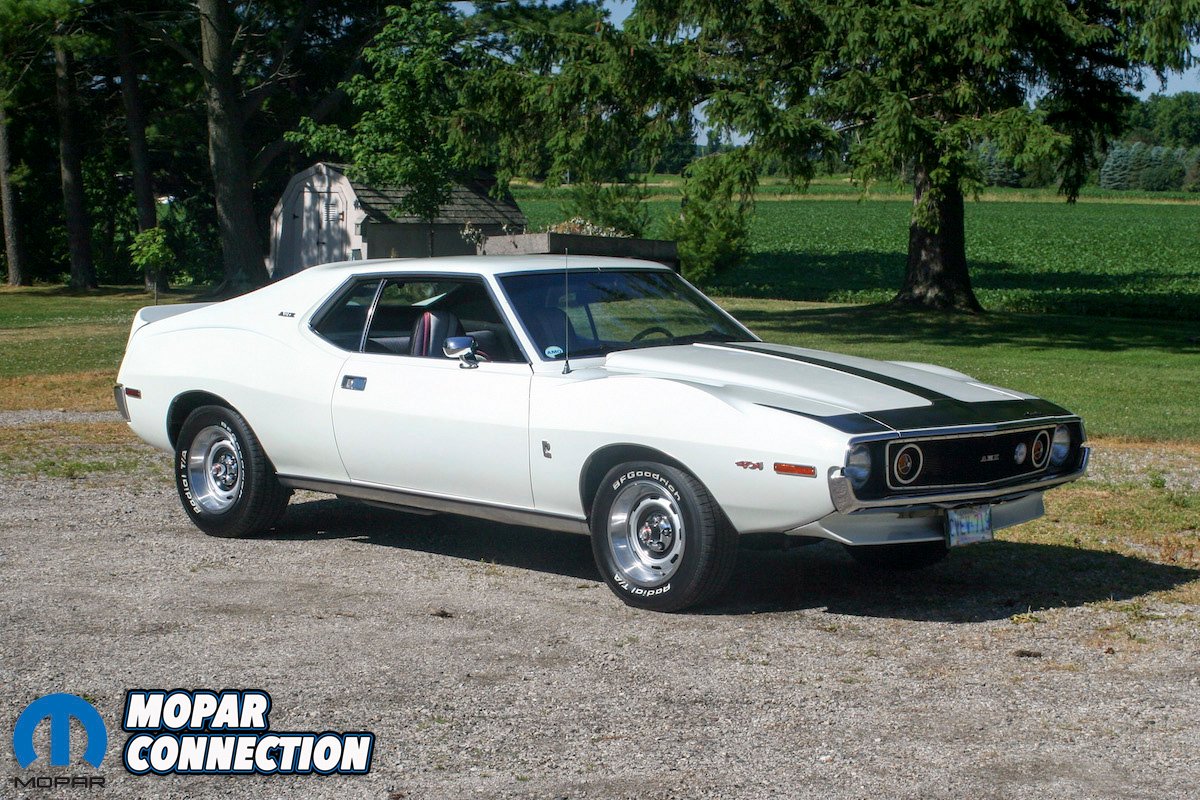
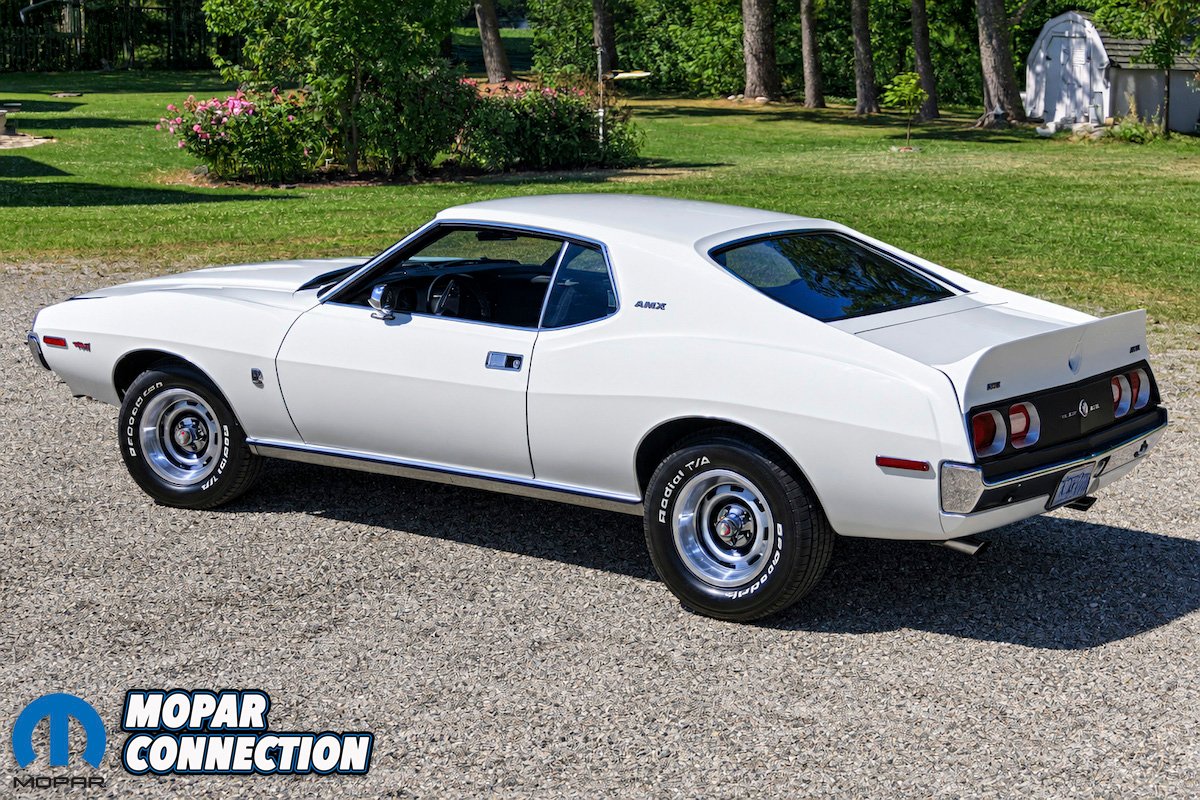
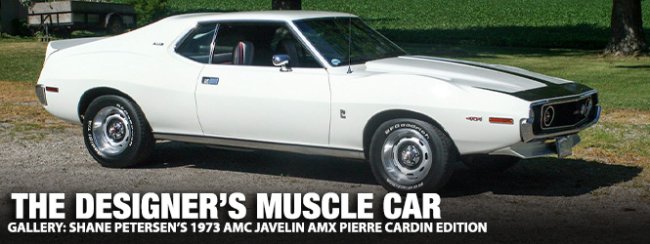
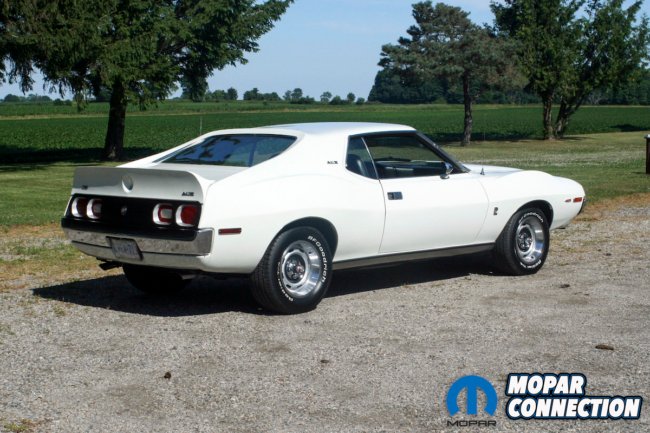
Shane finally landed his dream machine: a 1973 AMC Javelin AMX, and not just any version—it’s the limited-edition Pierre Cardin model, built in Kenosha, Wisconsin.
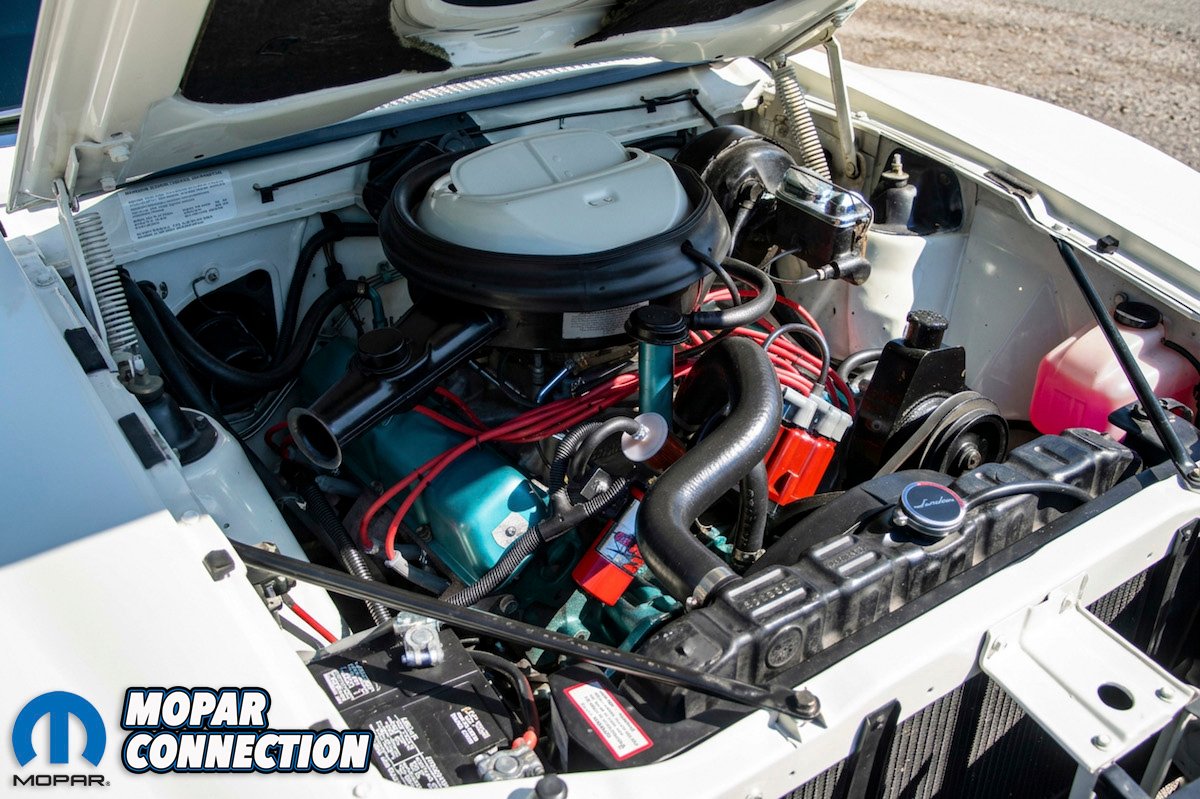
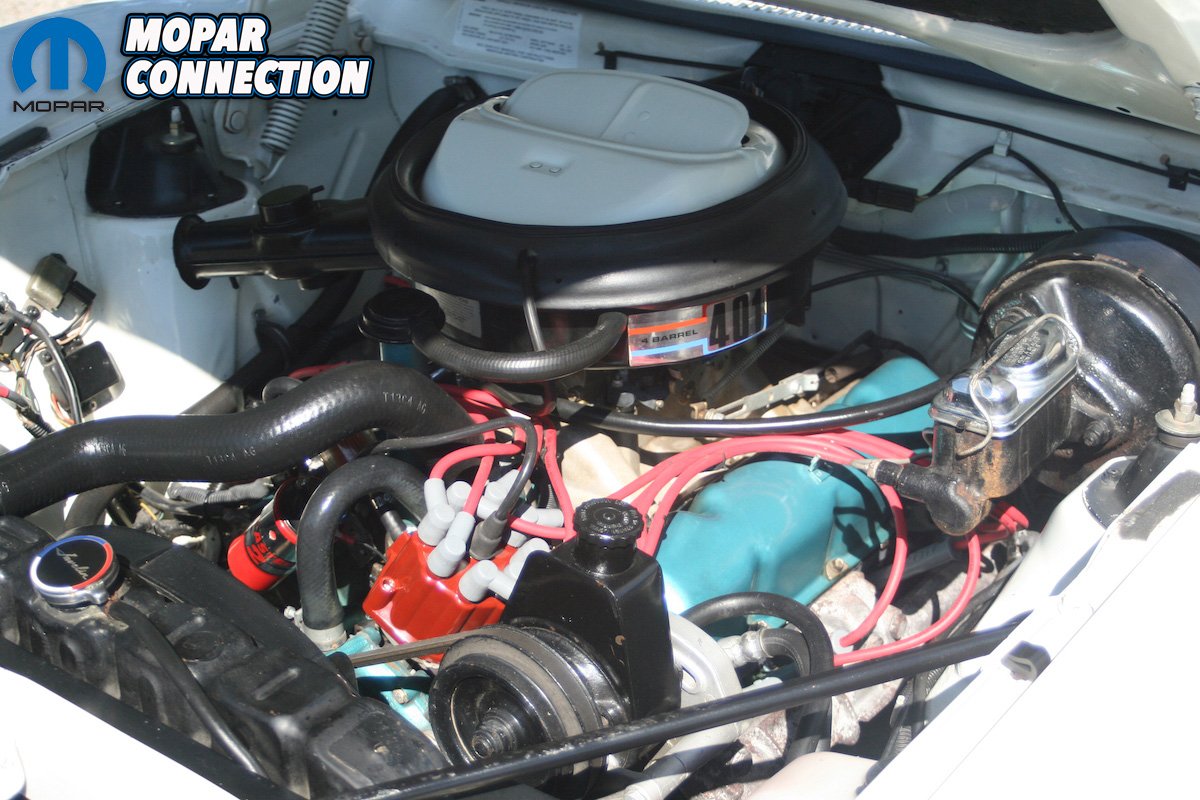
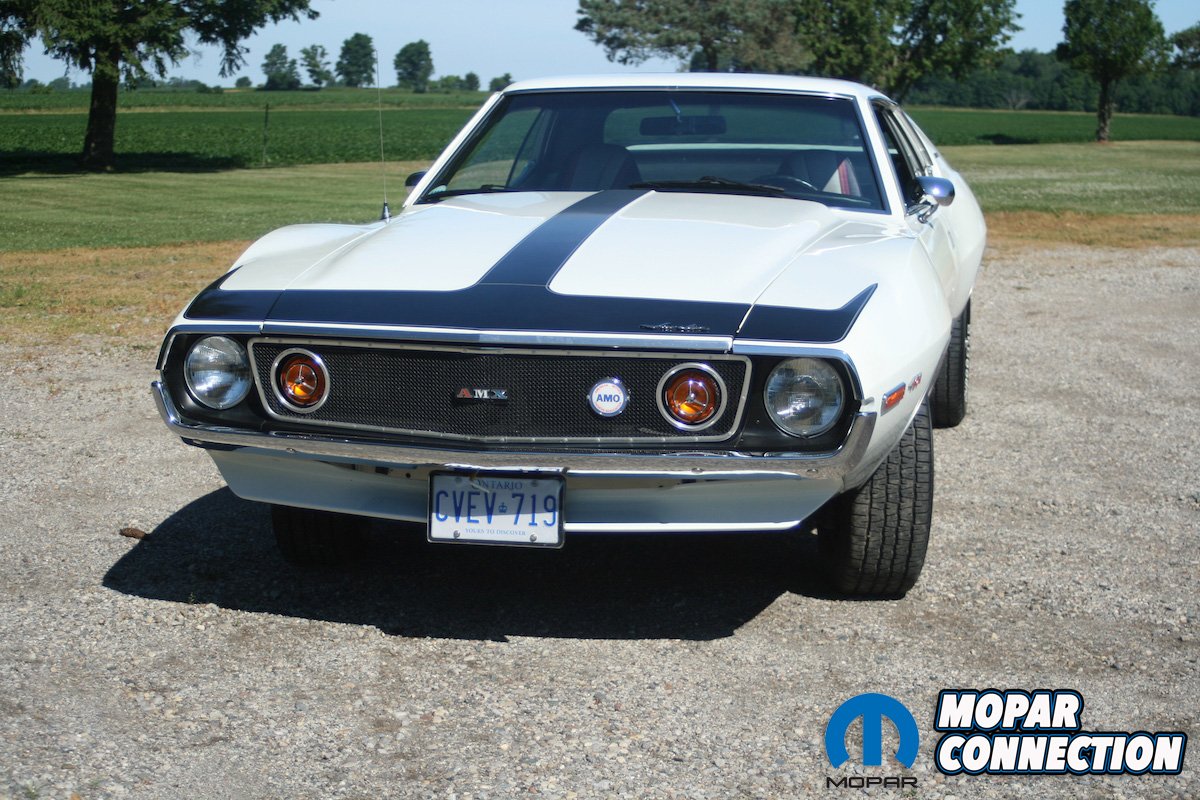
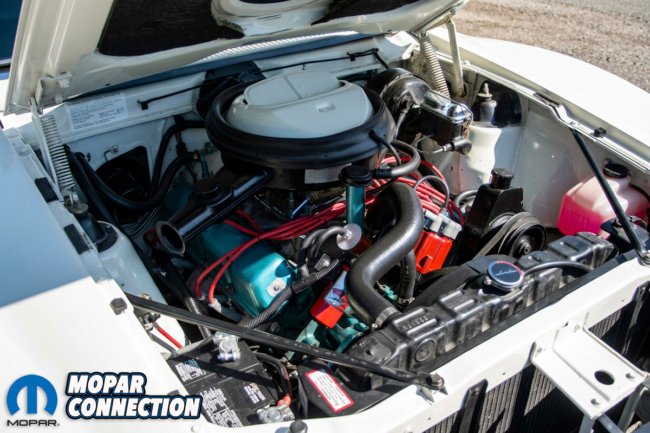
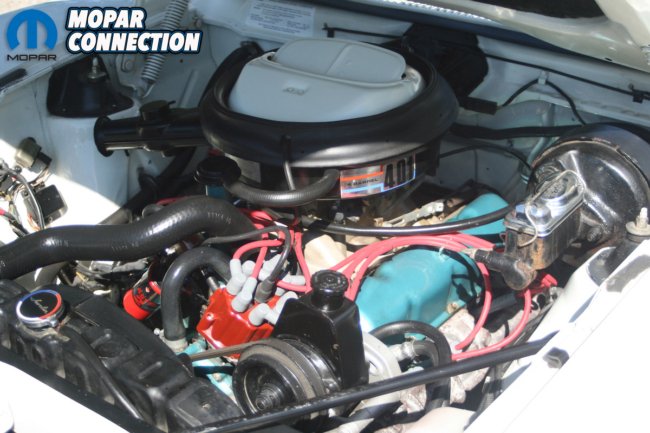
Shane’s Javelin AMX carries the “341W” trim code, marking it as one of the rare Pierre Cardin models—the “W” signifying the designer interior. Finished in Snow White (code A1), one of the approved Cardin colors, its VIN includes a “Z,” identifying the 401 cu in V8 rated at 255 hp and 345 ft-lbs of torque.
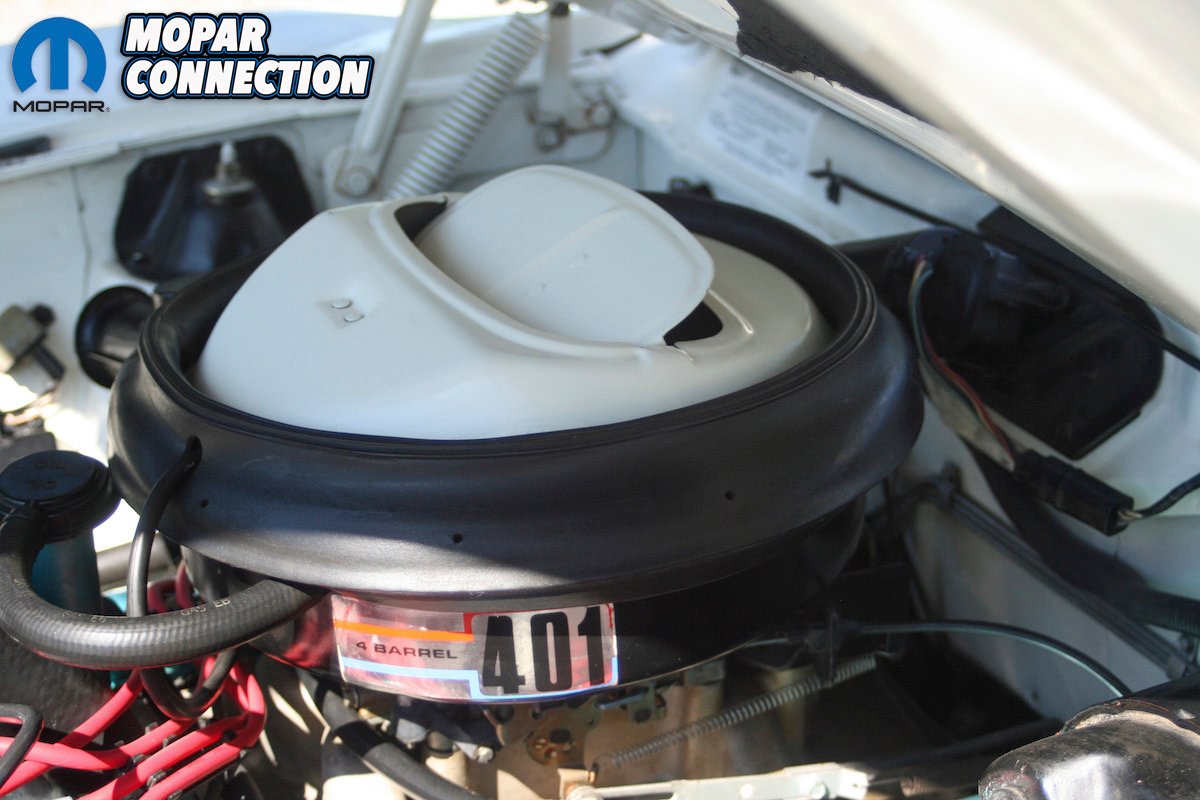
Originally fitted with an Autolite 4300 four-barrel carburetor, it now breathes through a Holley four-barrel atop an Edelbrock dual-plane aluminum intake. The engine remains number-matched to the car.
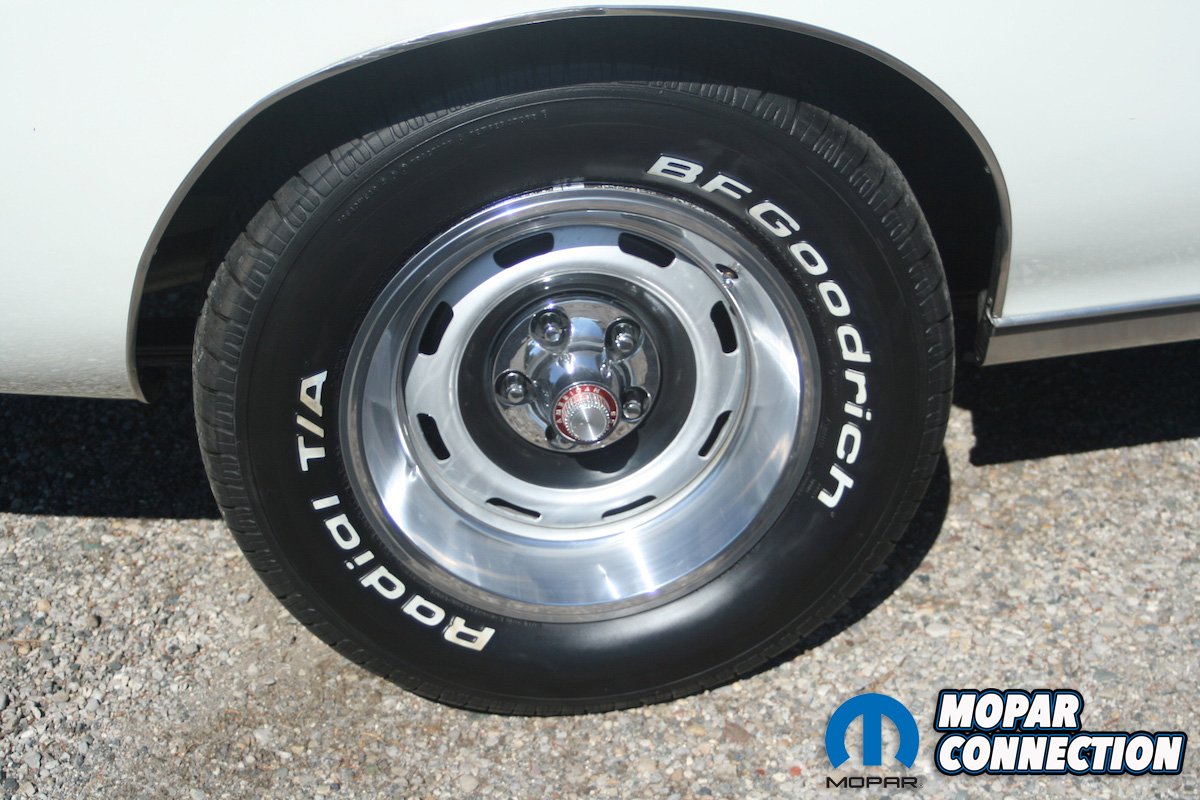
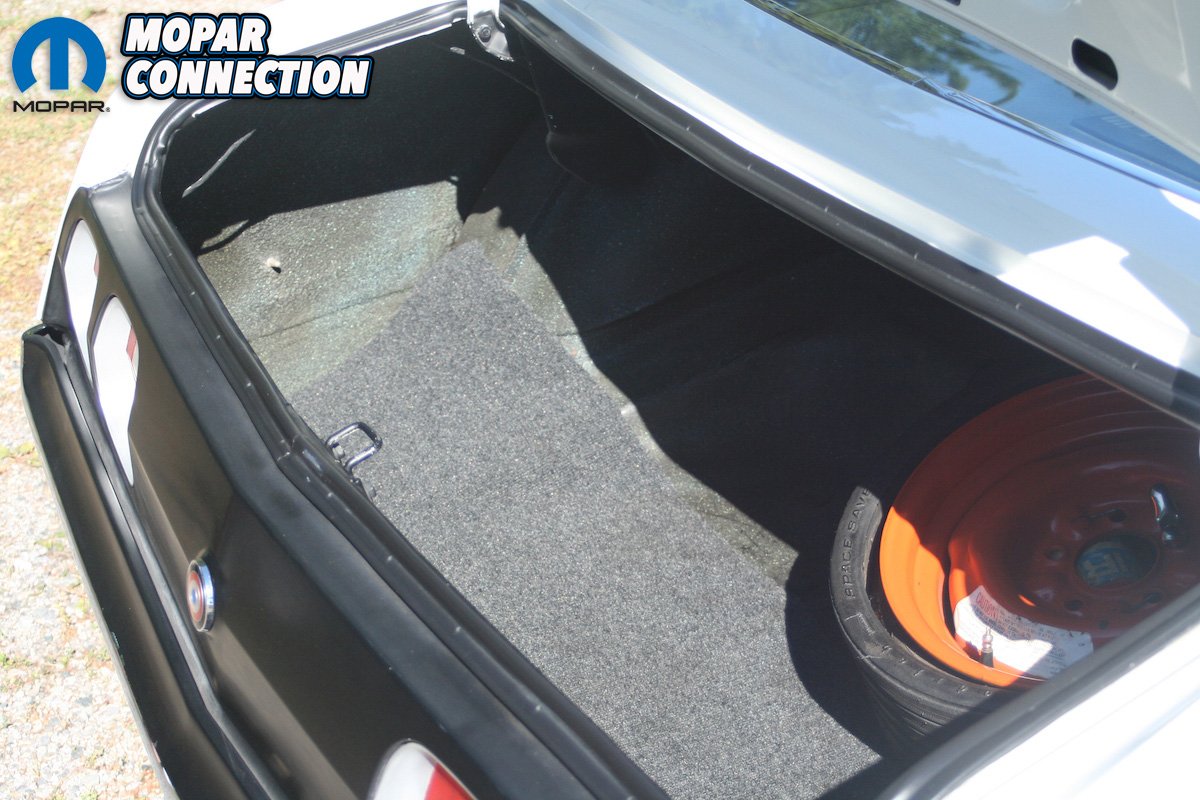
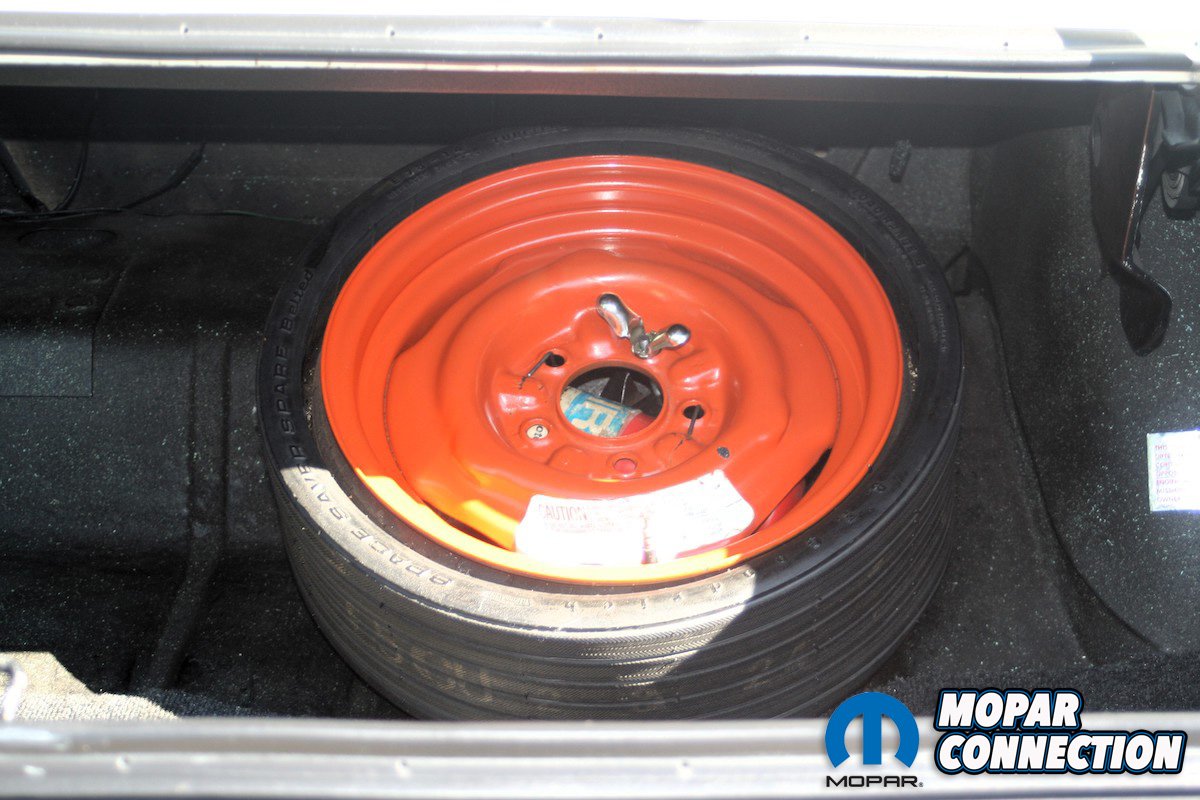
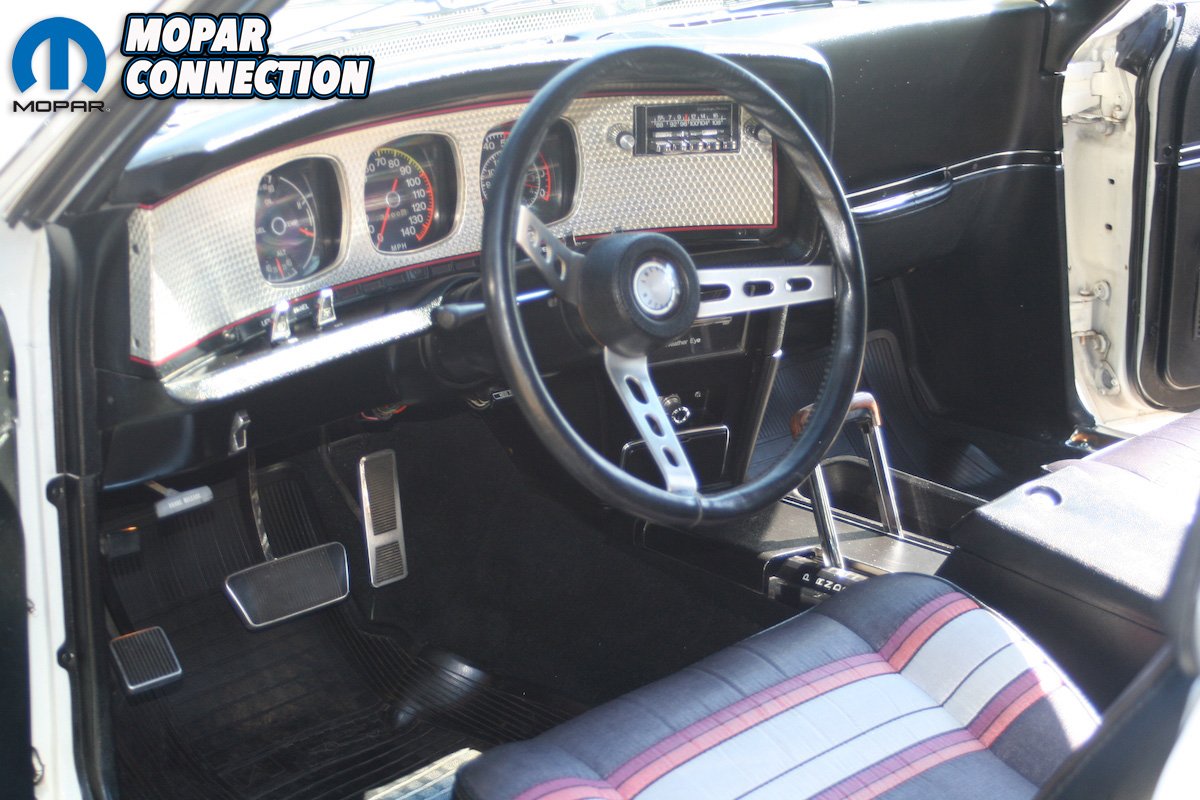
The Javelin was built with the “Go” package, which consists of a 401 engine, hood “T” stripe, black paint on the taillight panel, Rally-Pac instruments, handling package, cowl air carburetor induction system, heavy duty engine cooling, twin grip differential, power disc brakes, 15-inch tires with Kelsey Heyes slot steel rims, and a space saver spare tire.
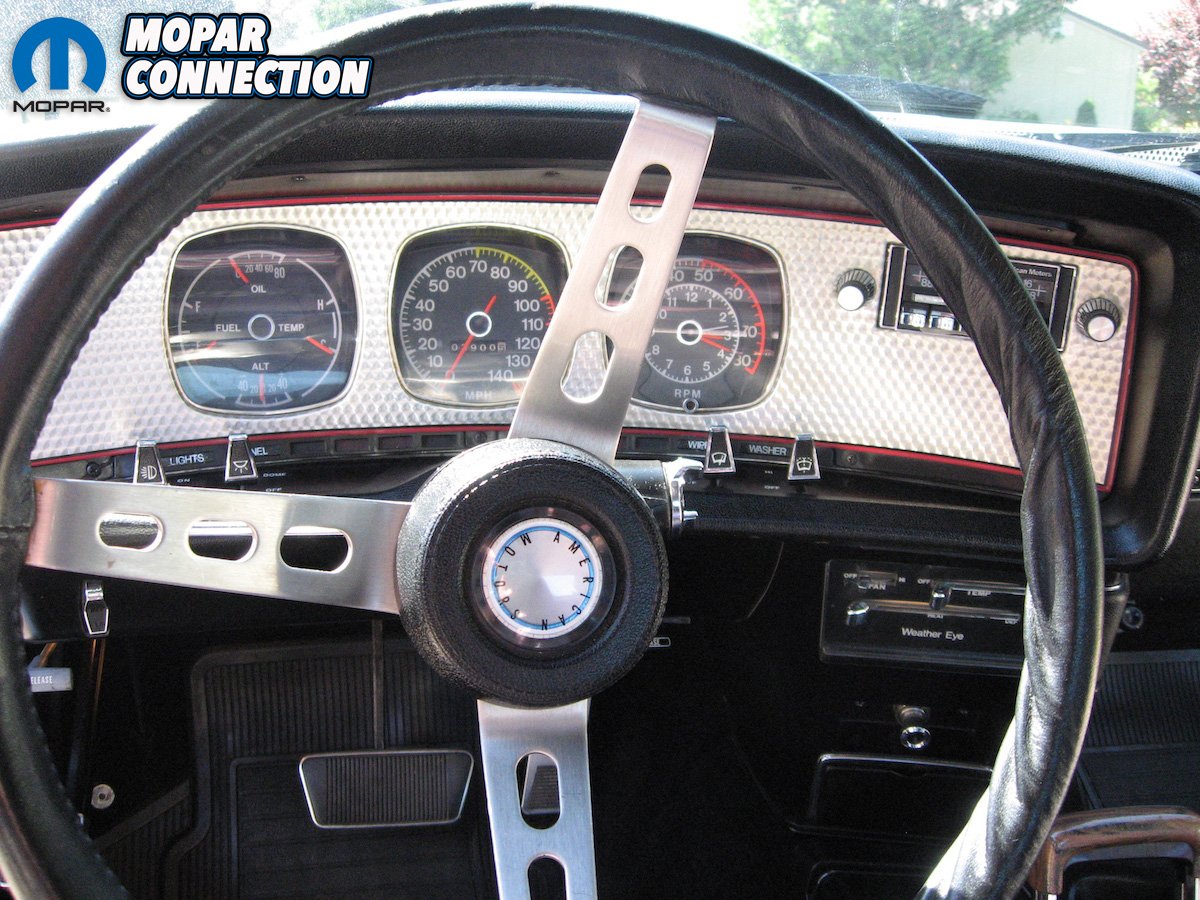
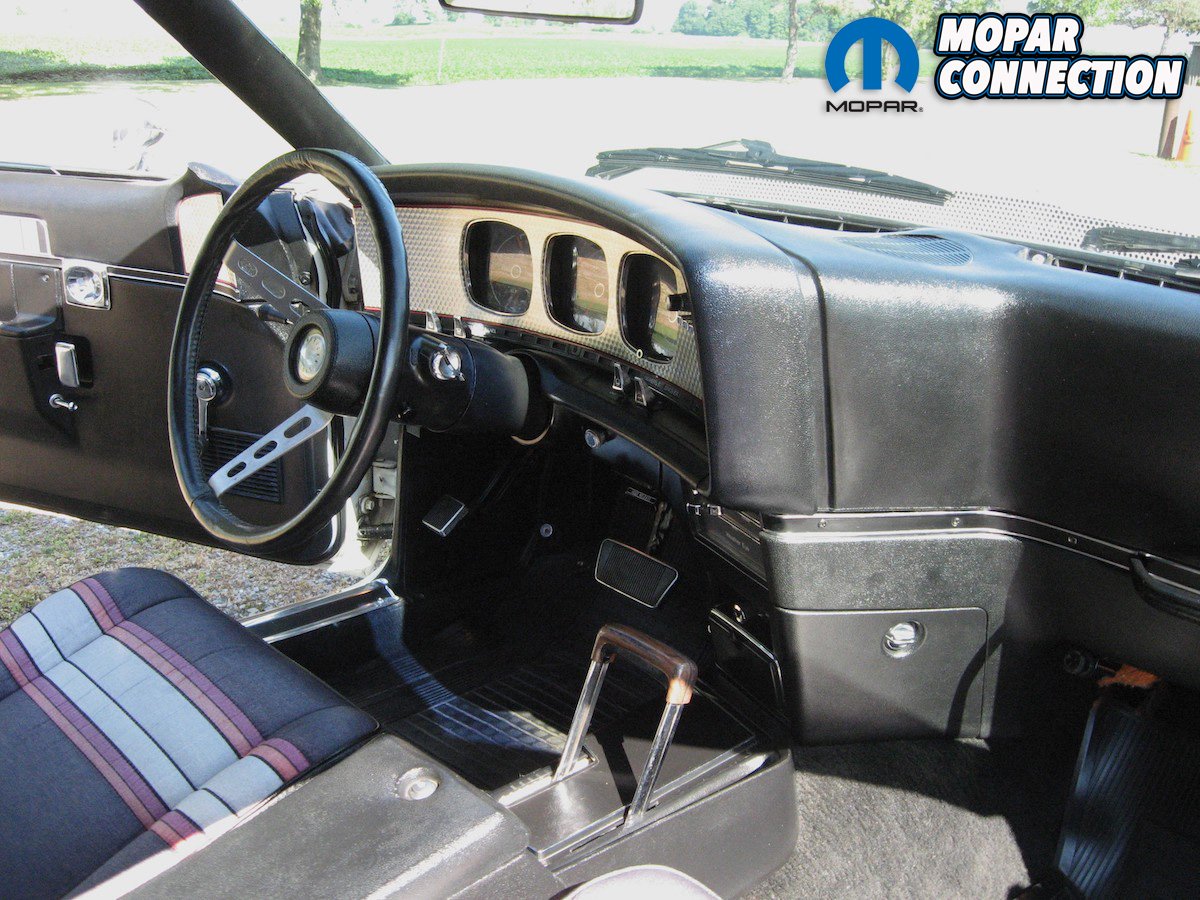
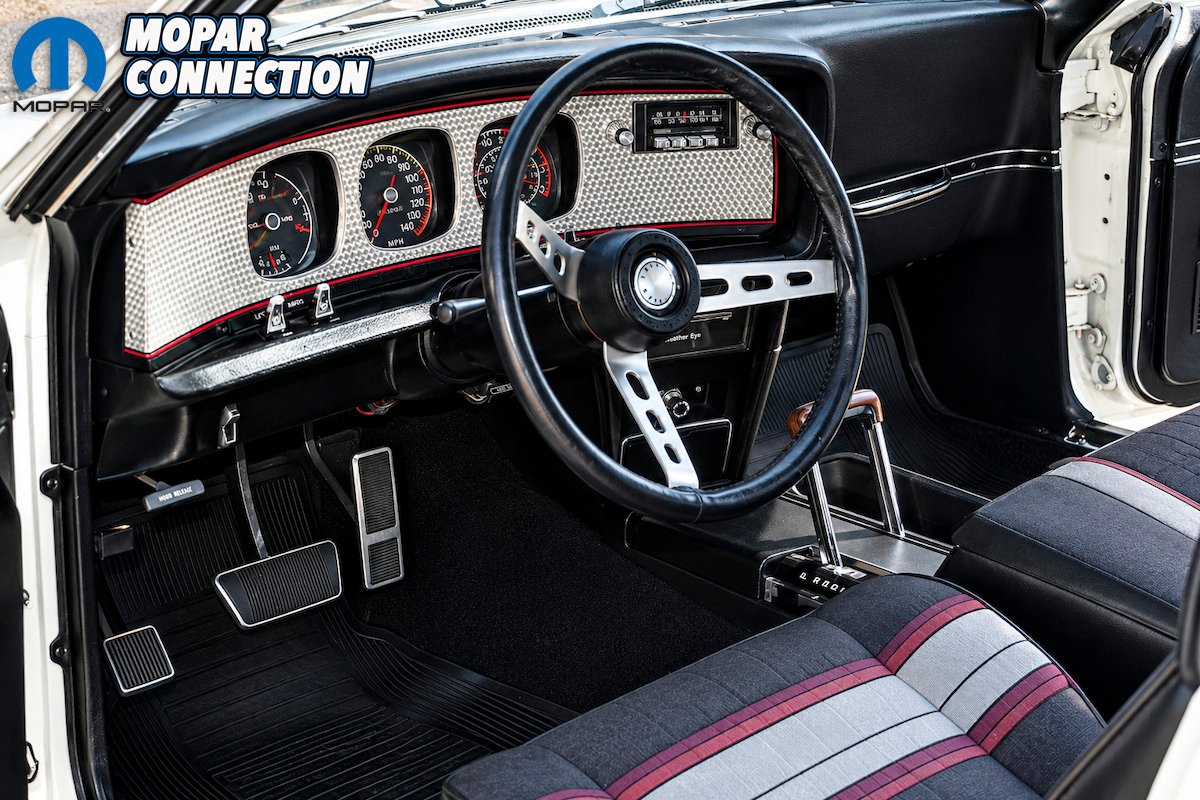
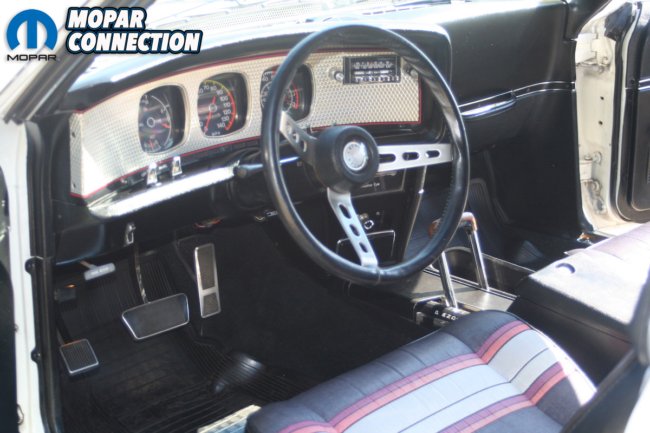
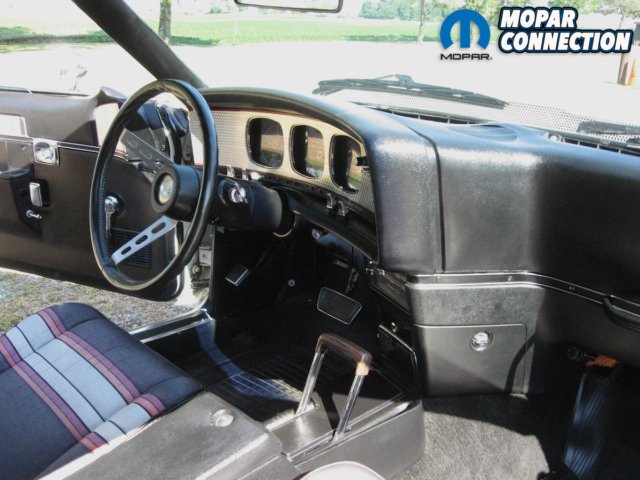
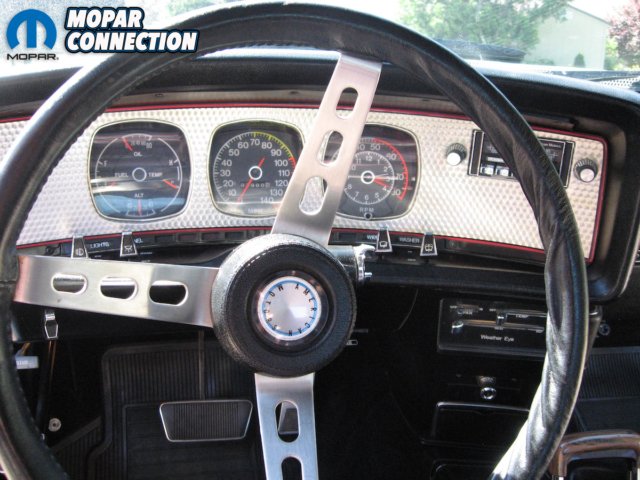
The AMX also sports the Rally-Pac instrument dash kit, which includes a 140-mph speedometer, a tachometer/clock “tick-tack,” an ammeter gauge, a fuel gauge, and an oil gauge. The dashboard was asymmetrical, with “functional instrument gauges that wrap around you with cockpit efficiency.”
The machined-turned panel on the instrument panel face gives it race-car appeal. Sport steering wheel and Adjust-O-Tilt steering are standard equipment for this vehicle.
AMC had a variety of transmissions available for the AMX, such as a 4-speed manual with Hurst-equipped shifter or a 3-speed automatic Torque Command, which this car is equipped with. The console features a horseshoe shifter with additional storage.
The power goes to the stock AMC 20 rear axle, which is most often used with V8 engines in cars and Jeeps. The AMX uses 3:15 gears and Twin Grip, which is a locking differential that provides power to the back tires.
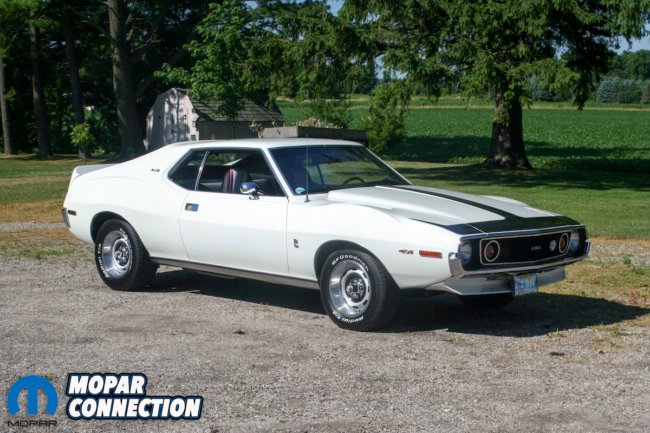
Originally owned by an American since it was brand new, Shane’s automobile was then sold to a person in Etobicoke, Ontario, Canada, in 1984. Next, it moved on to someone in Whitby, Ontario, in 1990, before making it to Pentastic Motors in Gorrie, Ontario. Pentastic Motors specializes in classic muscle cars. Their focus is on Mopars, but they also sell, repair, and restore other brands.
A man from Delhi, Ontario, ended up buying the car from Pentastic Motors located in Gorrie, Ontario. This gentleman never keeps his car for too long, so when the novelty wears off, he puts the car up for sale. This is where Shane swooped in and purchased the car of his childhood dreams.
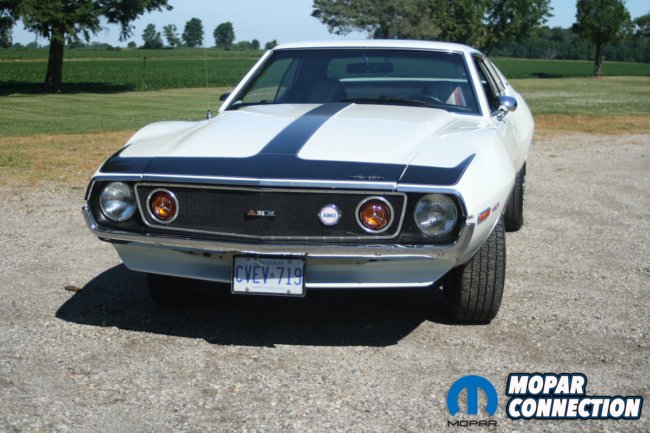
Between 2000 and 2010, the Javelin was restored and refinished in its original color, although the extent of the work is unknown. Remarkably, much of the car remains original, a testament to the care it has received throughout its life.
Today, Shane continues that stewardship, meticulously maintaining and proudly showing the car, with hopes of one day passing it on to his children. Sadly, his father passed away before Shane located and purchased the Javelin. Still, Shane likes to think his dad is looking down with a smile, knowing his son finally realized a childhood dream.