This feature breaks from the usual stories found in Mopar Connection Magazine. For starters, Patrick Queen is not your typical car enthusiast. He’s not the kind of guy who drives to a cruise night, parks his car, and unfolds a lawn chair behind it. That scene does not suit him. Meet Patrick, and you will quickly see, he is a man who moves to his own rhythm.
All of this started when Jim Shewfelt (Shewy), a friend of Partick’s, told him about a rumor regarding a big block Dodge muscle car that had long been kept in a shed somewhere near Lucknow, Ontario. That was eight years ago. After a few weeks, he sent Patrick a few pictures after finding the car.
At first, Shewy kept it quiet as to the location of the car, and Patrick did not inquire either because he was not particularly interested in it. He encouraged Shewy to buy it for himself. A couple more weeks go by, and Shewy calls up and tells him that he needs to buy the car. Despite Patrick’s first reluctance, Shewy persuaded Patrick to go check out the car.
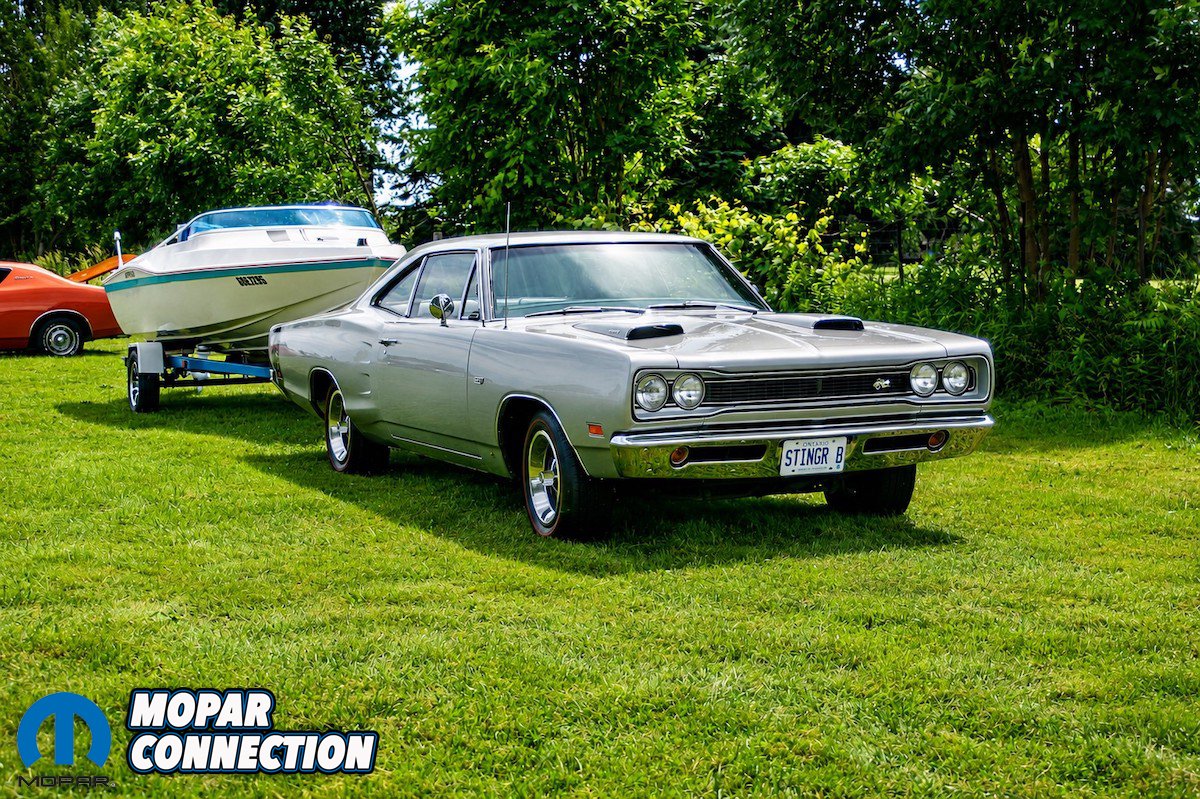
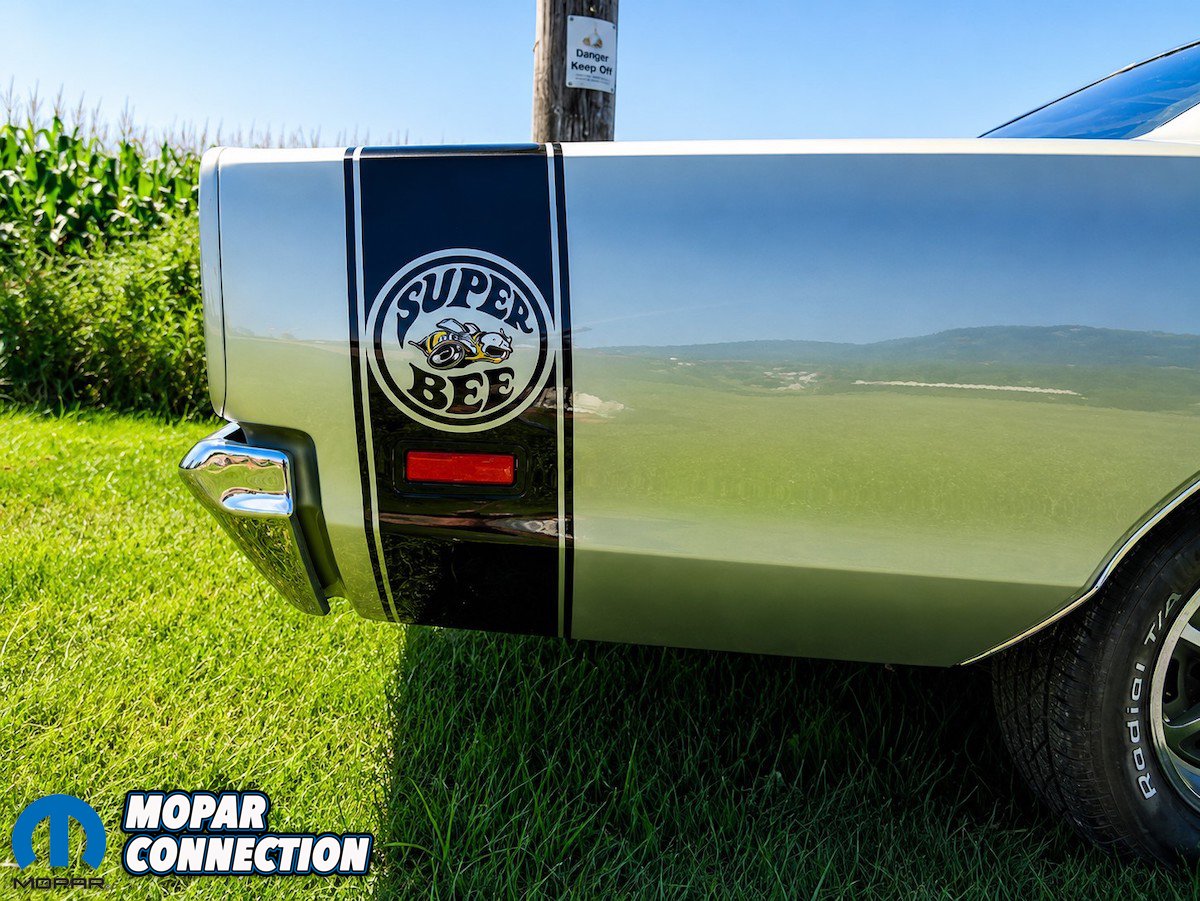
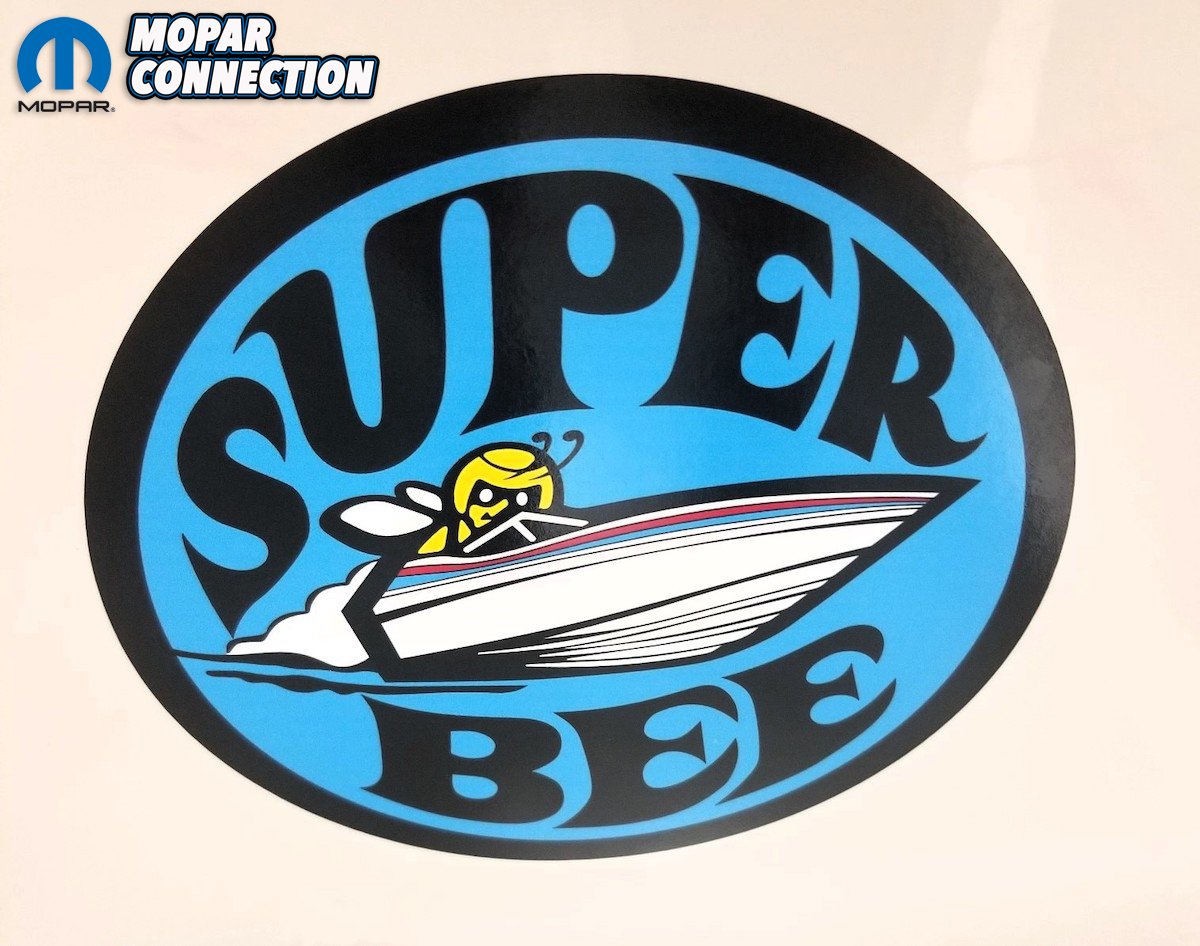
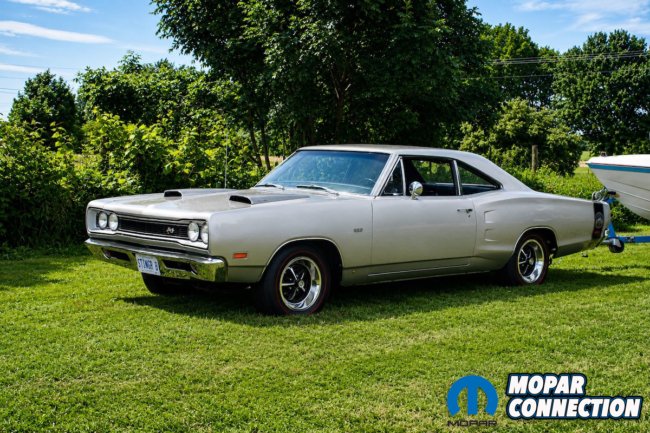
The car Shewy discovered turned out to be a 1969 Dodge Super Bee. It was owned by Richard Kwan of Lucknow, Ontario, who operated a local Chinese restaurant. Richard had purchased the car for his 18-year-old son, but the young man showed little interest in it. In 1988, Richard acquired the Super Bee from Leon’s Buy and Sell, a used car dealership near Exeter, Ontario. Beyond that, the car’s earlier history remains unknown.
Richard drove the Super Bee occasionally, though he admitted it was “too powerful for him.” During his ownership, a large tree limb fell on the trunk lid, leaving a noticeable dent. Eventually, the car was parked inside a Quonset hut on his property, where it sat untouched for years. Time, stale fuel, and a determined colony of mice took their toll on the once-mighty Dodge.
Patrick invited his neighbor, Murray Pink, a hot rod builder and collector, to join him on the trip to see the vehicle. They arrived at Richard’s property, and the car had been pushed outside the Quonset hut, where the dust had been washed off. The old carpet had been cut out because of the mess from the mice. Patrick said, “The smell would make you gag.” The mice had created nests in the dash, dash heater box, and headliner.
Murray and Patrick had a good look at the car, and Patrick took a few pictures, including one of the fender tag. “I dickered a bit with Richard but walked away from the car.” They were $1000 apart on the deal. On the way home, Murray tried to convince Patrick that he should buy the car. When Patrick got home, he went to the Super Bee website and entered the VIN number. Johnny Bee confirmed that this was a real “Super Bee” and what options it had.
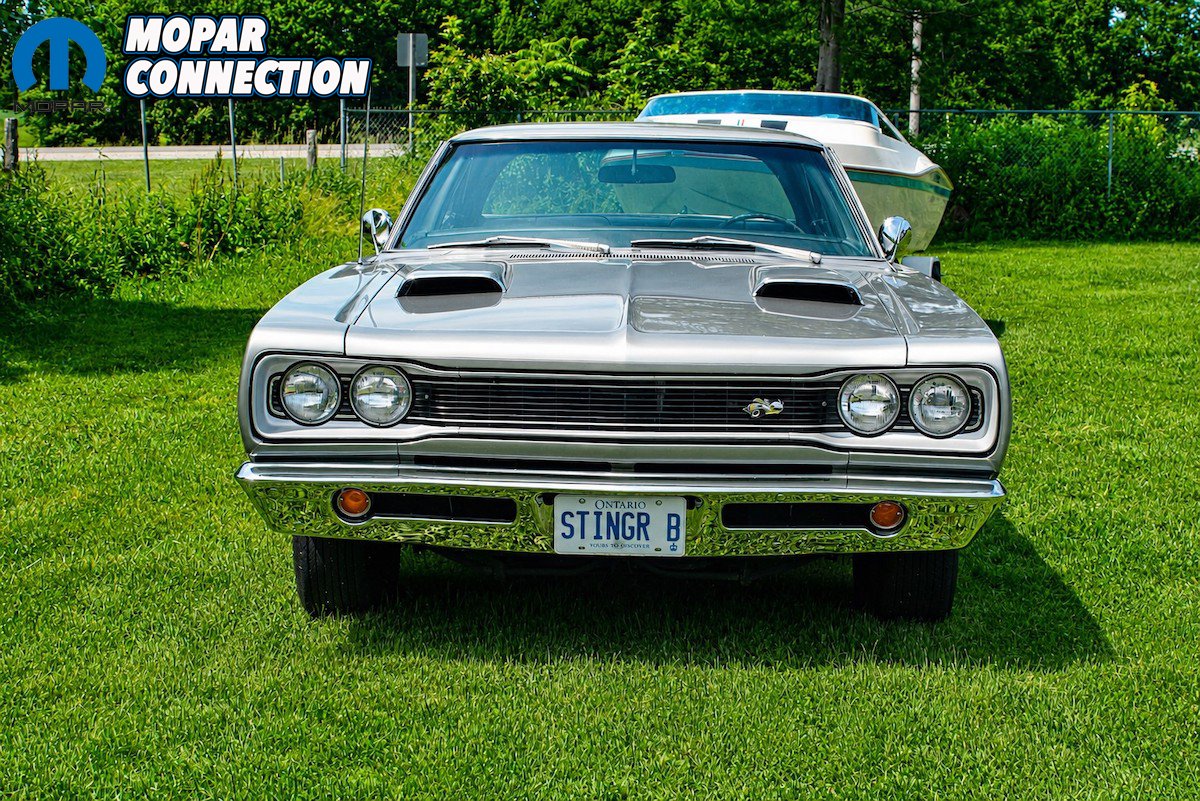
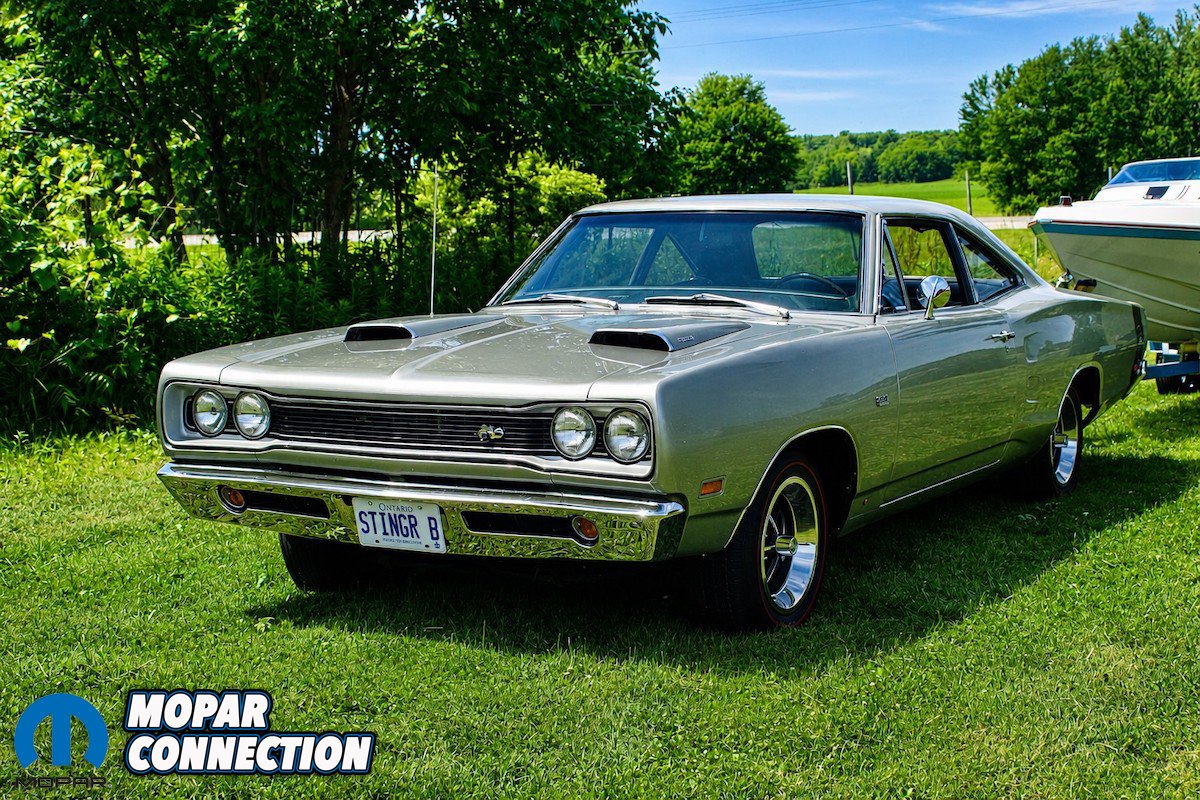
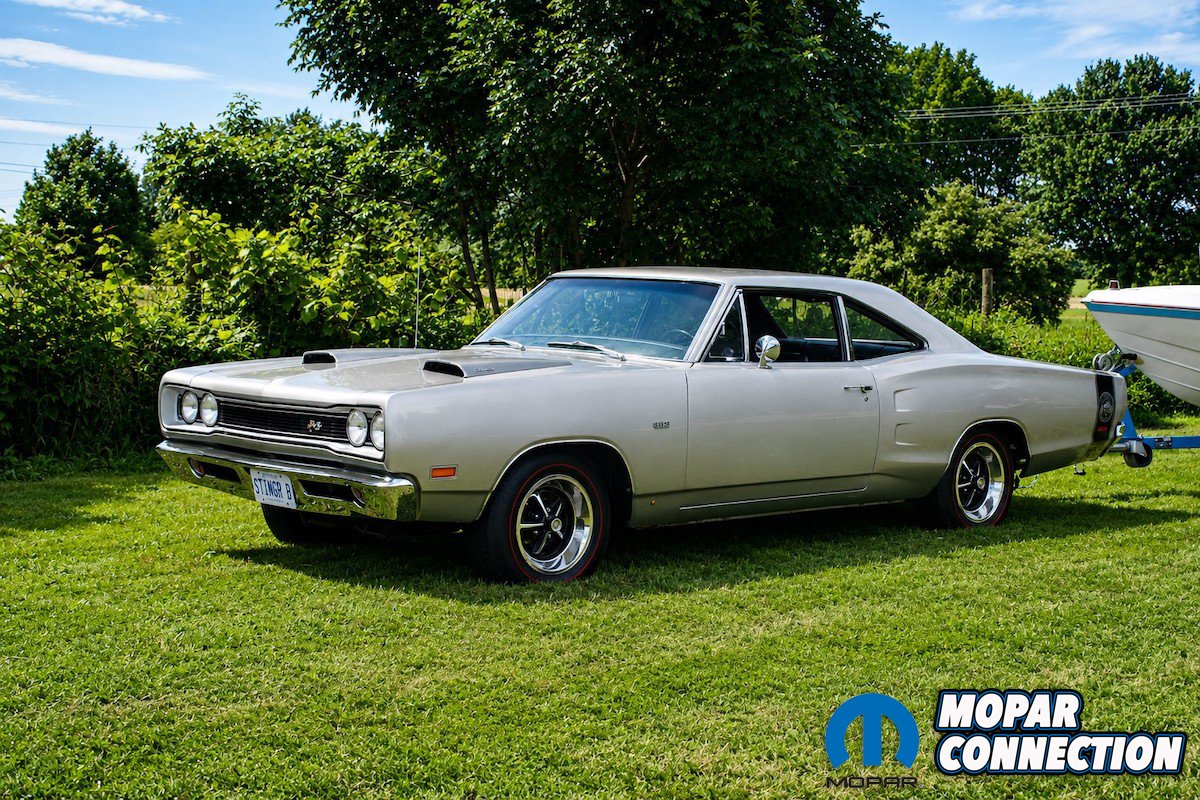
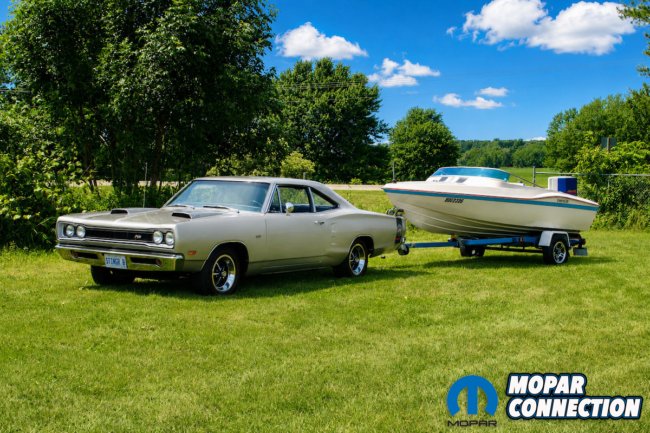
This car was built on September 12, 1968, at the Lynch Road Assembly factory. In 1969, 27,892 Super Bees were produced. The Super Bee was painted with “A4” silver metallic paint. It is equipped with an A727 TorqueFlite transmission and a 383-cid, 4-barrel carburetor with 335 hp. The vehicle has a 26-inch radiator and an 8 3/4 rear axle with 3.55 gears. It features rear drums and front disc brakes, which are part of the A36 package. It also has a factory Ramcharger hood with functional scoops.
Murray called Patrick the following day and told him outright that he should buy the car. Patrick finally caved and called Richard Kwan, telling him that he would buy the automobile for the money he was asking for. Murray proposed that they pick up the car the next day. Unfortunately, Patrick could not since he had to attend a wedding. Murray cautioned Patrick that since he had not paid Richard a deposit, anyone could now come up and buy it. Patrick went to the wedding, and Murray jumped in the tilt-and-load truck with the bank draft in hand.
When Patrick came home from the wedding, the Bee was sitting in the garage, thanks to Murray’s efforts that day and Shewy’s good detective work. It was now time to restore the Super Bee to its former glory.
Patrick reached out to Scott Robinson, owner of Redline Auto in London, Ontario. Known in the Mopar community as “Six Pack,” Scott soon visited Patrick’s garage. Though the two had never met, Patrick quickly discovered that Scott’s knowledge of Mopar was extensive. With a genuine passion for the brand, Scott guided Patrick through the restoration process—offering advice, insight, and a helping hand whenever needed. As the proud owner of two A12 cars—a 1969 Road Runner and a 1969 Super Bee—Scott’s familiarity with B-body Mopars proved invaluable throughout the project.
Patrick’s first step was to try and get the engine running. He rebuilt the original Carter AVS carburetor, changed all the fluids, and pulled the fuel tank down. The old fuel in the original tank had turned to sludge and rust. He bought a new tank, put in a new sending unit, and replaced the fuel pump. The effort paid off, and “I had a huge smile on my face when the engine first fired after sitting for nearly 20 years.” Patrick recalled.
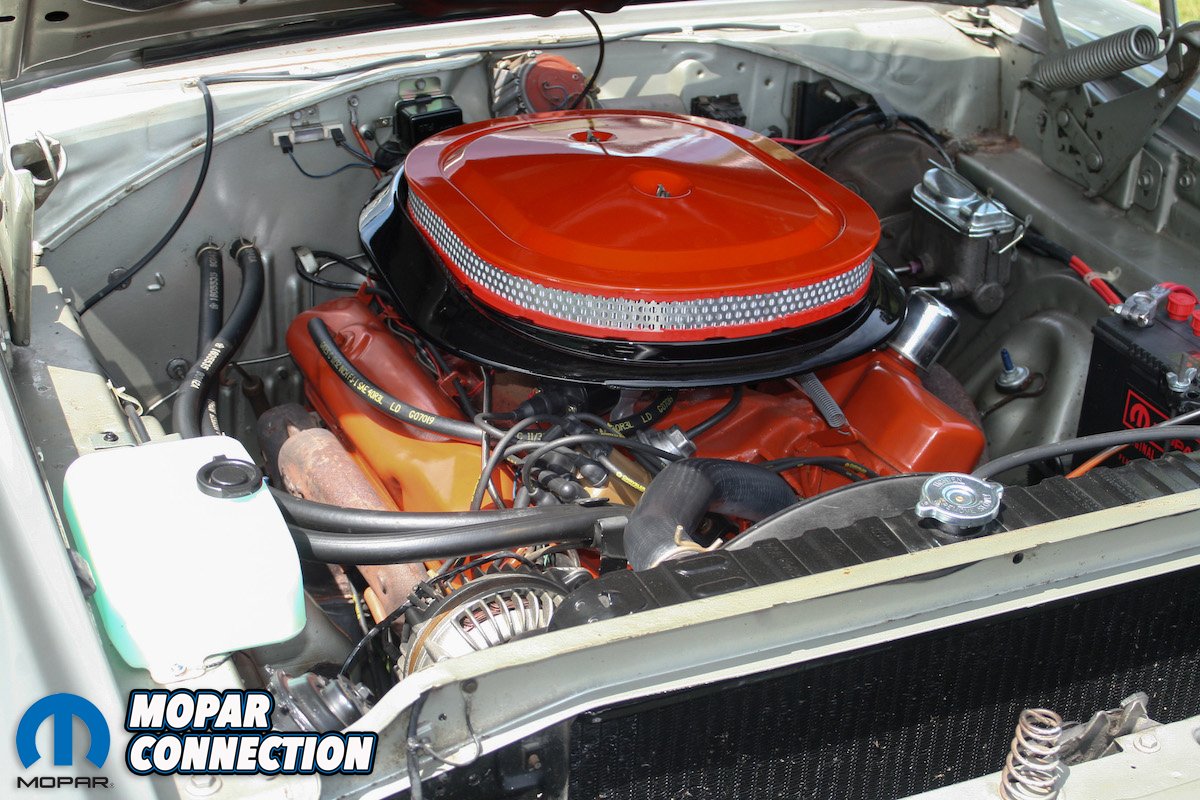
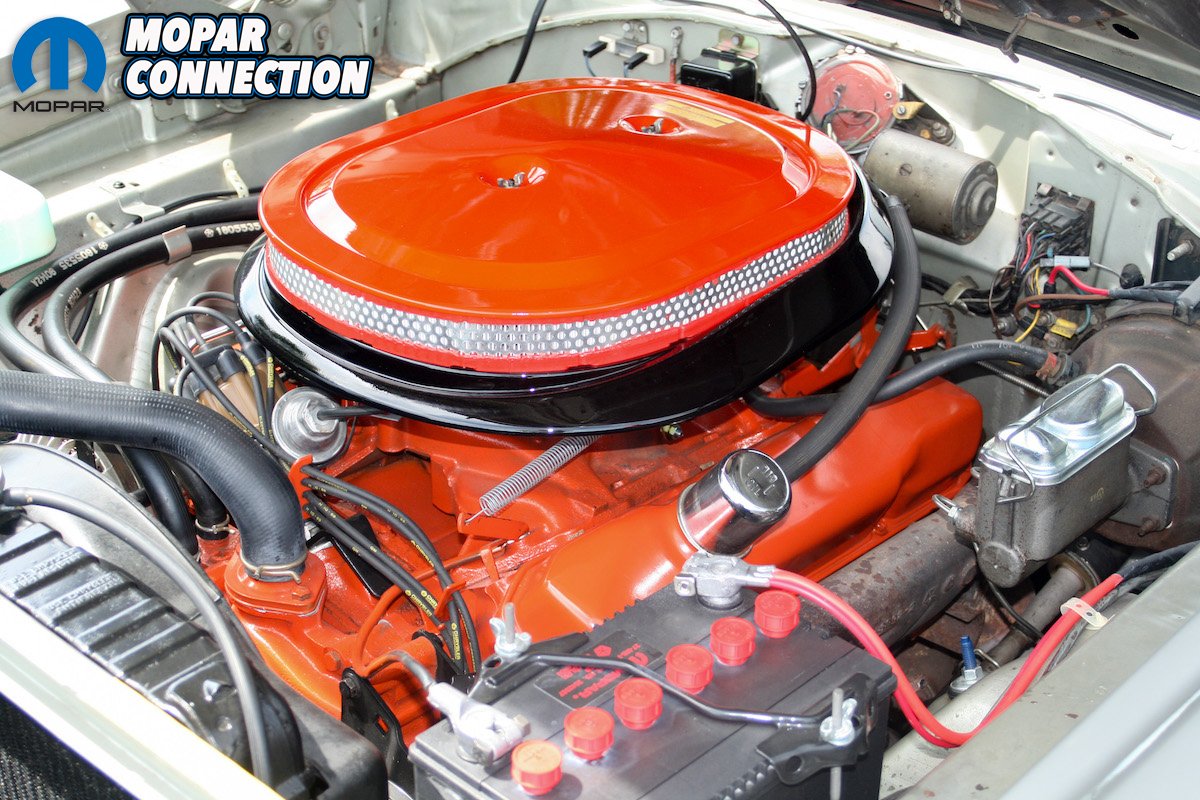
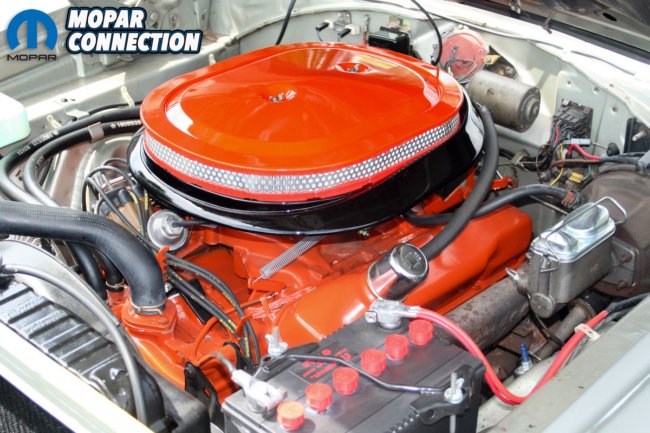
In 2023, Patrick decided it was time to pull the engine and give it a full overhaul. The powerplant is now a balanced 438-cubic-inch stroker, equipped with 440 Source Stealth ported aluminum heads and a Weiand intake. Inside the engine, a Scat stroker crankshaft turns forged pistons and Scat H-beam rods, while a Crane hydraulic cam and roller rockers completed the build. On the dyno, the engine produced an impressive 500 lb-ft of torque at 3,400 rpm, delivering the kind of muscle worthy of the Bee’s heritage.
Patrick also rebuilt the A‑727 TorqueFlite transmission, installing a shift kit for firmer gear changes and pairing it with a 2,600 rpm torque converter. The refreshed setup complements the stroker’s power perfectly, delivering crisp, confident shifts and strong off-the-line response.
The next focus was the braking system. The Bee came equipped with optional front disc brakes featuring four-piston calipers. To ensure reliable stopping power, Patrick replaced the rotors with high-quality reproductions, while the calipers were expertly rebuilt by London Brake & Steering in London, Ontario.

The body proved remarkably solid, showing only minor rust—just a few one‑inch bubbles along the lower front quarter panels, where some of the mouse nests had been during storage. Patrick suspects the car was either a Canadian seasonal vehicle or possibly originated from the southern United States. Impressively, all the body panels remain original, and the car still wears its 1988 clear‑over‑base paint. Before beginning the bodywork, Patrick enlisted the Dent Removal Wizard to repair the trunk lid, which had been dented years earlier when a tree limb came down.
The car retained its factory undercoating, and over the years, additional layers of wax‑based protection were applied. Patrick believes this preservation effort is what ultimately kept rust at bay. He admits spending weeks armed with nothing more than a toothbrush and plenty of elbow grease, meticulously scrubbing the engine bay and underside of the hood to uncover the original paint beneath decades of buildup.
The Super Bee was then shipped to Rick’s Garage Auto Body and Paint in London, Ontario, where Dexter repaired the two small rust spots as well as renewing the clear coat finish on the car.
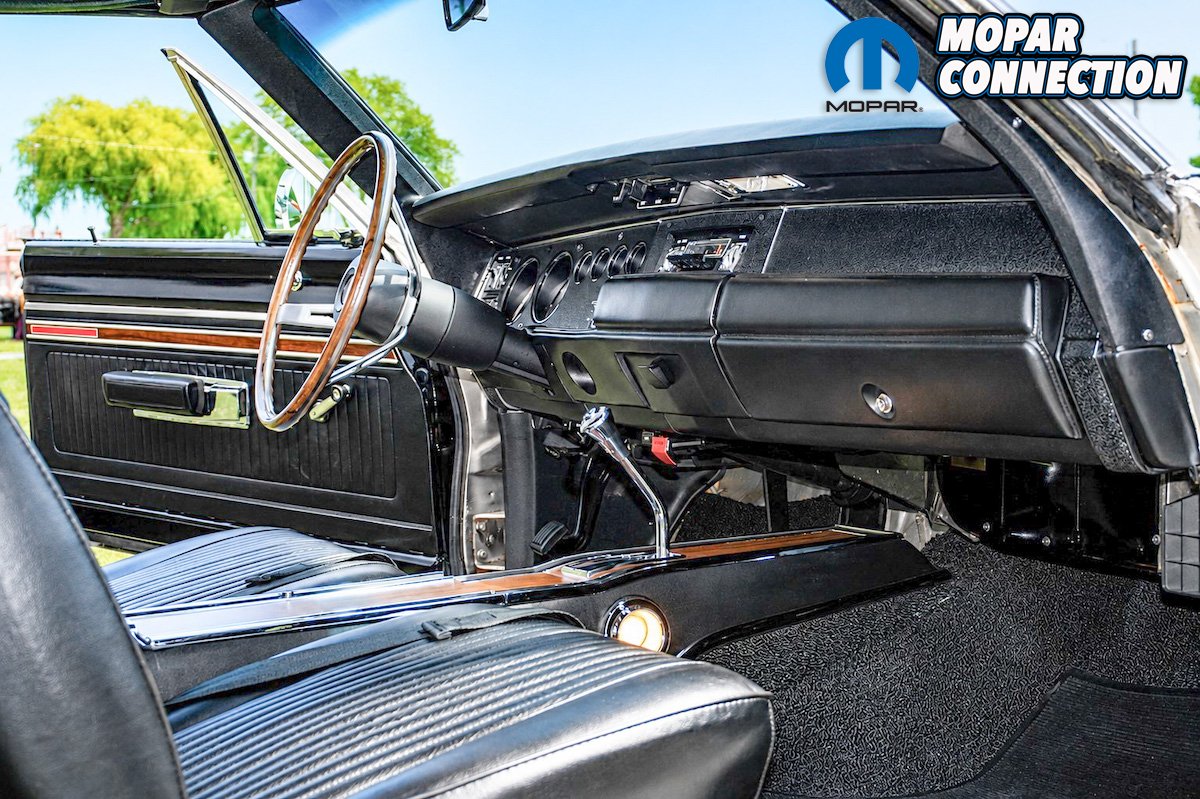
It was now time to focus on the interior after finishing the body work. Patrick removed the interior completely. The original seat covers were in excellent condition, with just a tiny split in the back seat, but the vinyl was hard and had a mouse excrement odor. Since the carpet had already been taken out and Patrick knew the floors were in excellent shape, he simply recoated them to protect them.
It soon became clear that once the heater unit and dash were taken out, they could not be repaired. The heater box and dash frame had rotted due to the urine of the mice. A replacement heater box and dash were found. The donor heater box was also restored by Scott, and it is authentic down to the yellow manufacturer’s stamp.
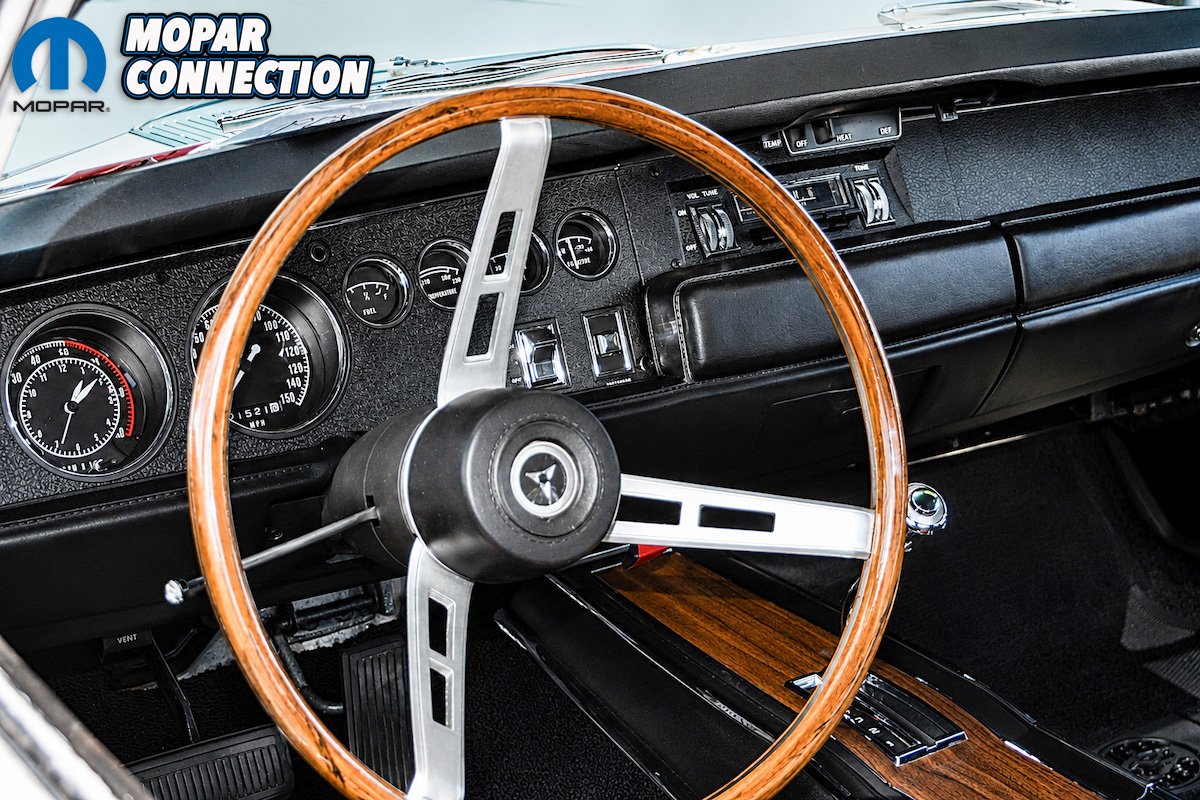
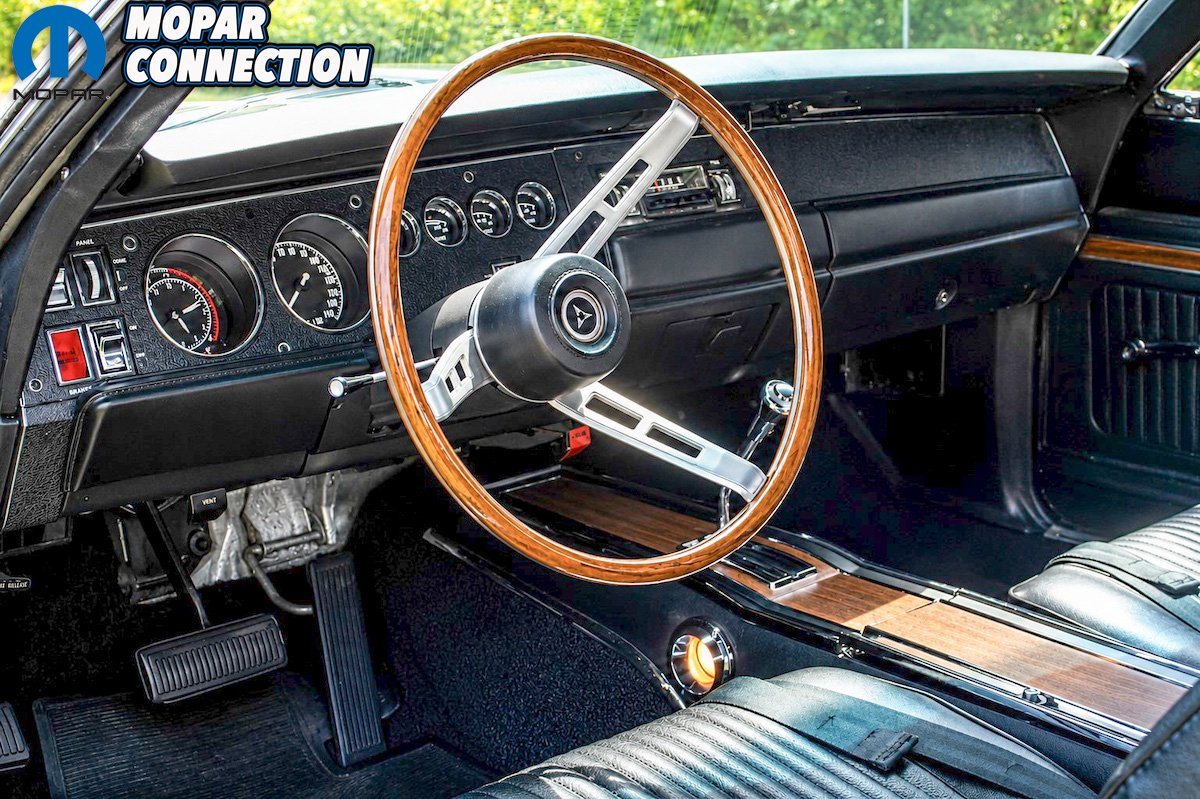
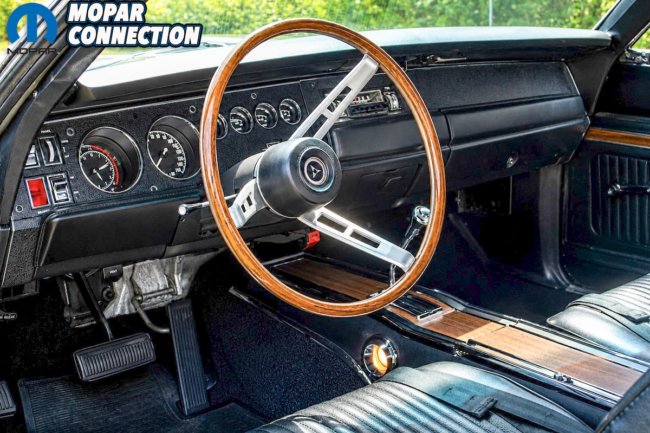
Scott restored the dash and installed reproduction gauges in place of the originals. The original AM radio was rebuilt locally. Scott also completed restoration on the front grill and rear valance cover, as well as the task of paint correction on the new clear coat. A new windshield replaced the cracked one. Front and rear bumpers were replaced with reproductions from AMD.
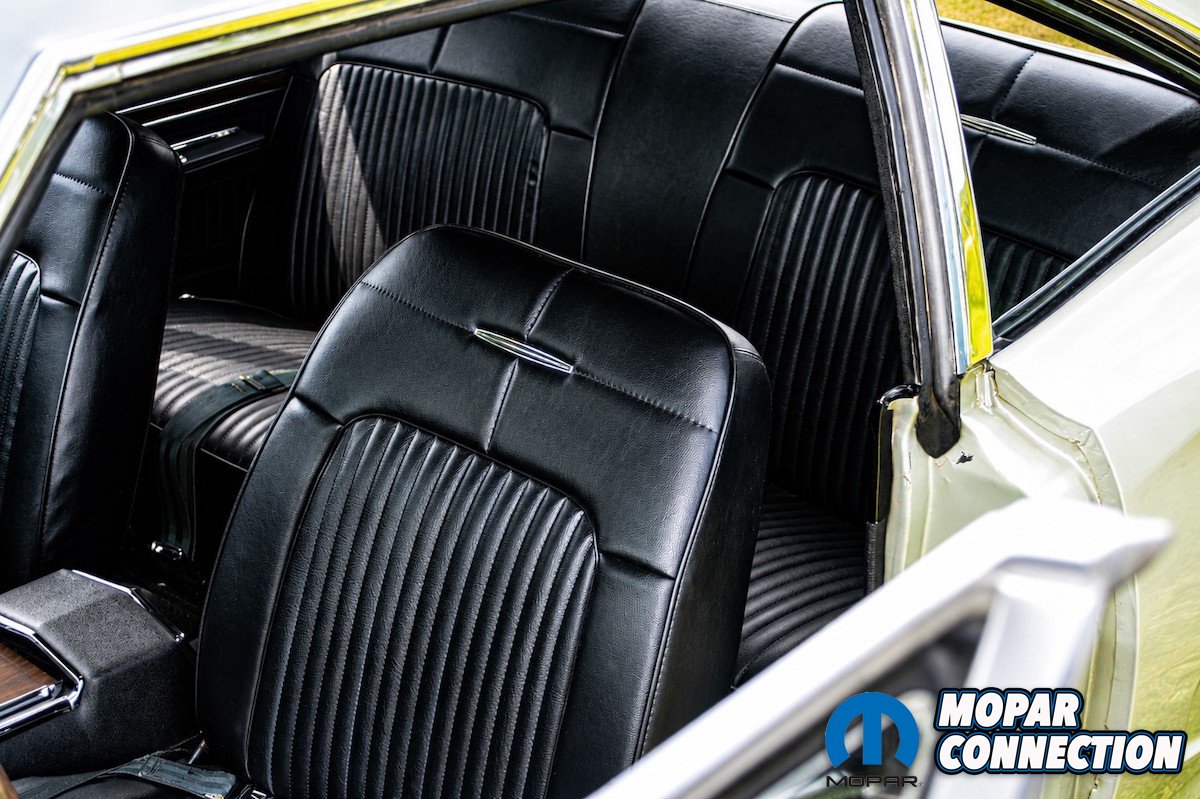
New seat covers and foam inserts were ordered from Legendary. Dave Pitchers of Classic Auto Upholstery in Ailsa Craig, Ontario, covered the seat frame and installed a new headliner. A new carpet was put in the car before the seats were added. The door panels and dash pads are original. The console chrome was heavily pitted from being stored in a damp environment for so long, so it was replaced with reproduction pieces from Classic Industries.
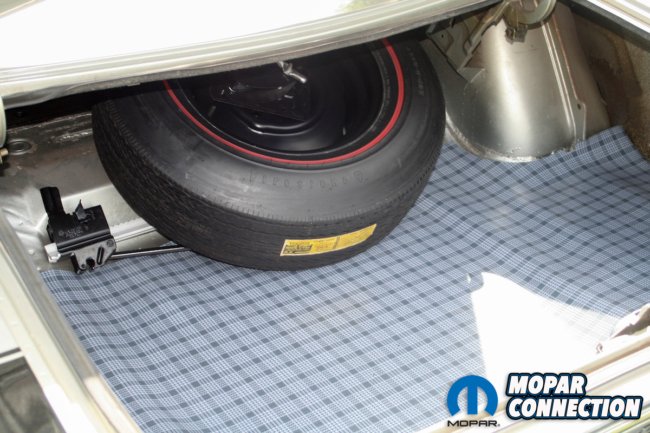
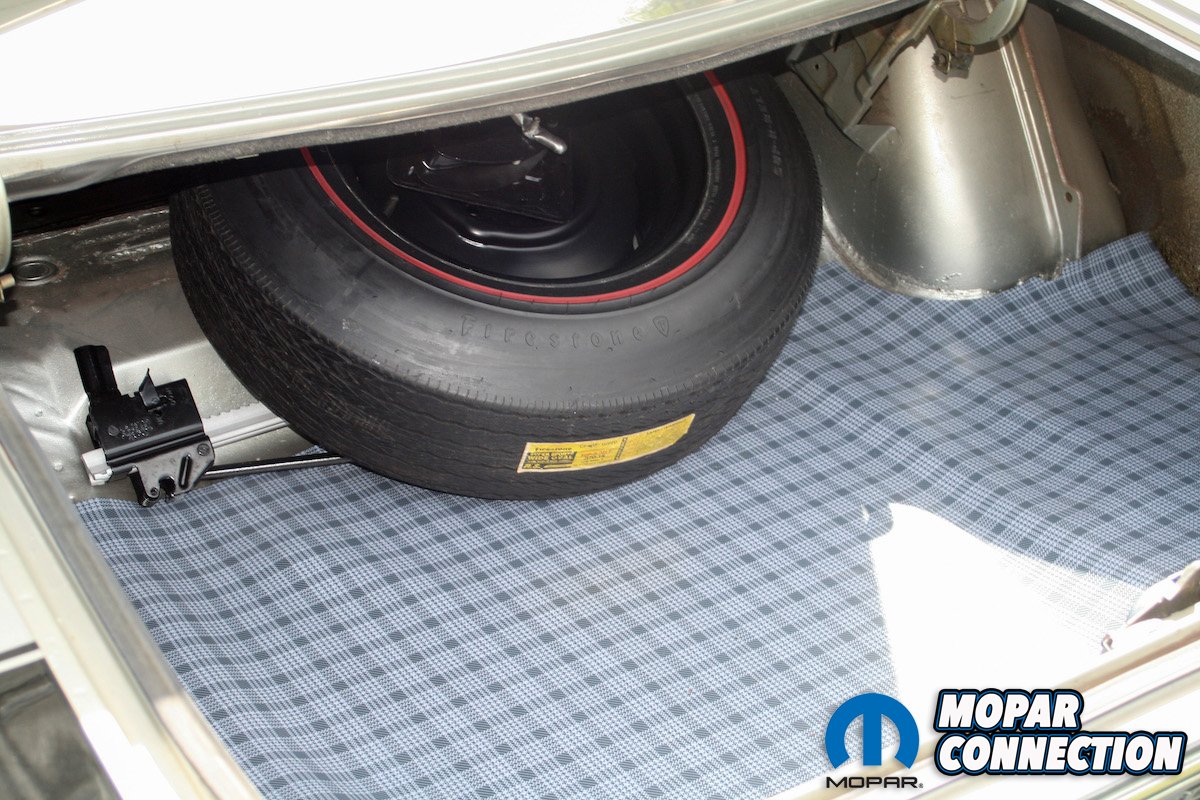
The Super Bee rides on G 70/15 Firestone Wide Oval Redline tires that are made by Coker Tire and are mounted on 15″ Chrysler Road Wheels. This is an upgrade from the original bias-ply Goodyear F70/14 Redlines with Chrysler Road wheels.
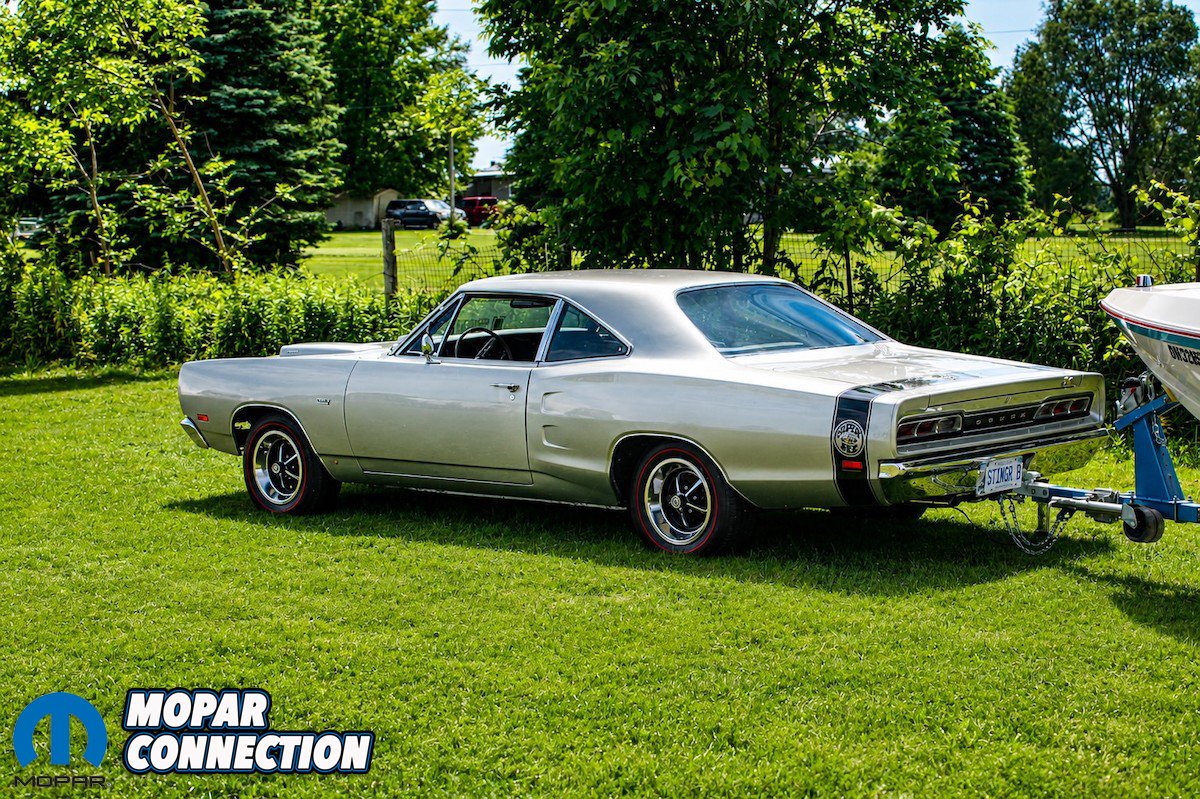
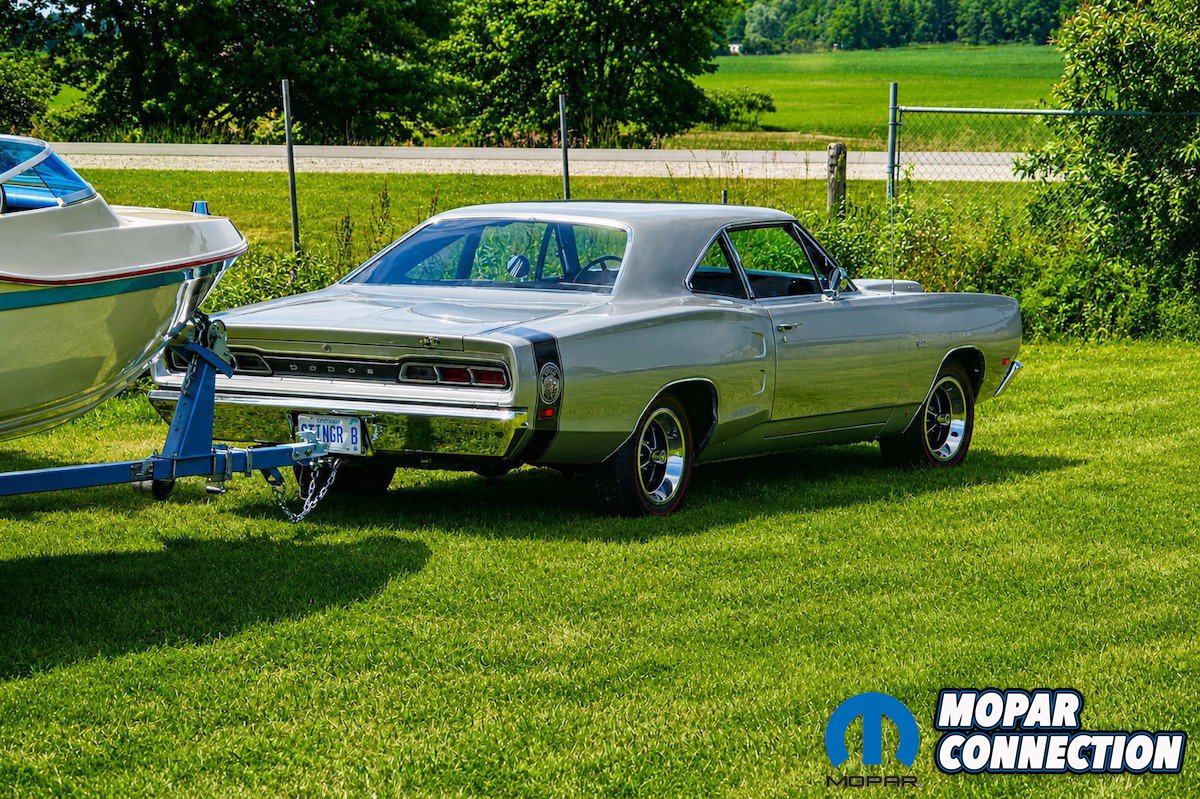
Partick had a custom exhaust made by Don’s Custom Exhaust in Canton, Ohio, which supplied the factory-correct exhaust system that he needed. Next was the hitch that was modified for dual exhaust. He was using an Ideal Manufacturing hitch for a 1968 or 1969 Dodge Coronet. By no means is this an easy find. But why would you add a hitch to a muscle car?
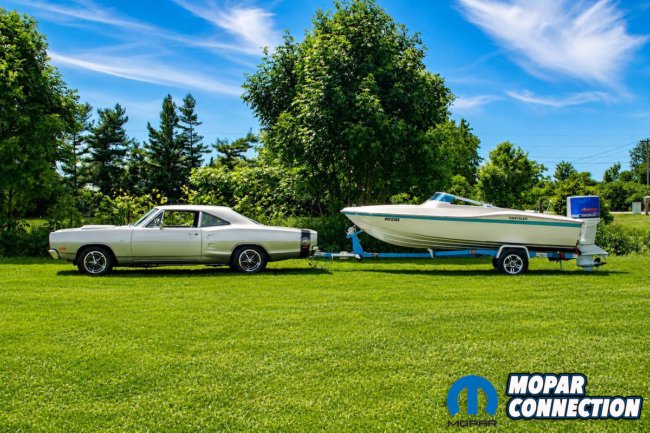
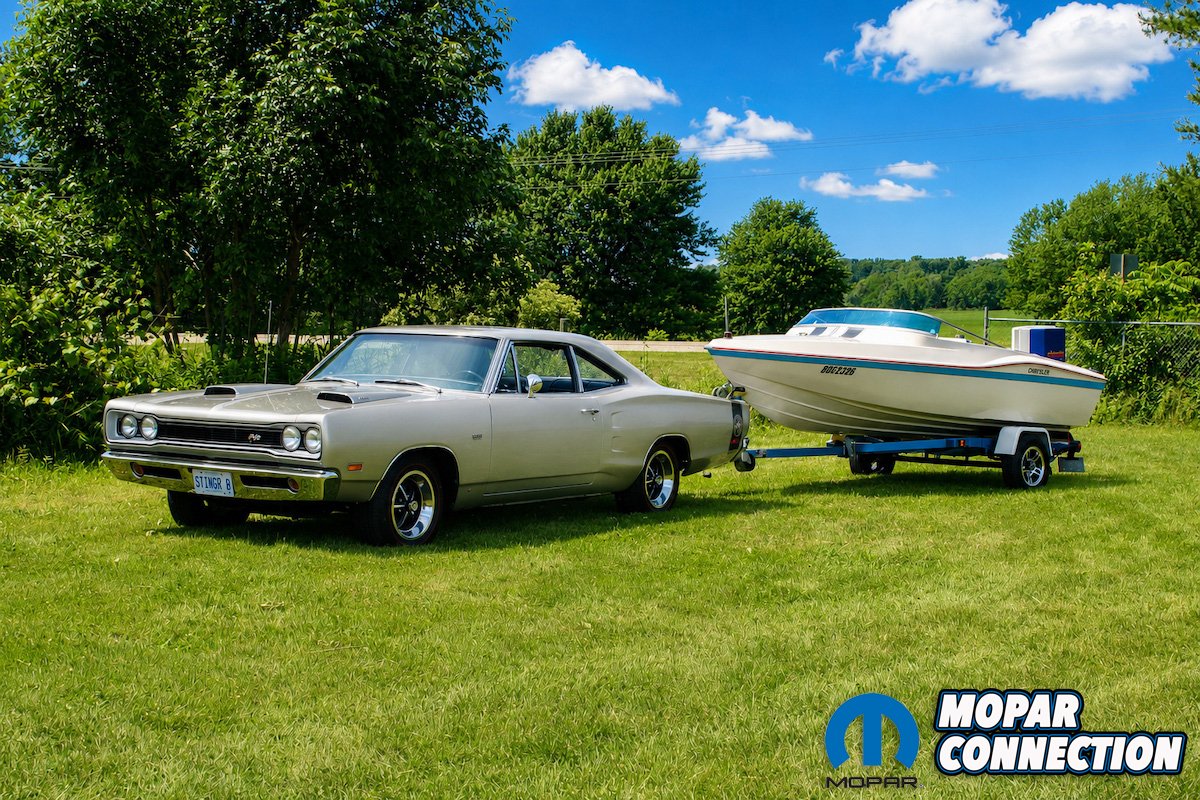
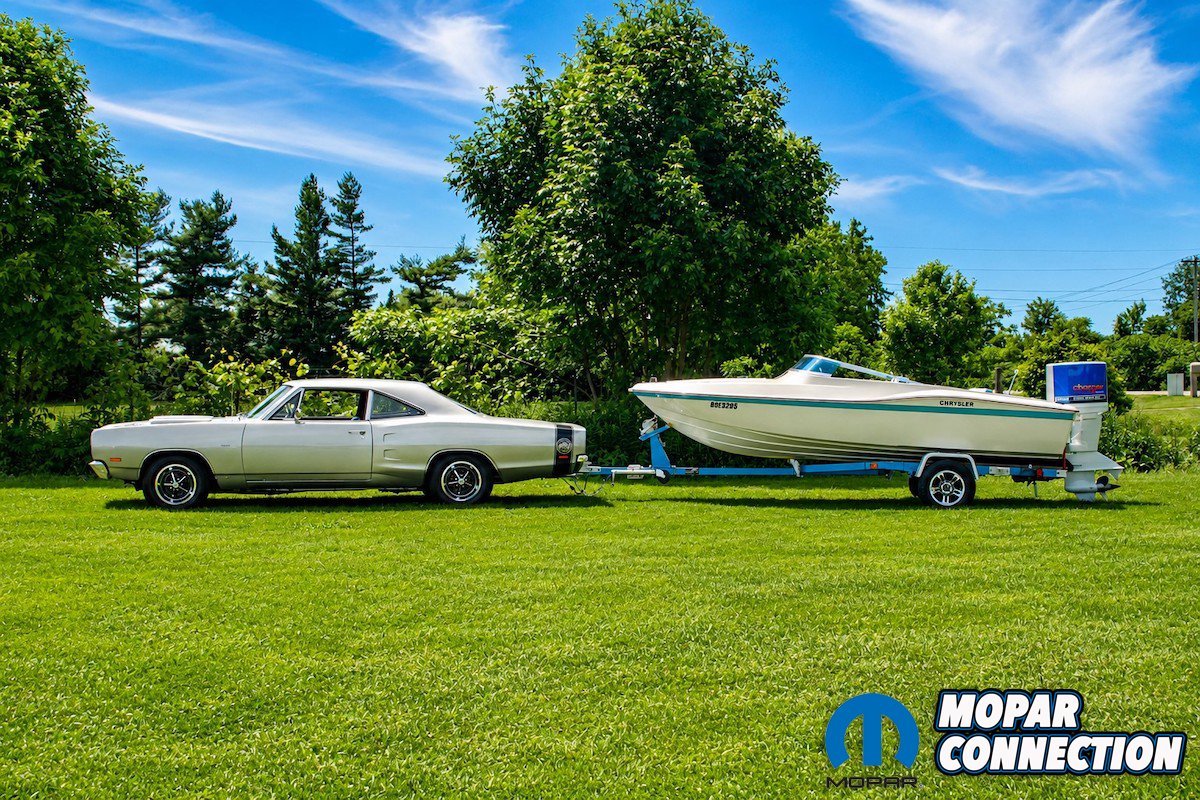
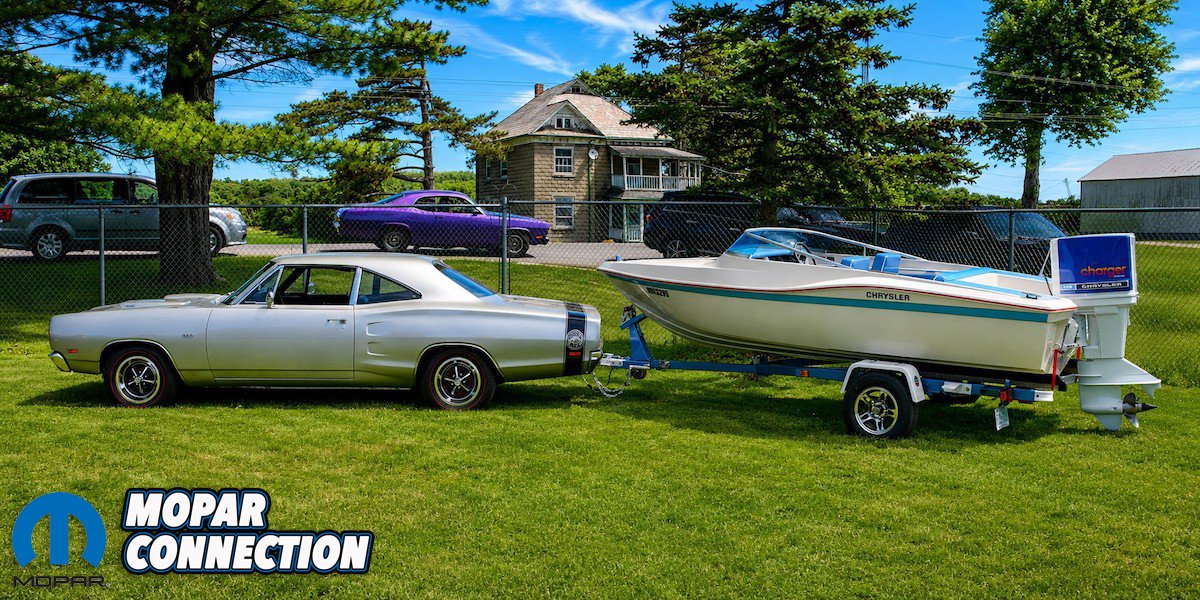
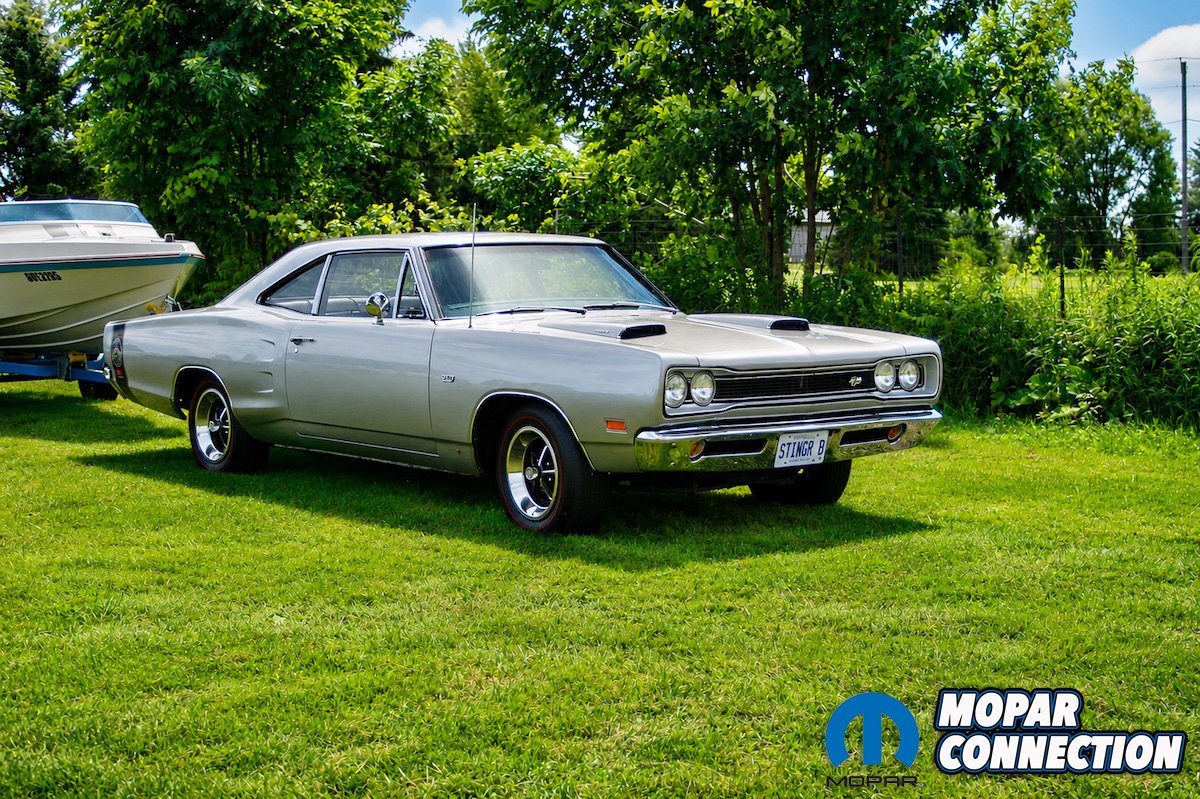
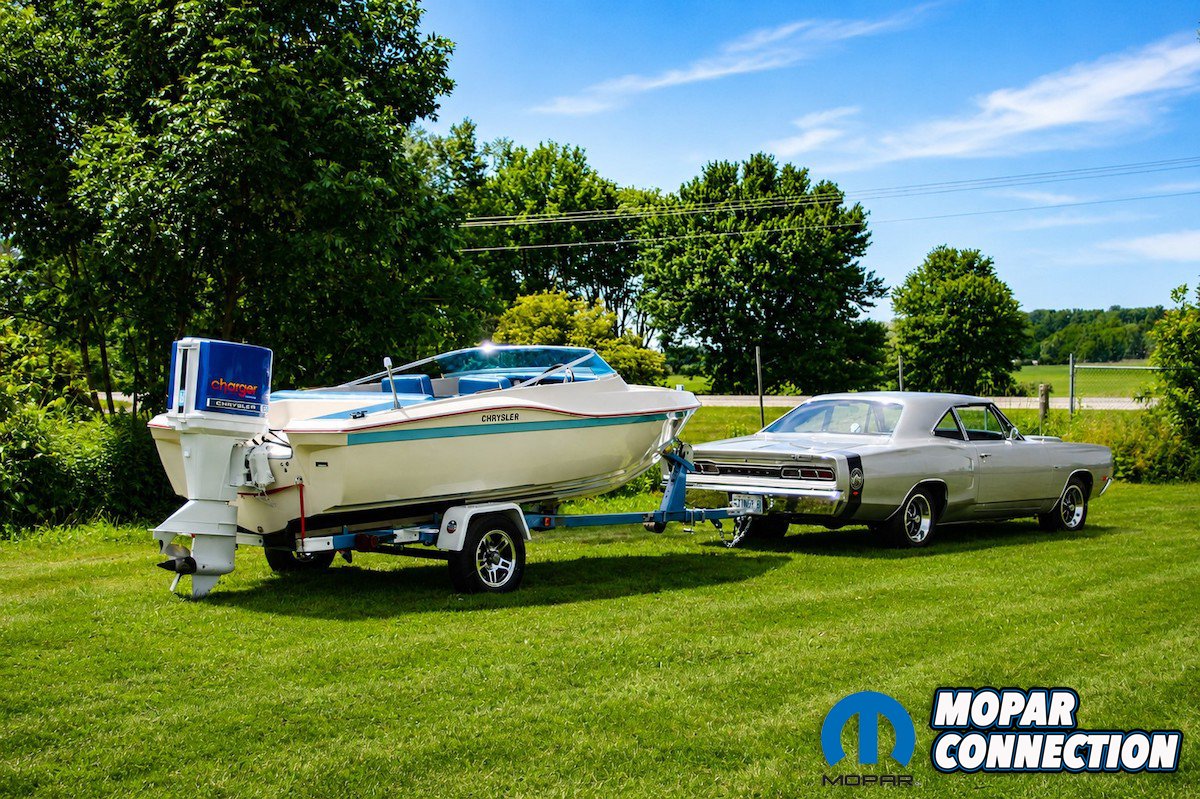
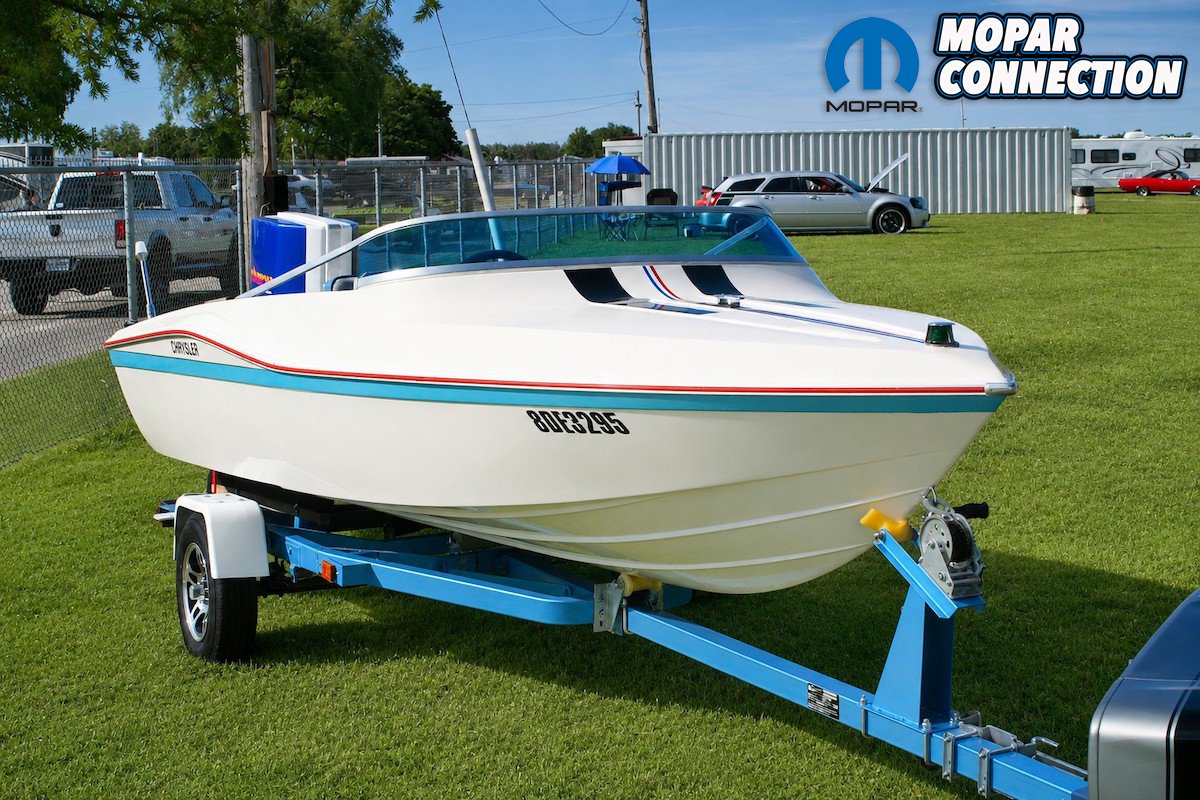
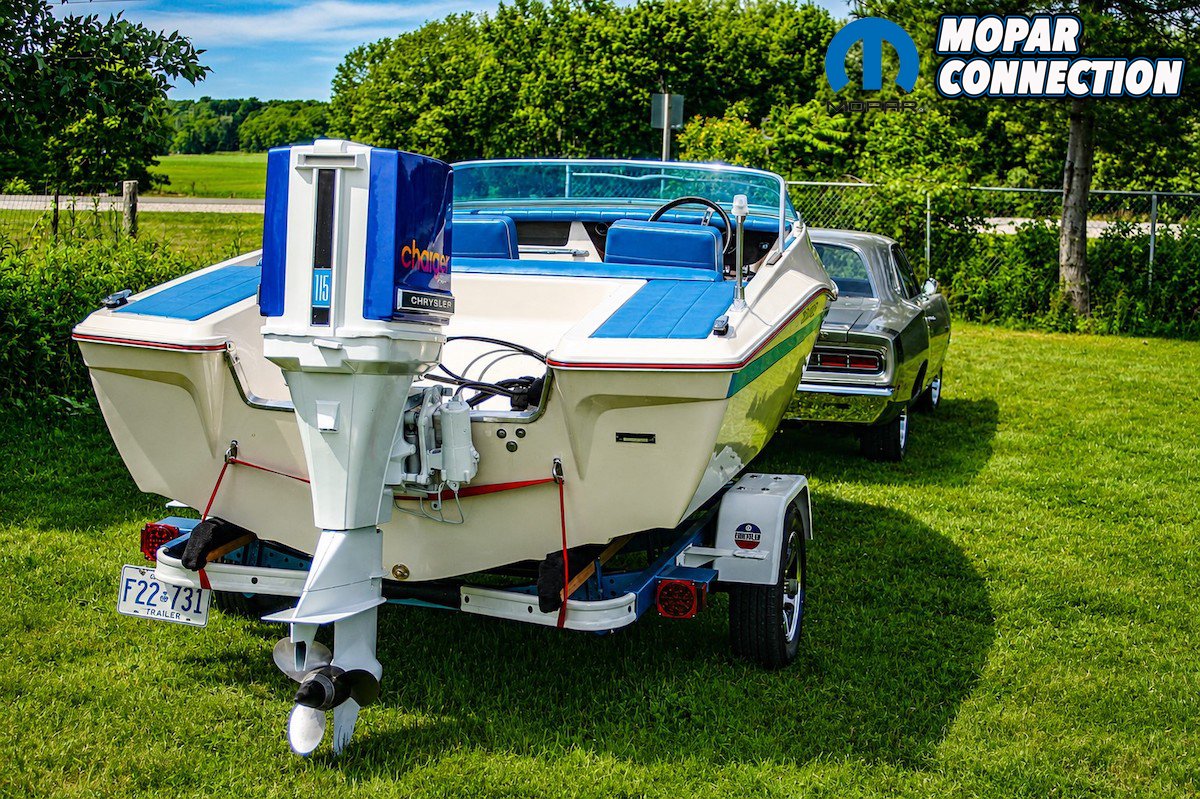
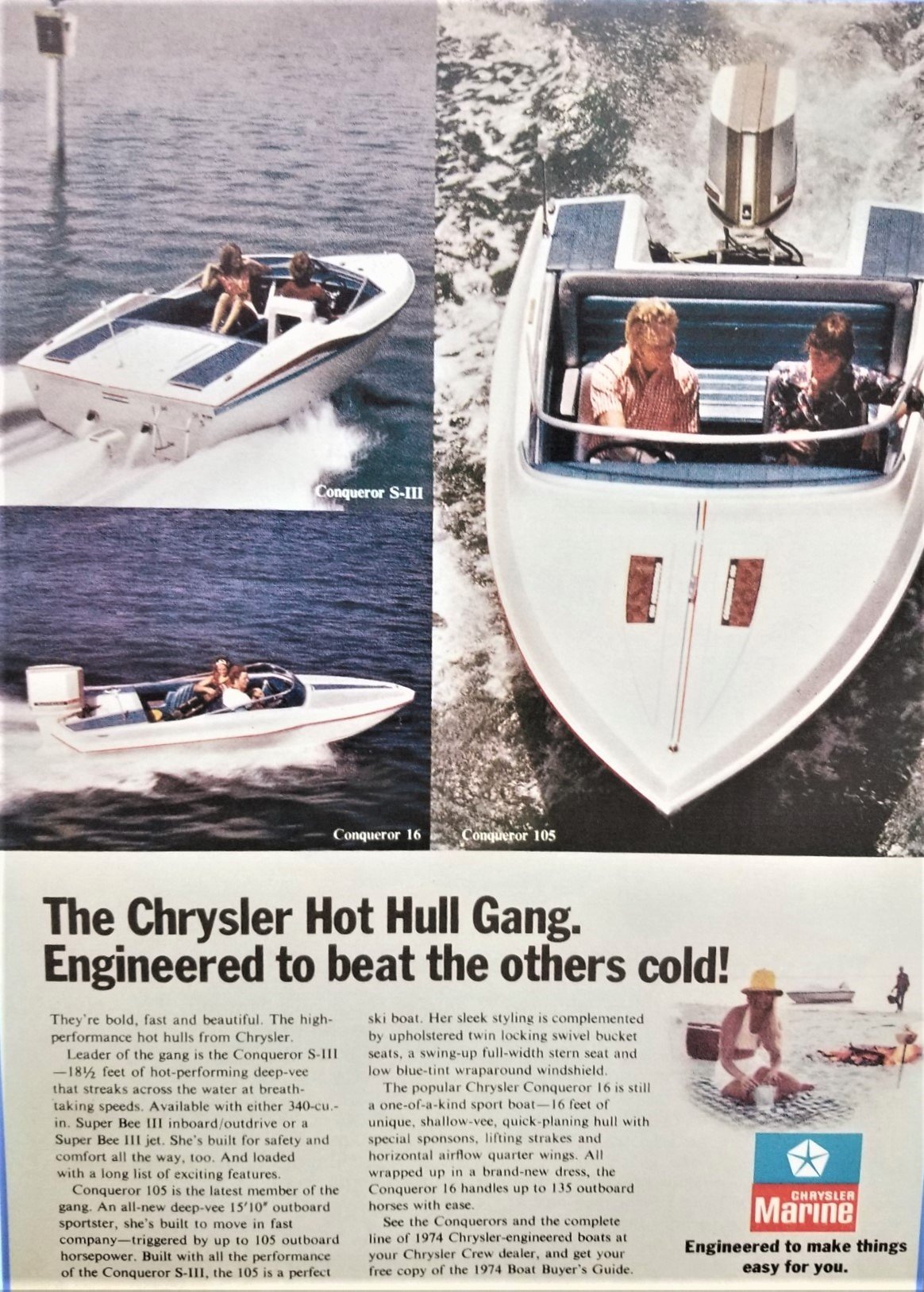
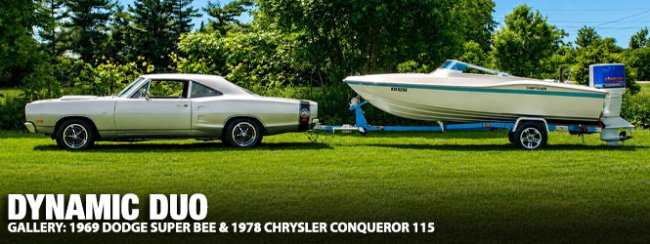
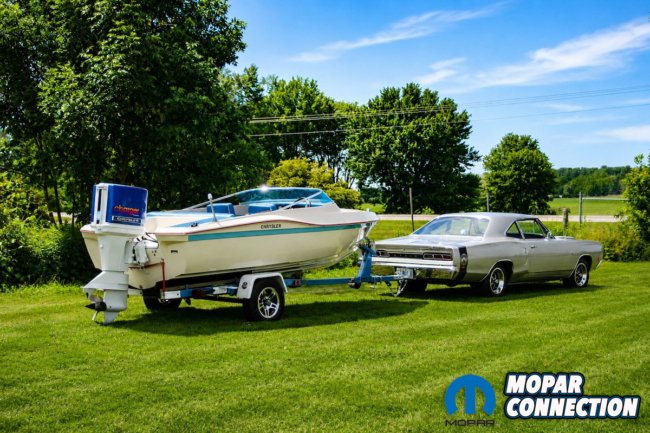
Now, as I said at the beginning of this article, Patrick beats to his own drum. So, with that said, Patrick thought it would be really cool to have the Super Bee pulling a Chrysler boat. Therefore, when the dynamic duo shows up at certain car shows, it will stand out in the crowd.
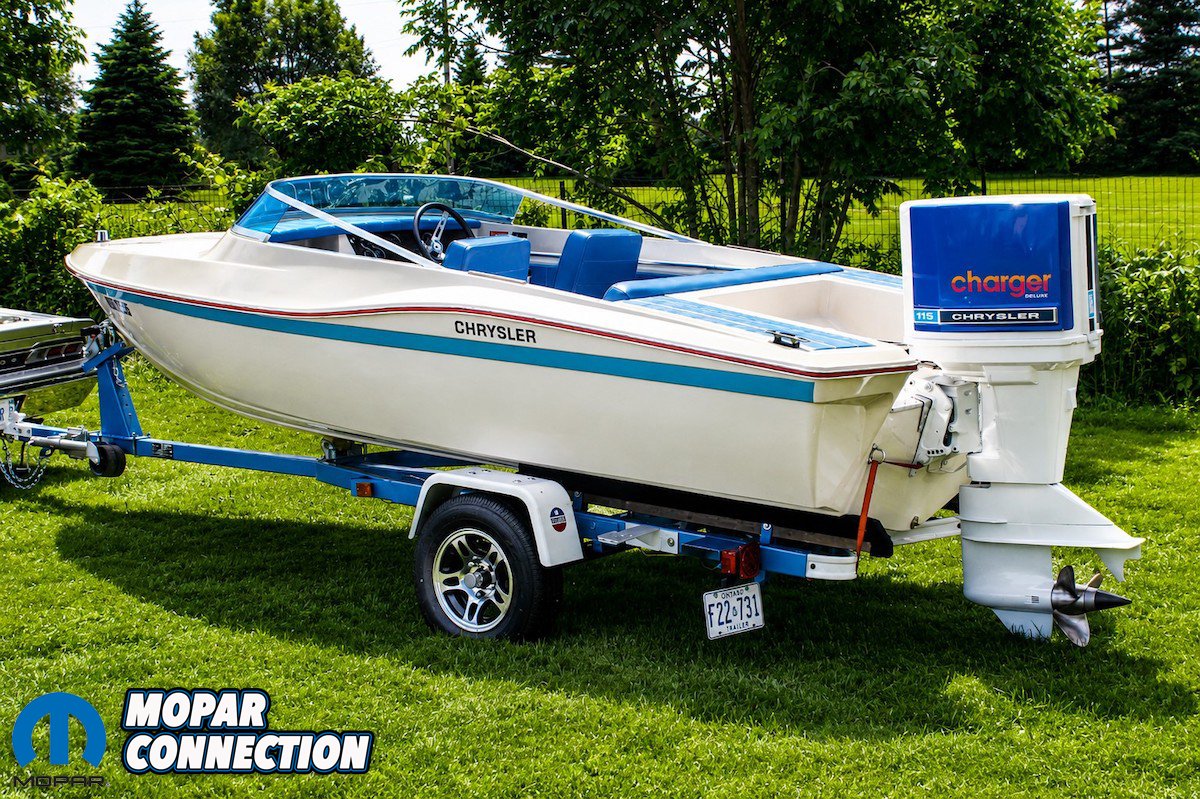
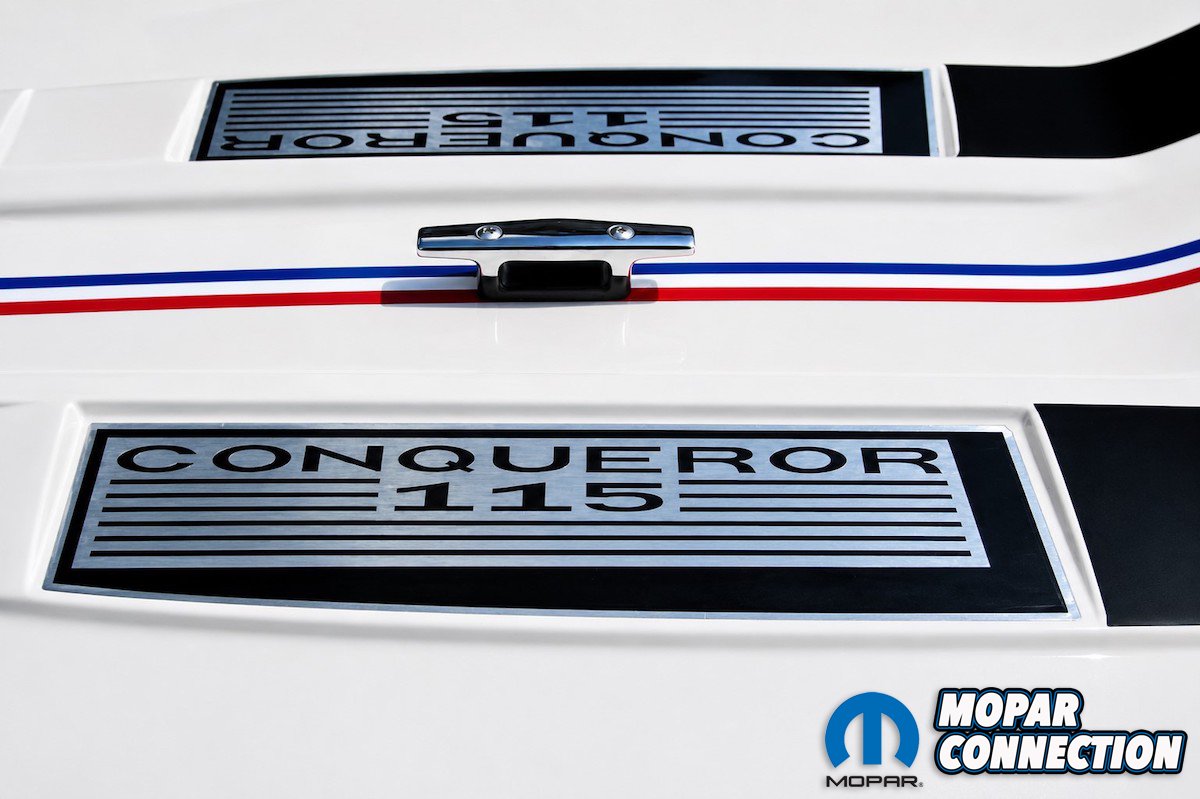
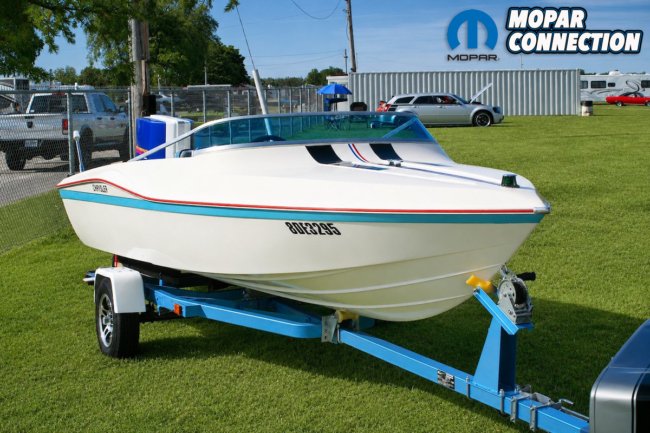
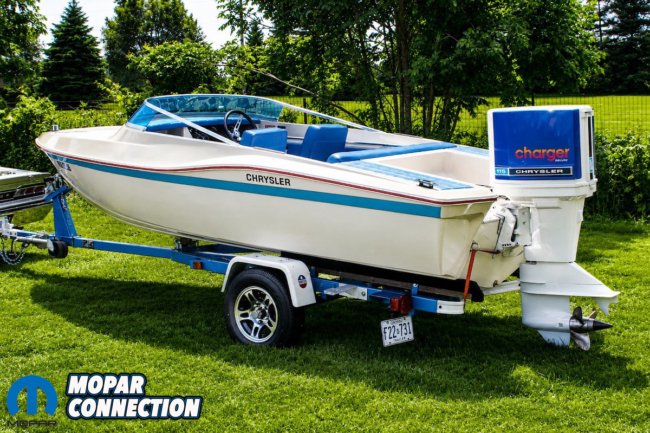
All of Patrick’s life, he had been around boats. In fact, he owns and runs Queen’s Marine Services, a company that maintains the thrusters and controllable pitch propellers used on the Great Lakes freighter ships. In addition, Patrick had to have a Chrysler boat because his father had owned one and towed it with a 1971 Dodge Charger R/T back in the day. In 2019, Patrick discovered this one. It is a Chrysler Conqueror 115 from 1978. Even though it needed restoration, the boat itself had a good gelcoat and solid floors.
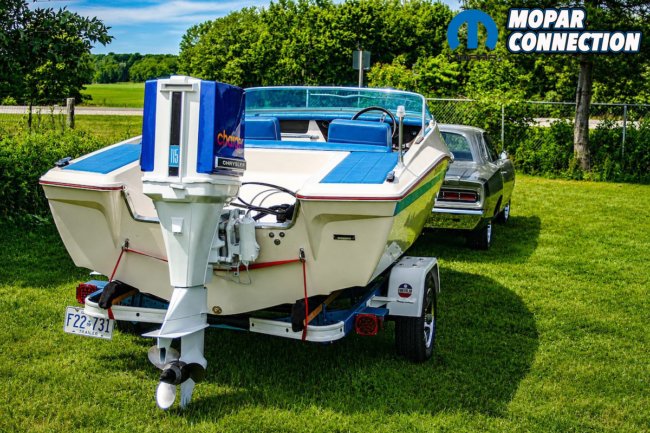
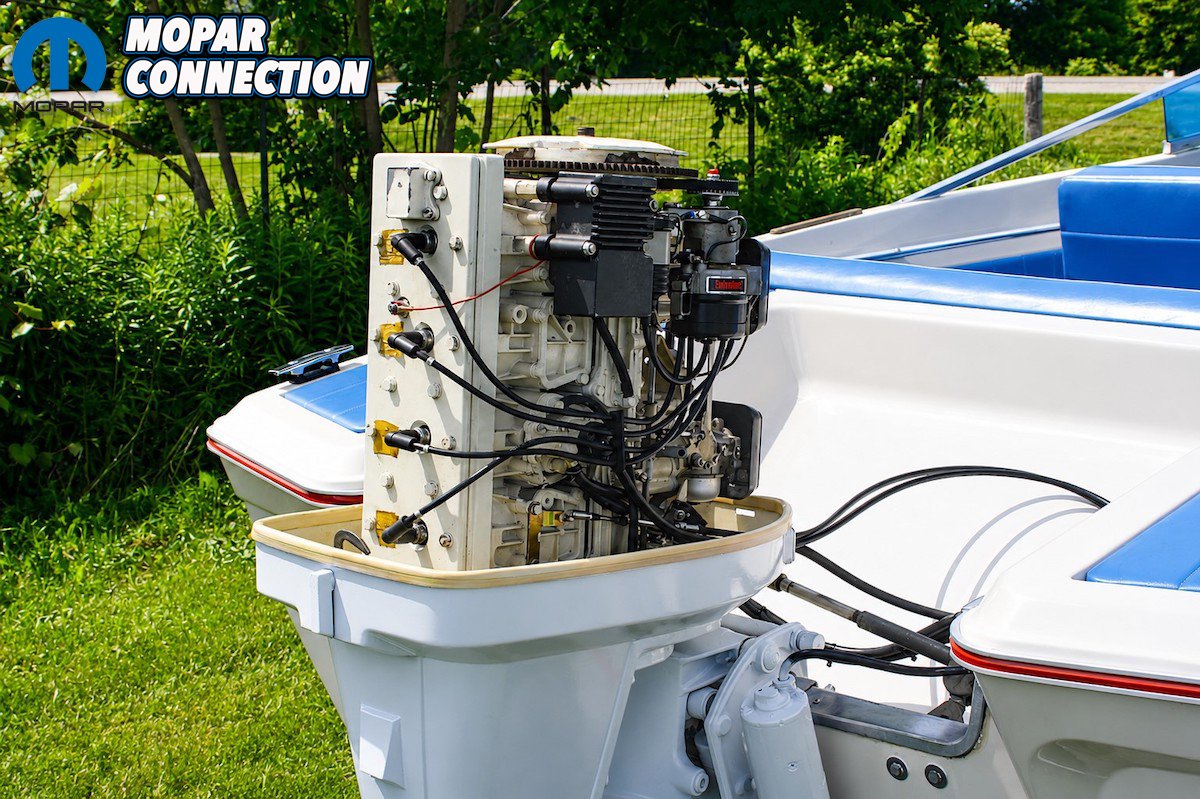
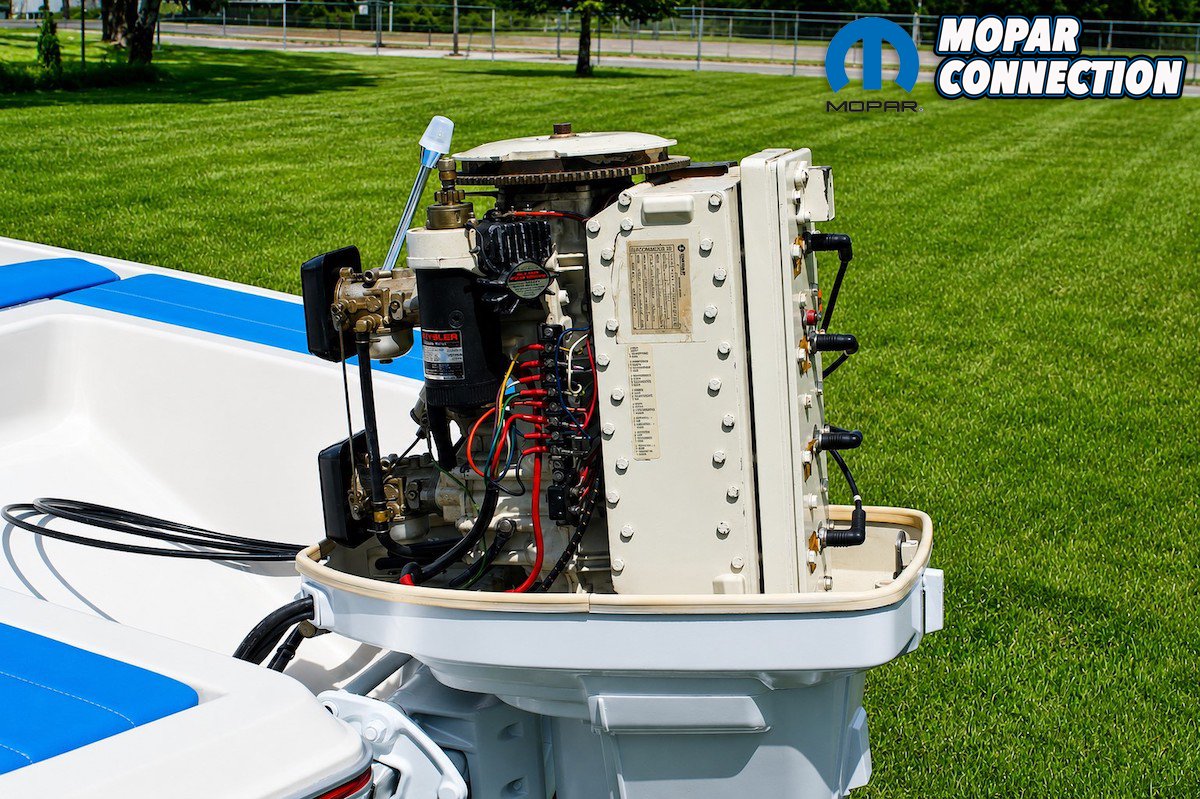
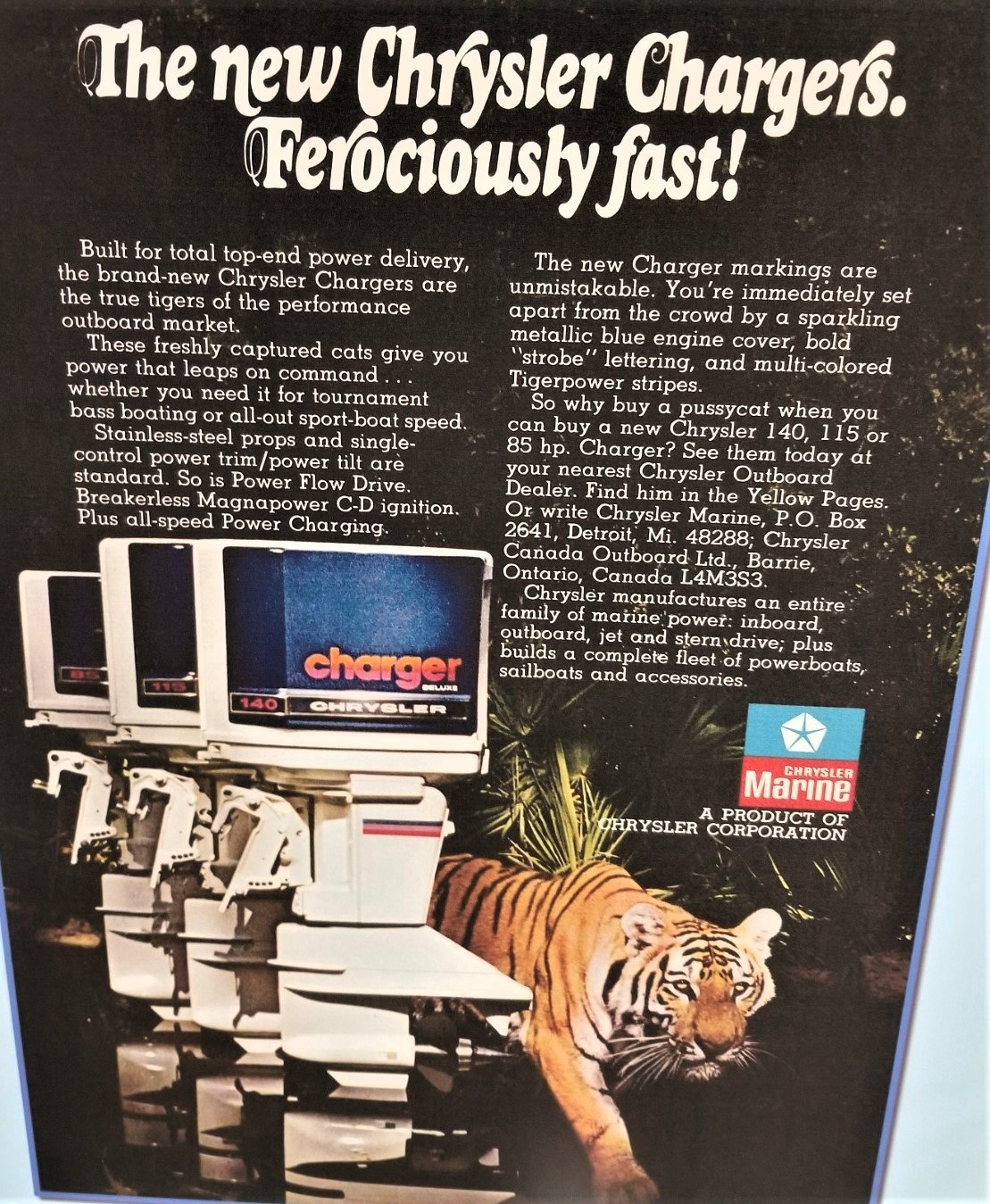
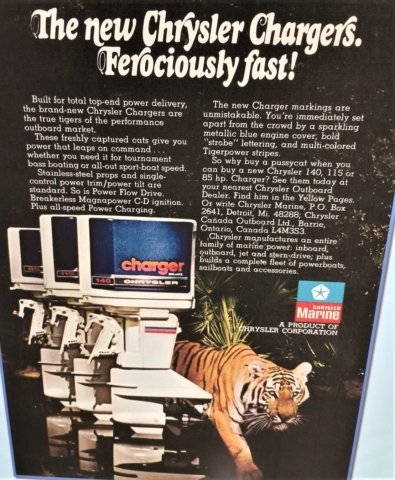
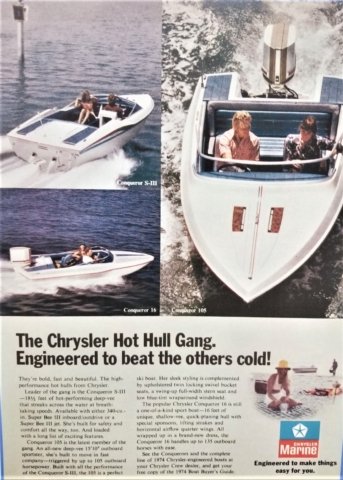
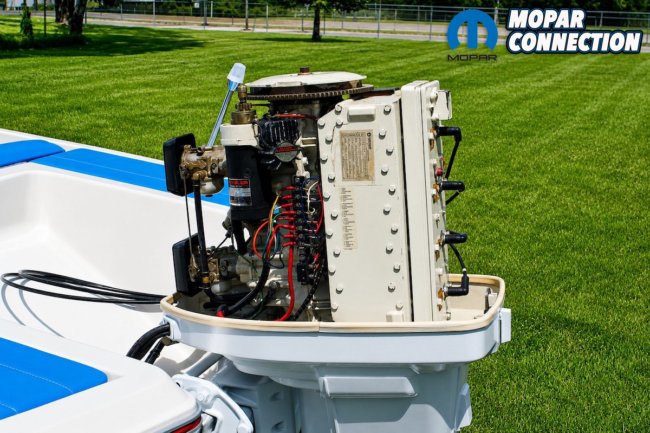
The Conqueror 115 is a 16-foot boat that has a 6-foot beam and weighs in at 860 lbs. The hull is made of fiberglass construction that used a process they called “Foam-Pac,” which included rigid polyurethane foam between the floor and hull, which in both cases made the boats nearly unsinkable as well as quieter and stronger. This vessel is powered by a 1978 Charger 115-horsepower outboard model 1159B8B, which is a 2-stroke inline 4 with dual carburetors.
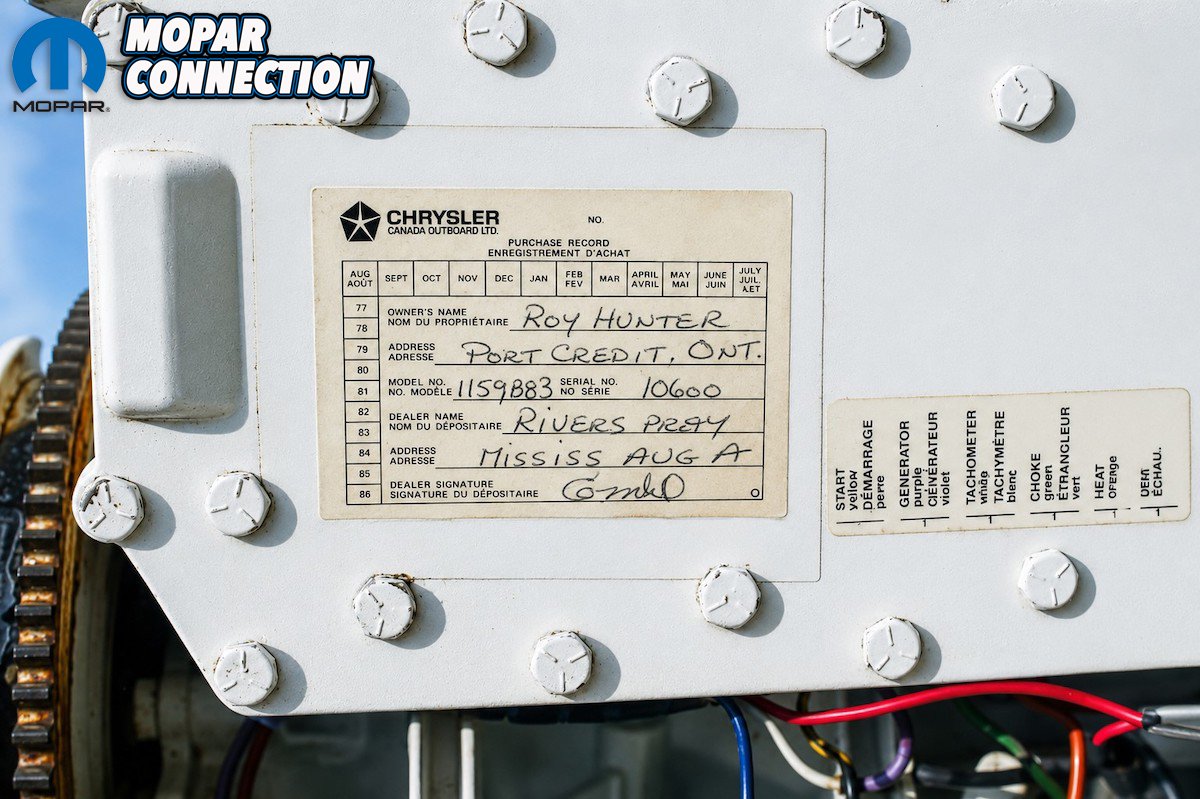
According to the tag under the engine cover, Roy Hunter of Port Credit, Ontario, originally ordered it from Riverspray Boat Sales in Mississauga, Ontario. Before being owned by Mark Santer in Gravenhurst, Ontario, the boat underwent several ownership changes. When Mark decided to sell it, Patrick stepped into the role of the new owner.
After Chrysler acquired Lone Star in 1965, all Chrysler boats were produced in Plano, Texas. Sales of the business increased dramatically after being acquired by Chrysler, in part because of brand recognition. Since 1927, Chrysler had been producing marine engines; however, after buying West Bend Outboards, it began producing outboard motors. Chrysler boats and outboard motors made up the entire line-up in 1966. Trailers followed in 1966; they were engineered for each boat. Unfortunately, Chrysler was compelled to sell off the boat business by the US government as part of loan guarantees back in 1979.
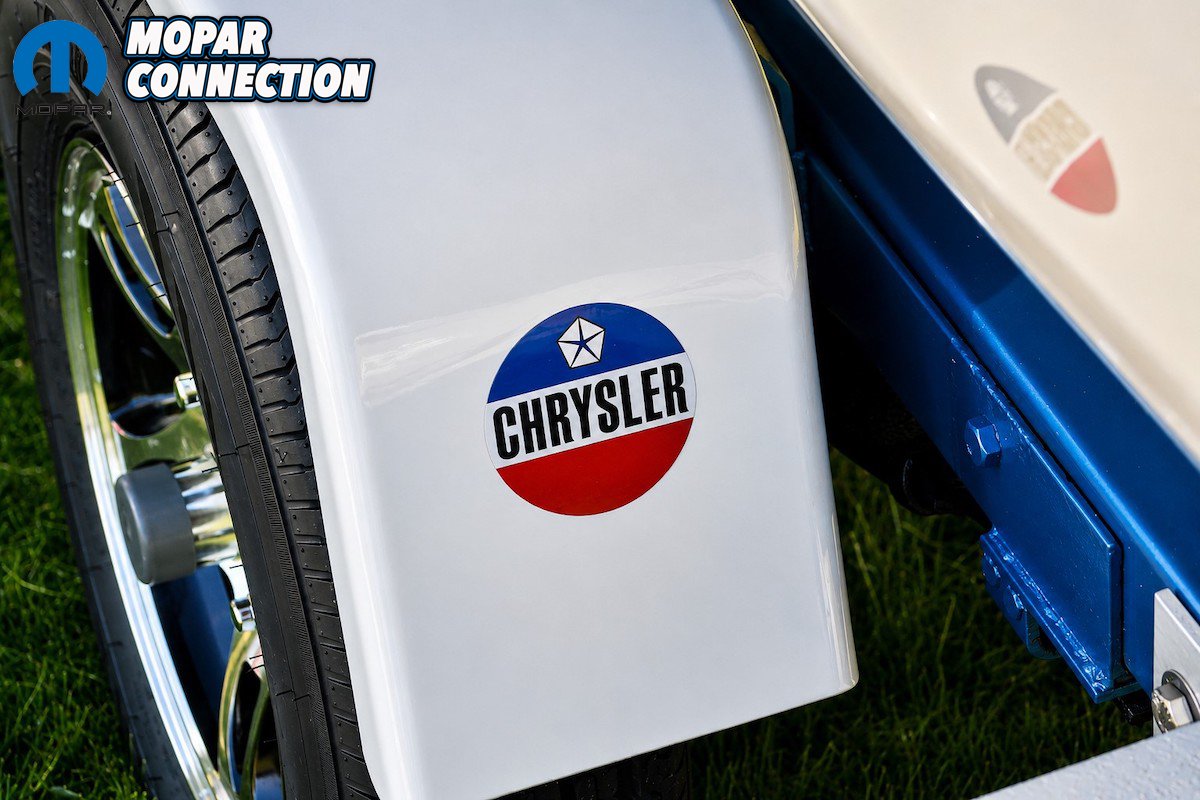
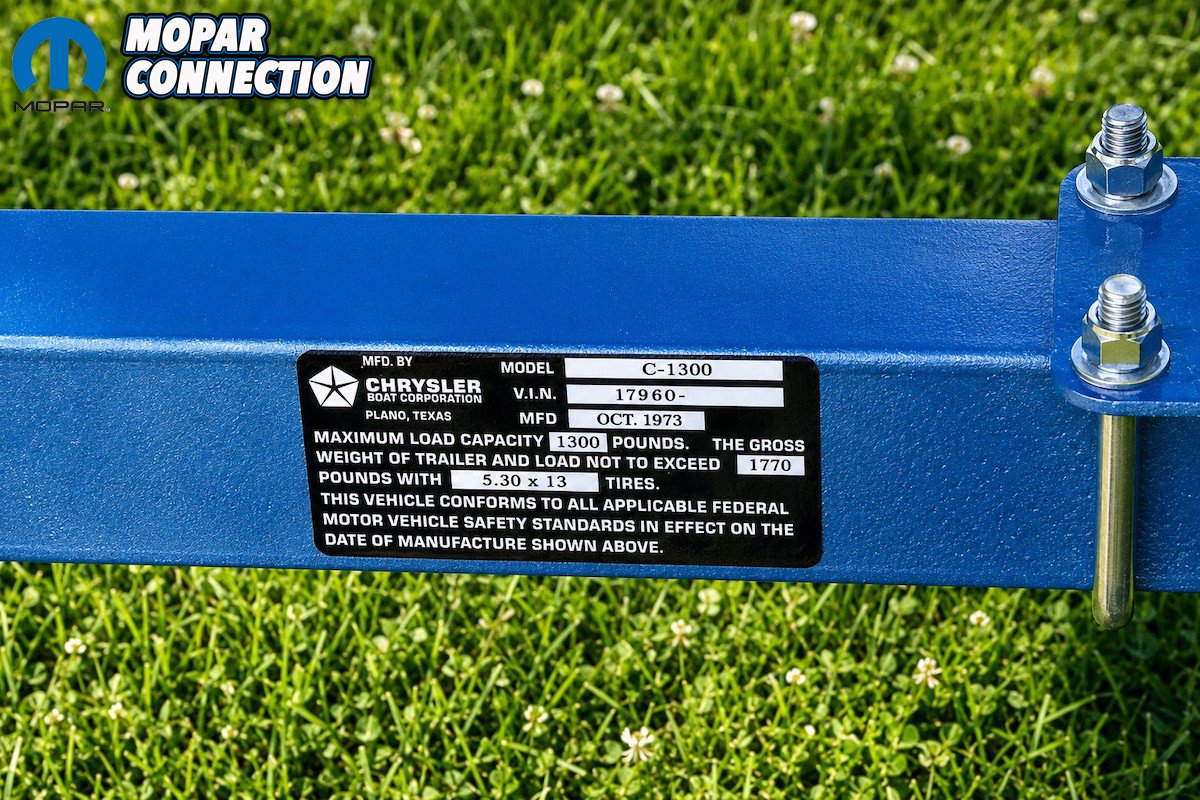
In order for Patrick to get the correct trailer, he had to buy another boat just to get the C1300 trailer finished in B5 blue. Patrick refinished the trailer like Chrysler would have. It also had the Chrysler manufacturer tag on the frame of the trailer. Patrick decided to finish the look with a beautiful set of mag wheels.
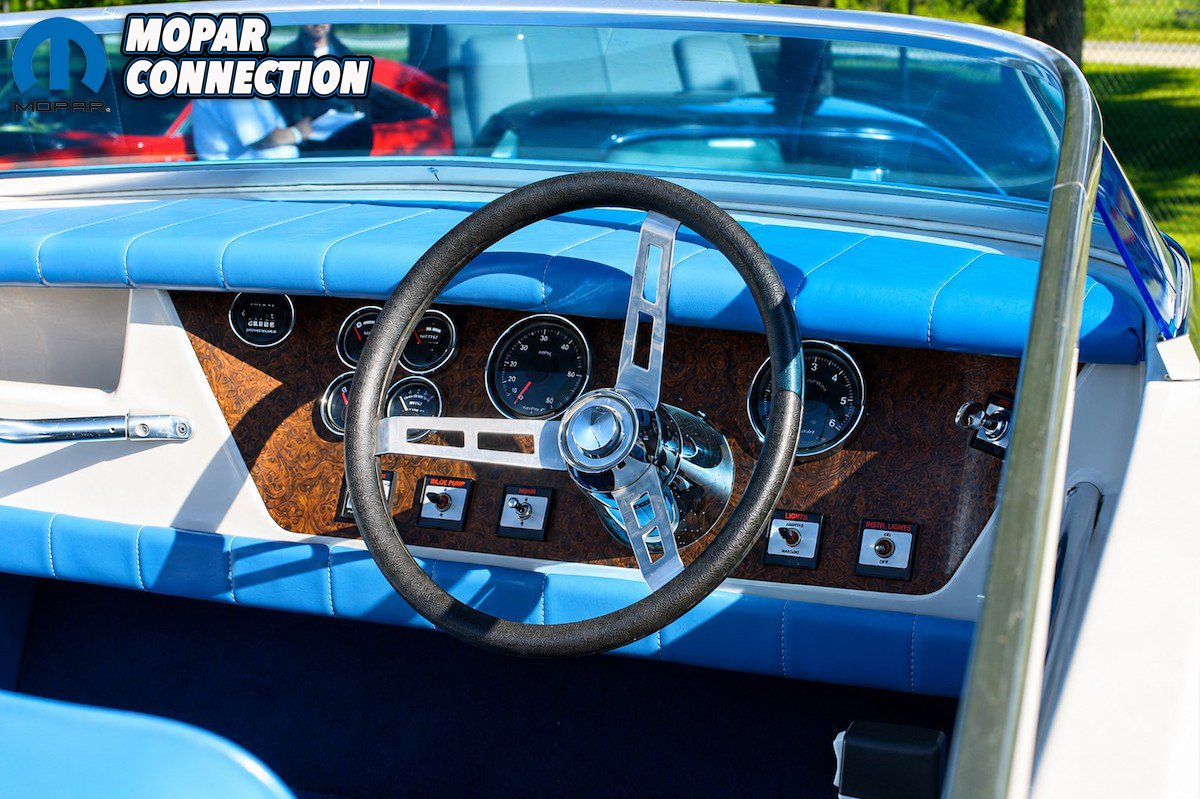
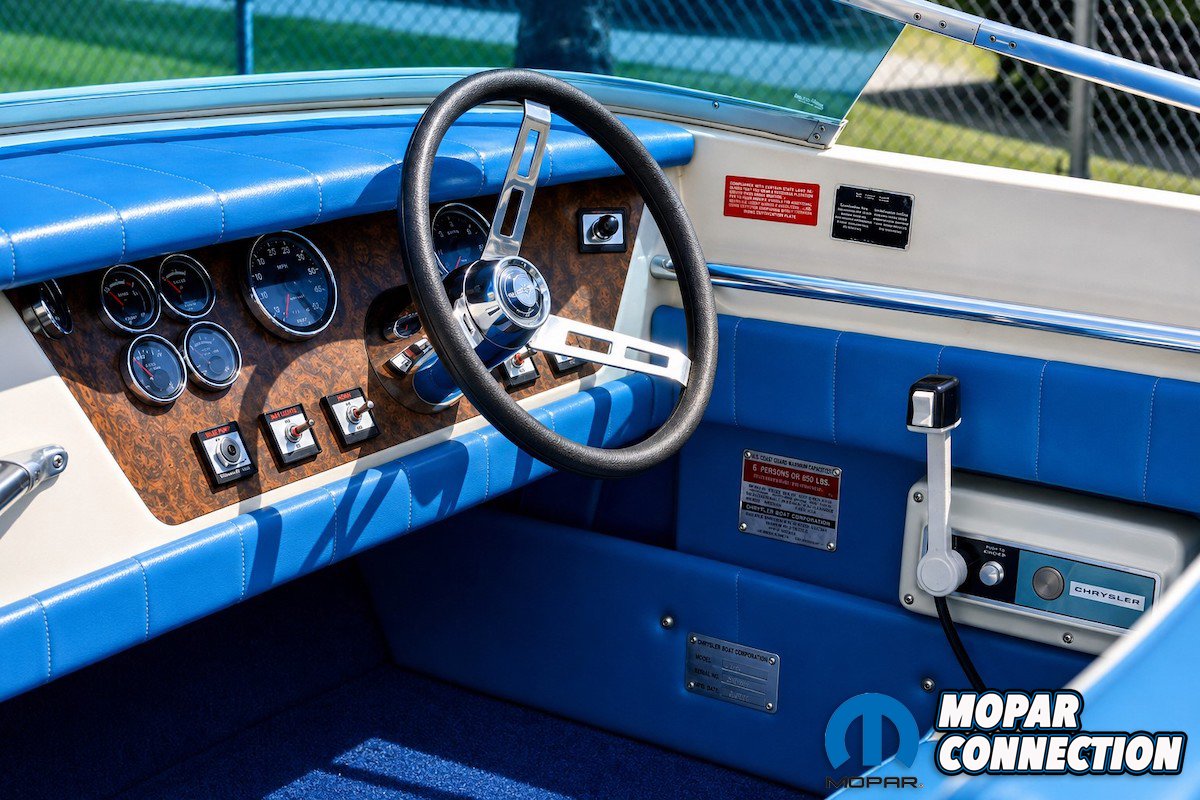
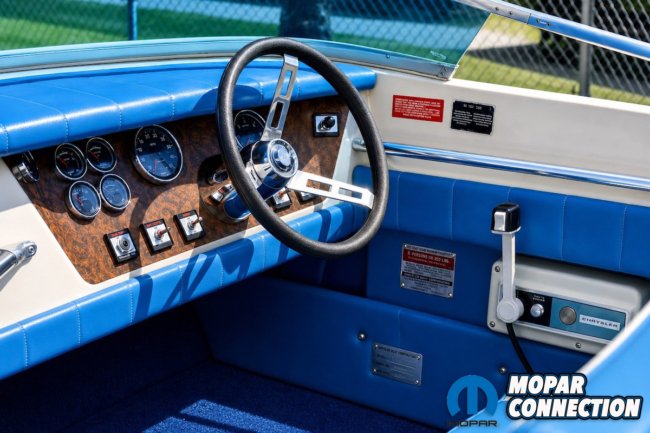
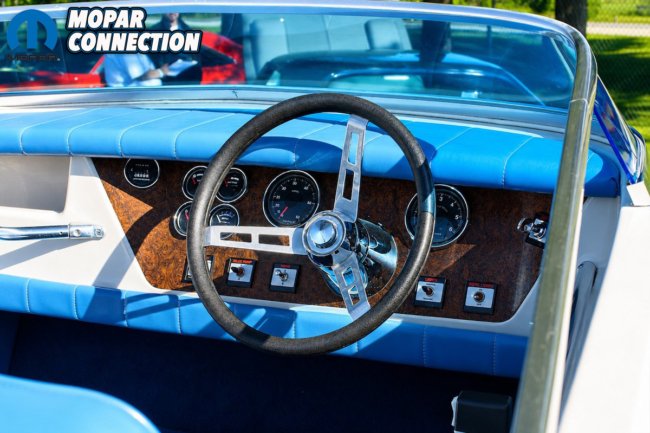
The boat had to have the transom replaced because it was weak. Patrick removed the rub rail, and then the upper deck was carefully separated from the hull to rebuild the transom. After remounting the upper deck, the hull and topside gelcoat were wet sanded, and a new gelcoat was applied. New stripes were reproduced, and Patrick used the service of Auto Trim Design out of London, Ontario, to finish off the look. The new gauges for the boat were obtained with the assistance of Brampton, Ontario, resident Craig Wilson. Craig was able to track down brand-new old stock gauges produced by Chrysler Crew, the company’s marine parts division.
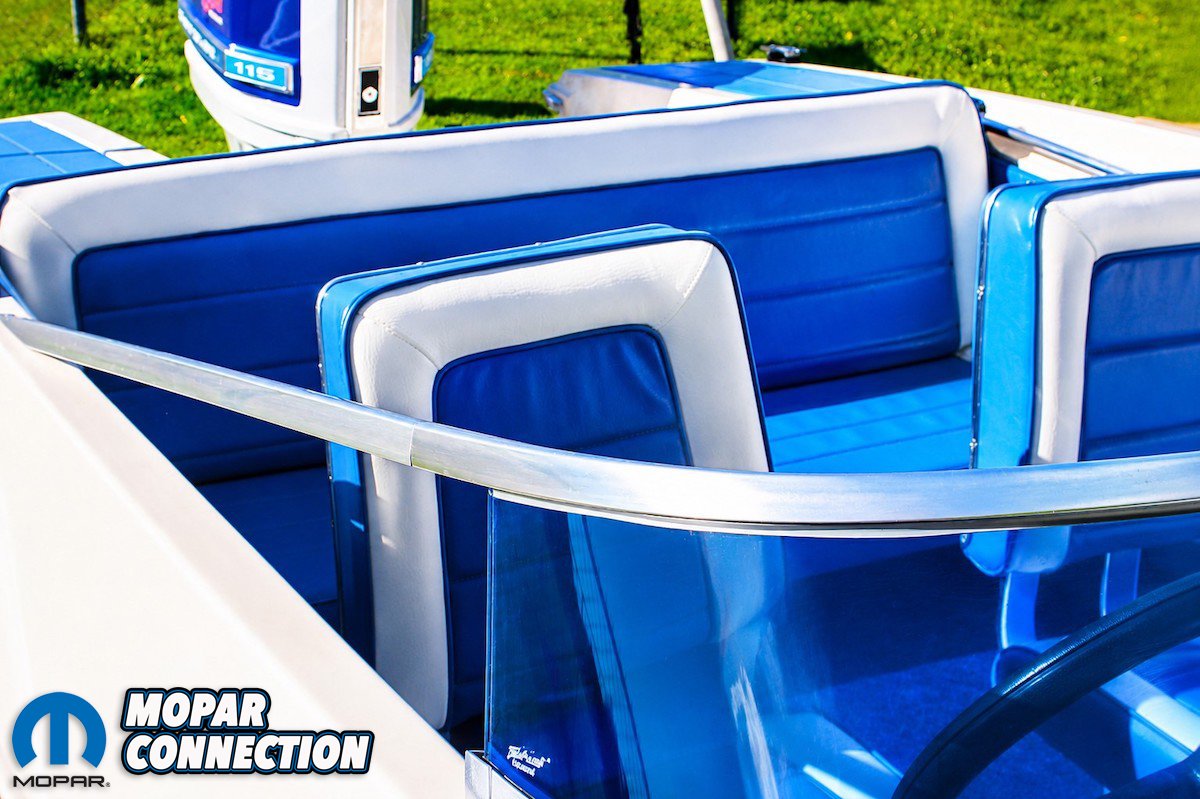
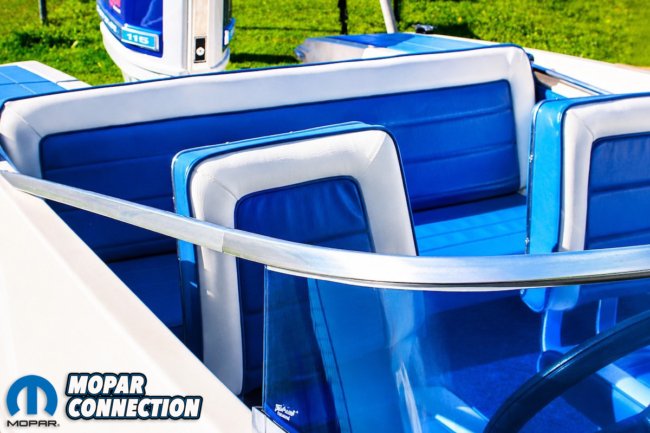
Once more, a brand-new, gorgeous interior was installed by Classic Auto Upholstery in Ailsa Craig to replace the previous, worn-out interior. To ensure peak performance, the Chrysler Charger 115 outboard motor underwent a thorough shakedown. To make sure that all of the electrical and control systems were functioning properly, the boat was rerigged.
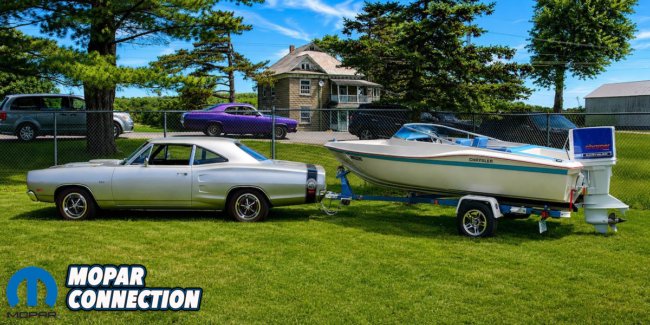
Patrick completed the boat on the evening of June 17, 2022, just in time for Mopar Day at St. Thomas Dragway in Sparta, Ontario, the following morning. That’s where I first met him—driving the Super Bee with the boat and trailer in tow, a sight that turned heads all day.
The car later took center stage in the main auditorium at Moparfest in New Hamburg, Ontario, Canada’s largest all-Mopar show, and also appeared in the showroom during Mopar Day at Oxford Dodge in London, Ontario. Wherever Patrick goes, the dynamic duo commands attention—proof that Chrysler’s ingenuity extended well beyond cars and trucks into other successful ventures.