For more than a century, the automobile has represented freedom. Turning a key and heading down an open road symbolizes independence, personal control, and a direct connection between a human and a machine. Yet today, that relationship is beginning to change in ways few drivers could have imagined only a generation ago.
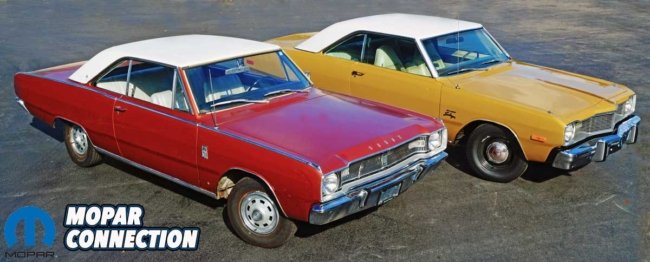
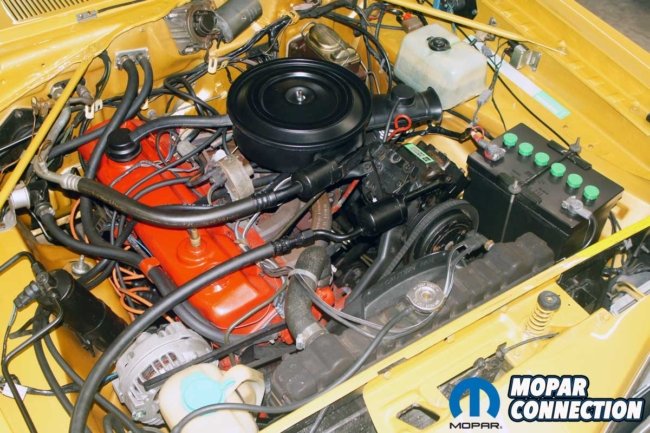
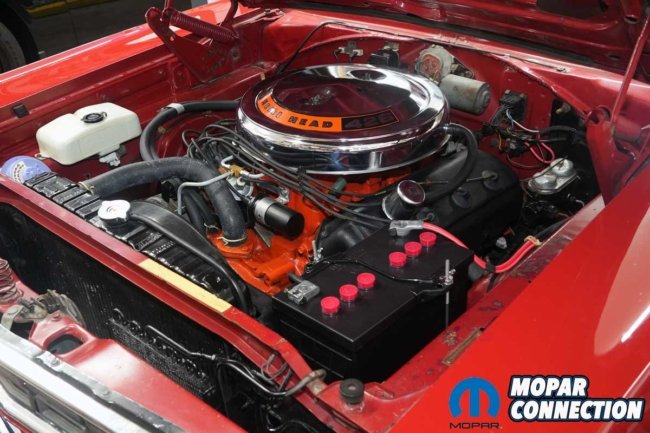
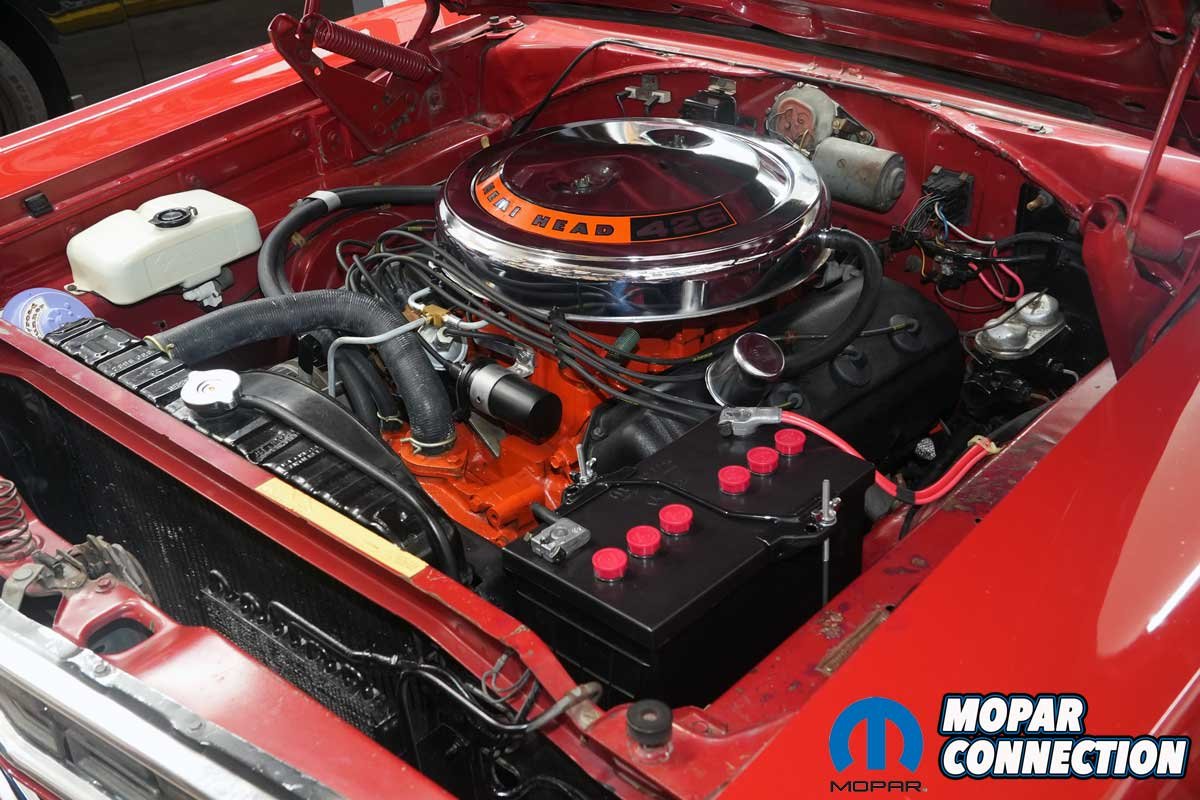
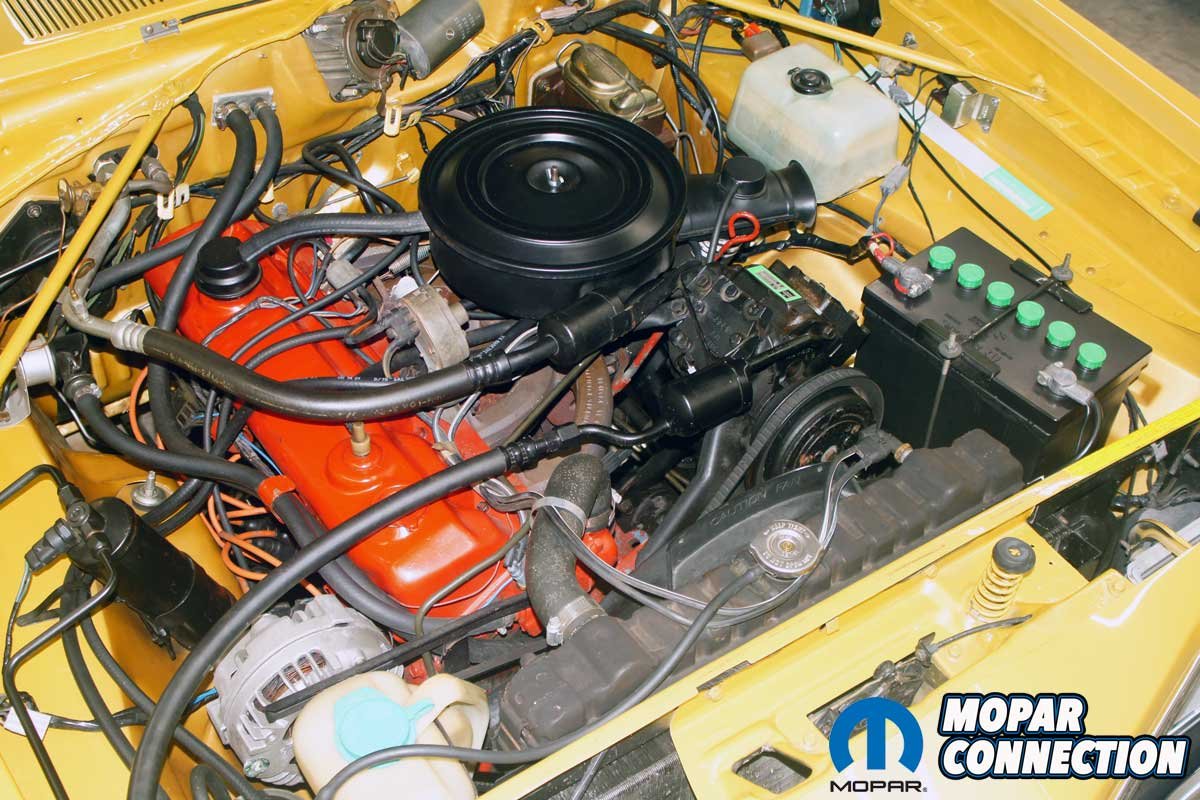
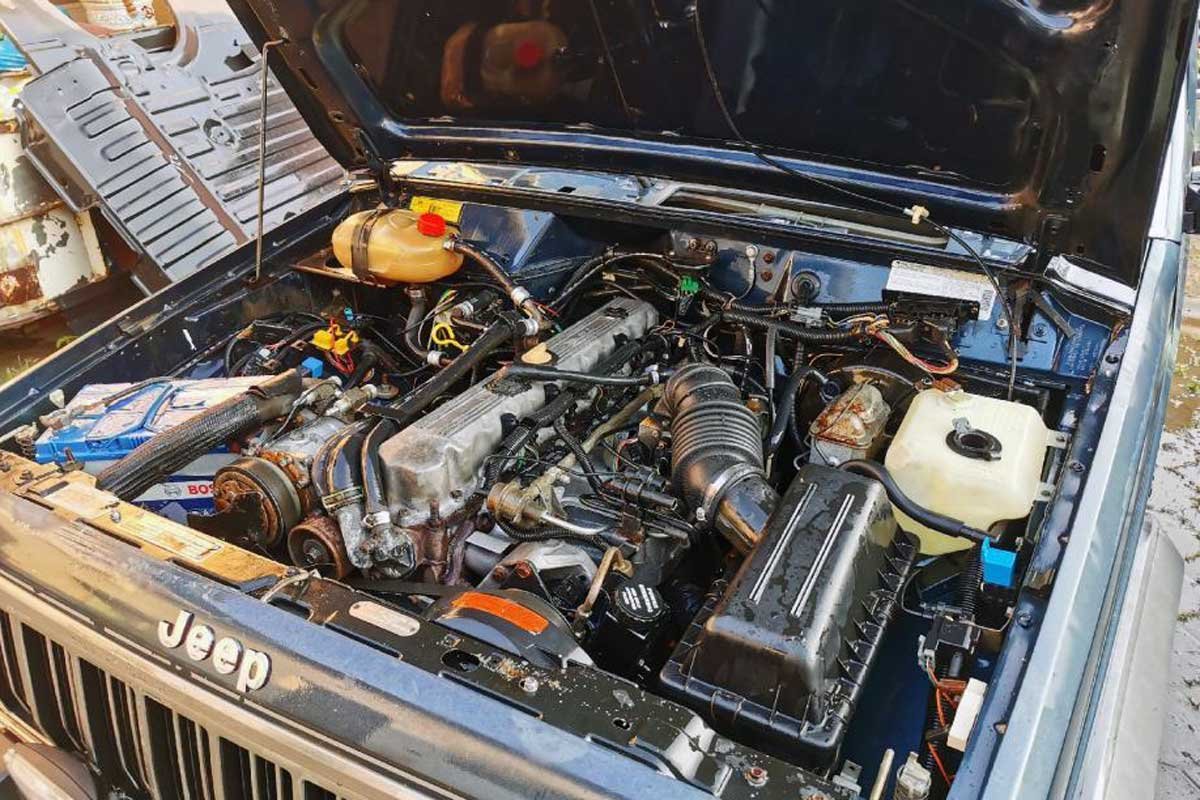
Above: While both of these engines are undeniably analog, they may be a step too far back for most drivers. Many people say they want to escape modern electronics, but doing so raises an important question: who will maintain these vehicles? As Baby Boomer technicians retire and fewer younger mechanics learn carburetors, breaker-point ignitions, and manual tuning, the skills needed to keep truly analog cars running are becoming increasingly rare. Owning one may sound appealing, but it often requires either hands-on mechanical ability or access to a shrinking pool of specialists.
At the time of writing, no finalized federal standard exists defining exactly how the technology would function. The goal is to develop systems capable of detecting driver impairment and, if necessary, limiting or restricting vehicle operation.
Supporters compare the idea to earlier safety innovations like seat belts, airbags, and backup cameras. They argue that if technology can prevent impaired driving, thousands of lives could be saved each year. Others are less convinced.
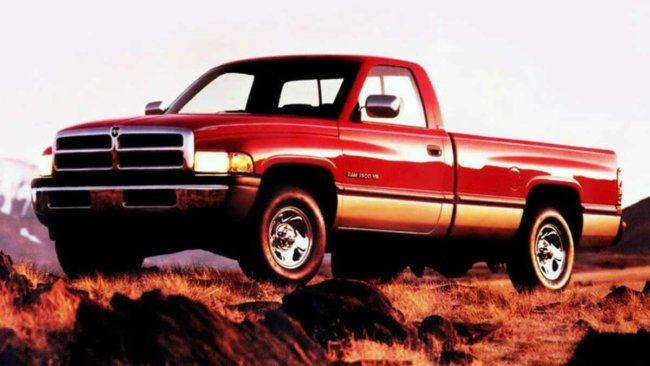
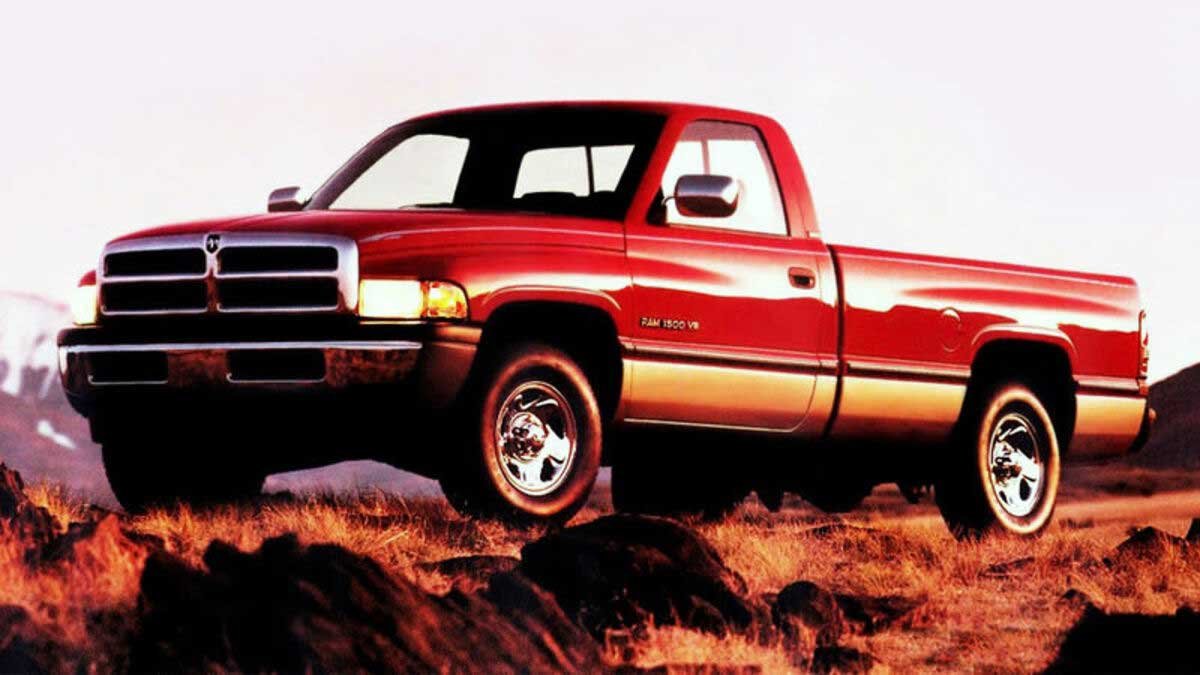
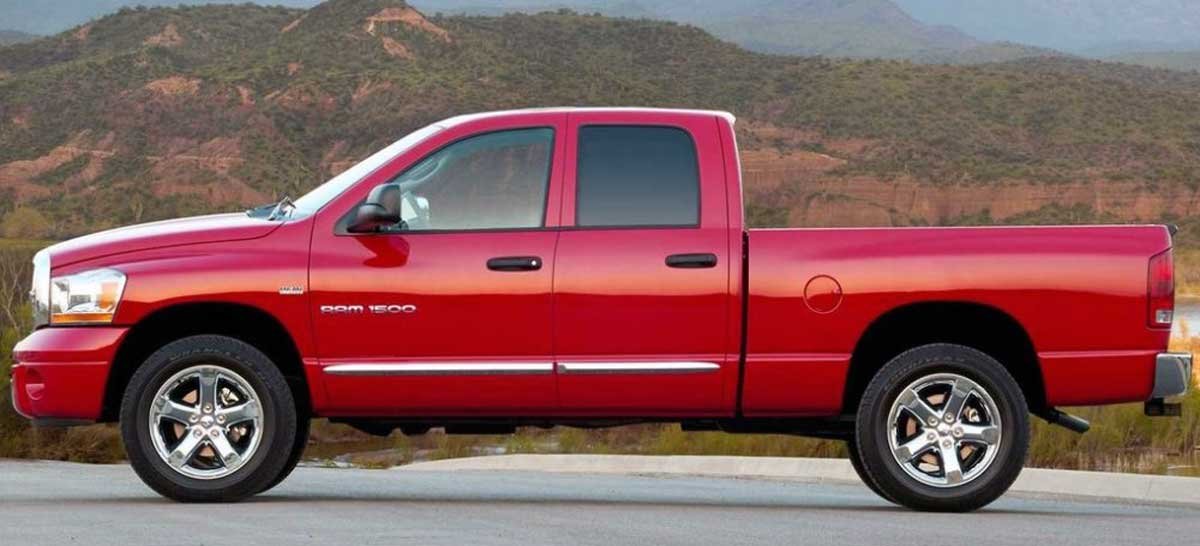
Above: Built from 1994 to 2001, the second-generation Ram 1500 occupies a sweet spot between old-school simplicity and early electronic control. Available with the 3.9L V6, and 5.2L and 5.9L Magnum V8s, it offers strong aftermarket support and straightforward serviceability. The NV4500 manual transmission and NP231/NP241 transfer cases further reinforce its rugged, mechanical character. While more electronic than earlier trucks, it still feels largely analog by modern standards. (Photographer unknown)
Critics worry about privacy, government overreach, false readings, and the growing presence of vehicles constantly monitoring driver behavior. Questions surrounding fatigue, medical conditions, distraction, and software reliability continue to fuel debate.
The law itself does not expressly require cameras, breathalyzers, or facial recognition, but automakers are exploring systems involving steering behavior, eye movement, lane tracking, and other monitoring technologies.
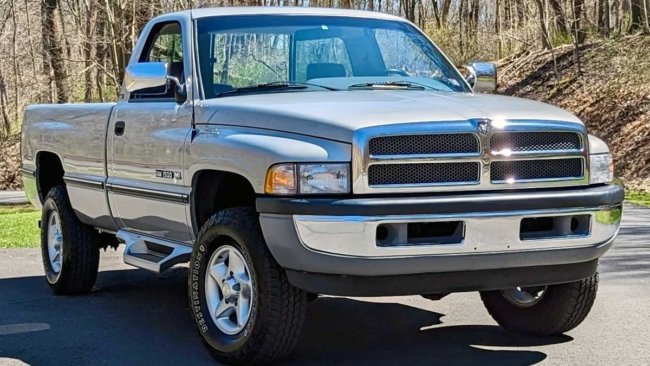
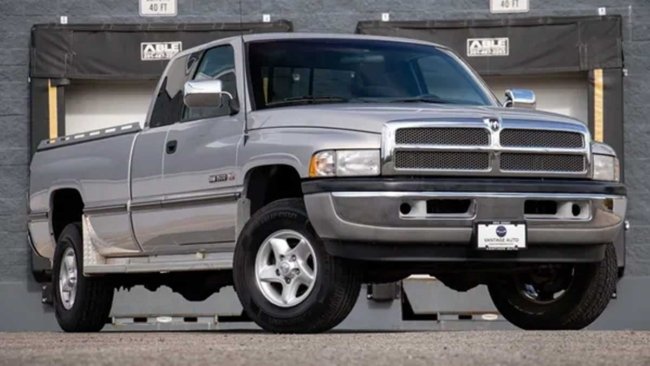
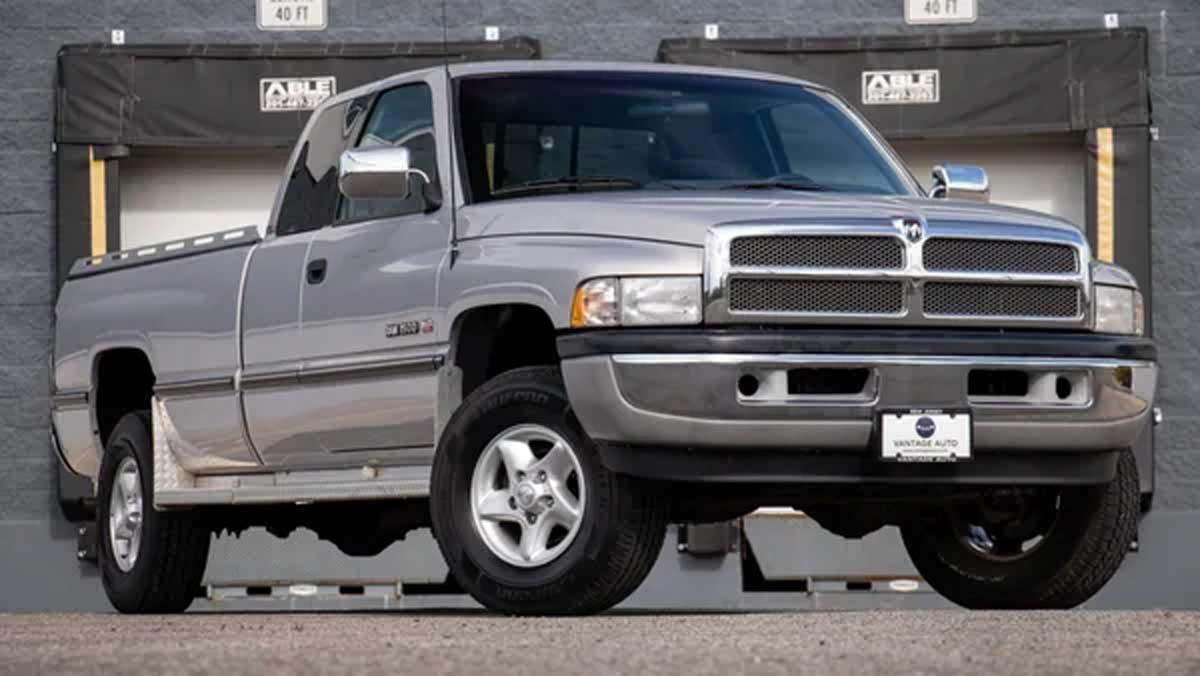
Above: The Magnum engines are generally durable, and early 42RH and 46RH automatics retain a simpler hydraulic design. Later 42RE and 46RE transmissions add electronic controls and complexity. When shopping for a second-generation Ram, the biggest concern is often condition rather than drivetrain. Many trucks were worked hard, and in rust-belt regions, corrosion around the doors, rear wheel arches, and rear bumper can be a major problem. (Photographers unknown)
Whether one supports or opposes the technology, the larger matter reveals something deeper at work within automotive culture. As cars become progressively more digital, many drivers are beginning to look backward.
Not because modern vehicles are objectively bad. In truth, today’s cars are faster, safer, cleaner, and generally more reliable than anything that came before them, despite growing concerns over recalls and electronic complexity.
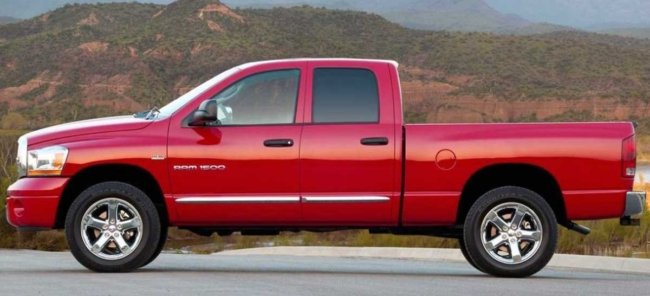
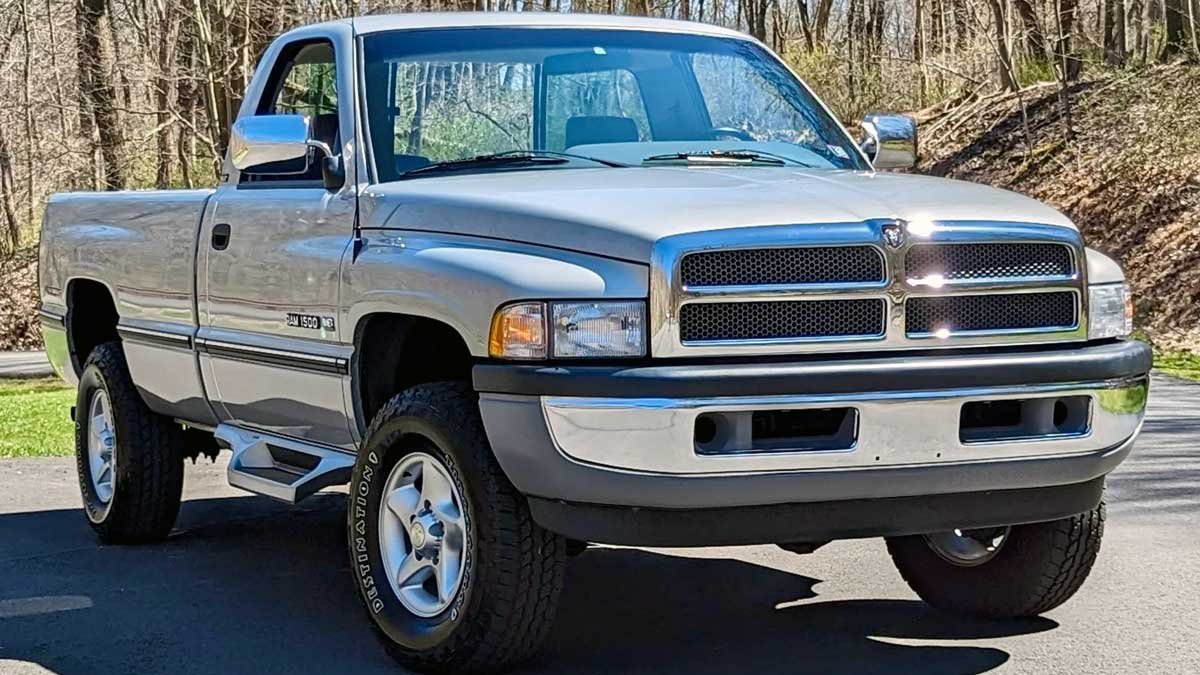
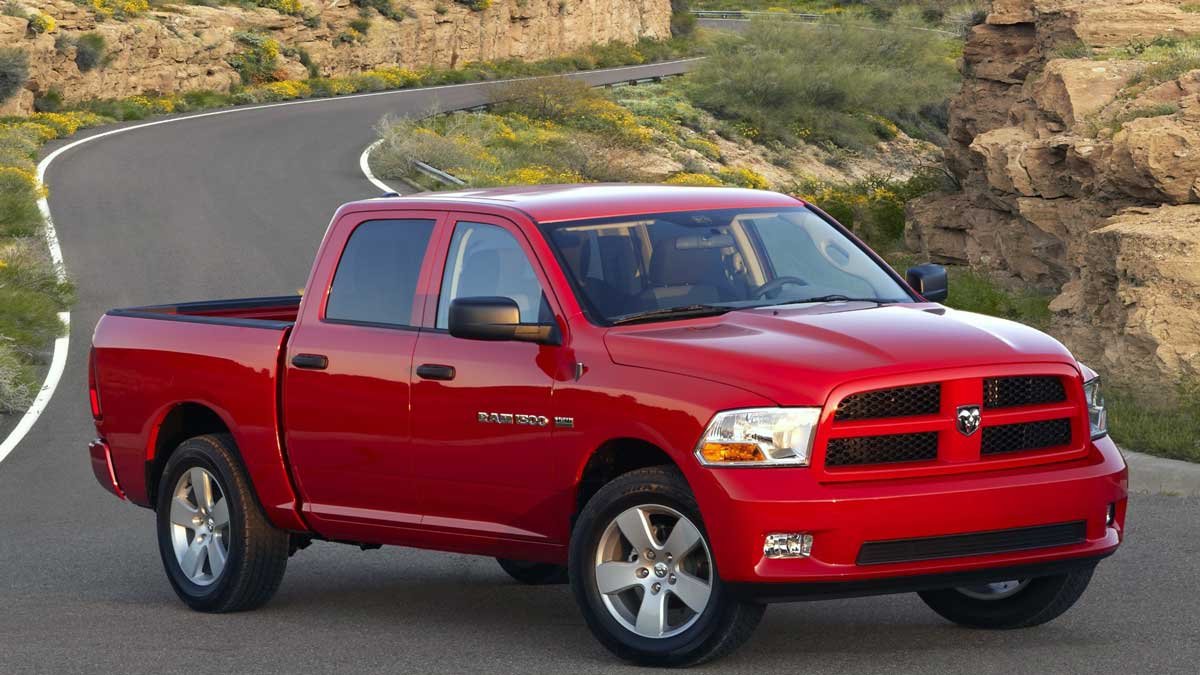
Above: The third-generation Ram moves beyond the analog era into a more electronically controlled platform, though some configurations still retain a mechanical feel. Engine options range from the 3.7L V6 to the 4.7L and 5.9L V8s, and the popular 5.7L HEMI. Transmissions and transfer cases evolved as well, from manual options like the NV4500, NV5600, G56, and Getrag 238 to automatics such as the 42RLE, 45RLE, and 545RFE, alongside hydraulic and electronic NP/NE transfer cases. (Photographer unknown)
But somewhere during the industry’s race toward automation and software-defined transportation, many enthusiasts feel something important was lost. The driving experience itself. That sense of loss has helped fuel a growing resurgence in analog automotive culture.
Software-defined transportation refers to vehicles increasingly controlled by computer code through technologies such as drive-by-wire throttles, over-the-air updates, accident avoidance controls, adaptive driver monitoring, and ECU-managed performance systems.
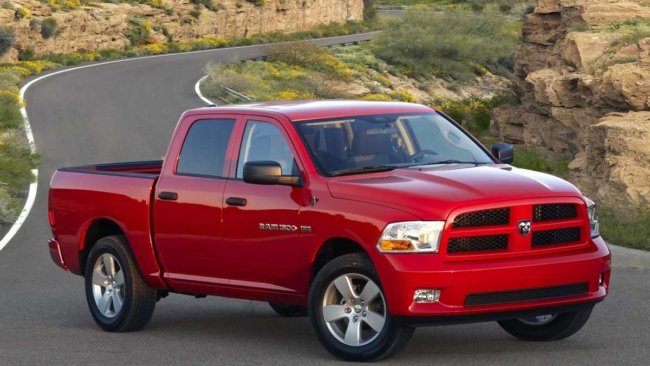
Above: The third-generation Ram 1500 does not land well with the analog crowd for a simple reason: it is the point where Chrysler stopped building trucks that feel mechanically transparent and started building trucks that manage everything through electronics. The Ram 1500 is not disliked because it is weak or unreliable; the analog crowd dislikes it because it represents a philosophy shift: From mechanical systems you control to electronic systems you instruct. It is a solid truck. Just not a simple one. (Photographer unknown)
Unlike Cuba’s necessity-driven preservation culture, America’s emerging analog movement is largely voluntary. Analog technology does not mean America is destined to resemble Cuba, where decades-old American cars survive through constant rebuilding and ingenuity born from necessity.
But a parallel automotive culture is clearly emerging. Modern vehicles will likely continue to dominate daily transportation, even as some drivers swear off expensive, technology-heavy driver-monitoring vehicles. At the same time, older cars become symbols of independence, privacy, repairability, and personal freedom.
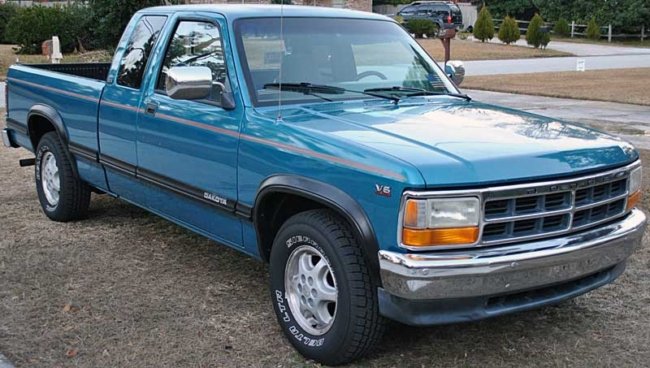
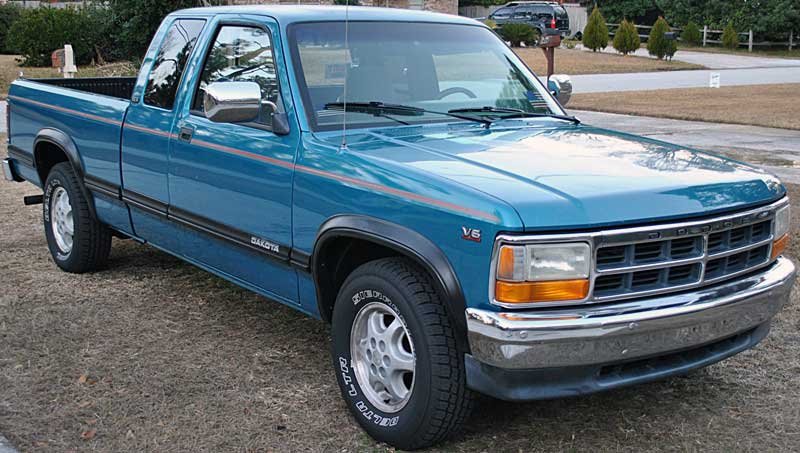
Above: The first-generation Dodge Dakota (1987–1996) is a durable analog-era truck, especially with the 3.9L V6 or 5.2L V8 from the LA/Magnum family. These engines are known for simplicity, torque, and long-term reliability. Transmissions include the A998 and A500 automatics and a 5-speed manual, with the NP231 transfer case in 4×4 models. Overall, it’s a straightforward, easy-to-service drivetrain when well maintained. (Photographer unknown)
But the term “analog car” itself is often misunderstood. For some, it means carburetors, mechanical linkages, and virtually no electronics. For others, even early fuel-injected cars from the 1980s and 1990s still qualify, as long as the driver remains directly connected to the machine.
In practice, analog automotive technology is less about a single component and more about the overall relationship between driver, machine, and software.
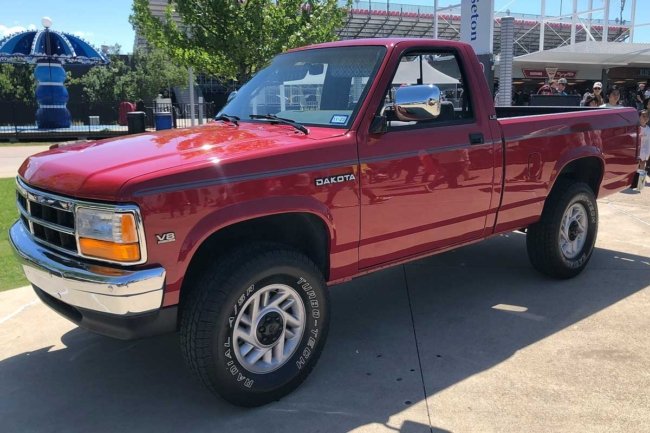
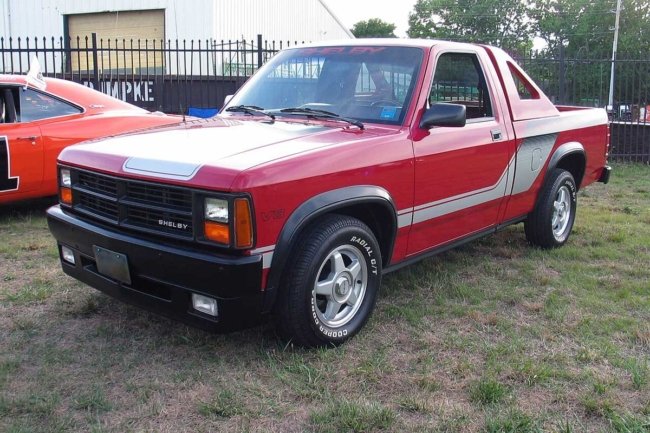
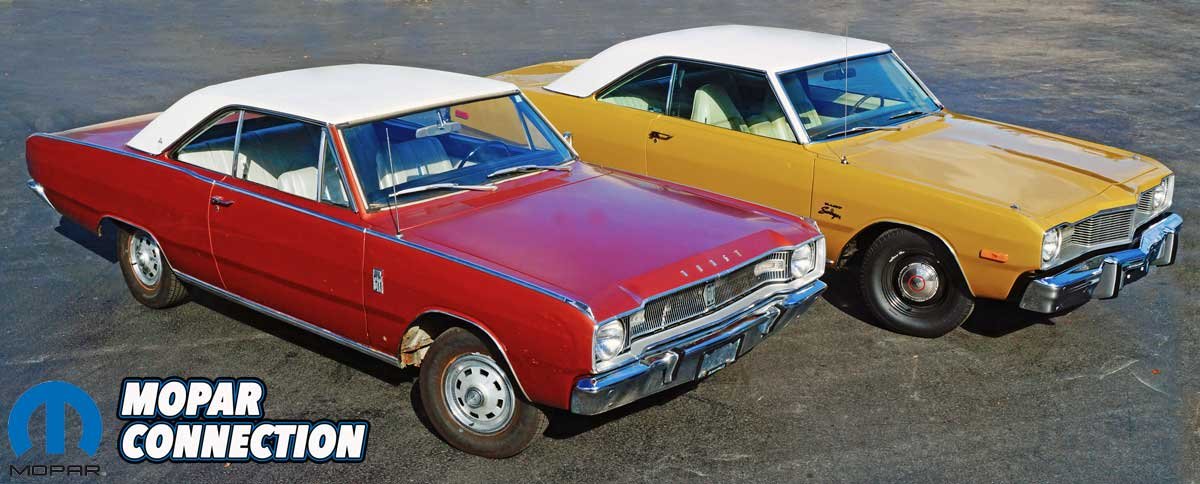
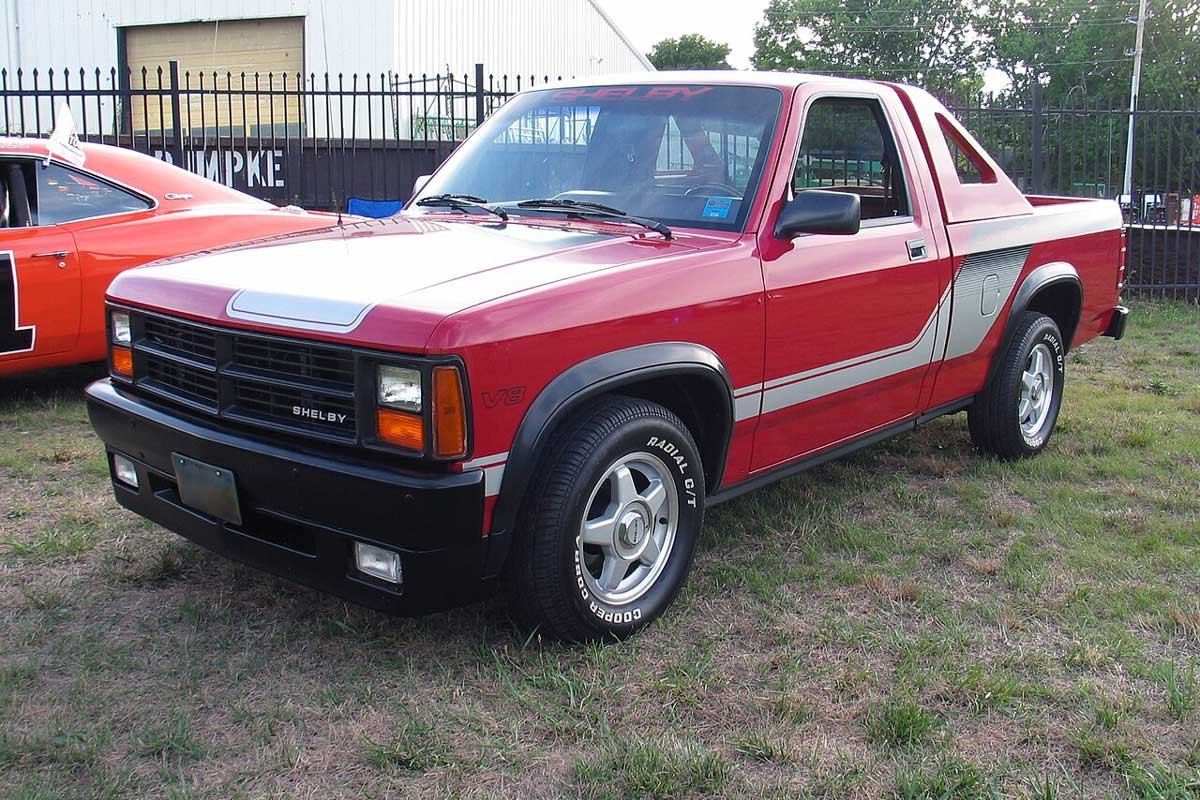
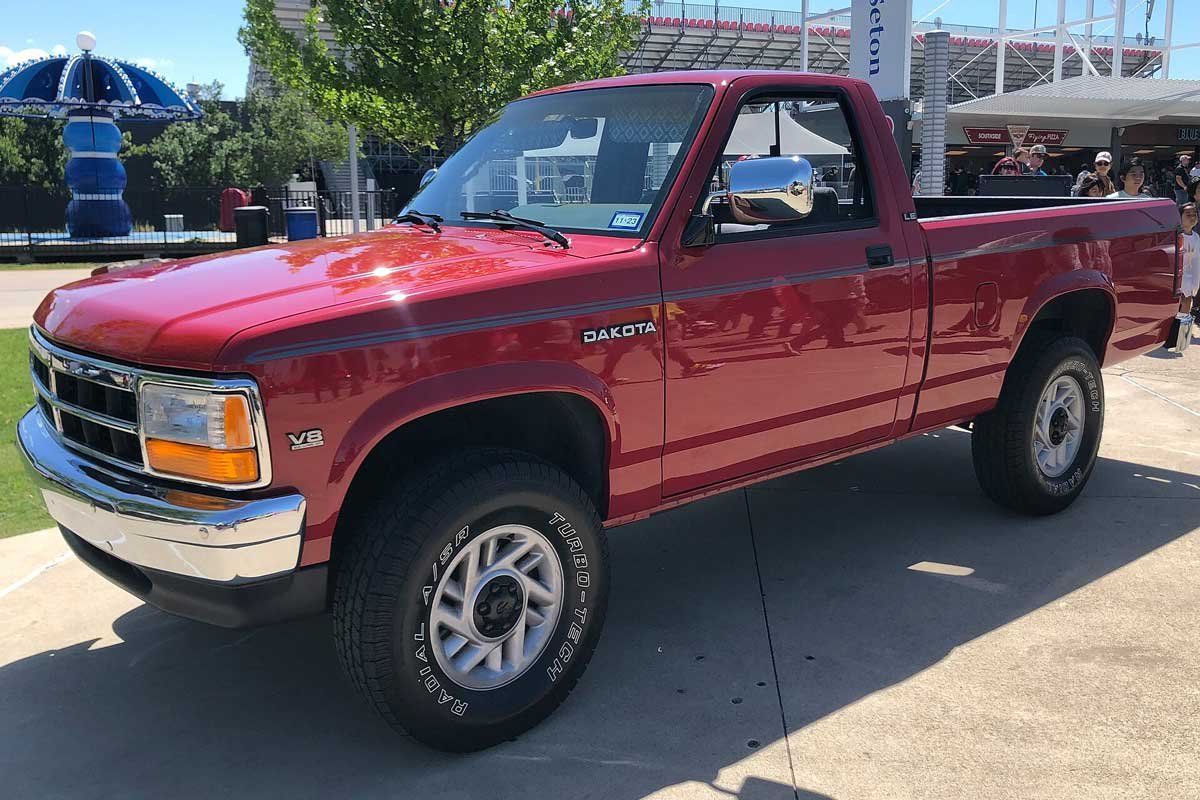
Above Left: The first-generation Dodge Dakota is largely considered analog by today’s standards, especially in base and mid-trim forms, though it still reflects Chrysler’s transition era with some early electronic systems. Above Right: The 1989 Shelby Dakota is a limited-production performance version of the Dakota Sport, Carroll Shelby’s return to factory rear-wheel-drive performance vehicles. It featured unique styling, performance accents, and a distinctive interior with Shelby branding, making it a rare collector’s truck. (Photographers unknown)
An analog car is typically defined by three traits: minimal computer intervention, immediate mechanical feedback, and strong driver involvement. Electronic ignition, early electronic fuel injection, ABS, and basic engine management systems do not automatically remove a car from the analog category. What matters is whether the driving experience is still primarily mechanical rather than software-mediated.
The distinction matters because the transition from analog to digital did not happen all at once; it evolved over decades. For collectors, hobbyists, restorers, and even younger enthusiasts raised entirely in the digital age, analog cars represent something now increasingly rare: mechanical honesty.
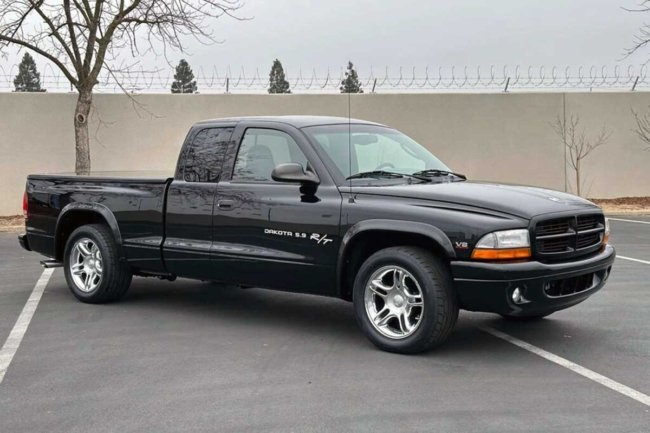
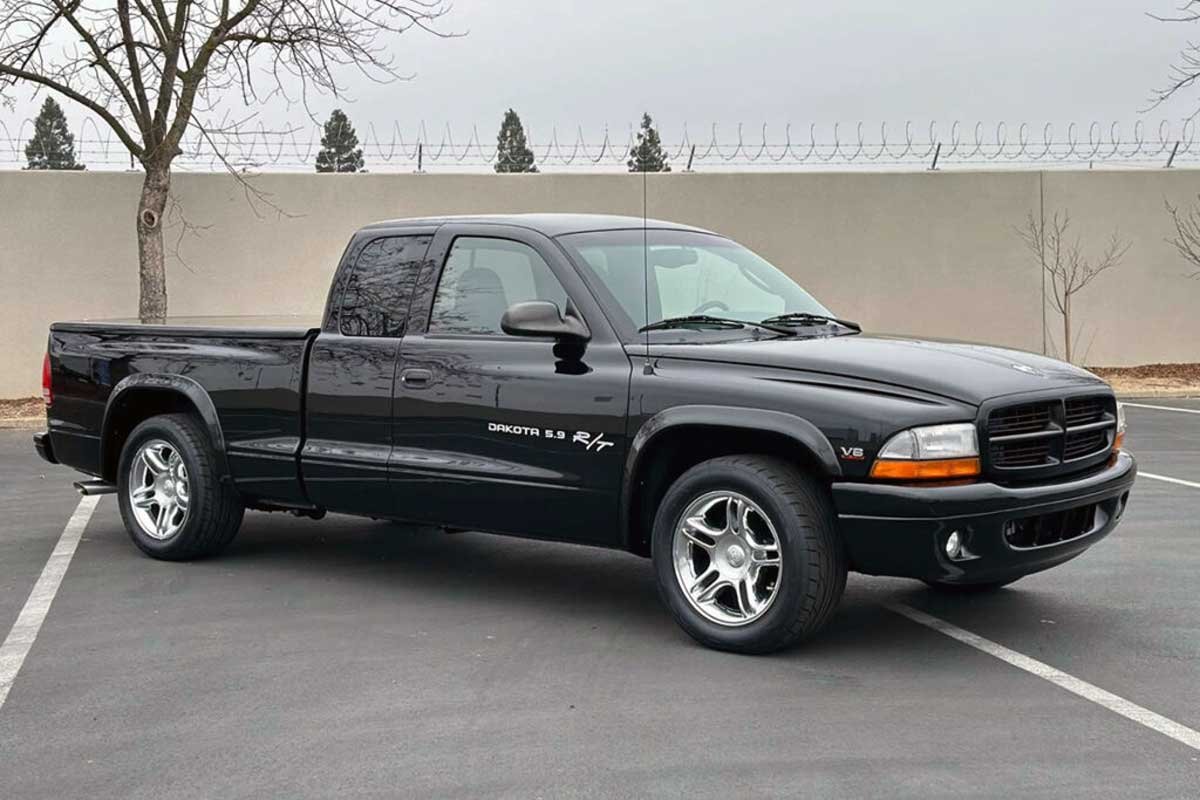
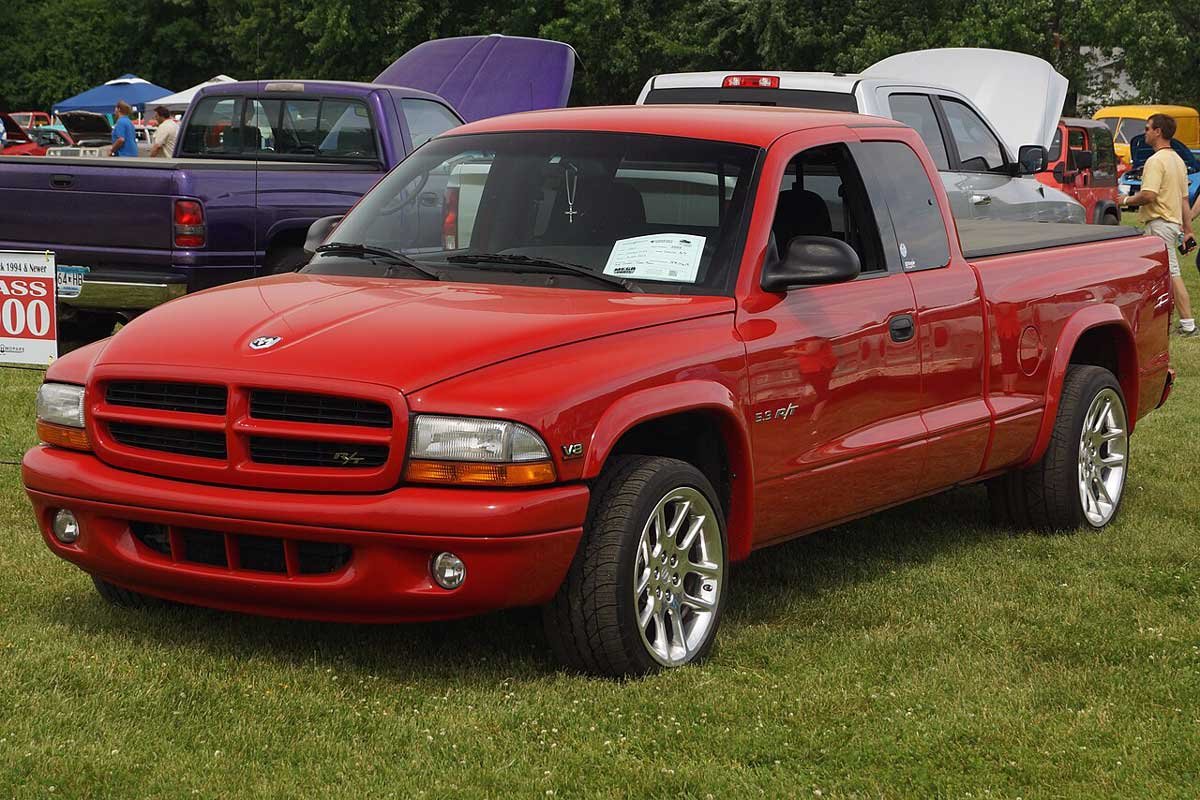
Above: The second-generation Dodge Dakota, produced from 1997 through 2004, was a complete redesign. It grew in size, improved in refinement and safety, and offered more power and capability than its predecessor. At the same time, it also marks a clear turning point for Chrysler trucks, where mechanical simplicity begins giving way to increasing electronic control and system integration, moving it further away from a truly analog driving experience. (Photographer unknown)
In an analog vehicle, the driver remains directly connected to the machine. The throttle pedal physically pulls the linkage. Steering feedback travels through gears and hydraulics rather than electronic filters. Carburetors meter fuel mechanically. Timing advances through springs and vacuum signals instead of computer code.
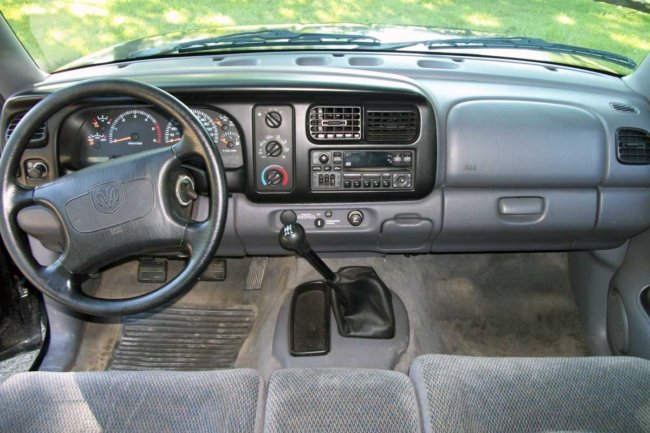
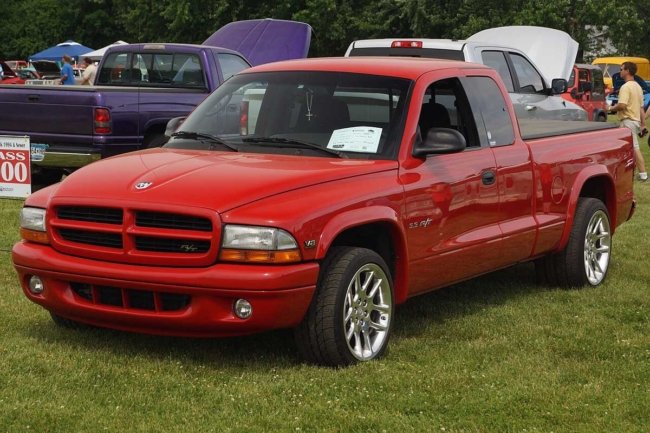
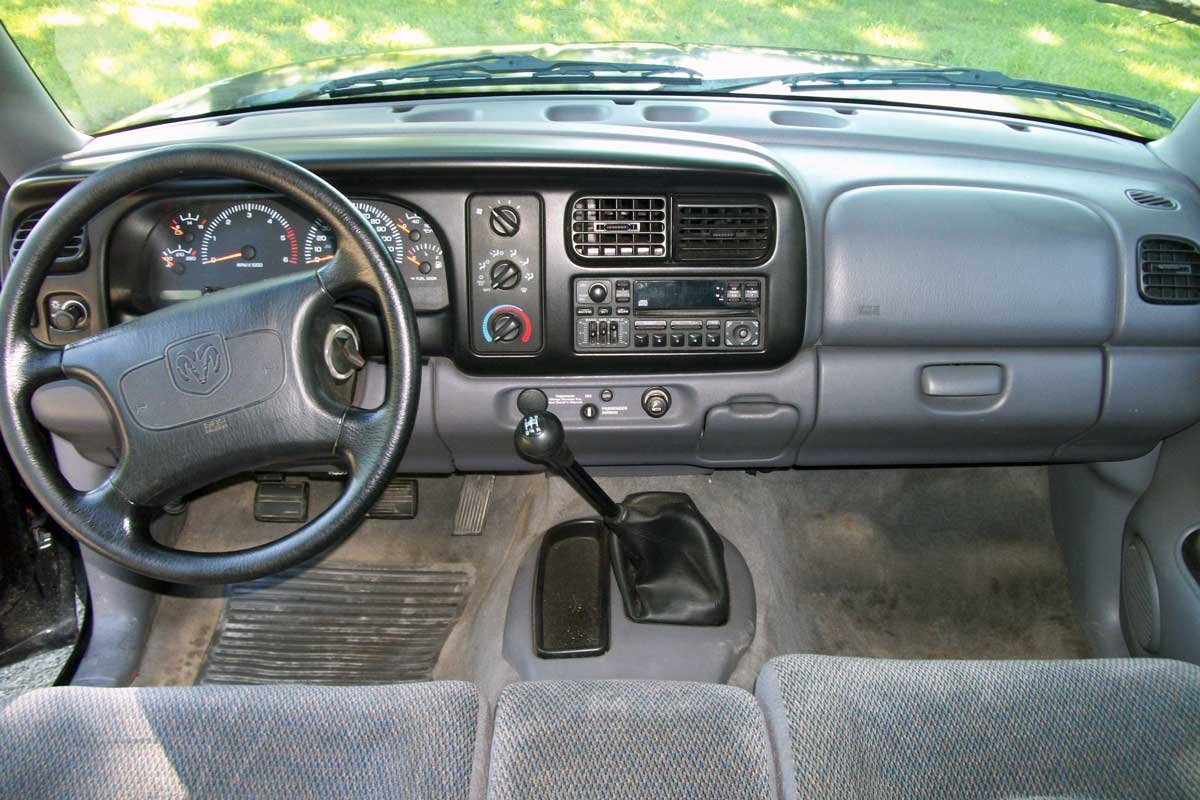
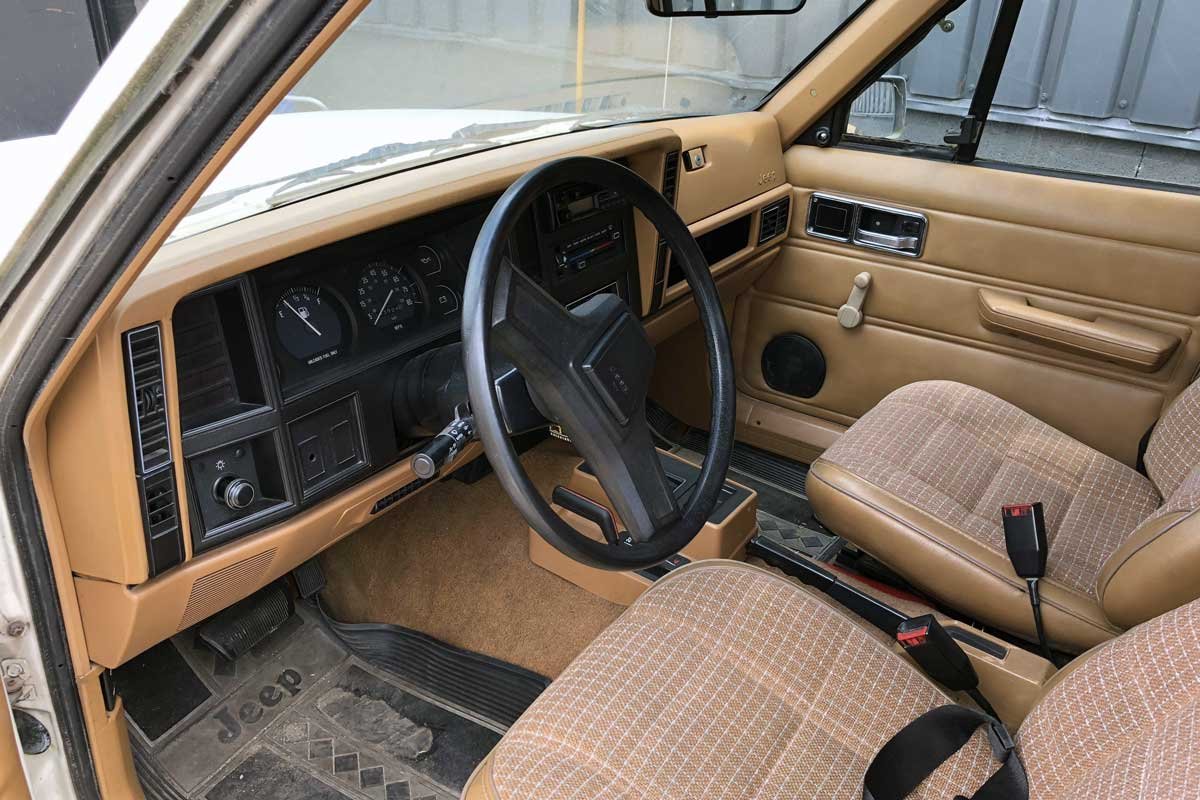
Above Left: The interior is still simple, but more refined than the first generation, comfortable for daily use without modern electronic overload. It reflects Chrysler’s shift from pure utility to consumer-focused trucks. Above Right: A Magnum engine with a manual transmission offers the most analog feel of this generation. While still connected and traditional in character, it quietly marks Chrysler’s transition toward increasing electronic control. (Photographers unknown)
Older vehicles like a 1968 Plymouth Road Runner, an ‘80s Shelby Dakota, the 4.0L Jeep XJ, or an early Dodge Viper demand active driver participation. They are imperfect, occasionally unpredictable, and entirely alive in ways many modern vehicles struggle to replicate. Nothing is hidden.

You feel engine vibration through the steering wheel. You hear valvetrain noise, smell fuel, sense chassis movement, and work the machine rather than simply managing software. An analog car, unlike a digital car, constantly reminds you that thousands of mechanical parts are operating all around your body. For many enthusiasts, that sensory involvement creates a stronger emotional connection than any touchscreen ever could.
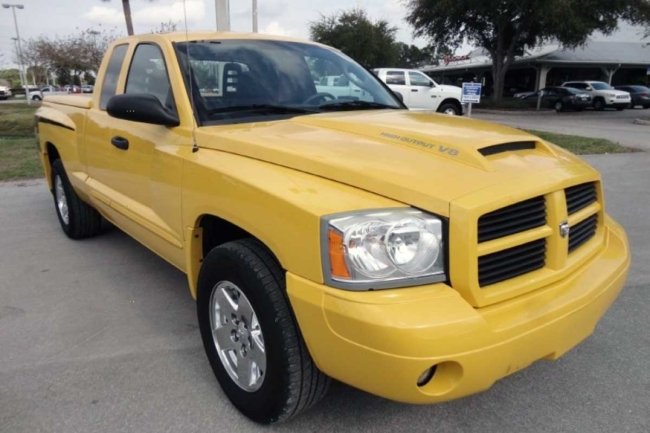
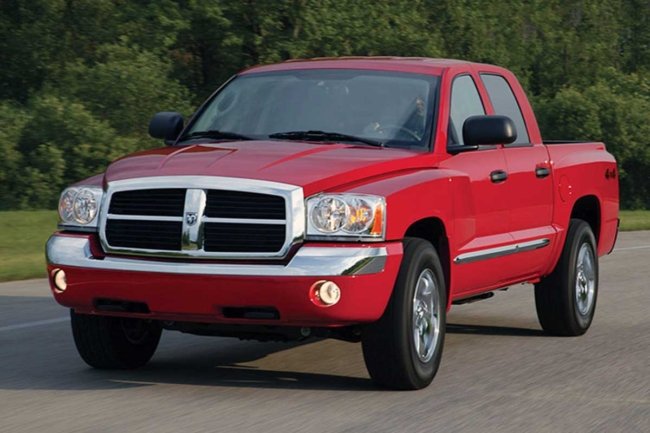
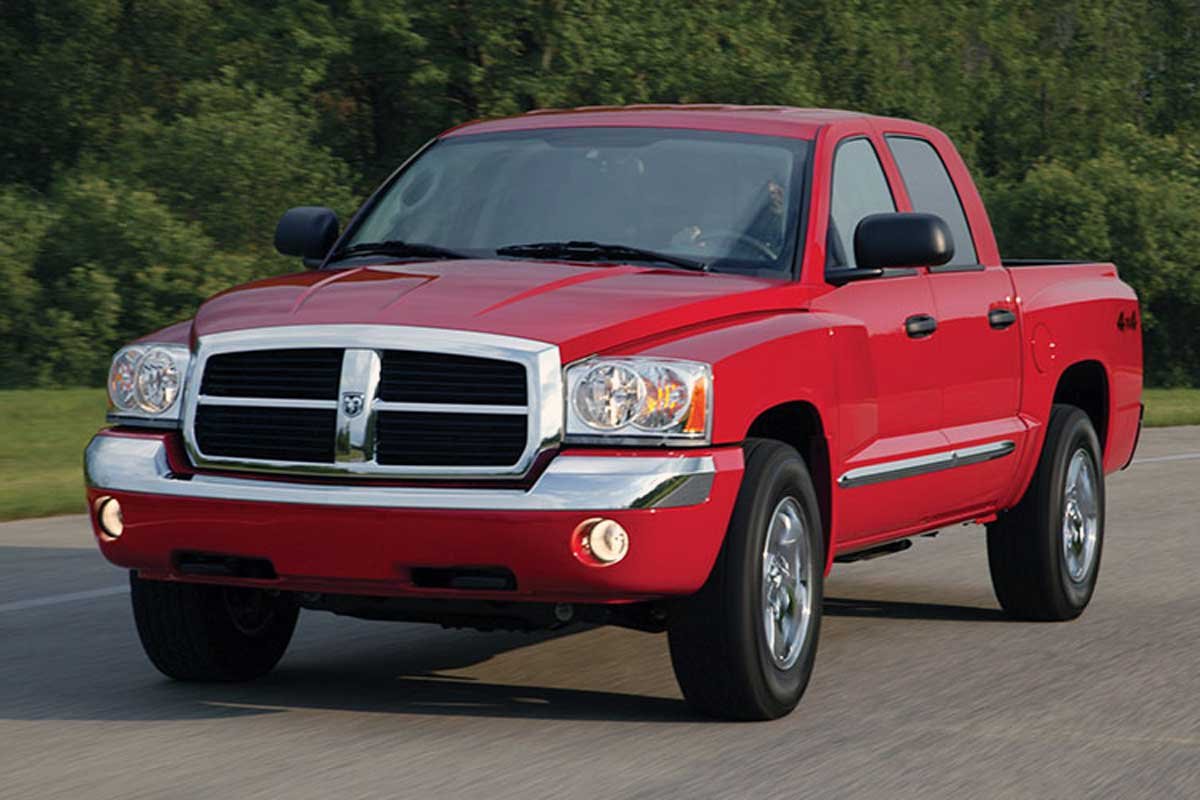
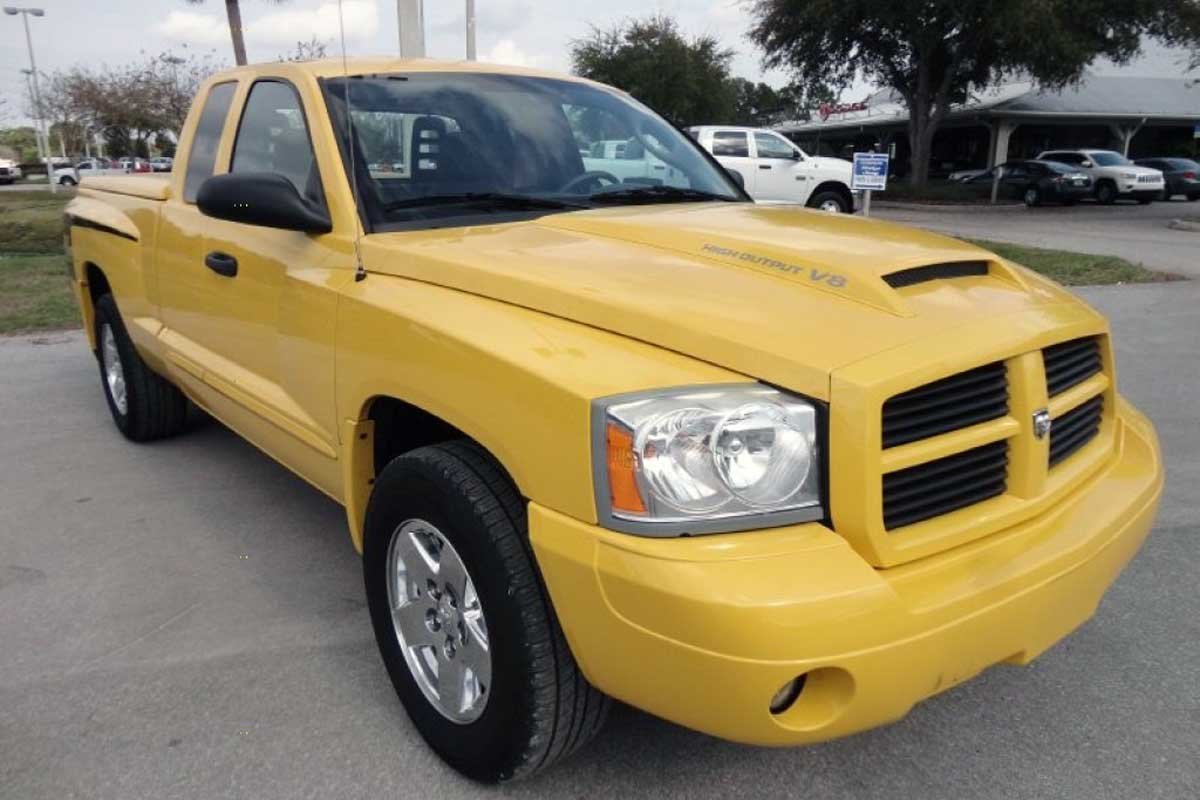
Above: Produced from 2005 to 2011, the third-generation Dodge Dakota is often considered the least desirable. Engine options included the 3.7L V6 and 4.7L V8, the latter known for sludge and leak concerns when poorly maintained and underwhelming performance by V8 standards. While clean examples can still be solid buys, the truck’s heavier reliance on electronics, along with the 42RLE and 545RFE automatics, moves it further from an analog driving experience. (Photographers unknown)
The trend mirrors broader cultural shifts happening outside the automotive world. Vinyl records continue to thrive despite digital streaming. Mechanical watches remain desirable in the smartphone era. Film photography has returned among younger generations who never grew up using it. Cars are following the same path.
Many drivers are growing weary of endless screens, subscription-based features, software glitches, and constant alerts. Physical buttons, analog gauges, and mechanical simplicity unexpectedly feel refreshing again. Ironically, the more advanced modern technology becomes, the more some people crave machines that feel human.
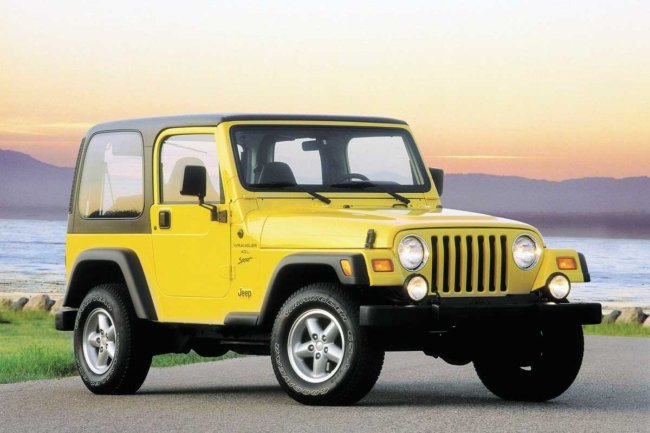
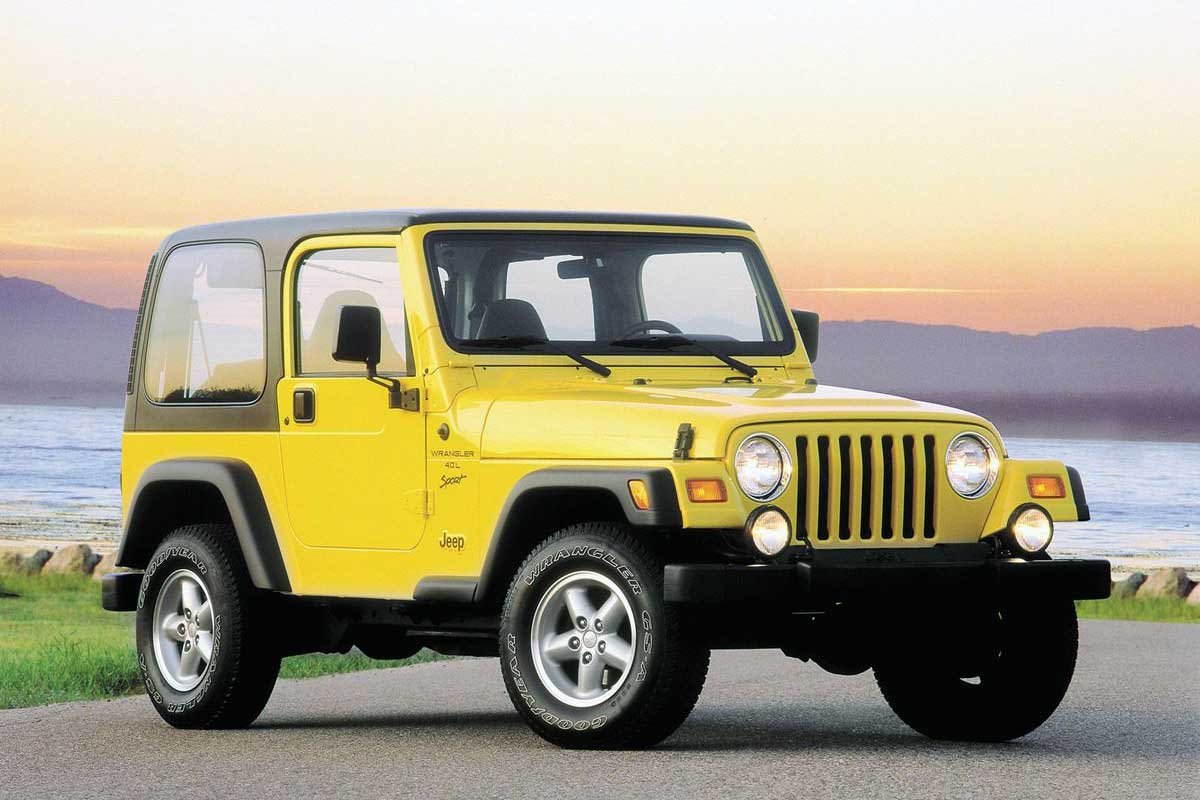
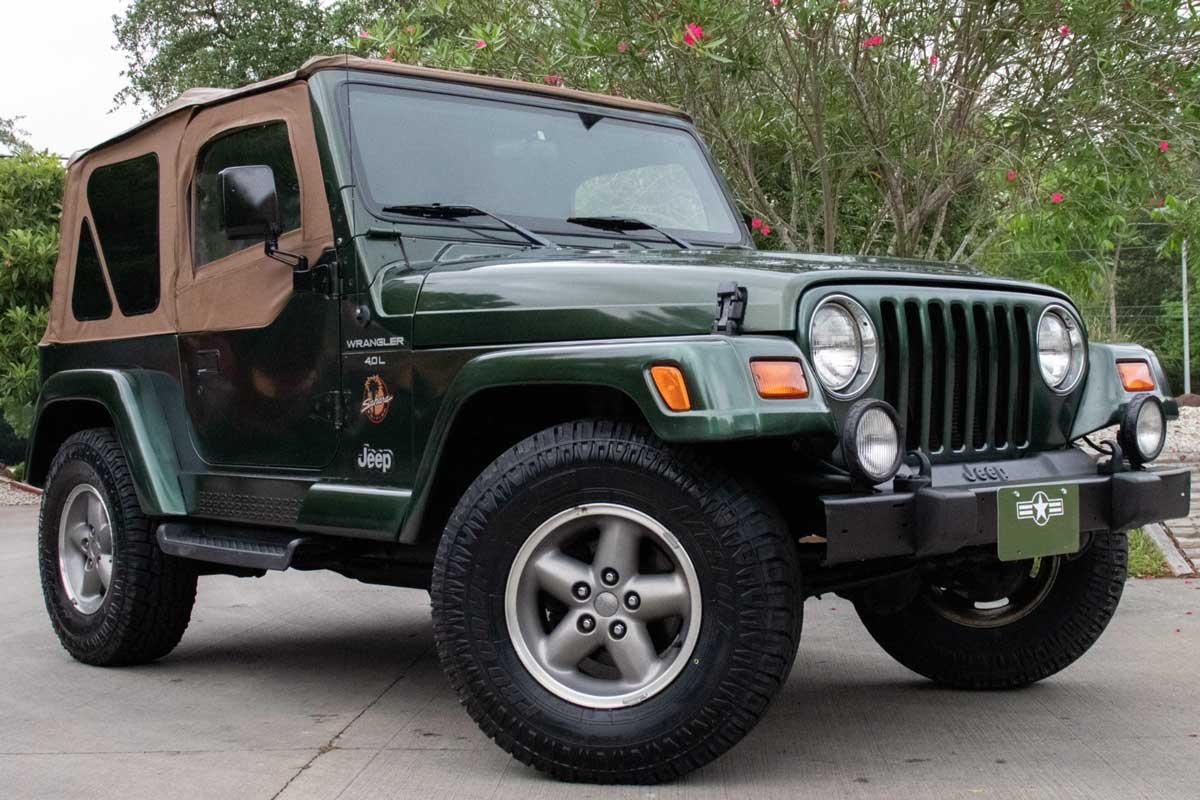
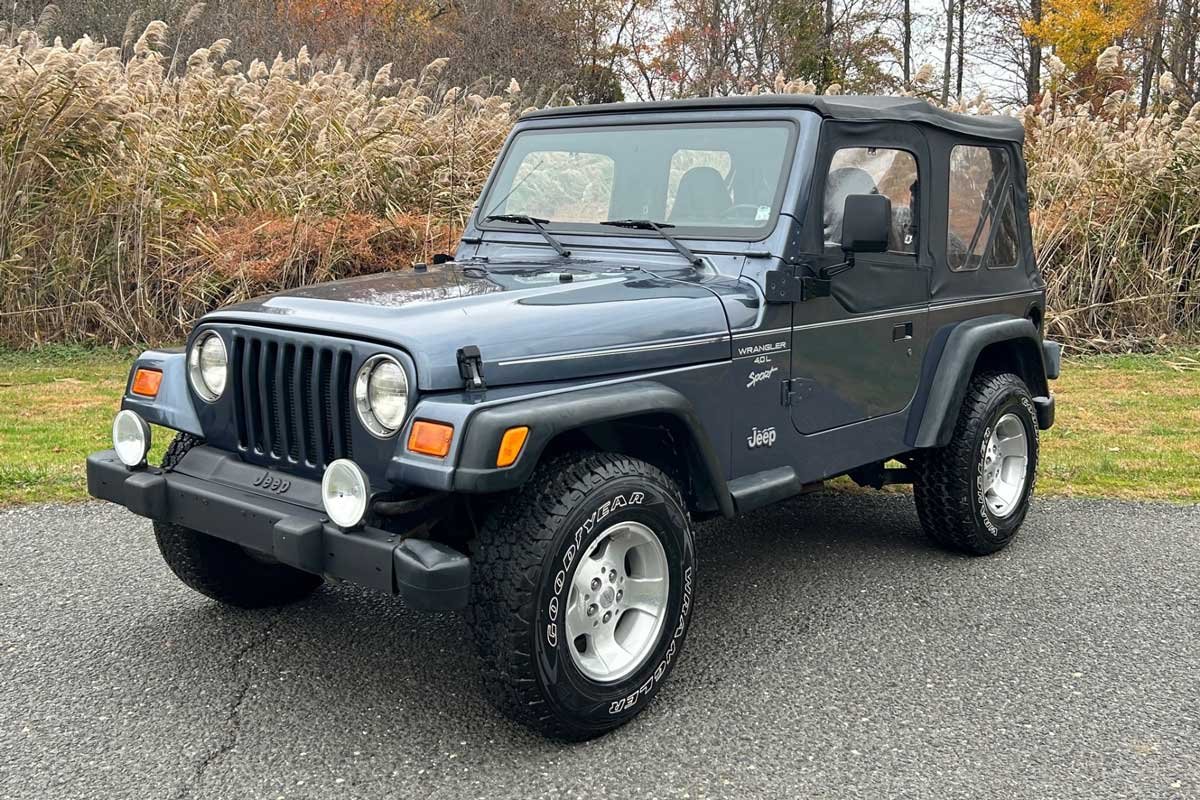
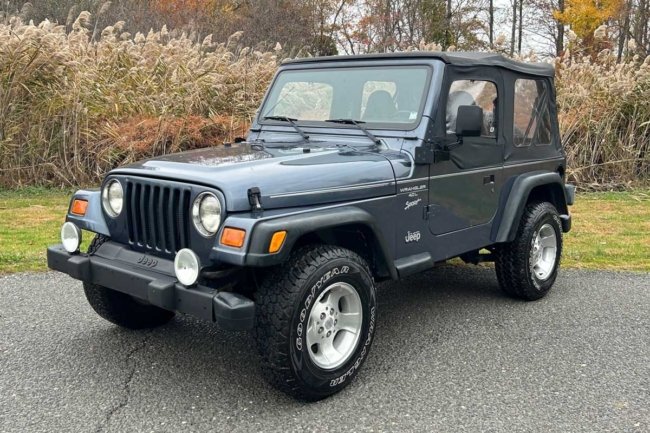
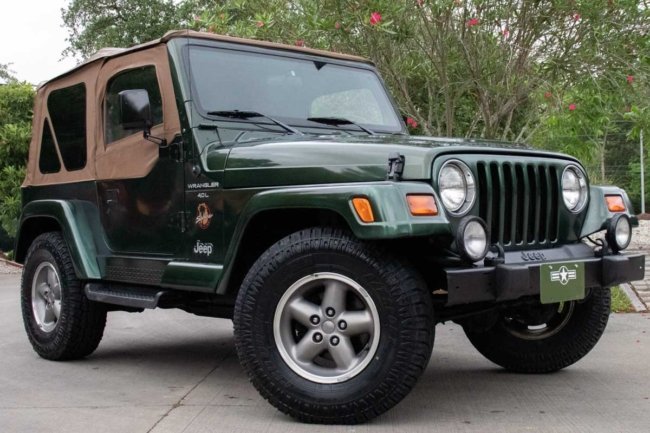
Above: Produced from 1997–2006, the Jeep Wrangler TJ is a strong example of an analog-era vehicle with a simple, mechanical driving feel and minimal electronic complexity. Its durability and aftermarket support make it a favorite among enthusiasts. However, its removable hardtop and soft top can develop leaks over time, allowing moisture intrusion that may lead to rust if not properly maintained. Buyers should watch closely for water damage and corrosion. (Photographer unknown)
The collector-car market has already noticed. Demand remains strong for vehicles featuring manual transmissions, naturally aspirated engines, hydraulic steering, and minimal electronic intervention. Enthusiasts now speak reverently about “the last analog Mopar” or “pre-digital muscle” because they recognize these vehicles represent the closing chapter of a very different automotive era.
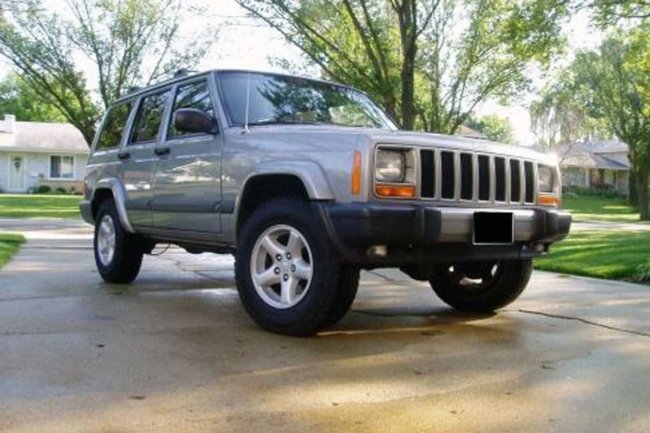
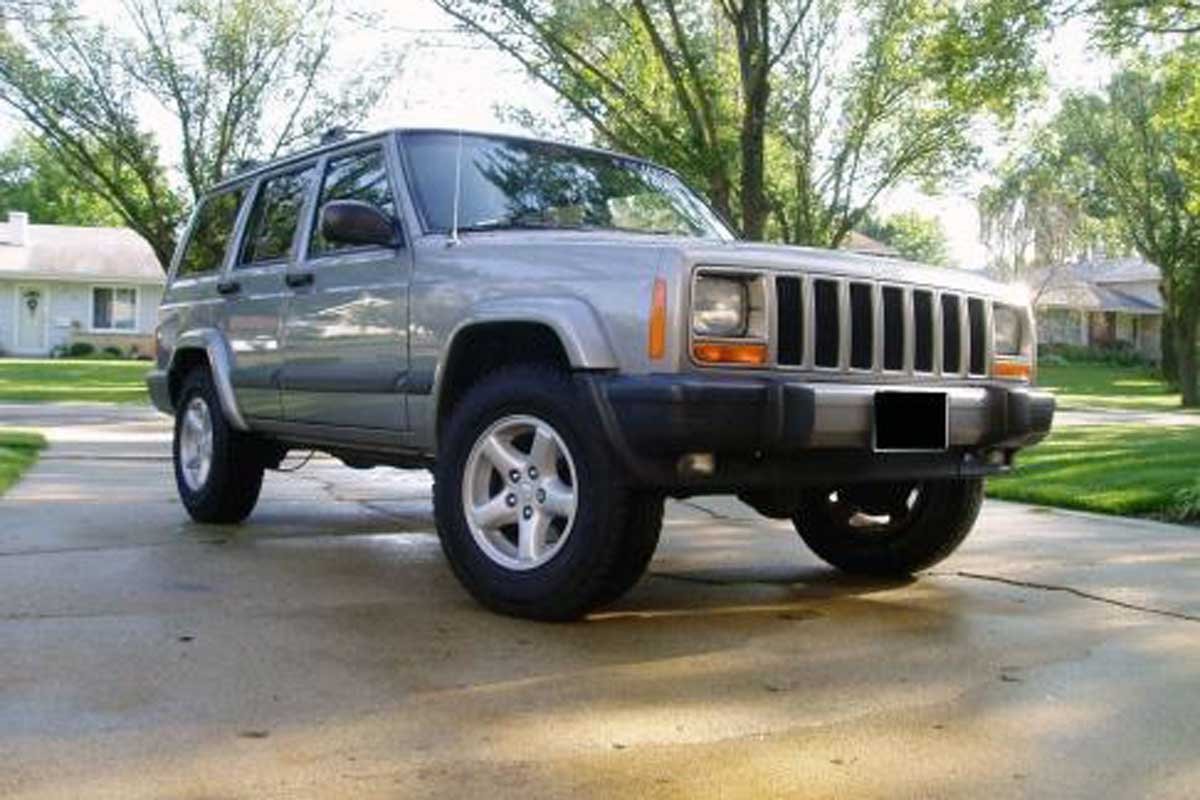
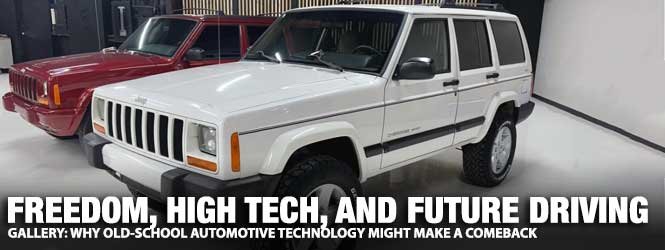
Above: Produced from 1984–2001, the Jeep Cherokee XJ is one of the most enduring analog-era vehicles, especially later Chrysler-era models with improved refinement and parts availability. The 4.0L inline-six is renowned for its durability, and the drivetrain is equally robust. With extensive aftermarket and salvage support, the XJ remains one of the easiest classic vehicles to keep on the road. (Photographer unknown)
An analog car requires skill, patience, awareness, and involvement. It is occasionally frustrating. It occasionally surprises you. And strangely enough, that imperfection is part of the experience.
Modern performance cars can achieve astonishing numbers with remarkable consistency, but many enthusiasts argue that older analog machines create more powerful memories because the experience feels earned. You do not simply operate an analog car. You participate in it.