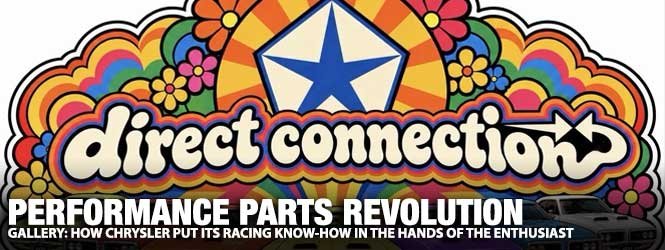
Long before Direct Connection became synonymous with Mopar performance, Chrysler Corporation had established a formidable reputation for developing some of the most successful racing engines in American automotive history.
From early Hemi-powered drag cars to the 426 Max Wedge and 426 Street Hemi, Chrysler’s motorsports involvement produced an impressive collection of performance technology. However, getting that technology into independent racers’ hands was not always easy.
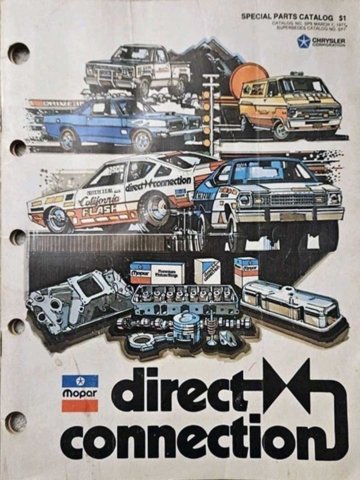
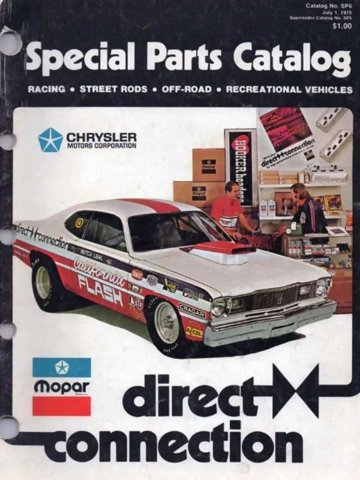
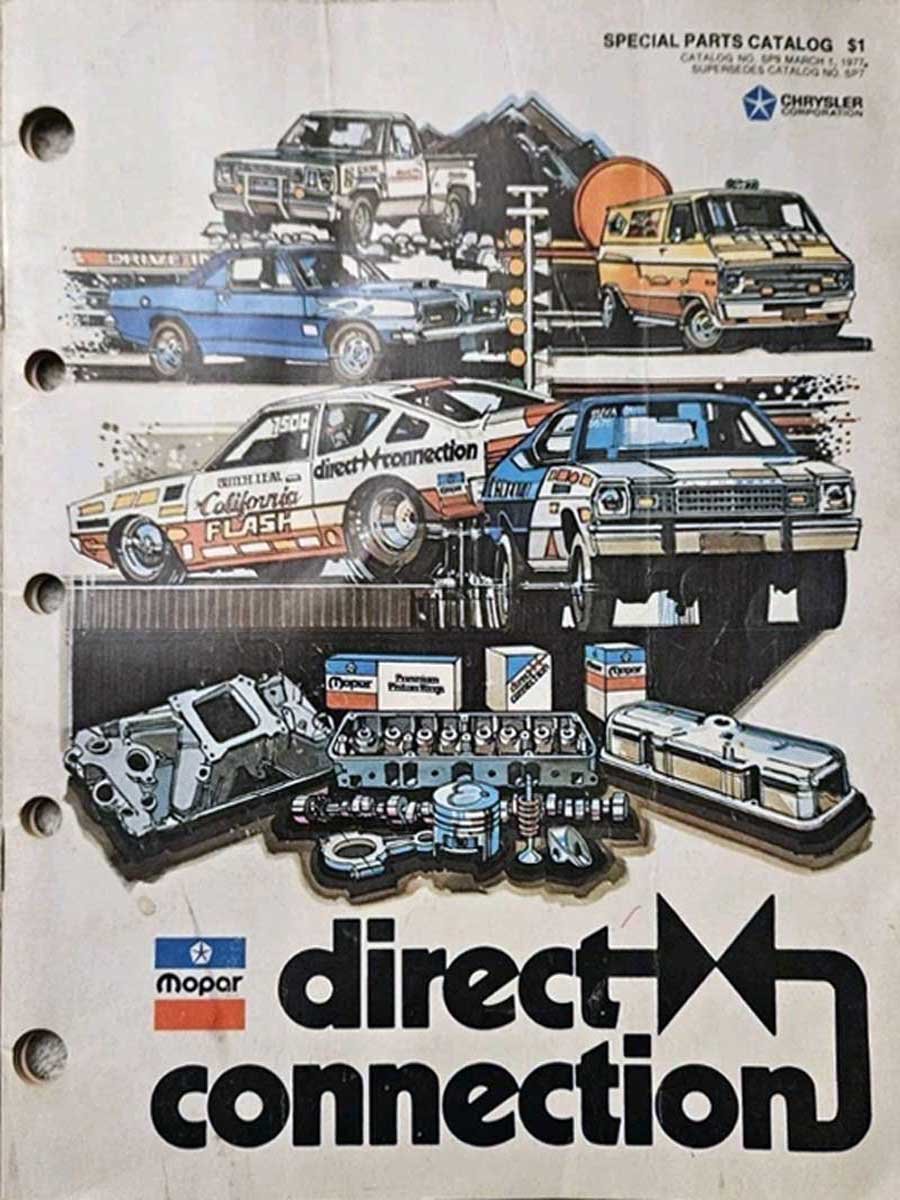
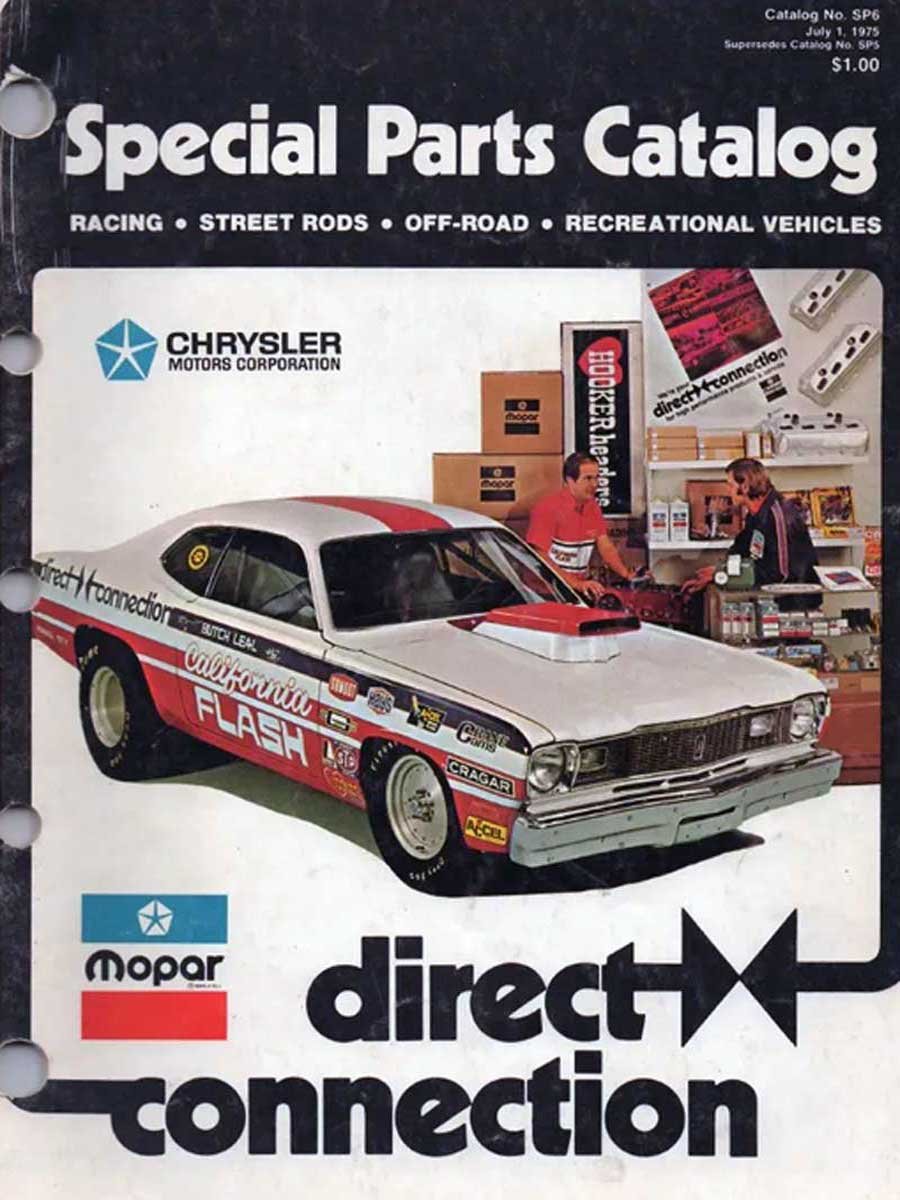
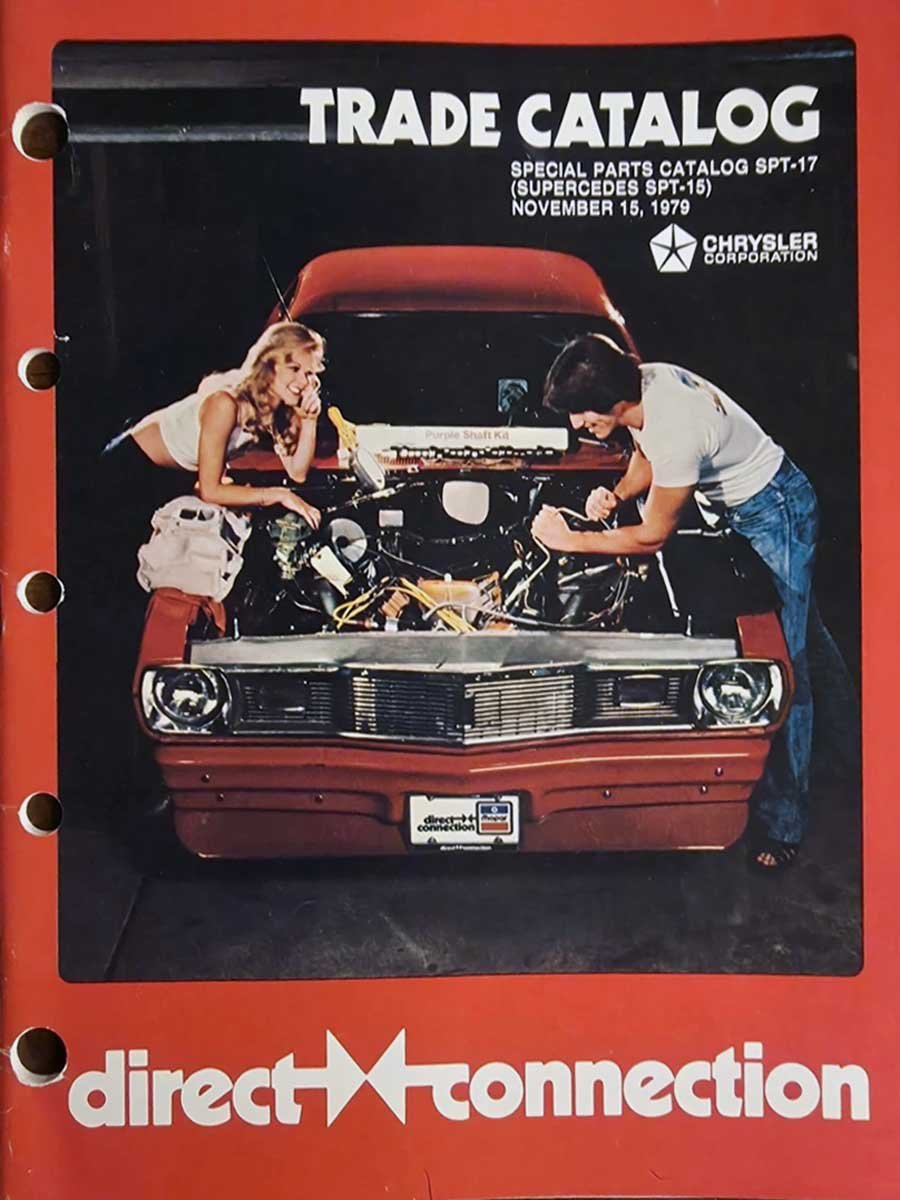
Above: In addition to the extensive performance books offered by Direct Connection, the company released Special Parts Catalogs to give enthusiasts access to newly available parts, product updates, and technical knowledge not yet included in the main performance manuals.
That situation eventually led to one of the most recognizable factory-backed performance-parts programs in the automotive industry: Direct Connection.
Officially introduced in 1974, Direct Connection was more than another name for a collection of aftermarket speed parts. It represented Chrysler’s effort to make factory-developed performance components, technical information, and engineering assistance available to racers and enthusiasts outside its factory-supported racing teams. Its origins, however, reach back considerably further.
During the 1950s, a group of Chrysler engineers developed a unique relationship between their engineering responsibilities and personal interest in drag racing. Known as the Ramchargers, these engineers applied their professional knowledge to building and racing increasingly competitive Chrysler products.
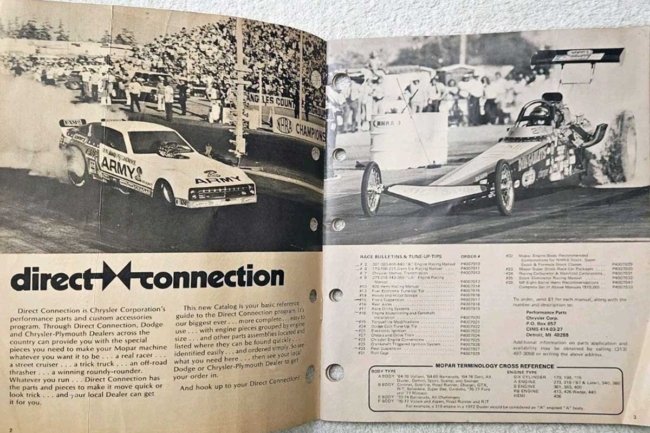
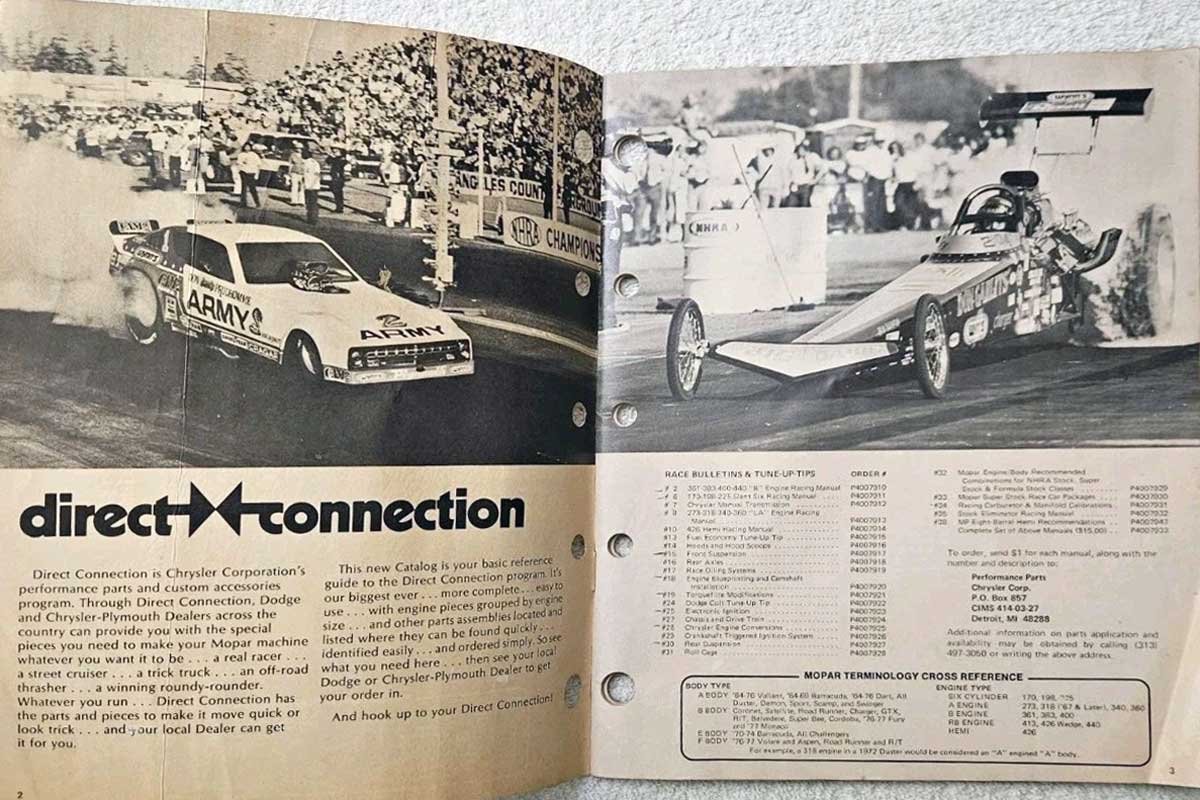
Above: Each Special Parts Catalog included race bulletins, tuning tips, and a Mopar Terminology Cross-Reference Guide. The publications also featured great photography of the sport’s biggest names at the time. You could not go wrong with a little coverage of “The Snake” and “Big Daddy.”
Their efforts helped establish Chrysler as a serious competitor in organized drag racing. The Ramchargers experimented with induction systems, cylinder heads, camshafts, exhaust systems, and engine combinations, contributing to the development of the performance technology that would eventually find its way into Chrysler production and racing applications.
As Chrysler’s factory racing involvement expanded during the 1960s, the company developed specialized components for its supported teams. The introduction of the Max Wedge engines and, later, the 426 Hemi created additional demand for racing-specific parts that were not necessarily available through ordinary production-parts channels.
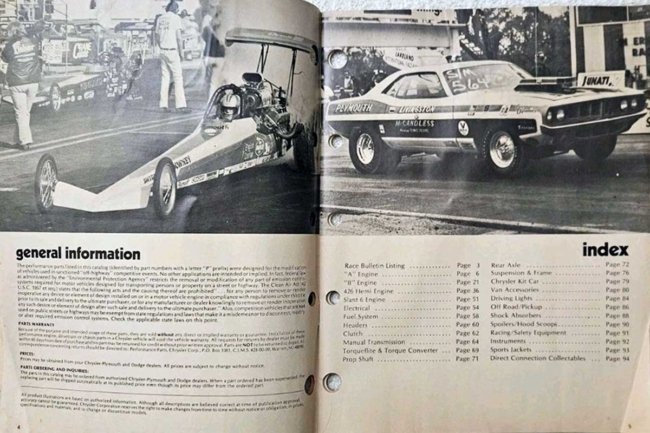
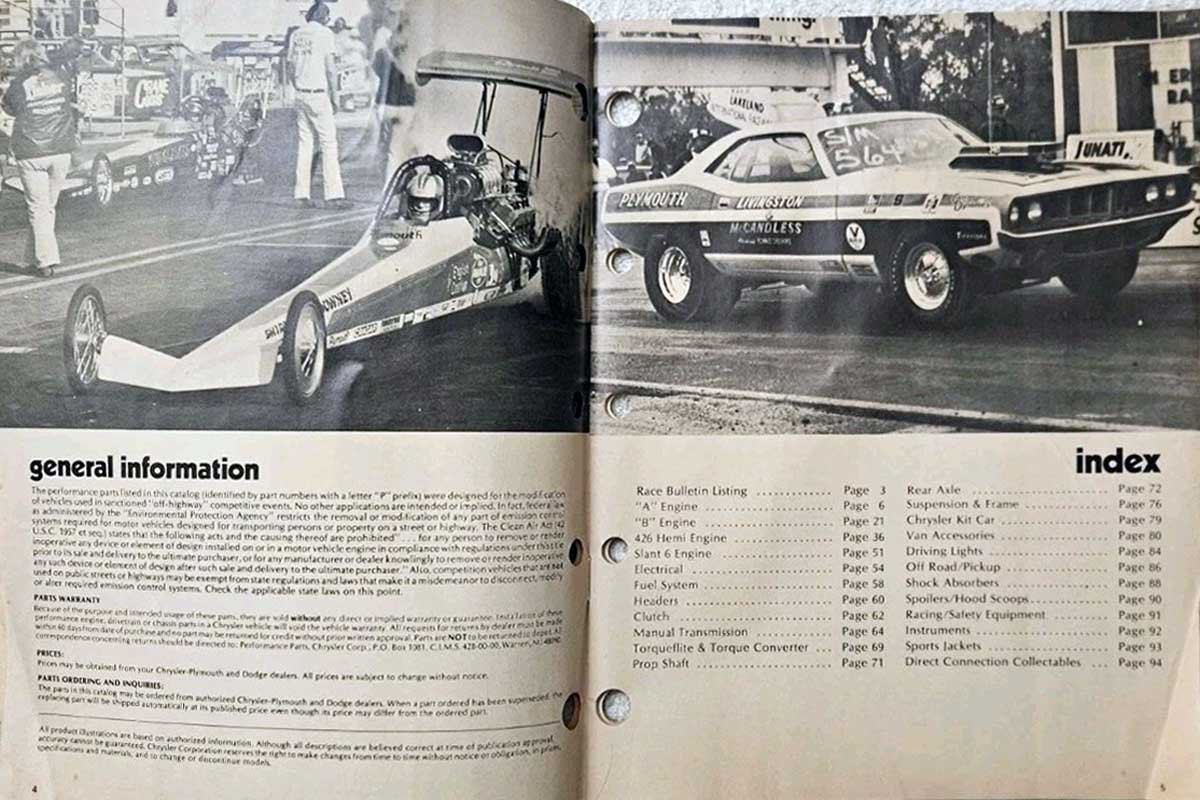
Above: The Special Parts Catalog included general information on pricing, warranties, and shipping and handling. Its index covered more than 90 pages of performance information, with sections devoted to engines, exhaust systems, fuel systems, transmissions and drivelines, off-roading, and van accessories. Shirley Muldowney and Herb McCandless graced the pages of the catalog.
This presented a problem for independent racers. Chrysler maintained inventories of specialized components for its factory-supported competitors. Still, racers outside that circle often faced parts shortages and backorders when trying to get the same equipment through regular dealership channels.
Dick Maxwell, a Chrysler engineer and Ramchargers member, recognized the problem. Rather than allowing racers to struggle with the normal parts-distribution system, Maxwell and his associates began arranging direct access to the components they needed.
What started as a measure to keep Chrysler-powered race cars competitive slowly evolved into a much larger operation. The company discovered a substantial market for factory-developed performance components among independent racers and enthusiasts.
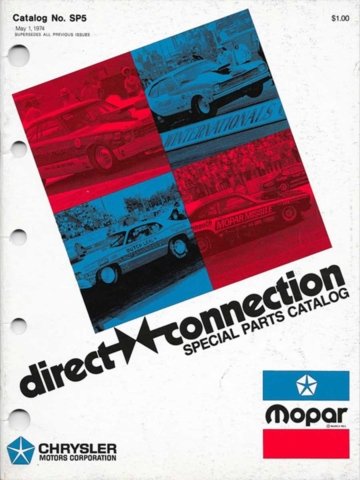
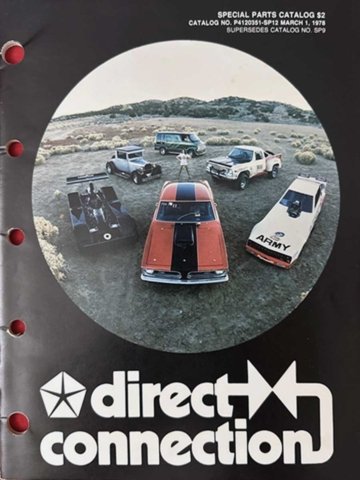
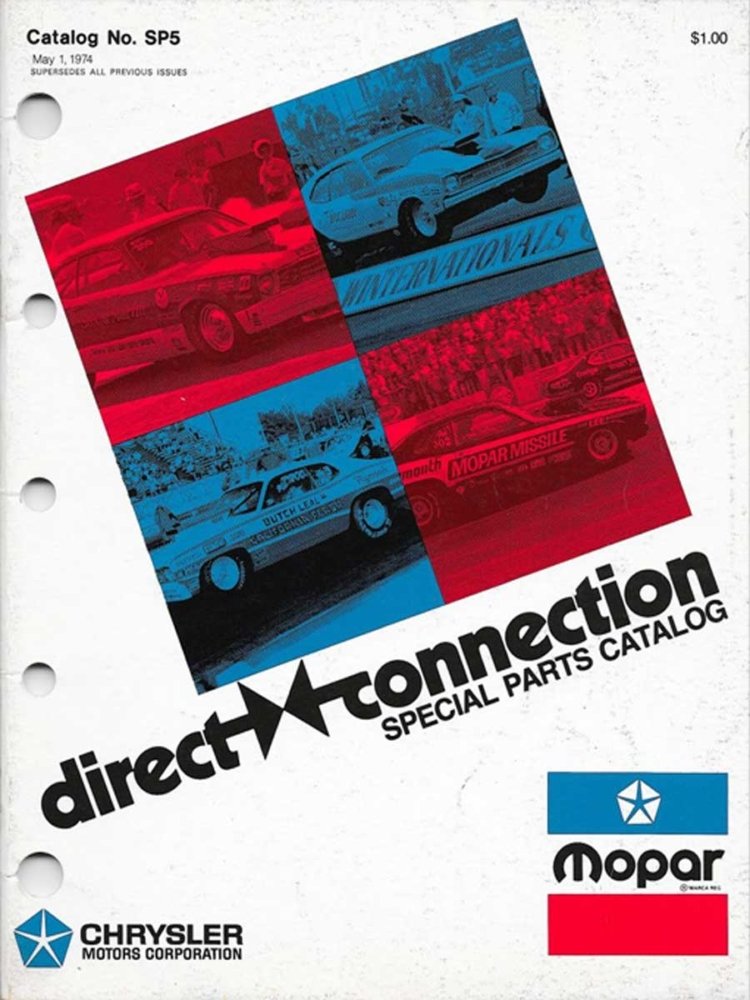
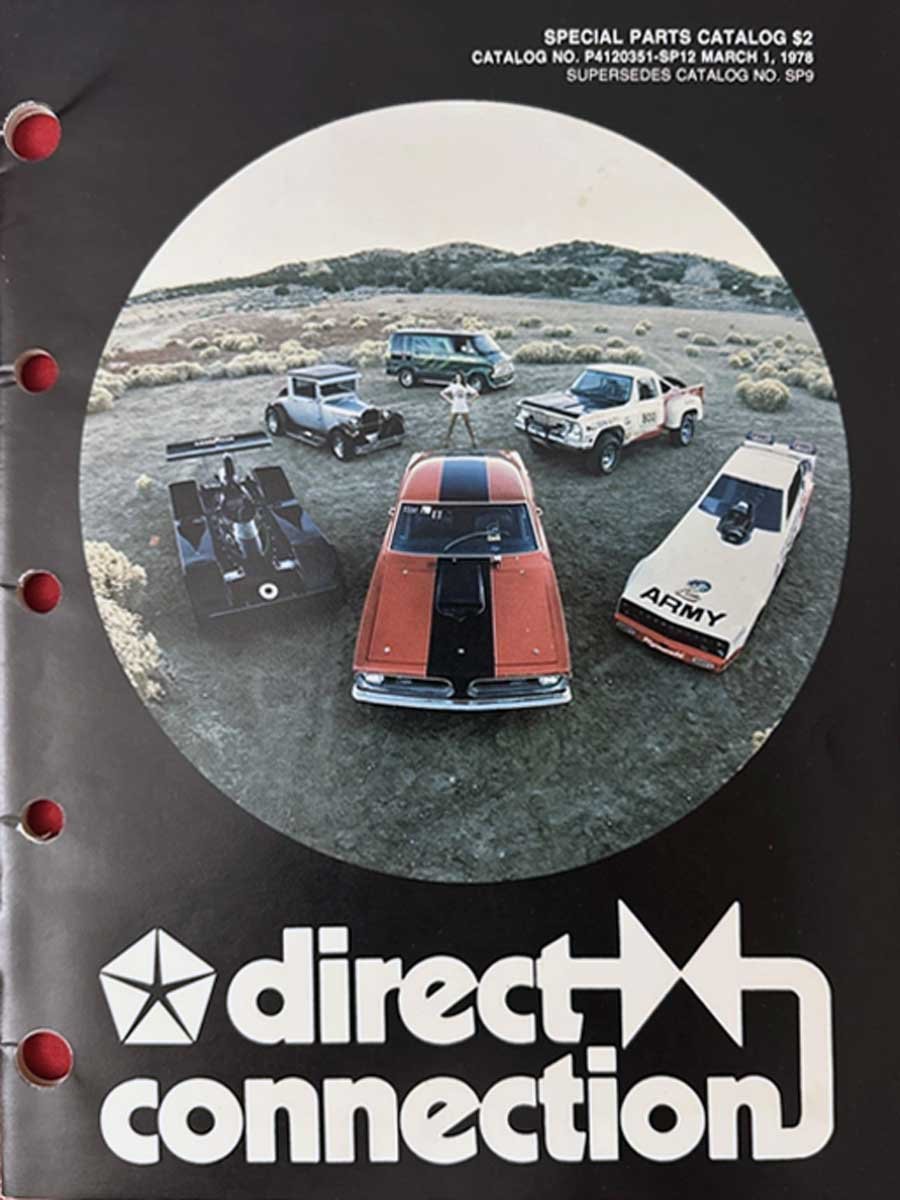
Above Left: The May 1974 edition of the Special Parts Catalog featured four Pro Stock legends on its cover: Ronnie Sox of Sox & Martin, “Dandy” Dick Landy, “The California Flash” Butch Leal, and Don Carlton behind the wheel of the Mopar Missile. Above Right: By March 1978, the Special Parts Catalog had expanded its coverage well beyond professional and weekend drag racers. It now catered to a much broader audience, including road course racers, off-road enthusiasts, street rodders, and van owners.
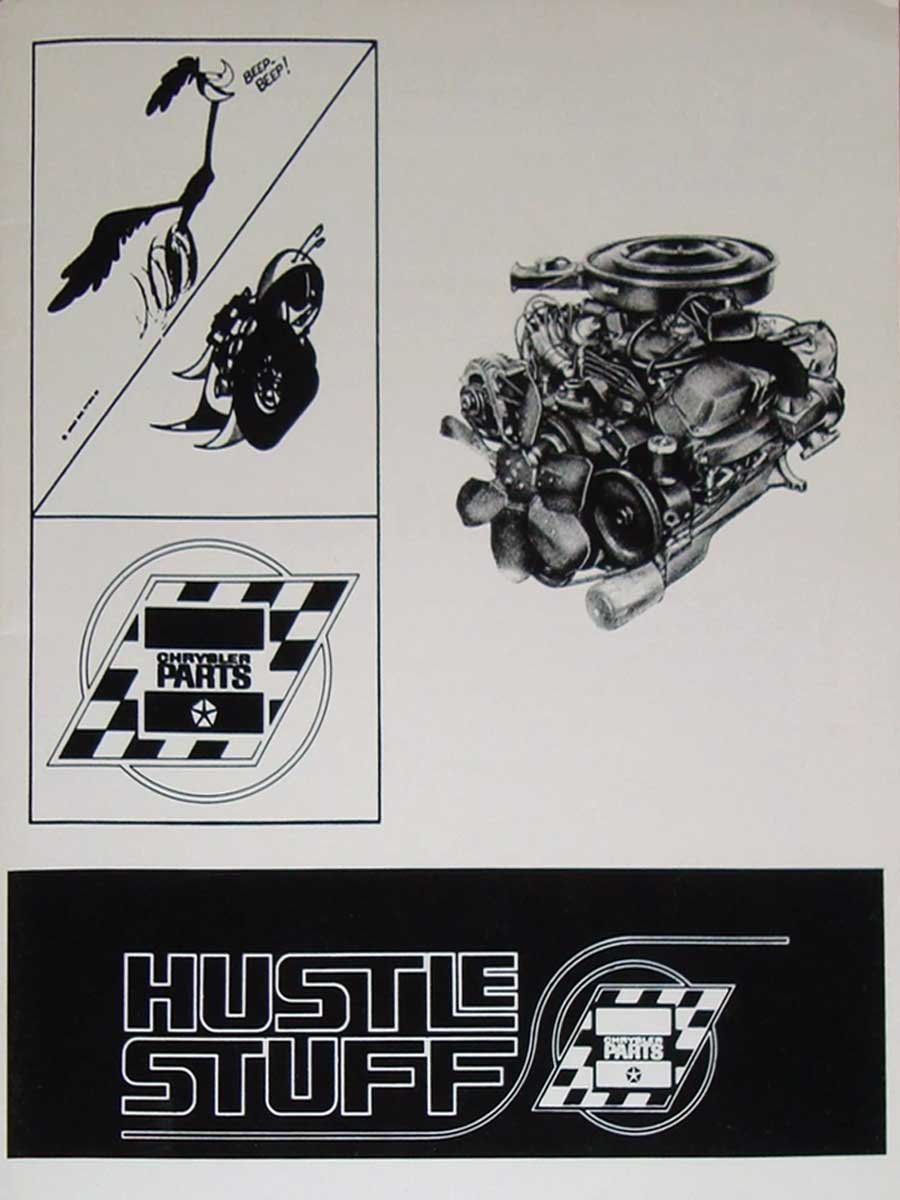
Before Direct Connection became the recognizable performance identity, Chrysler experimented with other approaches to marketing its performance parts. One was Hustle Stuff, which appeared around 1970–1971.
The Hustle Stuff identity aimed to bring Chrysler performance components to a broader audience. Rather than limiting availability to a relatively small group of factory-supported racers, Chrysler began establishing a more organized performance-parts distribution system.
Earlier Chrysler Hi-Performance Parts catalogs had already supplied enthusiasts with access to specialized components and technical knowledge. These publications helped establish the foundation for what would become a more comprehensive factory performance program.
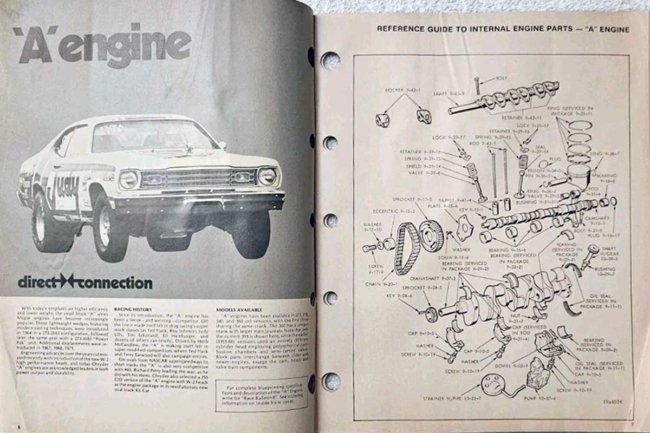
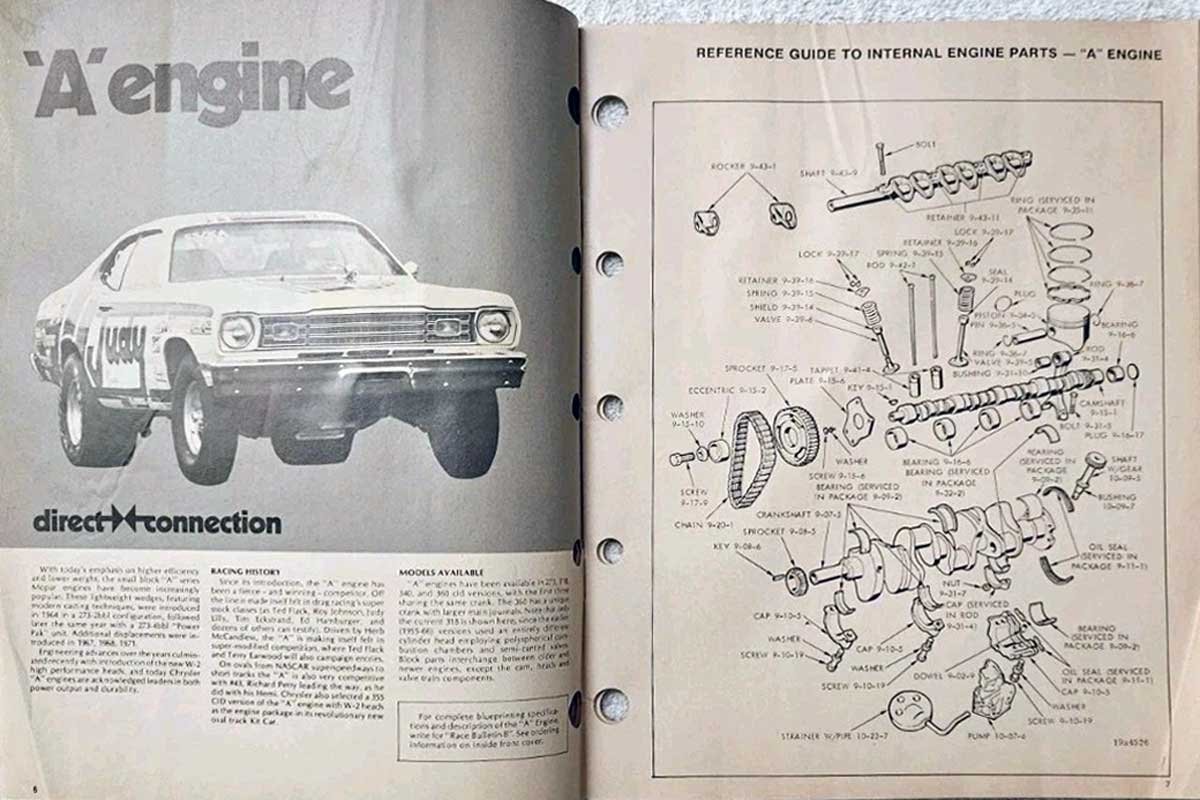
Above: Super Stock standout Judy Lilly introduced the ‘A’ engine section of this edition, which featured an exploded-view illustration of the Chrysler small-block and its internal components. The following pages provided detailed performance combinations, or “recipes,” showing enthusiasts how to build an engine capable of achieving their desired elapsed times at the drag strip.
By 1974, Chrysler had formally introduced Direct Connection. The name communicated the operation’s core philosophy: provide a direct connection between Chrysler’s performance engineering resources and the people who wanted to use that technology.
Dick Maxwell helped turn Direct Connection into an organized performance-parts business. His background with the Ramchargers and Chrysler’s racing activities provided an understanding of what racers needed, both on the track and in the shop.
The program was not intended solely for professional racers. Chrysler wanted to reach the weekend drag racer, the serious street-performance enthusiast, and the independent engine builder who desired access to factory-developed components.
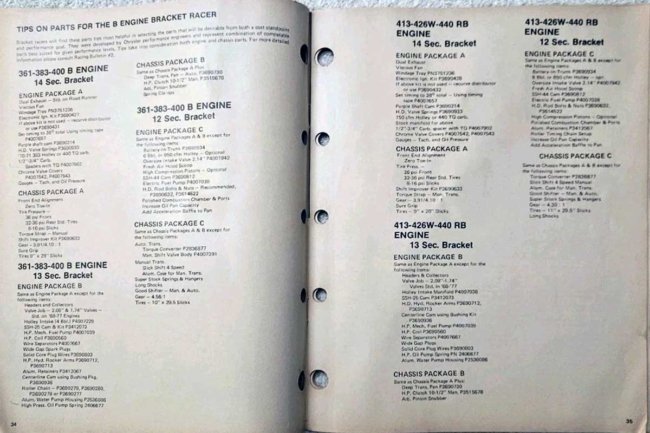
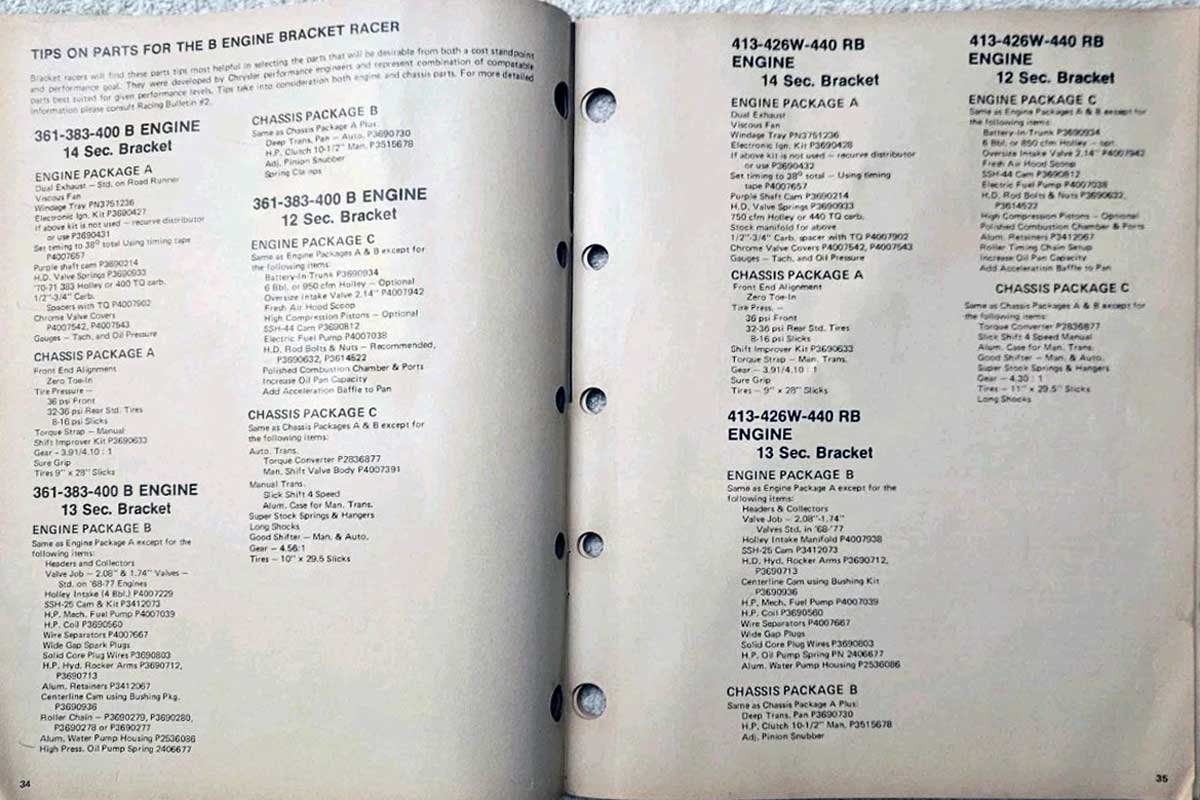
Above: The performance books provided extensive guidance on configuring a car-and-engine combination to achieve a targeted elapsed time at the drag strip. The recommendations for ‘B’ and ‘RB’ engines went beyond engine components, including detailed parts lists for the engine build and the chassis upgrades needed to handle the additional horsepower.
This philosophy mattered especially during the 1970s. The automotive industry was undergoing substantial changes such as emissions regulations, fuel-economy requirements, insurance costs, and the fuel crisis altered the performance-car landscape.
Factory muscle-car offerings were becoming more restricted, but enthusiast interest in performance had not disappeared. Direct Connection gave Chrysler a way to keep supporting that market even as its production-car performance offerings changed.
One distinguishing characteristic of Direct Connection was its emphasis on technical information. The program offered much more than camshafts, cylinder heads, intake manifolds, carburetors, and other performance components. Chrysler also provided detailed information explaining how the parts worked together and how to select components for a particular application.
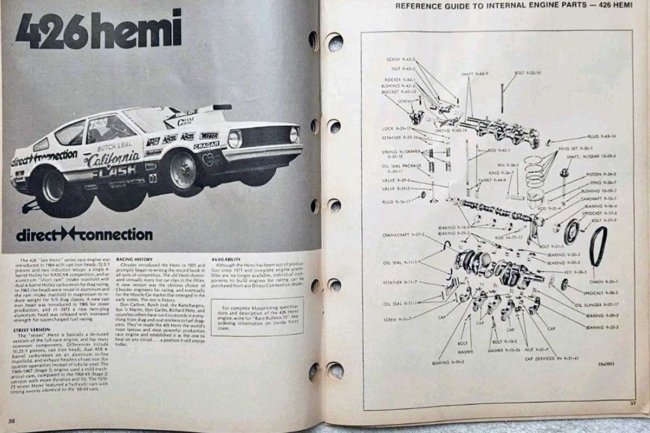
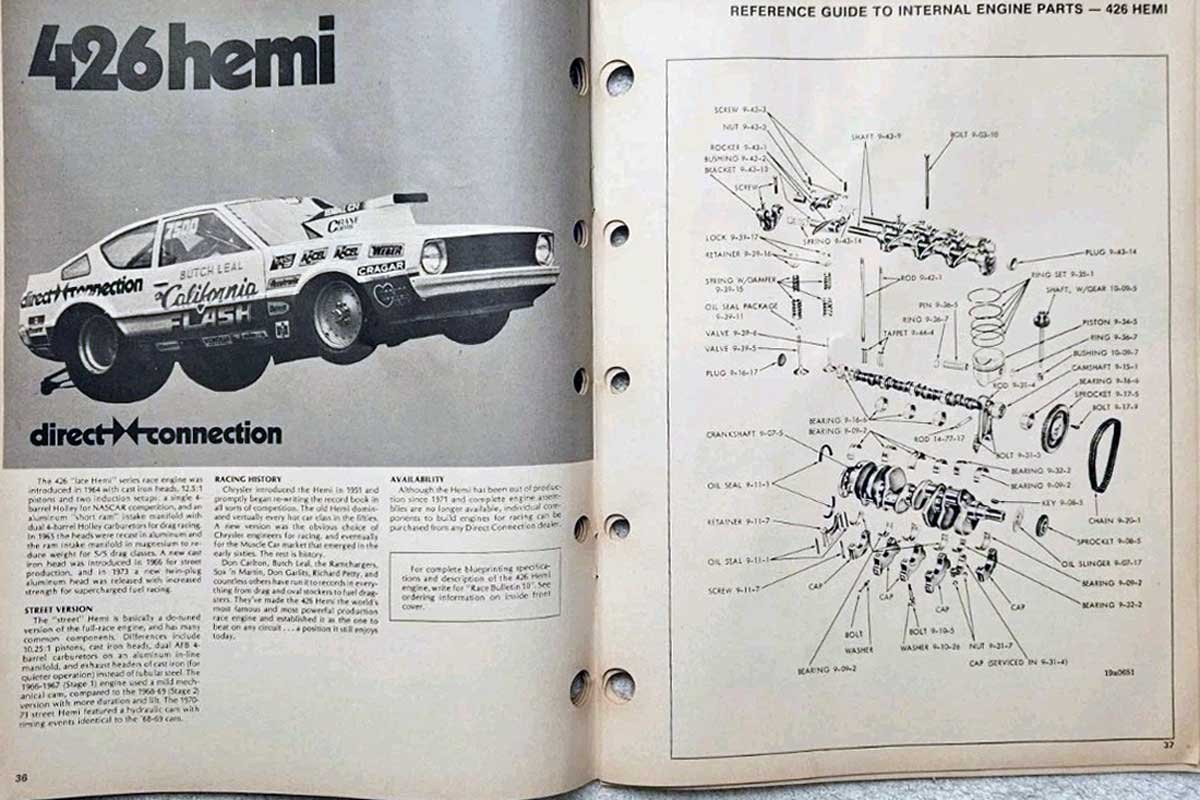
Above: A fan favorite and apparently a Direct Connection favorite as well, Butch Leal’s Hemi-powered Arrow led off the 426 Hemi section of this edition of the Special Parts Catalog. The catalog also included reference guides for the Slant Six, ‘A’ engines, ‘B’ and ‘RB’ engines, and the Hemi, providing performance information across the entire Mopar engine lineup.
Among its most recognizable products were the Purple Shaft camshafts. These became signature Direct Connection components and were offered for several Chrysler engine families, including the small-block LA engines, big-block B and RB engines, and 426 Hemi.
The distinctive purple identification made these camshafts easy to spot in the Mopar performance community. However, the camshafts represented only a portion of the program.
Direct Connection also developed engine recipes, which were essentially factory-recommended combinations of components designed around particular performance objectives. Instead of simply purchasing an individual performance part and hoping it worked with the rest of the engine, enthusiasts could follow a recommended combination of components.
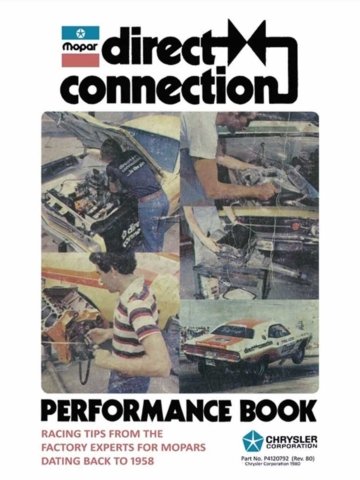
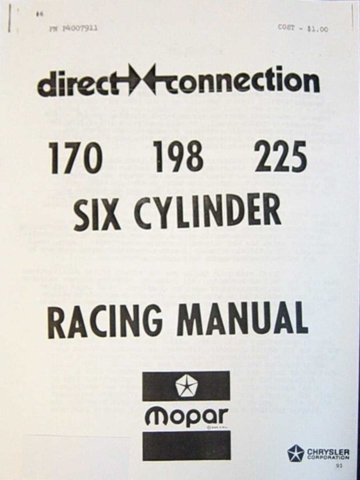
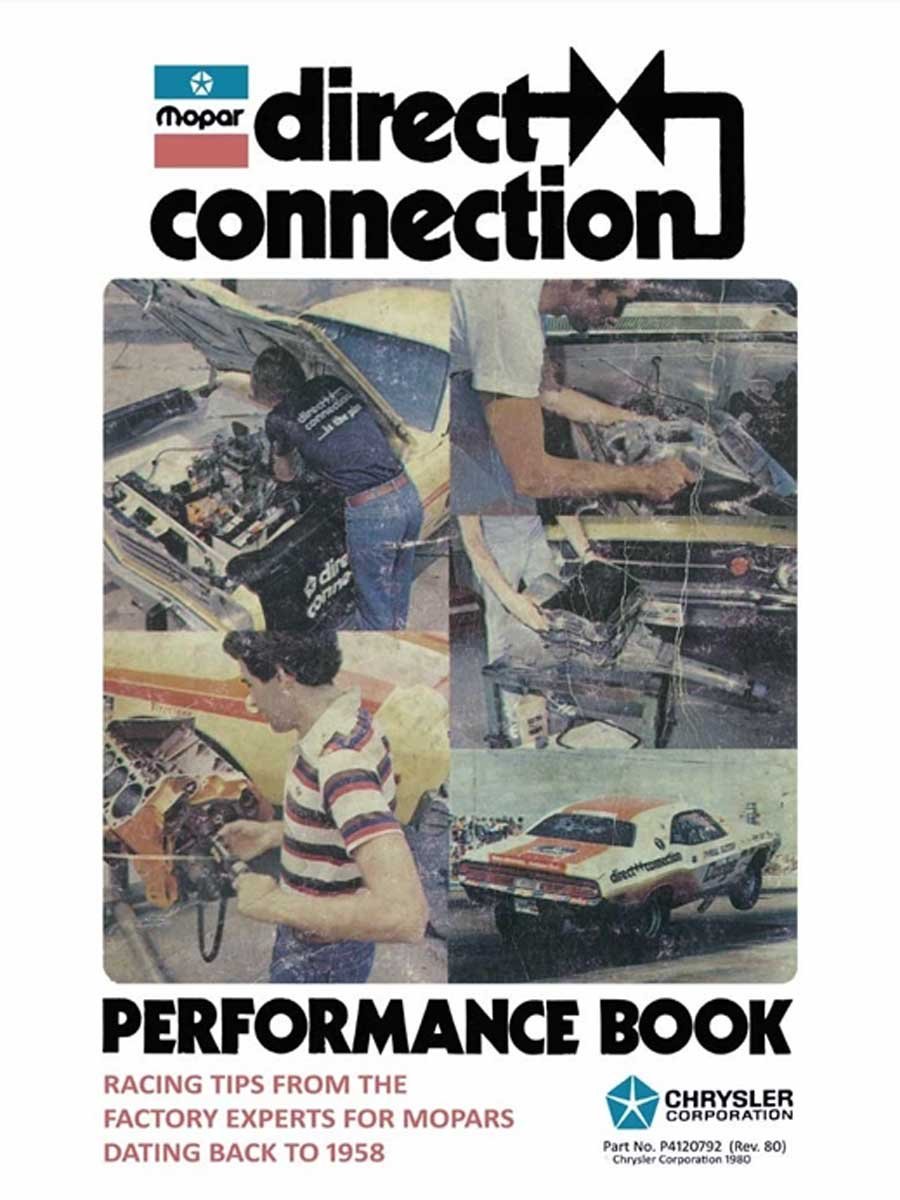
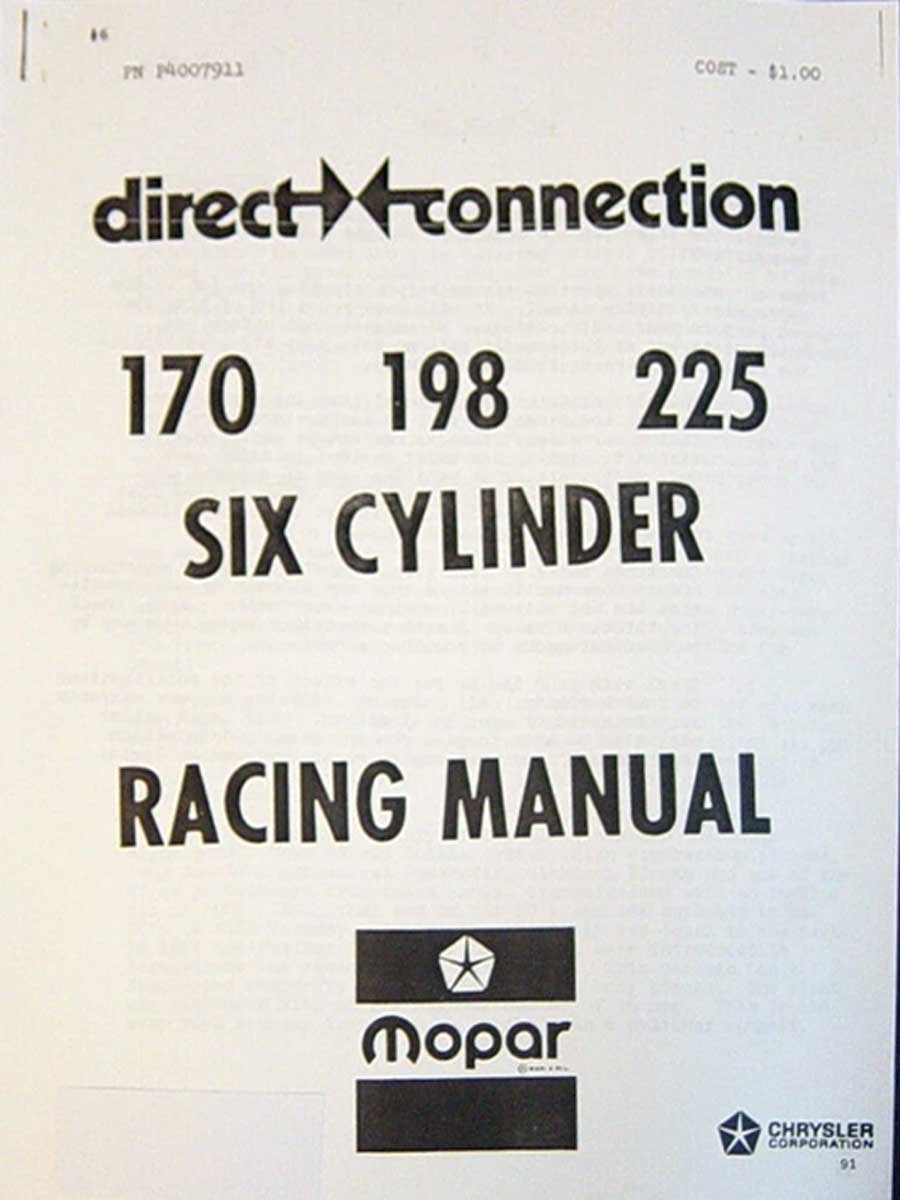
Above Left: Direct Connection’s influence was evident throughout the Performance Book. The cover highlighted what mattered most to Mopar enthusiasts: ignition systems, fuel systems, engines, and drag racing. Paul Rossi, featured on the cover, remains involved in drag racing decades after the book’s publication. Above Right: Direct Connection did not forget Slant Six racers. Chrysler’s engineers developed a dedicated racing manual to help transform the humble “Leaning Tower of Power” into a serious source of performance horsepower.
The engine recipes guided the selection of camshafts, cylinder heads, intake manifolds, compression ratios, carburetion, and other components. They bridged the gap between buying speed parts and understanding how to build a complete performance engine. For independent engine builders, this information was valuable.
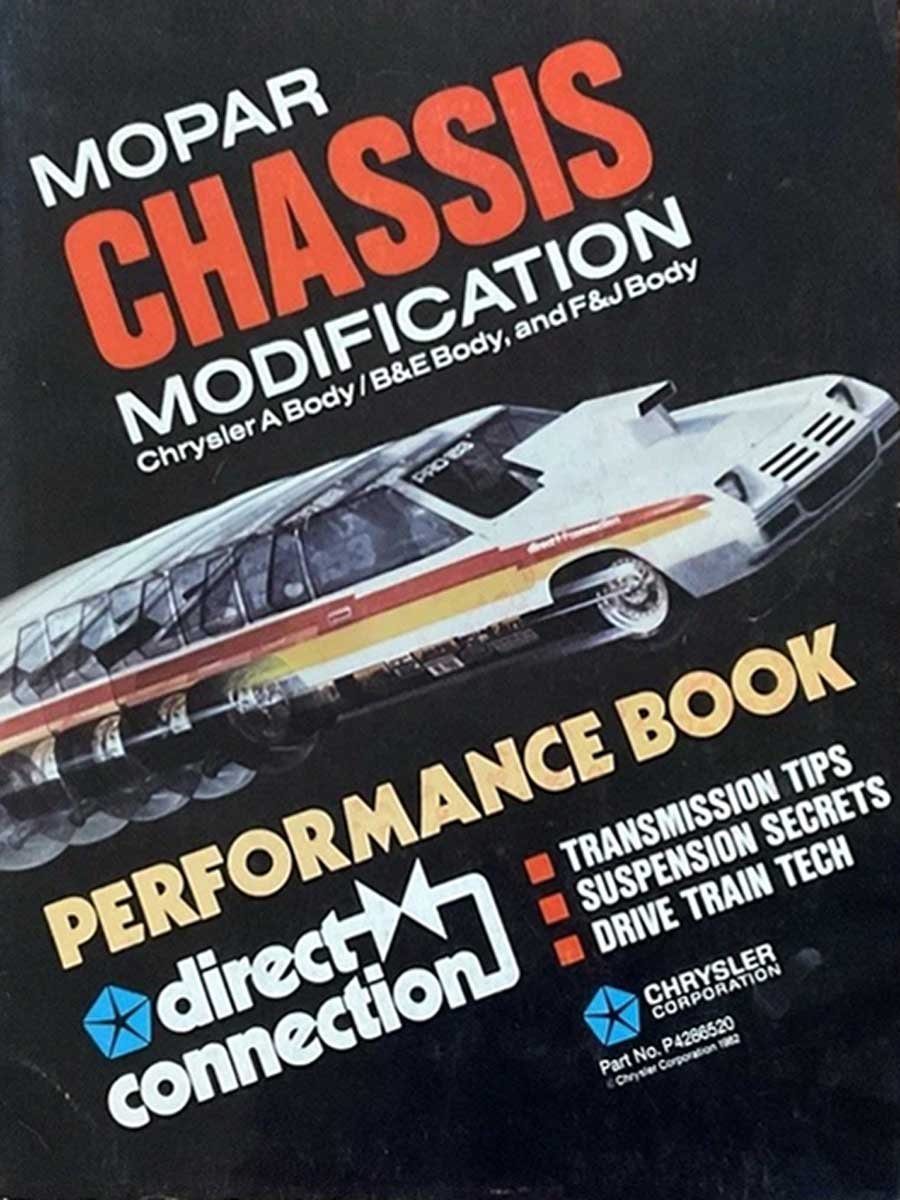
Perhaps nothing better represented the Direct Connection philosophy than its technical publications. Chrysler created comprehensive performance manuals covering nearly every major area of vehicle performance. Separate publications addressed small-block engines, big-block engines, Hemi engines, transmissions, chassis modifications, suspension systems, ignition, fuel systems, and engine machining and assembly.
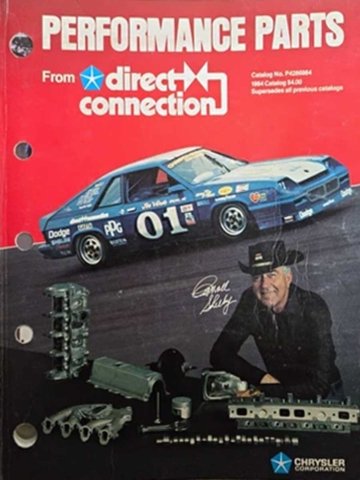
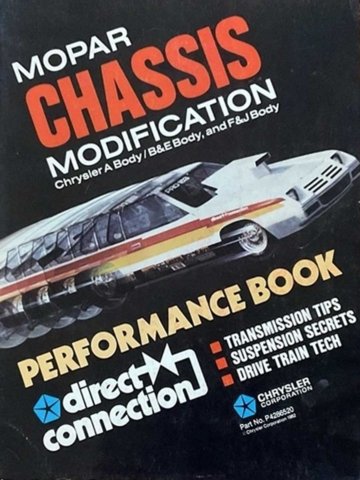
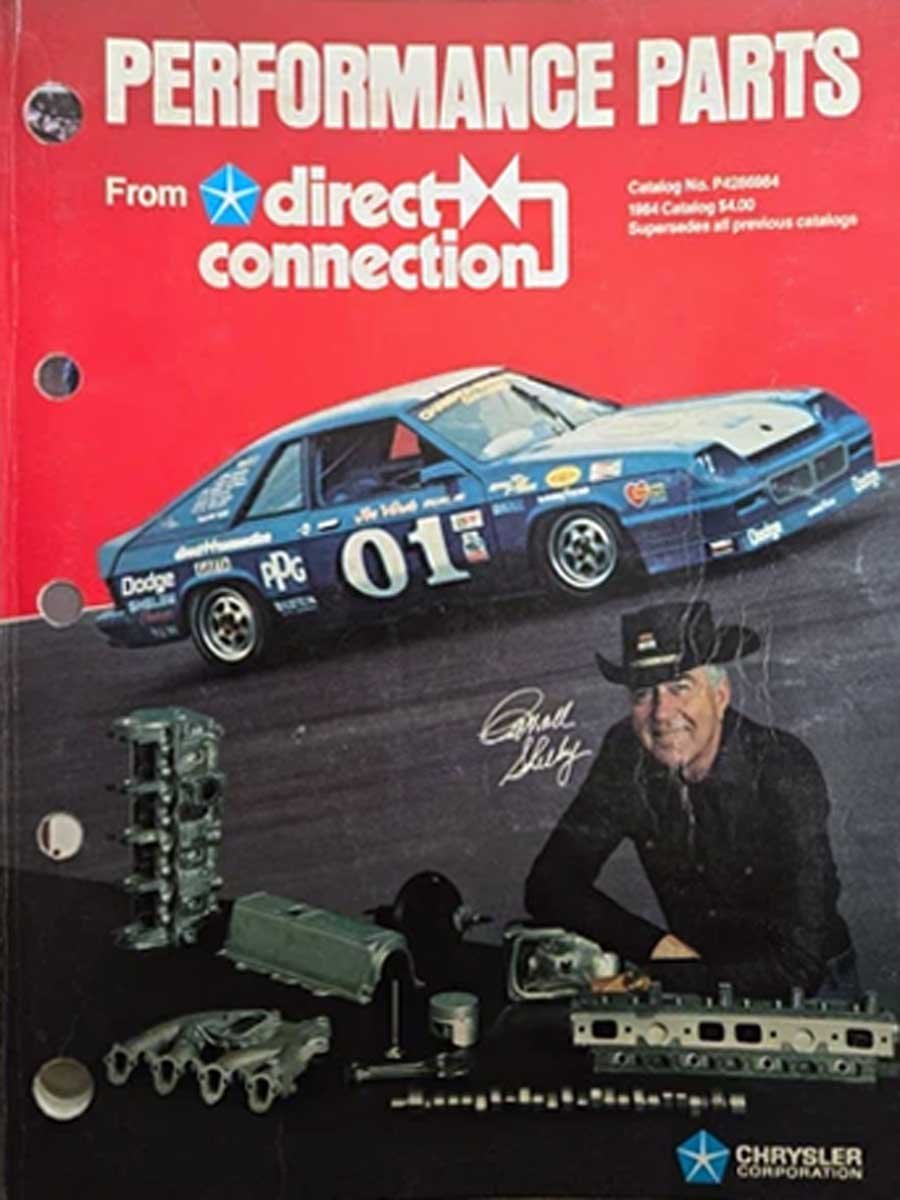
Above: As Mopar’s performance offerings evolved, so did the Direct Connection catalogs and publications. Although the covers reflected the front-wheel-drive cars of the 1980s, with considerable attention devoted to new 2.2L performance components, Direct Connection continued to support enthusiasts of the popular V8 engines, drivelines, and chassis found in 1960s and 1970s Mopars.
These manuals became essential references for Mopar enthusiasts. The information went beyond fundamental installation instructions. The publications discussed component selection, clearances, machining procedures, assembly techniques, and performance combinations. They provided information that would otherwise have required considerable independent research and experimentation.
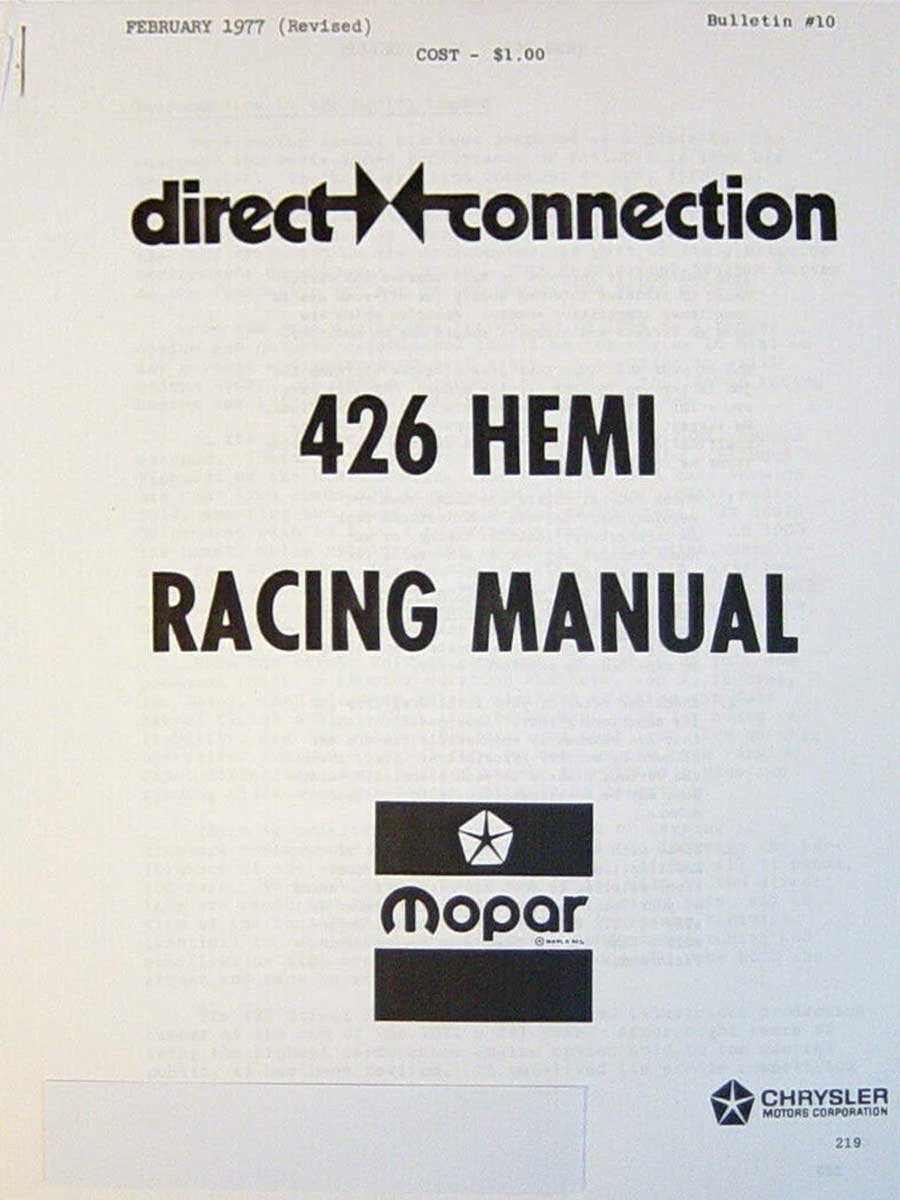
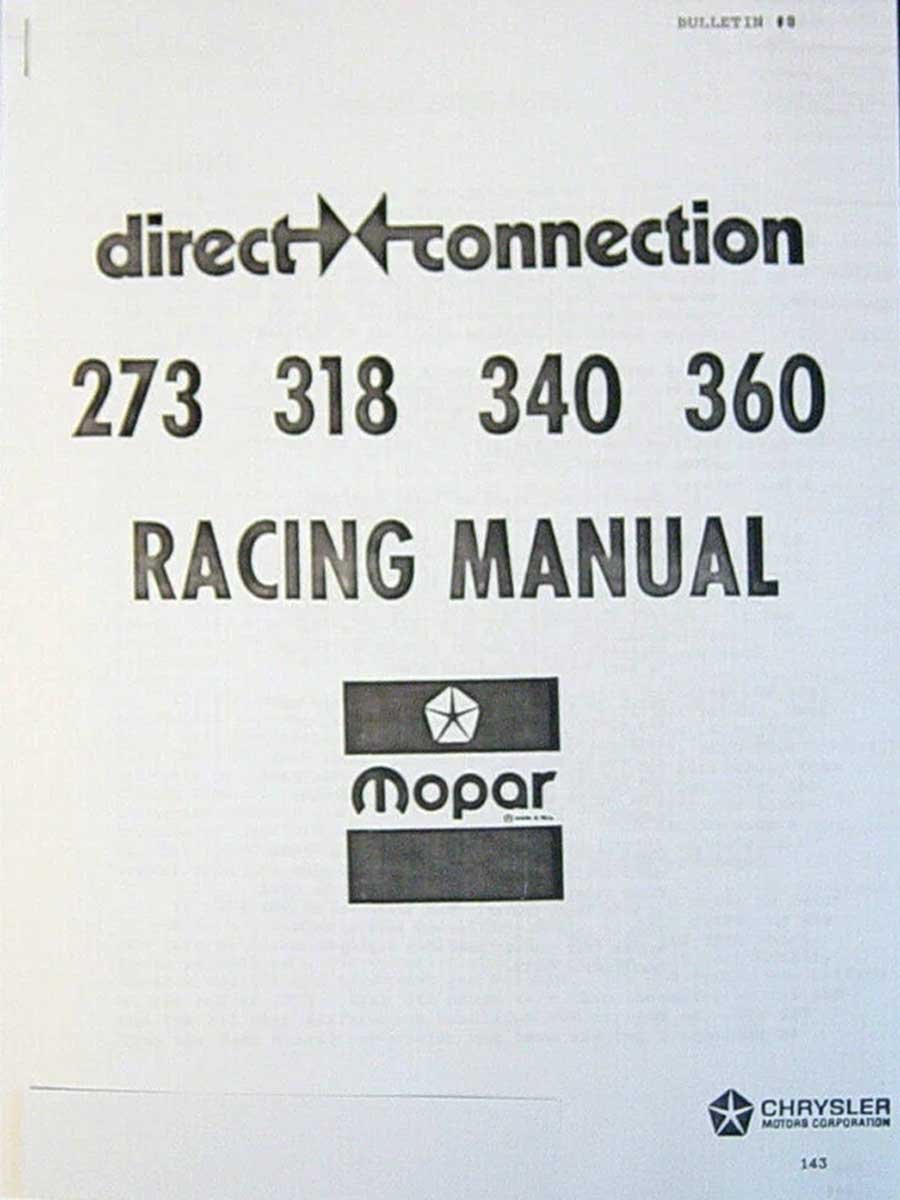
The extensive racing reference manual eventually became known among enthusiasts as “The Bible.” Direct Connection also provided technical assistance through its performance specialists and technical hotline. Chrysler conducted technical seminars and made knowledgeable personnel available to answer questions about performance components and engine combinations.
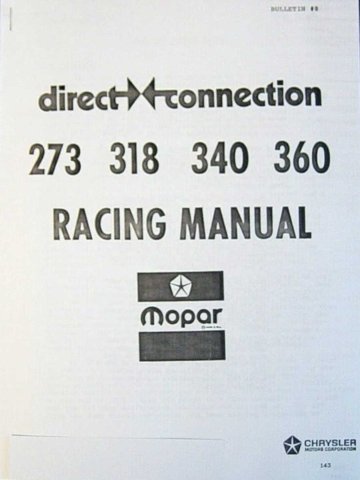
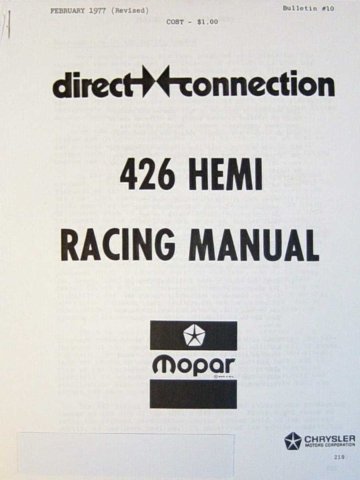
Above: The Direct Connection Racing Manuals became a priceless resource for devotees building and modifying Mopar engines. Their popularity led to subsequent editions and revisions, each incorporating additional technical information, updated recommendations, and valuable performance data.

The program was effectively bringing a portion of Chrysler’s engineering department to the enthusiast’s garage. Larry Shepard was another important contributor to this effort. His technical knowledge and involvement in Chrysler performance publications helped establish the program’s reputation for providing practical, factory-developed performance information.
As the 1970s gave way to the 1980s, Chrysler’s vehicle lineup and performance-engineering priorities adjusted. The traditional big-block muscle car was no longer paramount to the company’s performance strategy. Chrysler increasingly concentrated on smaller-displacement engines, front-wheel-drive platforms, and turbocharged applications.
Direct Connection adapted accordingly. The program expanded to performance parts for Chrysler’s 2.2-liter four-cylinder engines, including turbocharger-related upgrades and other performance-enhancing components. It also supported performance applications tied to Chrysler’s partnership with Carroll Shelby.
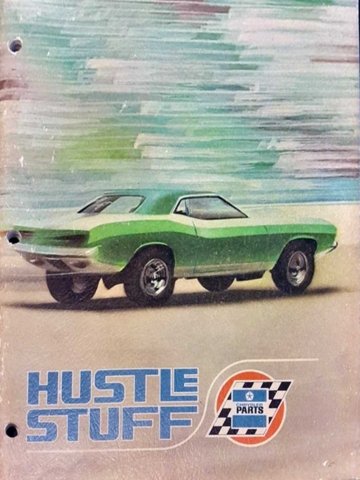
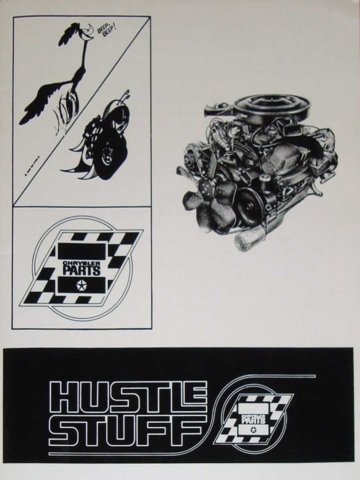
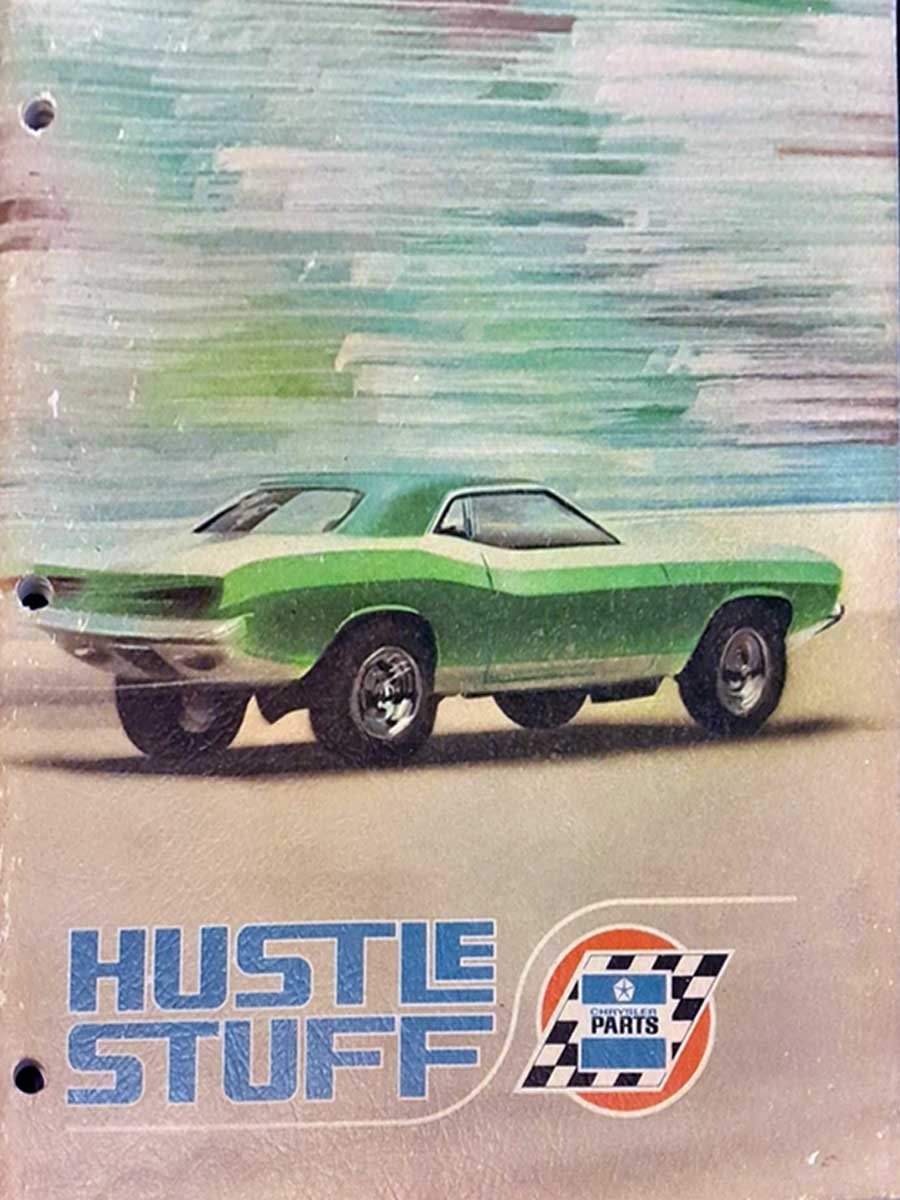
Above: Before Direct Connection, Chrysler had already established a parts program to serve its racers and performance-minded enthusiasts: Hustle Stuff. Its catalogs provided a similar resource for locating performance parts and accessories. By 1974, Chrysler had brought together the strengths of the Hustle Stuff program and its racing division to create what would become one of the most recognizable factory-backed performance programs in the country: Direct Connection.
Traditional V8 performance parts and racing support remained part of the program. Nevertheless, Direct Connection was no longer tied exclusively to the big-block and small-block engines that built its reputation.
In 1987, Chrysler transitioned away from the Direct Connection name and adopted the Mopar Performance Parts identity. Although the name changed, the underlying idea remained: provide factory-engineered performance parts and technical support to Chrysler enthusiasts.
The Direct Connection name eventually returned in 2022 when Dodge reintroduced it as a factory performance-parts and technical-support program.
The modern program included performance upgrades, crate engines, supercharger components, engine controllers, transmission components, and other equipment for contemporary Dodge applications.
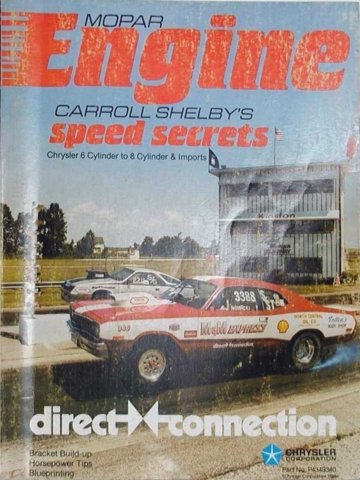
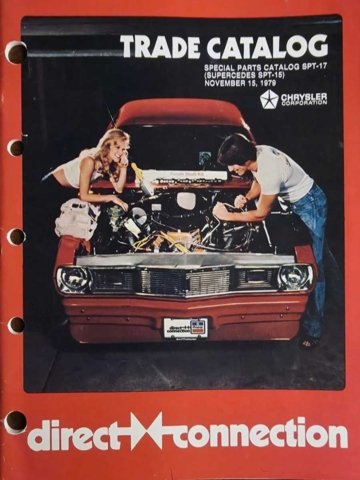
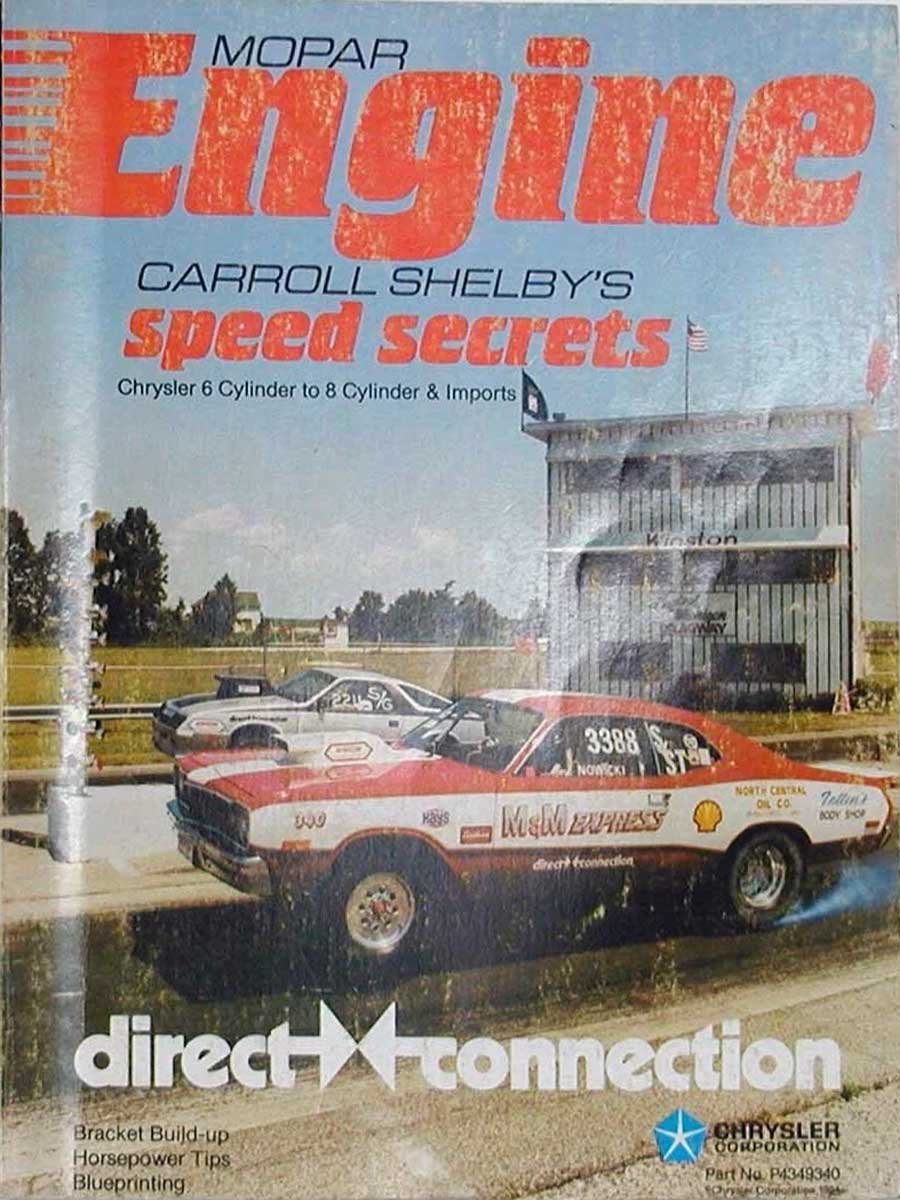
Above Left: Many editions of the Mopar Engine book, aka “the Bible” have been published. Each new publication provides the bracket racer and street enthusiast the latest in Chrysler engineering technology. Above Right: Nothing screams 1970s like a Duster with the full lower spoiler, similar to the part the Pro Stock Mopar Missile program tested earlier in the 1970s.
Although the technology changed considerably since the program’s introduction, the basic philosophy remained recognizable.
Direct Connection holds an important place in Chrysler’s performance history because it represented more than a collection of aftermarket parts carrying a factory name.
Its origins were rooted in the practical needs of Chrysler’s racing community. Engineers such as Dick Maxwell recognized that independent racers needed better access to specialized components and technical information. Rather than treating those racers as customers who bought parts, Chrysler developed a program that gave them access to factory engineering knowledge.
Above: Direct Connection is a longtime Mopar brand name that originally provided factory-backed performance parts, catalogs, and technical support for Chrysler performance enthusiasts throughout the 1970s and 1980s. In 2022, Stellantis revived the name, bringing it back as a source for SRT-developed performance components, including upgrades for Hellcat and Demon models, Drag Pak applications, and crate-engine offerings.
The Purple Shaft camshafts, engine recipes, technical manuals, and performance hotline became recognizable features of that effort. For many Mopar aficionados, Direct Connection represented an era when Chrysler made its performance engineering resources accessible to the people building and racing its automobiles.
The name ultimately changed and changed back, the engines evolved, and the performance industry moved in new directions. Nevertheless, the original idea behind Direct Connection remains one of Chrysler’s most significant contributions to the American performance-car community.