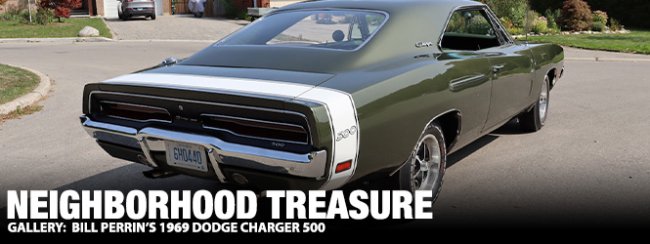
In the late 1960s, the NASCAR series was in a fierce rivalry, with Ford Motor Company and Chrysler Corporation vying for dominance. Dodge found itself in direct competition with the Ford Torino, which had an impressive record in 1968, clinching 27 out of 49 race victories and securing 36 top-five finishes. The Torino’s remarkable success highlighted the aerodynamic shortcomings of the 1968 Dodge Charger.
Although the second-generation Charger boasted a sleek appearance that suggested it could zoom around a superspeedway at breakneck speeds, appearances were misleading. Drivers encountered a performance “wall” once they exceeded 170 mph, and despite the Hemi’s power, it was unable to break through this barrier. With a resolve to prevent Ford from securing any additional victories, Dodge’s design team worked diligently to address and rectify the aerodynamic shortcomings of the 1969 Charger as swiftly and effectively as possible.
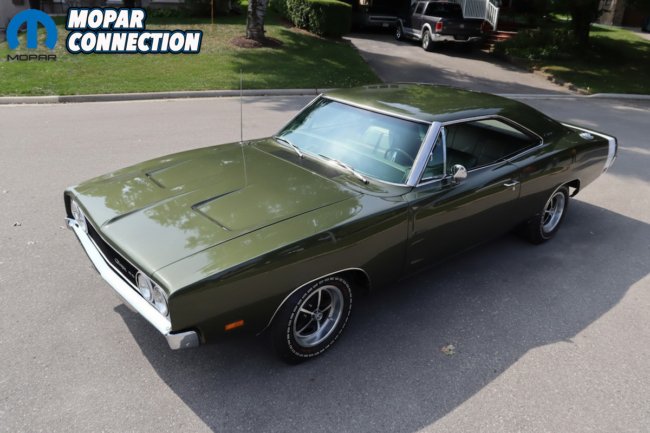
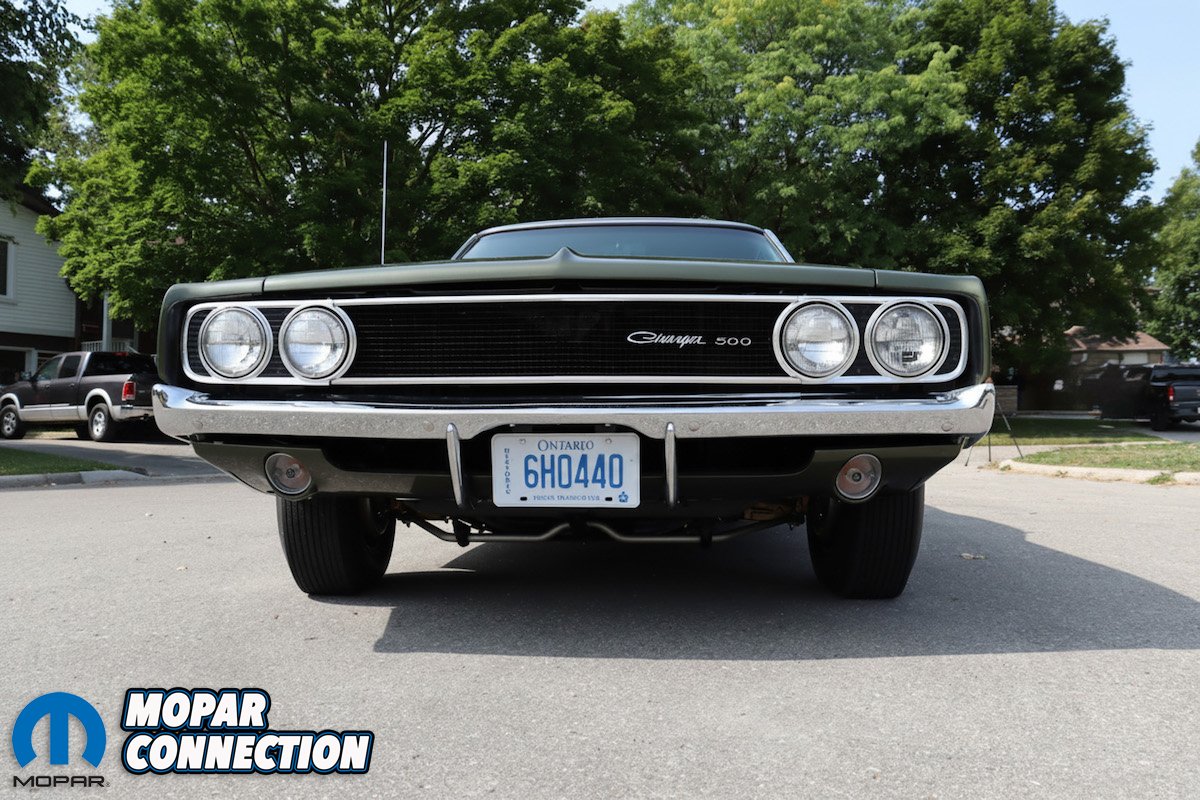
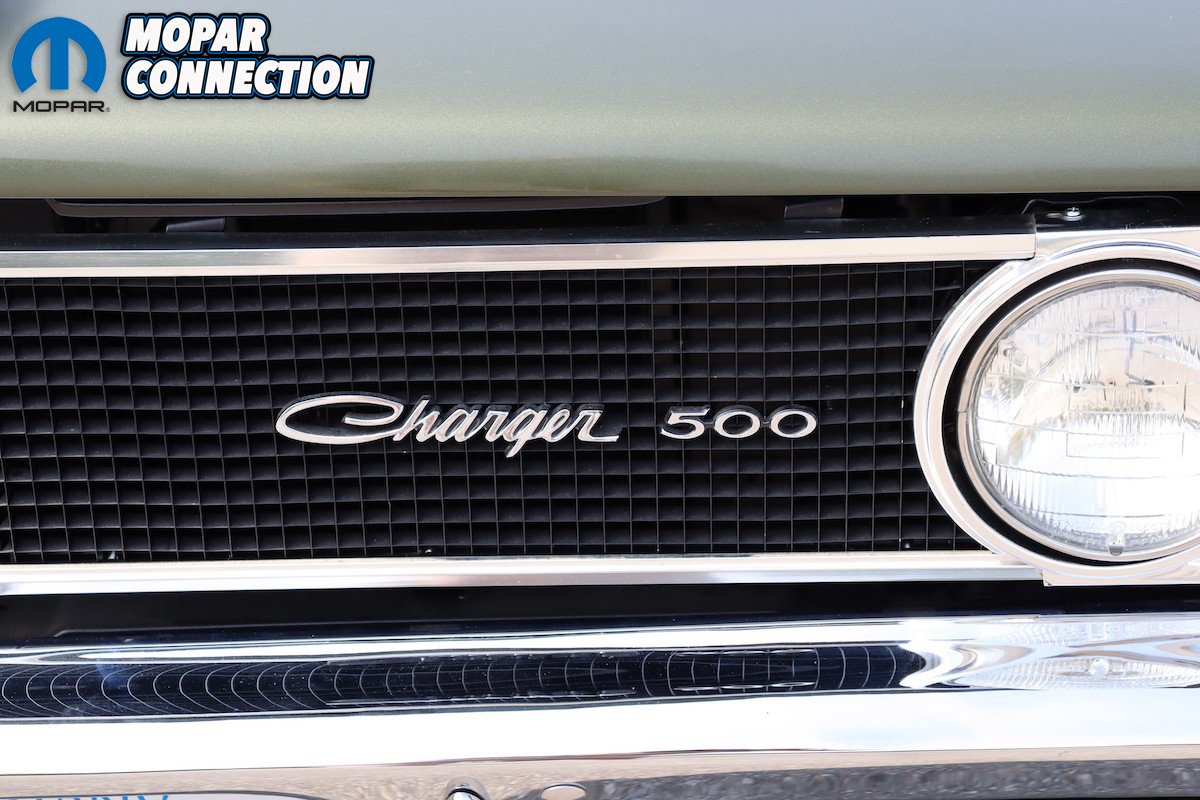
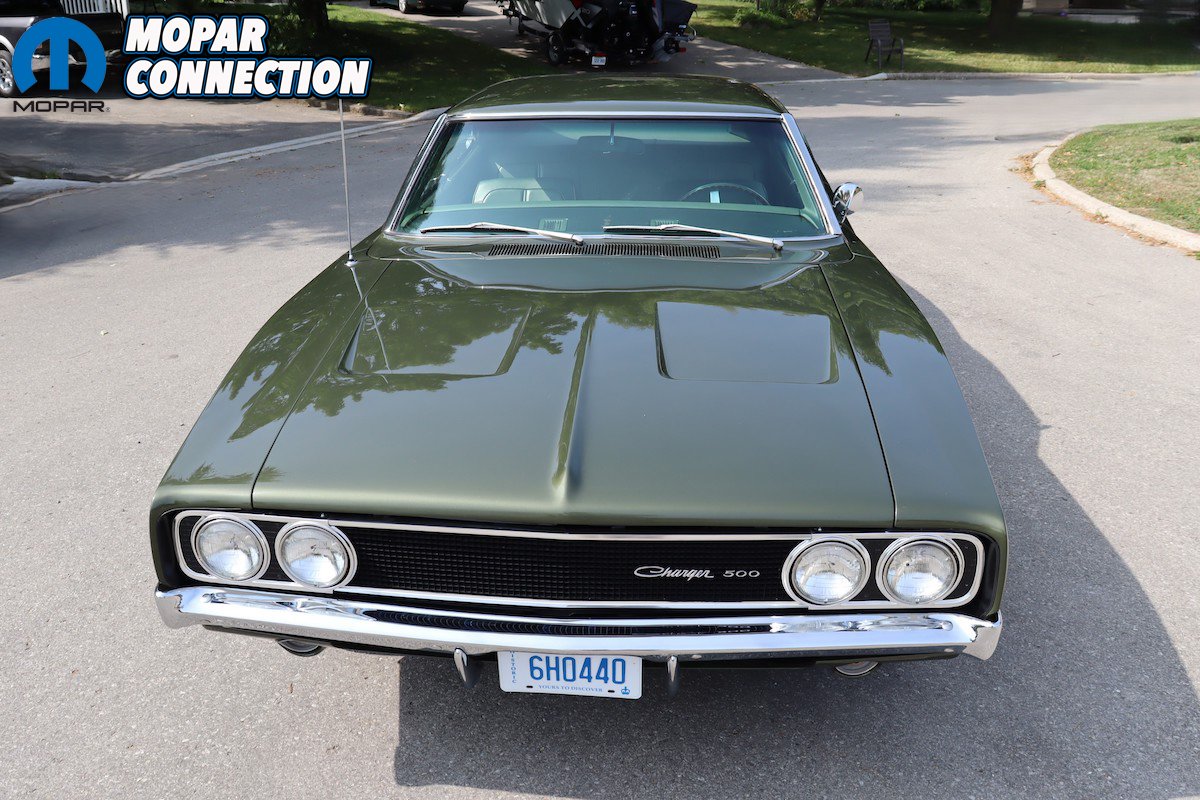
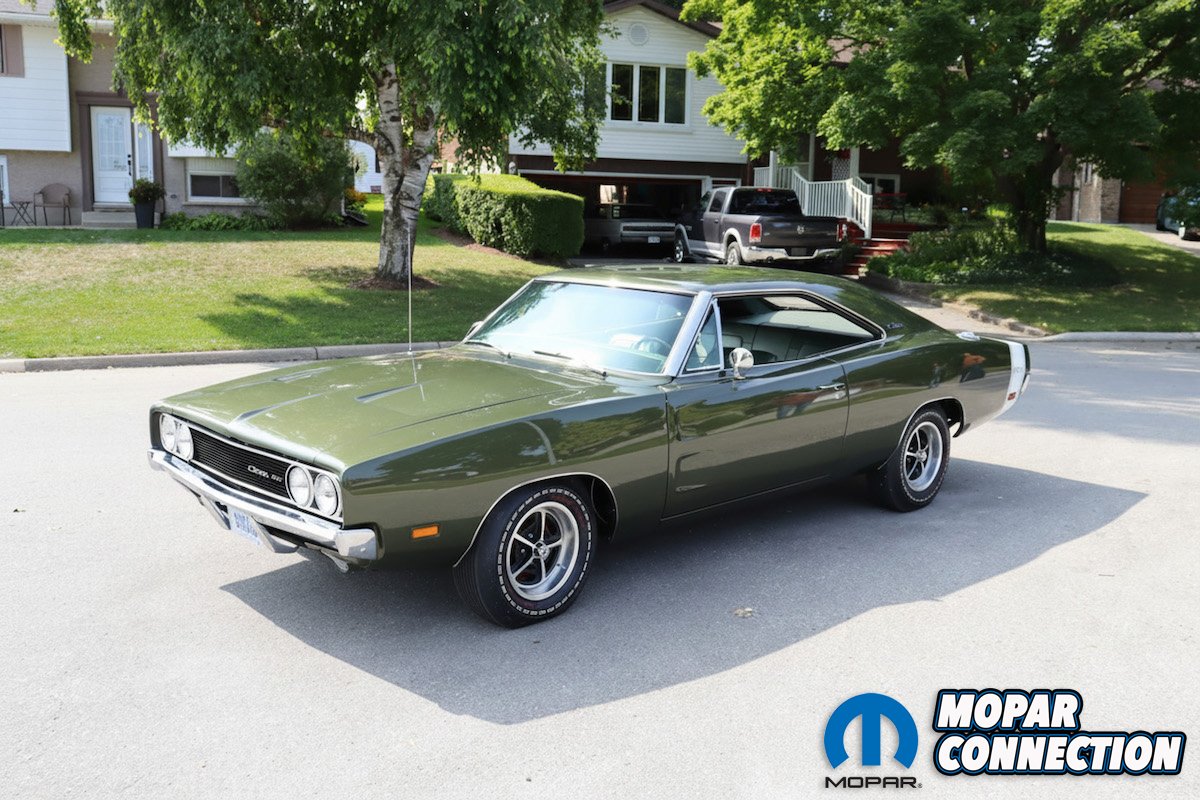
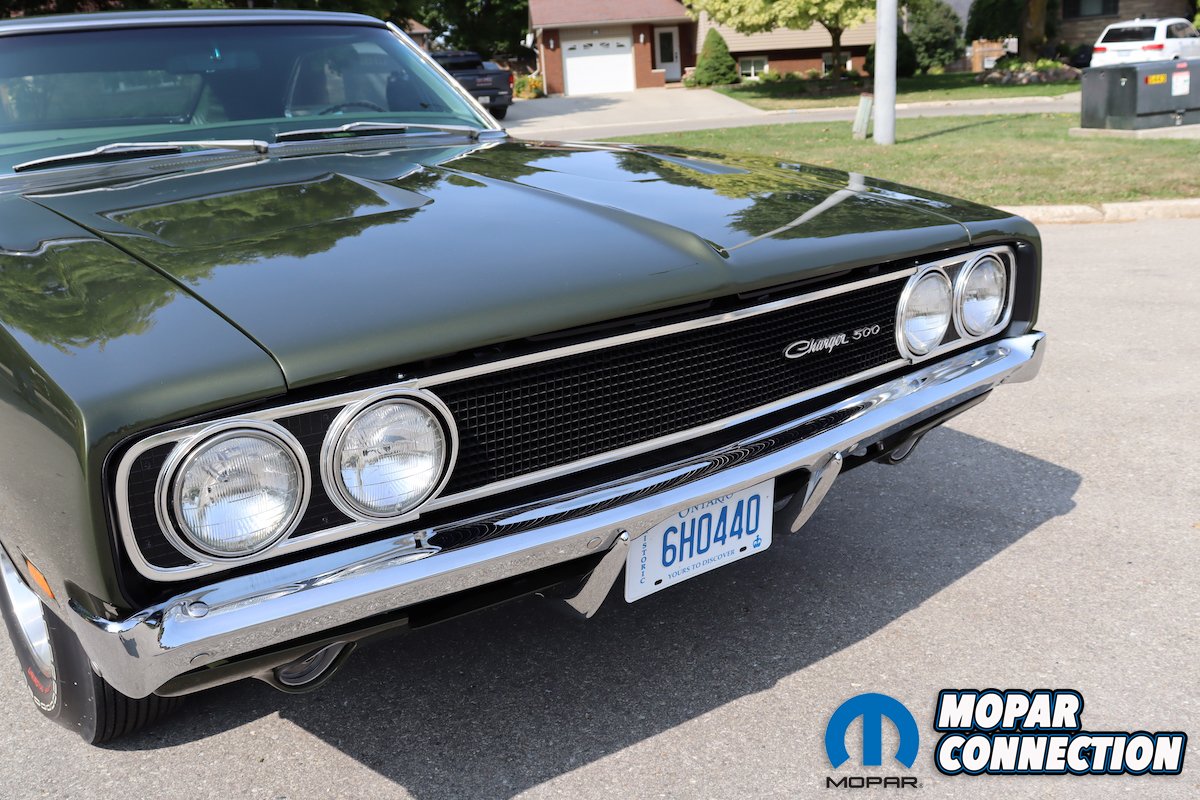
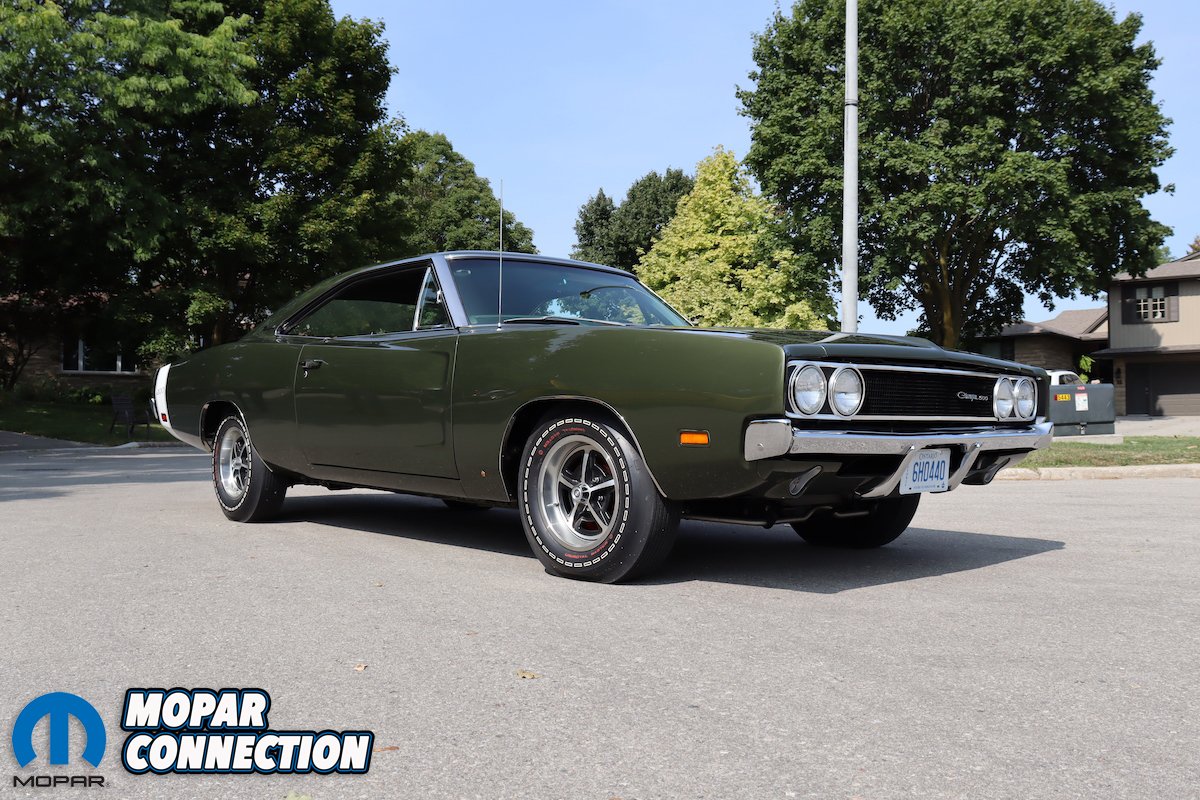
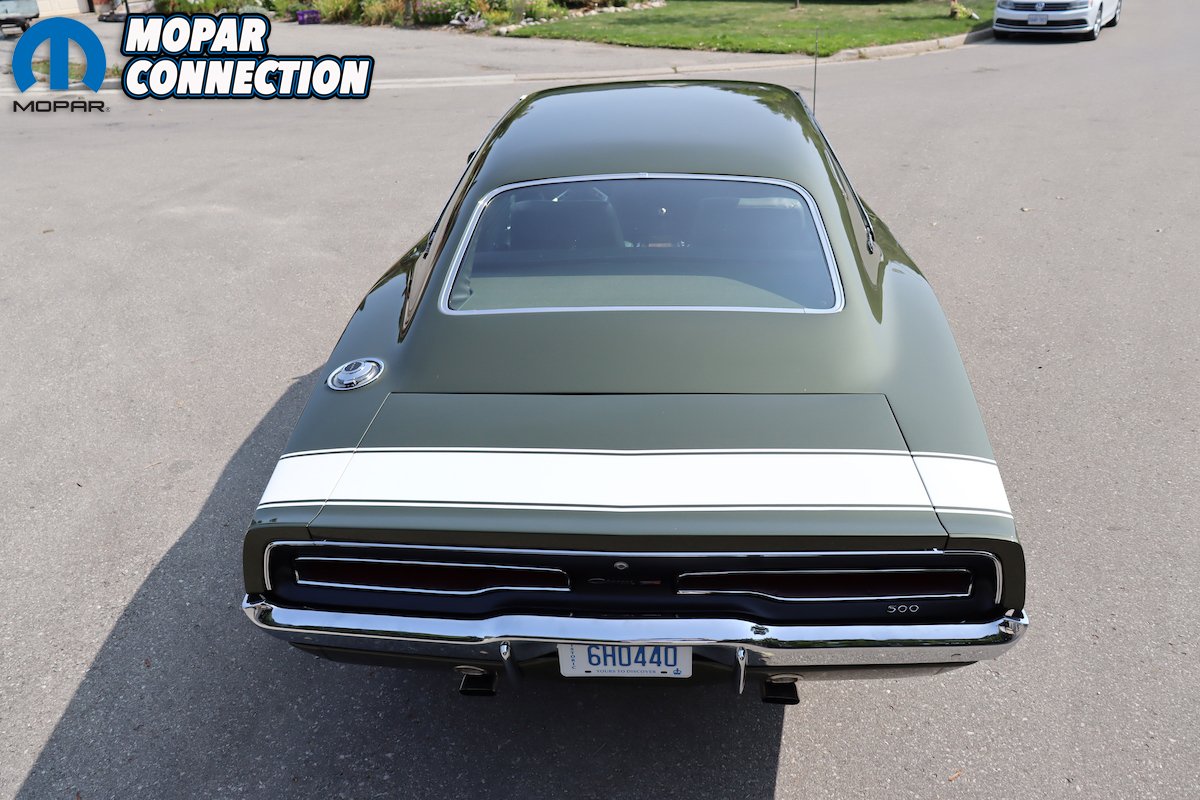
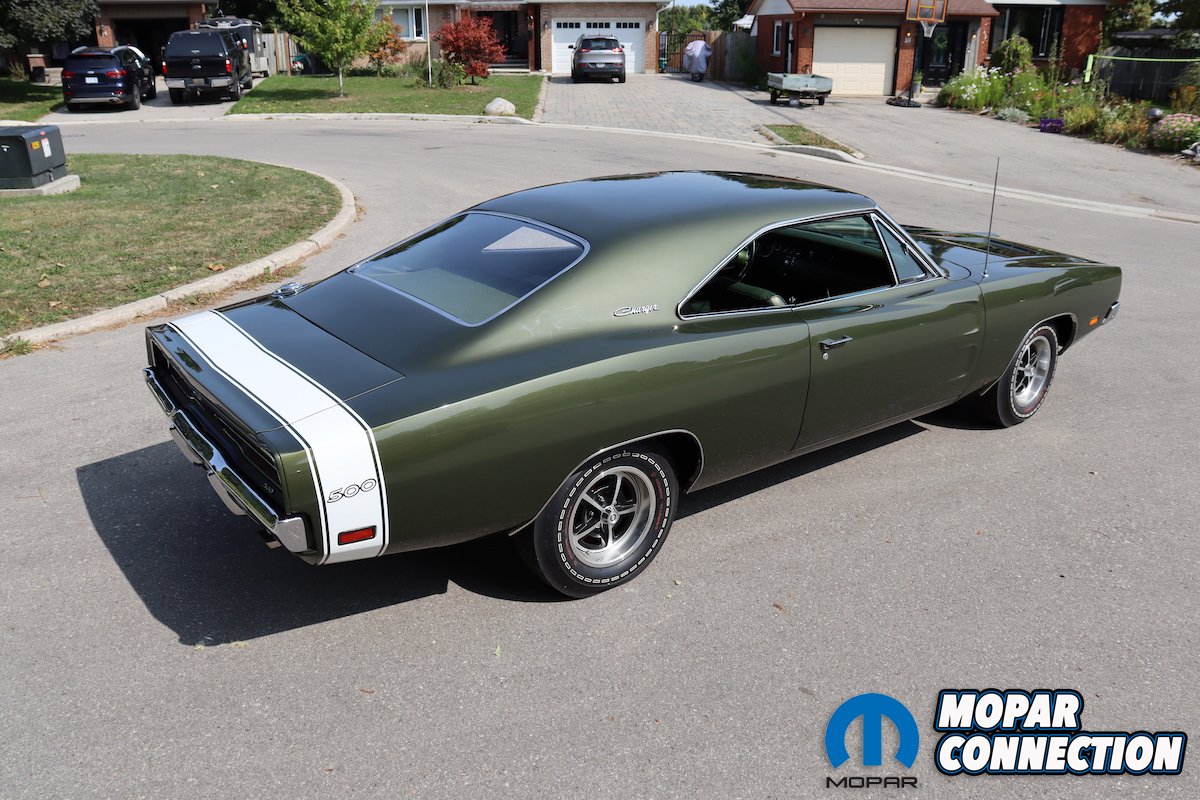
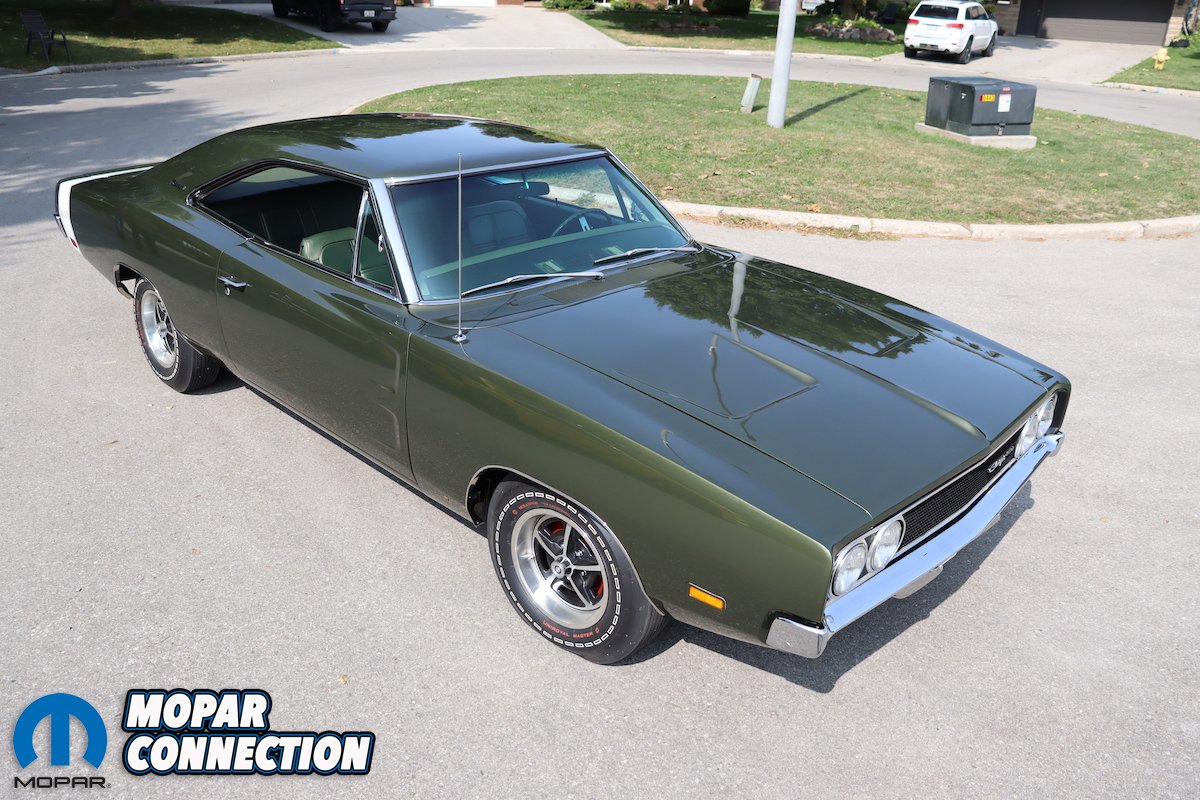
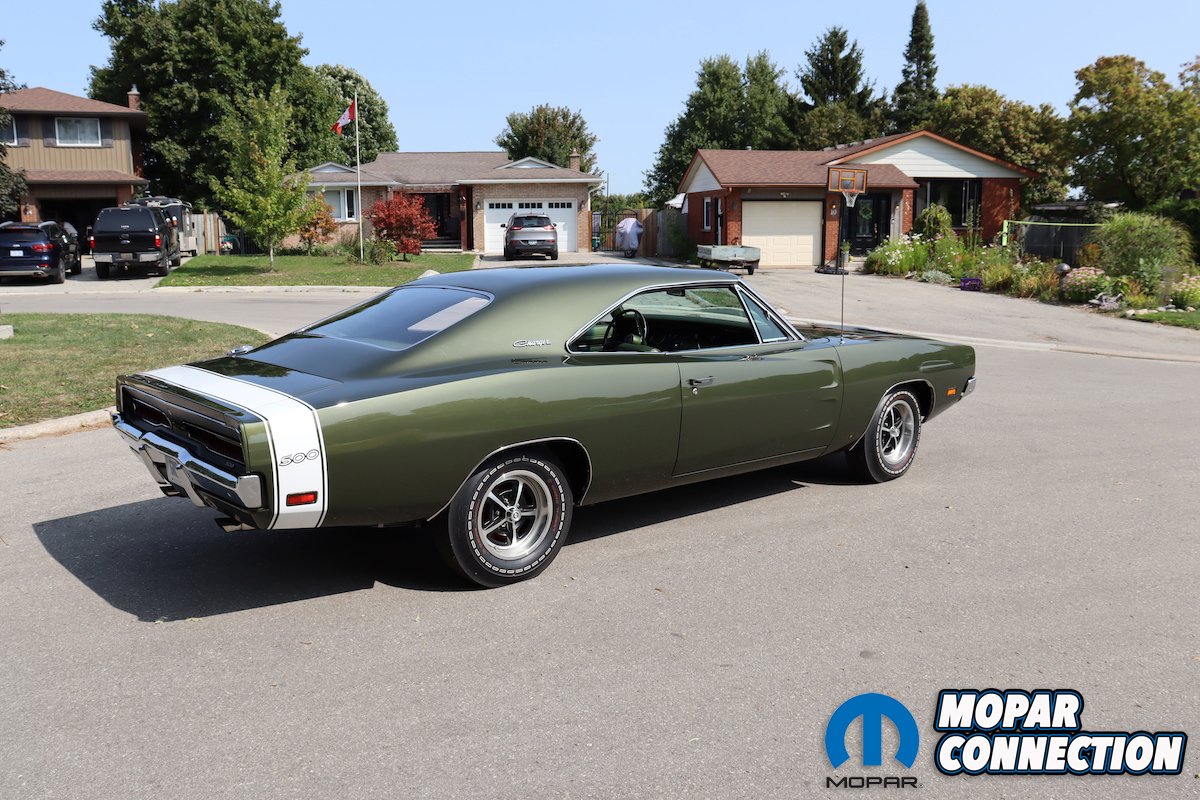
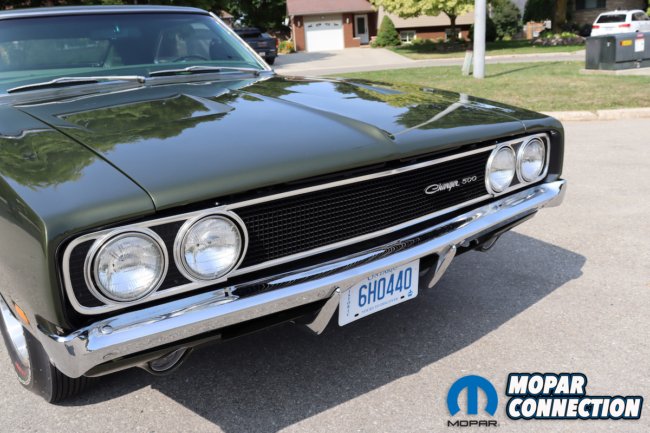
The first problem was the deep-set grille, which caught air like a parachute. The Charger 500 answered with a flush-mounted Coronet grille that finally cut through the wind. Next came the tunneled rear window, known as the buttress style, a design that created a dangerous lift on the superspeedways. Dodge fixed it by bonding a flush rear glass into a hand-formed metal plug, turning the Charger into a fastback. The result was a Charger that picked up a crucial 3 to 7 mph over the 1968 model.
The Dodge Charger 500 is regarded as one of the rarest and most significant Mopars ever manufactured, with only around 392 street versions produced, of which just 52 featured the iconic 426 Hemi engine. In Canada, merely 5 Charger 500 models were imported, all equipped with the 440 cubic inch engine and none having the Hemi. The Charger 500 only had two engines available.
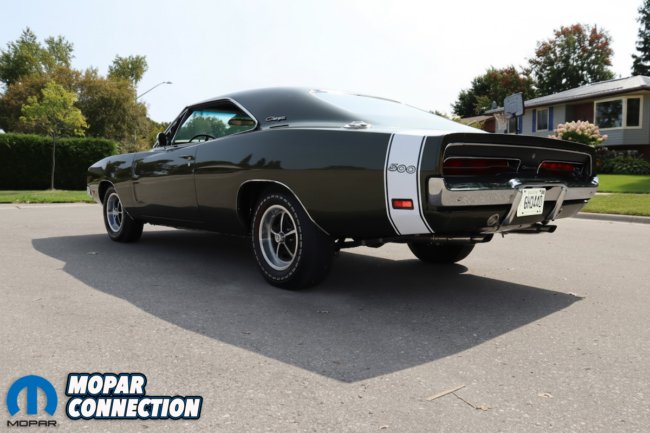
The Charger 500 was not completed solely on the assembly line at the Dodge Main plant in Hamtramck, equipped with the regular rear window opening, the recessed Charger grille, and none of the specialized aerodynamic components. From there, they were transported to Creative Industries, the Detroit contractor responsible for performing all aero modifications. This was the same firm later entrusted with the Charger Daytona and Plymouth Superbird programs.
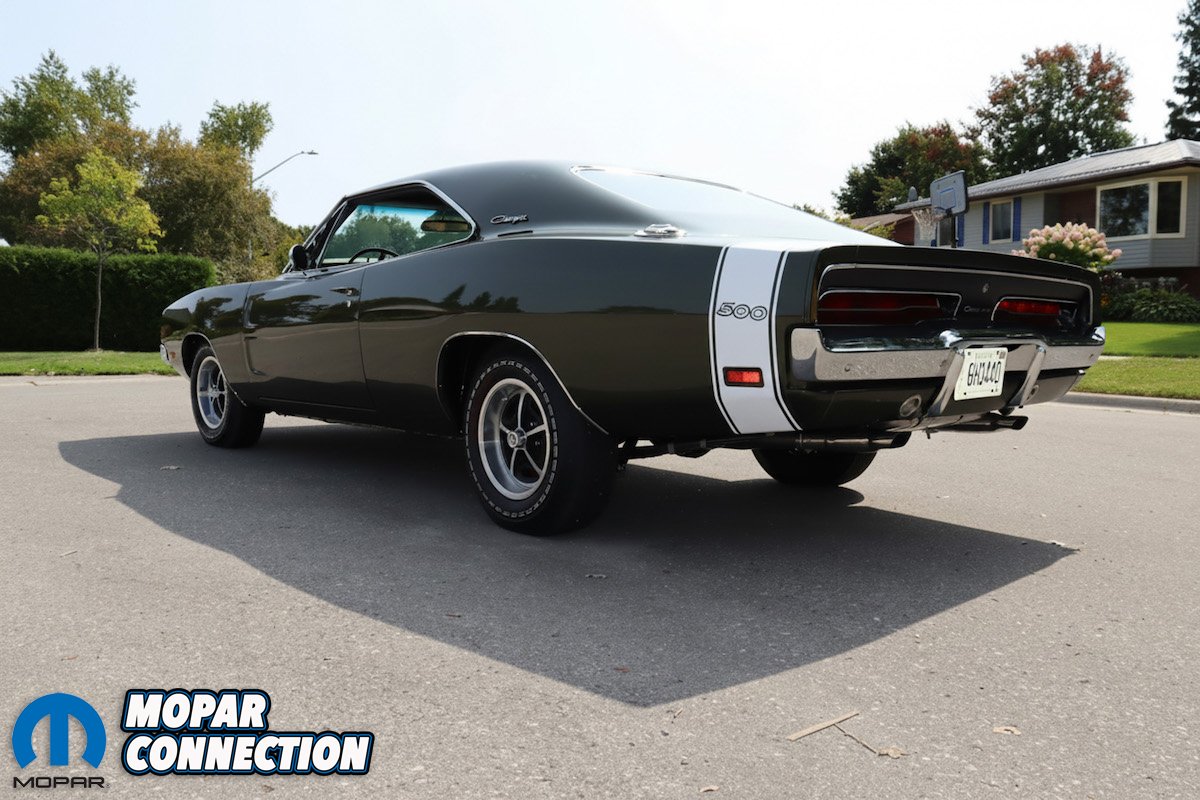
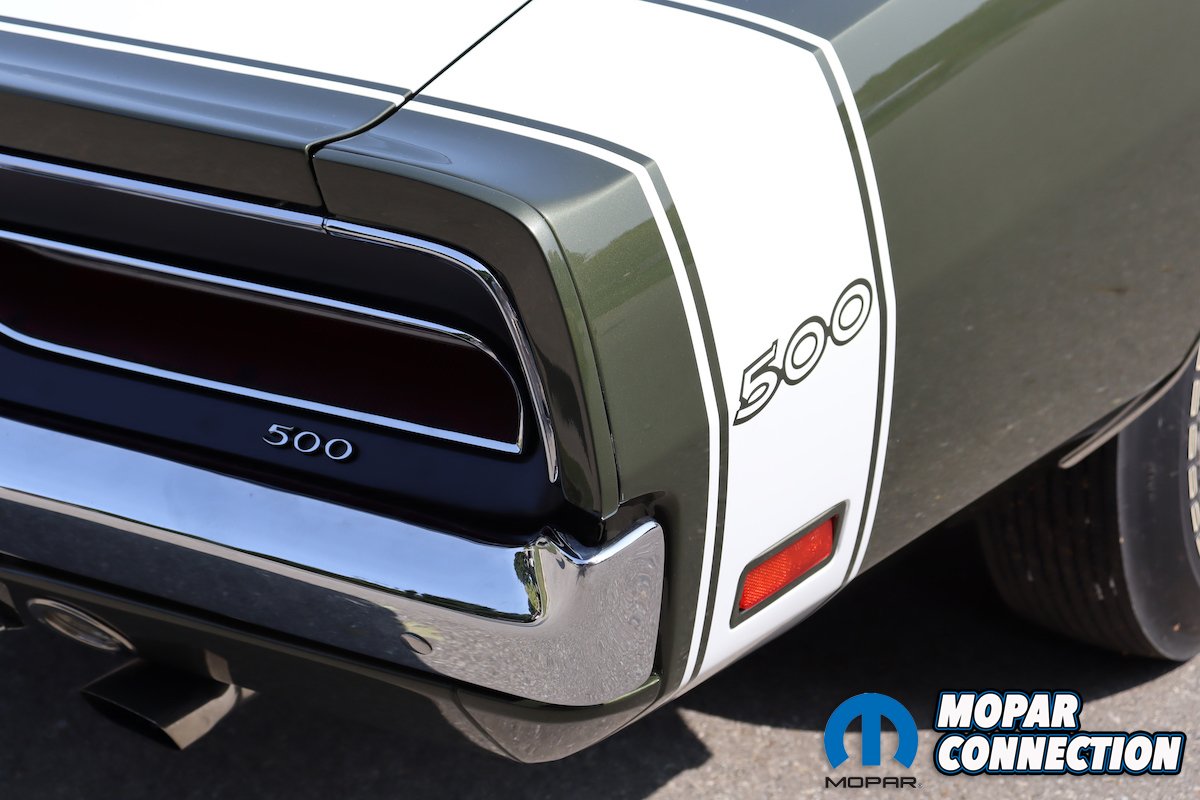
Once they arrived at the East McNichols Road location in Detroit, they began by installing the flush-mount grille, cutting out the tunneled rear window, welding in the metal plug to reshape the roofline, bonding in the flush rear glass, applying the 500 tail stripe, and completing the final fit and finish work.
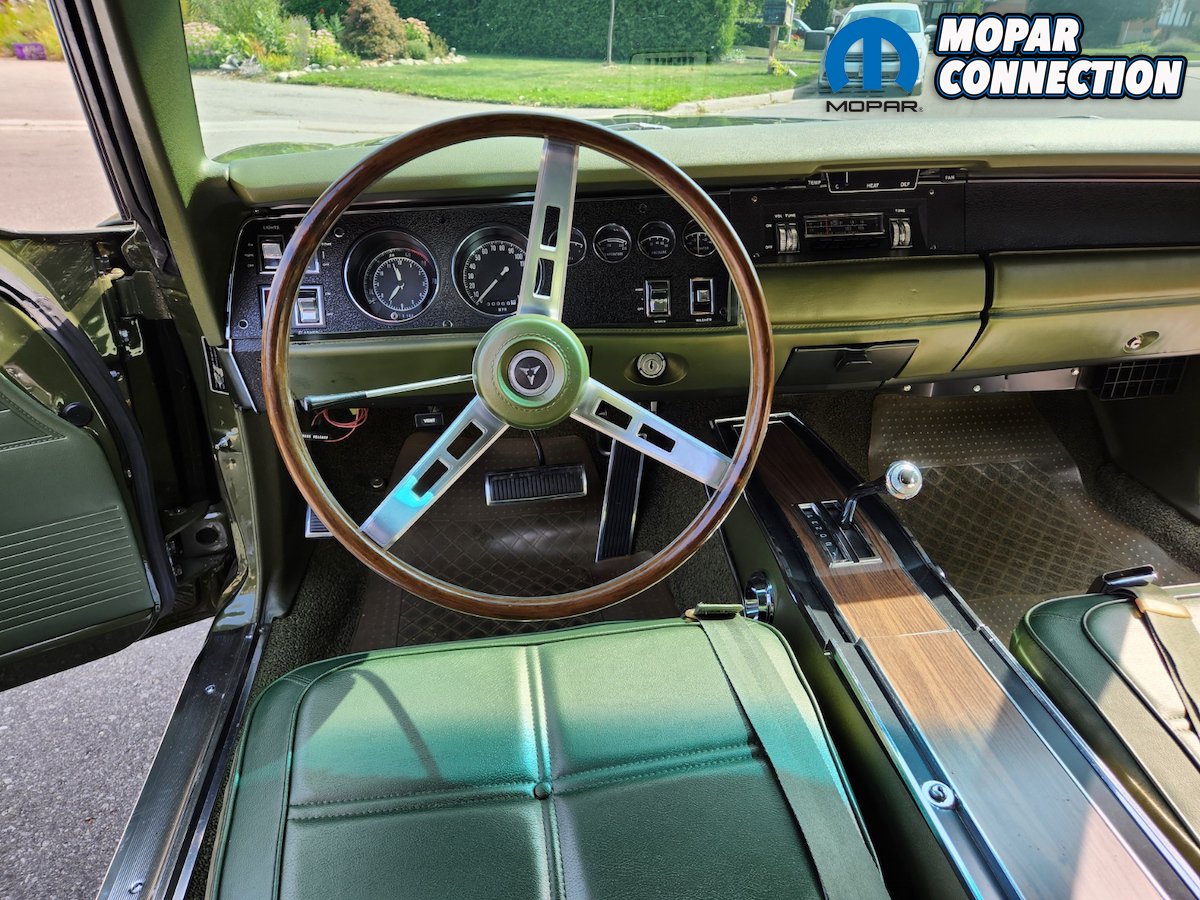
The Charger 500 street version came with two transmission choices: a 4-speed manual with a chrome shift knob that was carried over from the 1968 model or the durable A727 Torqueflite automatic. Based on the R/T platform, the 500 included all the standard features associated with the R/T. This encompassed a handling package with 11-inch drum brakes, heavy-duty shocks and springs, as well as a thicker front anti-sway bar.
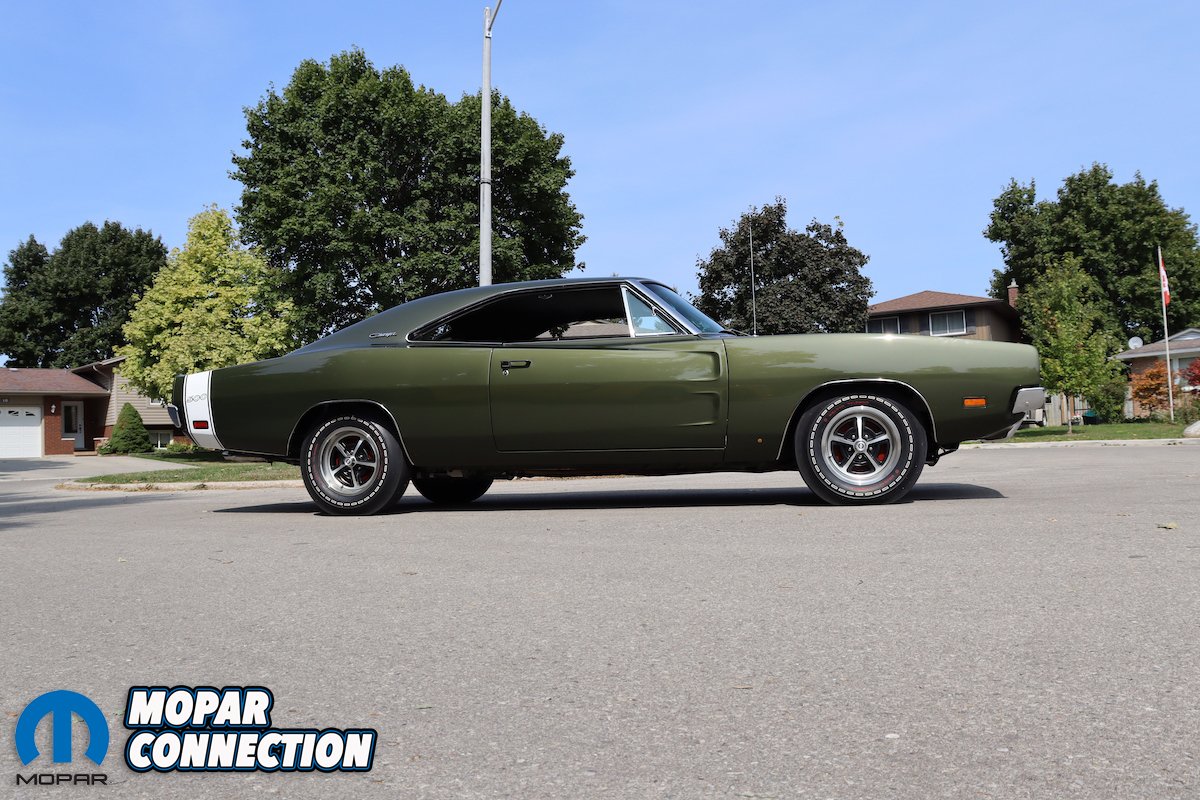
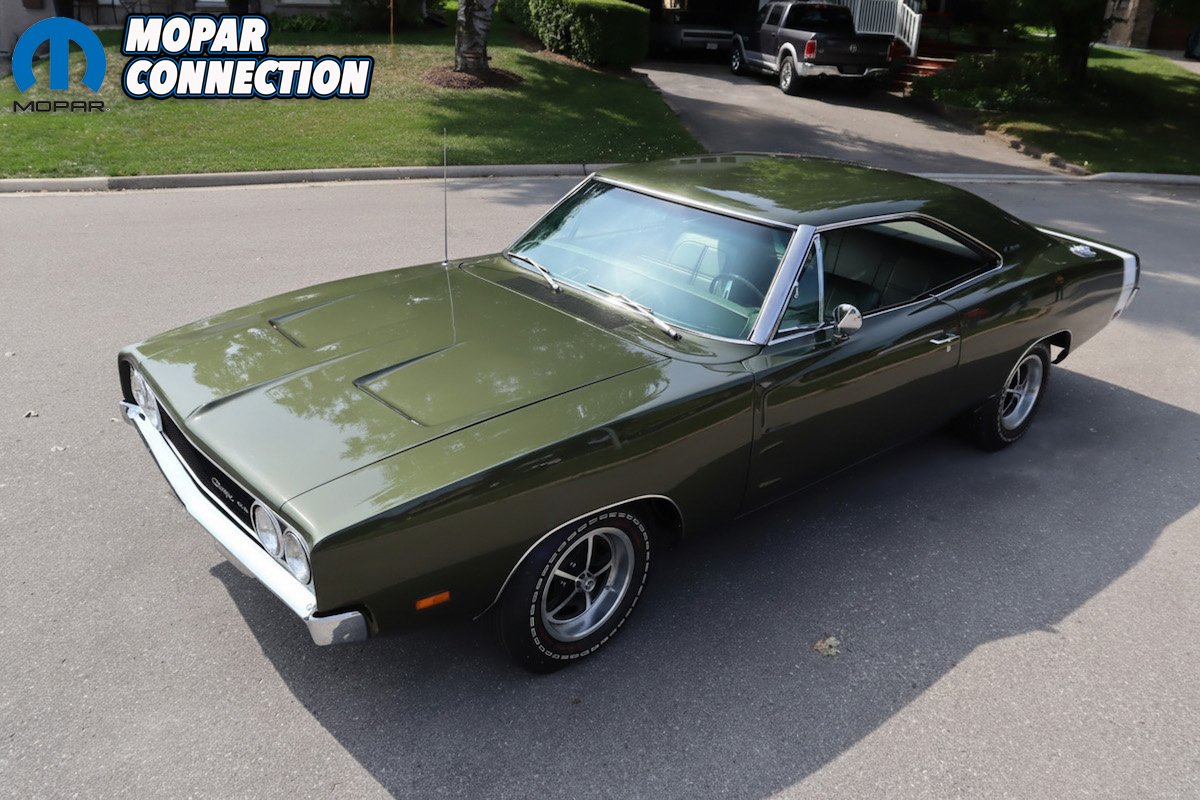
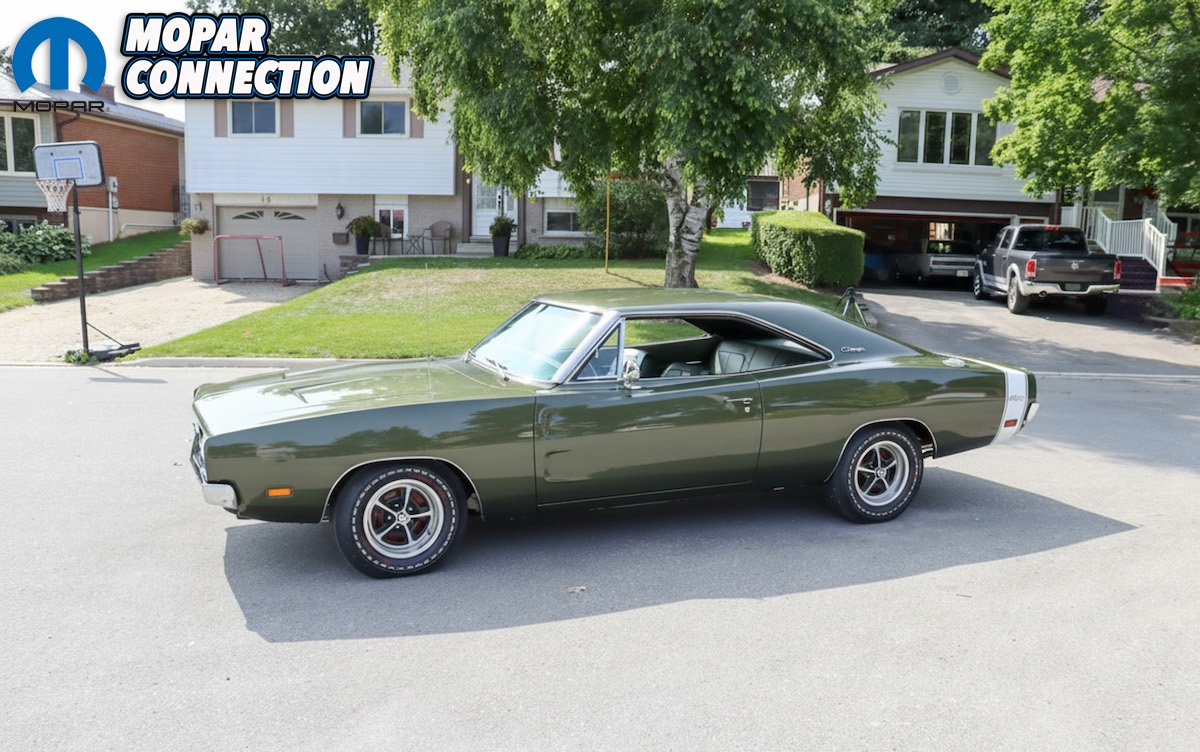
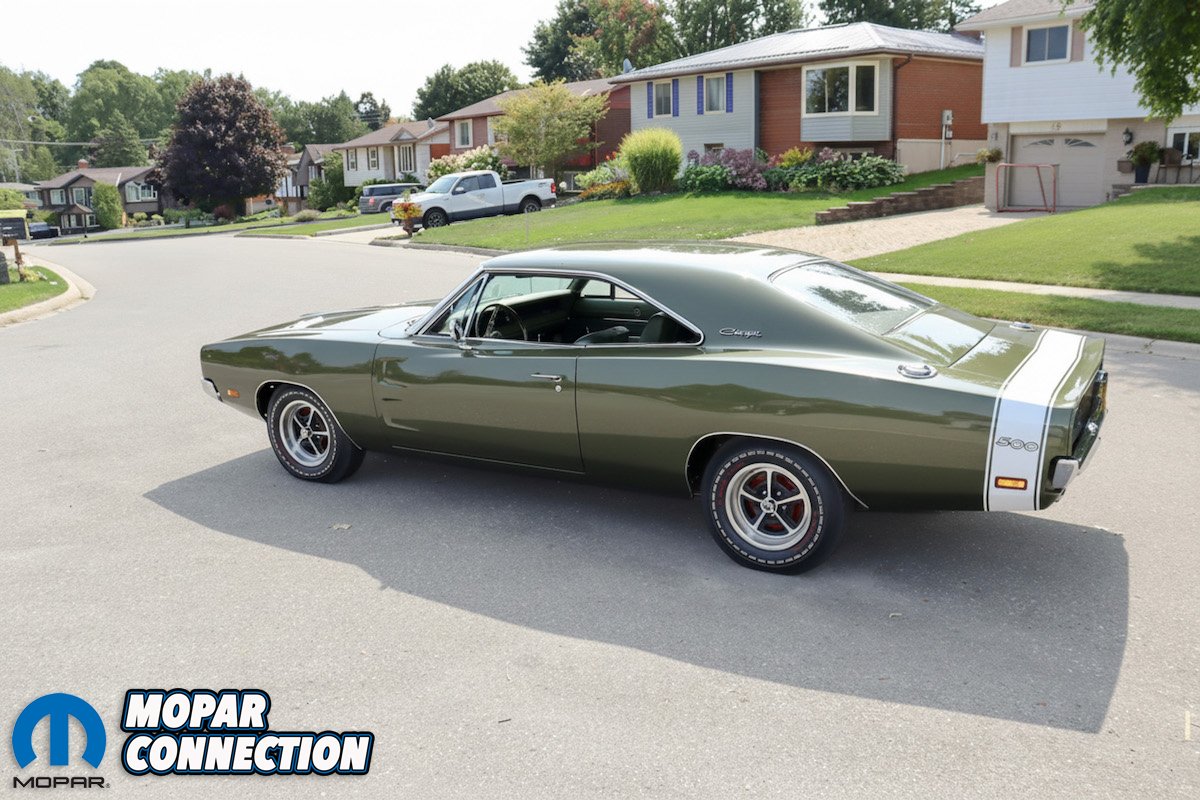
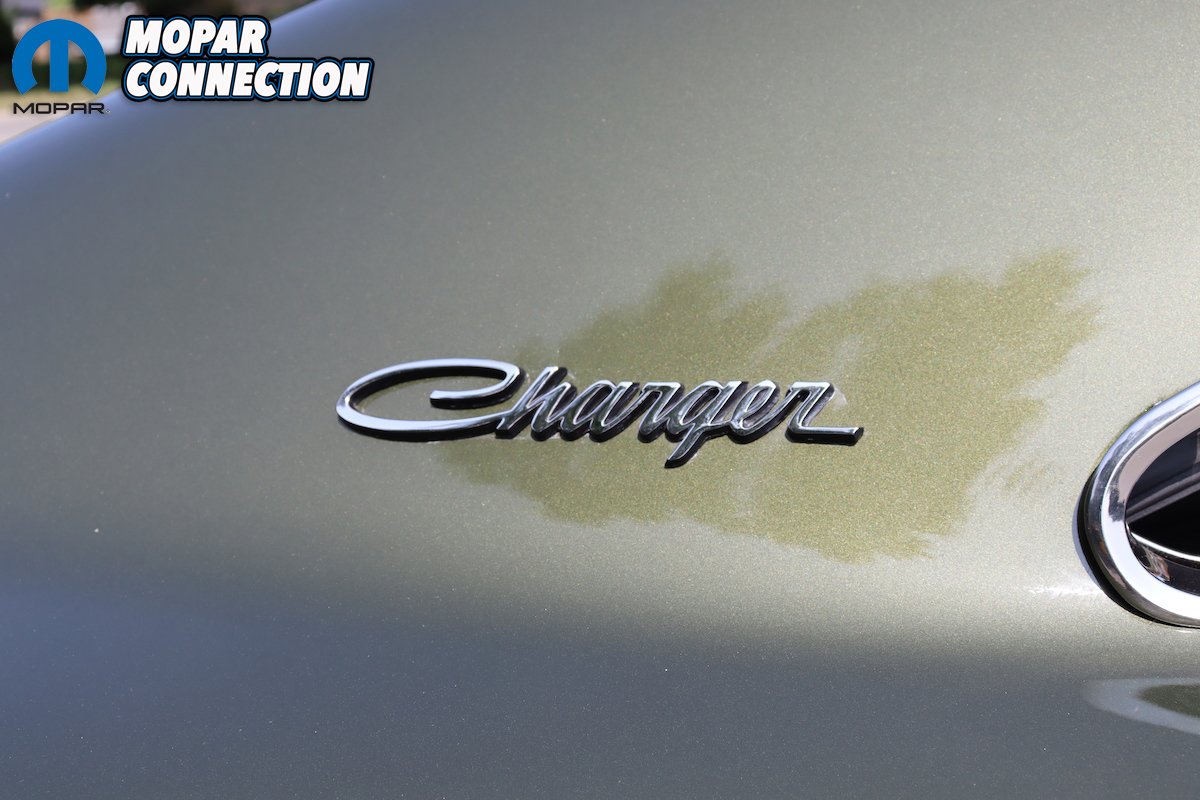
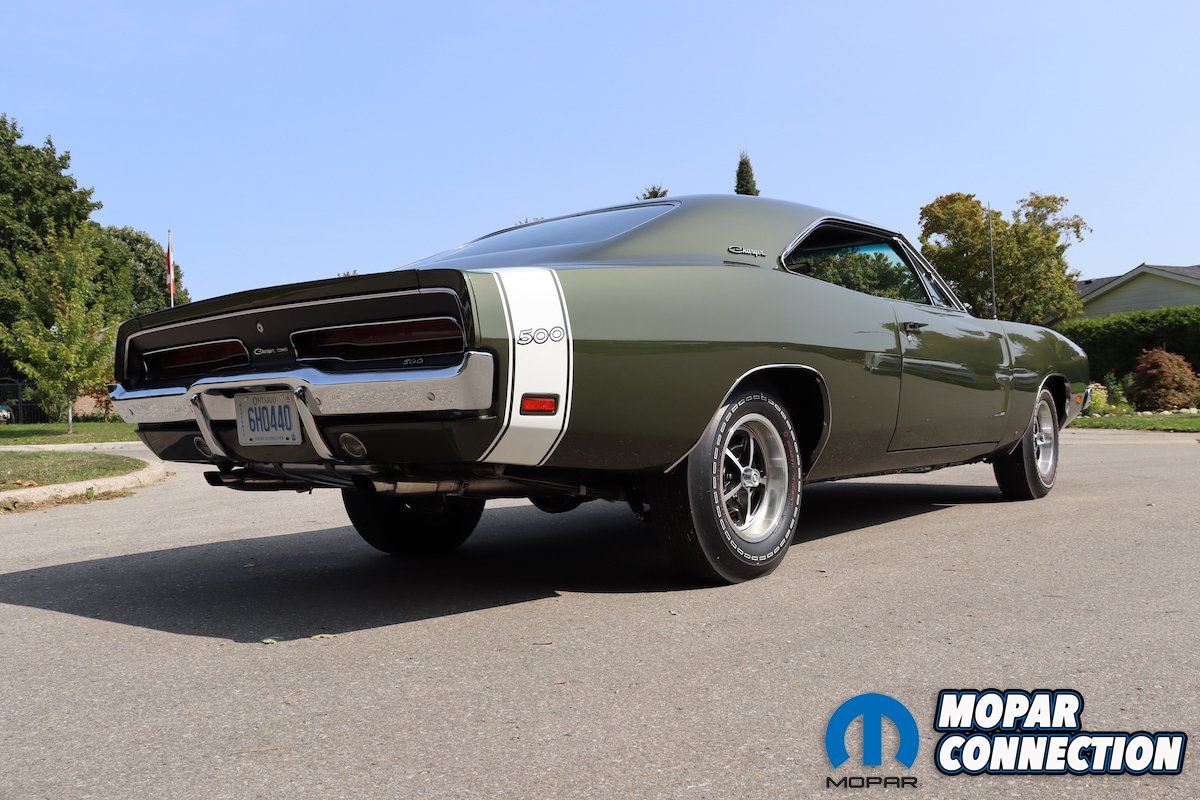
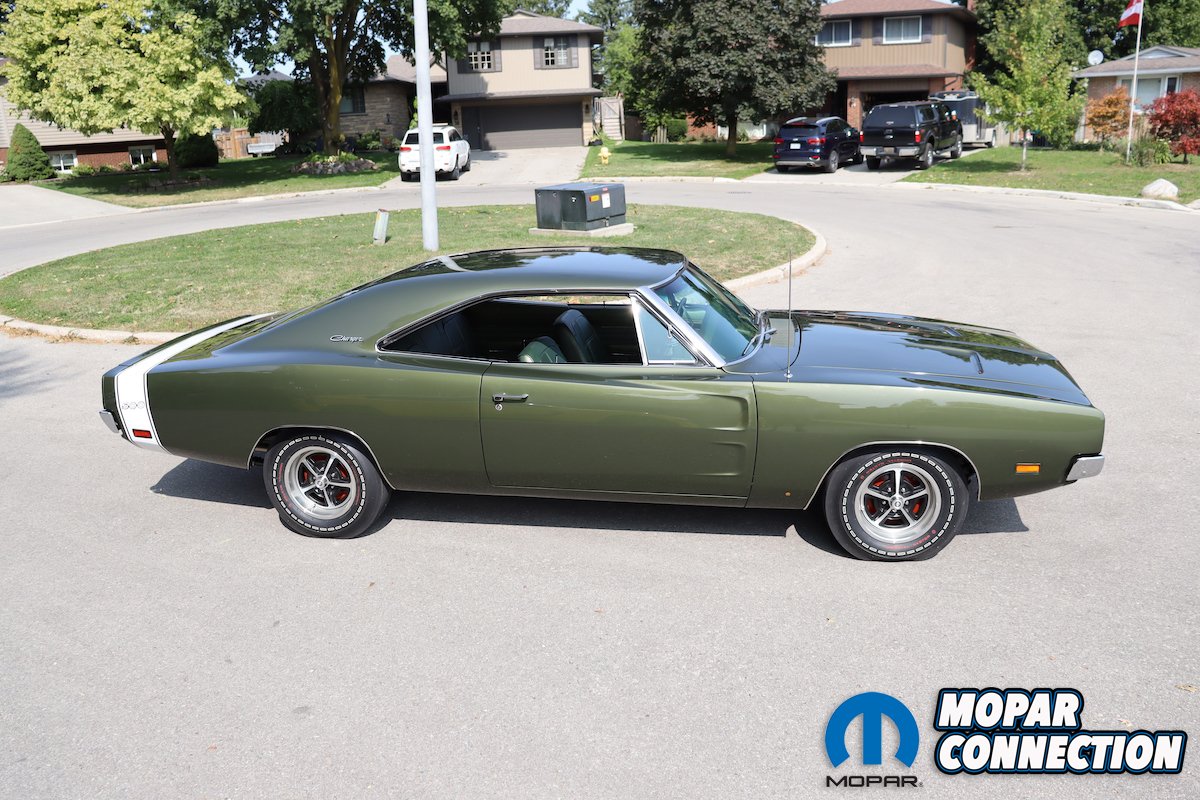
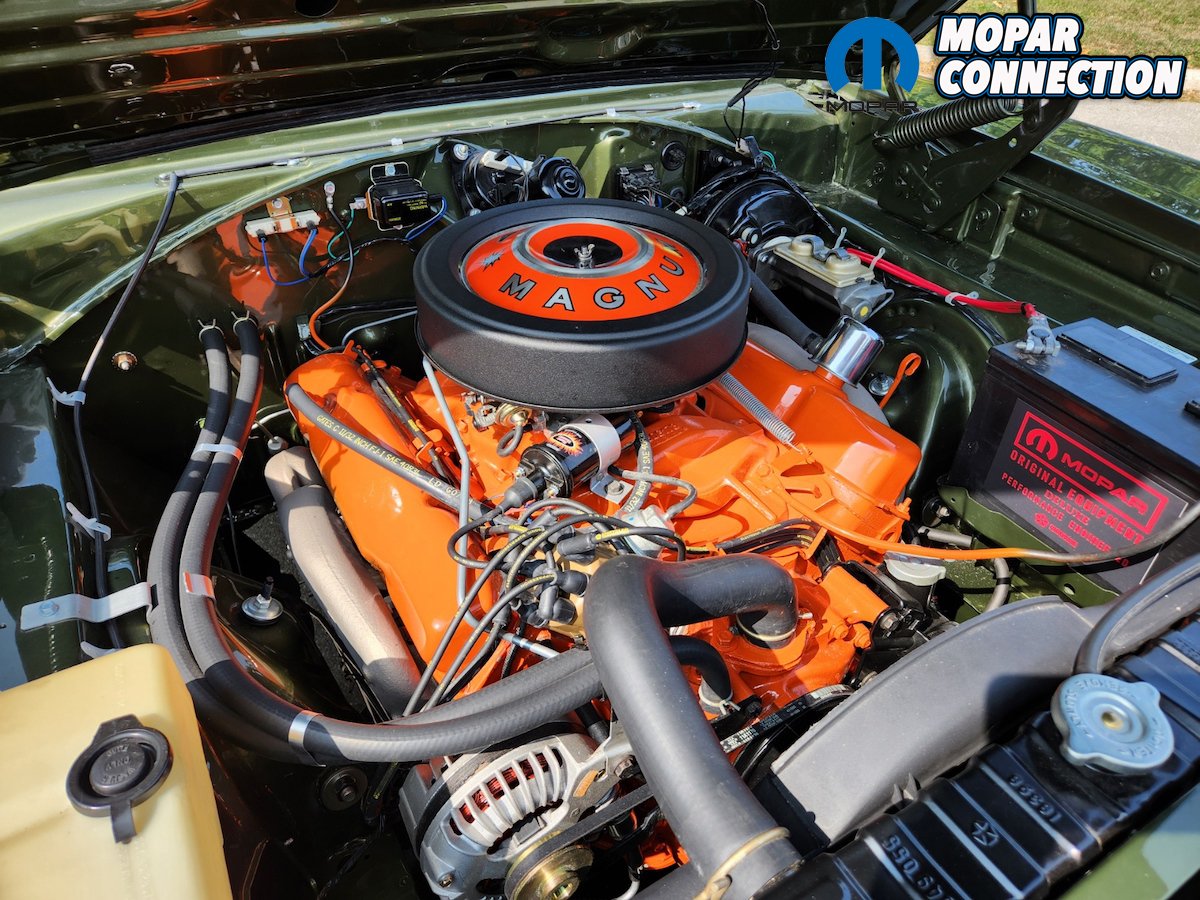
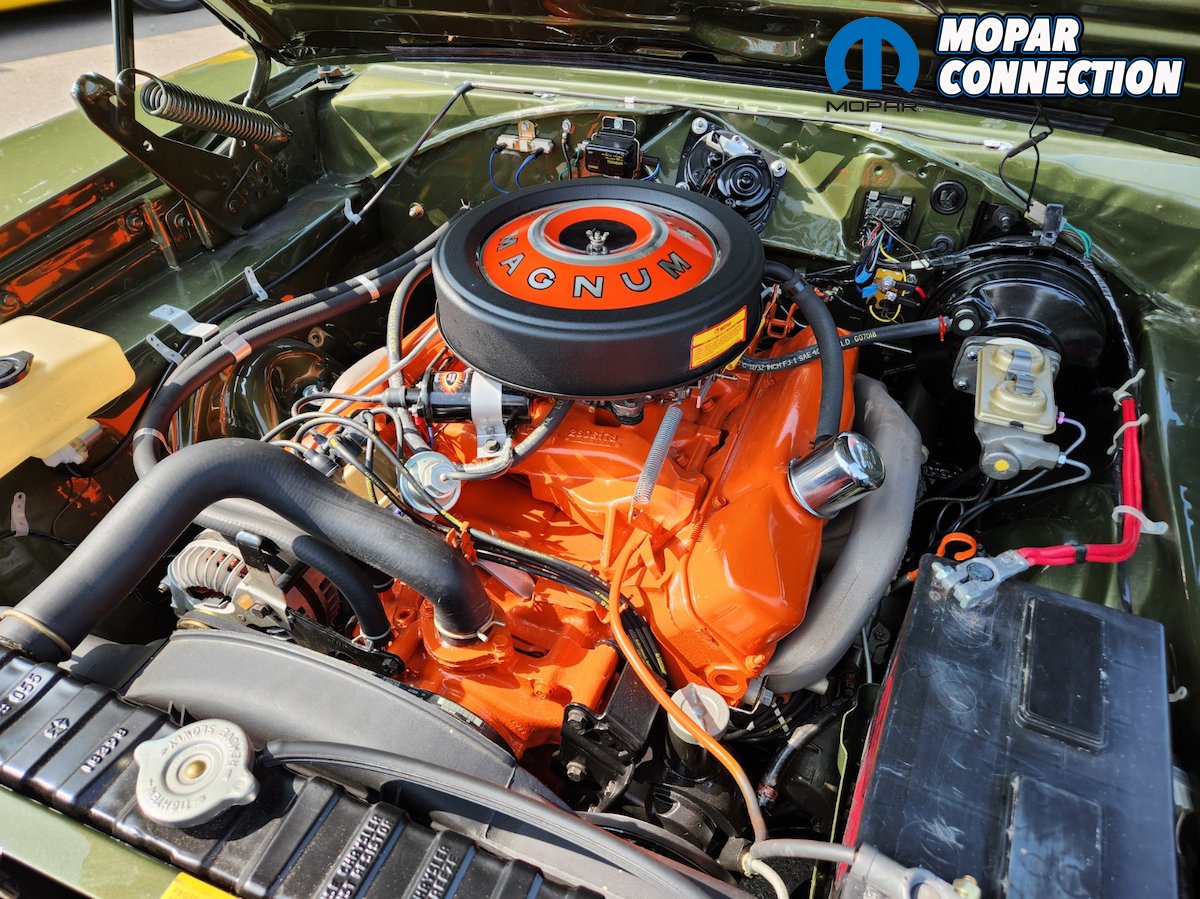
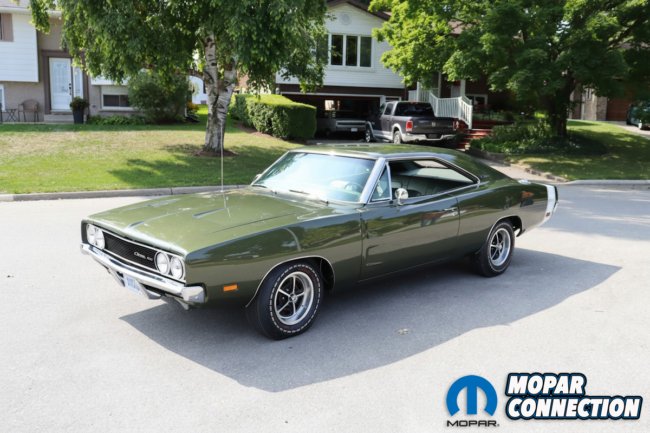
This Charger 500 was produced on September 14, 1968, and is finished in the F8 Dark Green Poly color. It is powered by a 440 engine paired with a 4-barrel carburetor, which connects to the A-727 TorqueFlite automatic transmission. Additionally, the vehicle comes with an AM/FM radio system, a $135 option back in the day.
The early history of this Charger 500 remains somewhat obscure, but its documented story begins once it entered the ownership of Jason Ray of Tulsa, Oklahoma. Mr. Ray retained the vehicle for fifteen years before offering it for sale, at which time it was purchased by Mr. Jeff Haid of St. Clements, Ontario, Canada.
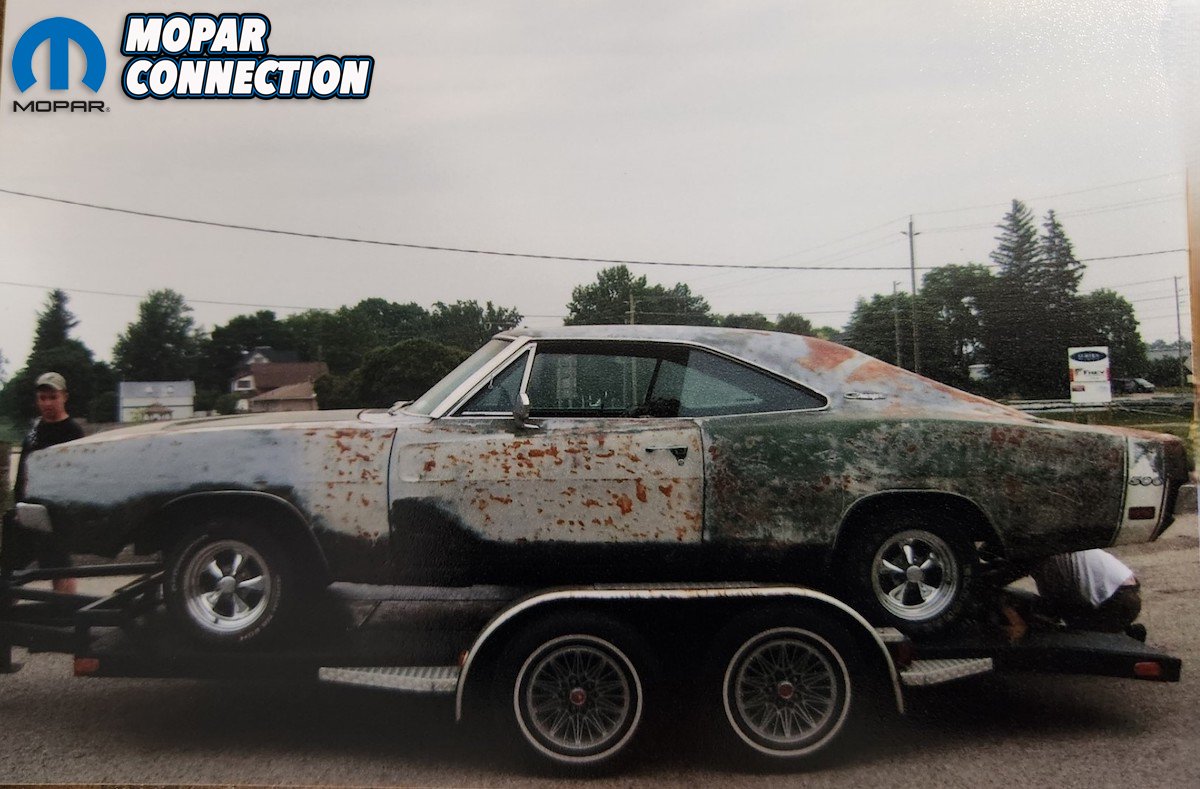
During Jeff’s ownership, he had no intention of undertaking a restoration. It was during this period that Bill Perrin, who had long been searching for a Charger 500, expressed his interest in the car. In June 2014, Bill completed the purchase from Jeff. Although the vehicle still wore its original paint, several sections had been covered in substantial gray primer, reflecting its age and prior repairs.
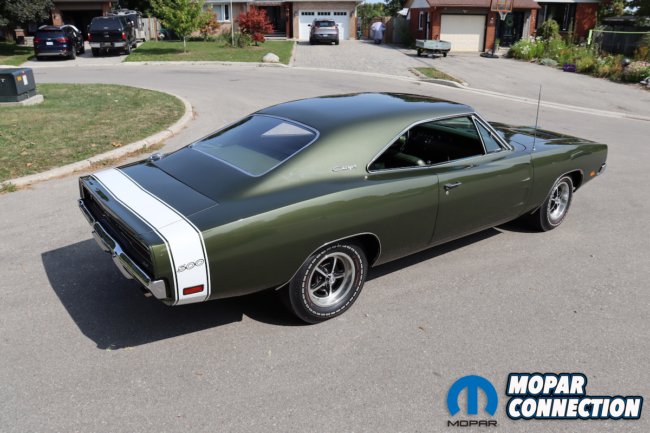
Bill initiated the restoration by addressing the car’s structural needs. Although the vehicle was generally solid, the right quarter panel and trunk floor required replacement. Bill completed this work himself before entrusting Daryl Schmidt with refinishing the car in its factory-correct Dark Green Poly—a finish that still presents as though it has just emerged from the paint booth.
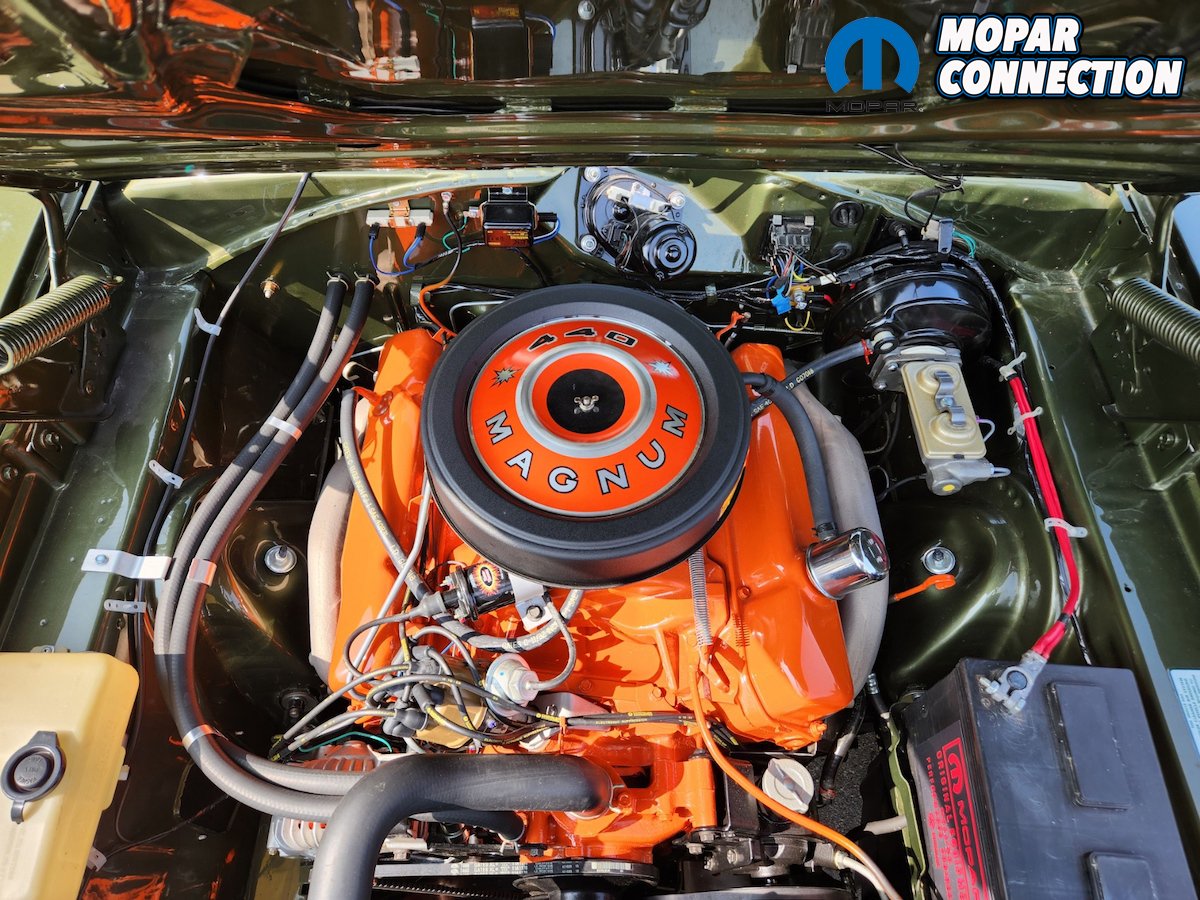
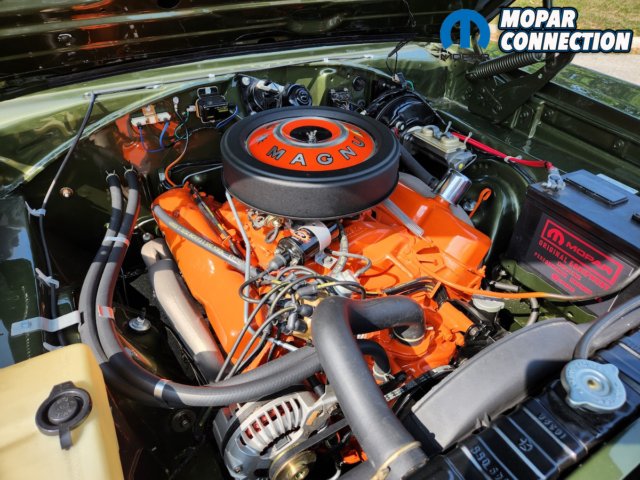
Bill next turned his attention to the Charger 500’s drivetrain. He sourced a period-correct 440 block that had been machined .030 over and paired it with the car’s original stock cylinder heads. A factory-spec AVS Carter carburetor rated at 750 cfm was retained, and to preserve authenticity, he equipped the engine with correct factory manifolds, valve covers, pulleys, and an original-style air cleaner. Gus Postamus was the head wrench on the engine that made sure this car performed as it was intended.
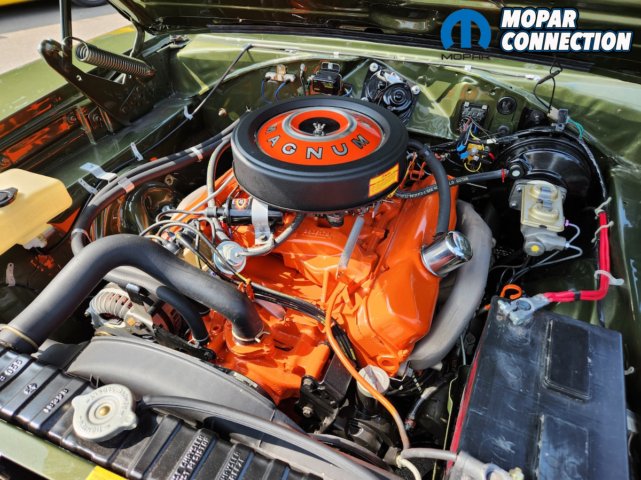
This Charger 500 retains its original transmission, paired with the correct 8¾‑inch rear axle equipped with 3.23 gears housed in a 489 case—an authentic and desirable configuration for a car of this pedigree. The suspension system was also thoroughly inspected and restored to factory specifications, ensuring that every component performed exactly as it would have when the car first rolled off the Hamtramck assembly line. Bill’s meticulous approach, backed by his reputation as a true Mopar authority, meant that no detail was overlooked. Every mechanical, structural, and cosmetic element was addressed with precision, resulting in a restoration that reflects both factory correctness and expert craftsmanship.

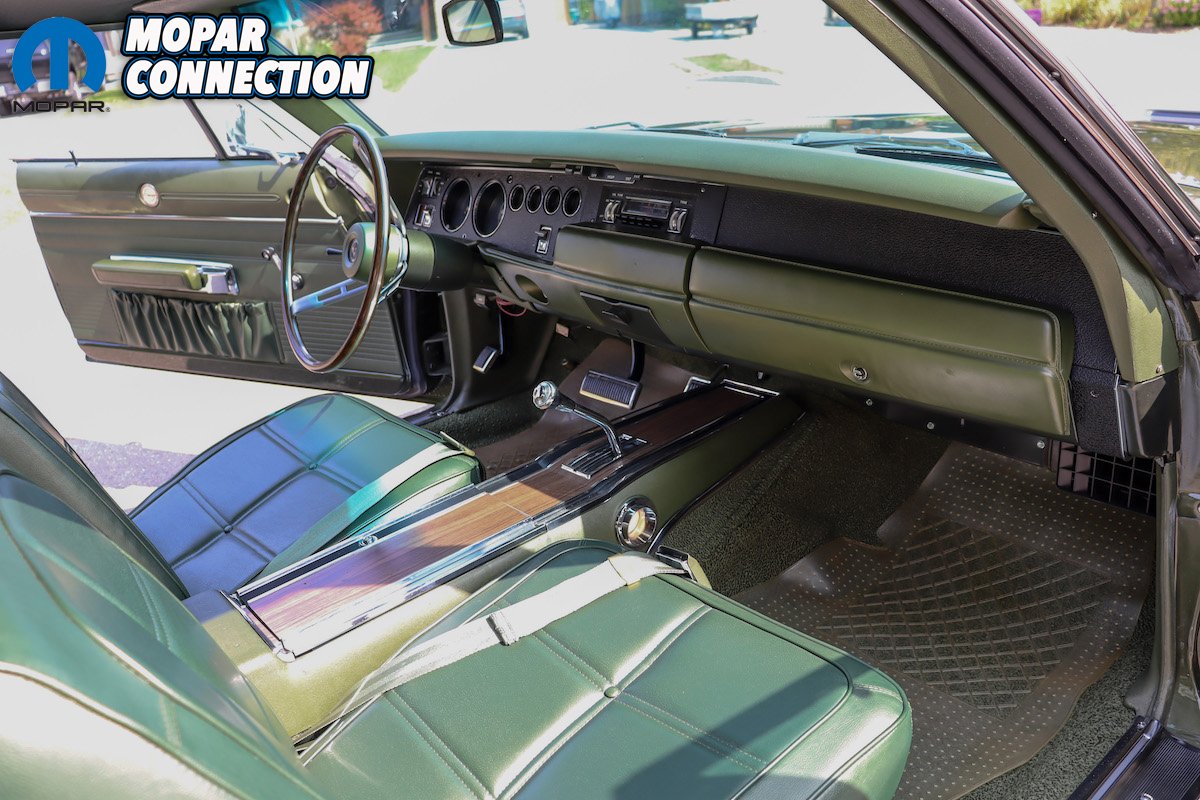
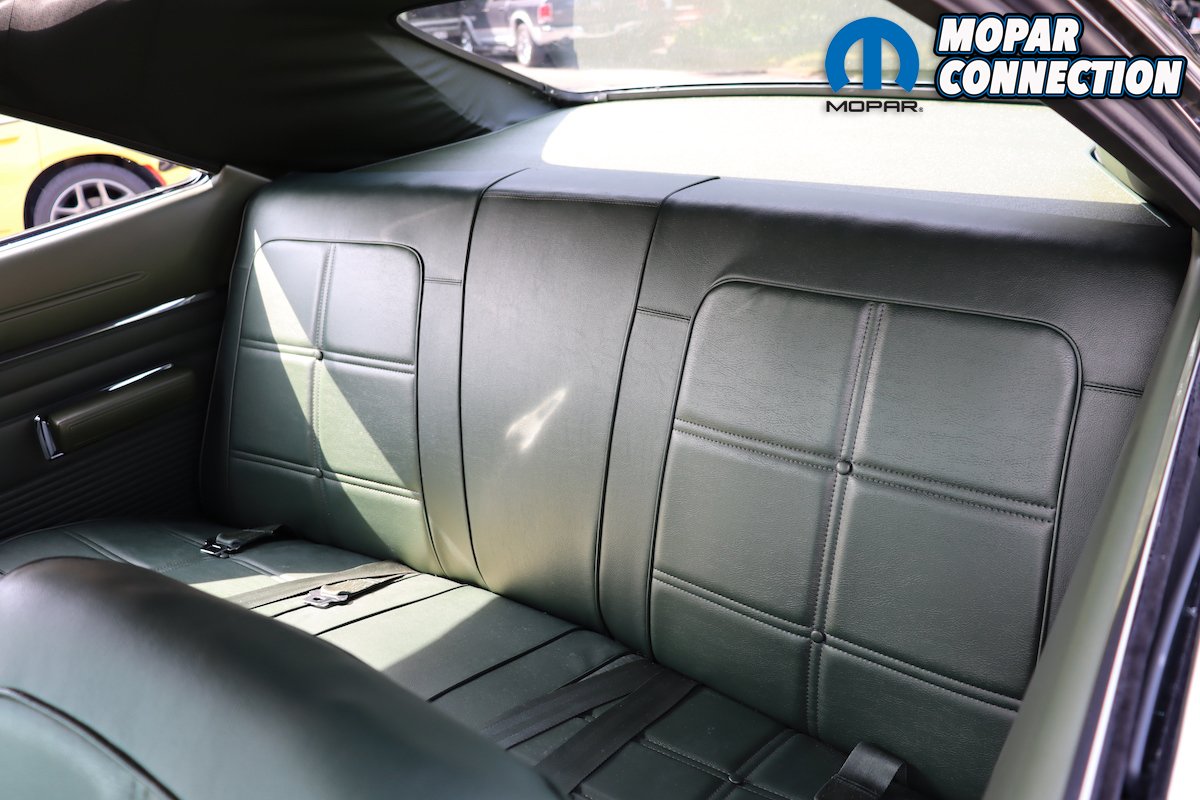
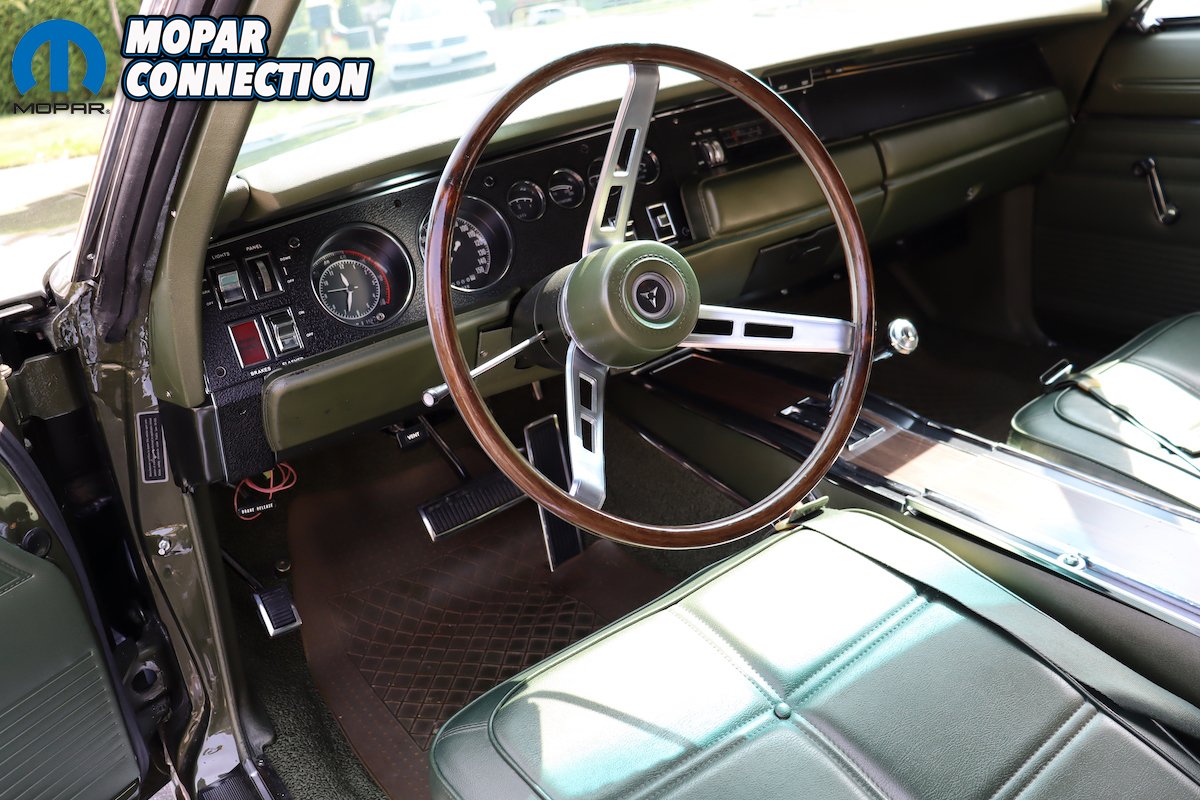
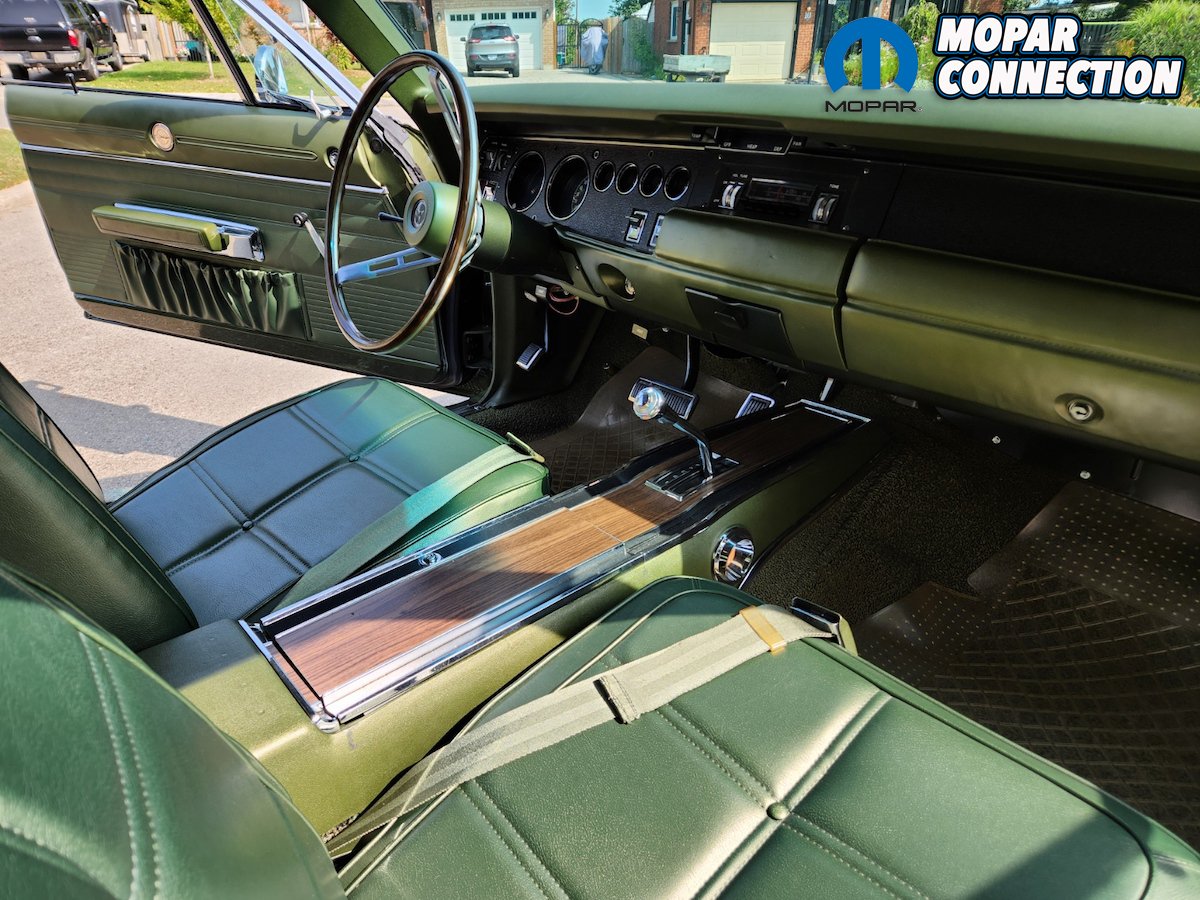
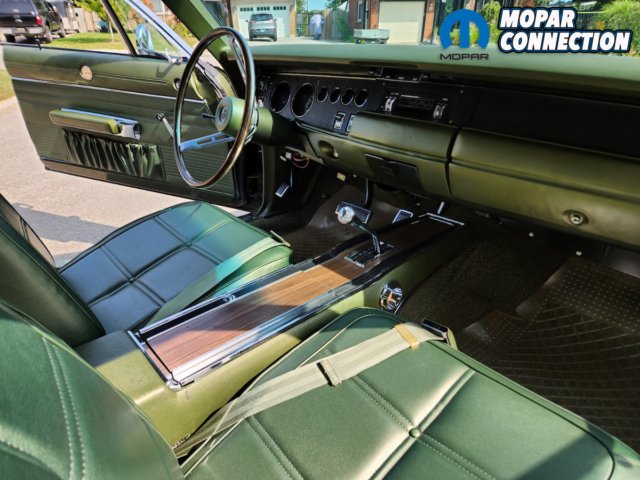
With the bodywork and paint completed, and to ensure that the cabin reflected the same level of craftsmanship and authenticity that had been applied to the exterior and engine bay. Every component was evaluated, refurbished, or replaced as needed, with careful attention paid to factory‑correct materials, textures, and finishes. By the time the interior work was complete, the cockpit presented itself with the same fresh, precise appearance as the rest of the car, creating a cohesive restoration that honored the Charger 500’s original character.
Bill took the lead on installing the interior, completing the majority of the work himself with assistance from his friend Brian, who helped with the seat covers. The results speak for themselves—the dash, door panels, carpet, and headliner all present beautifully.
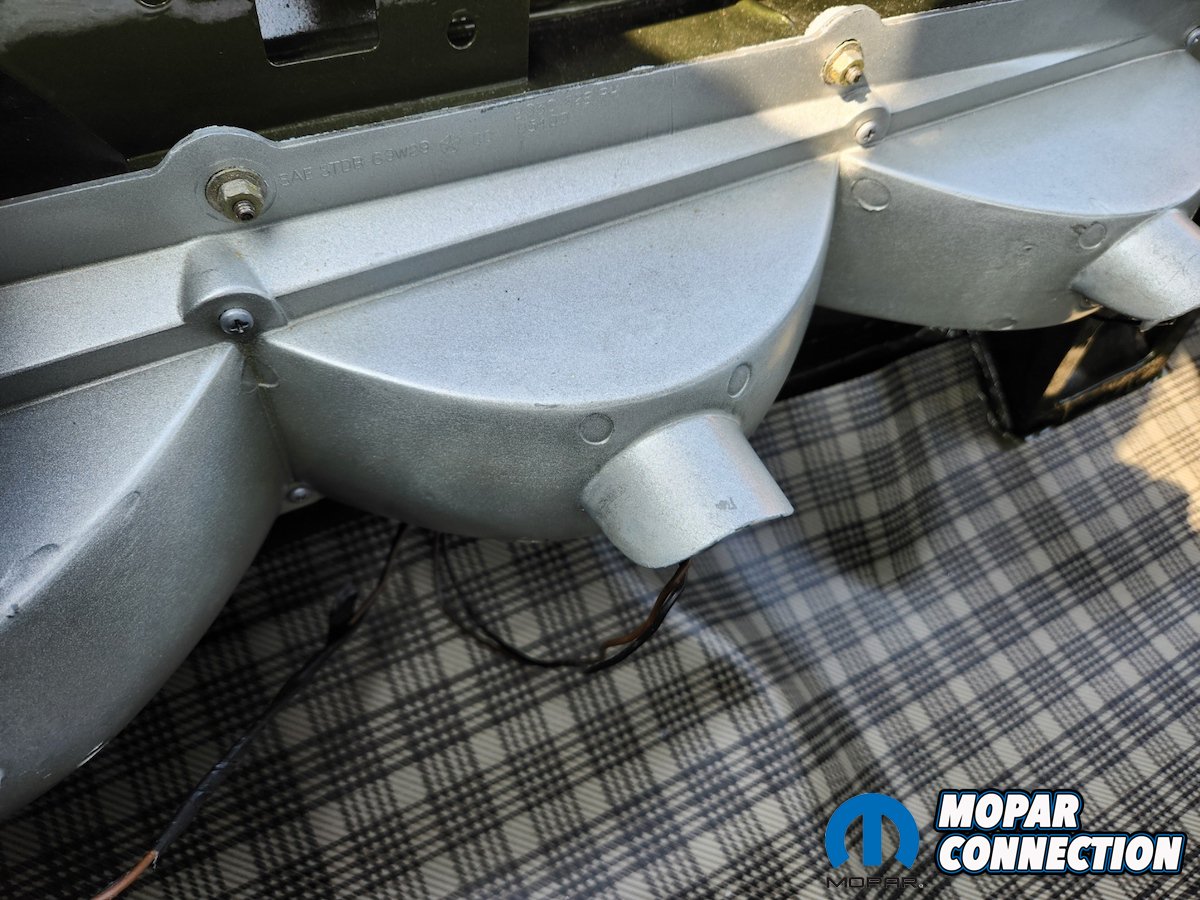
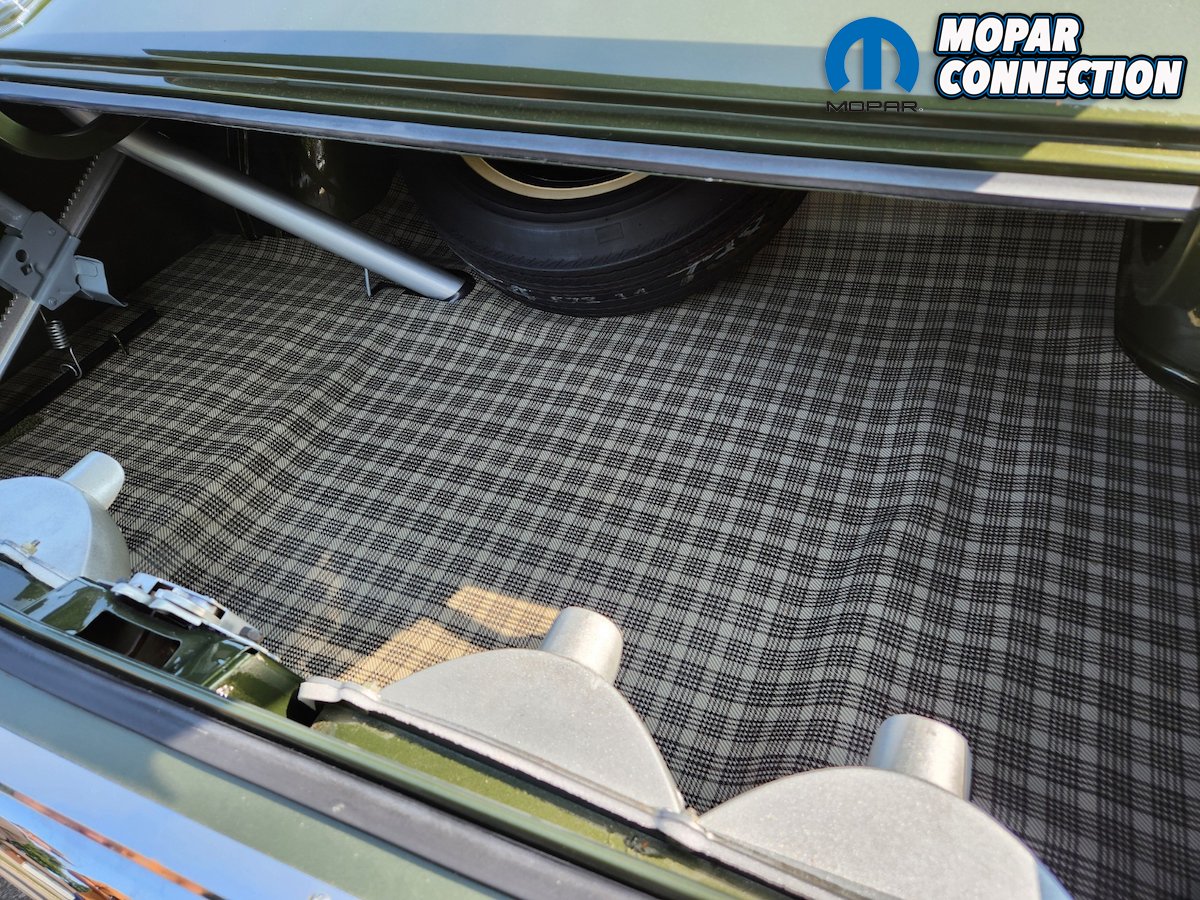
The Charger 500 carries several subtle features that distinguish it from a standard 1969 Charger—details so understated that many enthusiasts never notice them. One of the most unusual differences is found in the taillight housing. Although the lenses themselves are identical to those on a regular Charger, the 500 uses a housing that lacks the typical rear cover. This detail is only visible when the trunk is open, making it one of those quiet engineering quirks recognized mainly by seasoned Mopar restorers. Whether this design resulted from early production practices or was simply a functional choice specific to the 500 program remains a topic of discussion among experts.
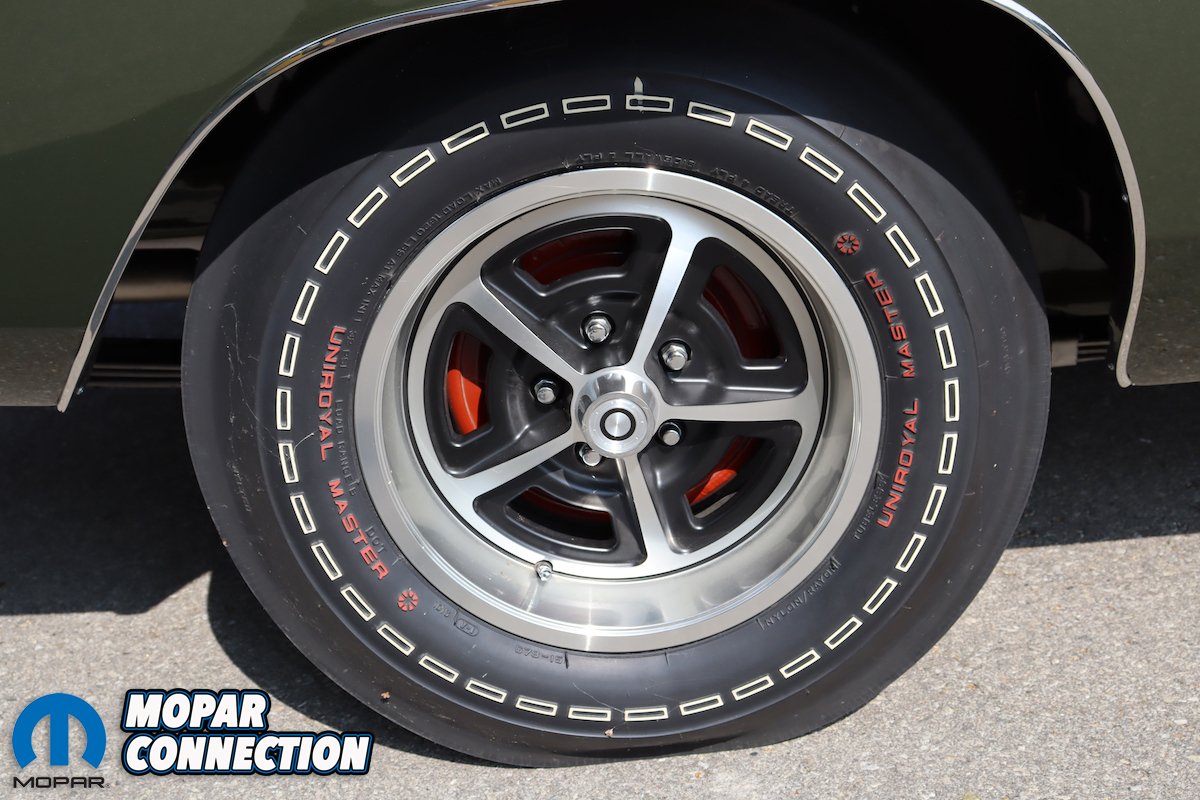
Another noteworthy detail is the set of 1970–71 G78‑15 Uniroyal Master tires the car rides on. These tires are exceptionally rare today—so rare, in fact, that a separate Mopar publication once photographed this very set for use in a feature article. Mounted on classic Magnum 500 wheels, they complete the authentic, period-correct stance that a Charger 500 deserves.
On the day scheduled for the photo shoot, the car developed a starter issue, so we ended up rolling it out onto the road to capture the images. I owe a sincere thanks to Bill, along with his friends and neighbors, for lending their hands to help move the car. This Charger 500 stands not only as a piece of automotive art but also as a tangible reminder of the lengths Chrysler went to win races—and, ultimately, to sell cars.