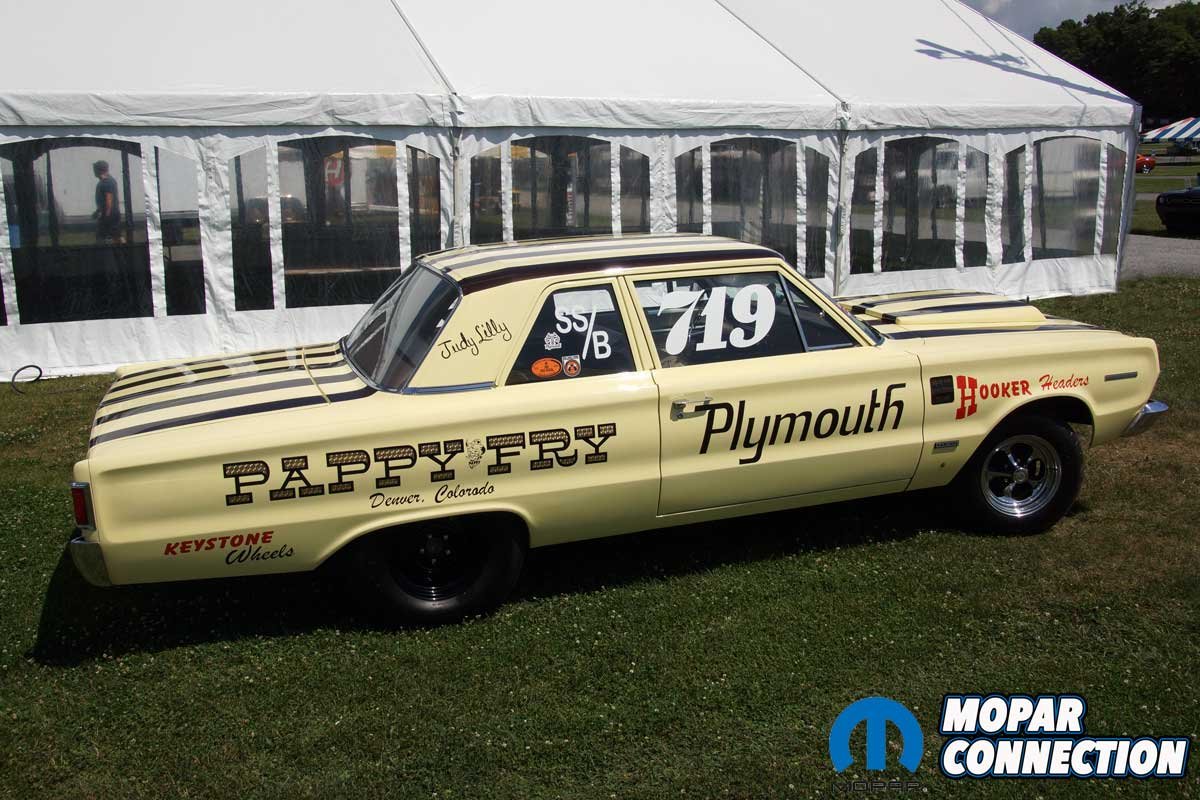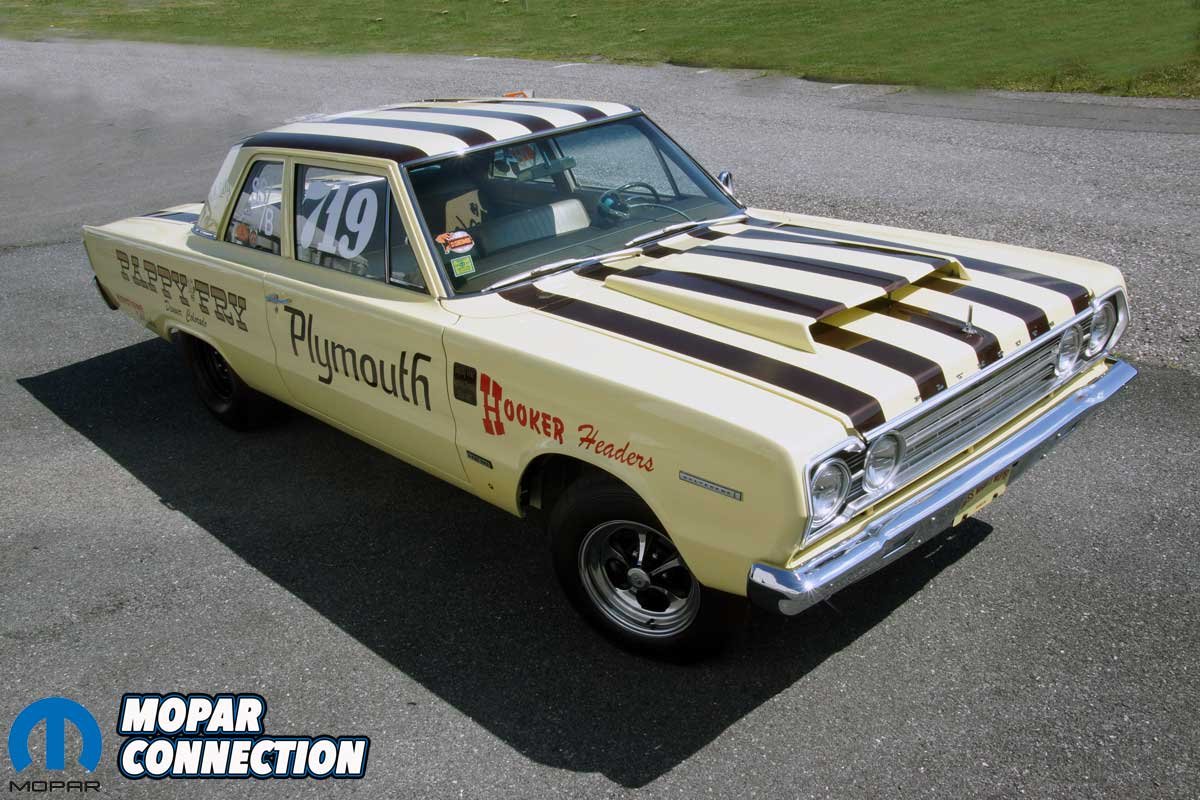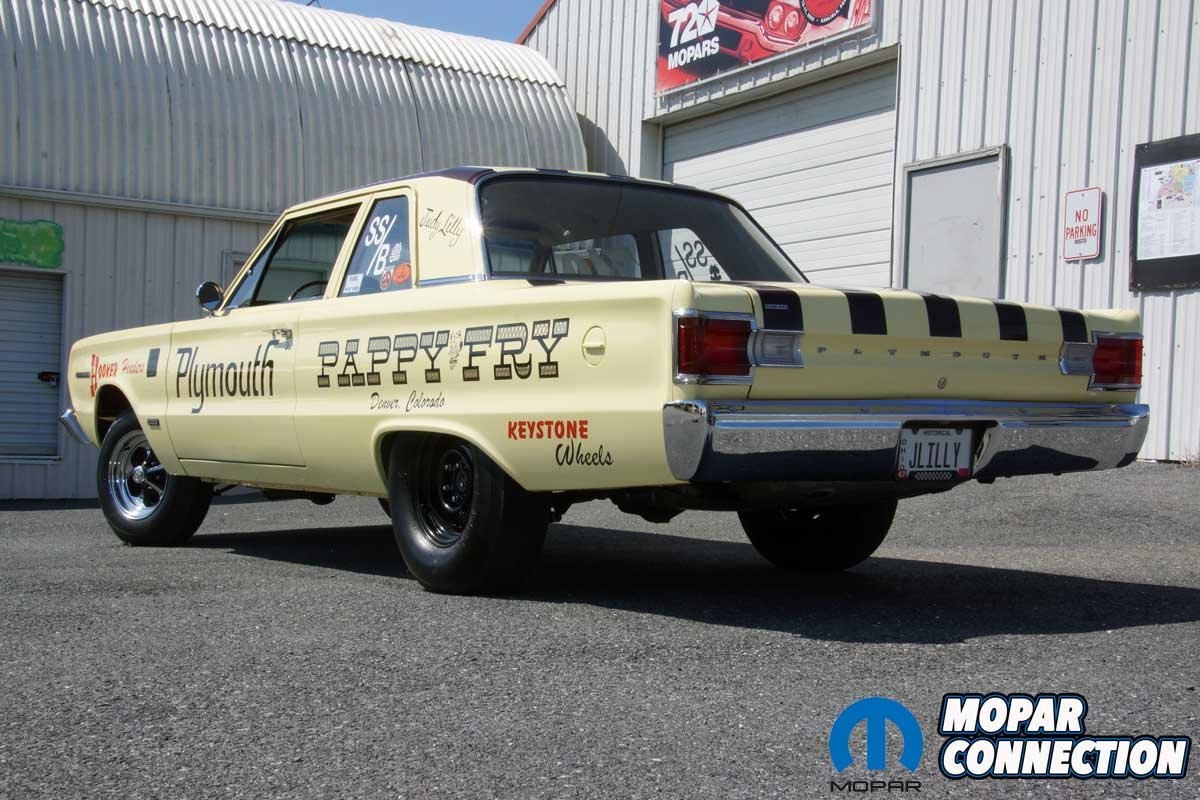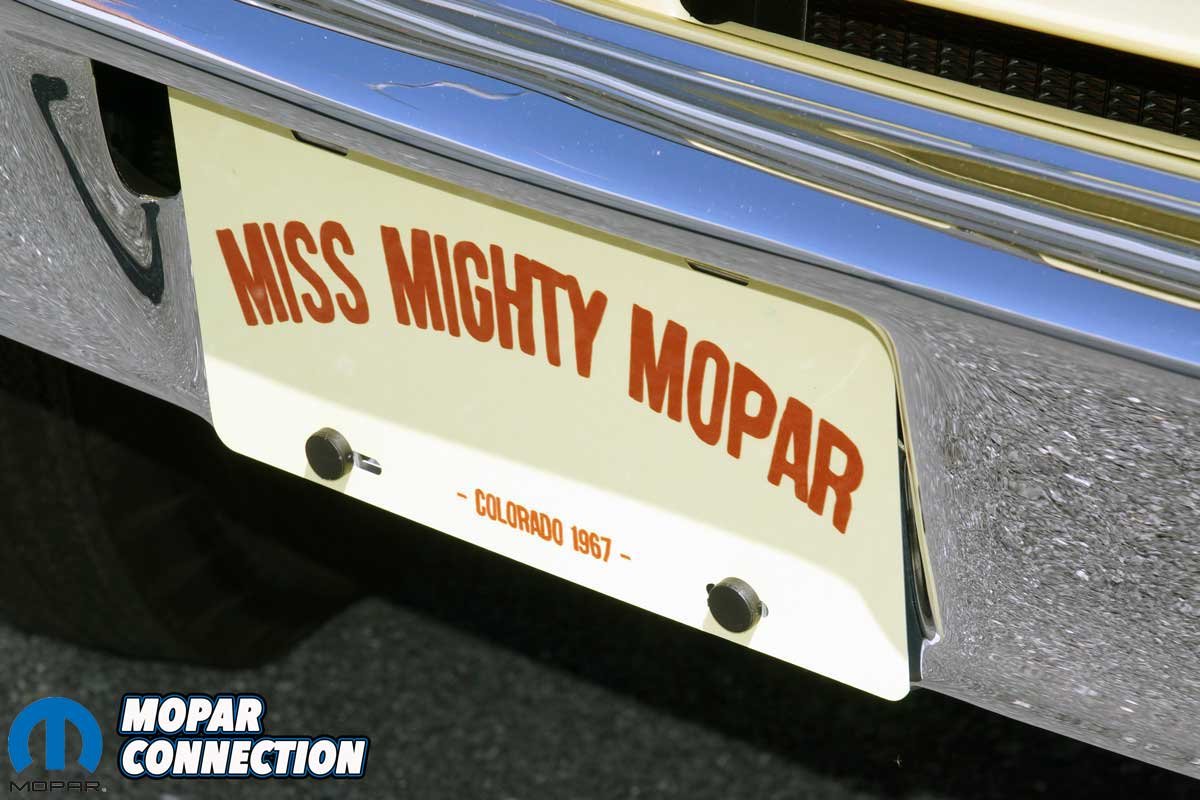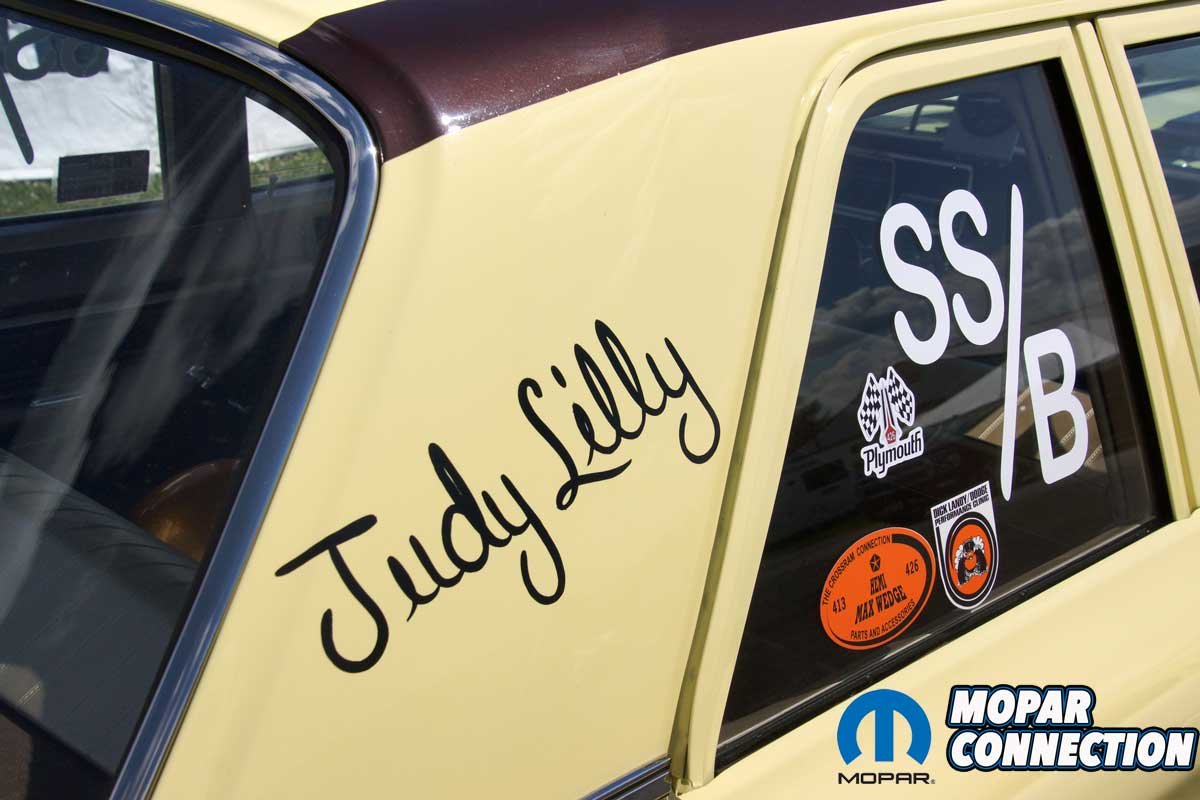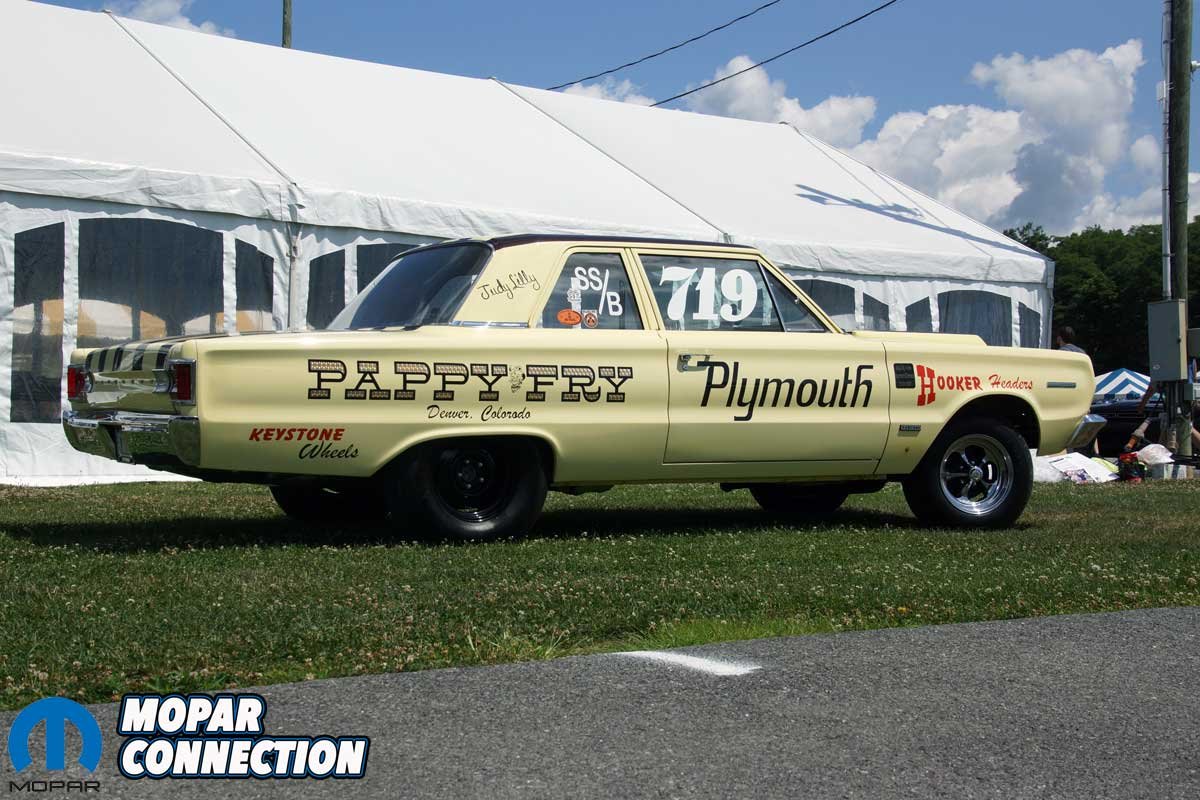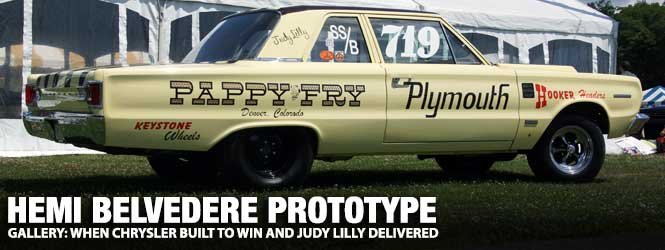
The Plymouth Belvedere will always occupy a unique space in Mopar history. Still, the car campaigned by Judy Lilly stands apart as something far more calculated than a no-frills production-based race car. It was a machine built with purpose, stripped of compromise, and positioned in the hands of a driver who would help redefine expectations in Super Stock competition.
By the mid-nineteen sixties, Chrysler Corporation had already established itself as a dominant force in drag racing. The Hemi engine program had proven its worth, but the next step required more than horsepower. It necessitated precision. It entailed weight reduction. And it involved drivers who could consistently deliver results under pressure. Judy Lilly fit that vision.
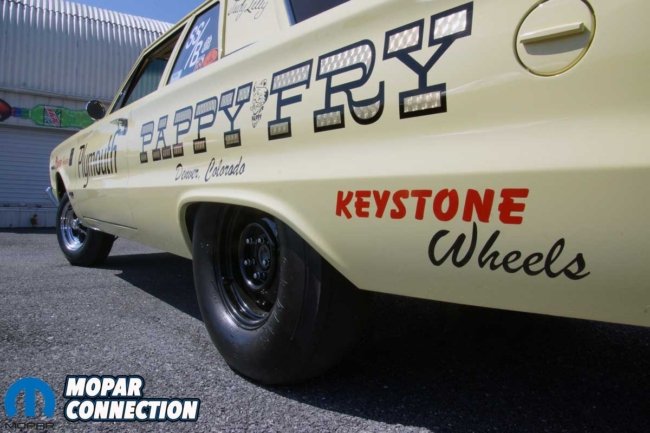
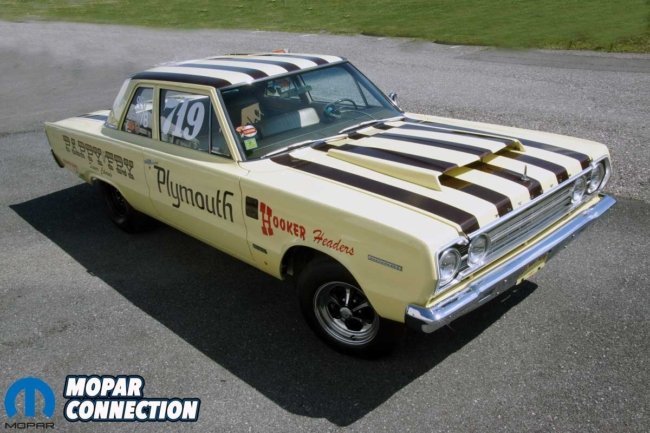
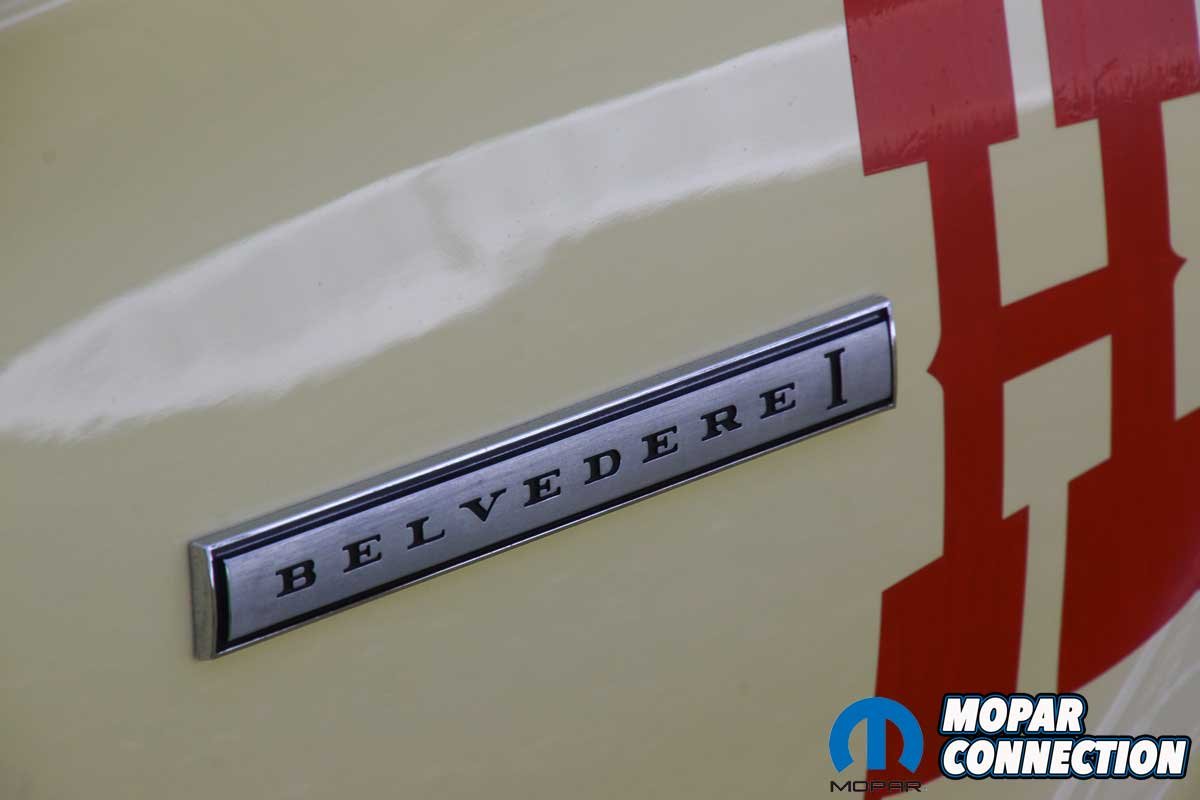
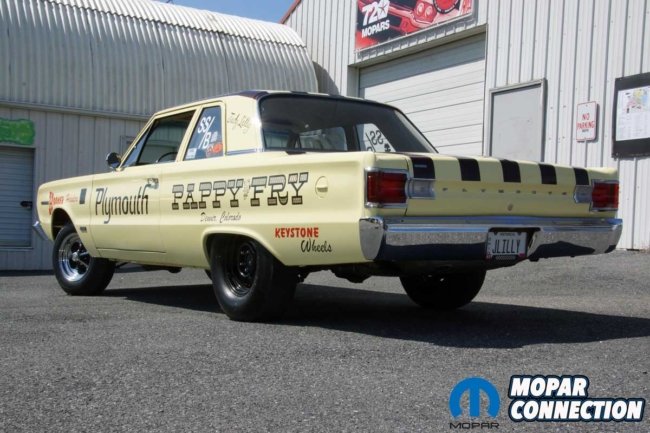
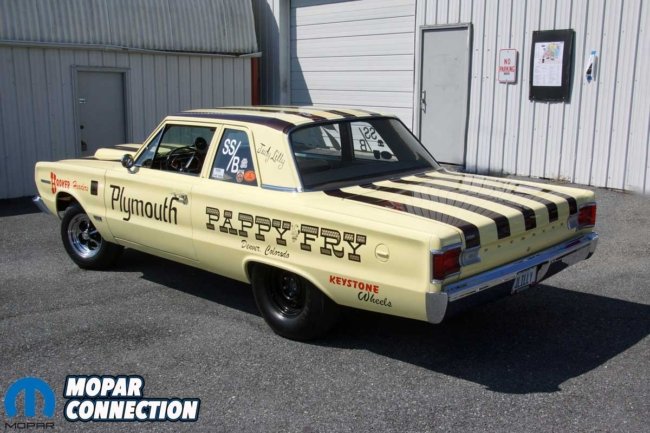
Lilly had already built a reputation as a talented and tenacious competitor. Her early success behind the wheel of a Chevrolet Corvette exhibited both dexterity and poise, qualities that did not go overlooked by factory officials. When Chrysler extended support, it was not symbolic. It was strategic. They supplied her with a purpose-built 1967 Belvedere I that obscured the line between a production car and race car.
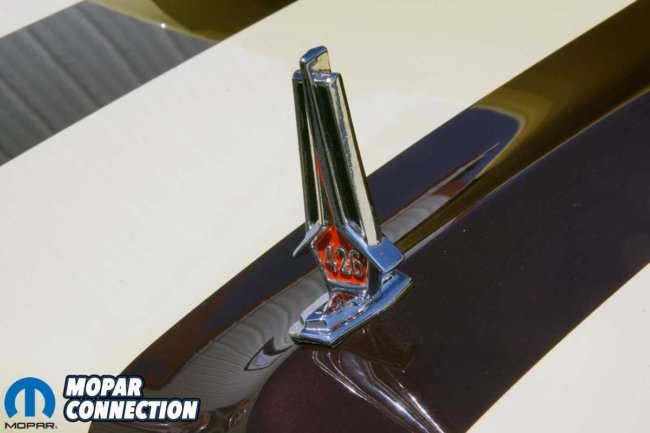
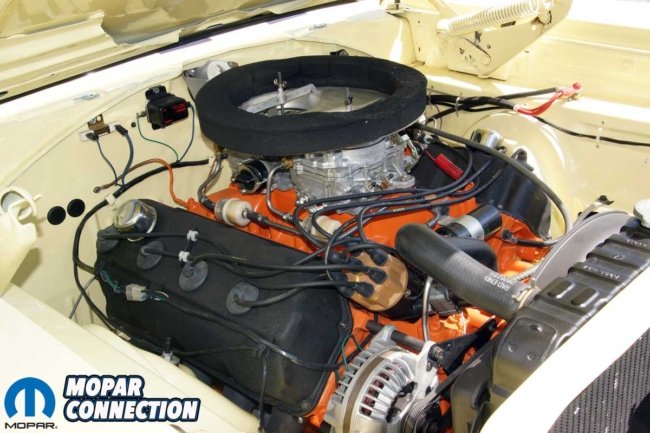
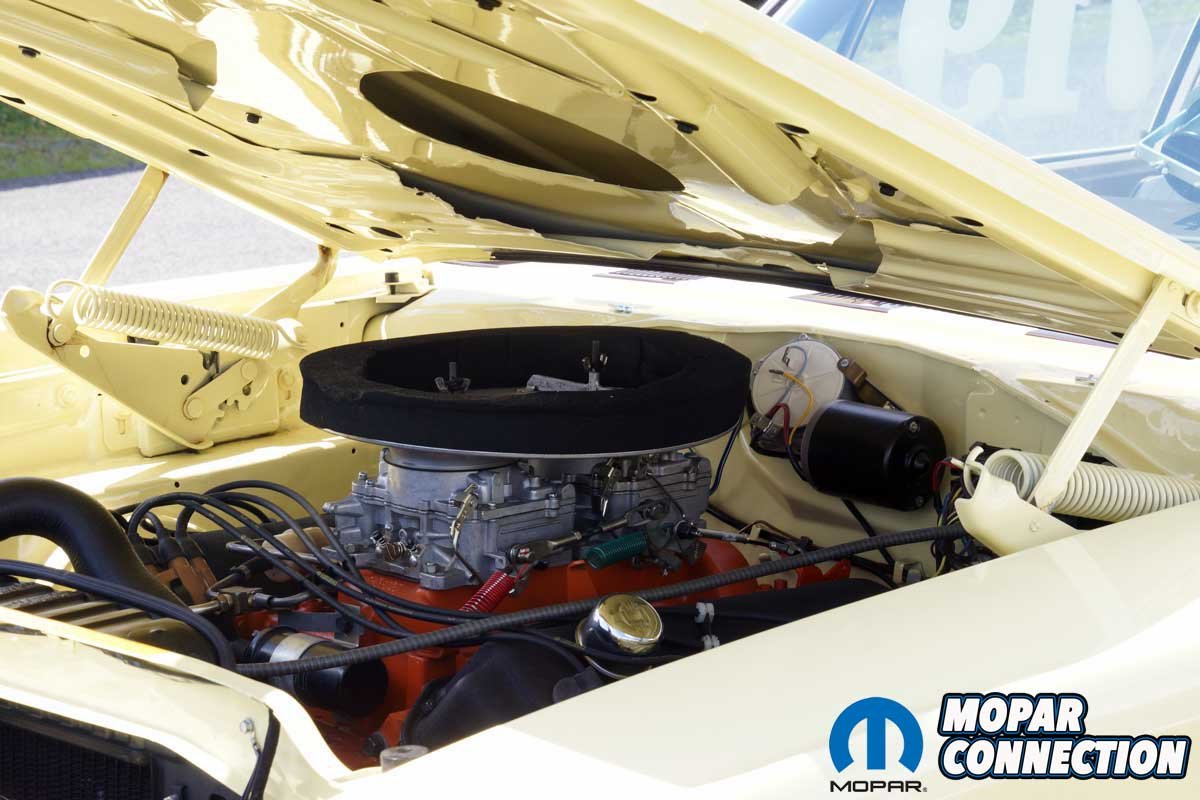
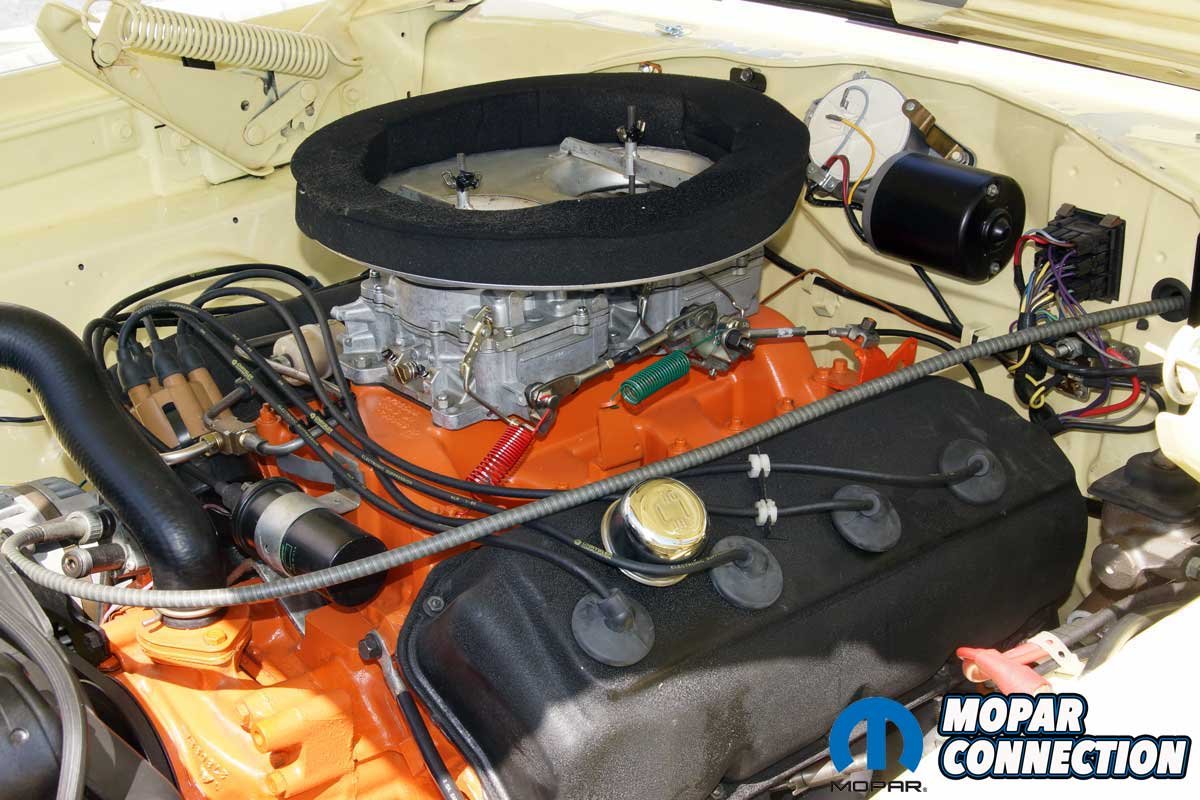
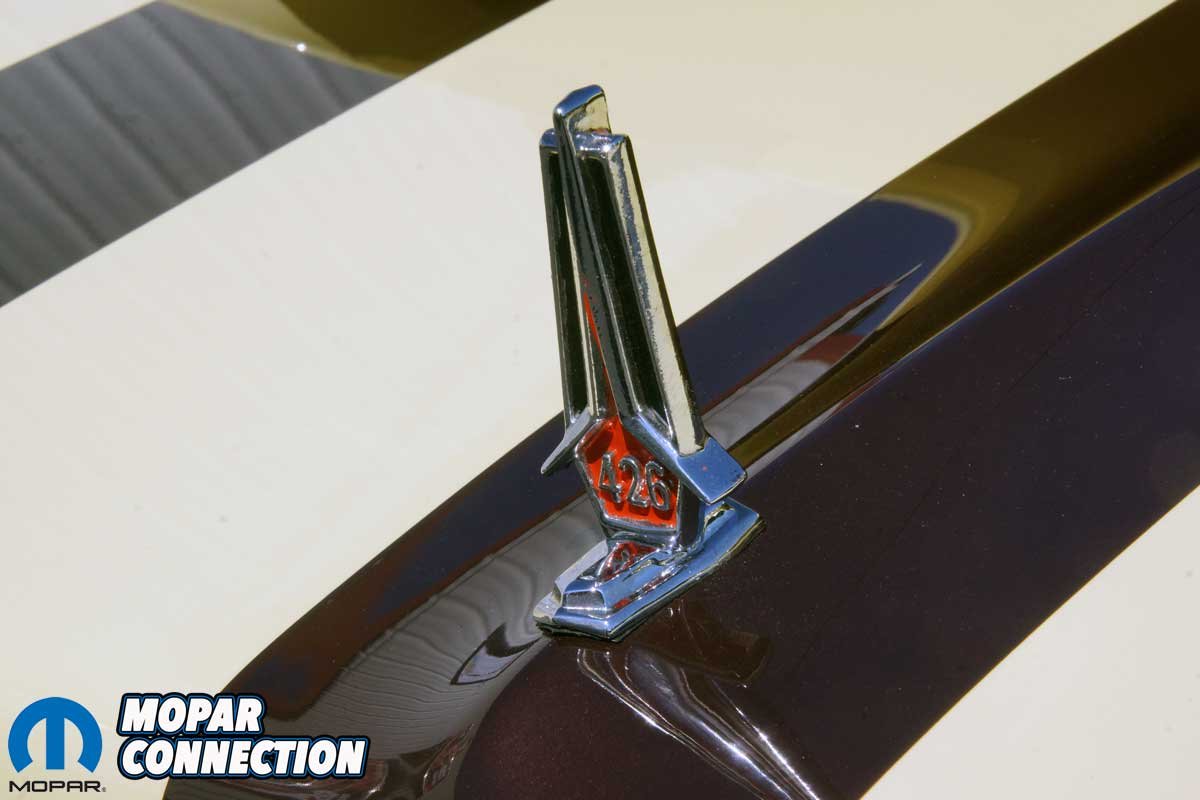
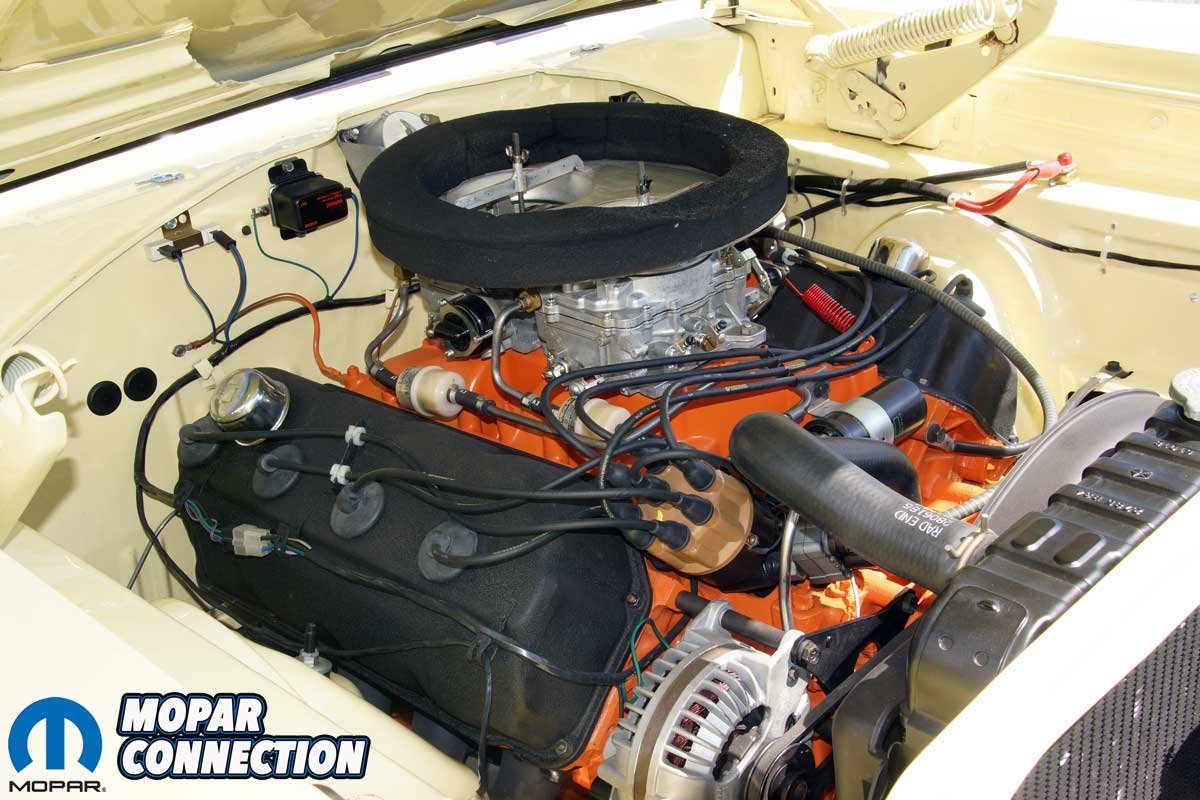
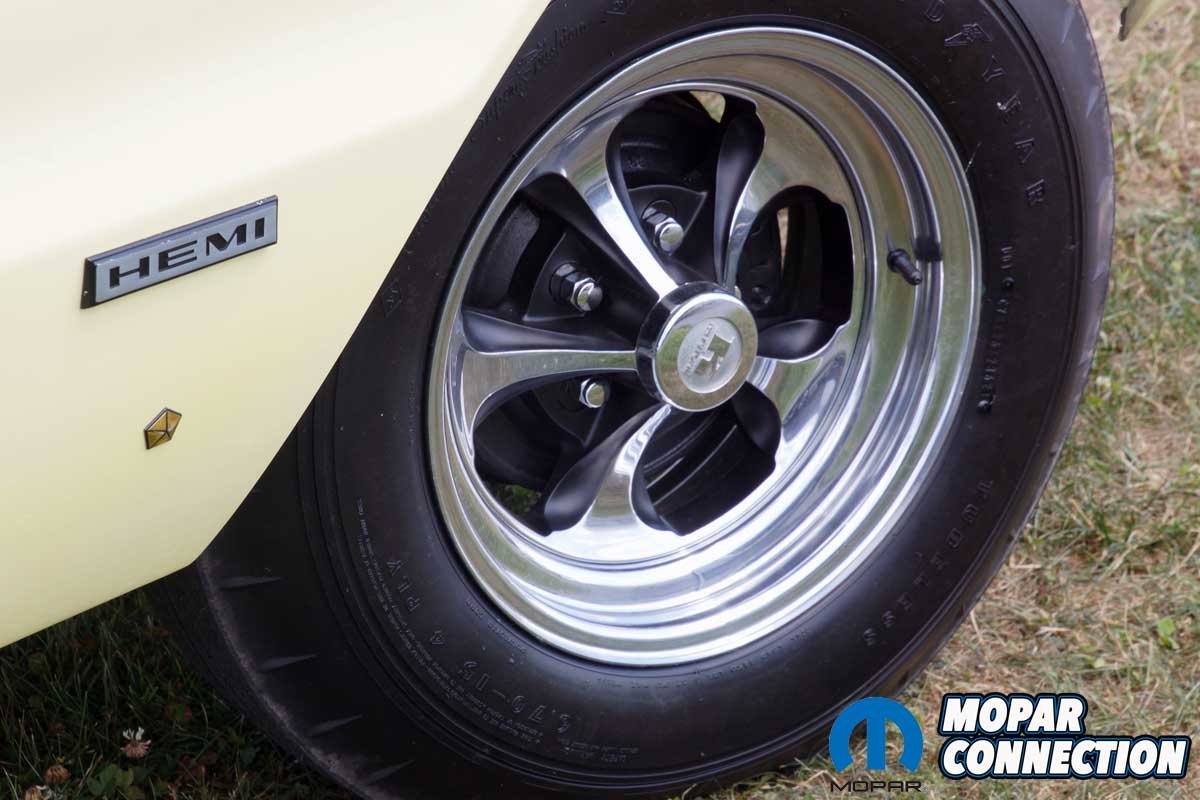
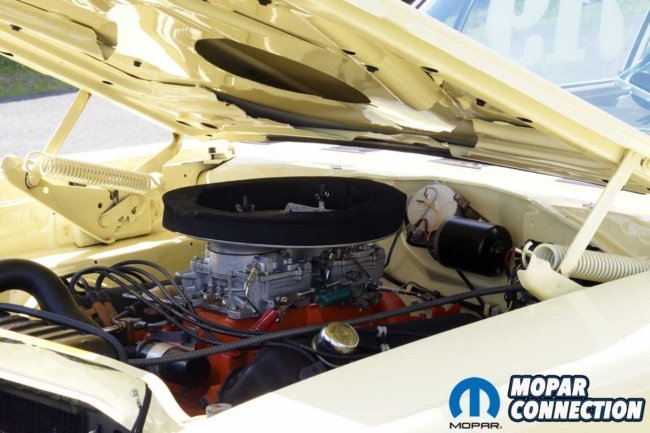
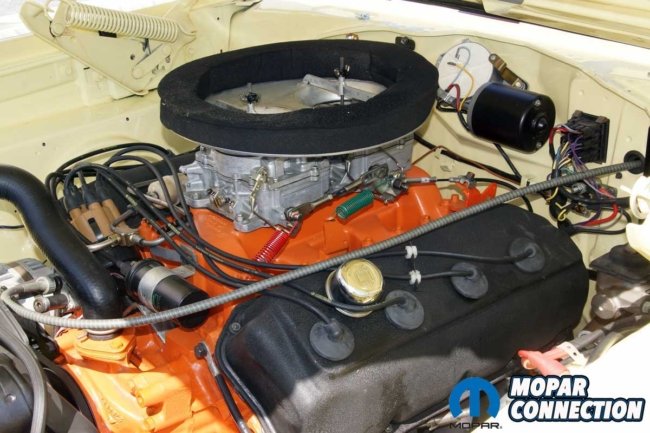
Under the hood sat the formidable 426 Street Hemi, paired with an A833 four-speed transmission and backed by a Dana 60 rear axle. On paper, the combination was familiar. In execution, it was anything but ordinary. It was not simply a car pulled from the line and lightly modified. It was a car that had been methodically reduced to its essential elements.
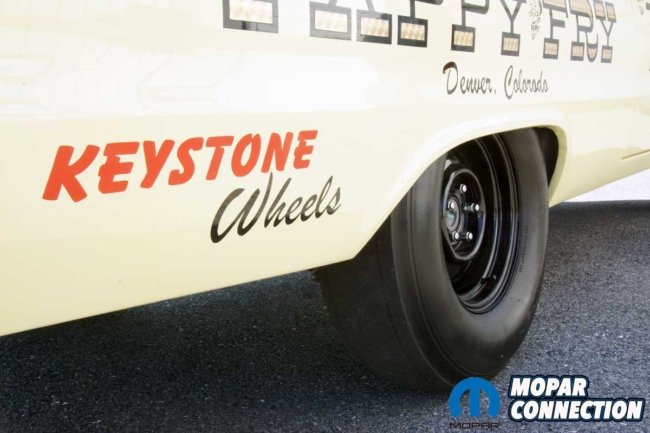
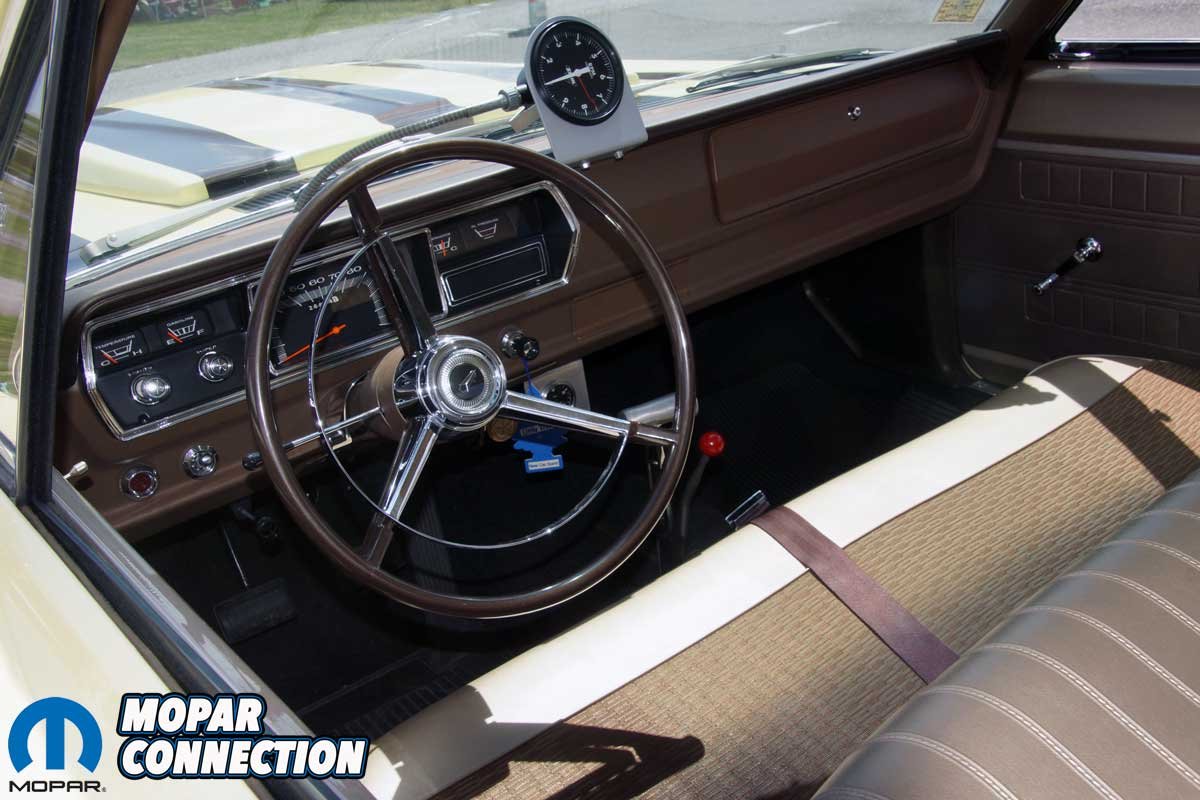
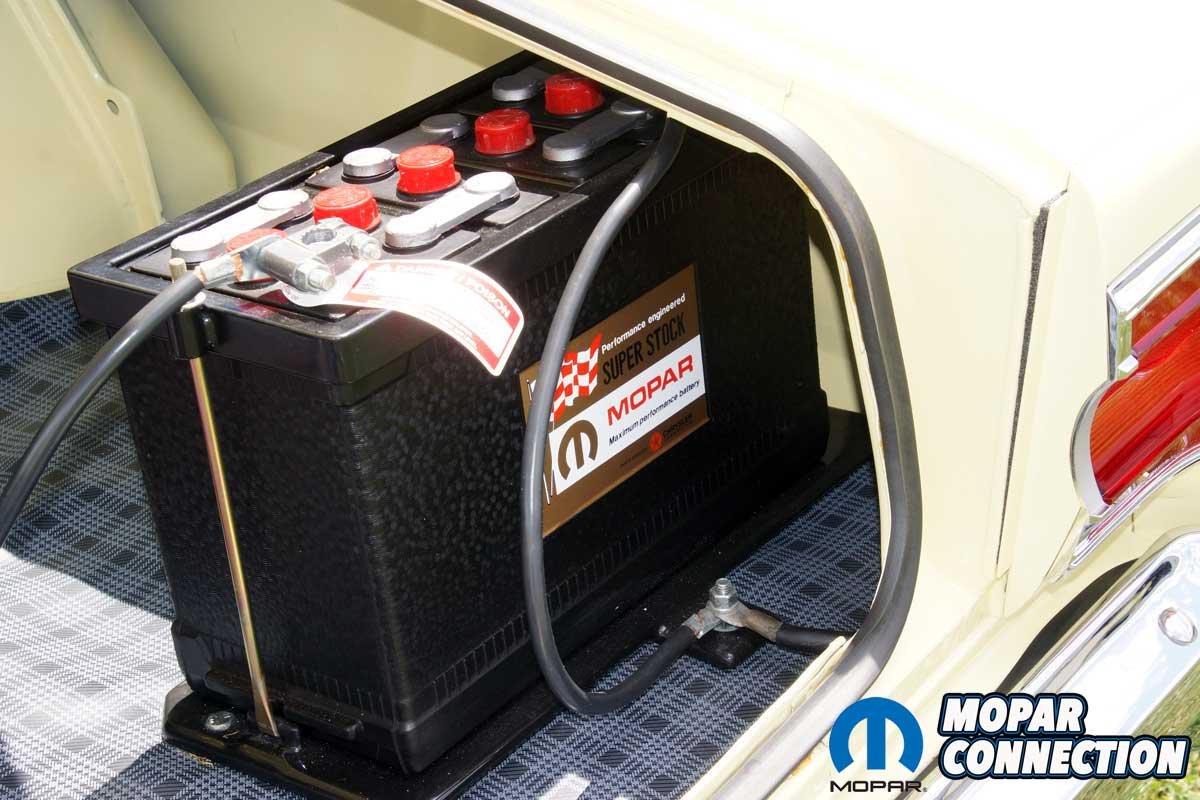
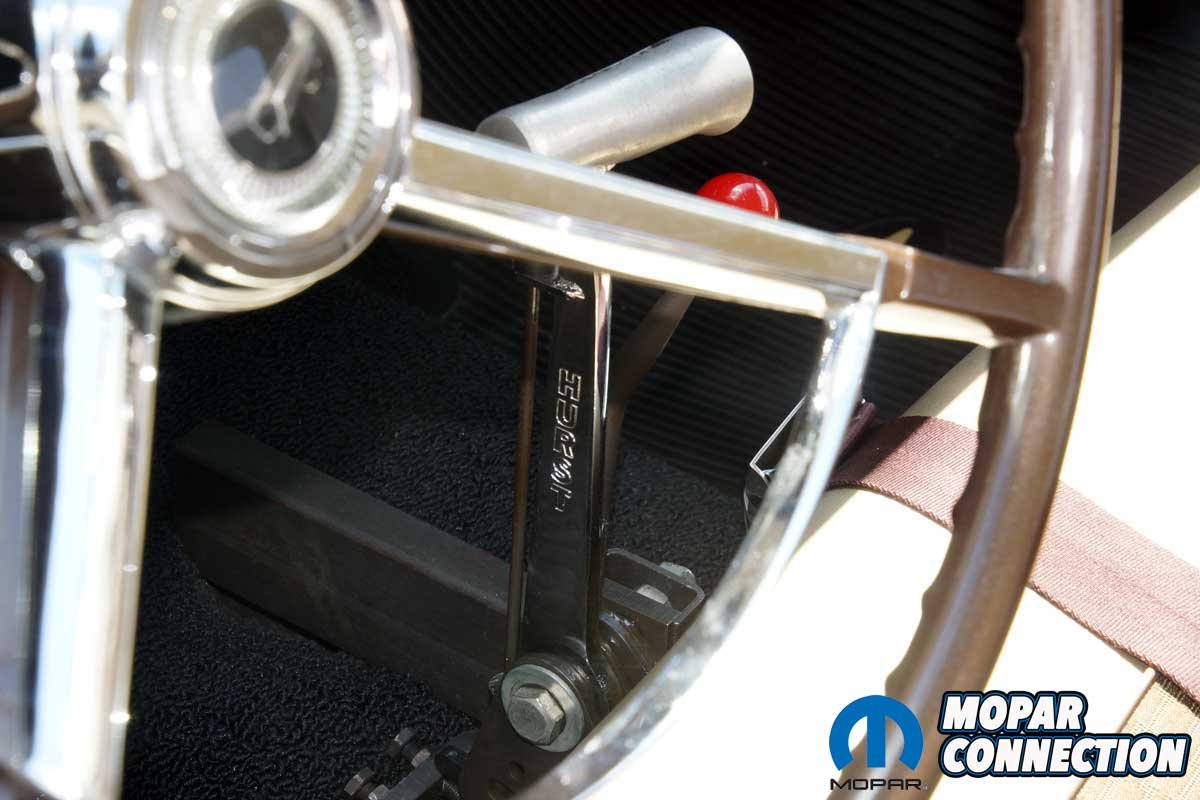
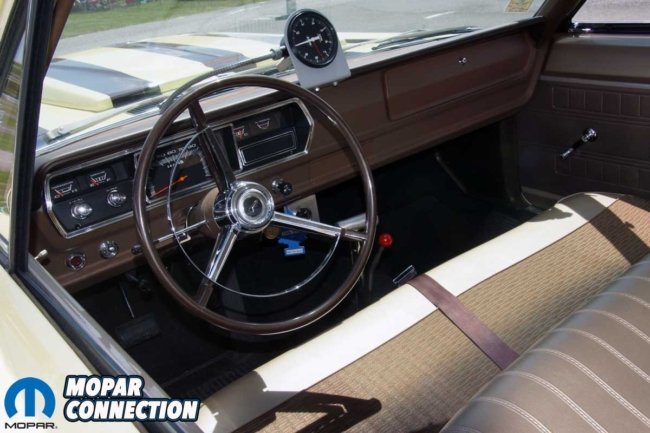
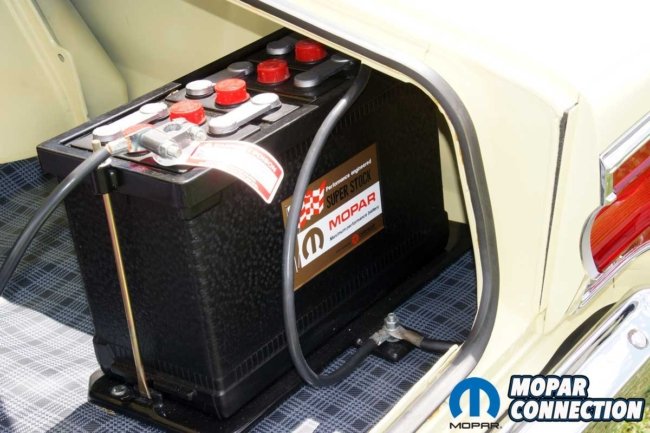
Engineers walked it through production with a critical eye, eliminating anything that did not contribute directly to performance. There was no heater. No radio. No sound deadening. Even materials that most would consider insignificant, such as padding beneath the carpet, were removed. Seam sealer was minimized. Undercoating was absent. The philosophy was simple and uncompromising. Remove weight wherever possible and let the Hemi do the rest.

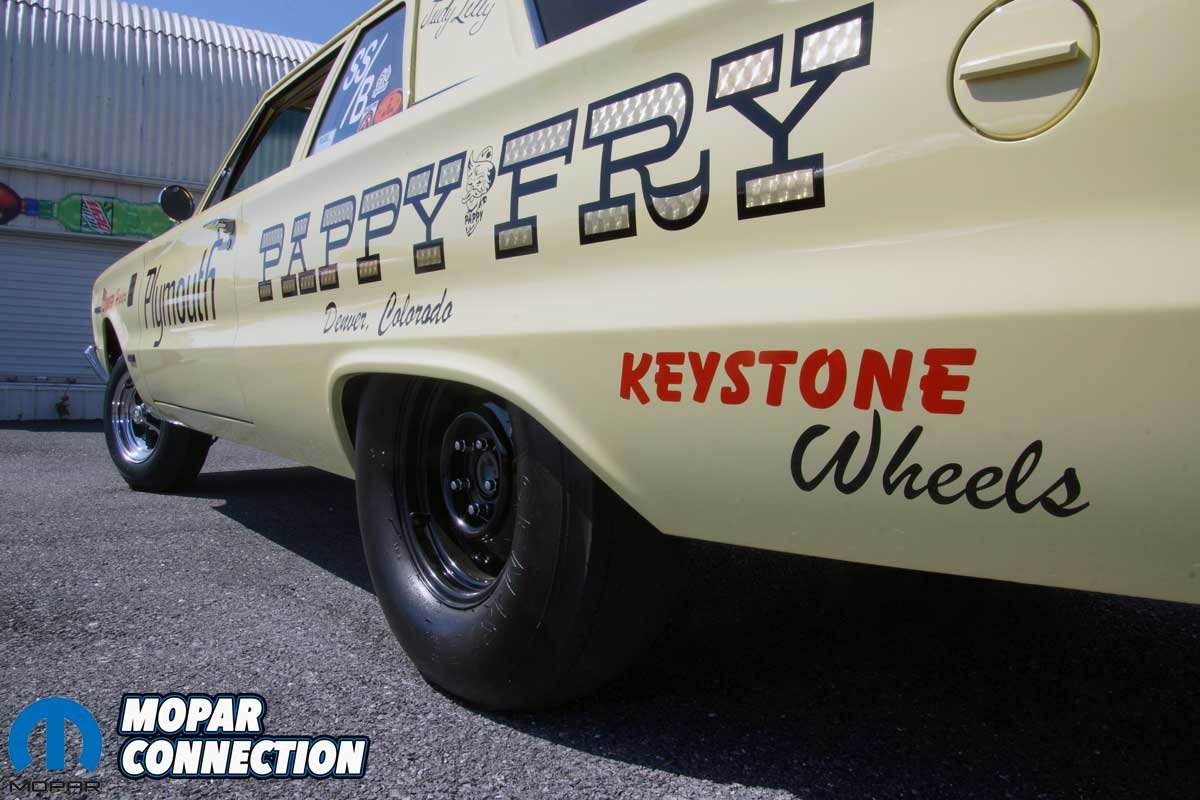
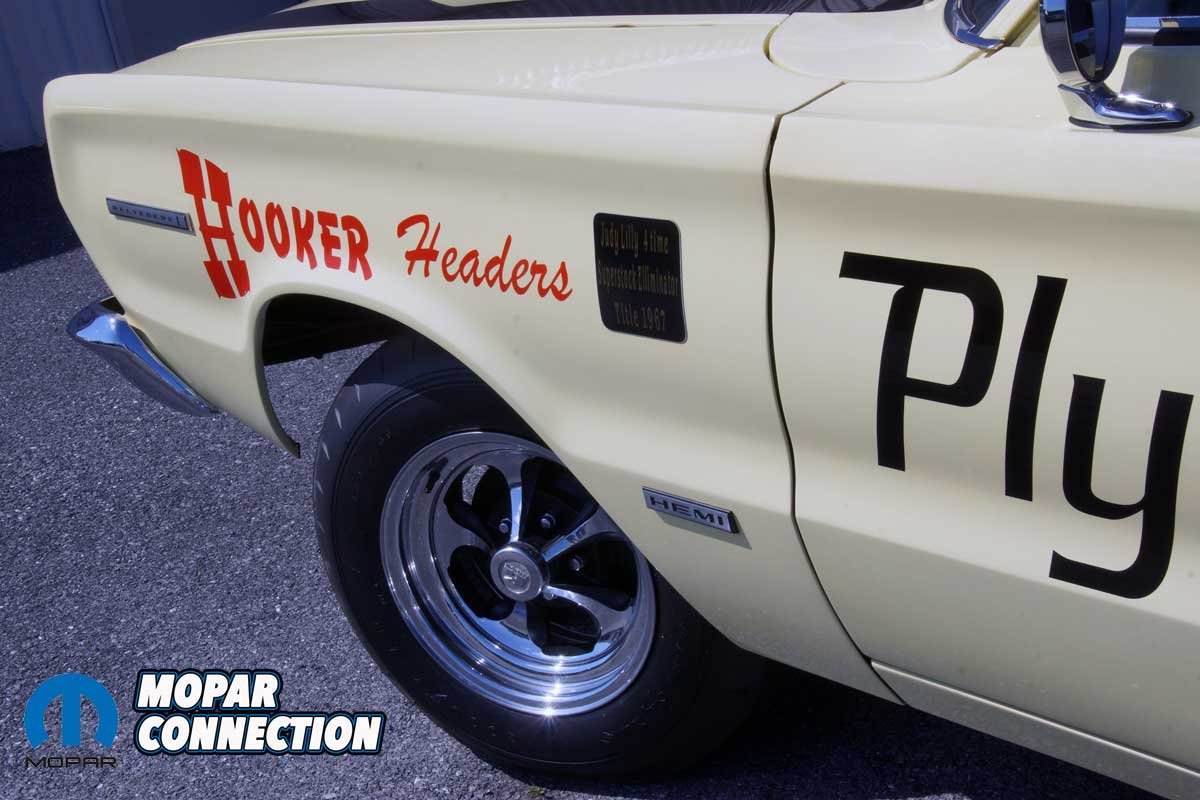
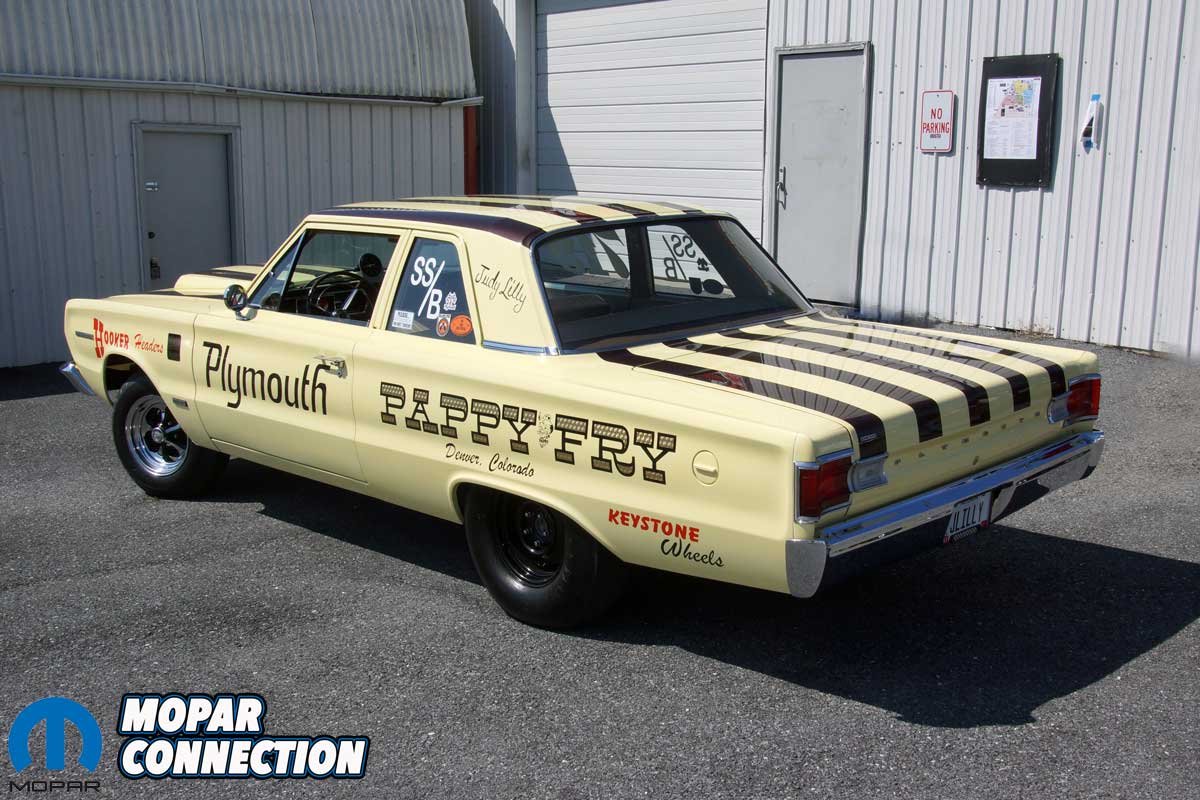
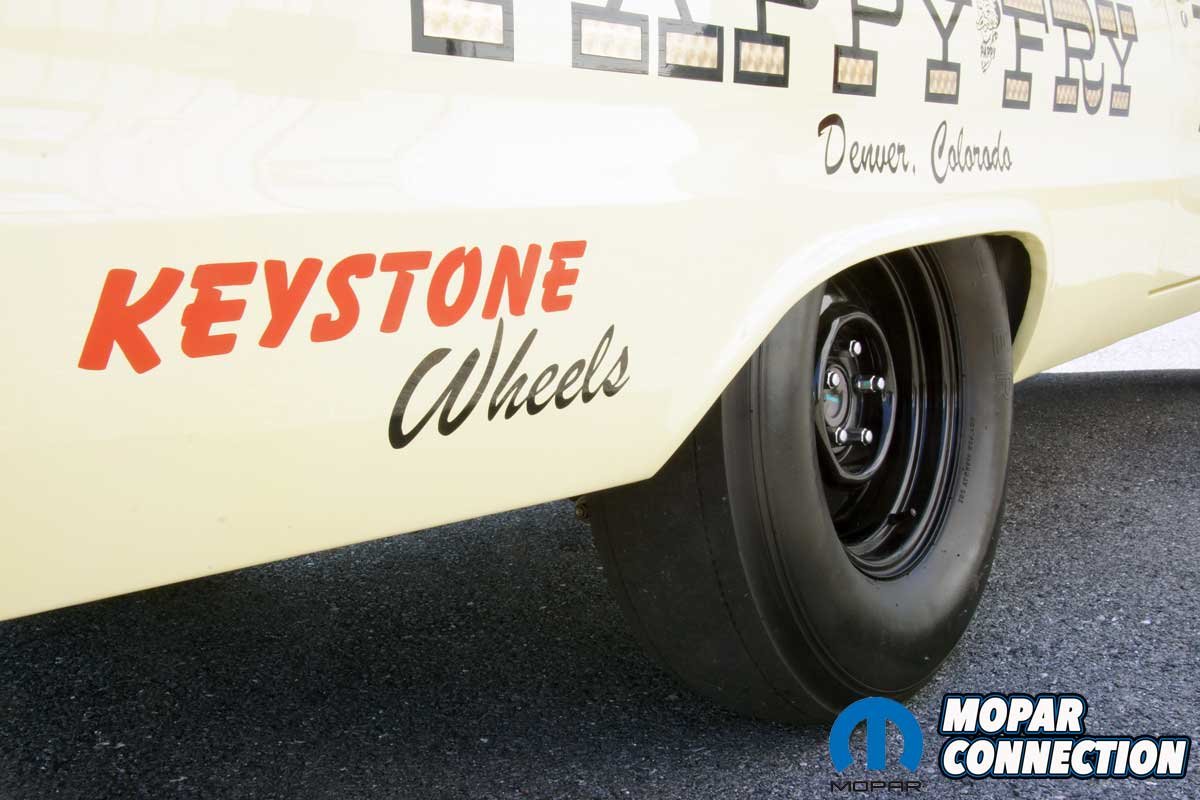
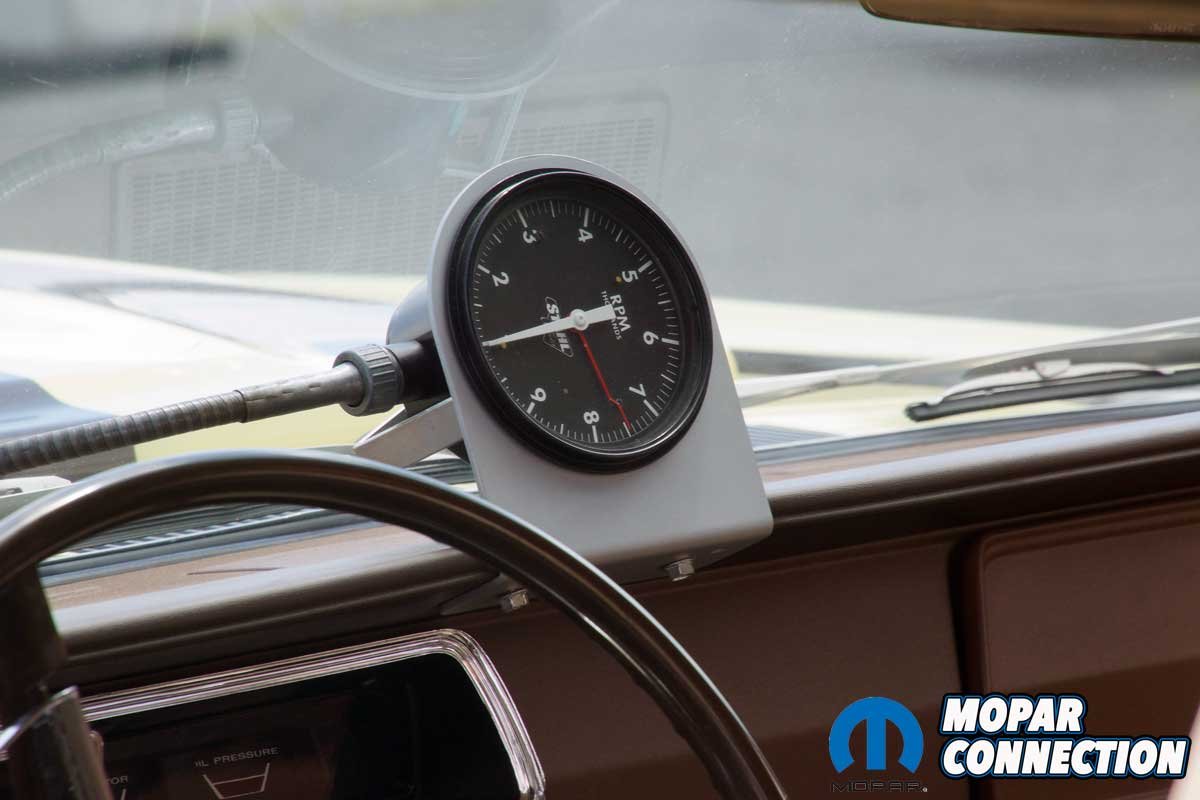
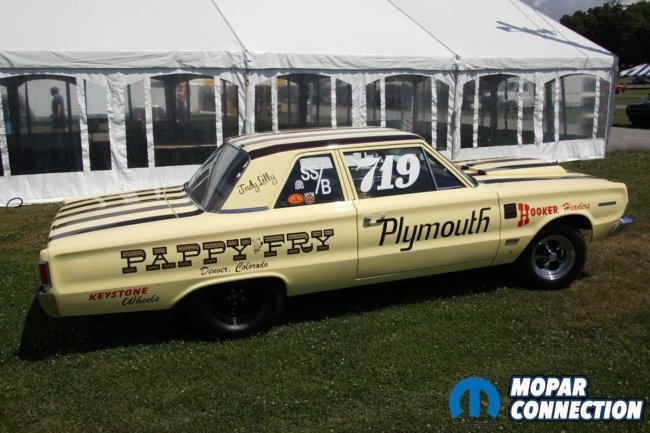
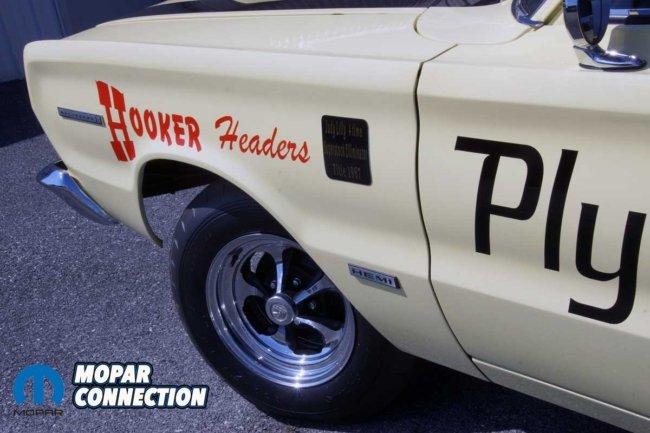
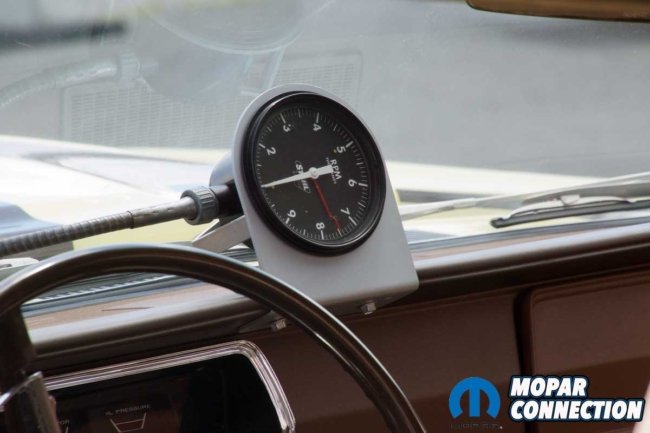
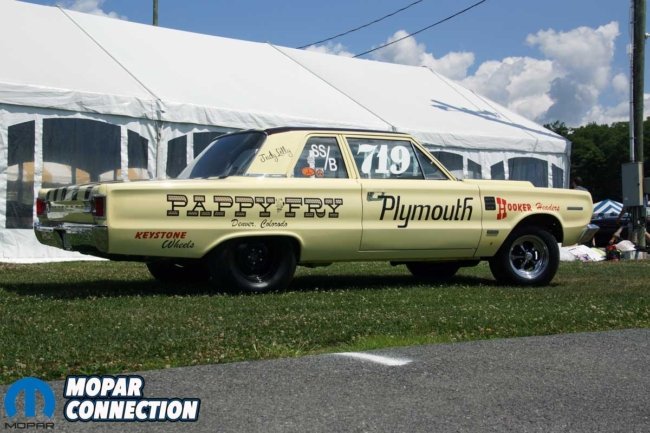
The result was a car that felt raw, immediate, and purposeful. Finished in a striking Daffodil Yellow with contrasting accents, it looked every bit the race car it was. Inside, the atmosphere reflected function over convenience, with only the bare necessities remaining to support competitive driving.
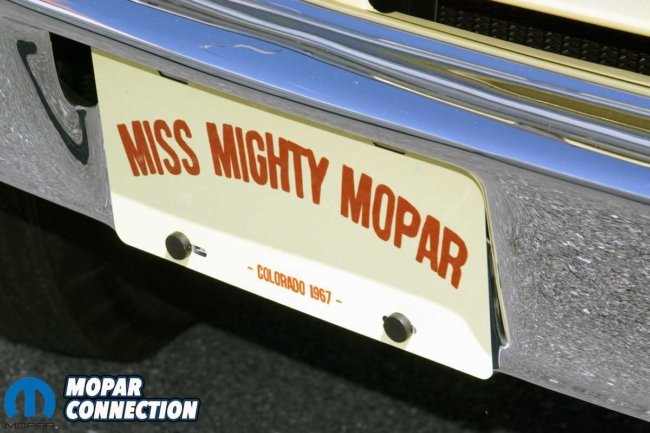
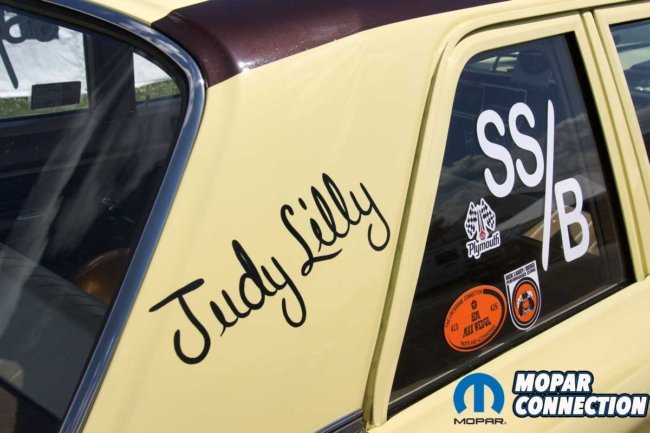
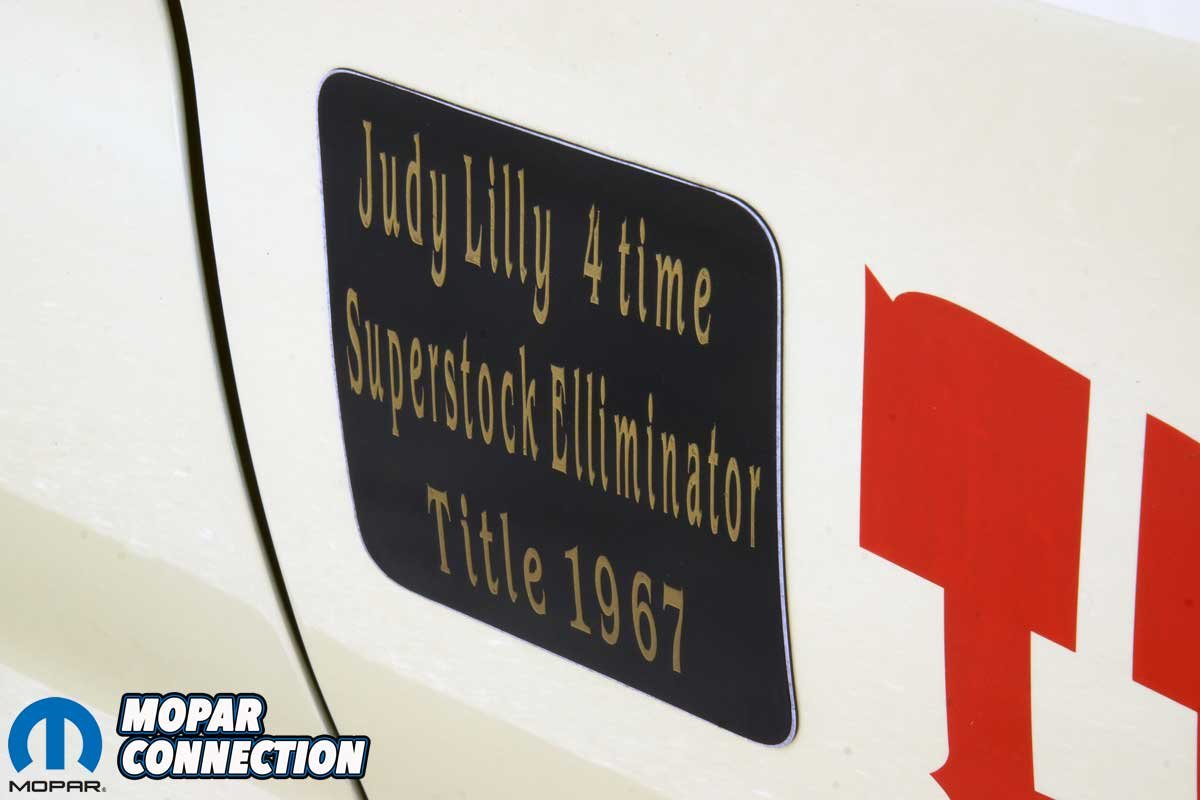
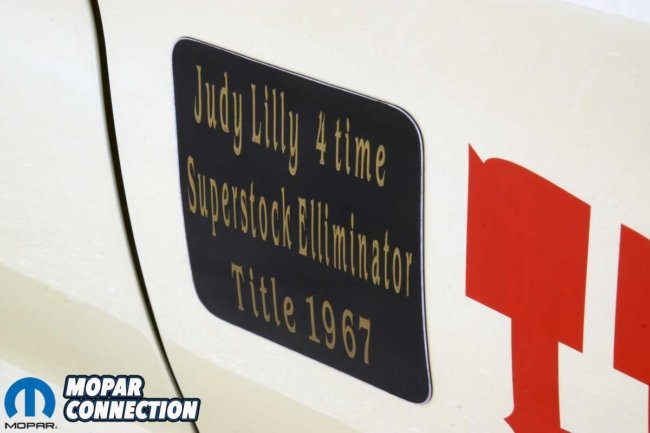
On the track, the Belvedere delivered. Competing in NHRA Super Stock, Lilly piloted the car to consistent 10-second quarter-mile passes, a benchmark that placed her firmly among the most competitive drivers in the class. Victories followed, including a memorable performance at Denver, where she secured Super Stock Eliminator honors. More significantly, she established credibility in a field that had not yet fully embraced female competitors.
The significance of this car extends beyond its performance figures. It conveys a transitional moment in factory drag racing, when manufacturers shifted from passive support to active engineering involvement. The methods applied to this Belvedere foreshadowed the development of the lightweight Hemi cars that would follow, including the RO23 program. In many ways, this car served as a proving ground for concepts that would soon define an era.
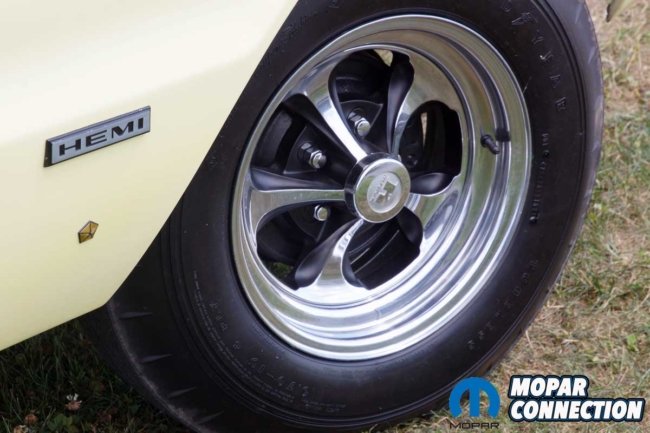
Equally noteworthy is Judy Lilly’s role. At a time when prospects for women in motorsports were limited, she demonstrated that consistency, discipline, and performance could not be dismissed. Her success helped open doors for future competitors, including pioneers like Shirley Muldowney, who would go on to achieve even greater prominence.
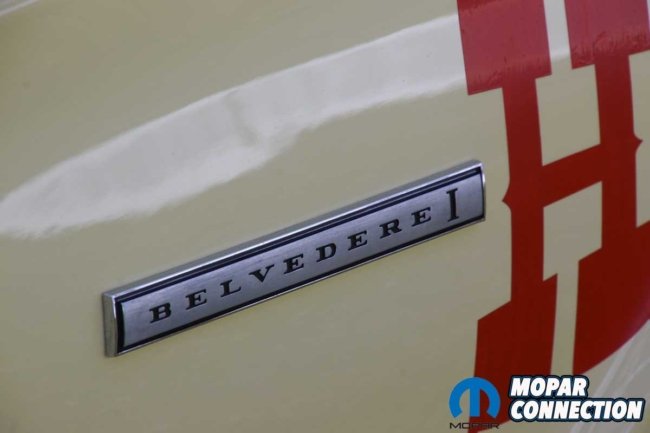
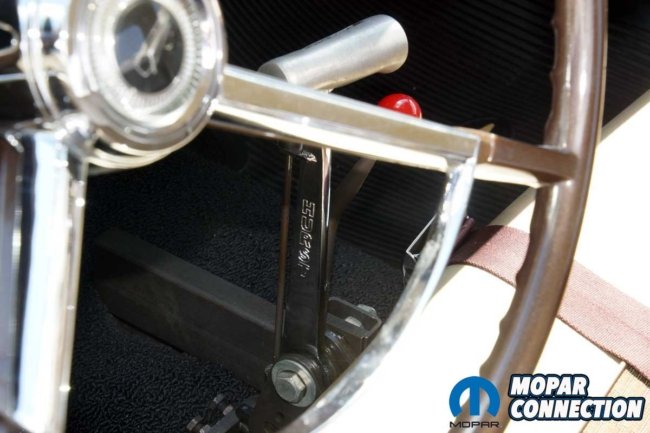
Today, the Judy Lilly Belvedere endures as more than a restored antique. It reflects a point when engineering, ambition, and opportunity aligned. It stands as a reminder that progress in motorsports is often driven not only by innovation under the hood but also by individuals willing to take the wheel and prove what is possible.