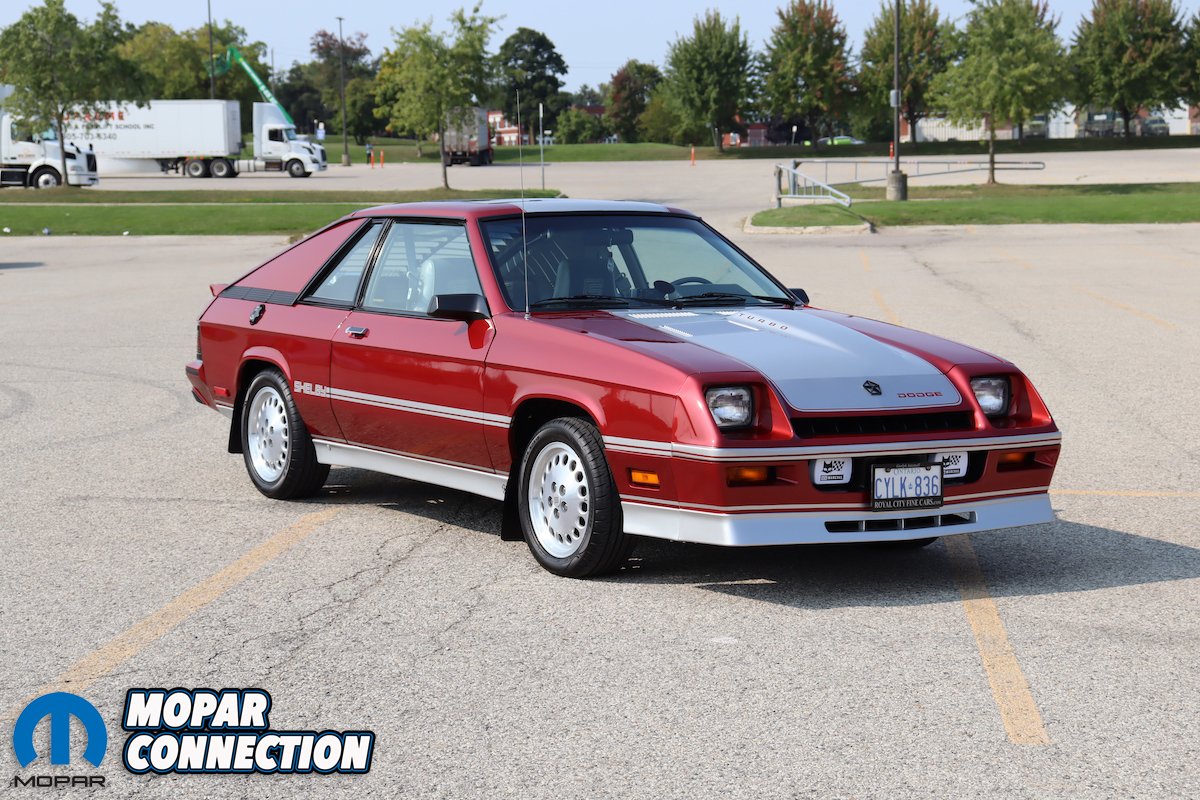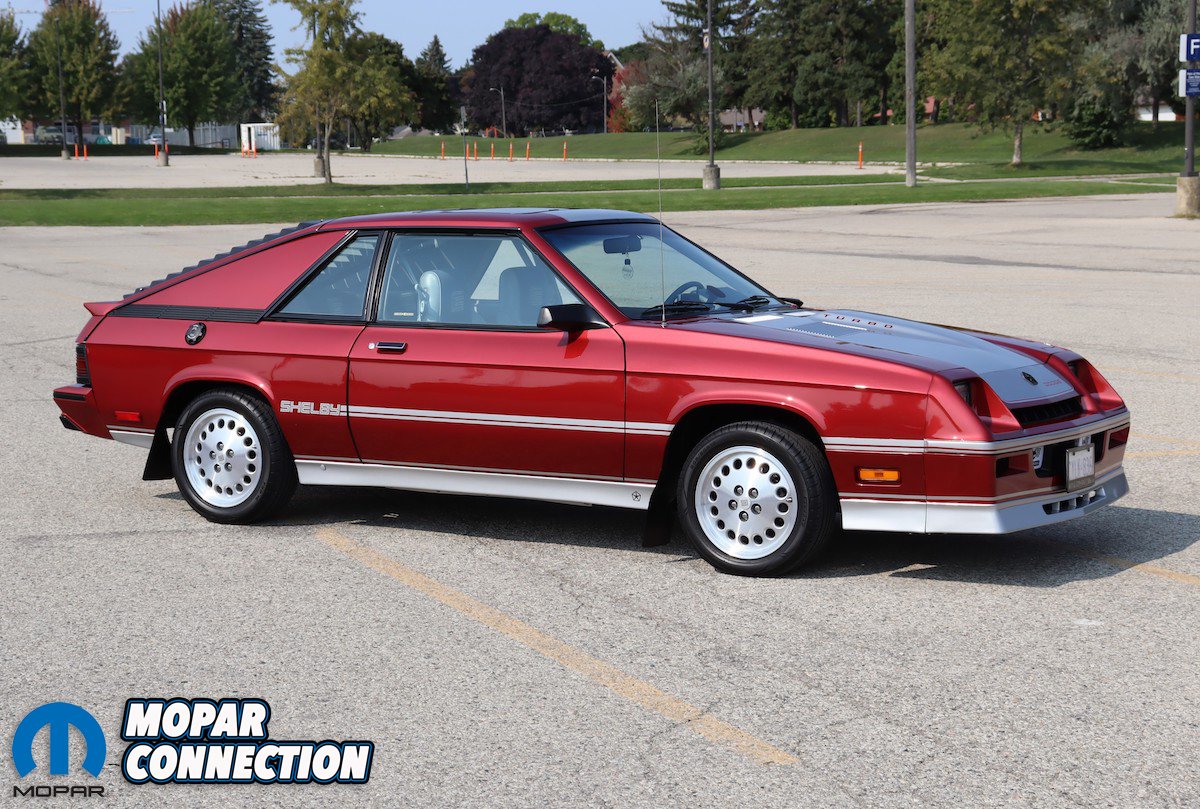
The name Shelby immediately brings to mind Carroll Shelby, and with Carroll Shelby, one often thinks of the AC Cobra and Ford Mustang. However, many are unaware that Shelby also played a significant role at Dodge during the 1980s, a fact that seems to escape the knowledge of some car enthusiasts.
Understanding the origins of this partnership requires a journey back to 1978, which laid the groundwork for the car’s existence today. That year was pivotal in establishing the foundation for several models that Chrysler would eventually produce.
In 1978, after being dismissed as an executive from Ford, Lee Iacocca was fervently pursued and hired as the CEO of Chrysler. At that time, Chrysler was hemorrhaging millions, primarily because of the recalls of its Dodge Aspen and Plymouth Volare models.
Iacocca would later assert that these cars should have been postponed until their prototypes had been thoroughly tested. He initiated a comprehensive overhaul of the company, which included downsizing the workforce and divesting the unprofitable Chrysler Europe division.
Aware that the company faced imminent closure without substantial financial aid, Iacocca petitioned the United States Congress on September 7, 1979, for US$1.5 billion in loan guarantees. The Congress, though hesitant, enacted the Chrysler Corporation Loan Guarantee Act of 1979.
Following the financial aid, Chrysler launched the K-Car line with the Dodge Aries and Plymouth Reliant in 1981. Released during the significant 1980–1982 recession, these compact, efficient, and affordable front-wheel-drive vehicles experienced swift sales.
Similarly, the minivans that emerged later were based on design proposals (Mini-Max) that Ford had dismissed during Iacocca’s and Hal Sperlich’s tenure. These designs became a major success for Chrysler and assisted in repaying the government loan more quickly than anticipated.
The L-platform, a key segment of the comprehensive K-car series, showcased the Dodge Charger. This range of vehicles was crucial in the resurgence of Chrysler, offering a diverse array of models. Moreover, the intertwined legacies of Iacocca and Shelby, coupled with the necessity to rejuvenate Chrysler Corporation’s image, were the catalysts for their partnership.
Several Dodge vehicles have been given performance upgrades. This collaboration resulted in cars such as the Shelby Charger and the Shelby Dakota, the latter being the first rear-wheel drive vehicle with a 5.2-liter V8 engine. Shelby’s influence at Dodge peaked with the 1991 release of the Dodge Viper, which Shelby considered as a spiritual successor to his original Cobra.
The Charger Shelby was manufactured from 1985 to 1987. During its initial year, a total of 7,709 units were produced, including 439 in silver, 843 in blue, 2,591 in red, and 3,846 in black. In the following year, production amounted to 7,669 units, with 387 in silver, 793 in blue, 2,994 in red, and 3,495 in black. In its final year, 1,011 units were made, comprising 445 in red and 566 in black. 1,000 cars were sold to Carroll Shelby himself. They would become the ’87 Charger GLHS.
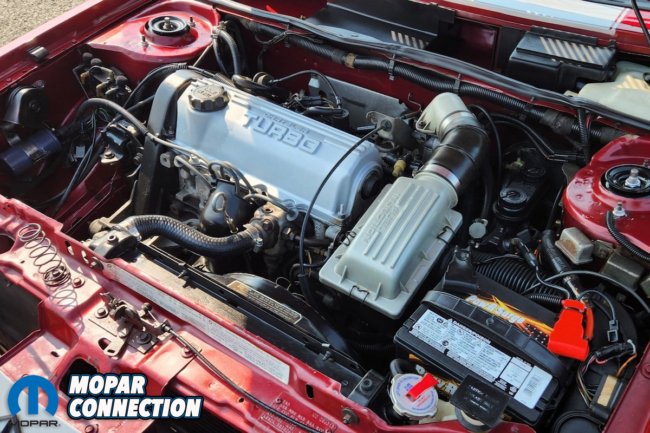
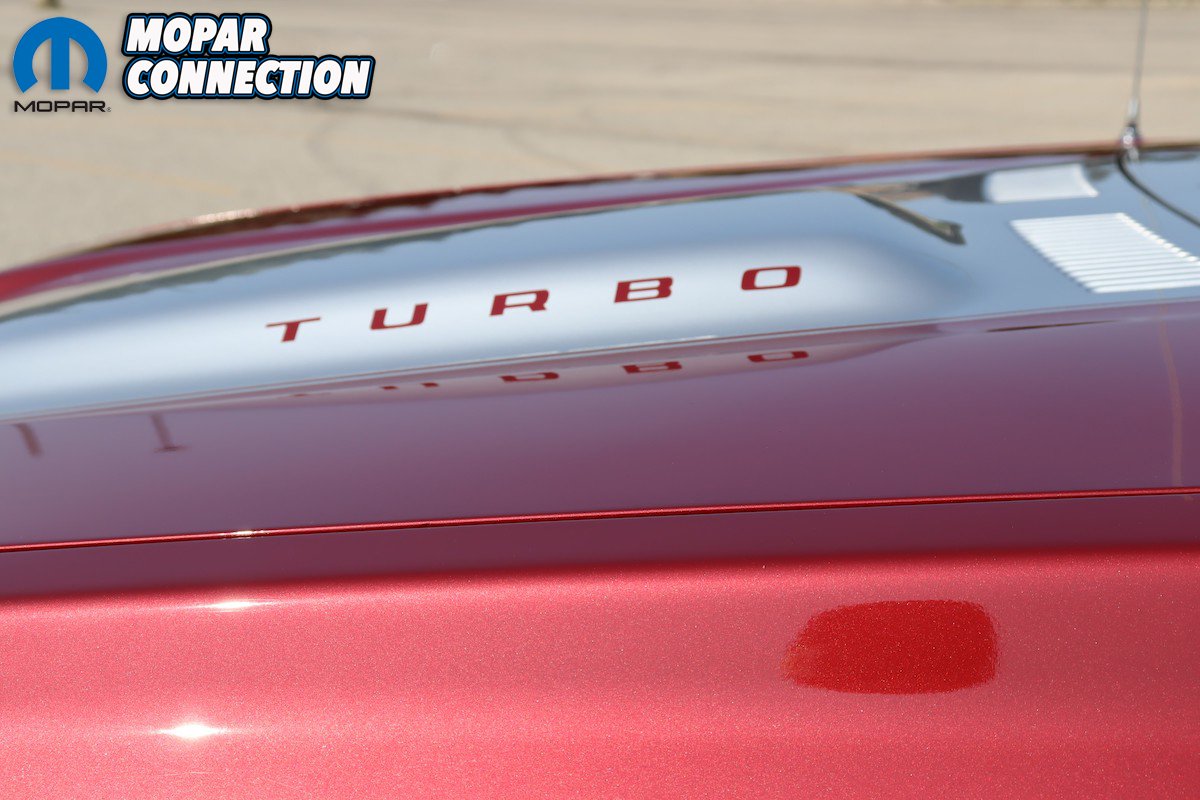
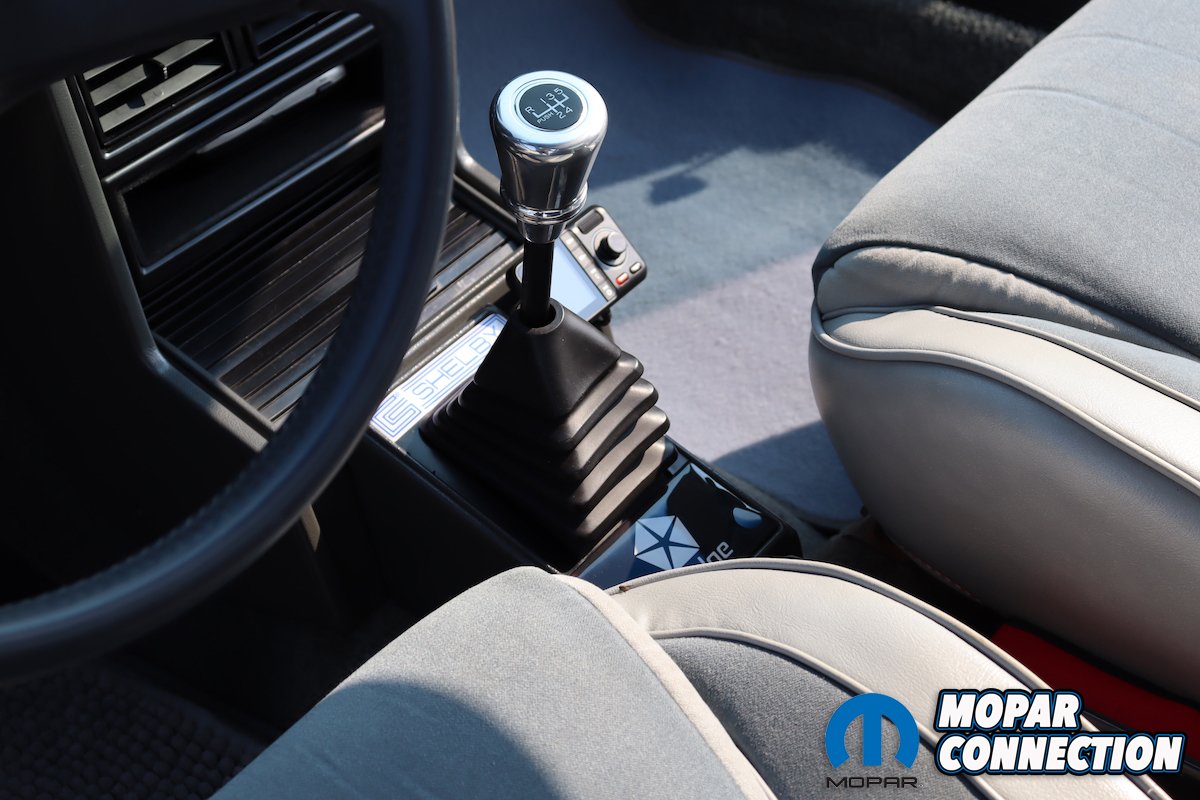
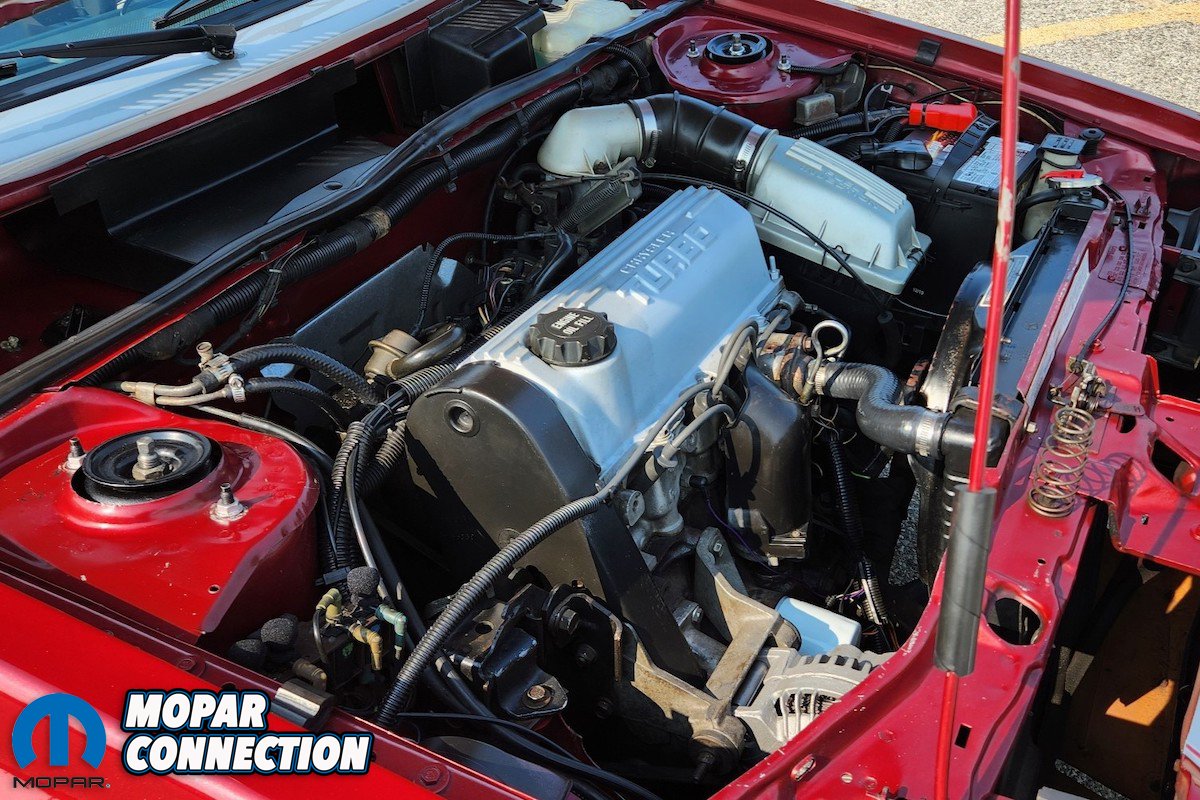
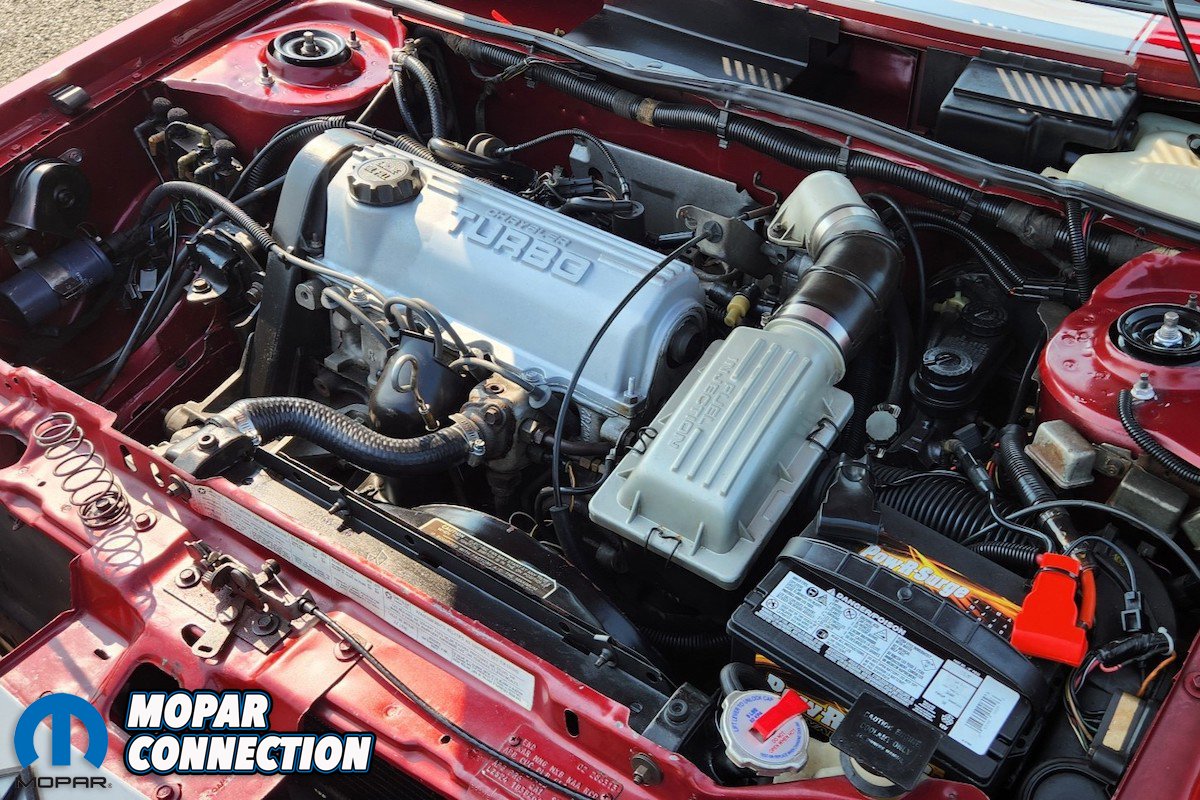
The Charger Shelby retained its status as a high-performance front-wheel drive sports car, enhanced by the incorporation of a 2.2-liter four-cylinder Turbo I engine featuring a Garrett AiResearch T3 turbocharger and Chrysler/Bosch multi-point fuel injection. This setup delivered a maximum boost pressure of 8 psi. Additional improvements included a close-ratio five-speed transmission with a 2.57:1 top gear ratio, upgraded braking systems, a firmer suspension, and pedal designs facilitating heel-toe shifting.
The Shelby Charger delivers a power output of 146 horsepower at 5,200 rpm and generates a torque of 168 lb-ft at 3,600 rpm. These performance upgrades allow the vehicle to accelerate from 0 to 60 mph in 7.8 seconds and achieve a quarter-mile time of 15.9 seconds at a speed of 85 mph, with a top speed of 124 mph.
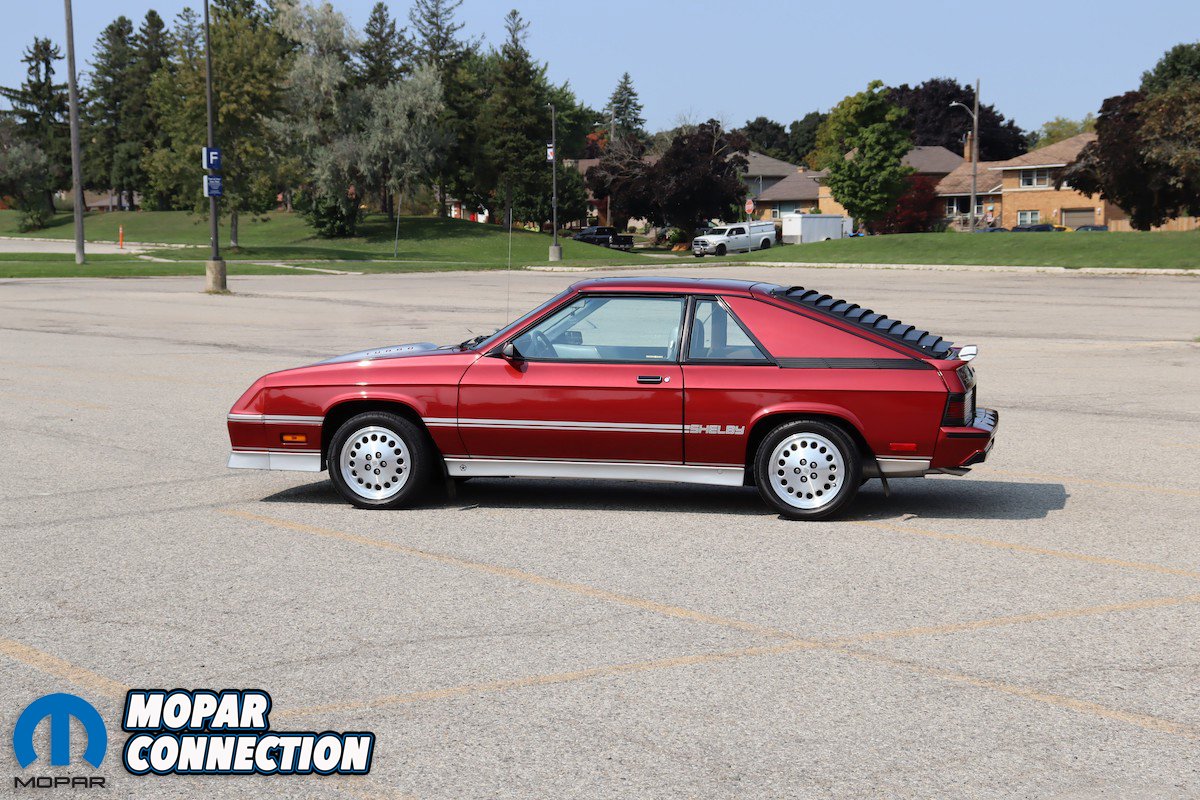
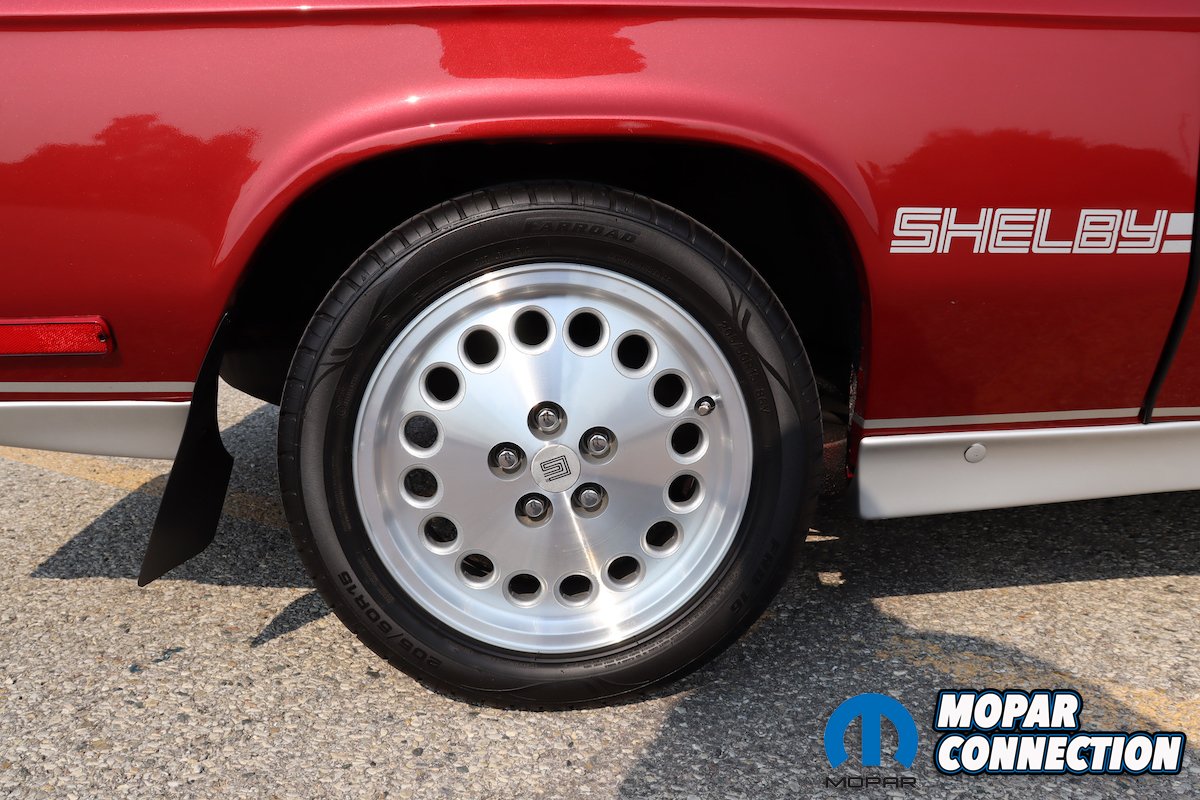
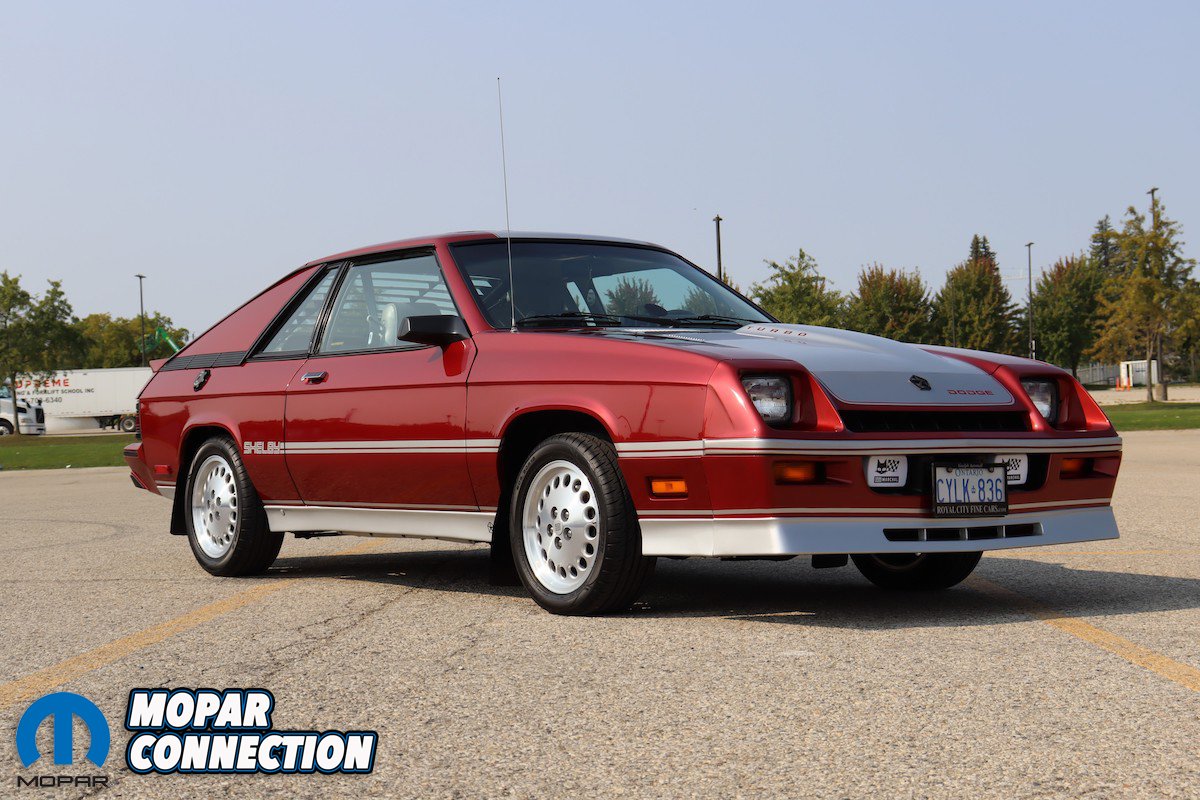
The front suspension was re-engineered to accommodate equal-length half-shafts. The vehicle is equipped with new low-profile P205/50VR-15 Eagle steel-belted, speed-rated radial tires mounted on 5-lug, 15-inch cast aluminum wheels. Gas-charged struts are utilized at the front, while gas-charged shocks are incorporated at the rear.
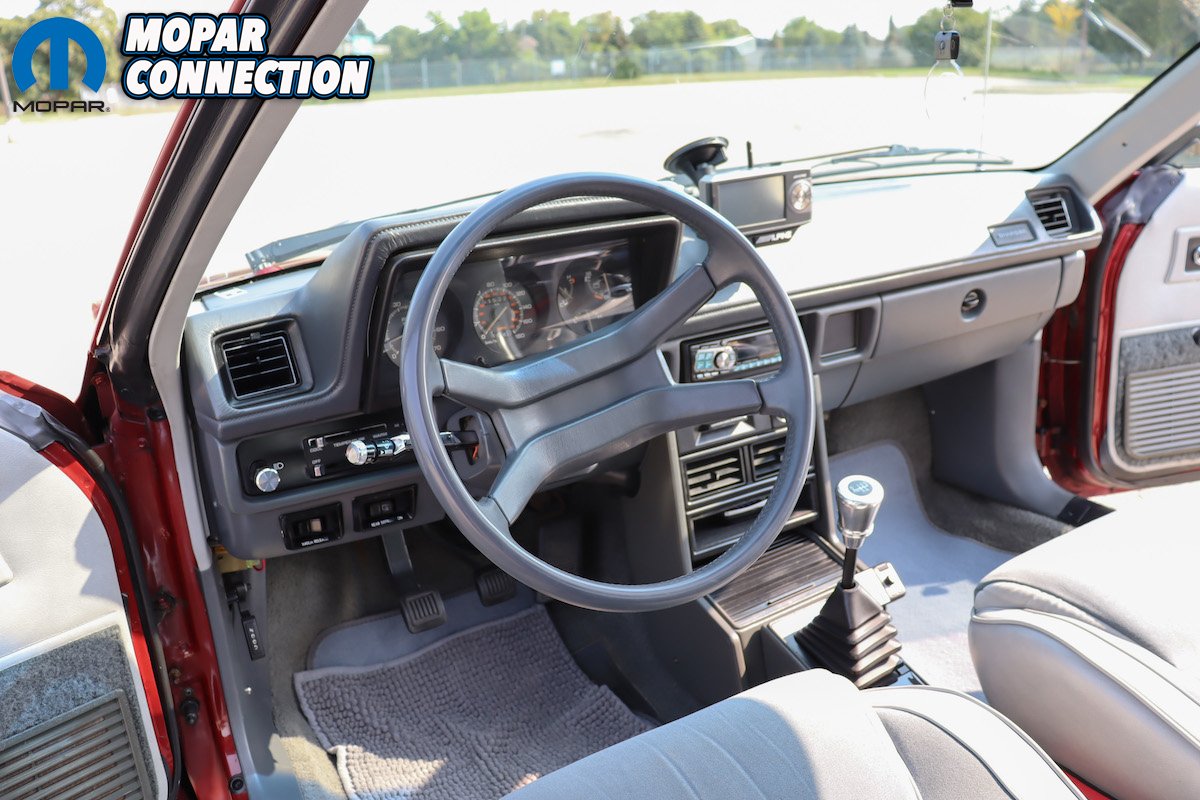
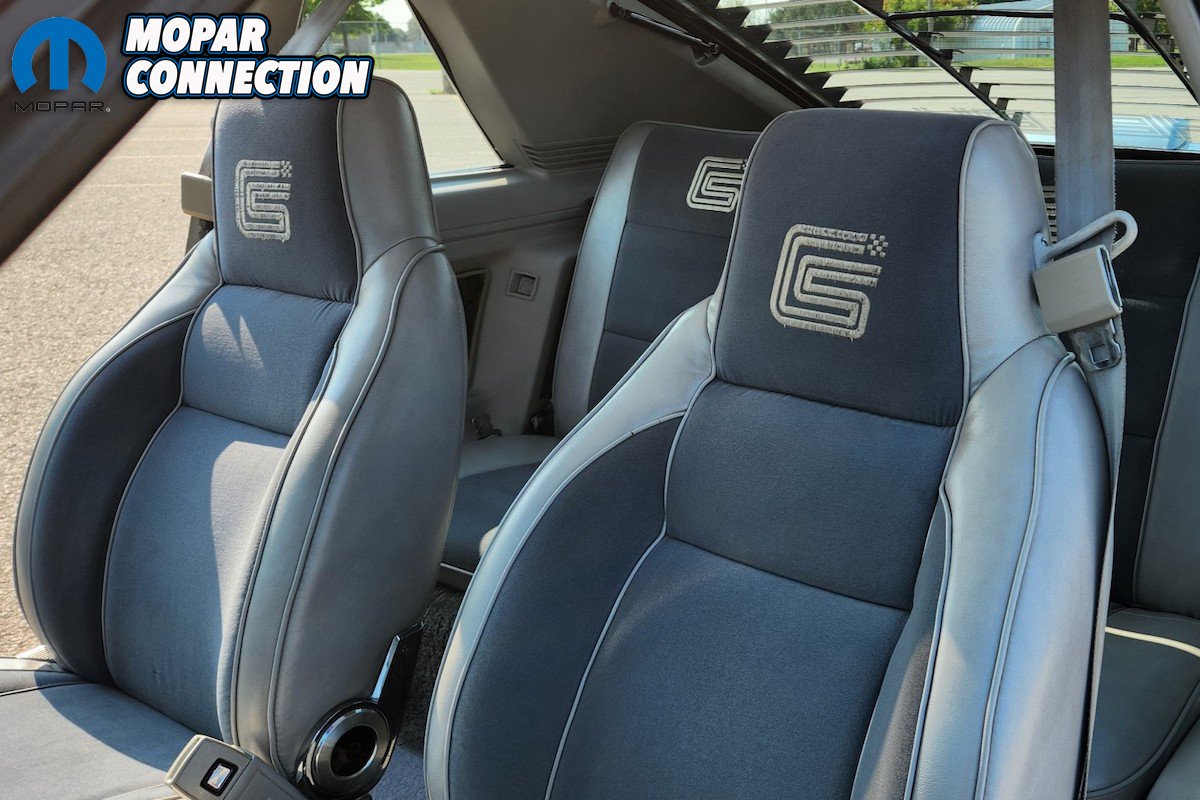
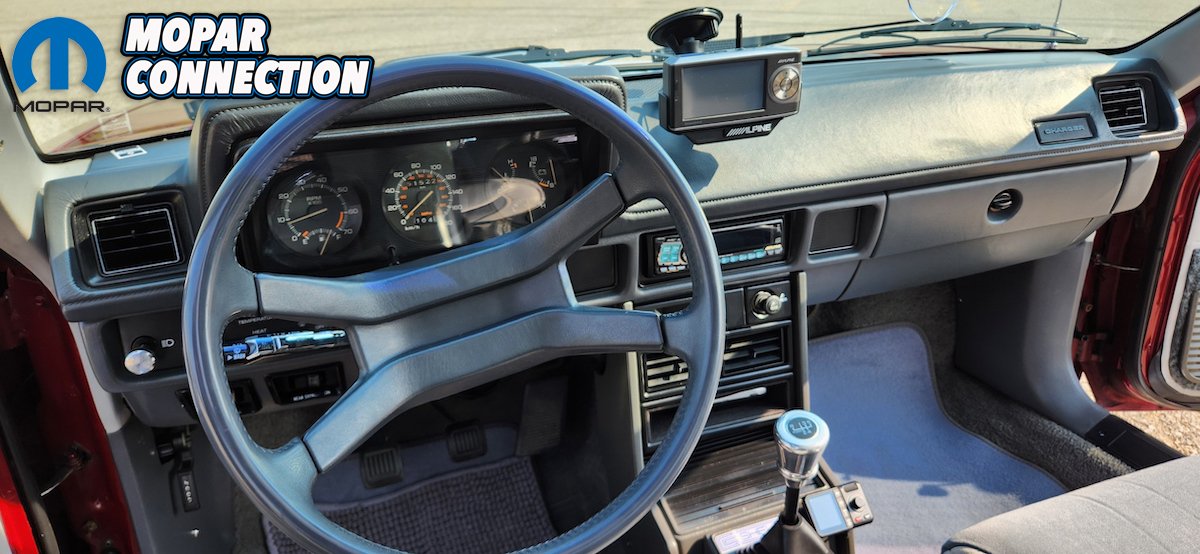
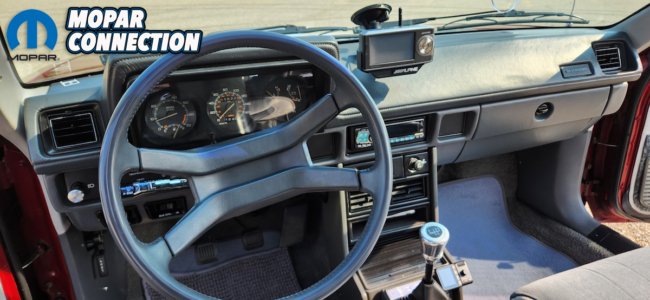
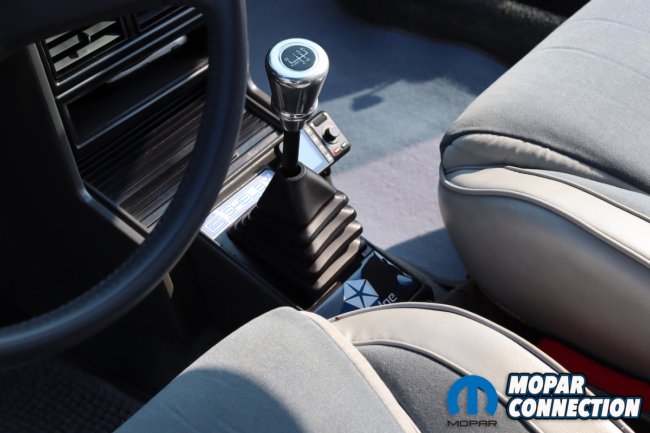
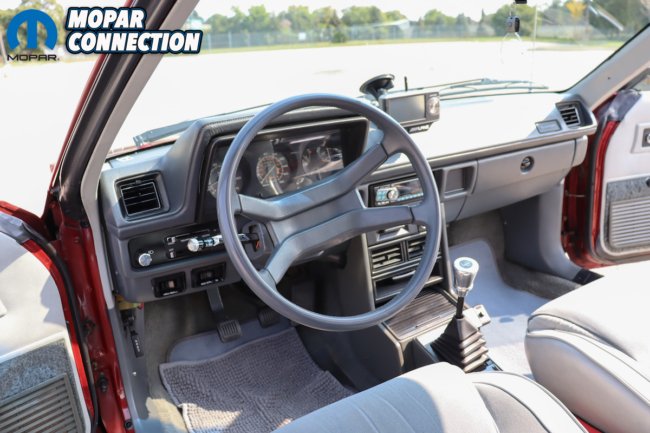
The interior underwent a comprehensive redesign, incorporating premium high-back bucket seats with embroidered CS logos. The Rallye instrument cluster was enhanced to include a 7000-rpm tachometer and a trip odometer. Additionally, the standard radio was replaced with an AM/FM stereo unit.

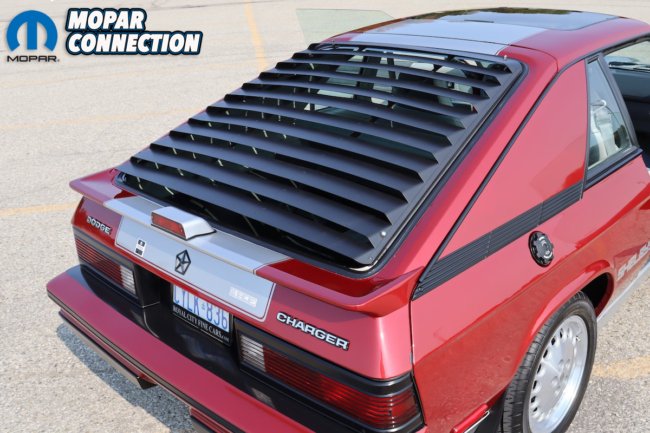
Of the three production years, 1987 stands out as the rarest Shelby Charger Turbo. This model represents both the final year of Shelby Charger manufacturing and the conclusion of front-wheel-drive Charger production.
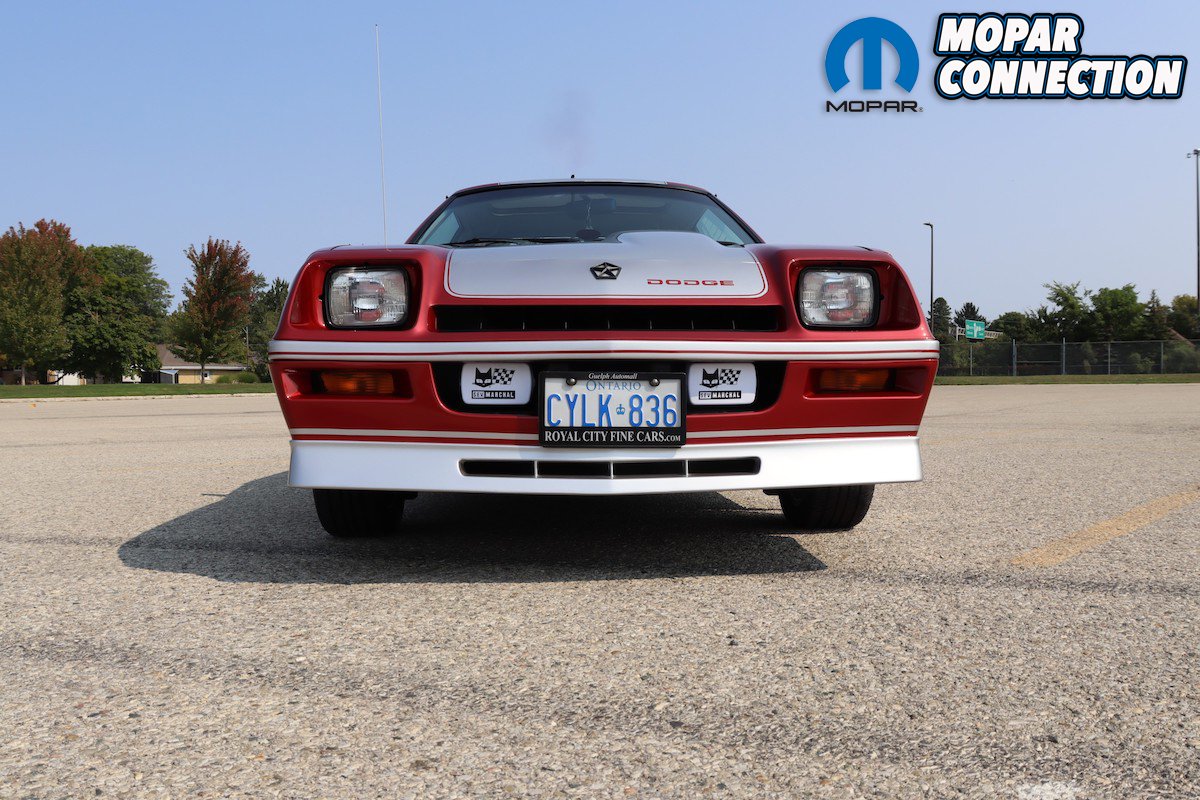
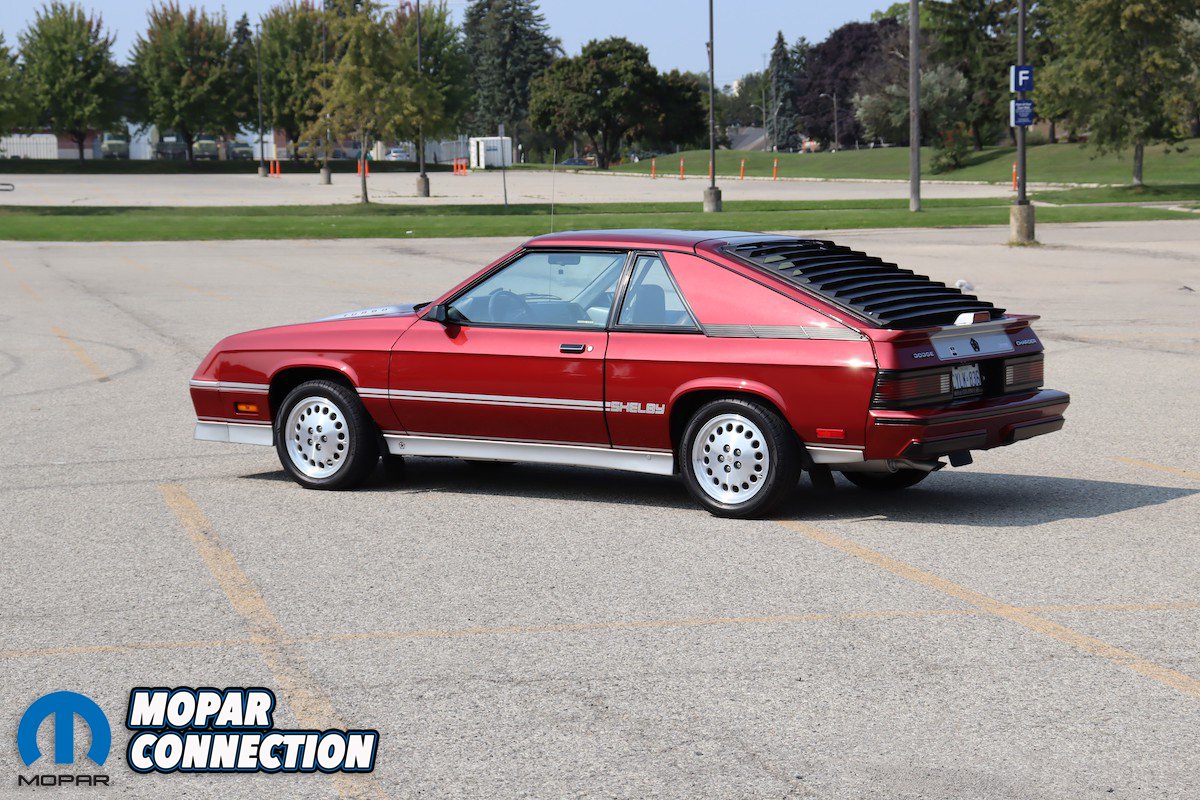
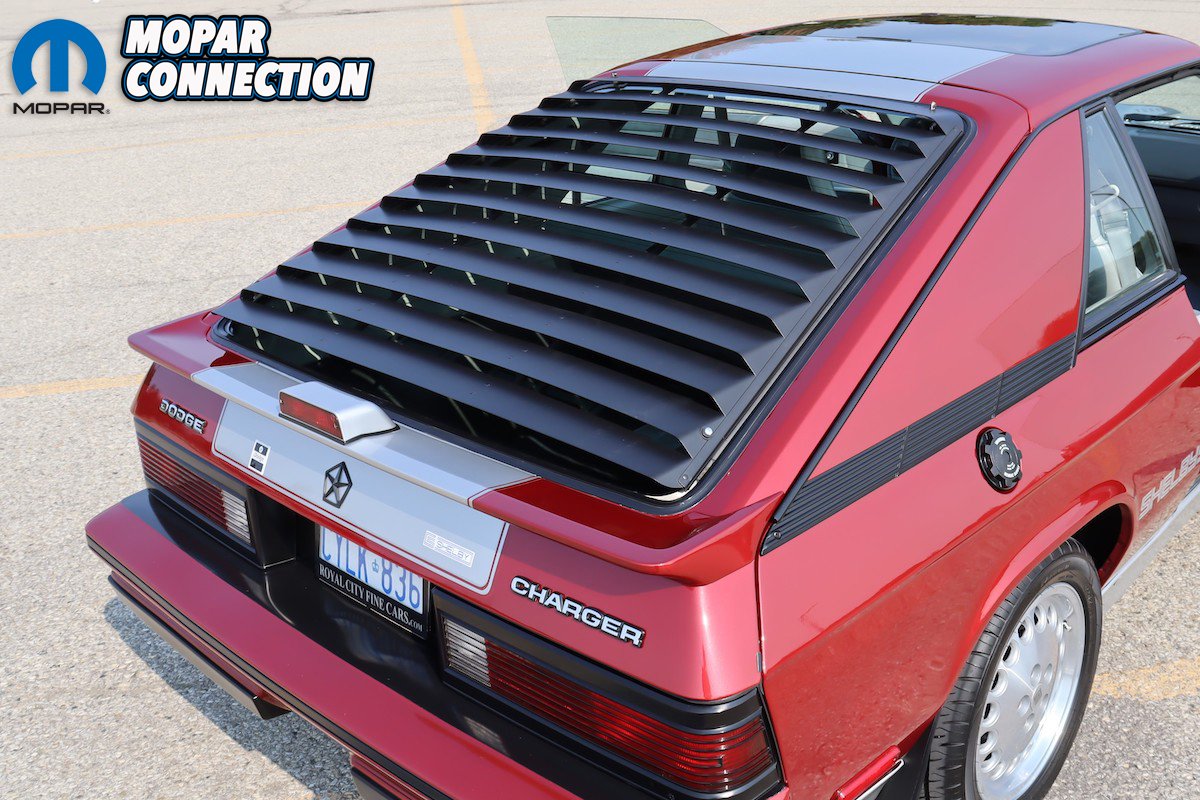
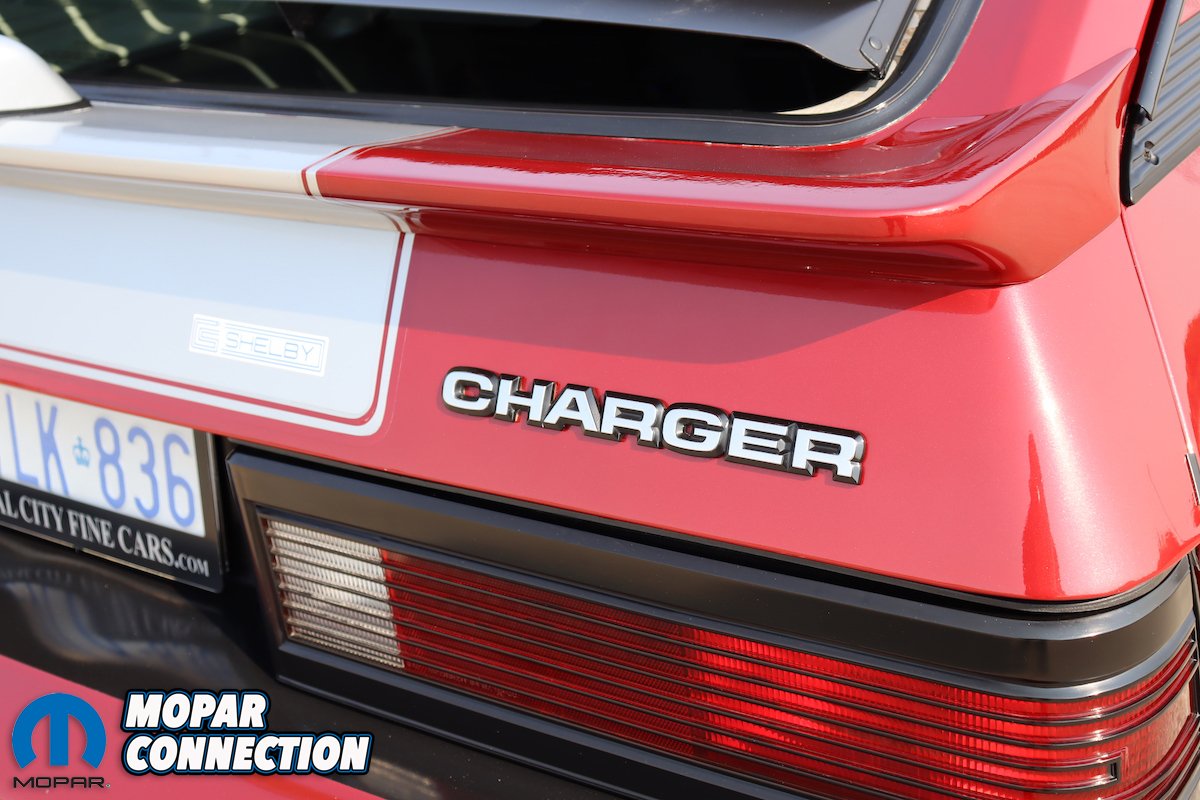
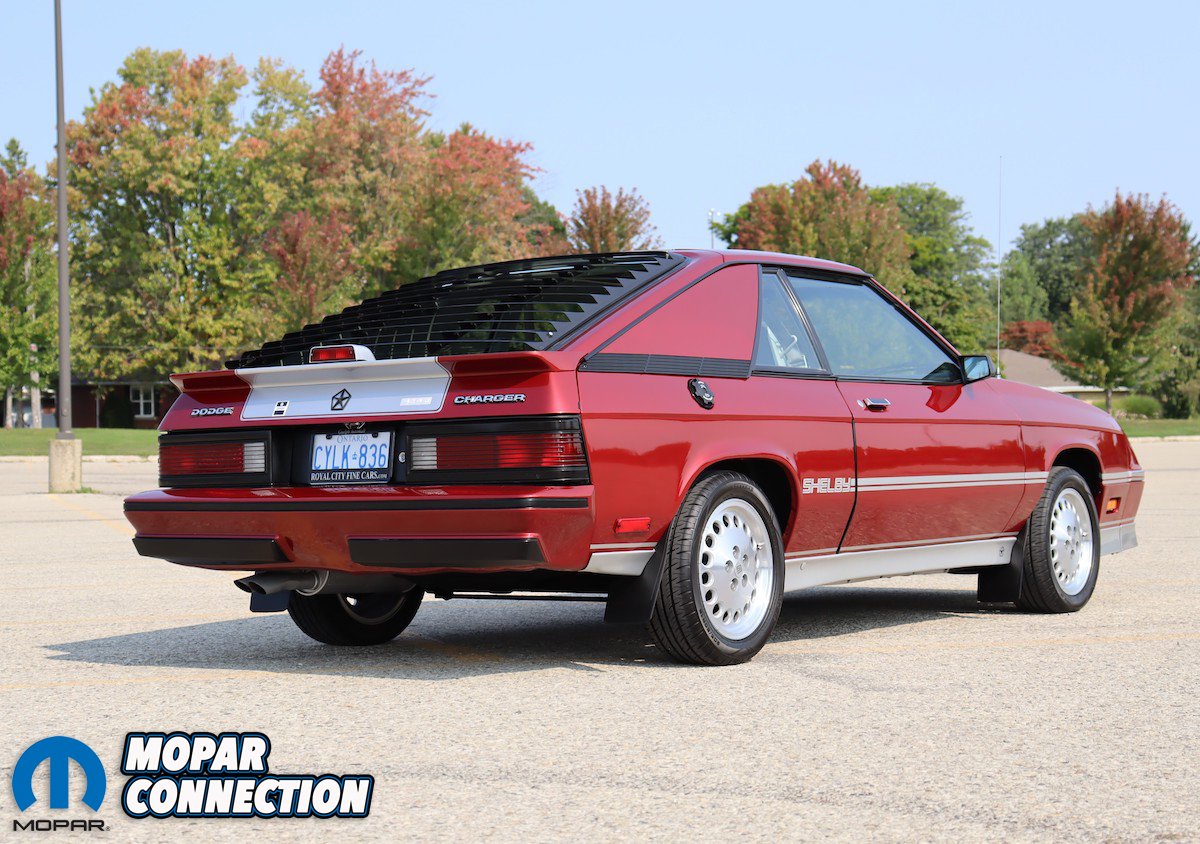
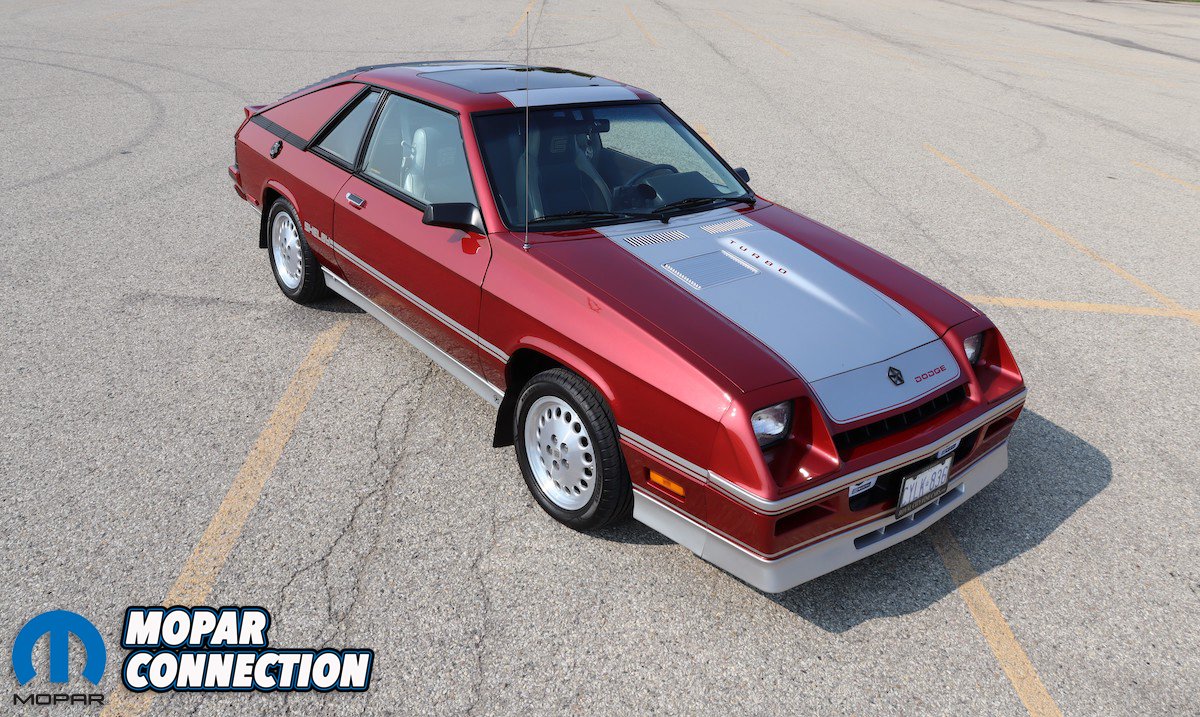
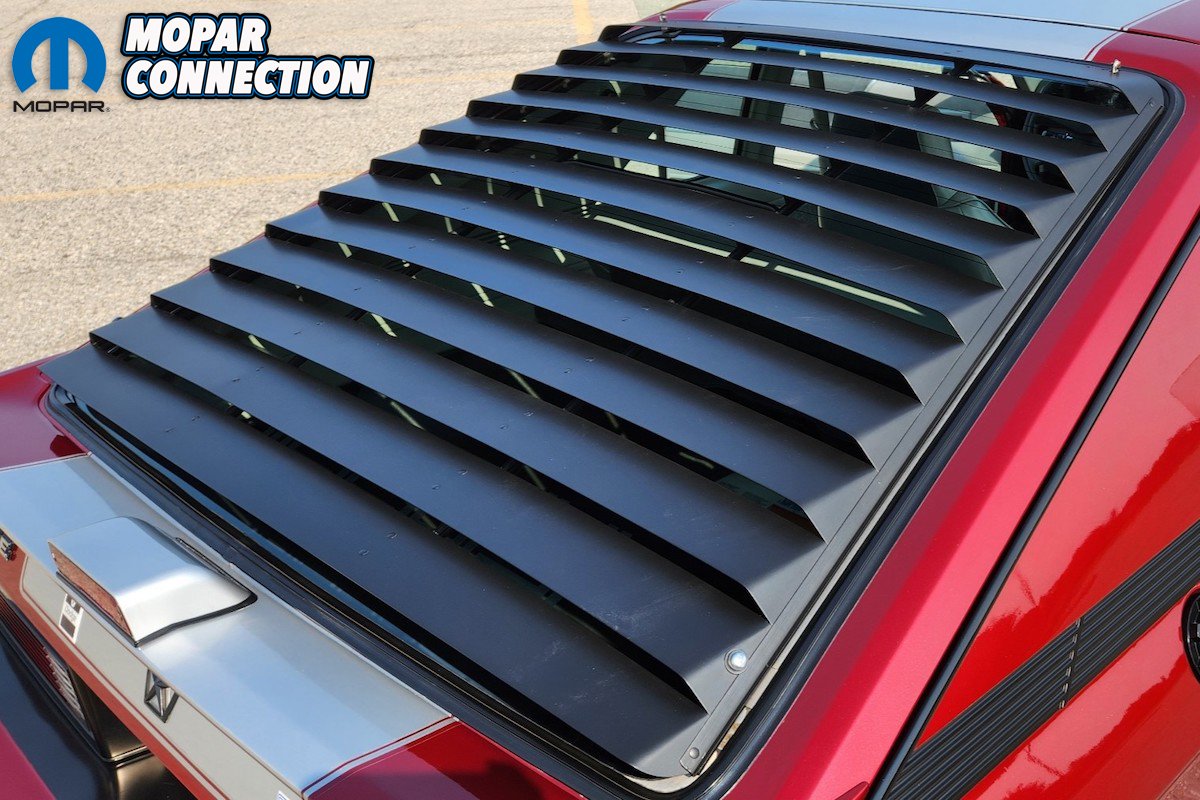
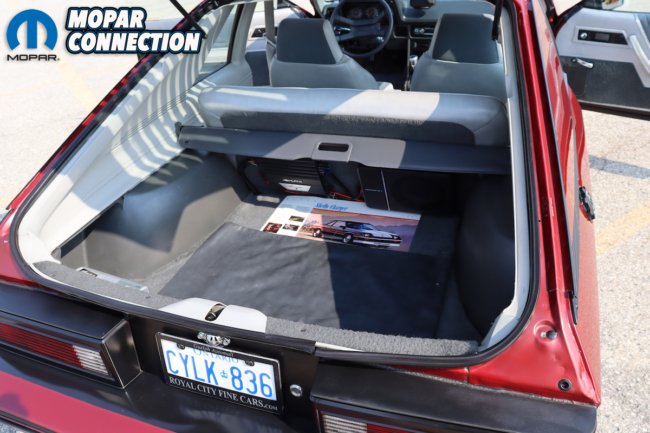
Amenities that were previously optional, such as the rear window louver, sunroof, and premium cassette stereo, became standard features. The Shelby package encompasses power steering, an illuminated night visor mirror, two-tone paintwork, front and rear spoilers, and side sill extensions. Air conditioning remained available as an optional feature. Additionally, the armrest was discontinued in later model years.
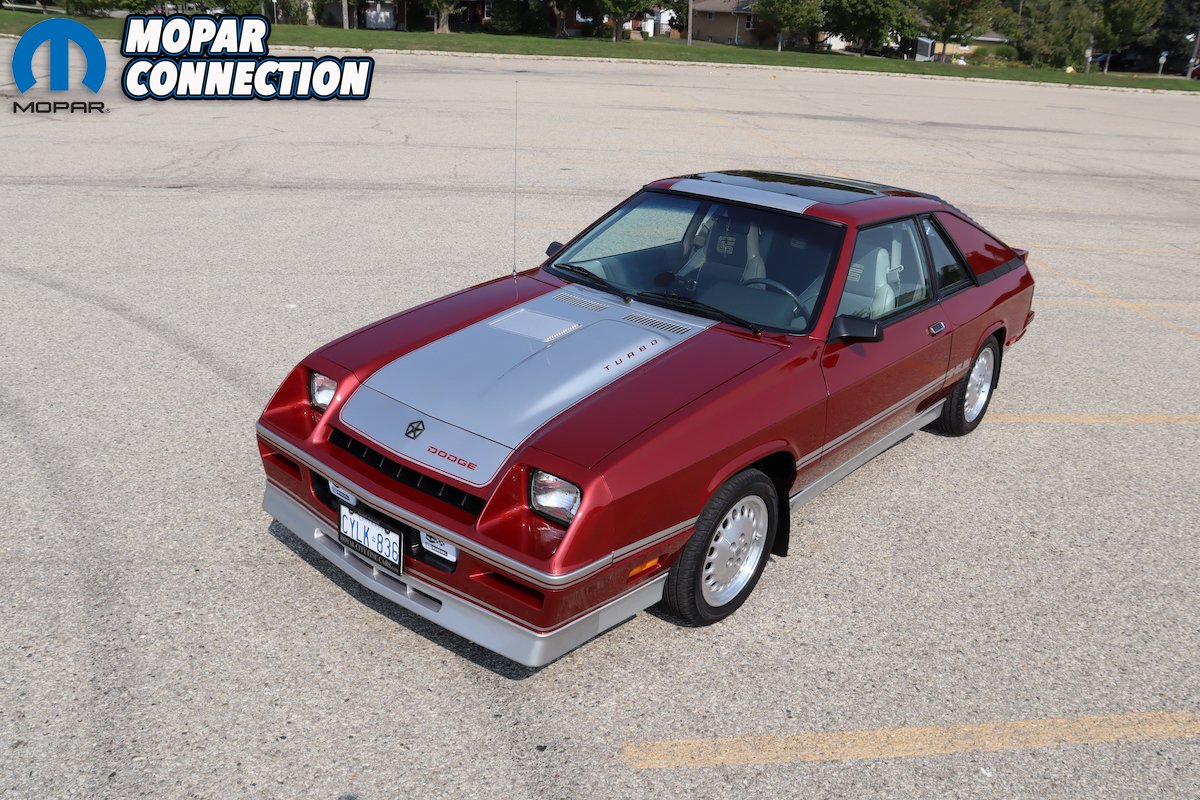
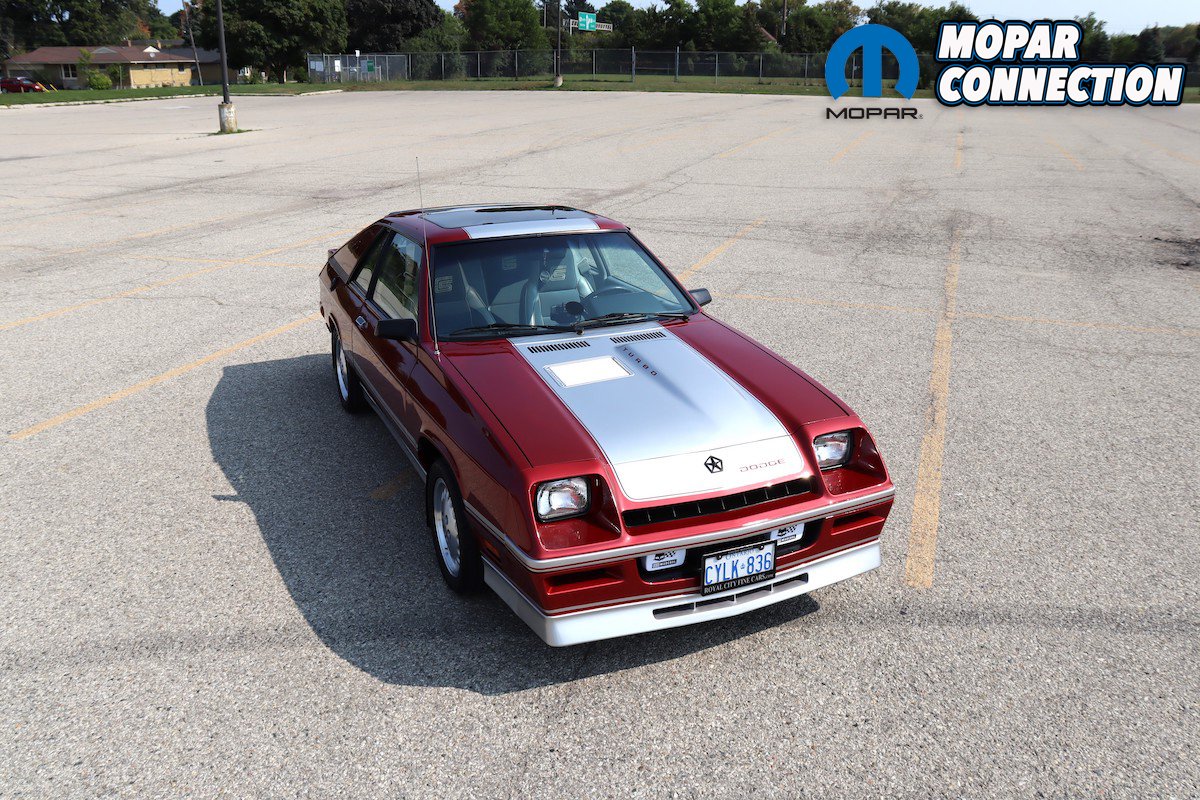
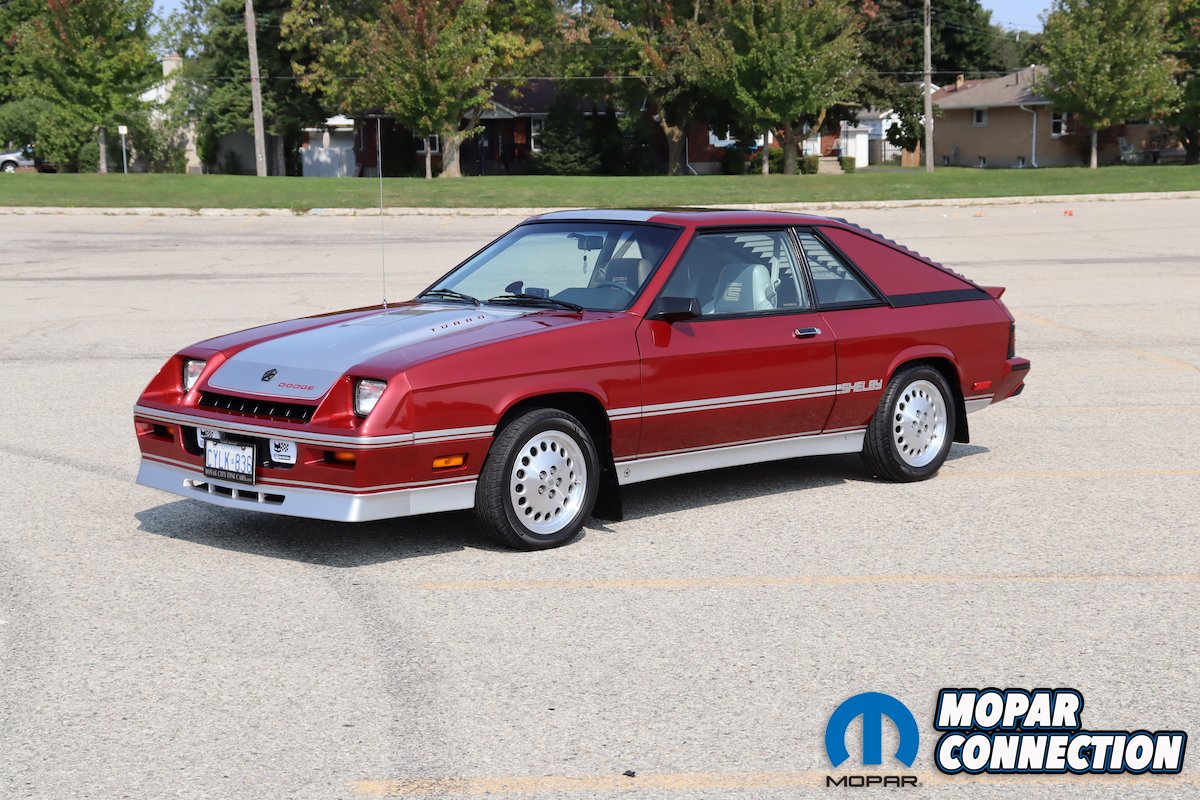
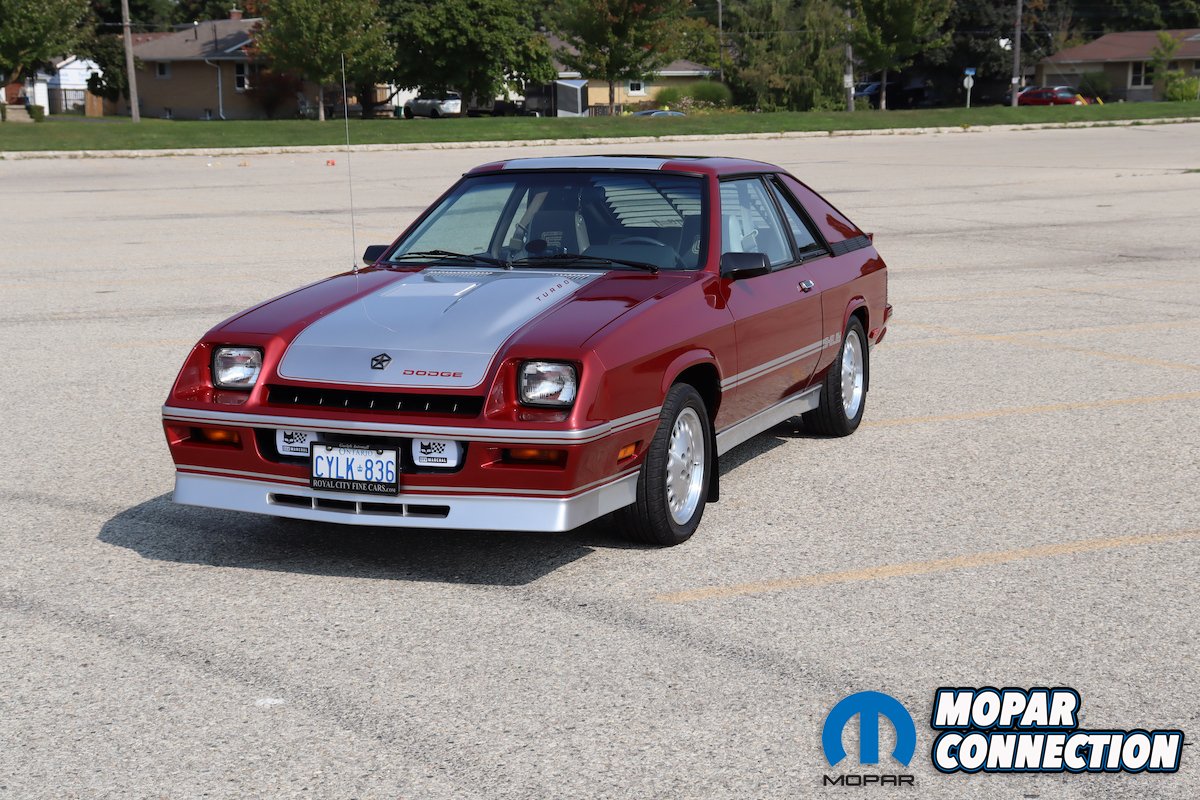
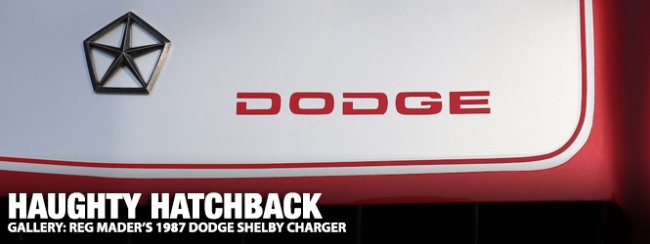
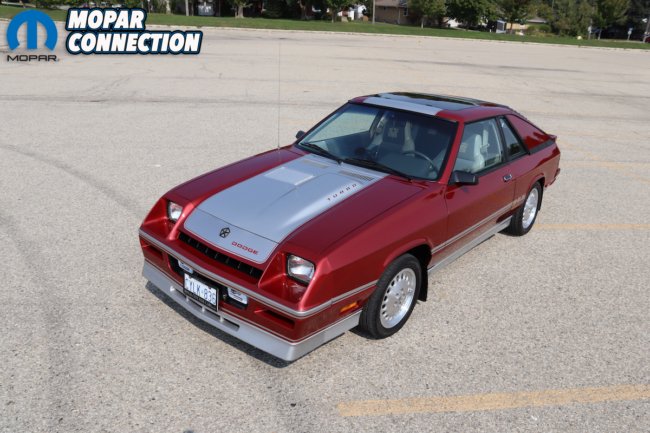
The Shelby Charger in question belongs to Reg Mader, a connoisseur of 1980s automobiles. Reg has a vivid recollection of that era’s cars, having owned more than eleven vehicles from the 1980s throughout his life.
This vehicle was originally bought new from a Chrysler dealer in Guelph, Ontario, before being sold to an individual near Windsor, Ontario. The car has been meticulously maintained, especially since Reg acquired it in outstanding condition—a notable feat for a vehicle that has endured the severe winters of our region.
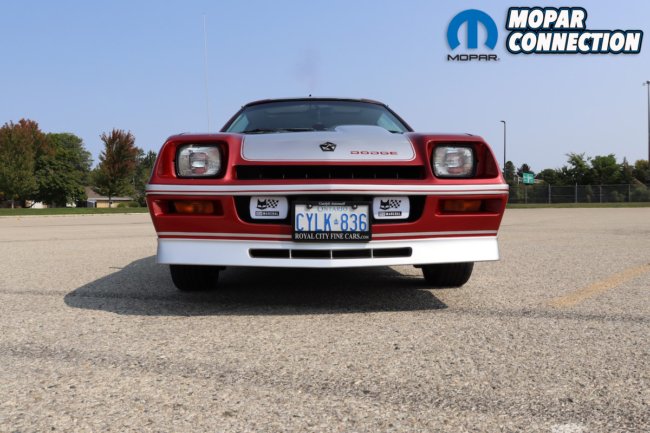
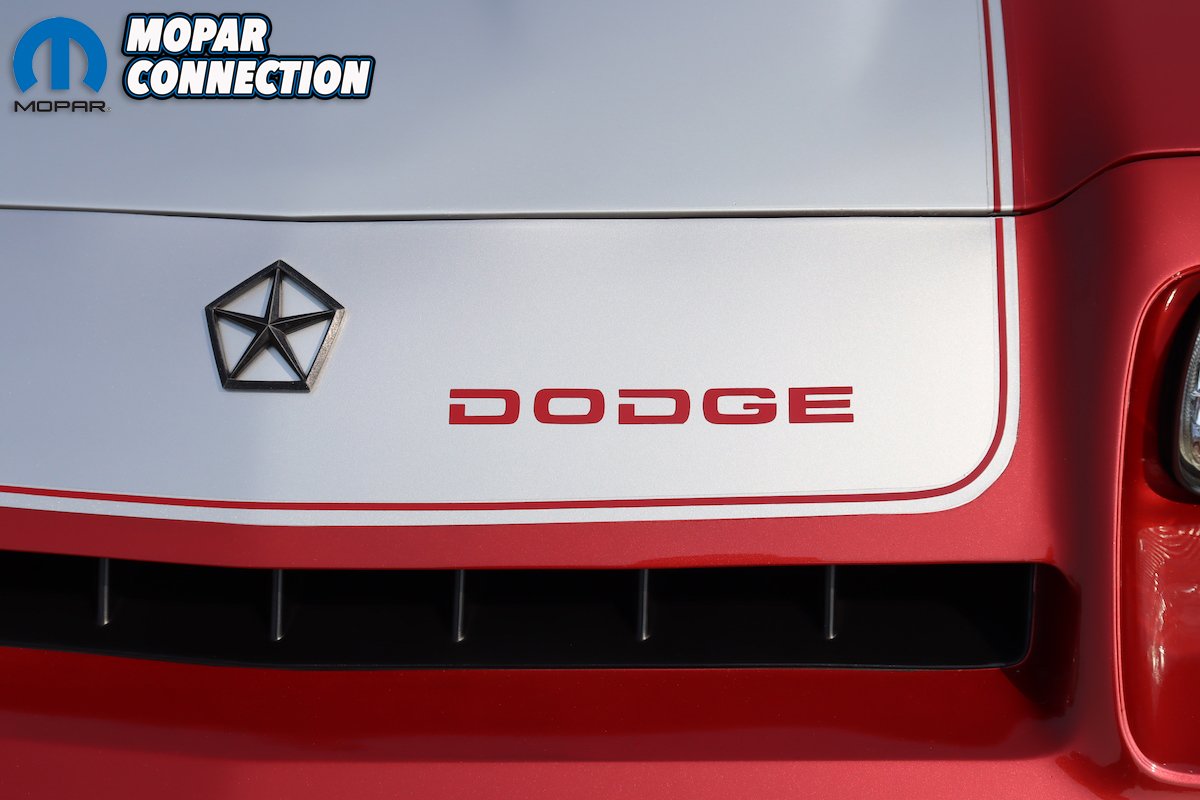
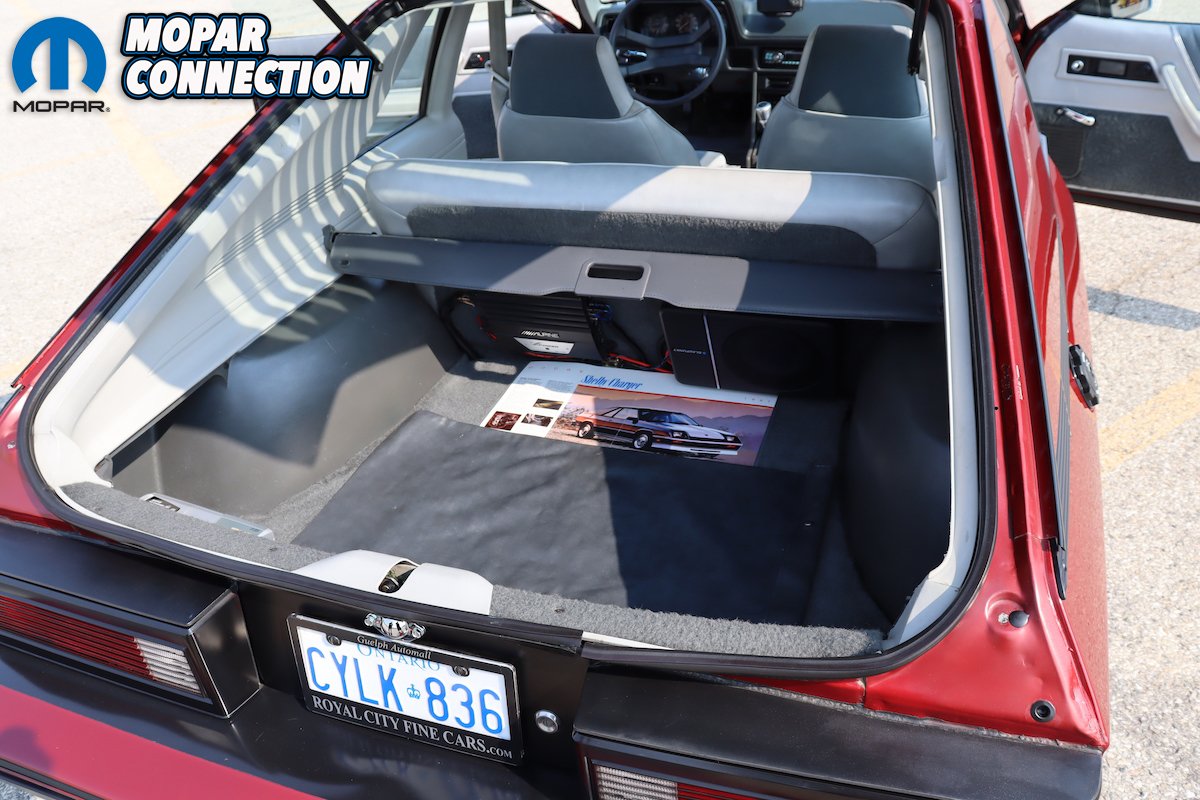
The Charger retains its original engine, transmission, and drivetrain. The engine is meticulously clean and detailed, showcasing a bygone era of Chrysler Corporation when this was their muscle car flagship. The interior is preserved in its stock and original condition, with the sole addition being a Dodge and Pentastar emblem next to the gear shift. Additionally, an aftermarket stereo and GPS has been installed to navigate to car shows.
The seats are clean, showing only minor wear from over-scrubbing, and sourcing replacement seat covers could prove difficult. It’s remarkable how well everything has been preserved over the years, a testament to the care of the previous owners.
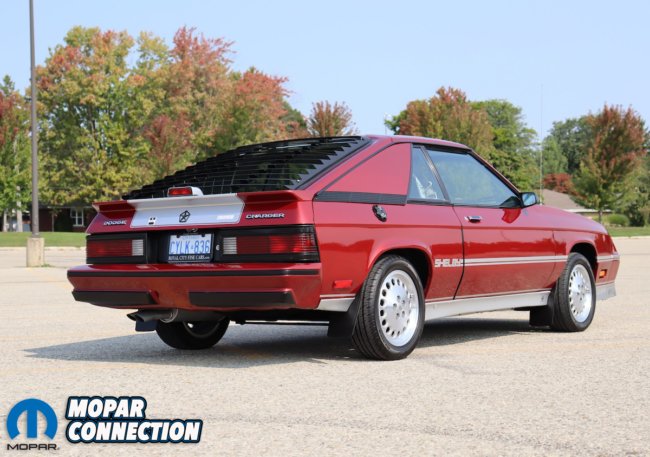
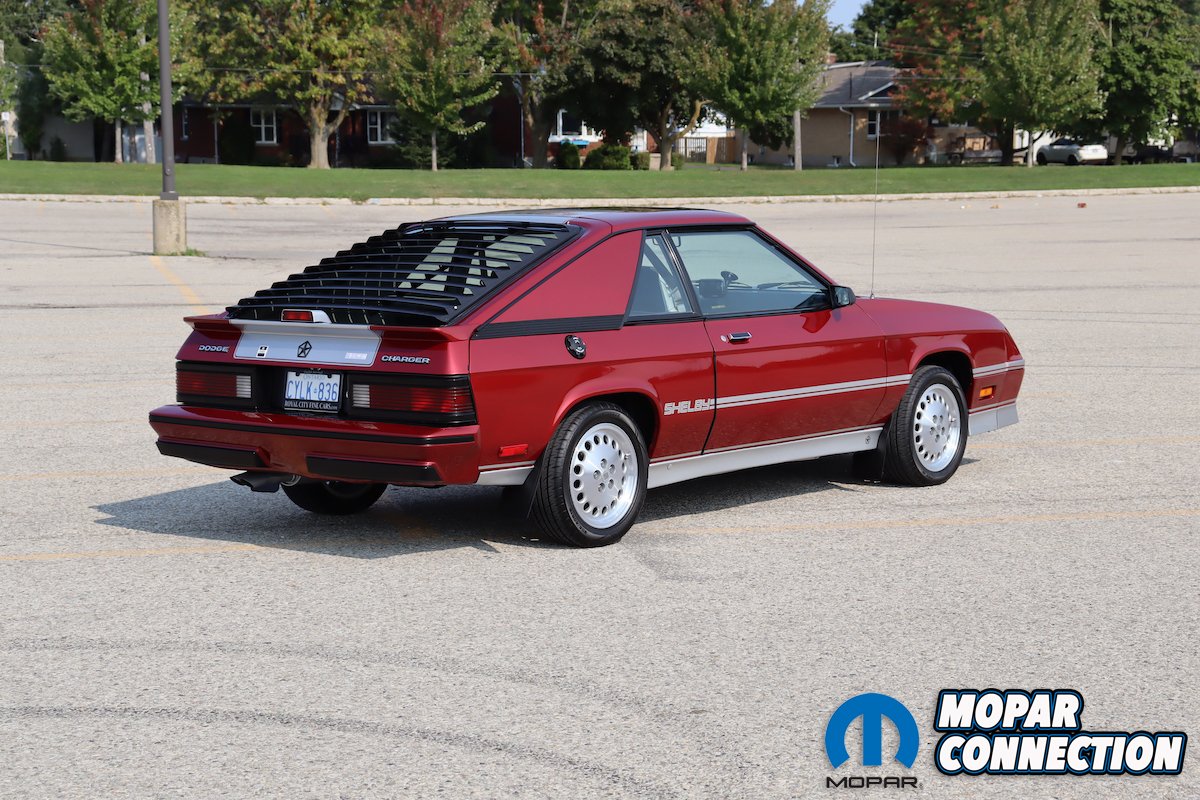
The rear window louver is an original factory piece. The pizza rims look brand new. The only thing that is not original is the paint. The Charger was repainted in 1990. At that time, car manufacturers were looking to reduce expenses, which led to compatibility issues between the primer and the final coat. Consequently, the final coat began to peel away from the primer surface.
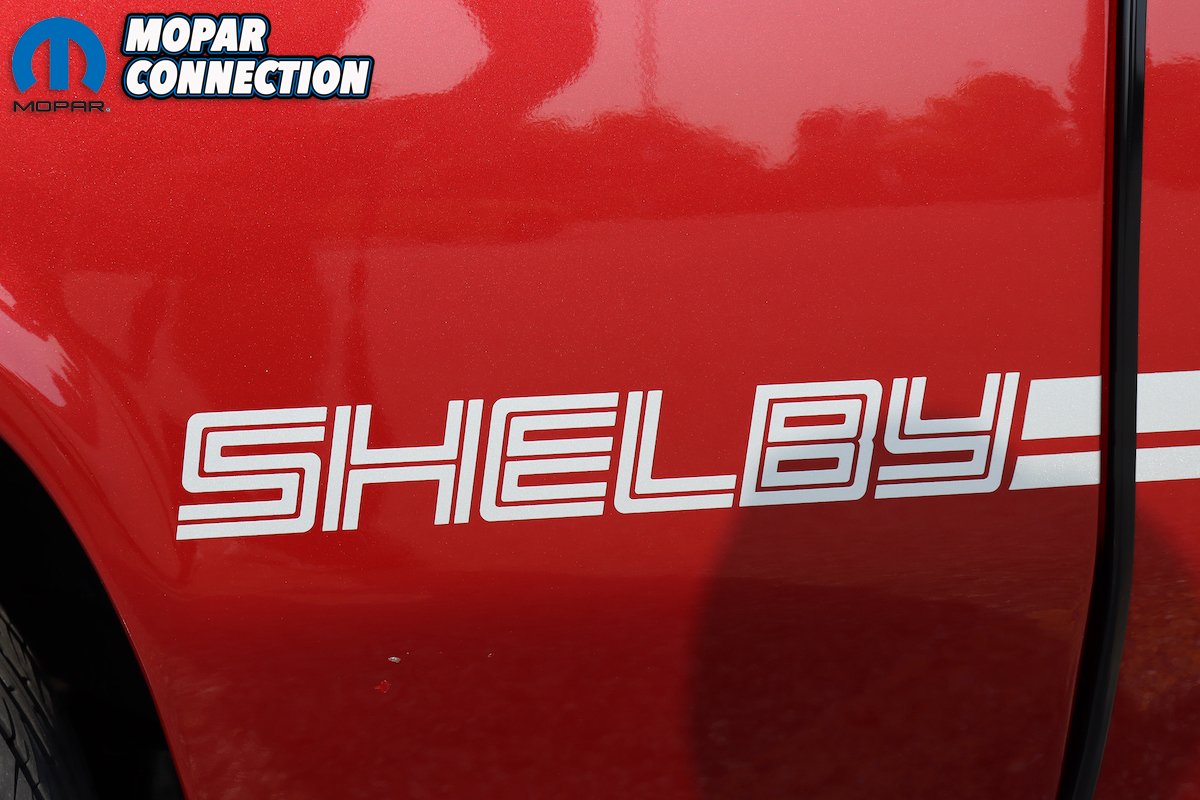
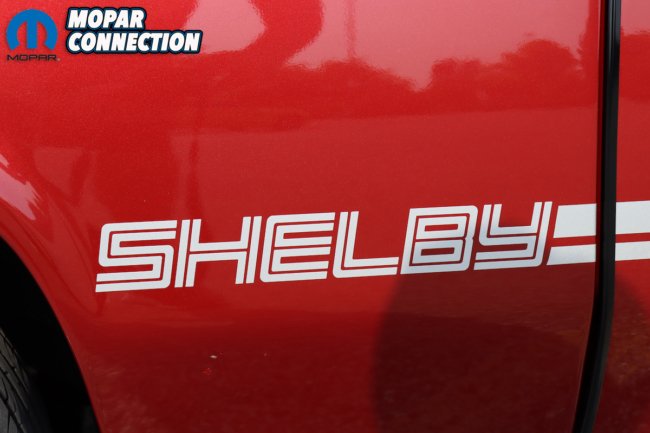
Regardless of where Reg drives the car, it always turns heads. Some people assume the Shelby decal was simply added, and as previously mentioned, are skeptical that Shelby was collaborating with Dodge during that period.
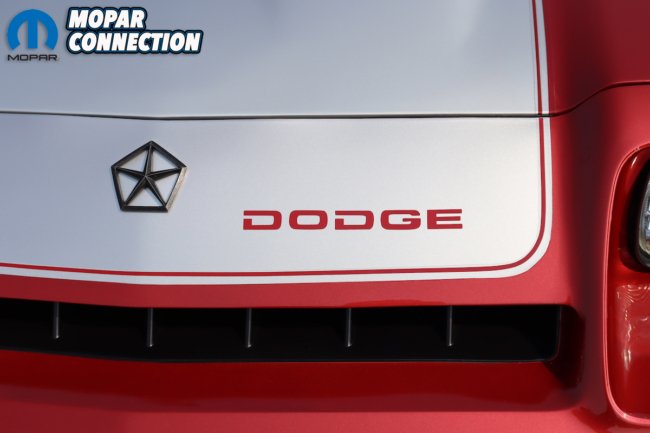
Ever since Reg acquired the Shelby Charger, he has clinched trophies at two car shows. He takes pleasure in observing people as they attempt to identify the car. Reg credits Henry Becker, Lee Jukes, Sandy Diebold, and the mechanical expertise of Cameron Diebold for making the car such a joy to drive.
Reg reflects, “This period evokes recollections of the 1980s and the significant obstacles faced by automobile manufacturers.” Chrysler notably rejuvenated its brand during this era by transitioning to primarily front-wheel-drive vehicles. Lee Iacocca not only led Chrysler through its recovery but also emerged as a prominent industry figure. Such circumstances are unlikely to be repeated.