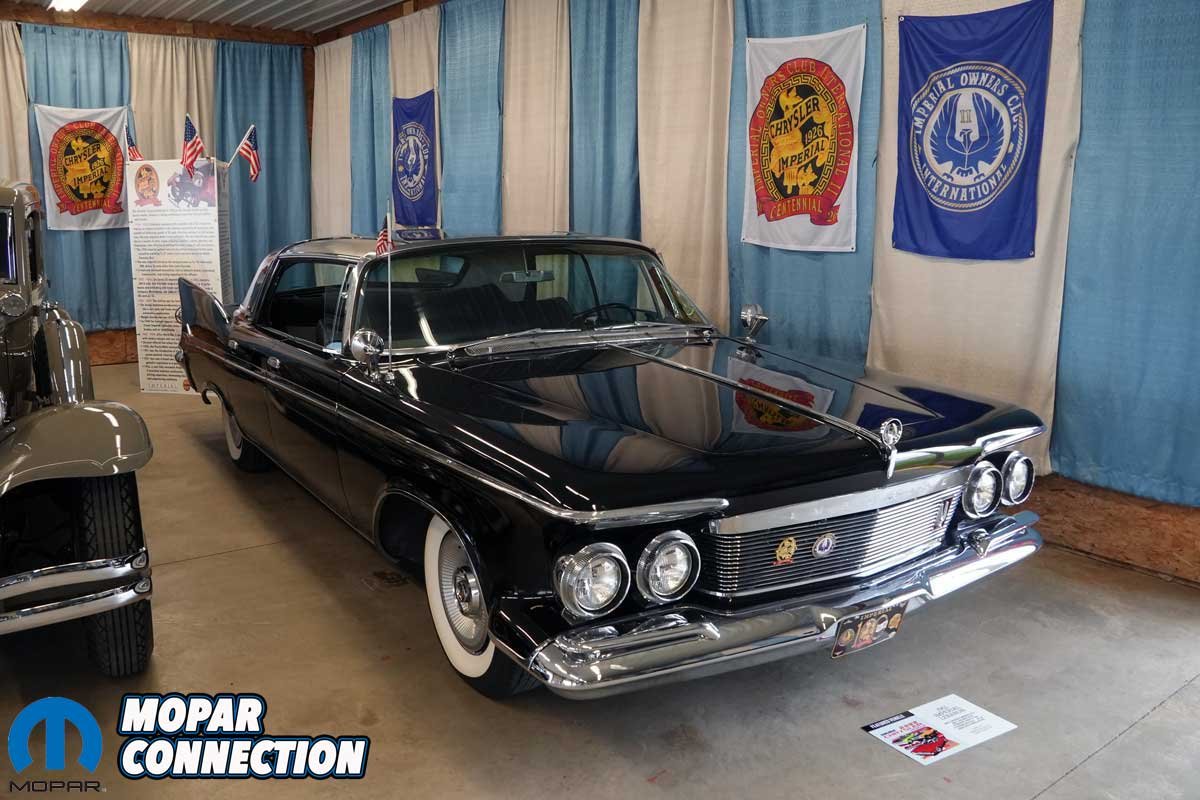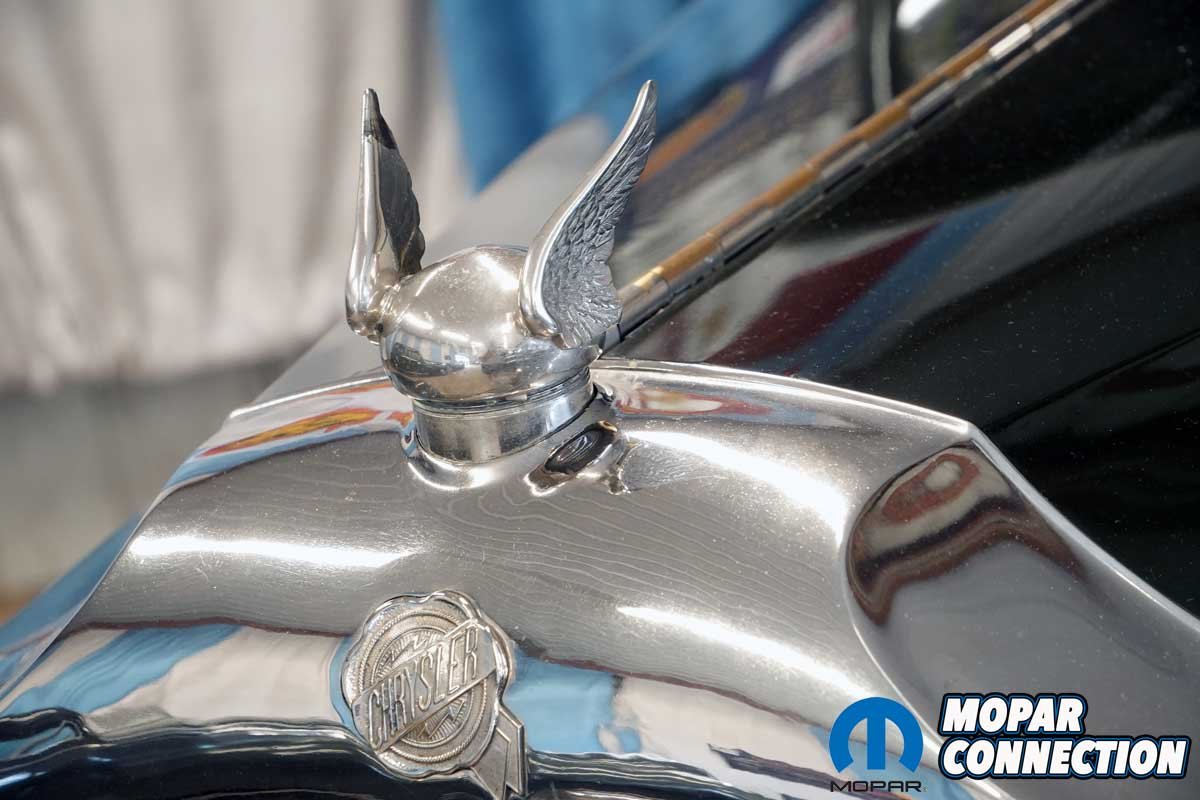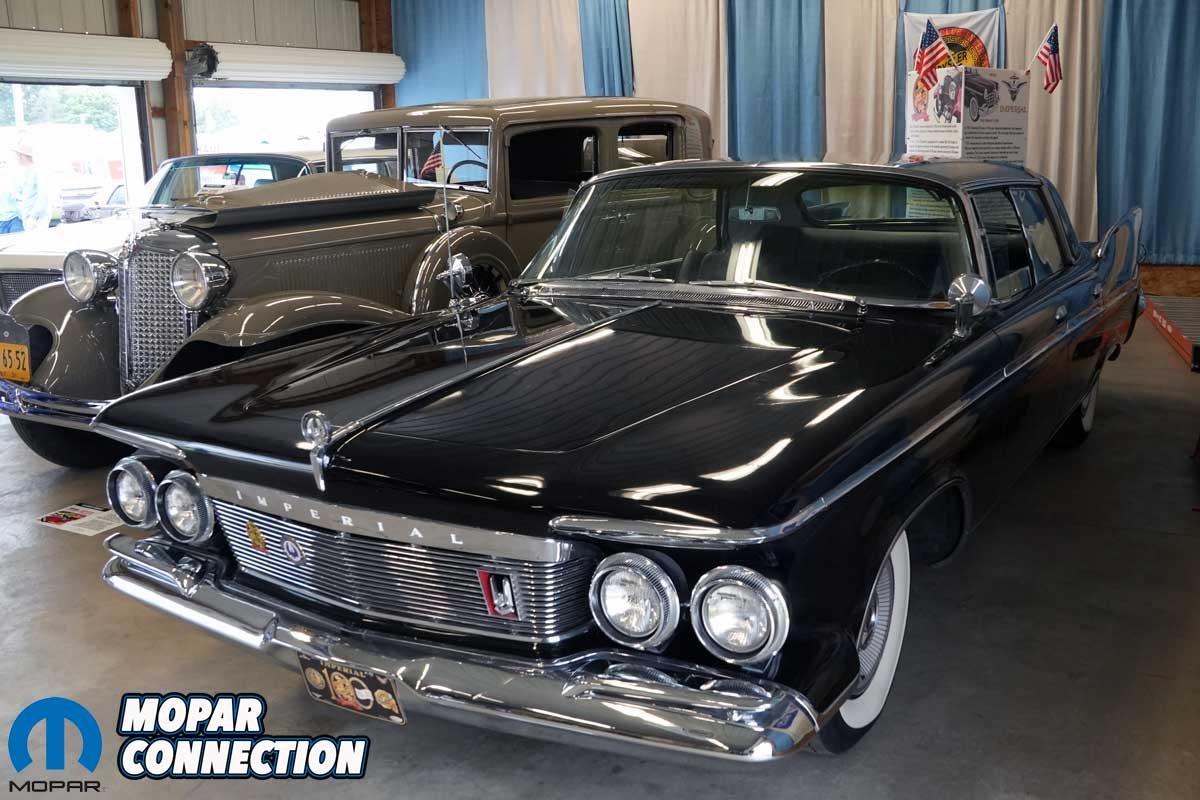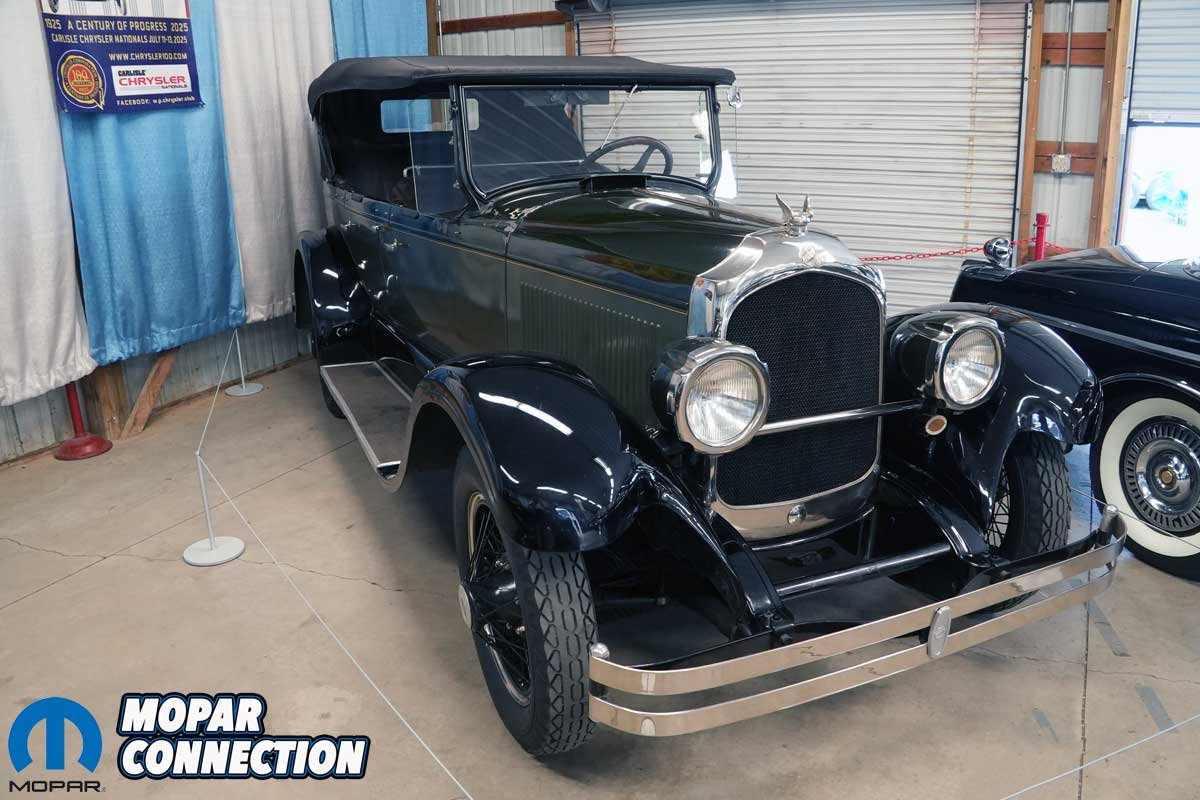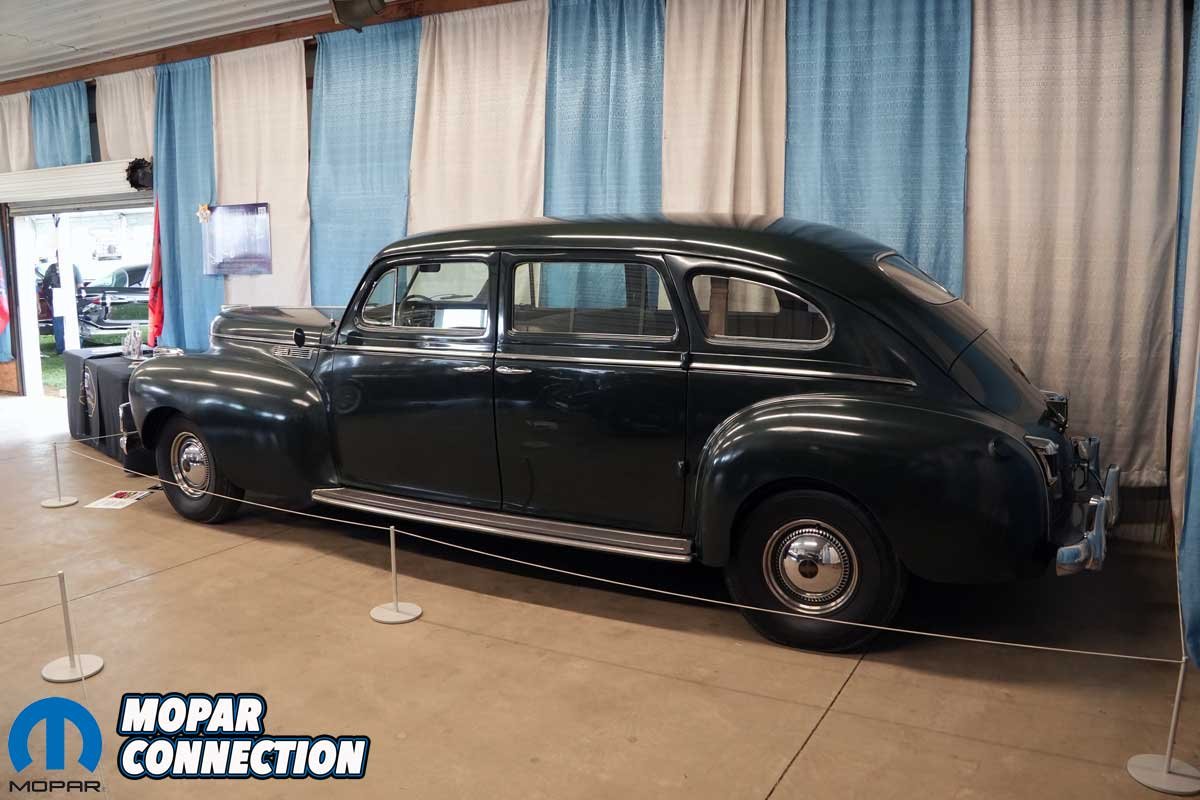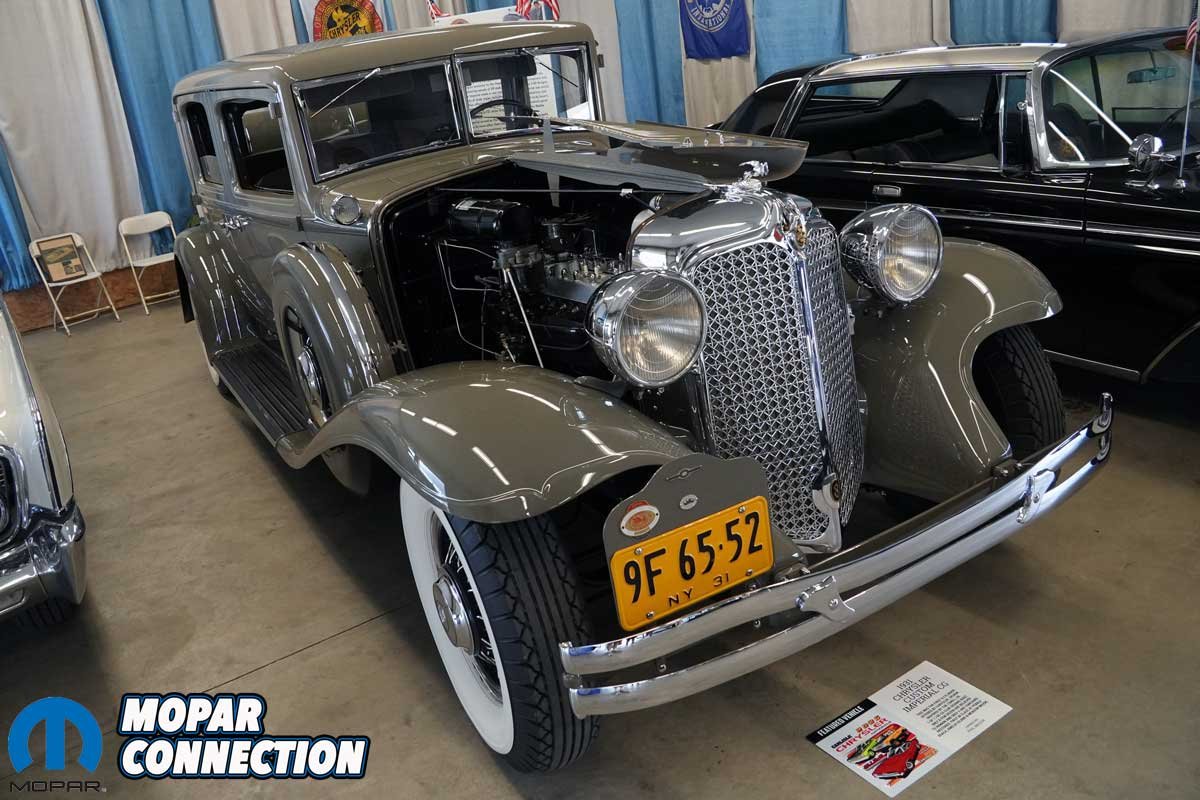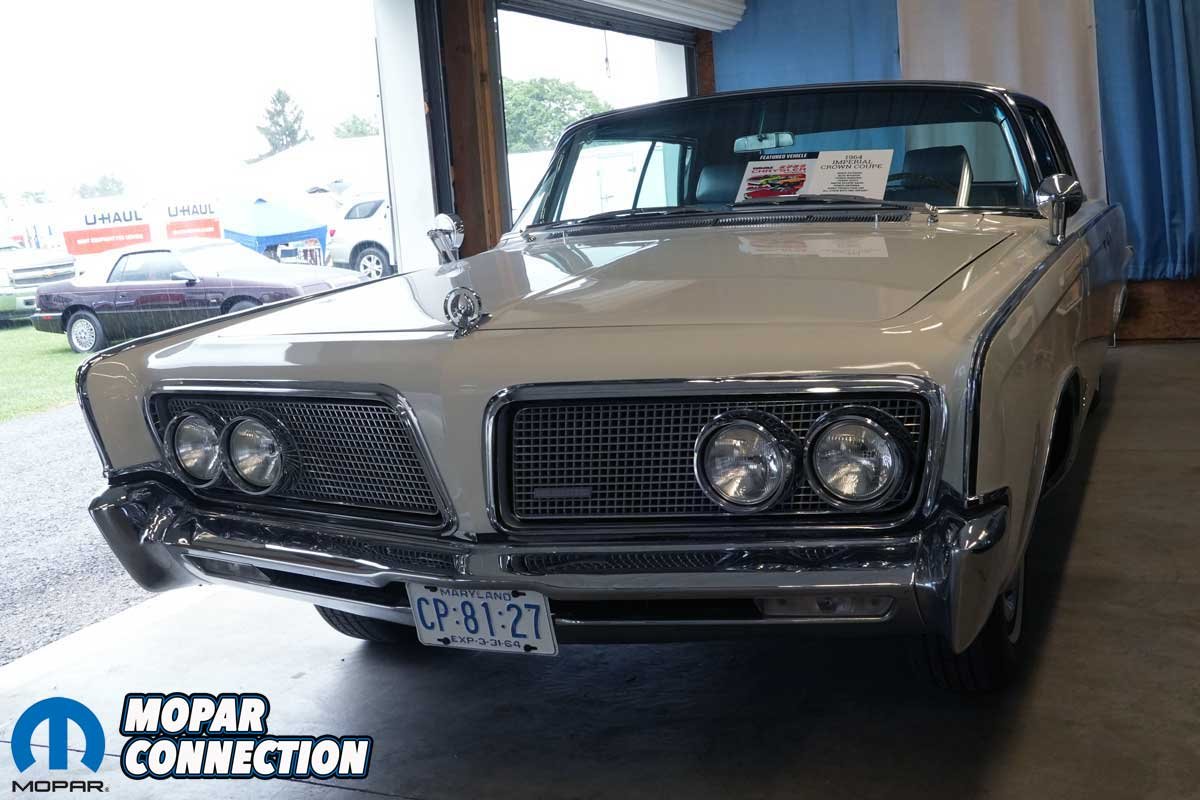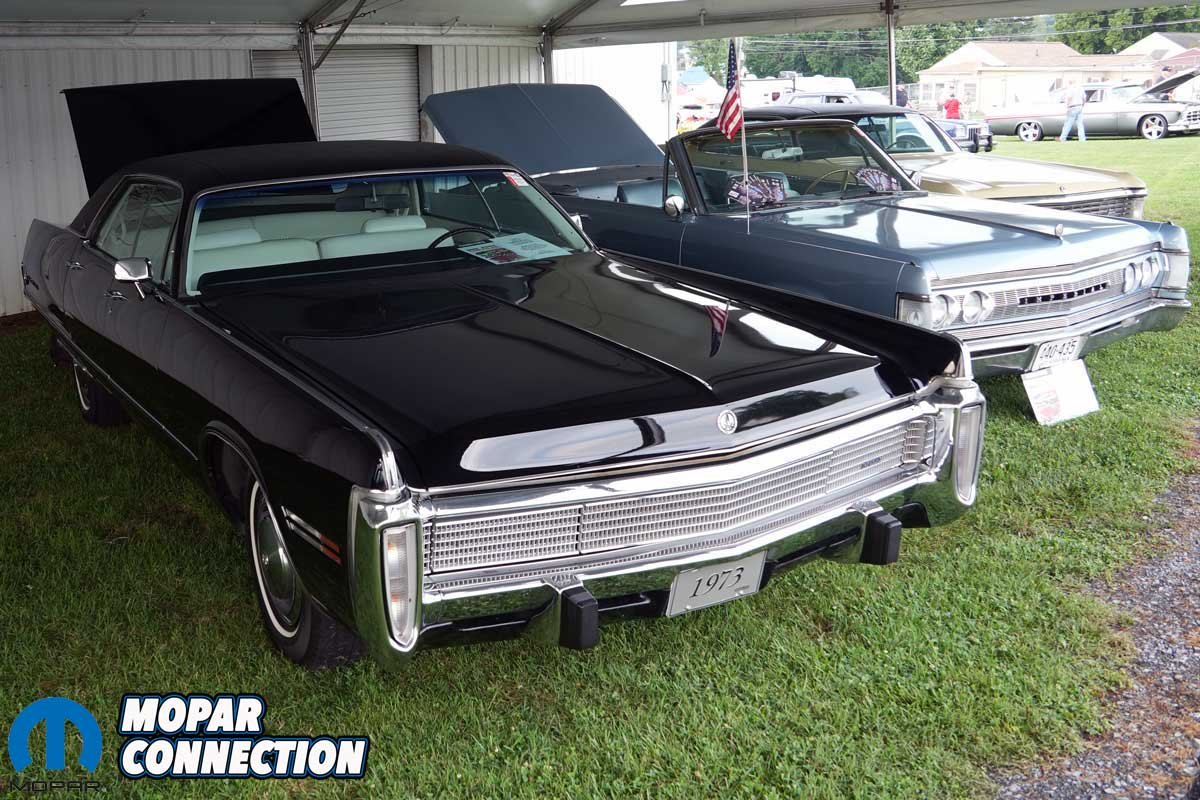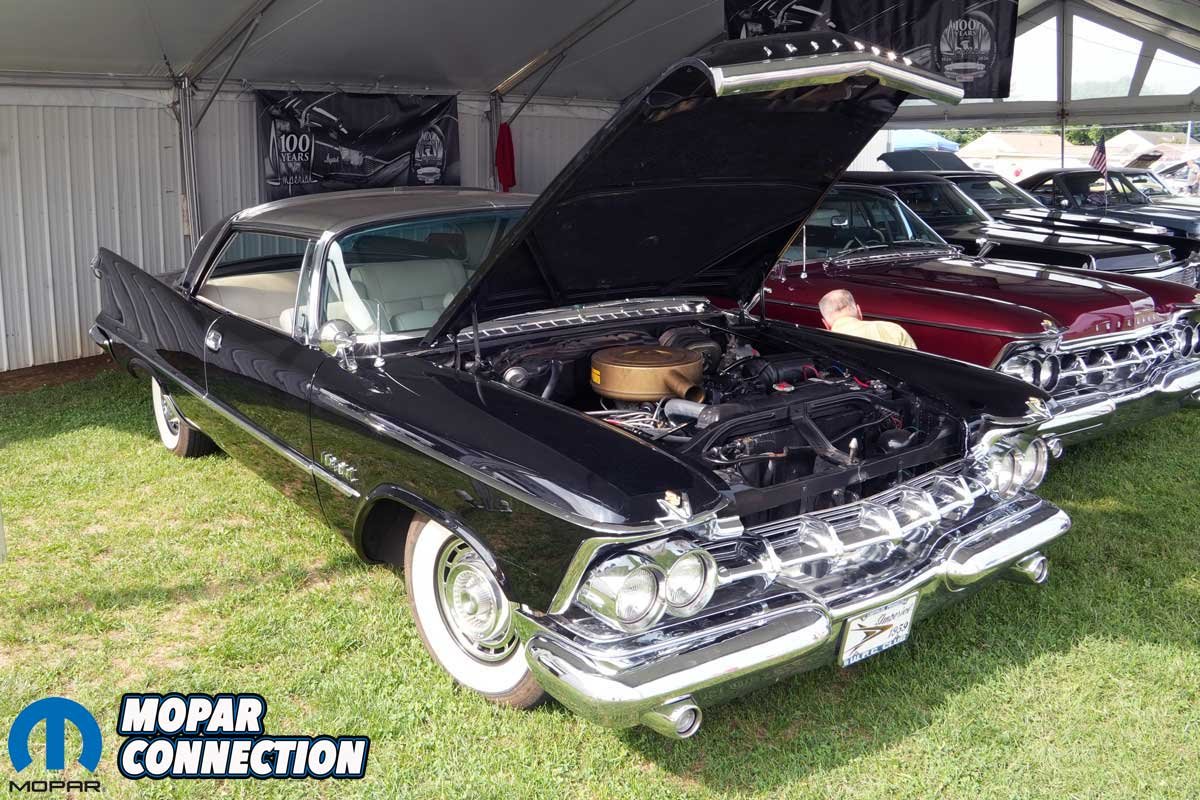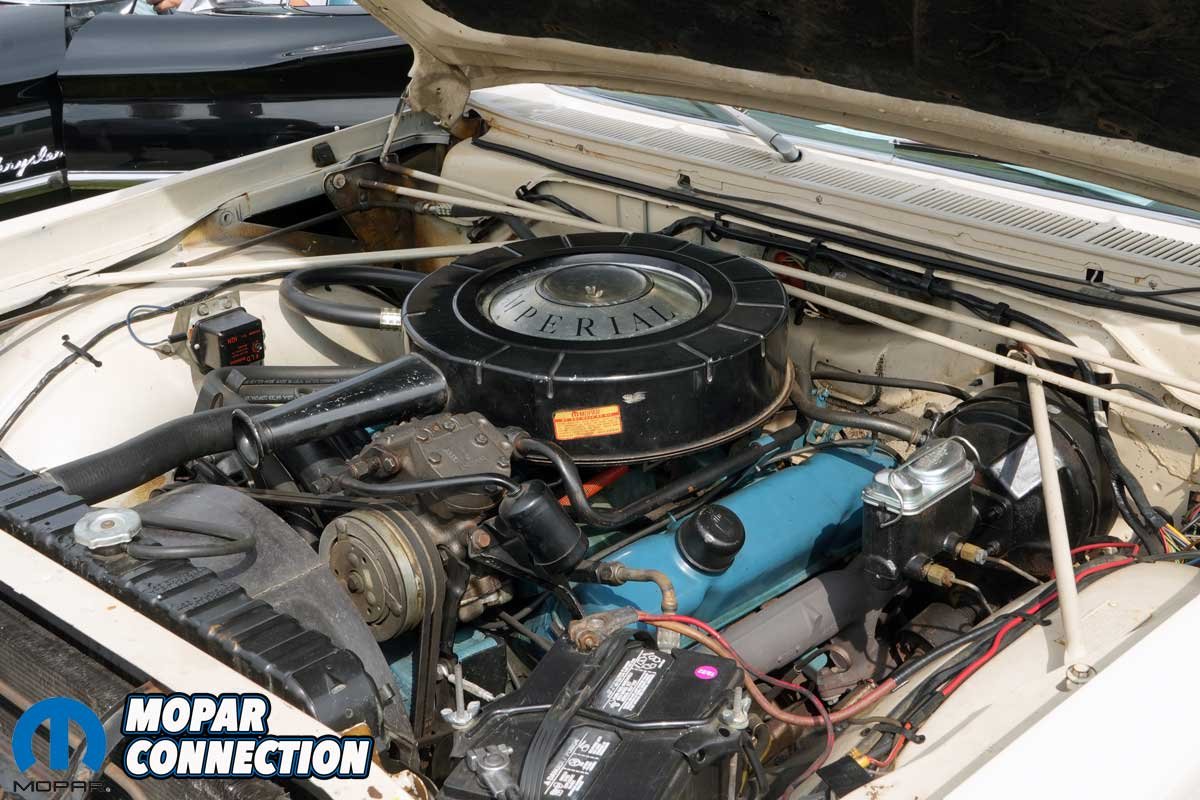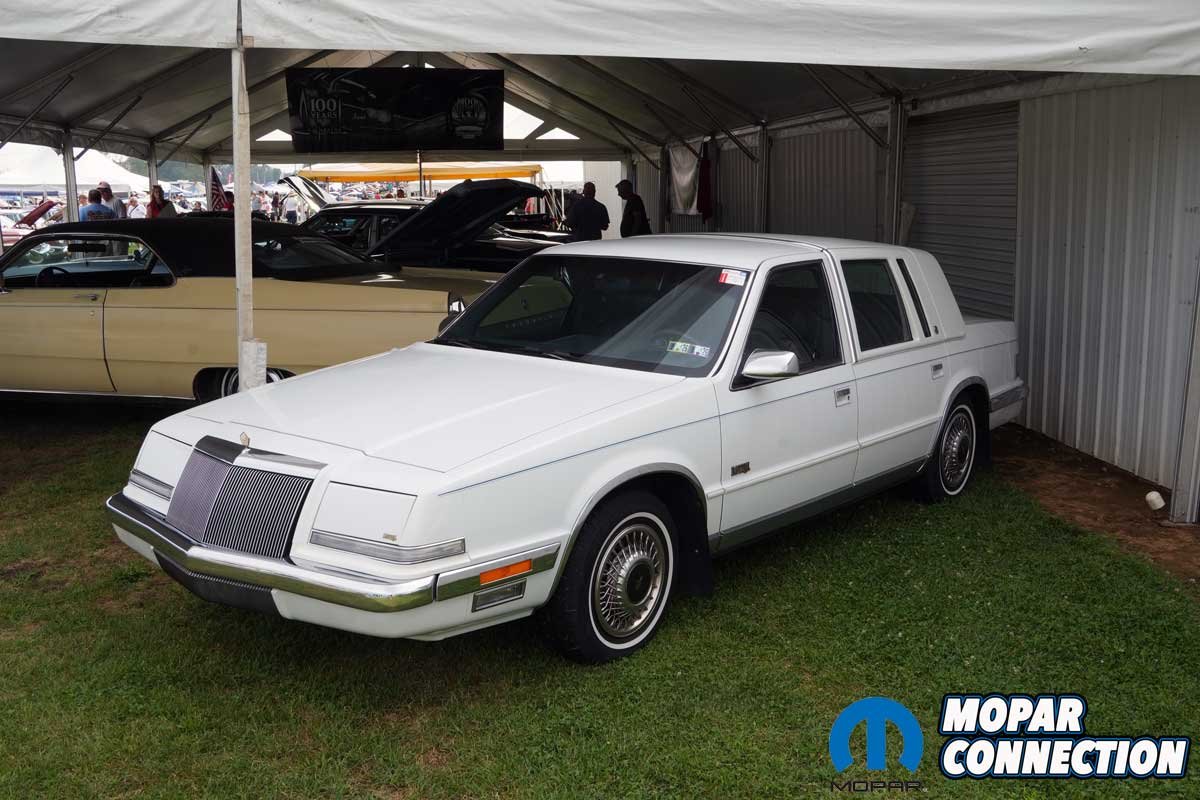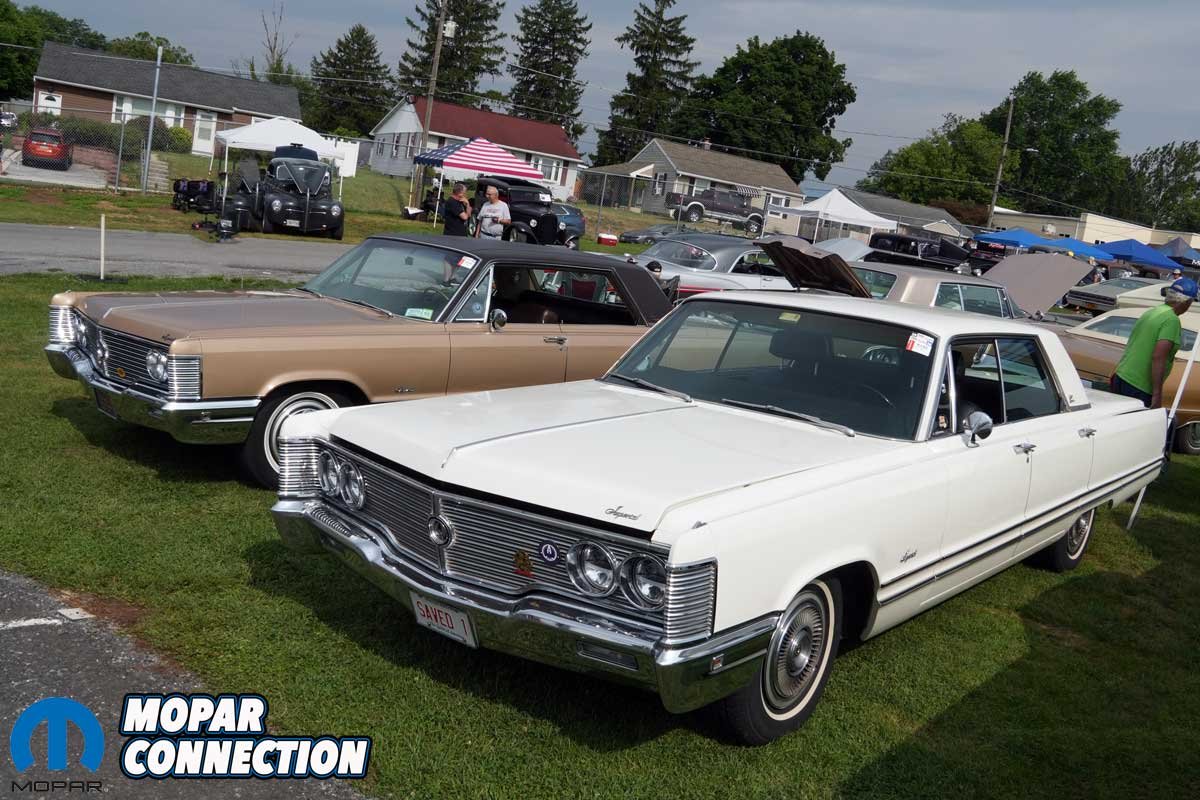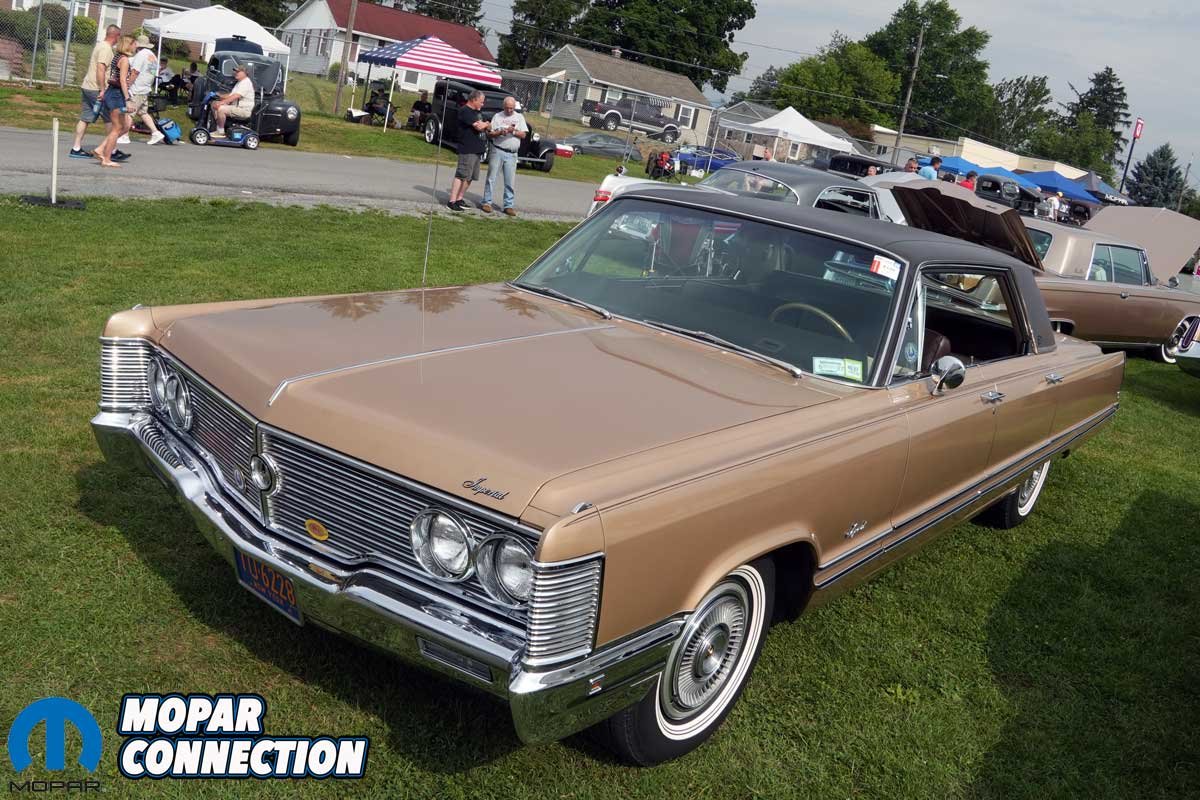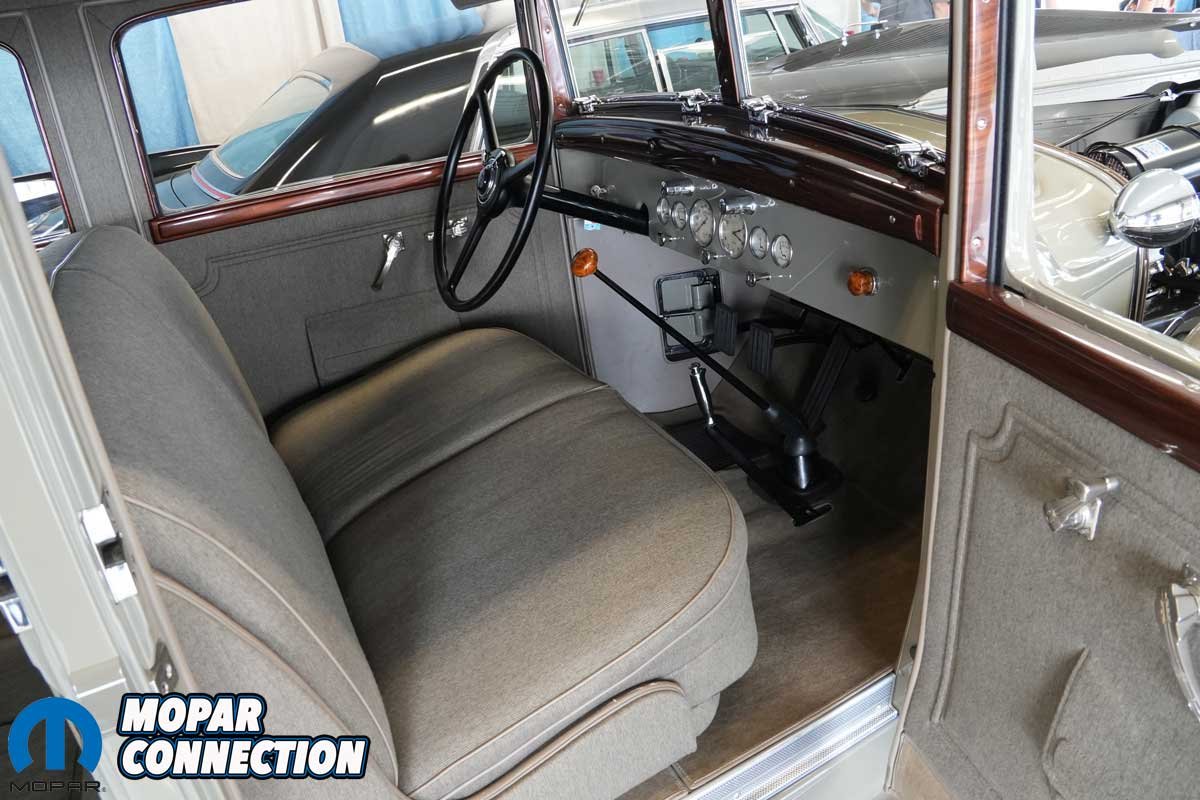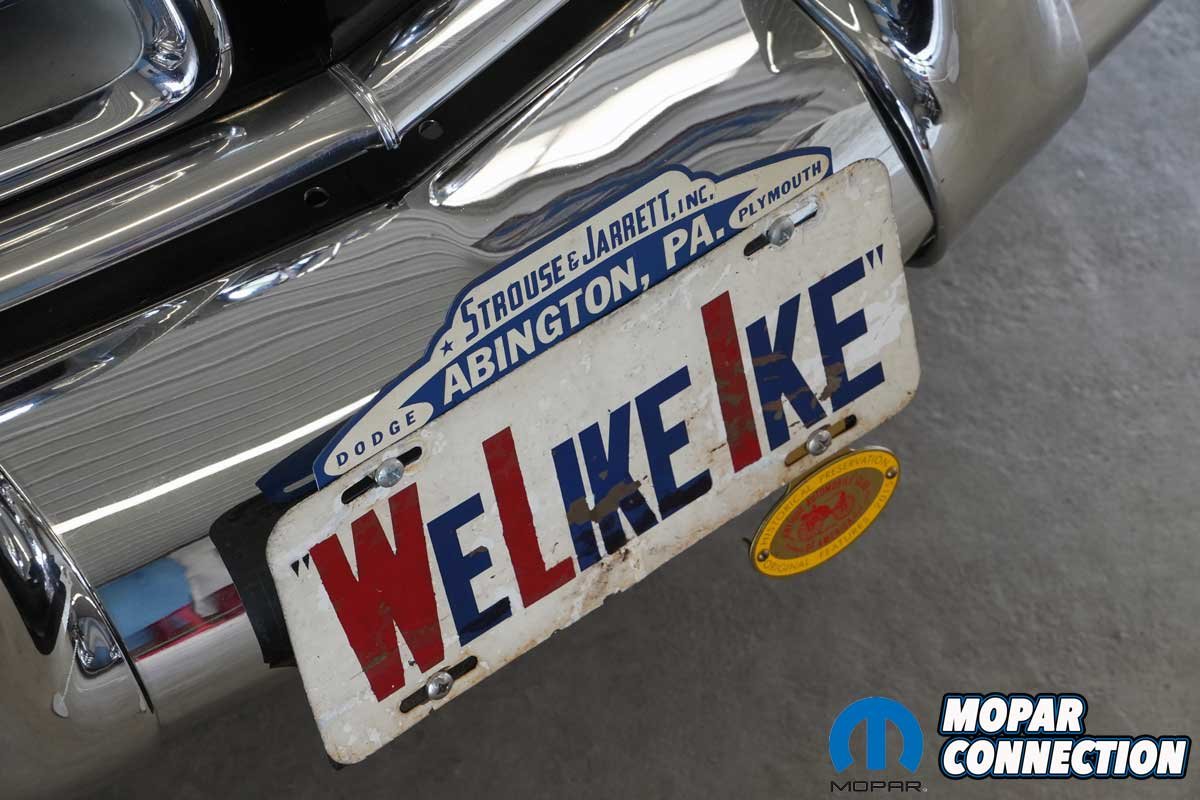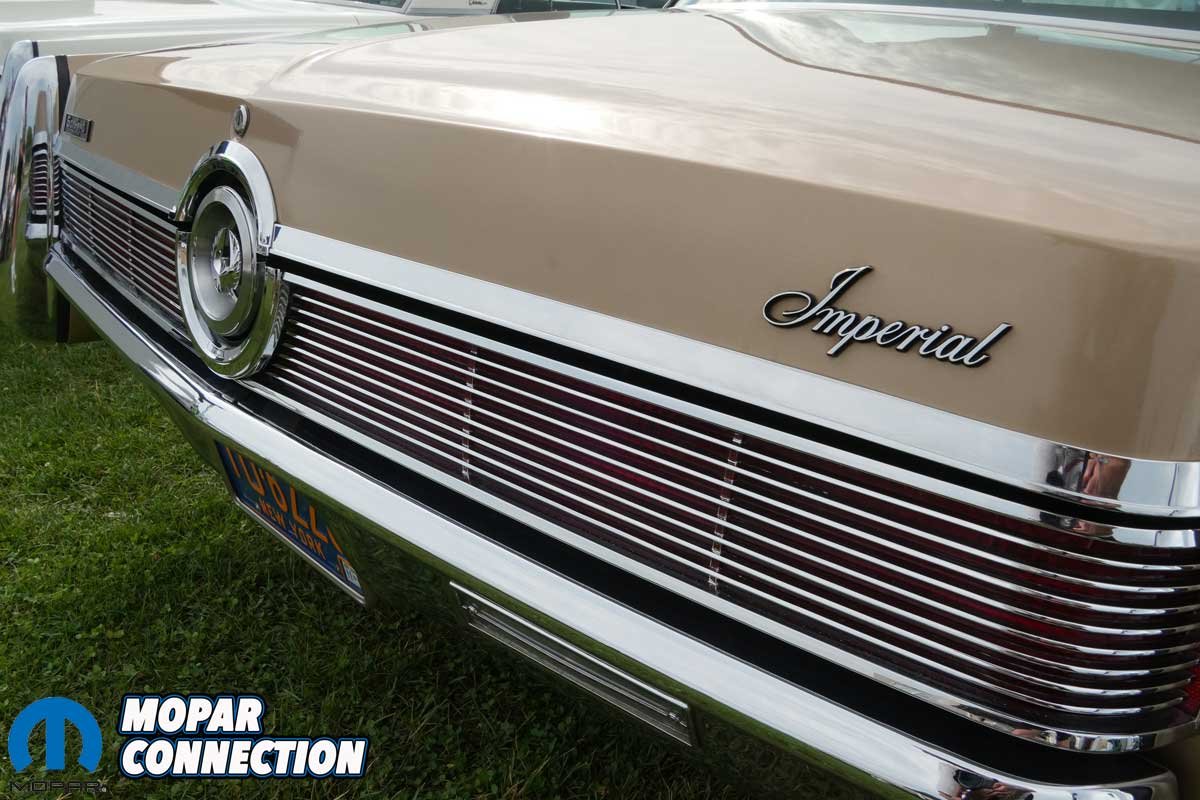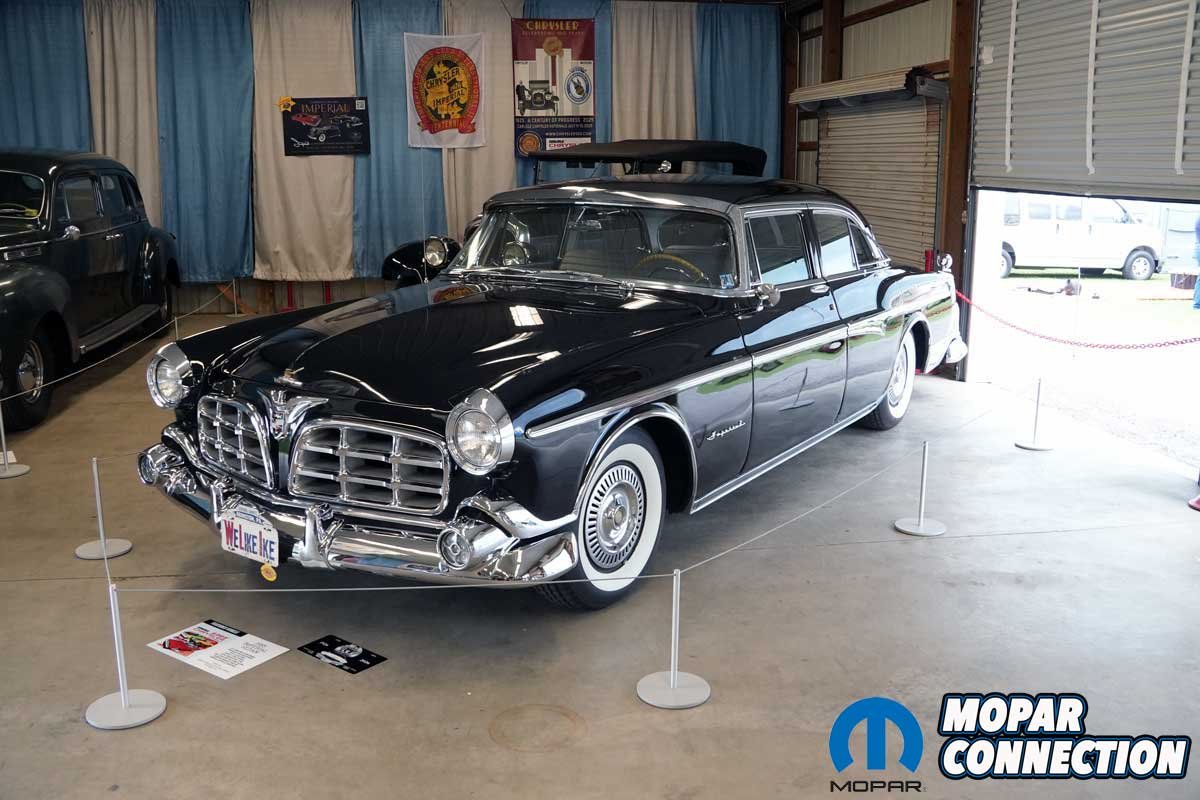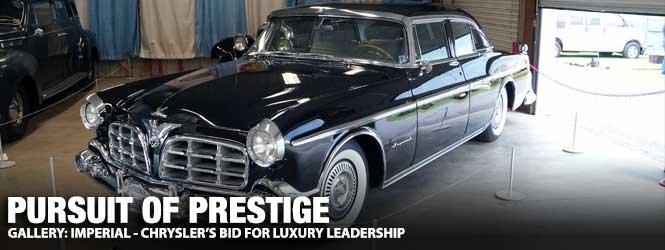
At the 2026 Carlisle Chrysler Nationals, the Chrysler Imperial celebrated its 100th anniversary. A large collection of Imperials ranging from the 1920s to the 1990s was on the grounds for all to enjoy.
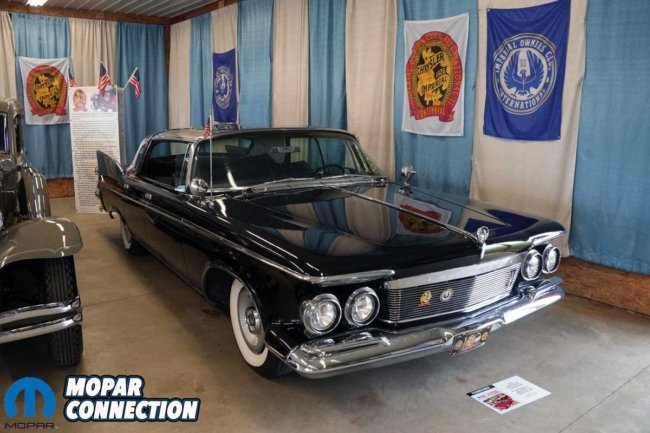
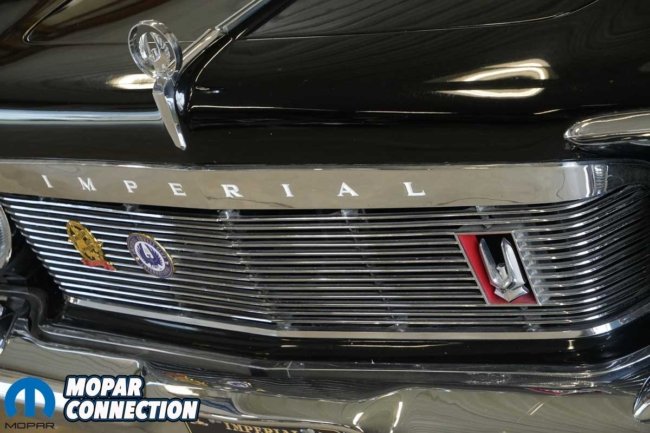
Few names in American automotive history elicit luxury quite like Imperial. For nearly seven decades, it represented the best Chrysler Corporation had to offer, serving as the company’s shining jewel, technological showcase, and its answer to the competition’s luxury vehicles.
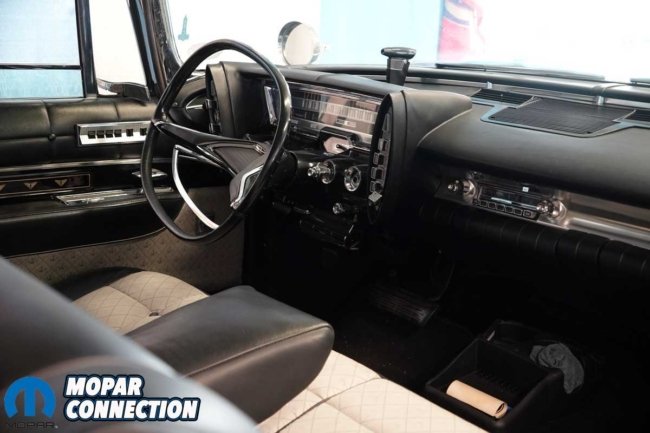
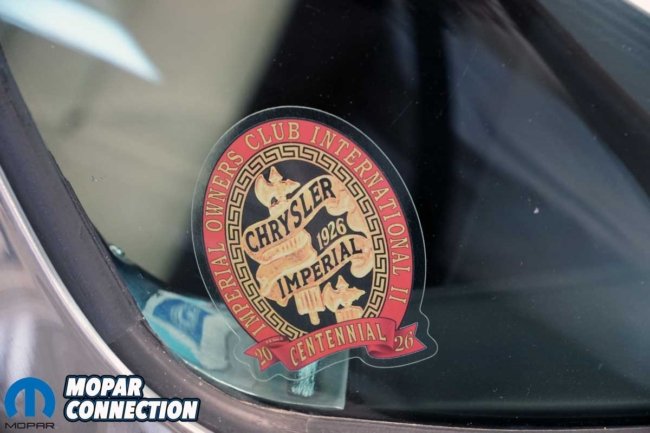
Although Imperial never matched its rivals in showroom sales, it earned something far more long-lasting among devotees: a reputation for cutting-edge engineering, exceptional styling, and uncompromising craftsmanship. Its history reflects Chrysler’s determination to compete in America’s most prestigious automotive arena.
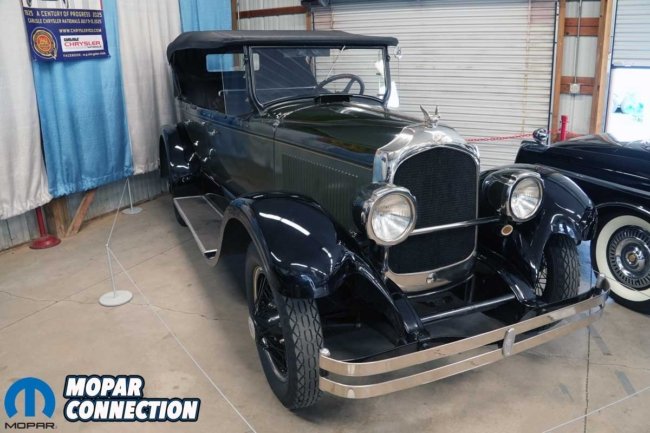
The Imperial story began in 1926, only a year after Walter P. Chrysler founded his company. Determined to establish Chrysler as more than another mid-priced manufacturer, Walter Chrysler introduced the Imperial as the corporation’s flagship automobile.
Designed to challenge luxury marques such as Cadillac, Packard, Lincoln, and Pierce-Arrow, the new model combined powerful engines, refined engineering, and elegant coachwork. It immediately demonstrated that Chrysler intended to compete with the industry’s best, not simply in value but in prestige.
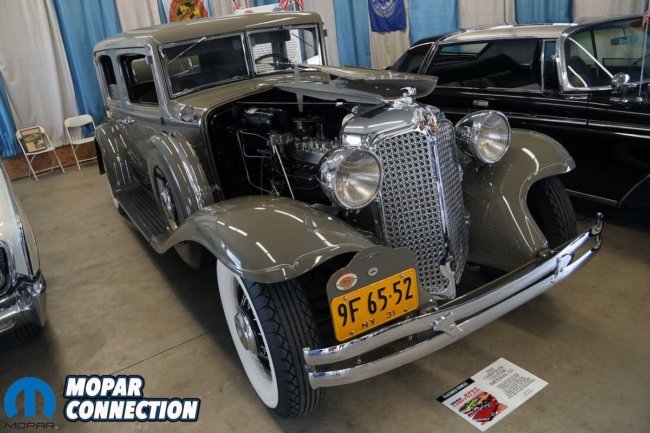
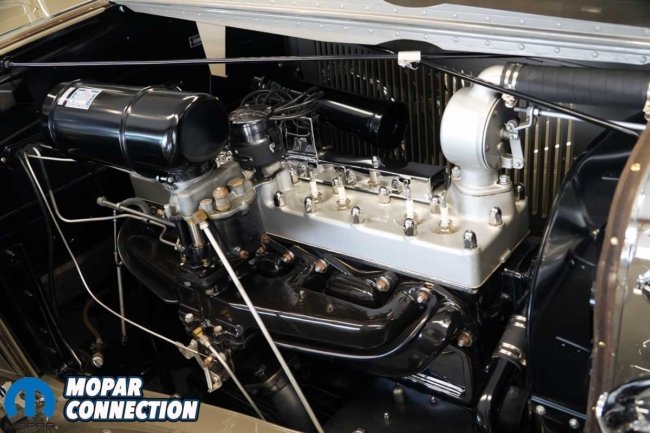
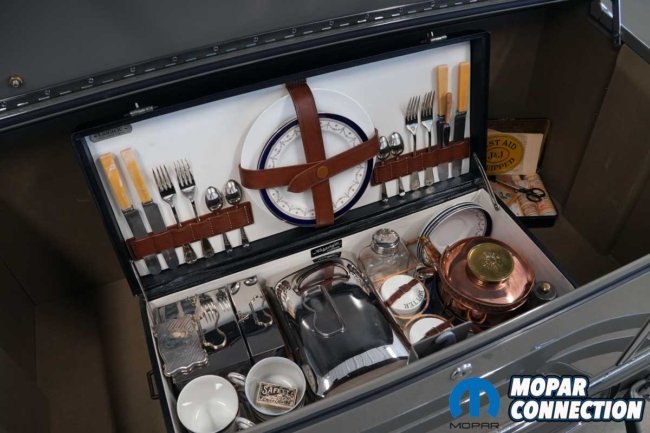
During the following three decades, Imperial remained the pinnacle of the Chrysler lineup. It was not a separate brand but the company’s most luxurious offering, characterized by longer wheelbases, richer interior materials, and the latest engineering developments.
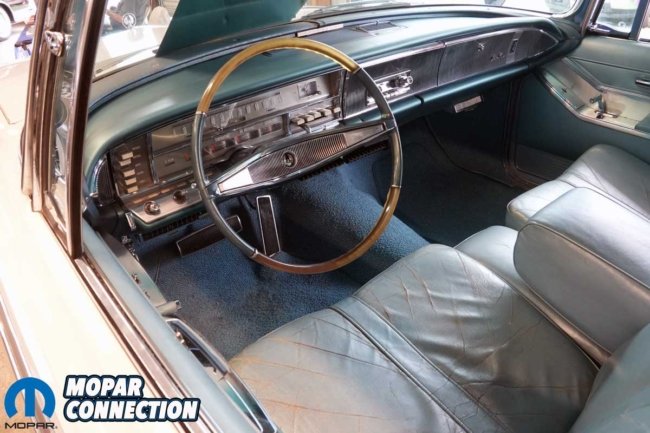
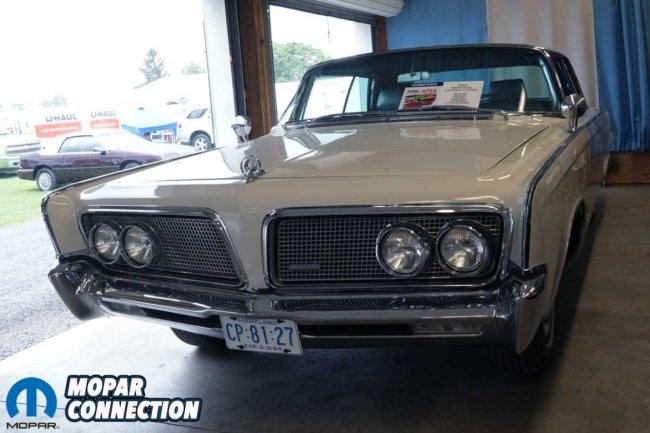
Chrysler frequently introduced new technologies on Imperial models before they filtered down to the rest of the product line. Features such as Fluid Drive, improved suspension systems, and increasingly sophisticated styling reinforced Imperial’s role as the corporation’s engineering showcase.
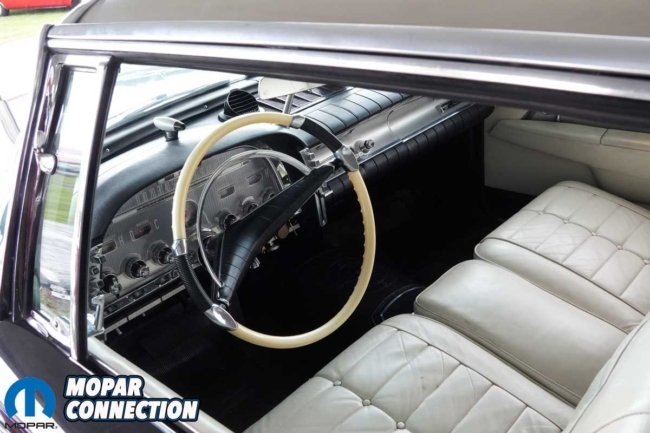
The years following the Second World War transformed the American luxury market. Prosperity returned, buyers demanded larger and more well-appointed automobiles, and Cadillac continued to dominate the segment.
Chrysler executives recognized that competing with General Motors required more than an upscale Chrysler. Luxury buyers valued exclusivity, and the Imperial name possessed enough prestige to stand on its own.
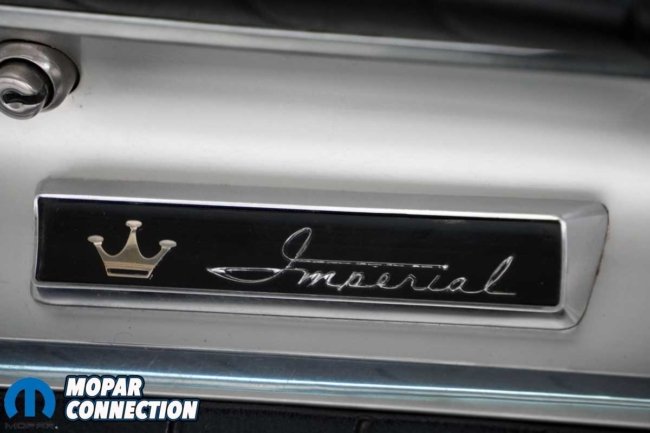
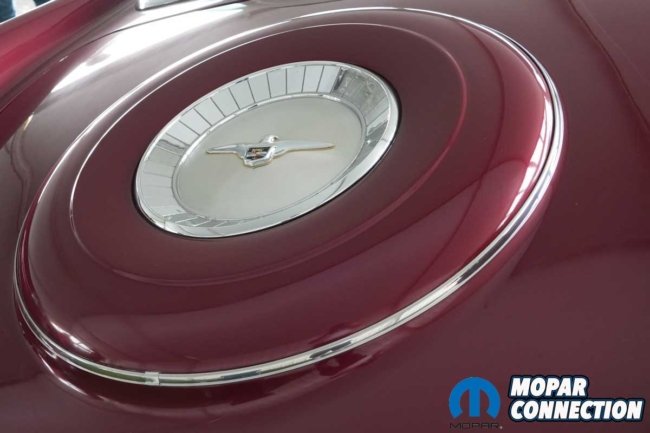
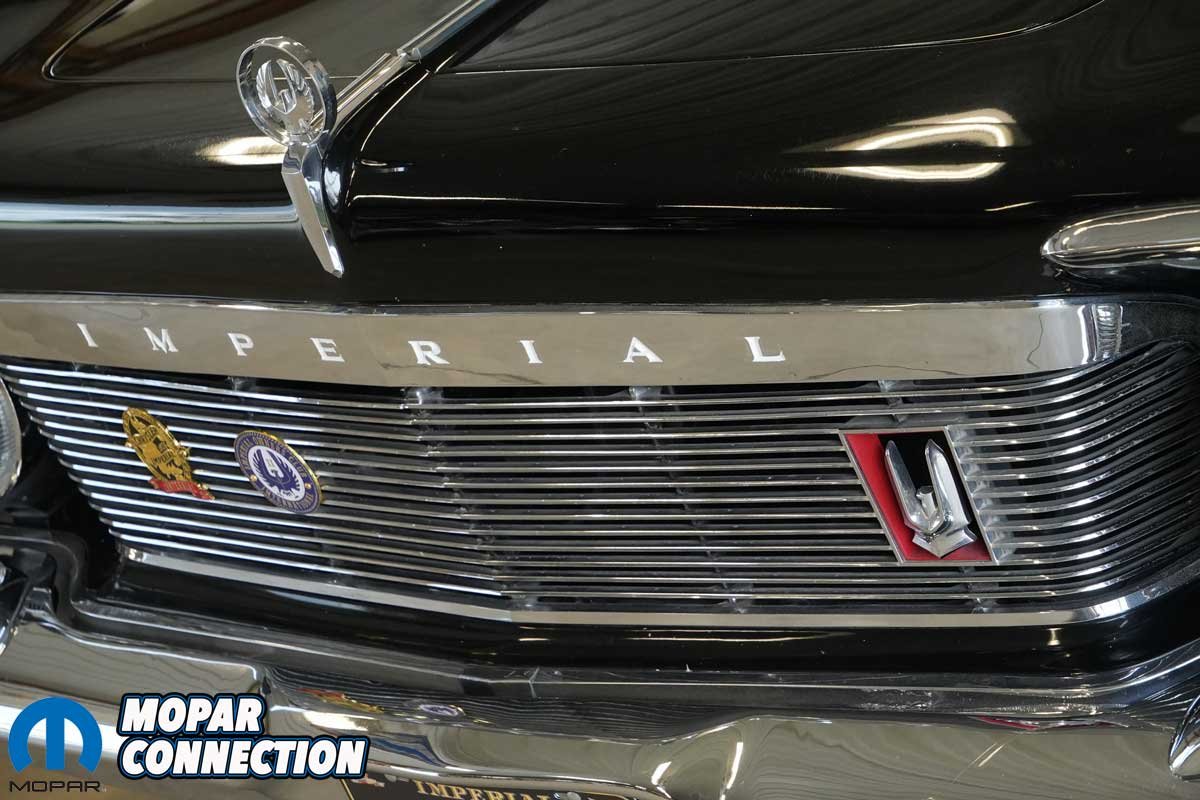
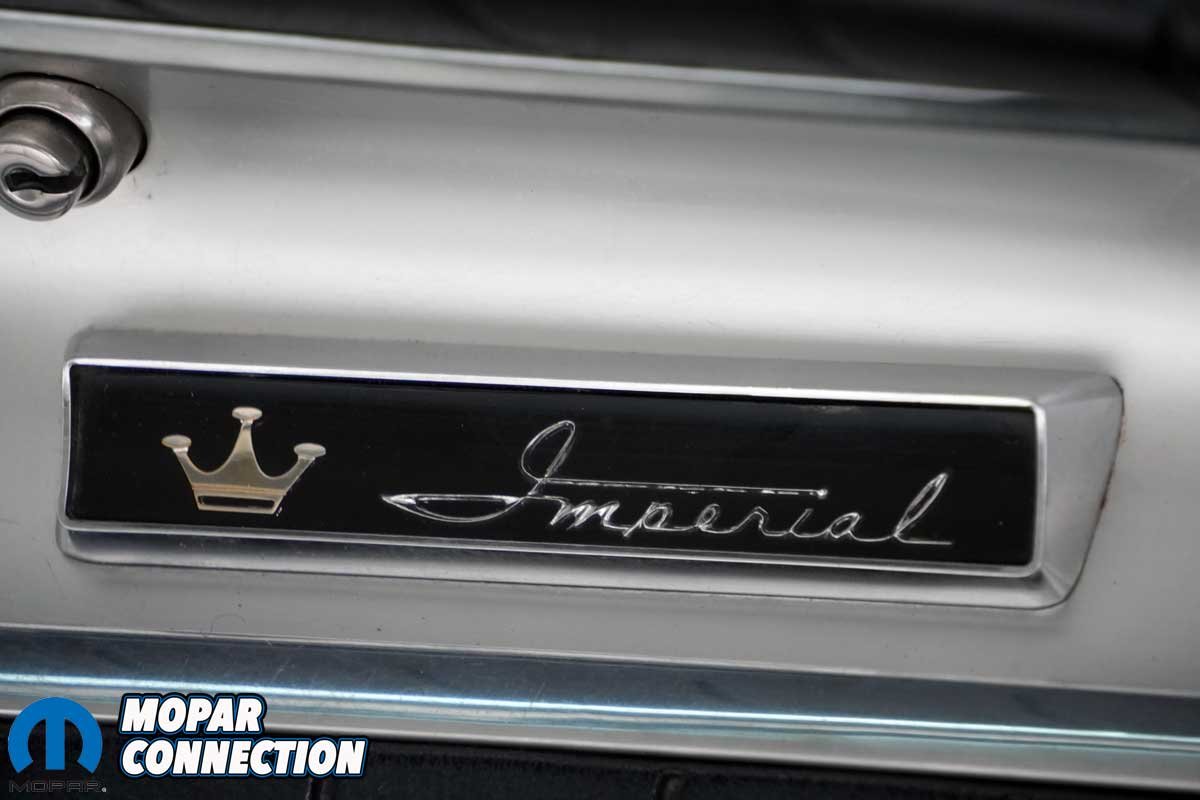
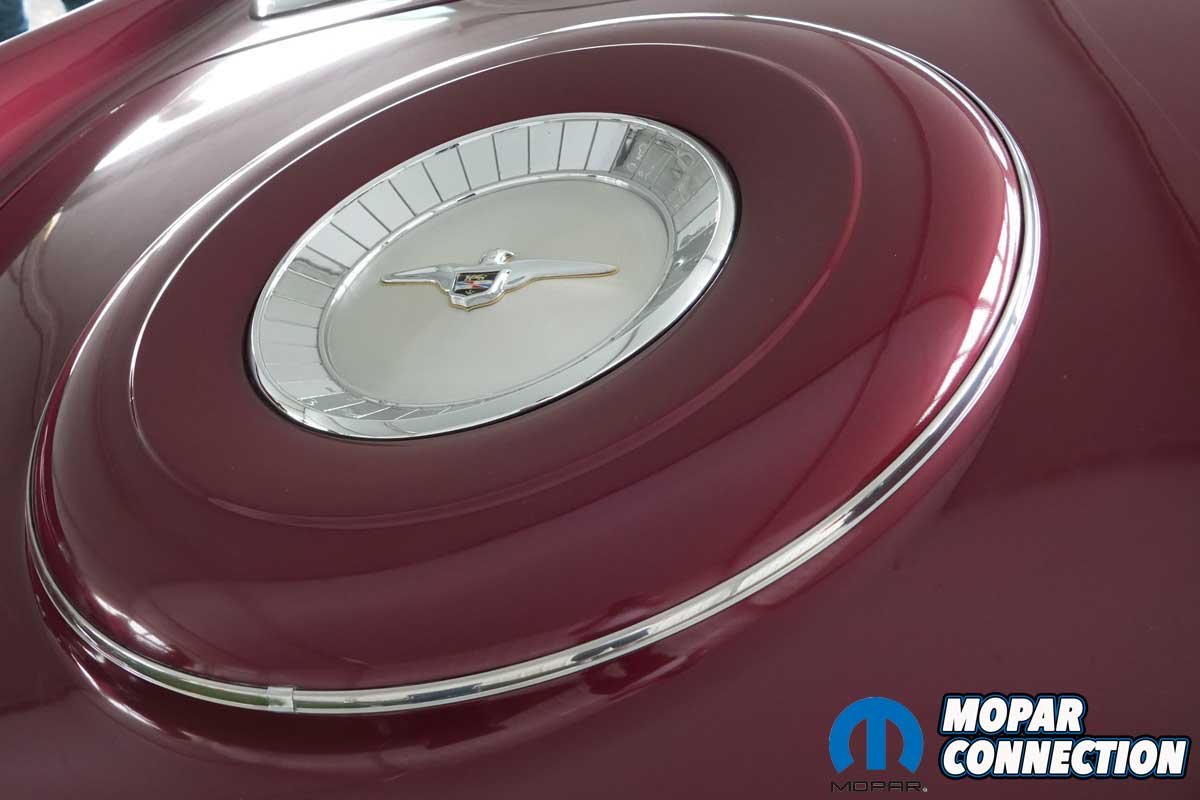
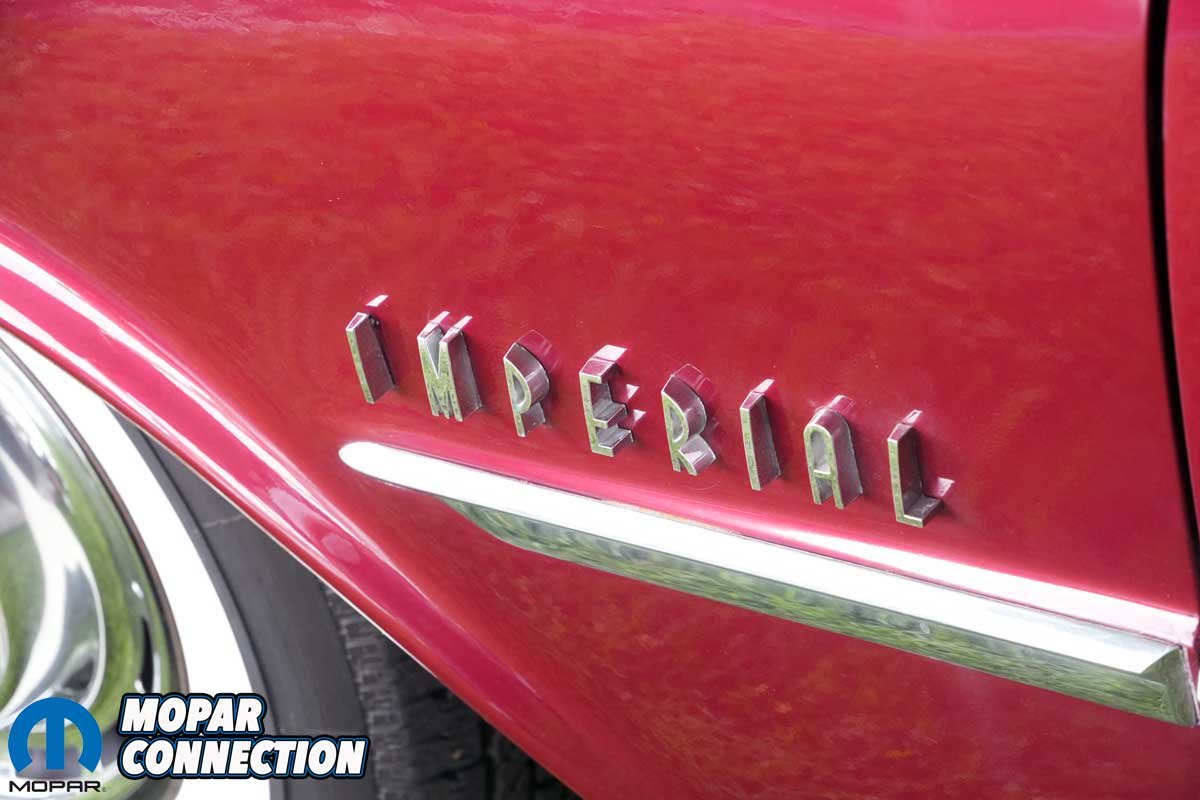
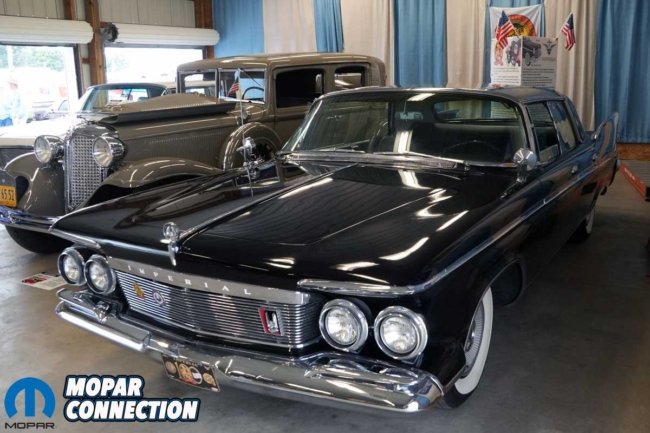
That realization led to one of the boldest marketing decisions in Chrysler history. Beginning with the 1955 model year, Imperial became its own make. Chrysler badges disappeared, replaced by a distinctive eagle-inspired emblem that gave Imperial an identity separate from every other Chrysler product.
While Imperial remained part of Chrysler Corporation, the company wanted buyers to view it as a direct competitor to Cadillac and Lincoln rather than simply the most expensive Chrysler in the showroom.
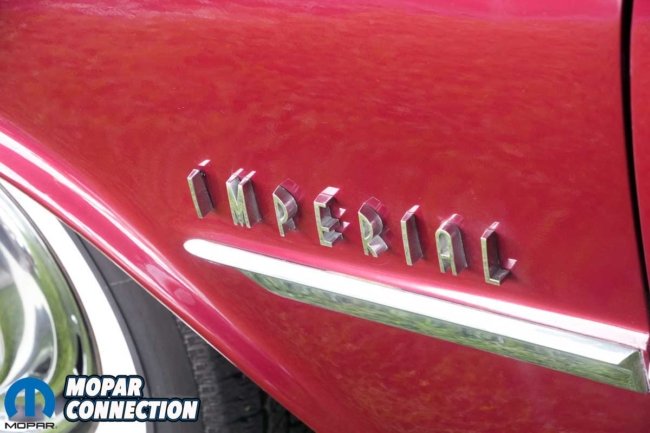
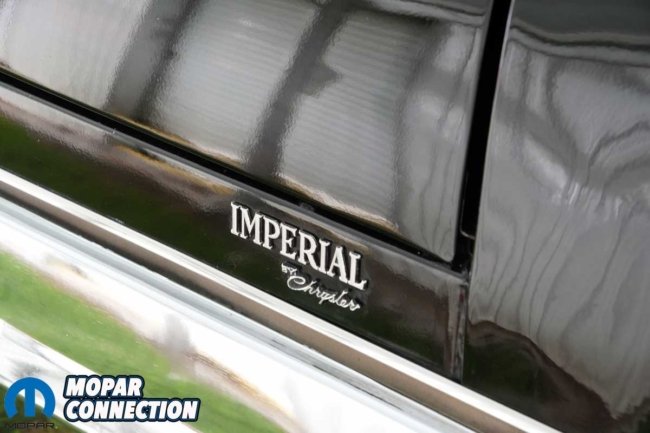
The timing coincided with one of Chrysler’s greatest design eras. Under the direction of Virgil Exner, the corporation unveiled its dramatic Forward Look styling. Long, low body lines, graceful fins, and sweeping proportions gave Imperial a commanding presence unlike anything else on the road.
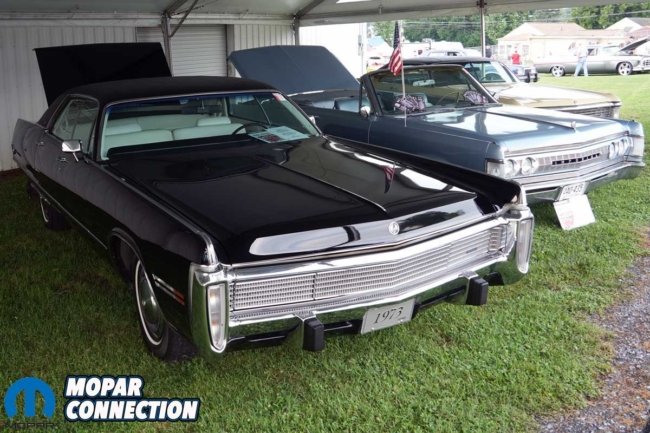
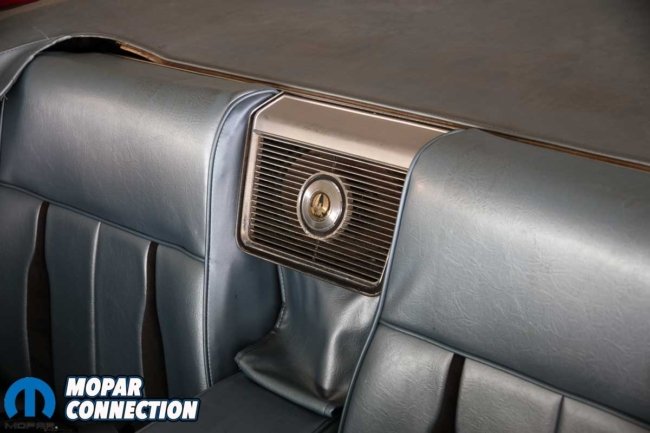
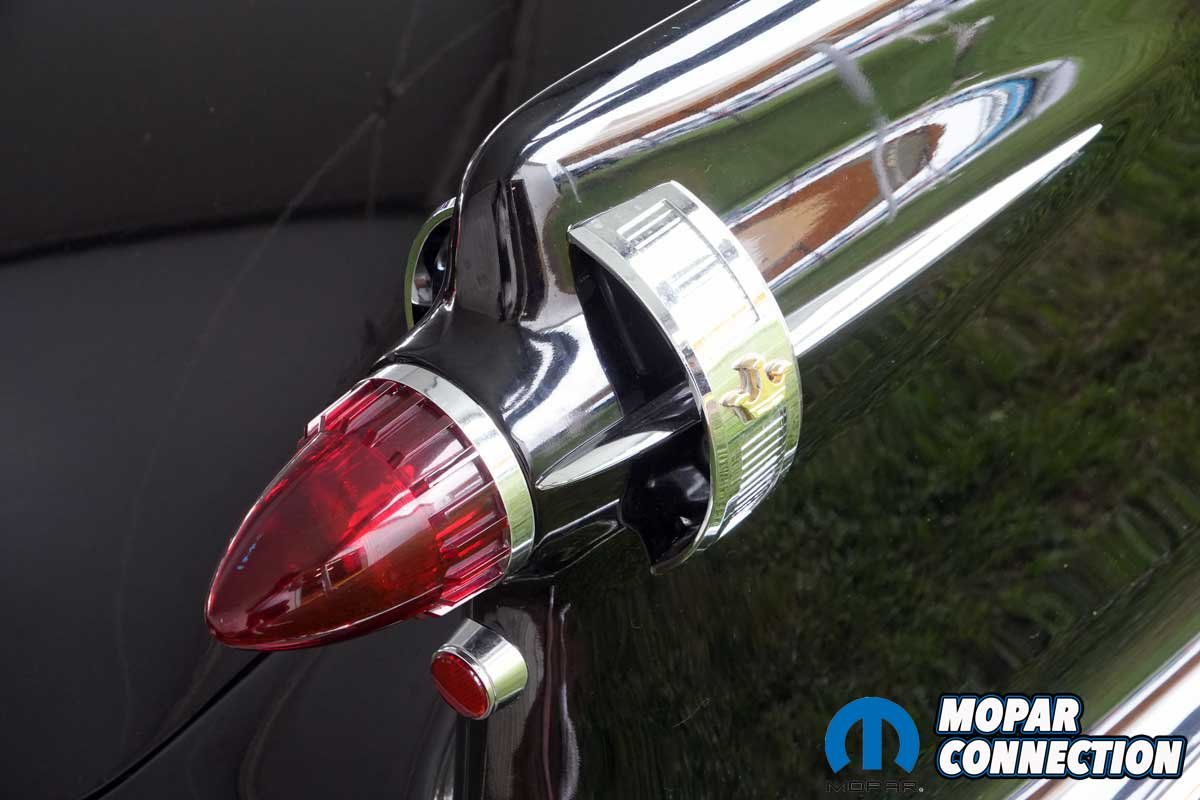
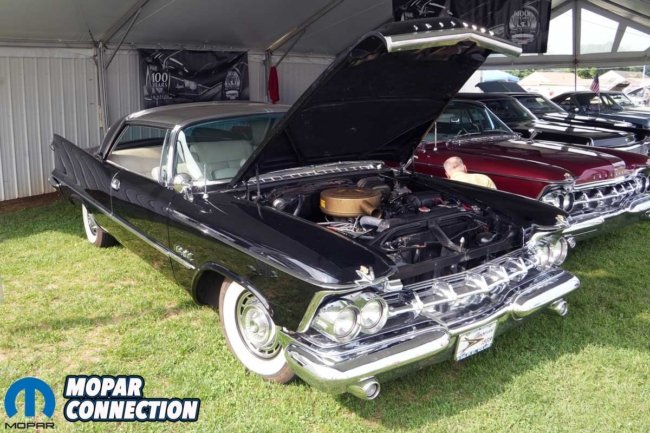
The 1957 models became instantly recognizable thanks to their “biplane” front bumper, a full-width egg-crate grille, and freestanding single or quad headlights. Ever taller tailfins now incorporated the trademark gunsight taillights and outlined a descending tapered decklid that met the rear bumper.
The models also incorporated curved side glass employed for the first time in a U.S. production car. These styling cues made the ’57 the highest selling Imperial ever, with 37,593 produced.
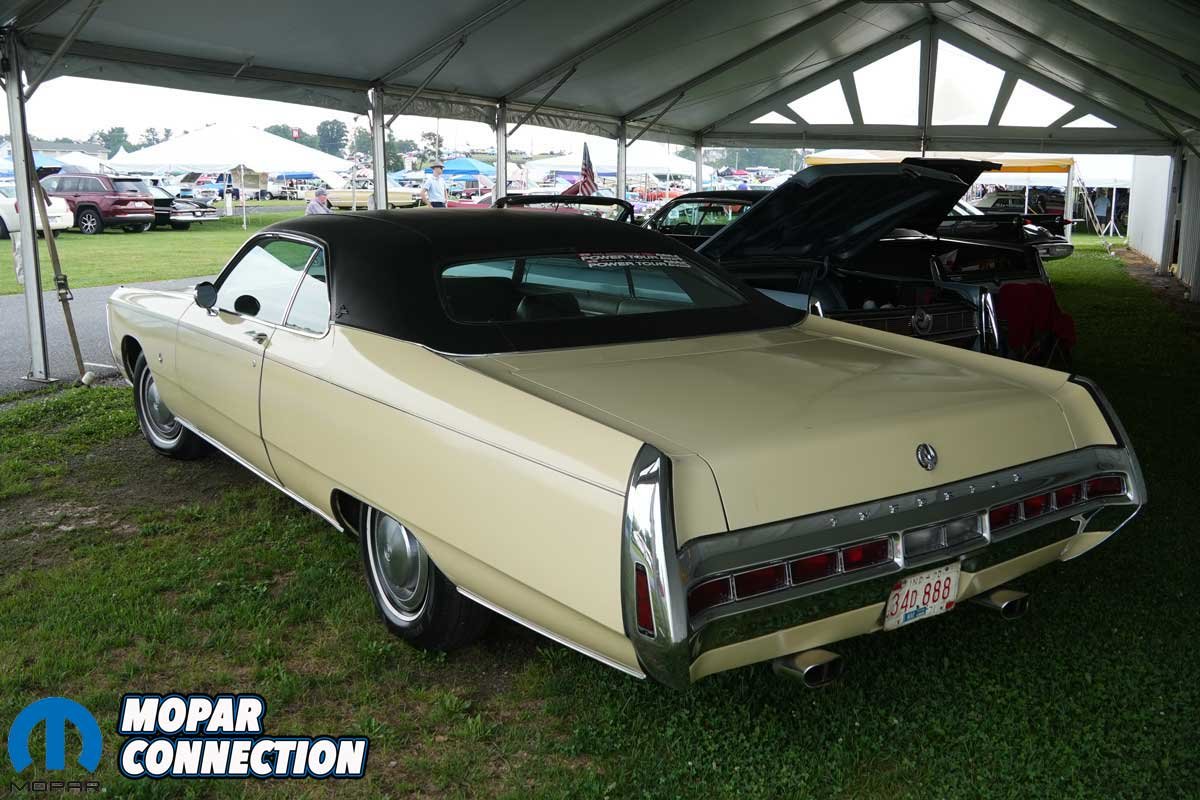
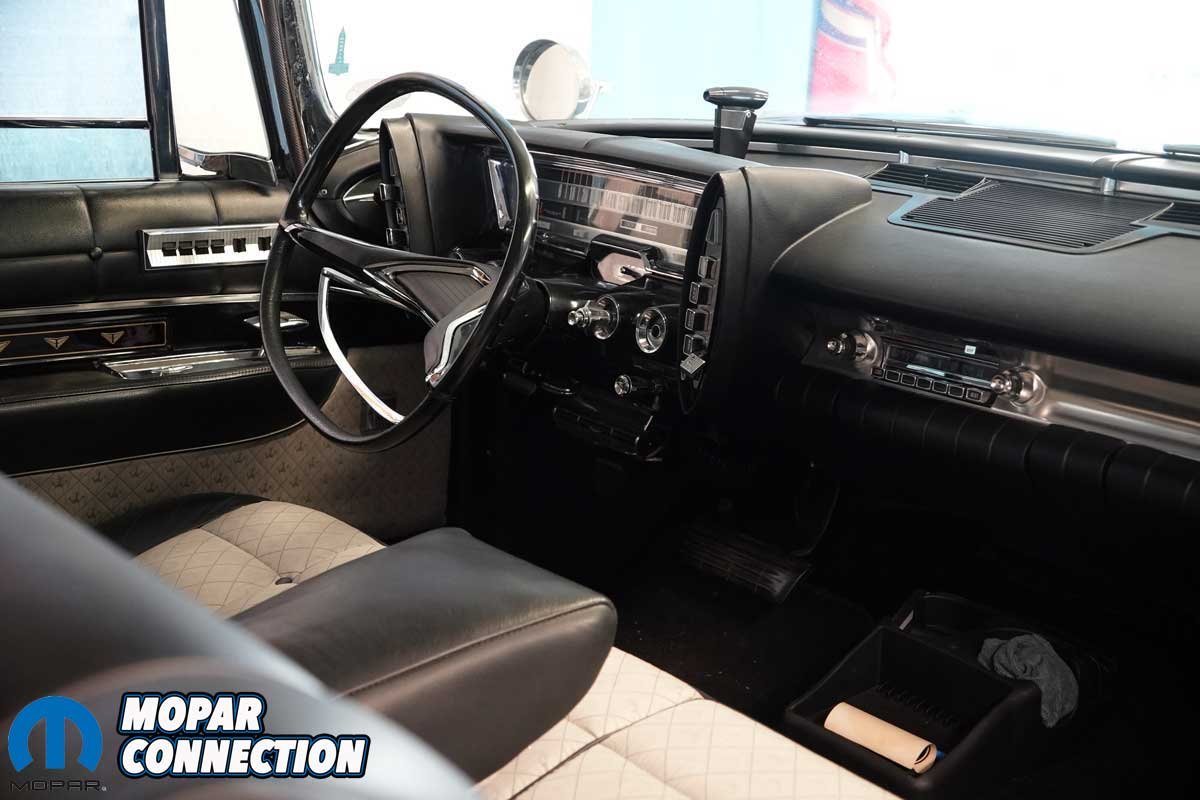
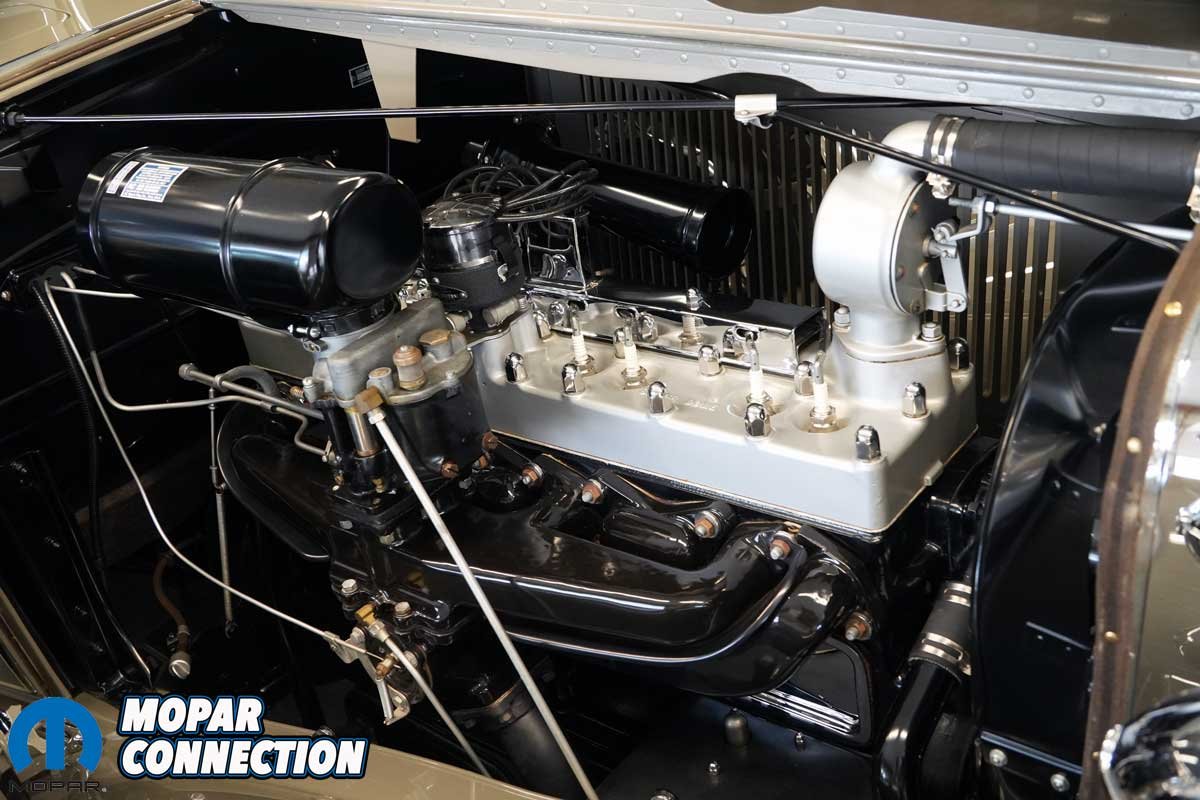
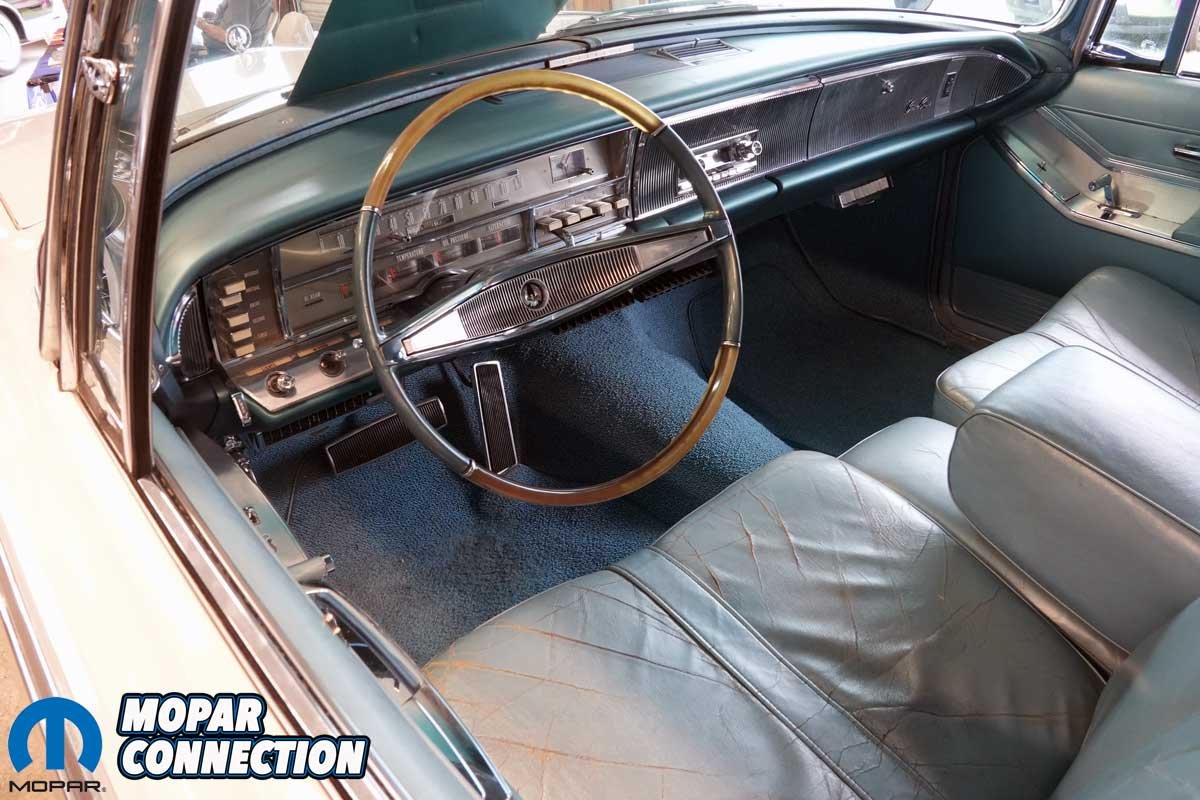
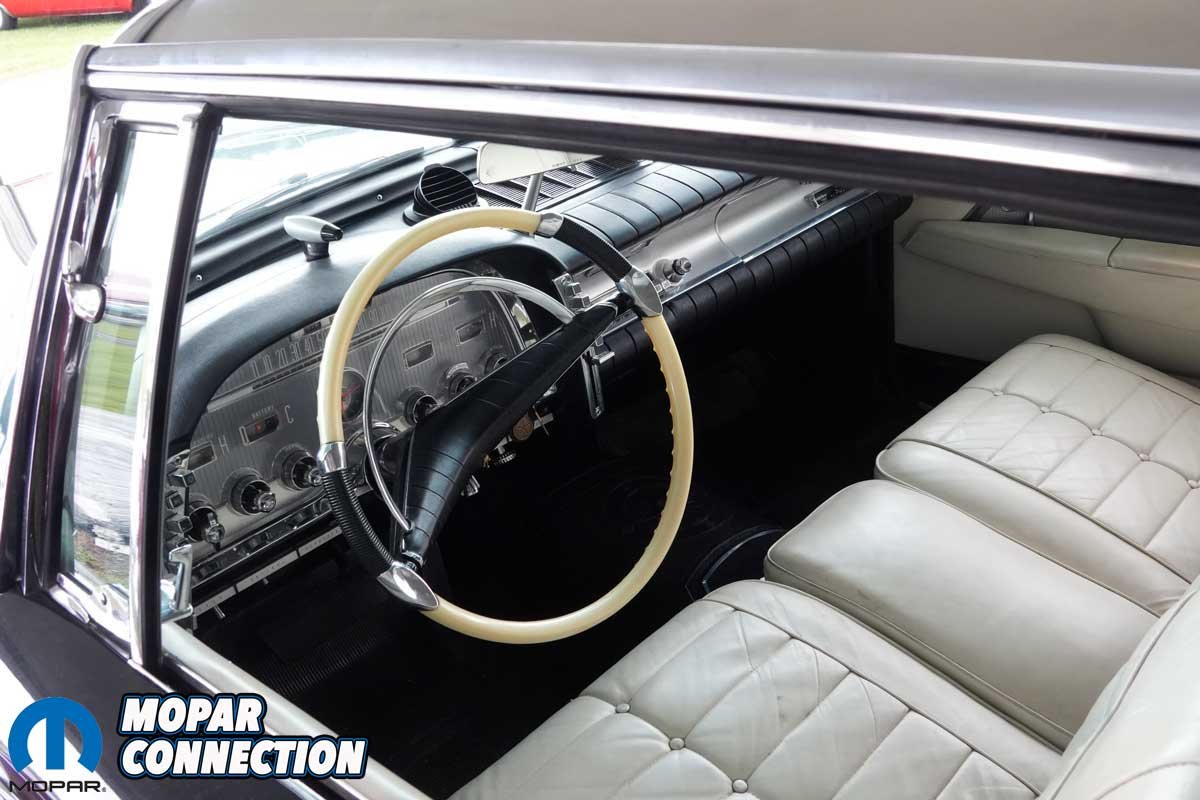
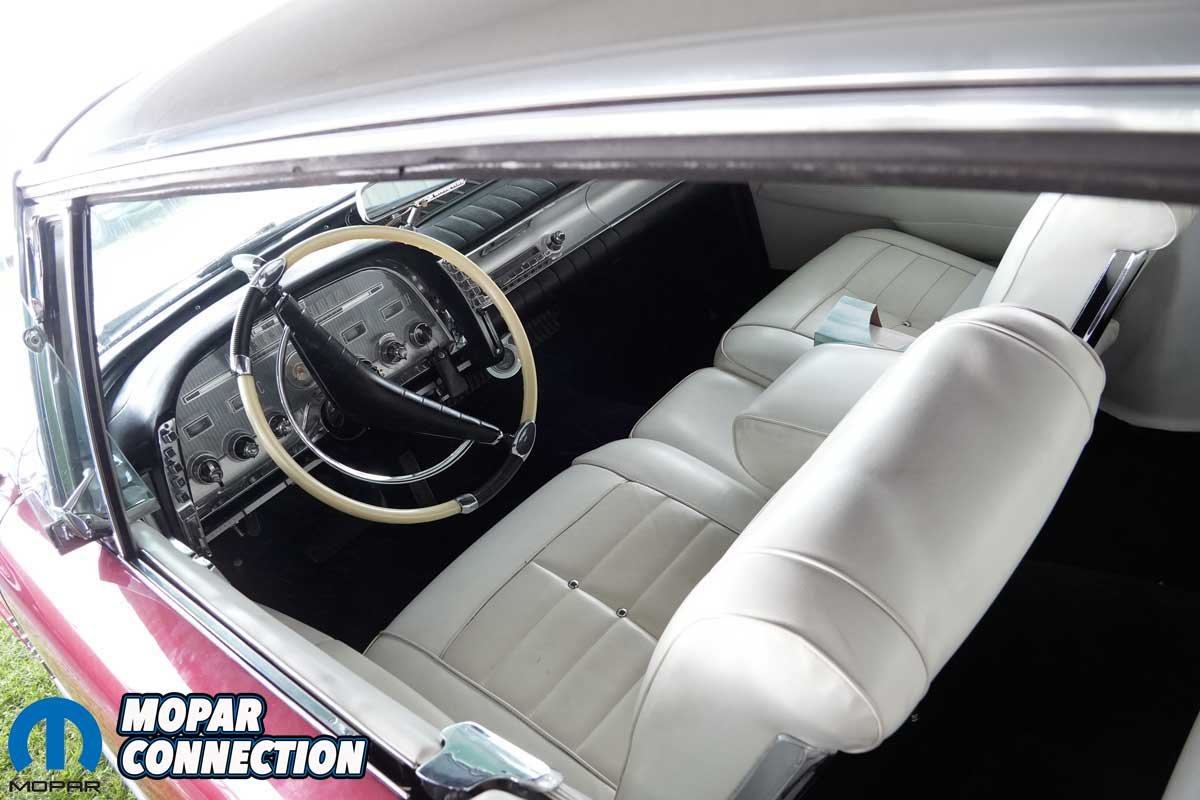
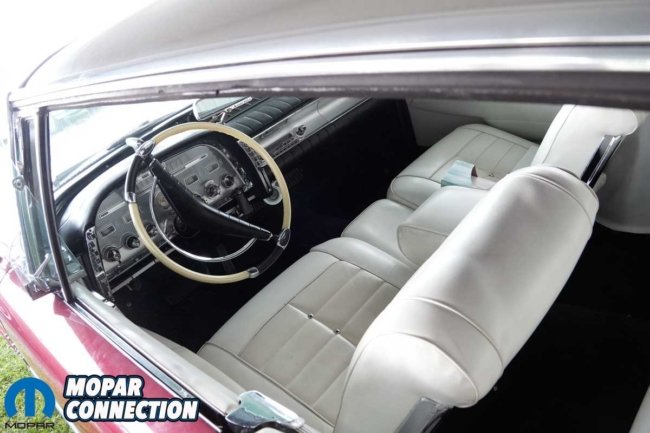
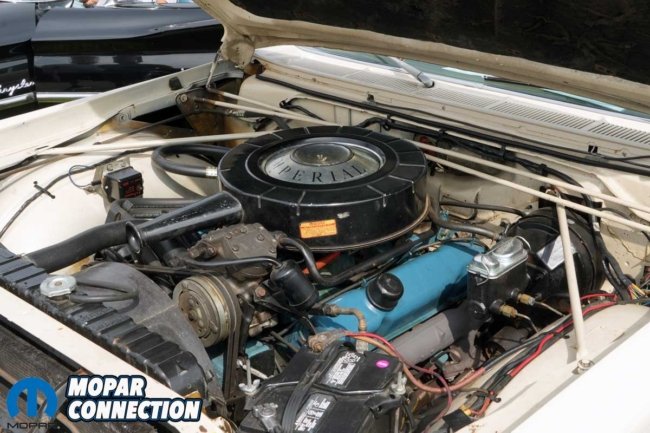
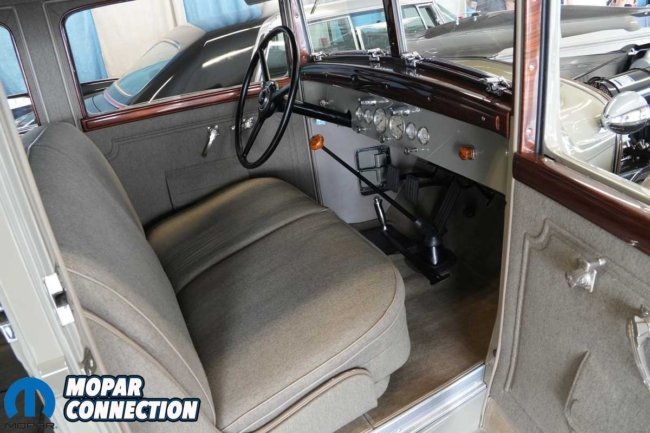
Imperial offered far more than dramatic sheet metal. Underneath were some of Chrysler’s finest mechanical components, including powerful Hemi and wedge-head V8 engines, the smooth and durable Torqueflite automatic transmission, and the corporation’s innovative torsion-bar front suspension. Interiors featured premium materials, generous passenger space, and an impressive list of convenience features that rivaled or exceeded those offered by the competition.

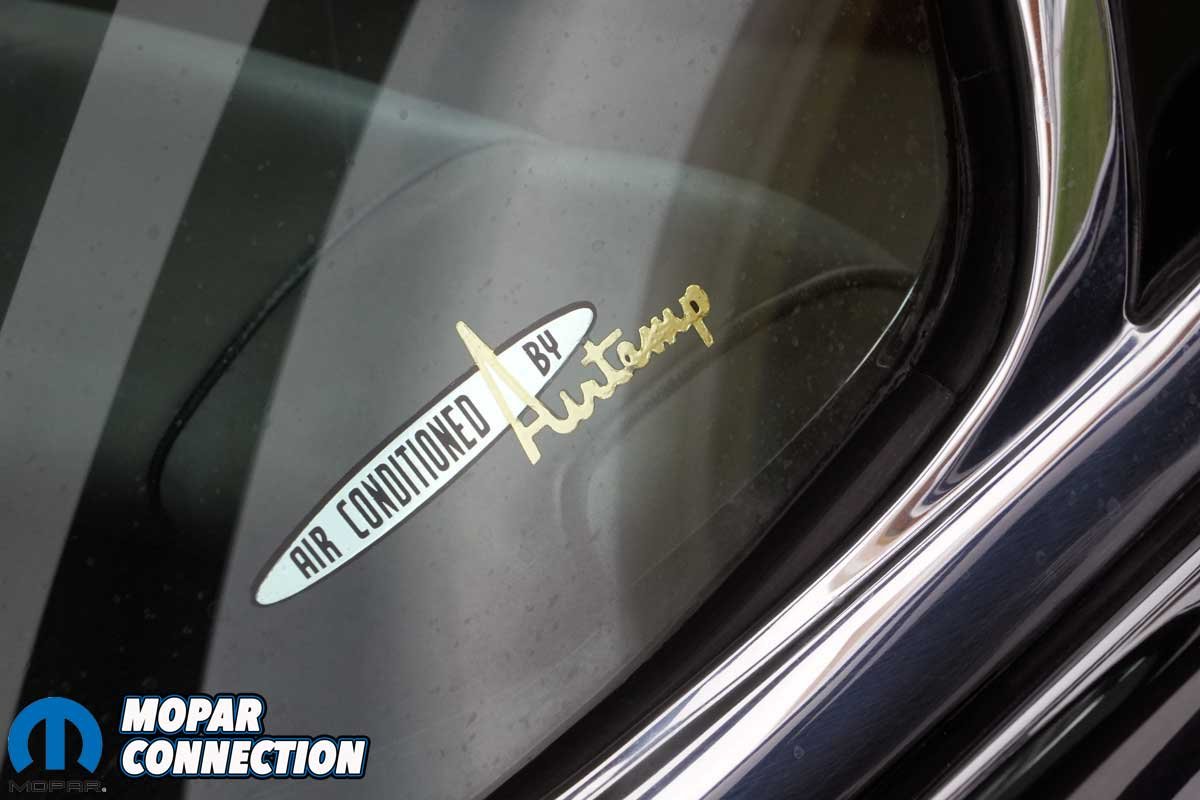
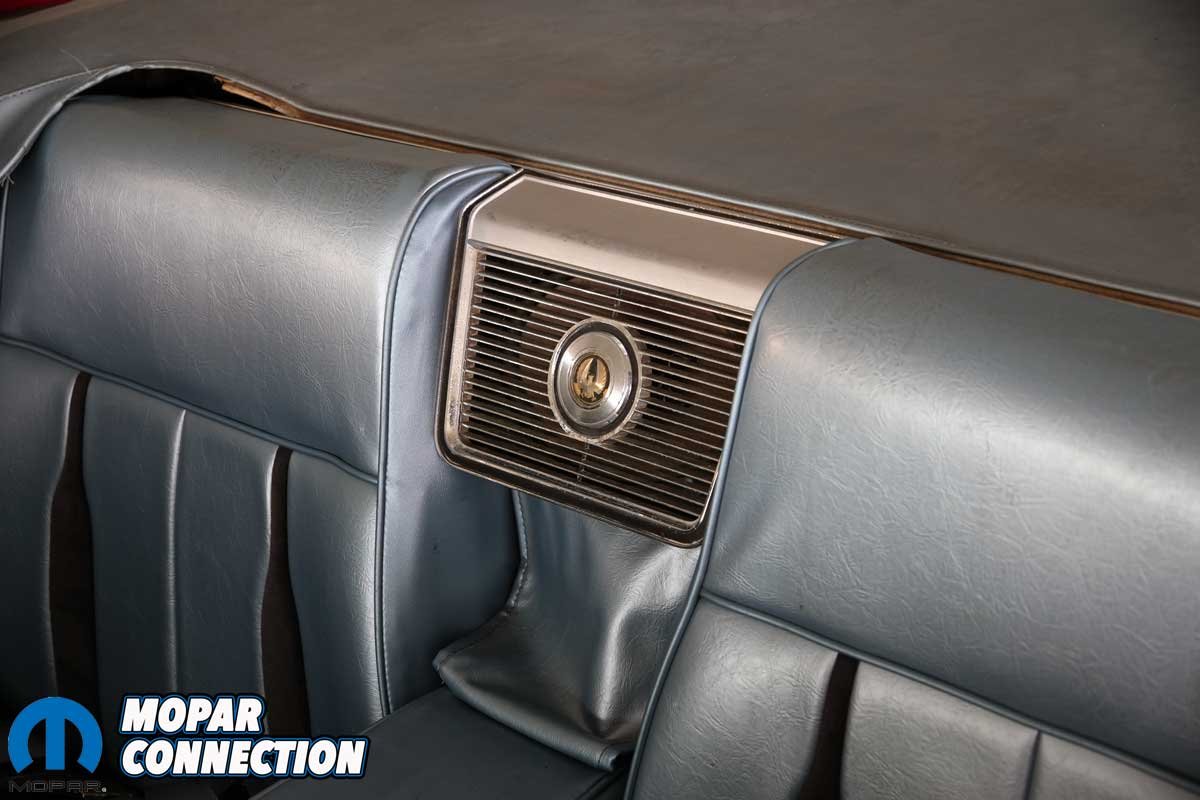
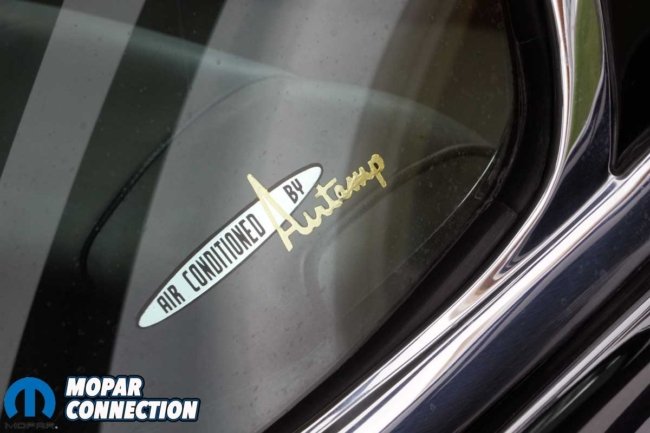
Innovation became one of Imperial’s defining characteristics. Push-button transmission controls, Automatic Temperature Control, power accessories, and cutting-edge electrical systems confirmed Chrysler’s willingness to invest heavily in engineering. Each new Imperial served as a rolling showcase of what the corporation’s engineers could accomplish when performance, comfort, and technology received equal precedence.
Yet engineering superiority alone could not crush the actualities of the marketplace. Cadillac enjoyed the enormous benefits of General Motors’ dealer network and decades of established prestige, while Lincoln benefited from Ford’s marketing muscle.
Imperial, by comparison, was often displayed alongside Plymouths, Dodges, DeSotos, and Chryslers, making it difficult to develop the upscale ownership experience desired by luxury buyers. Annual production commonly ranged between 10,000 and 20,000 automobiles, decent numbers but far below Cadillac’s commanding sales volumes.
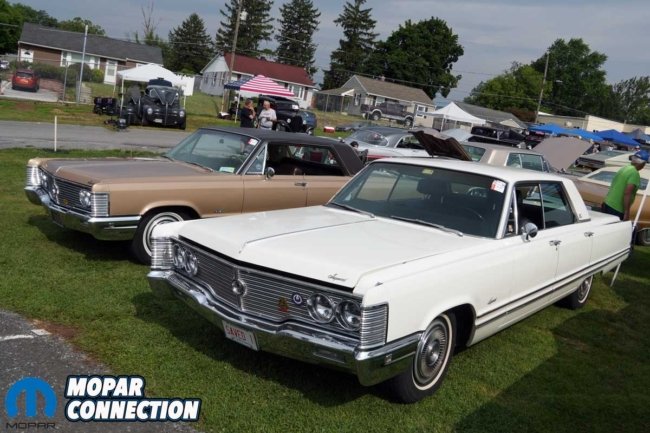
Another landmark arrived in 1969 with Chrysler’s elegant Fuselage styling. Rather than relying on towering fins and excessive trimming, the new Imperial embraced smooth, flowing body surfaces and restrained sophistication.
The design aged incredibly well, and many collectors regard the 1969 and 1970 Imperials as the finest combination of styling, comfort, and engineering the brand ever produced.
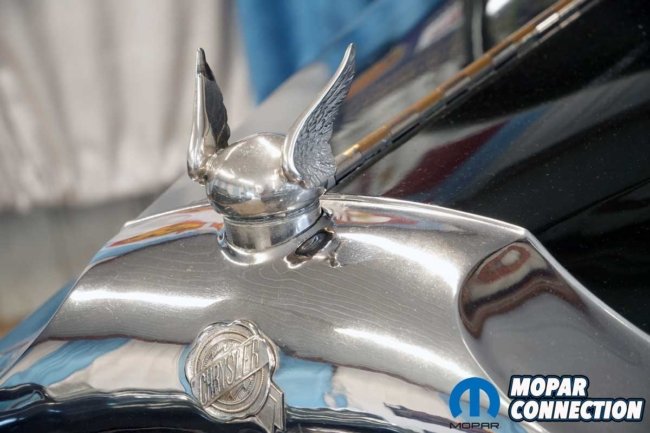
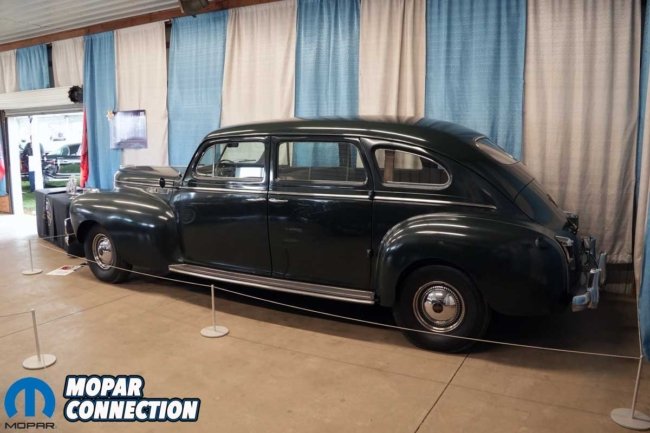
Unfortunately, the luxury market changed dramatically during the 1970s. Rising fuel prices, increasingly stringent emissions regulations, and changing consumer tastes reduced demand for large premium automobiles.
Imperial sales steadily declined, and Chrysler Corporation discontinued the make after the 1975 model year. The decision ended a twenty-one-year experiment in marketing Imperial as a separate make.
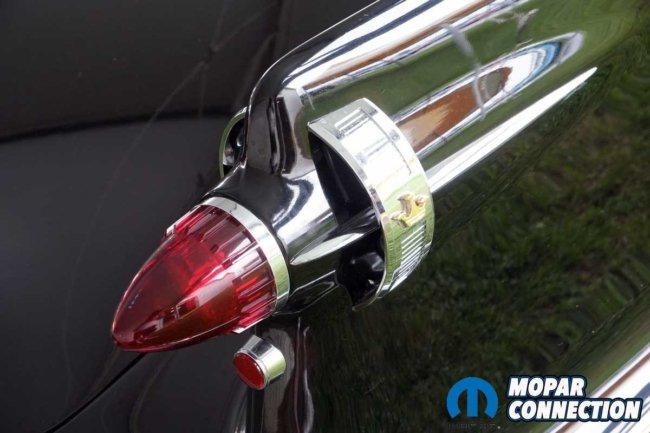
The name returned in 1981, this time, again, as the Chrysler Imperial. Built as a personal luxury coupe, it featured electronic fuel injection, digital instrumentation, richly trimmed interiors, and even special editions associated with Frank Sinatra. Despite its sophistication, early fuel injection problems and a shrinking market for personal luxury coupes limited its success. Production ended after only three model years.
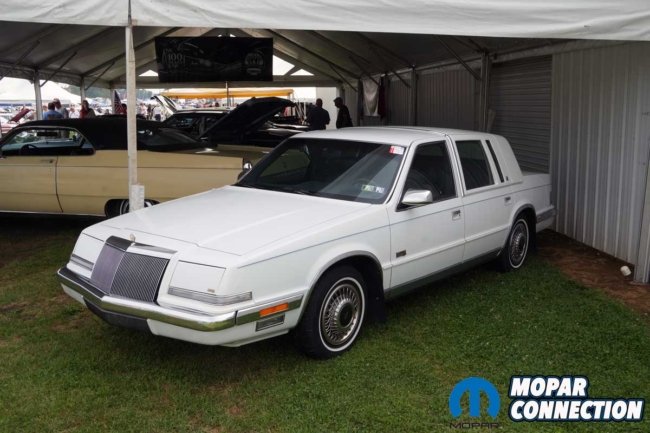
Imperial made one final appearance in 1990 as Chrysler’s flagship front-wheel-drive sedan. Based on the corporation’s Y-platform, it offered spacious accommodations, refined road manners, and an extensive list of luxury features.
While it was a capable automobile, it lacked the exclusivity and distinctive identity that had once defined the Imperial name. Production concluded after the 1993 model year, quietly bringing one of America’s longest-running luxury nameplates to an end.
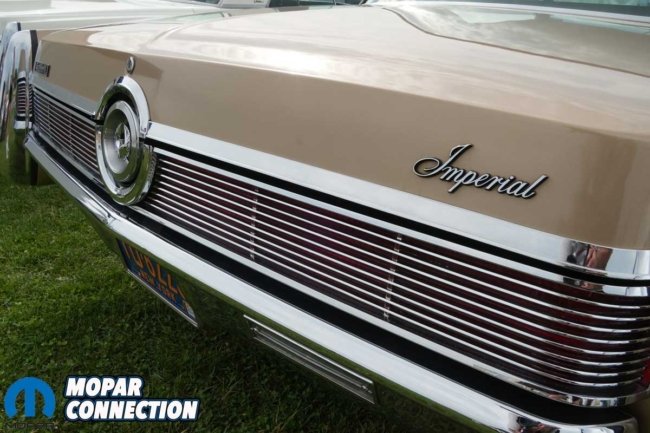
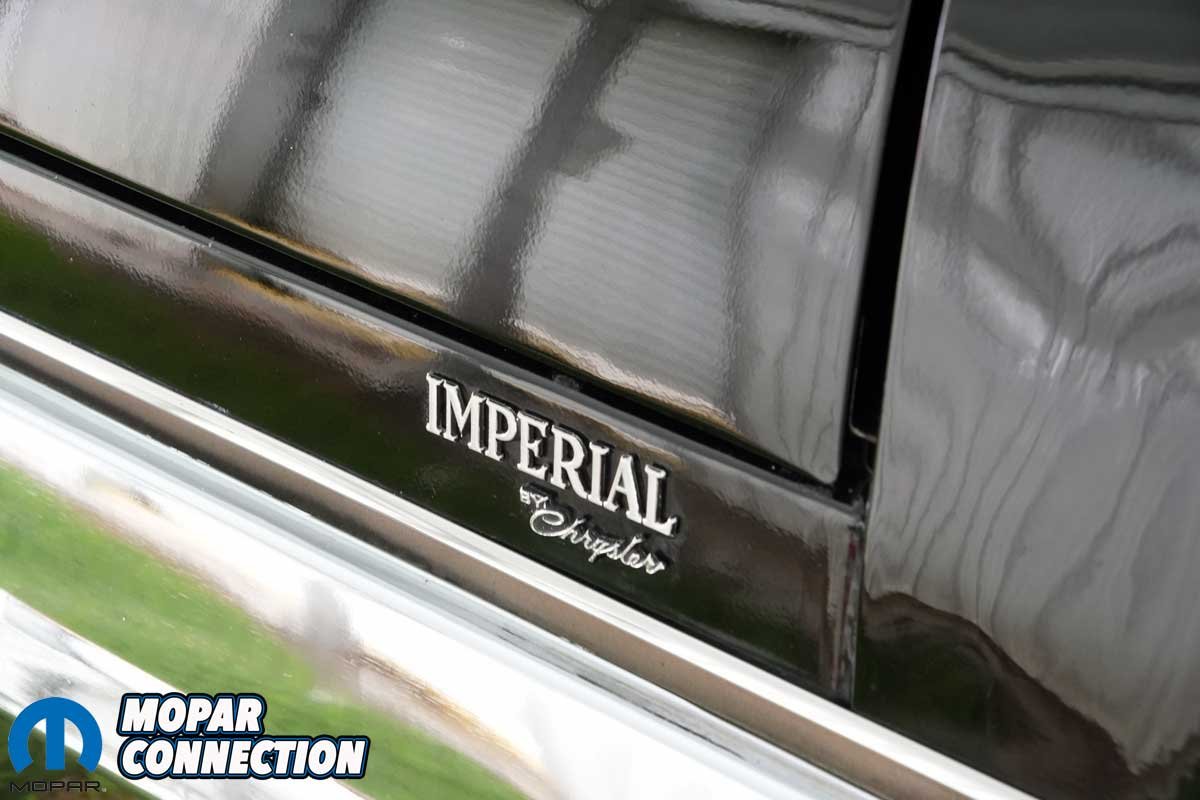
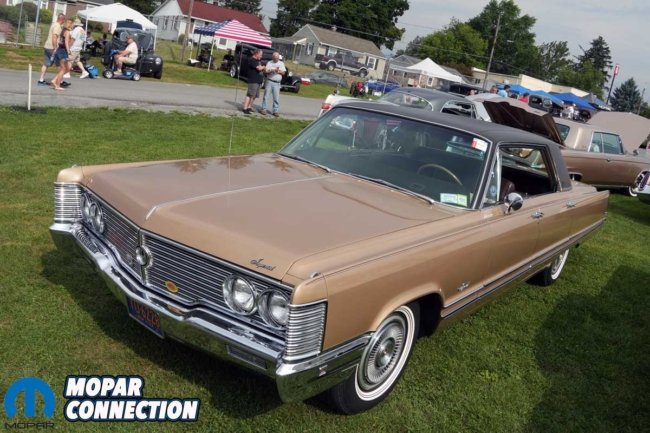
Imperial occupies a unique place in Chrysler history. It was never an independent manufacturer, yet from 1955 through 1975 it stood as its own make within Chrysler Corporation, bearing no Chrysler identification on its exterior. That distinction reflected Chrysler’s enterprising attempt to challenge the established luxury leaders on equal footing.
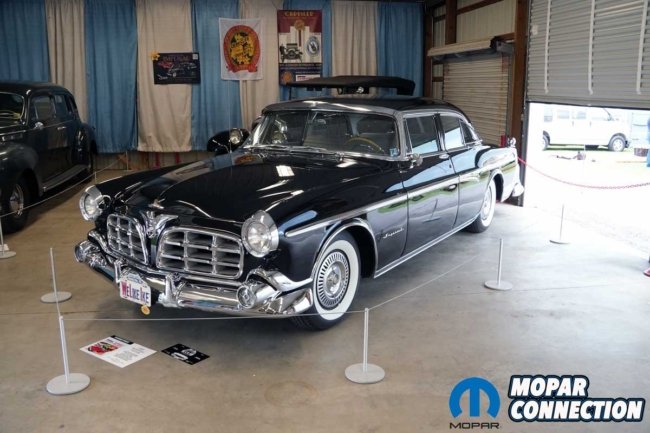
Today, Imperial enjoys a loyal following among collectors who admire both its engineering and its uniqueness. Whether it is a stately classic-era Imperial of the 1930s, a flamboyant Forward Look masterpiece of the late 1950s, or a cultured Fuselage sedan of the late 1960s, each represents Chrysler Corporation at its indisputable best.
Although it never bested Cadillac, Imperial achieved something equally momentous. It confirmed that Chrysler could build a world-class luxury automobile worthy of standing among the finest American cars ever produced.