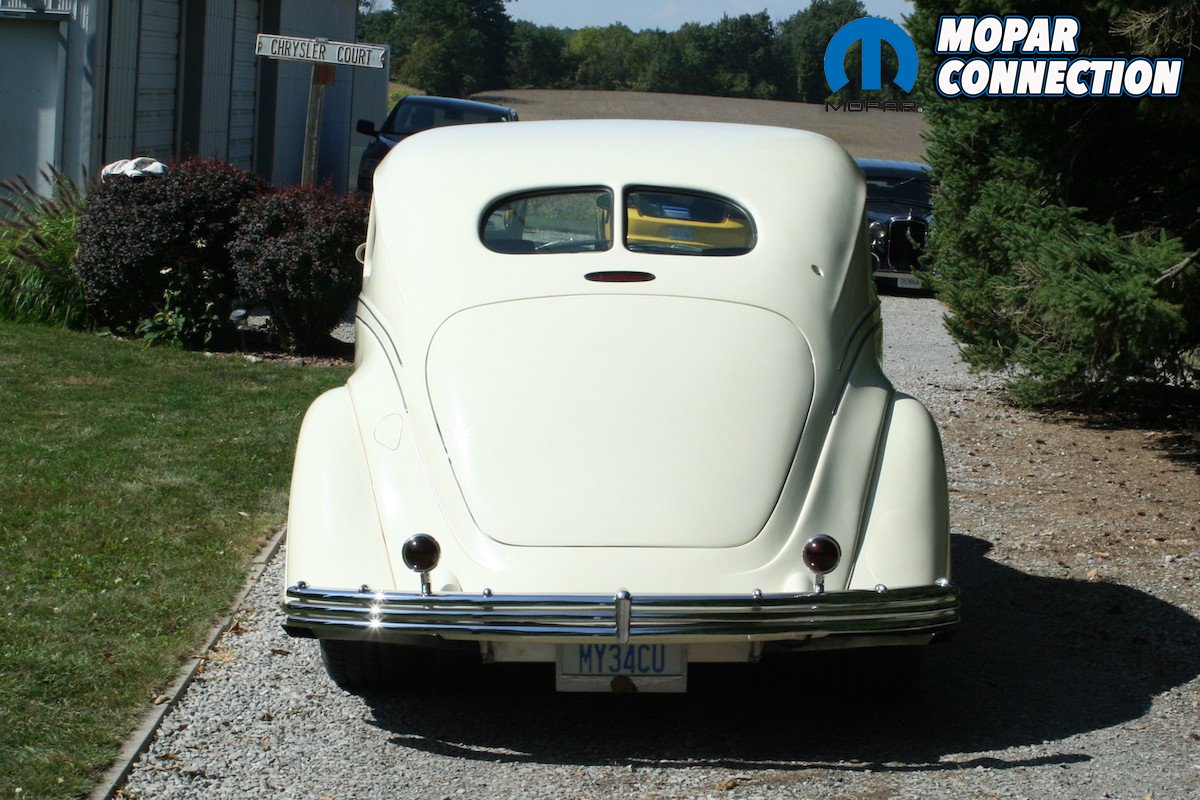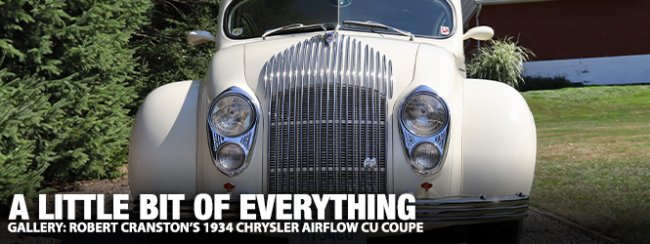
At times, car manufacturers push the boundaries of innovation so far that their creations receive a mix of admiration and skepticism from consumers. Some examples are the Ford Edsel, the 1948 Tucker, the DeLorean DMC-12, the Citroën DS, the Pontiac Aztek, and the Chrysler Airflow CU Coupe, which we will be discussing.
The 1934 Chrysler Airflow Coupe was designed with aerodynamics at its core. Engineers discovered that the conventional vehicle designs of the time were unexpectedly more aerodynamic when tested as if traveling in reverse. “One startling result of our investigation,” Breer wrote, “was the realization that our cars were so poorly designed from an air resistance point of view that they would actually run faster backwards than forward.” This revelation led to a revolutionary approach in automotive styling, shaping the Airflow into one of the first streamlined production cars.
Carl Breer, alongside fellow Chrysler engineers Fred Zeder and Owen Skelton, collaborated with aviation pioneer Orville Wright to analyze the most aerodynamically efficient shapes for automobiles. Their research emphasized how improved aerodynamics could enhance both fuel efficiency and overall performance, paving the way for groundbreaking advancements in car design.
The 1934 Chrysler Airflow, Chrysler Imperial, and its DeSoto counterparts were pioneers in automotive aerodynamics. The wind tunnel testing at Highland Park played a crucial role in refining their design. Despite its small size—just under 2 feet wide and 3 feet tall—the tunnel was powered by a 35-hp DC electric motor and used a V-belt to drive its fans. Engineers tested wooden models by placing them against plates coated with linseed oil and lampblack, allowing them to visualize airflow patterns. This meticulous process is what led to one of the first truly streamlined production cars, shaping the future of automotive design.
Before unveiling the Airflow, Chrysler pulled off a dramatic publicity stunt by modifying a 1933 Chrysler Six, reversing its chassis so the front axle and steering gear were positioned at the rear. This allowed the car to be driven “backwards” through the streets of Detroit, creating shock and confusion among onlookers. While the stunt nearly caused a panic, Chrysler’s marketing team saw it as a clever way to highlight the poor aerodynamics of traditional automobiles and hint at a revolutionary new design on the horizon. The result was the Airflow—an unprecedented American production car that set new standards in automotive engineering.
Engineers discovered that the original design of the engine and passenger compartment posed significant challenges, causing the vehicle to sit higher and resulting in an uneven weight distribution—64% resting on the rear axle. When loaded with passengers, this imbalance worsened, increasing to 75%, which led to unstable handling, particularly on slippery roads. Additionally, this uneven weight distribution contributed to a rougher ride, reducing overall comfort and stability.
In a bold move to enhance weight distribution and handling dynamics, Chrysler reimagined the vehicle’s layout. The engine was repositioned further forward over the front wheels, a departure from conventional car designs of the time. Passengers were also shifted forward, ensuring that rear-seat occupants were seated within the wheelbase rather than directly above the rear axle. This adjustment resulted in a more balanced weight distribution—54% over the front wheels—leading to improved suspension performance, better handling, and a significantly smoother ride.
Chrysler introduced unibody construction as a breakthrough in automotive engineering, allowing for greater rigidity while reducing overall weight compared to conventional frame-based designs. To prove its durability, the Chrysler Airflow underwent extensive strength tests, including a dramatic demonstration where one was pushed off a 110-foot cliff. Unlike traditional body-on-frame vehicles, the Airflow’s innovative structure kept it largely intact upon impact, able to drive off, showcasing its superior resilience.
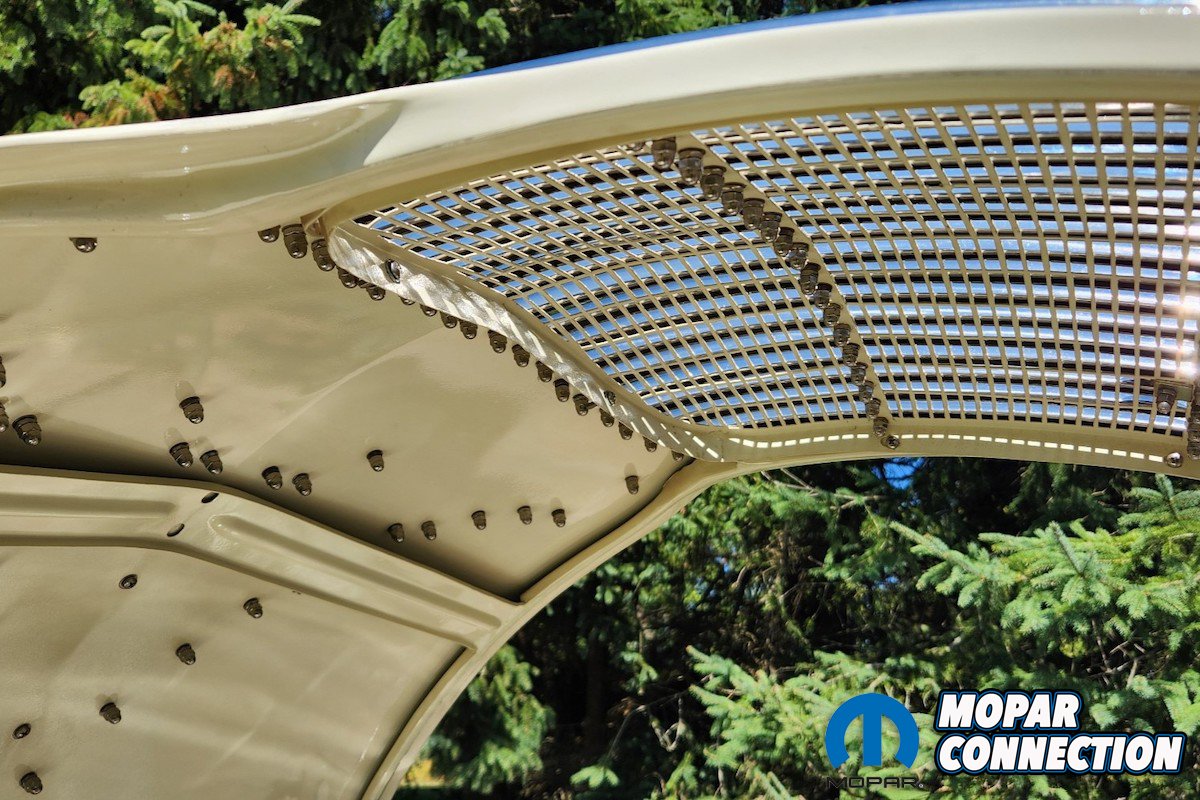
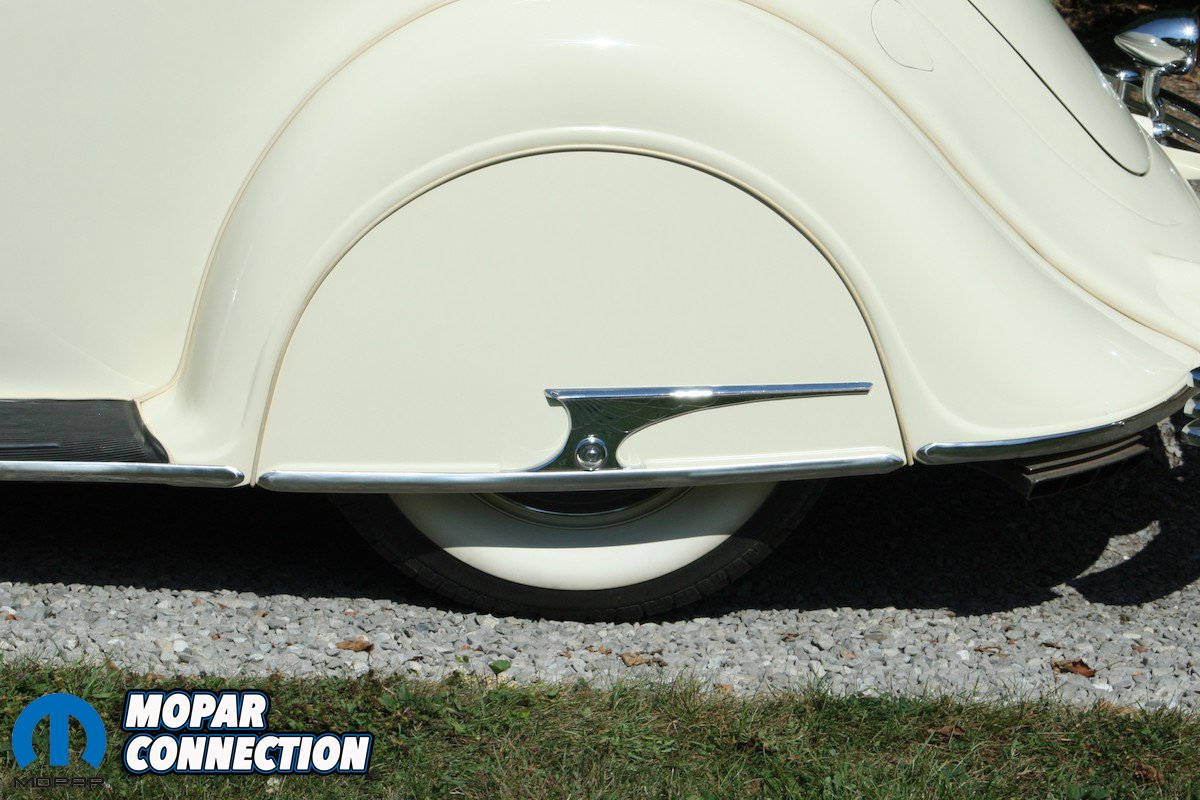
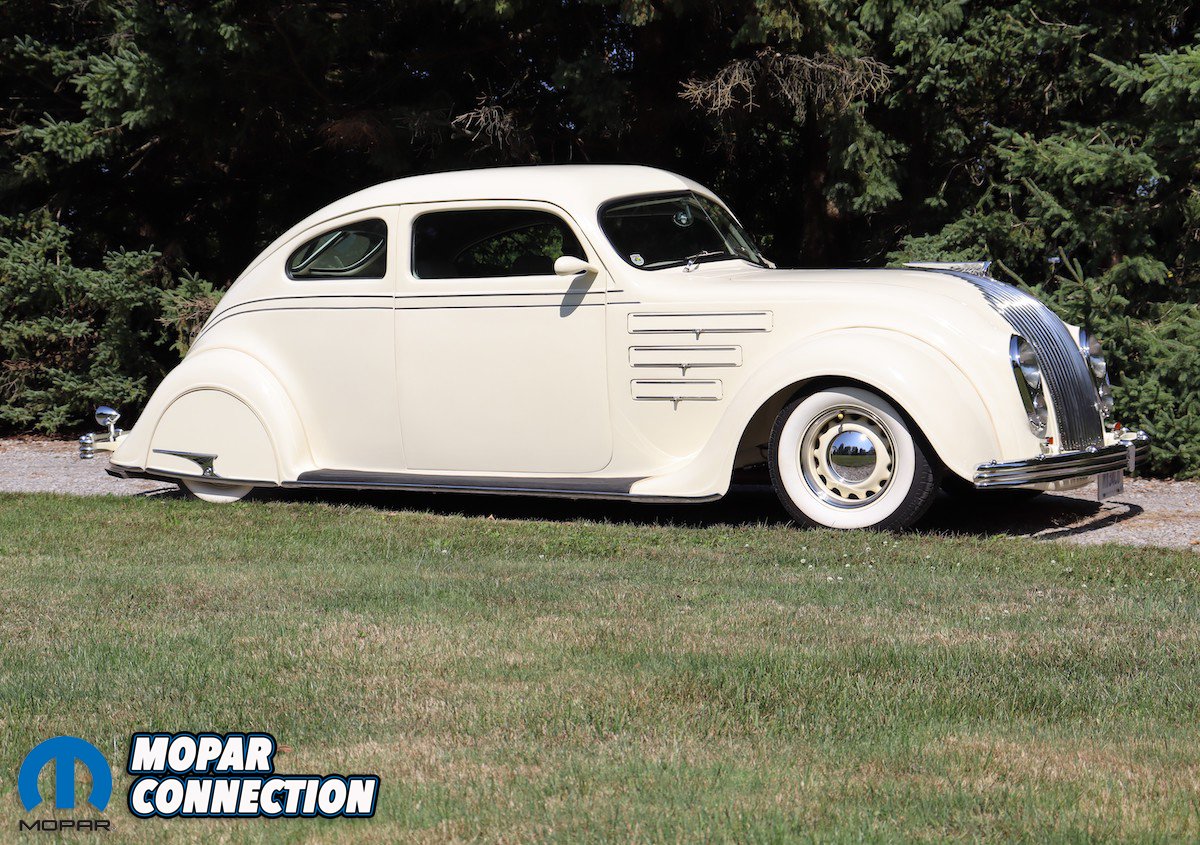
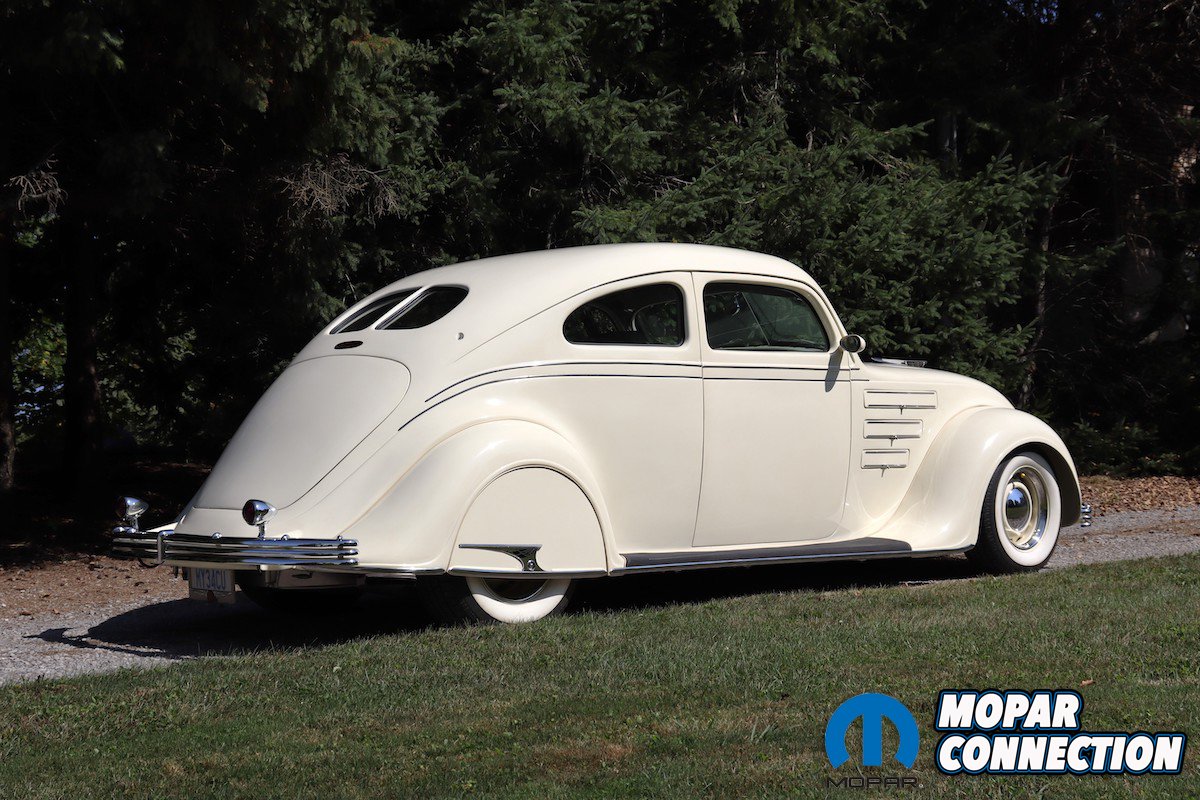
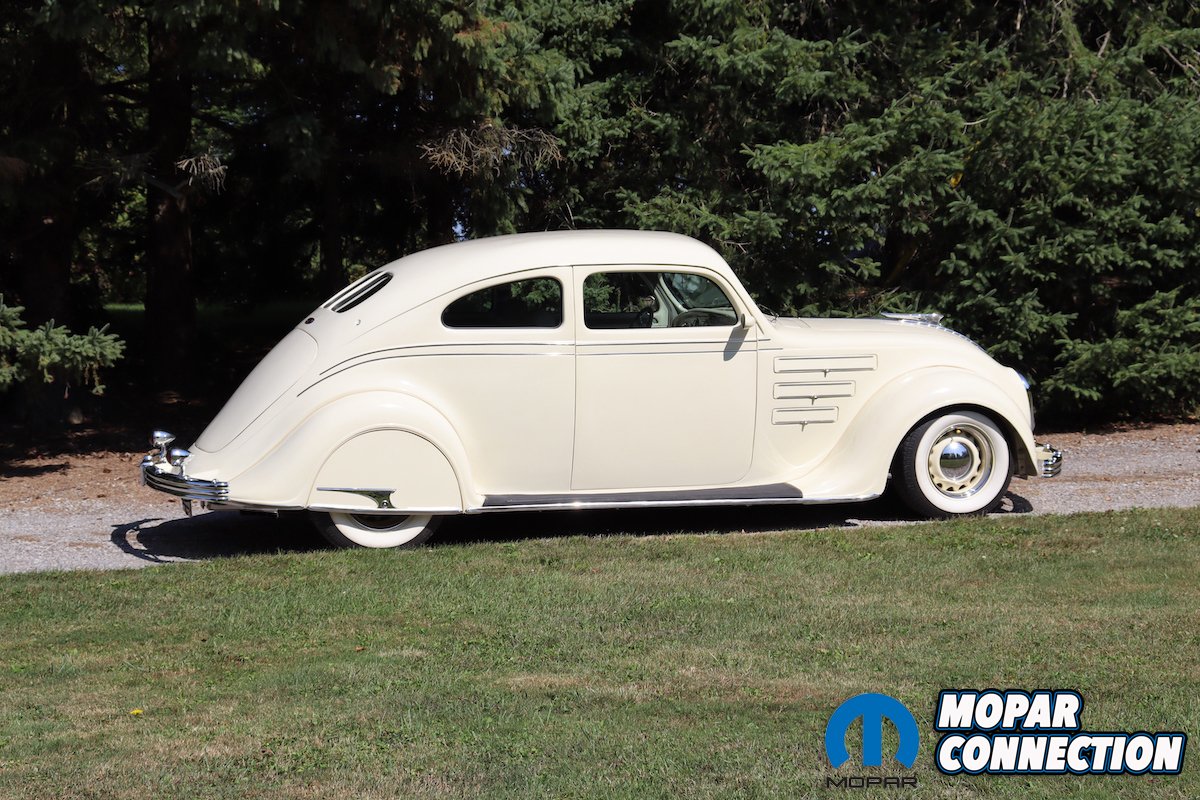
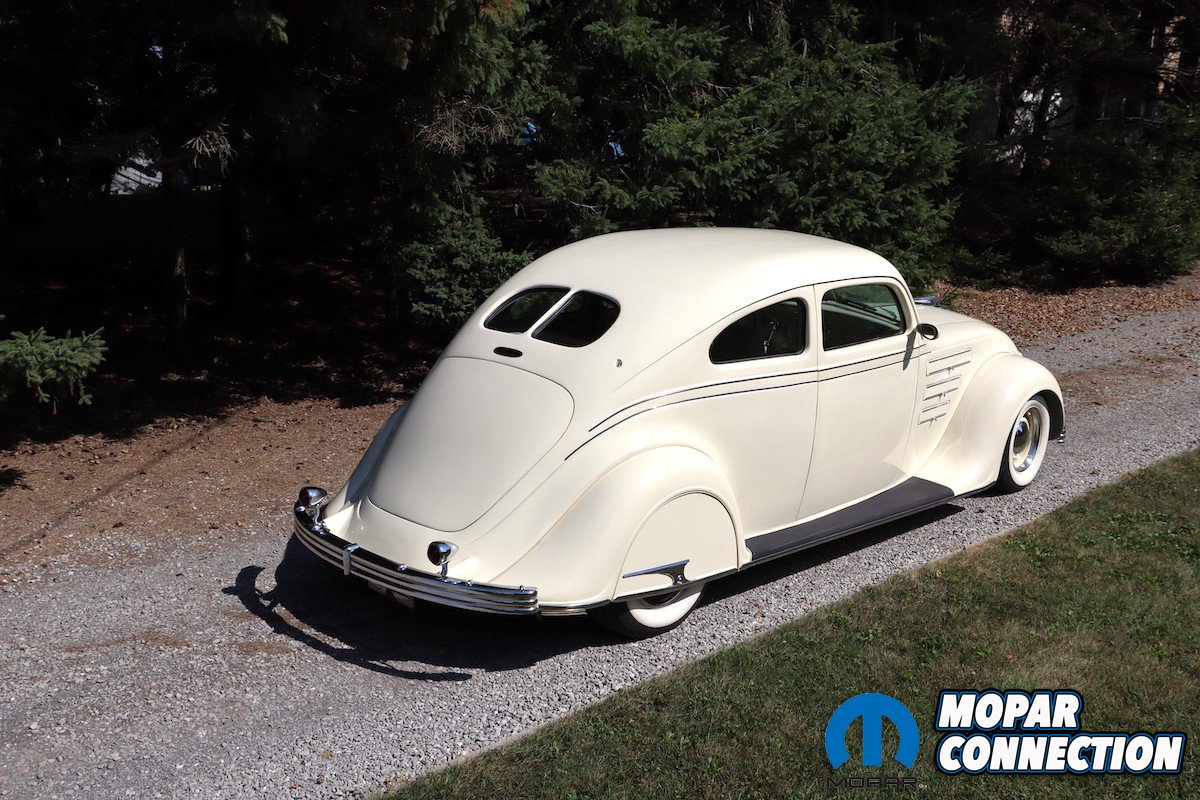
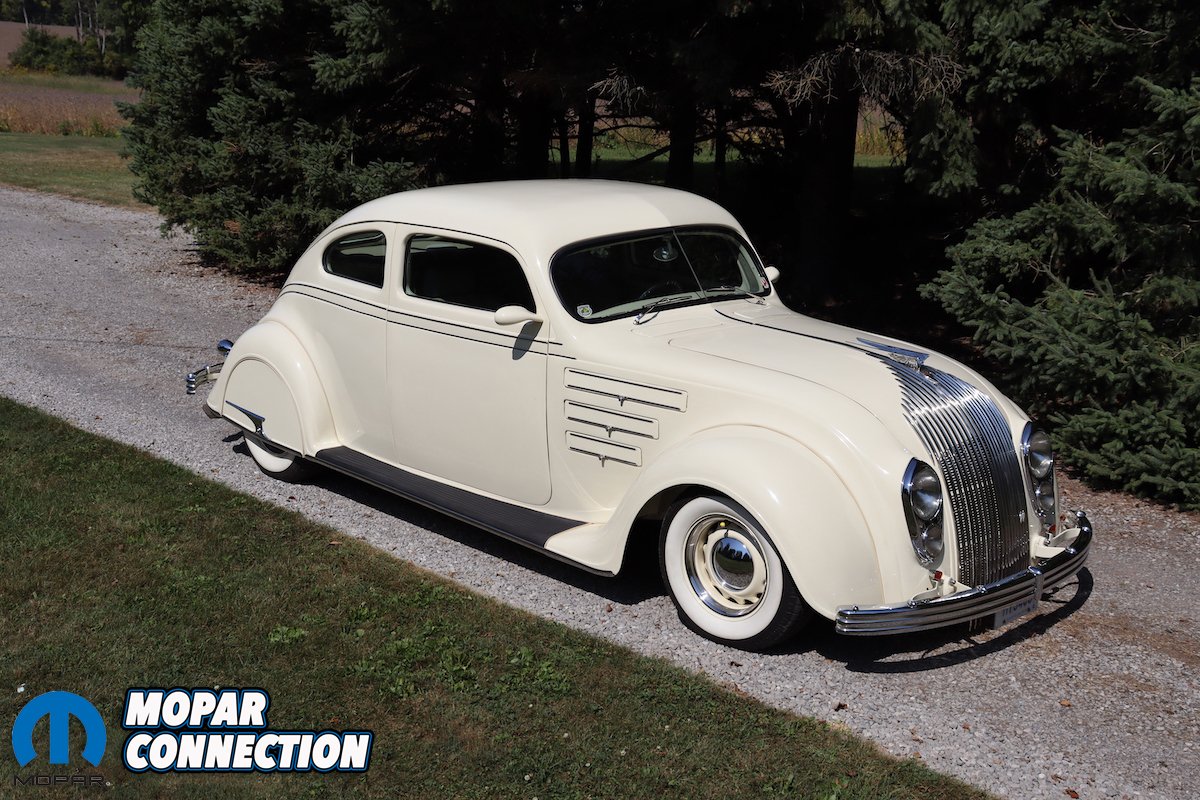
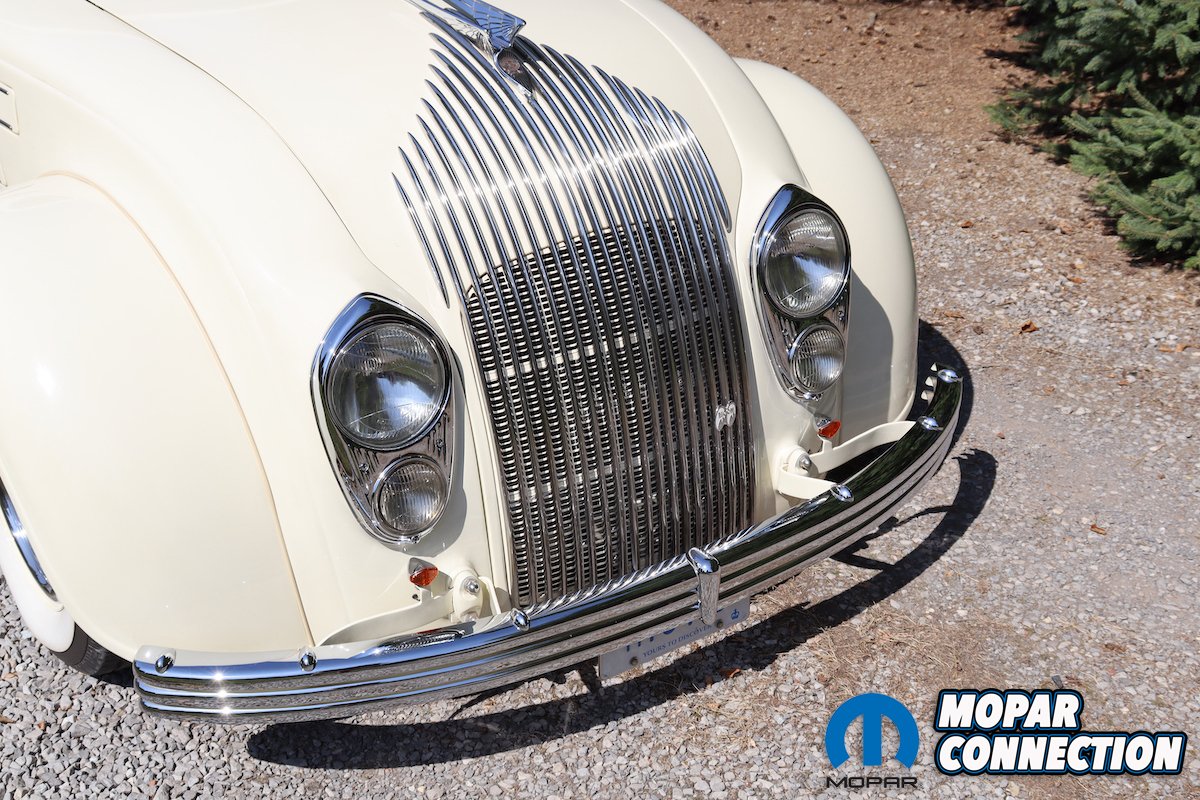
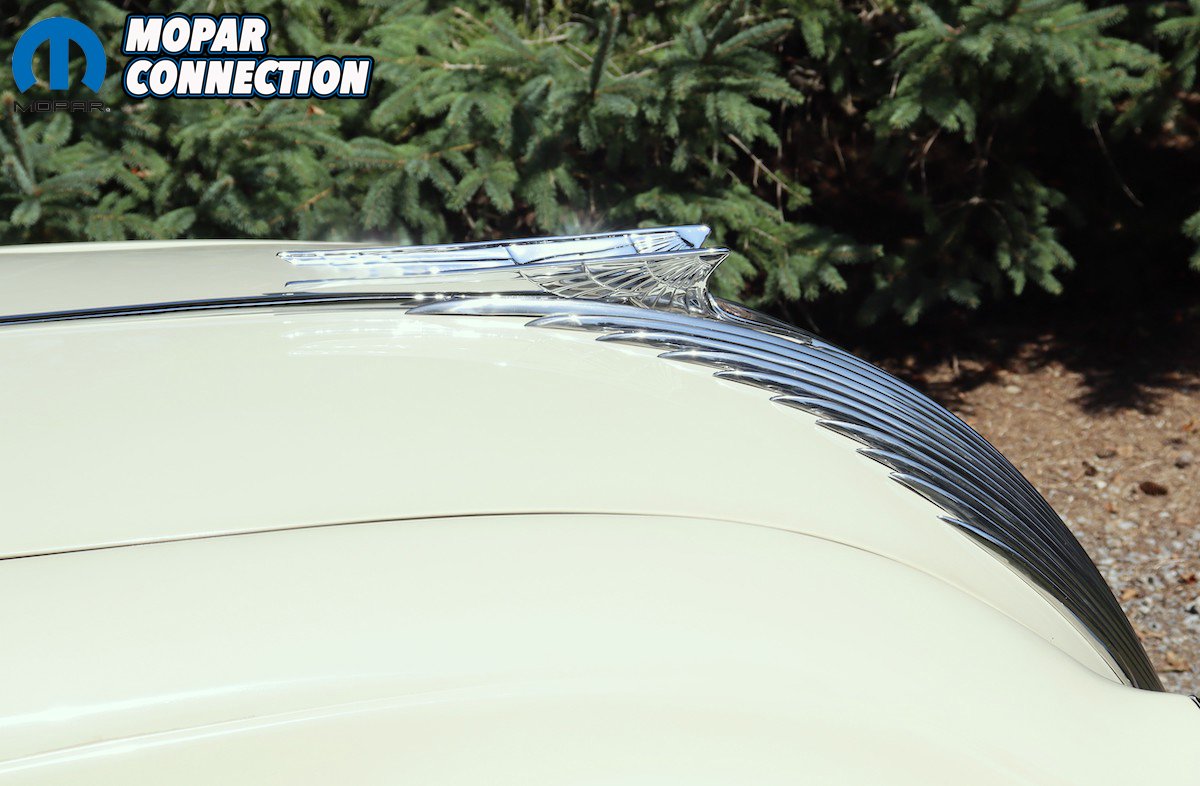
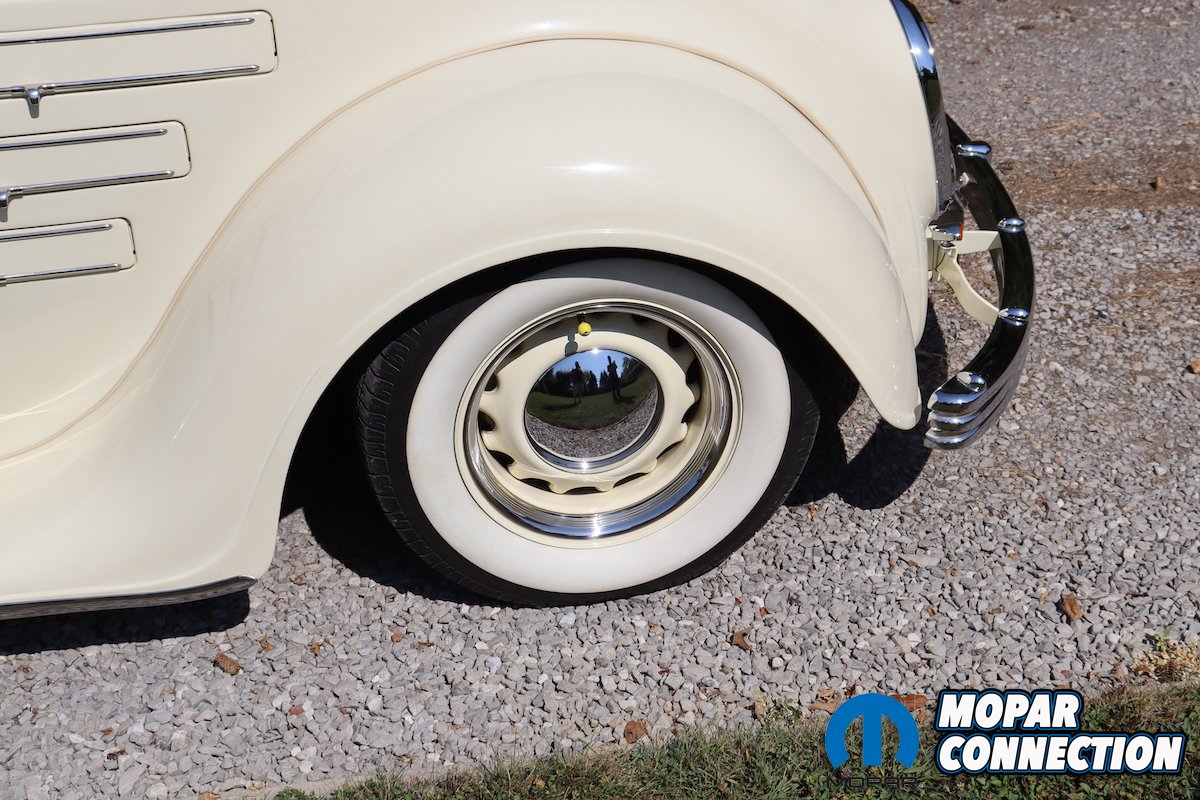
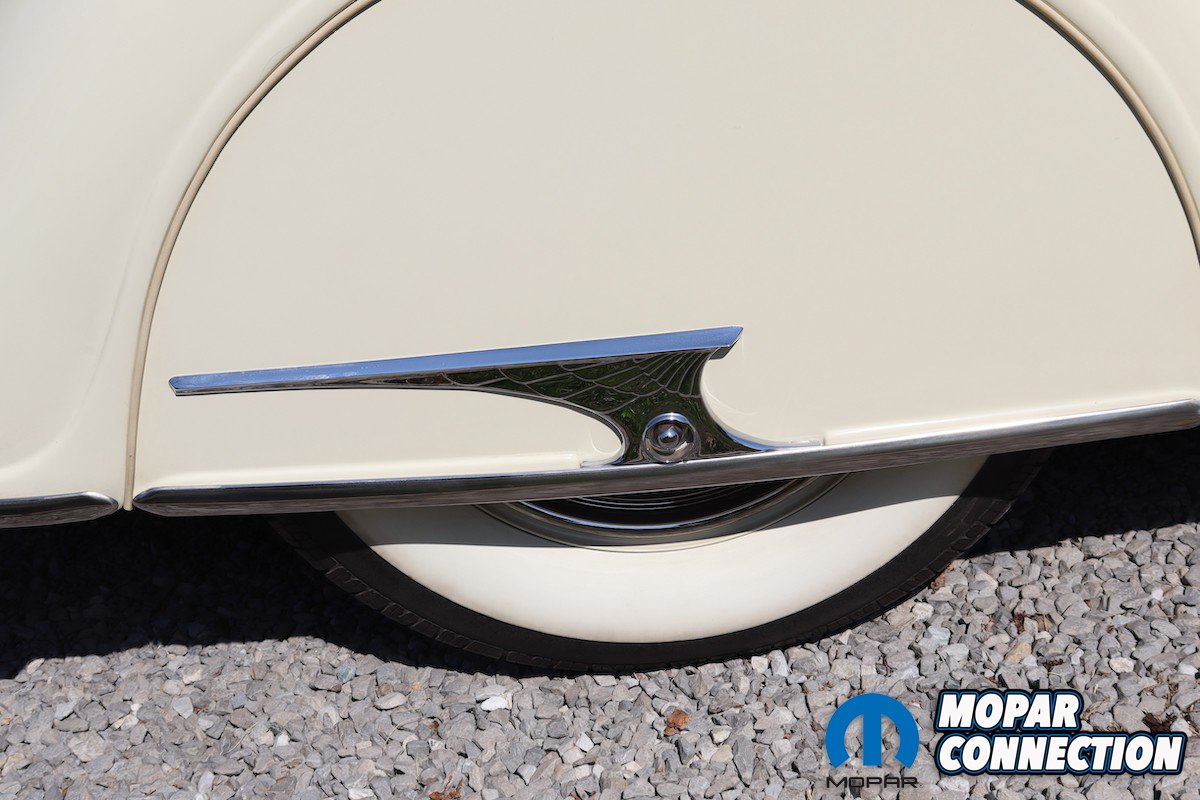
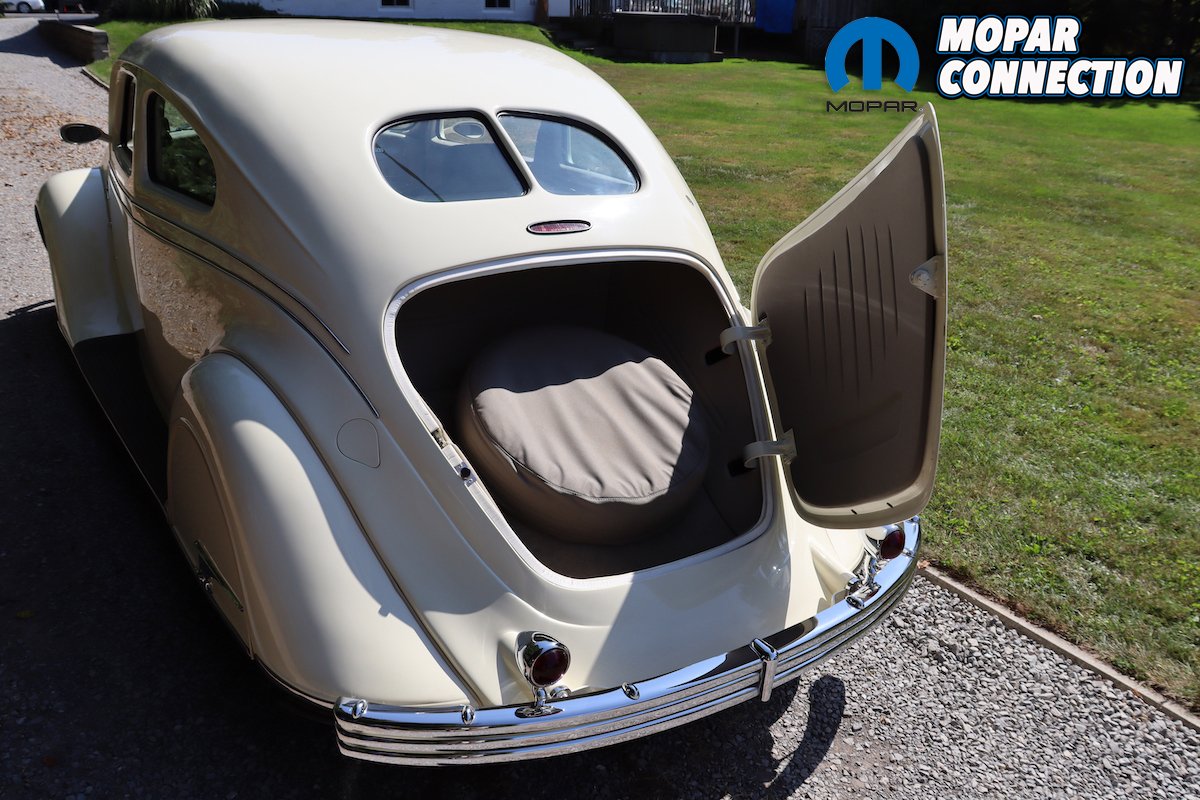
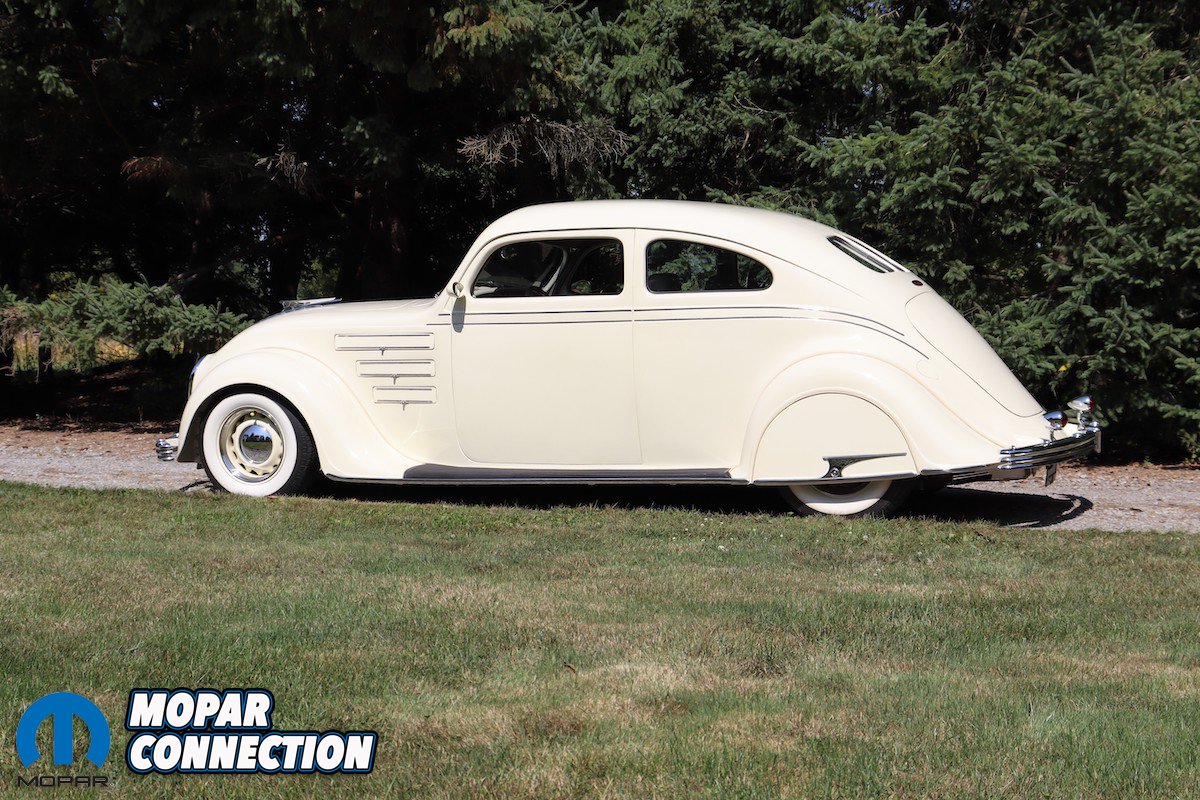
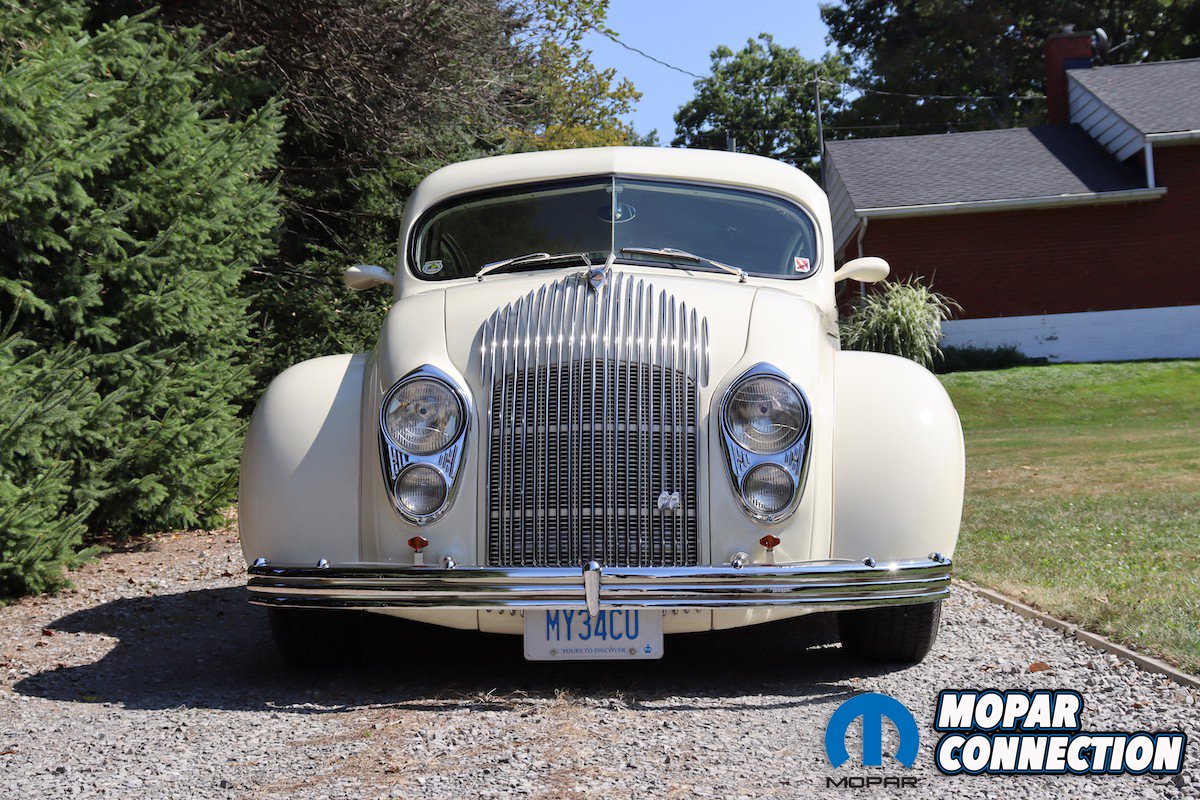
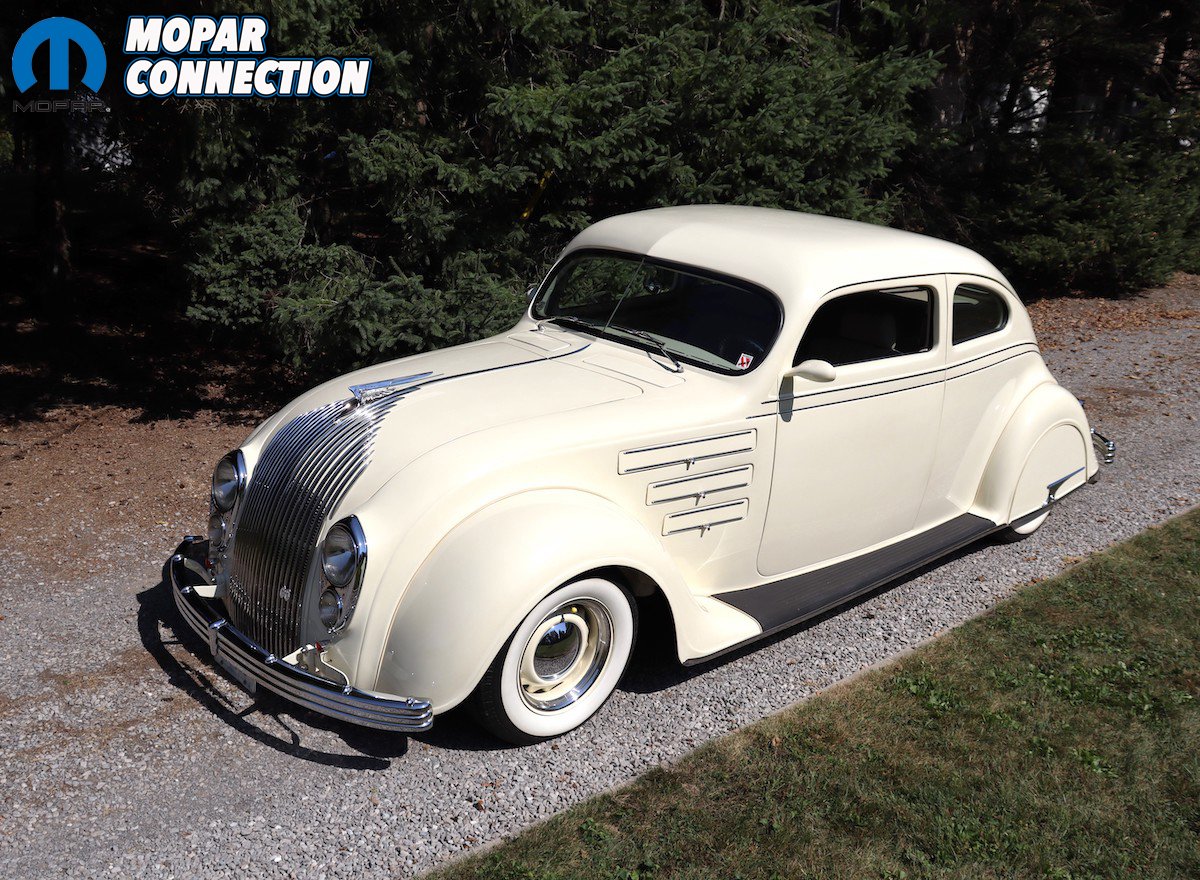
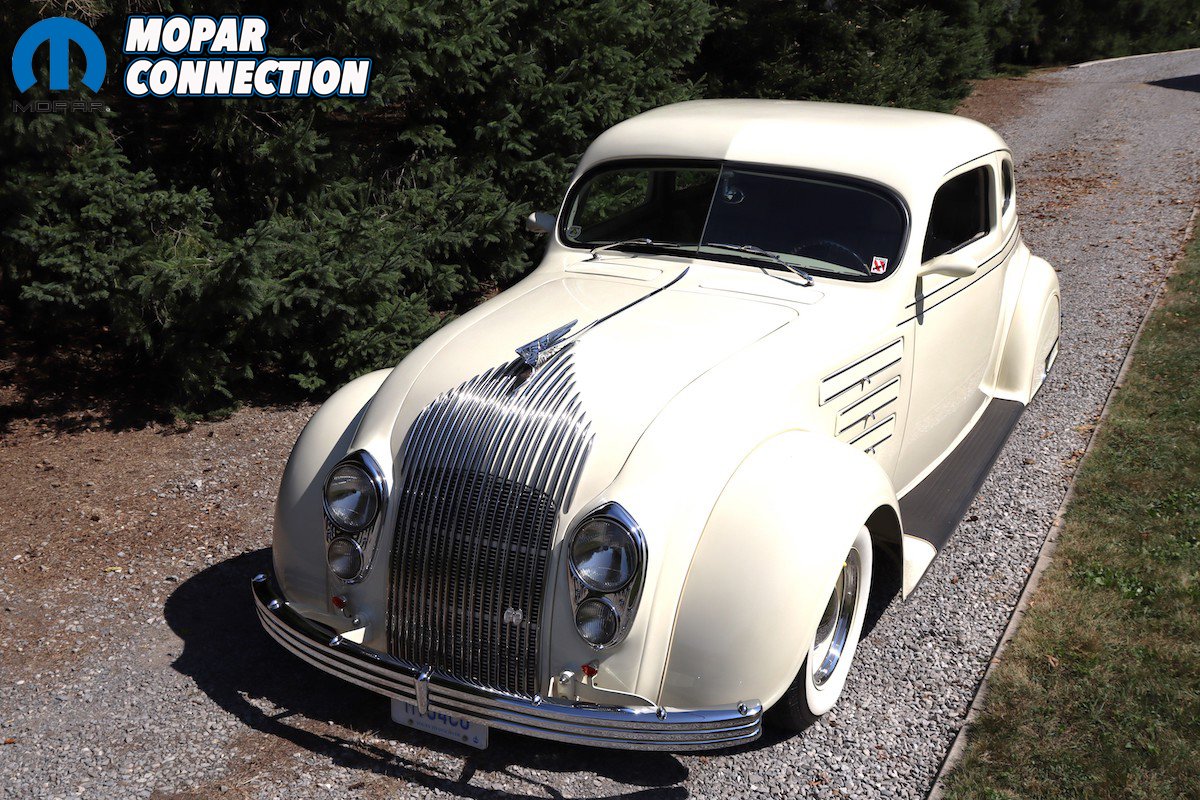
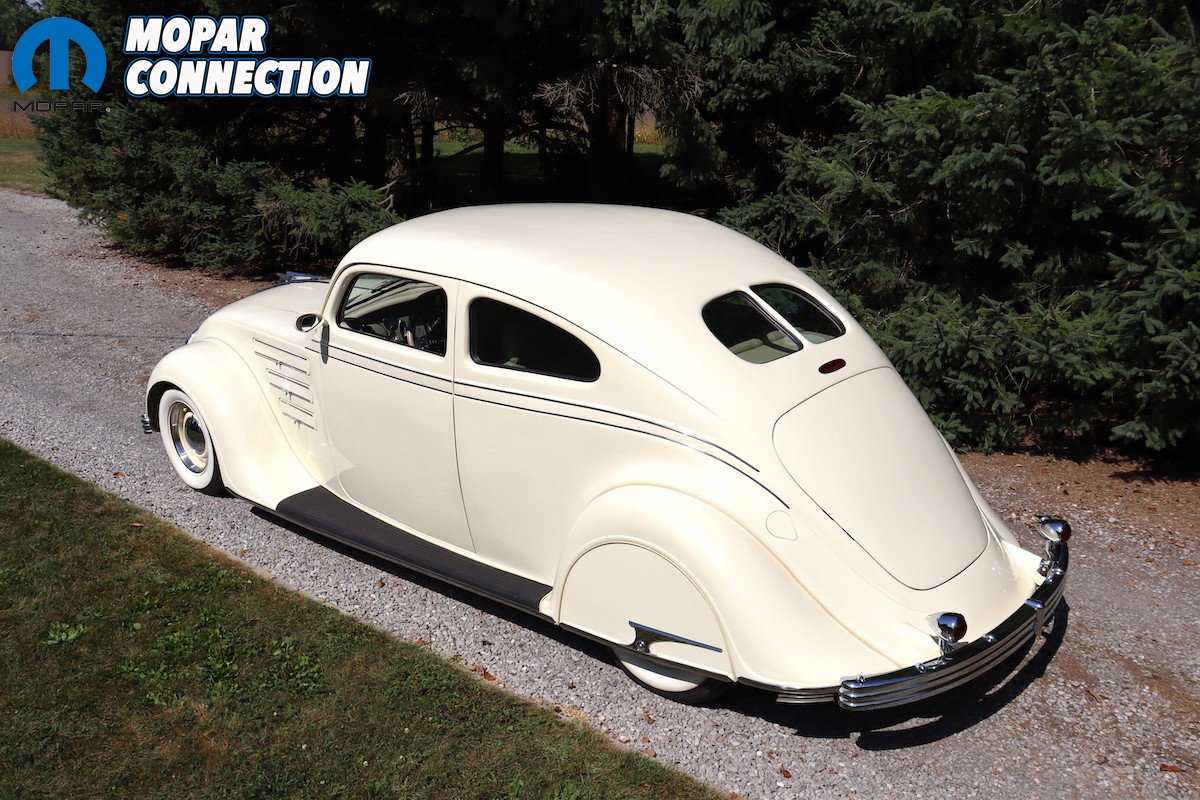
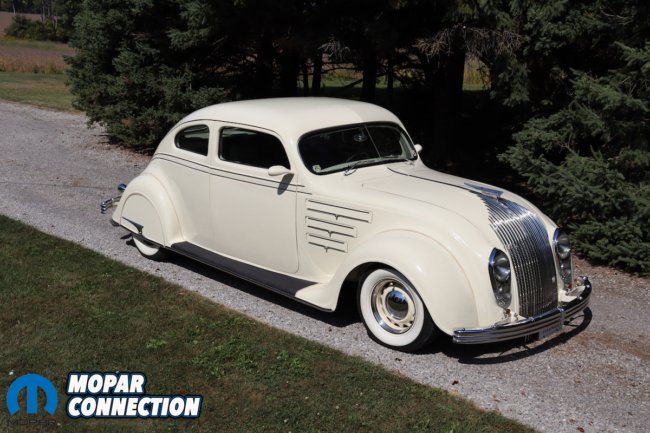
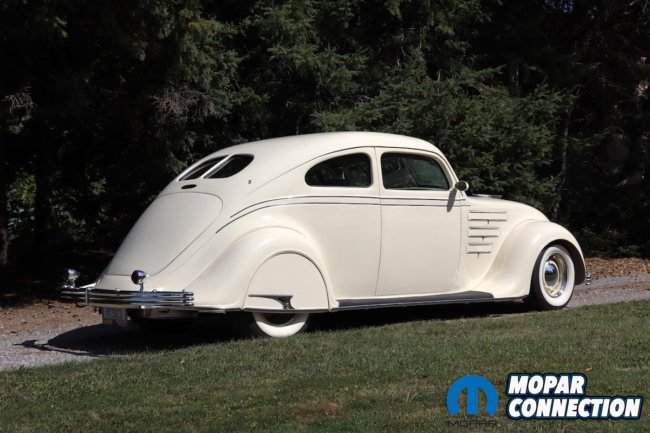
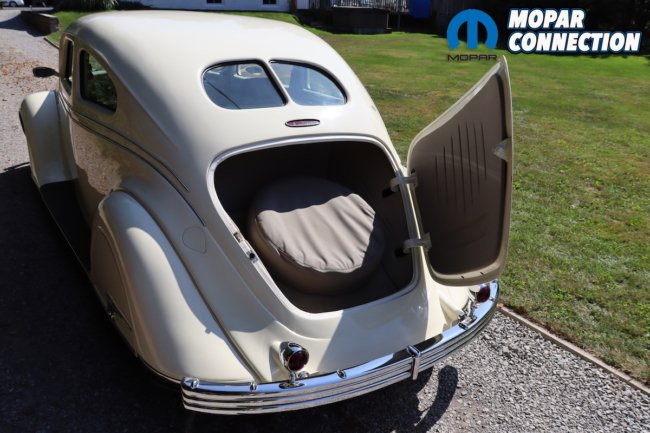
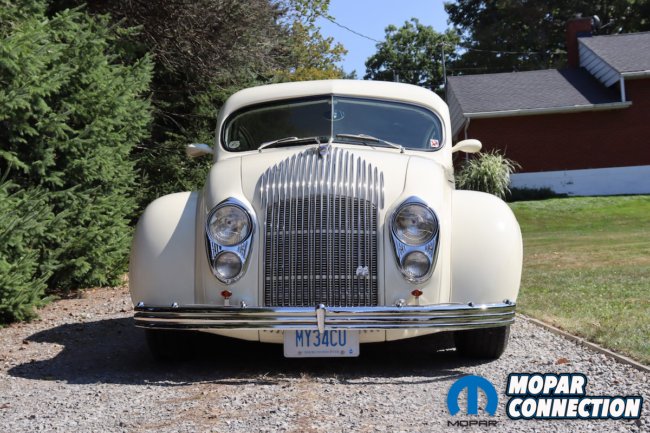
The Chrysler Airflow, shaped by the streamlining design movement, boasted a sleek, low-profile silhouette that distinguished it from its contemporaries. Its alligator-style hood seamlessly integrated with a waterfall-style grille, flowing forward and downward—an elegant contrast to the upright radiators found in most cars of the era. The semi-flush, teardrop-shaped headlights blended smoothly into the front-end design, while the front fenders enclosed the tire tread, reinforcing its aerodynamic appeal. At the rear, fender skirts covered the wheels, further enhancing the car’s refined, wind-sculpted aesthetic.
Unlike conventional cars of the era, the Chrysler Airflow featured a two-piece windshield forming a raked vee across its width, enhancing aerodynamics. Every window was made of safety glass, a forward-thinking addition to passenger protection. The Airflow also stood out with its all-steel body at a time when General Motors, Ford, and even Chrysler itself still relied on wood-framed structures. Its interior design prioritized comfort, offering a wider front seat and a deeper rear seat for increased passenger space. With a superior power-to-weight ratio and enhanced structural integrity, the Airflow was stronger and more advanced than many of its contemporaries.
The car had issues that caused setbacks. The factory had not factored in significant manufacturing challenges and costs due to the unusual new Airflow design, which necessitated an unprecedented number and variety of welding techniques. The early Airflows arriving at dealerships suffered from issues caused primarily by faulty manufacturing.
Chrysler, along with its sister brand DeSoto, was to offer the Airflow. Chrysler, however, continued to offer a six-cylinder variant of its 4-door sedan variants. There was also the Chrysler Airflow Custom Imperial series in three different wheelbases. The car was equipped with a 299 cubic inch engine and a 3-speed manual transmission.
The Chrysler Airflow was a groundbreaking design, pioneering aerodynamic principles well ahead of its time. However, its bold departure from traditional styling met with resistance from buyers, leading to lukewarm reception. Within six months of its release, sales plummeted, marking the model as a commercial failure. DeSoto faced even greater challenges, having committed entirely to the Airflow, leaving it more vulnerable to the car’s market struggles.

The total production numbers for the Chrysler Airflow were 8,389 for 1934, with only 732 coupes made. The exact numbers of 1934 Chrysler Airflow coupes made in Canada are not documented, but some sources suggest that only ten were made in Windsor, Ontario, making them a rare find.
I first came across this stunning car at Moparfest when the Airflow Club of America made its way to London, Ontario, before heading to the event to showcase these magnificent machines. Among the lineup was one vehicle that had traveled all the way from California, adding to the excitement. The club’s display took center stage in the main arena at the New Hamburg fairgrounds, drawing admiration from enthusiasts and collectors alike.
Robert Cranston now owns this remarkable vehicle, driven by his desire to create something unique. As a dedicated hot rodder, his workshop is a testament to his passion, making it an exciting place to visit. Given his background, it was no surprise that he envisioned transforming the remains of the Airflow into a bold hot rod. Interestingly, Robert confessed that he hadn’t realized Chrysler had produced a coupe version, adding an extra layer of intrigue to the build.
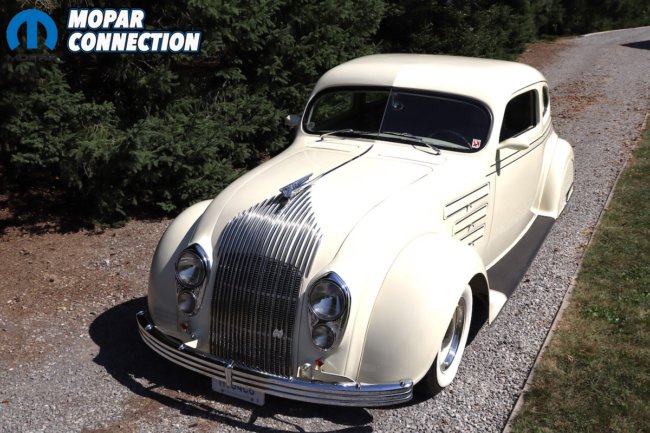
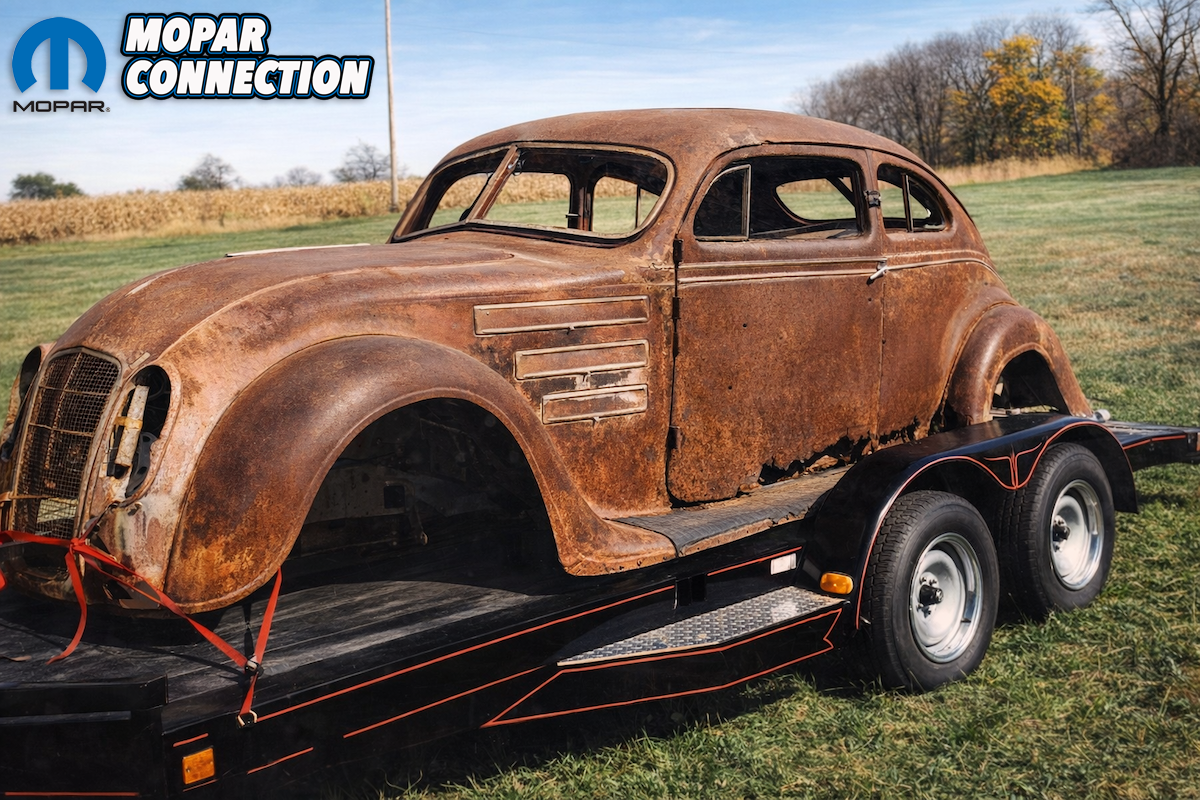
The car was discovered in Utah by Chuck Cochran, who found its body sitting atop a subframe that had a tree growing through it—a testament to its long-abandoned state. Chuck had previously discussed the vehicle with Robert at Hershey, sparking his interest. He later traveled to the United States to examine the Airflow in person. While the car turned out to be in worse condition than anticipated, Chuck decided to purchase it anyway, seeing potential in the rare piece of automotive history.
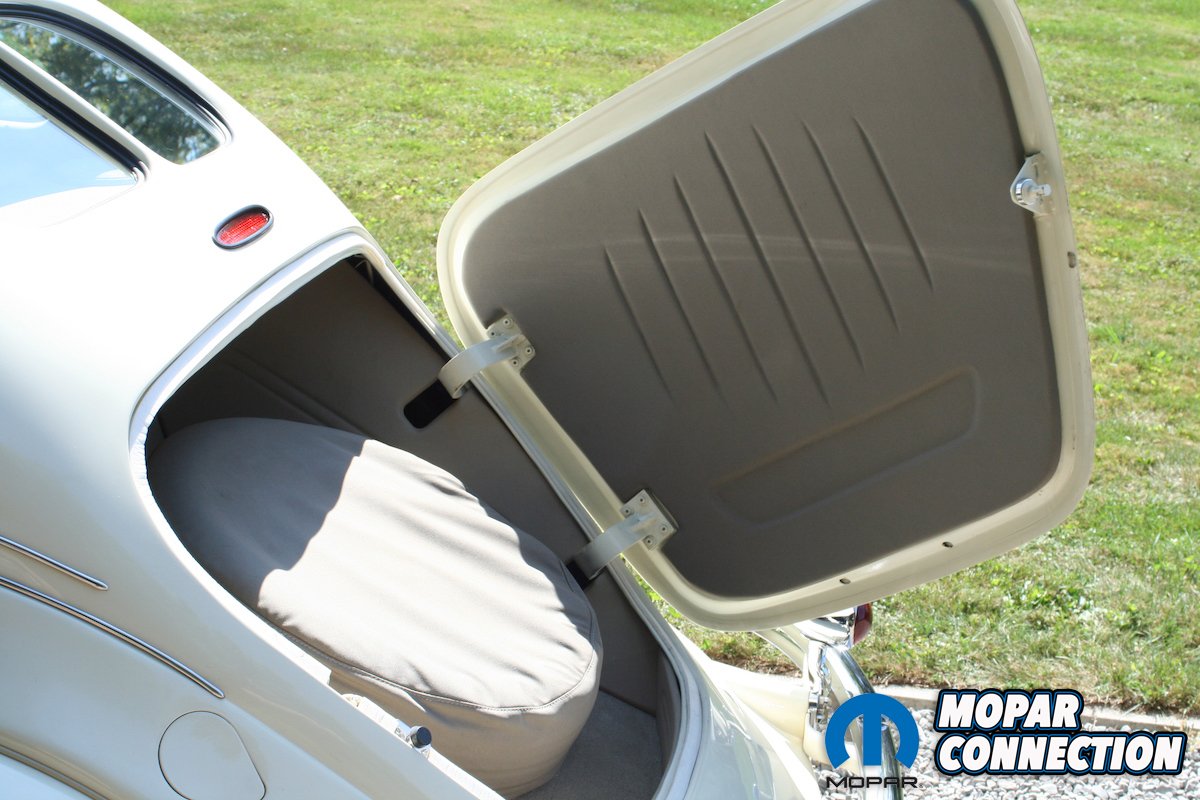
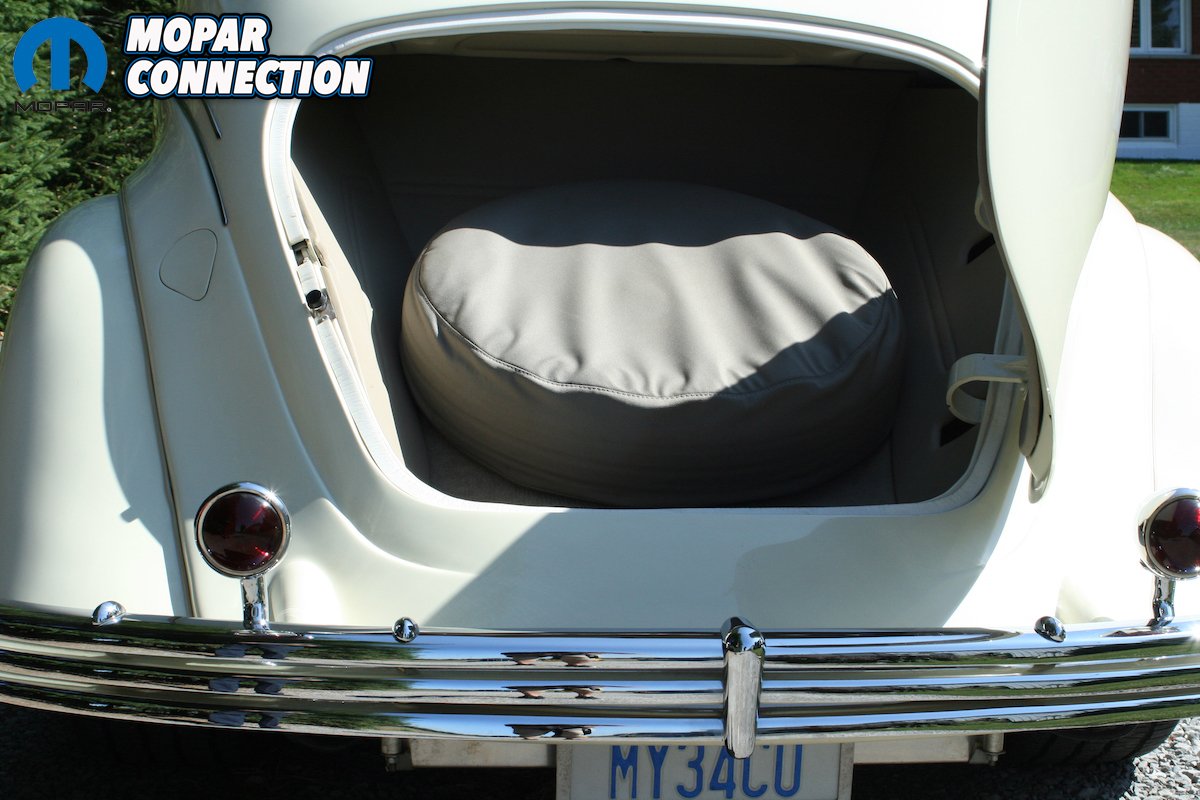
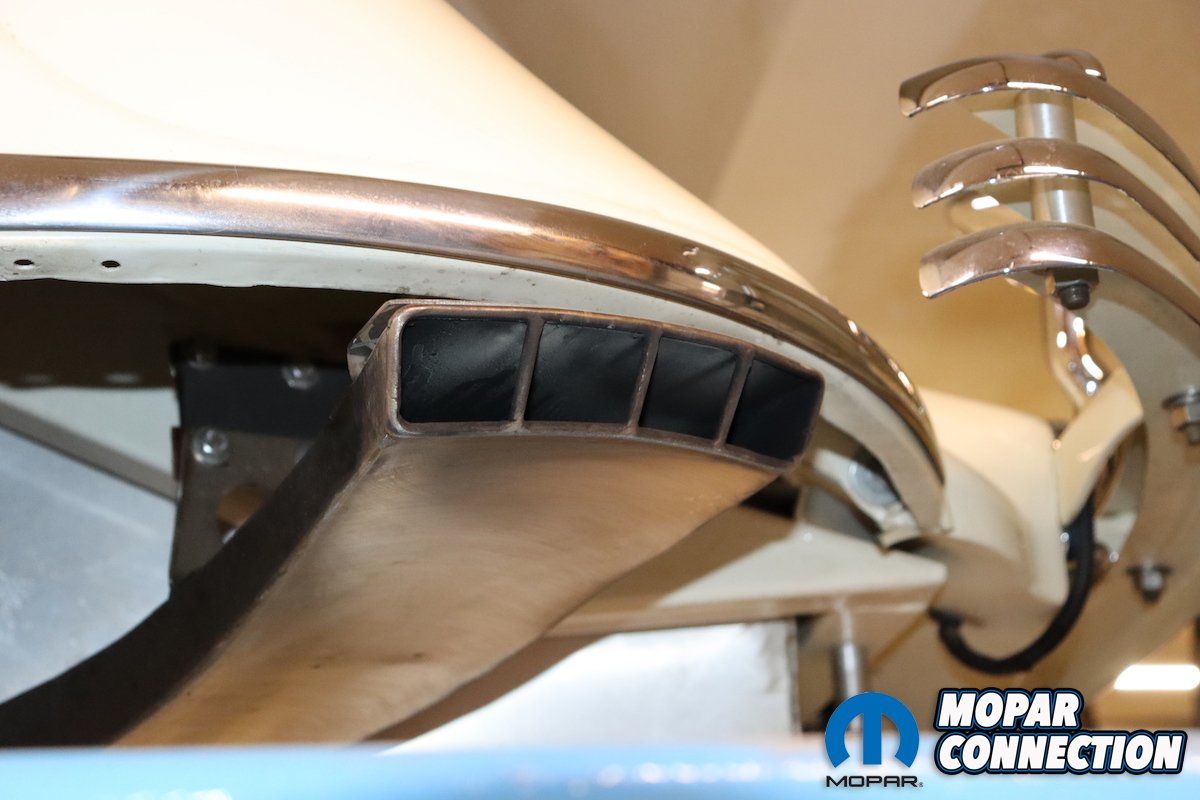
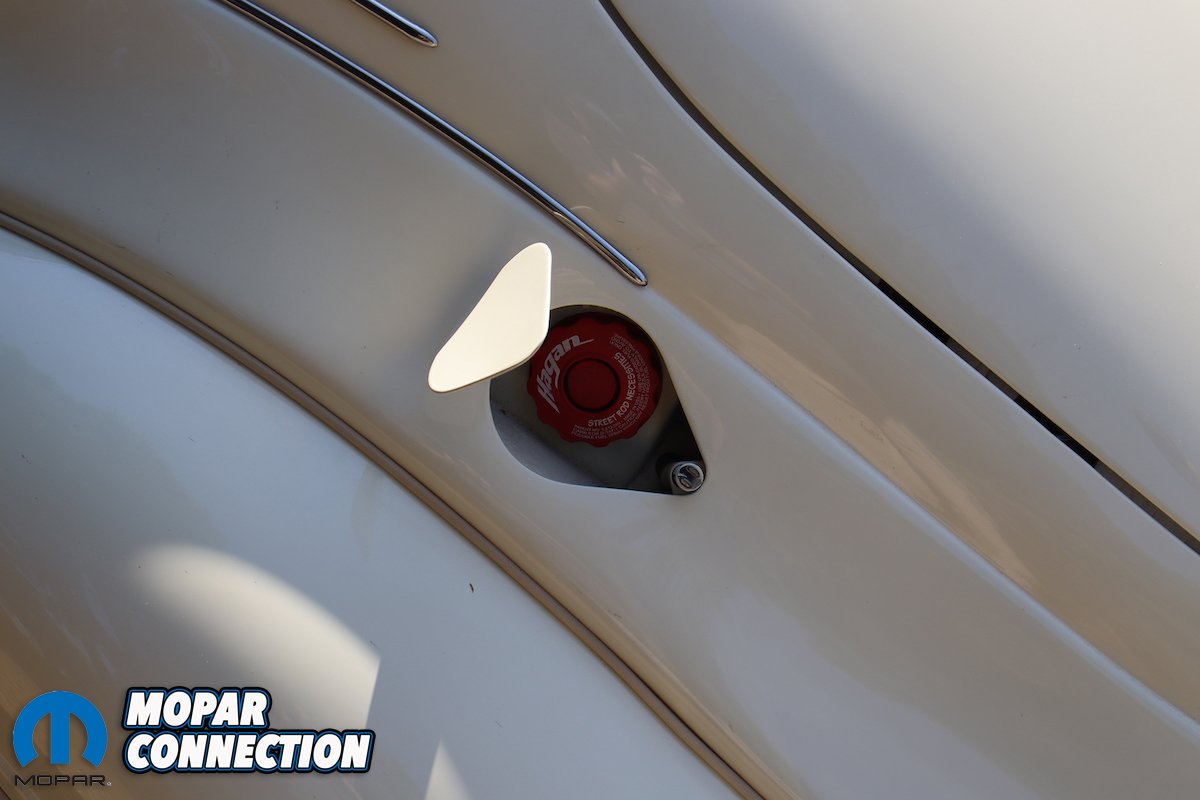
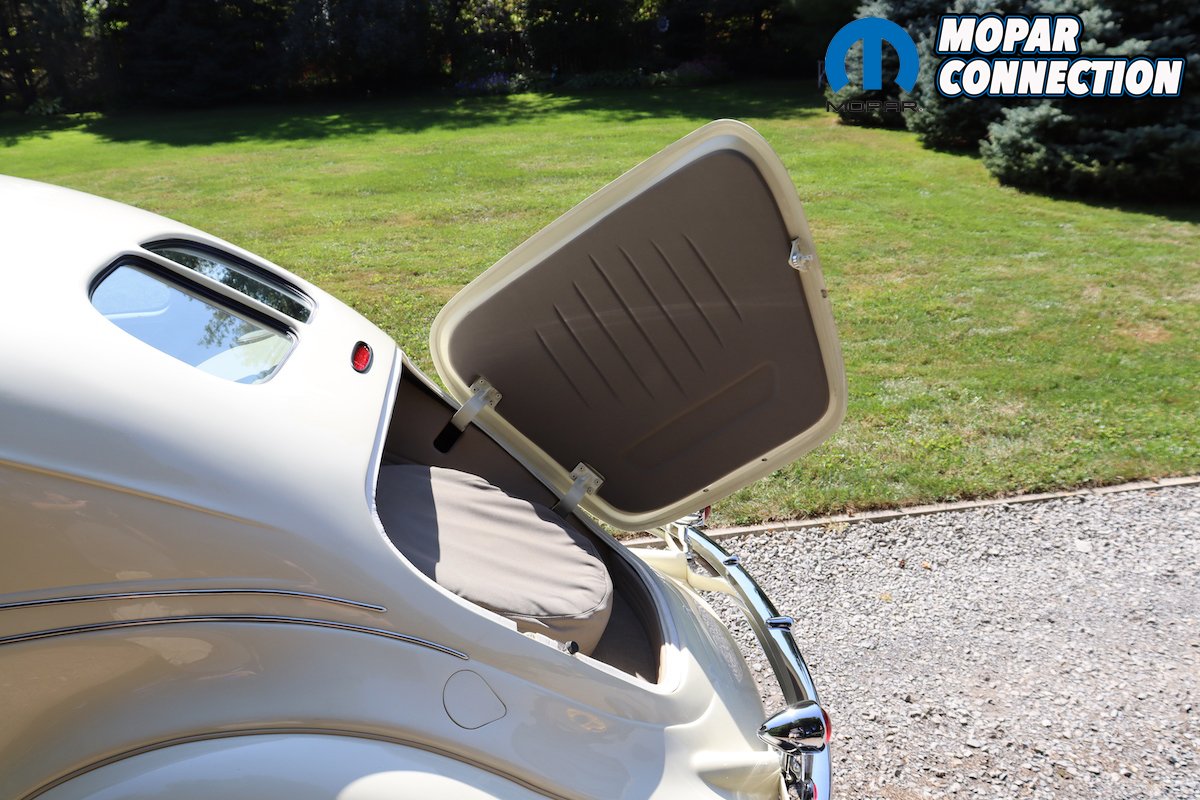
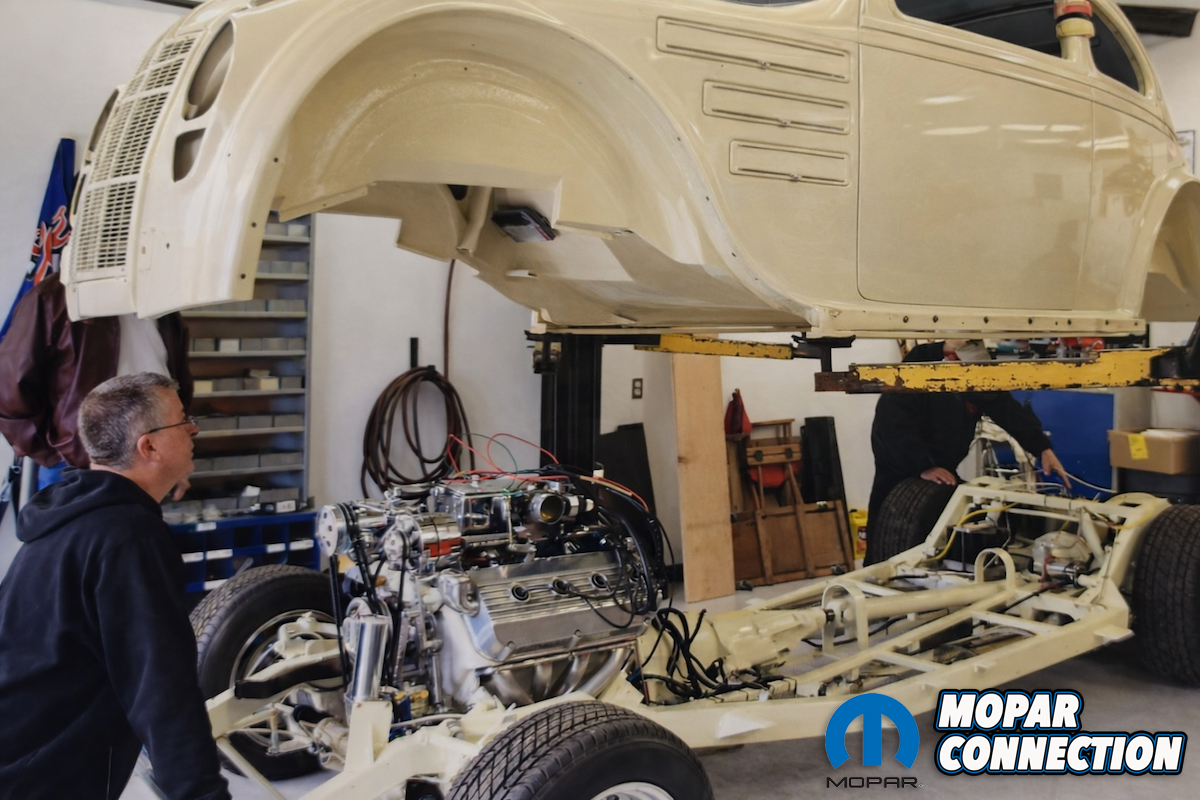
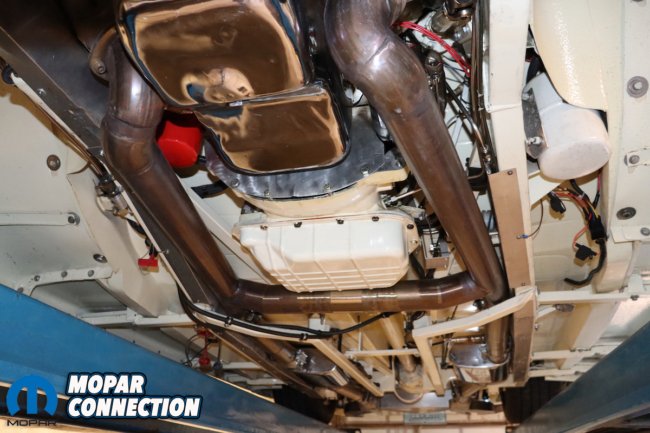
The car was in such a rough condition that a full restoration was no longer feasible, making a restomod and rebuilding new doors, the main floor, the trunk floor, and the firewall necessary. To complete the transformation, he fabricated and installed a roof skin from a 1999 Ford Crown Victoria, all done by hand in his home shop with his friend Lou Brisson. The custom frame with rear wheel tubs and fuel tank, which was 14-gauge aluminum again, was specially fabricated.
With the bodywork completed, the car was finally ready for paint. The chosen color, Vanilla Shake, maintained a period-correct aesthetic, blending vintage charm with modern refinement. With the fresh coat applied, the painstaking process of reassembly began, bringing the Airflow one step closer to its rebirth.
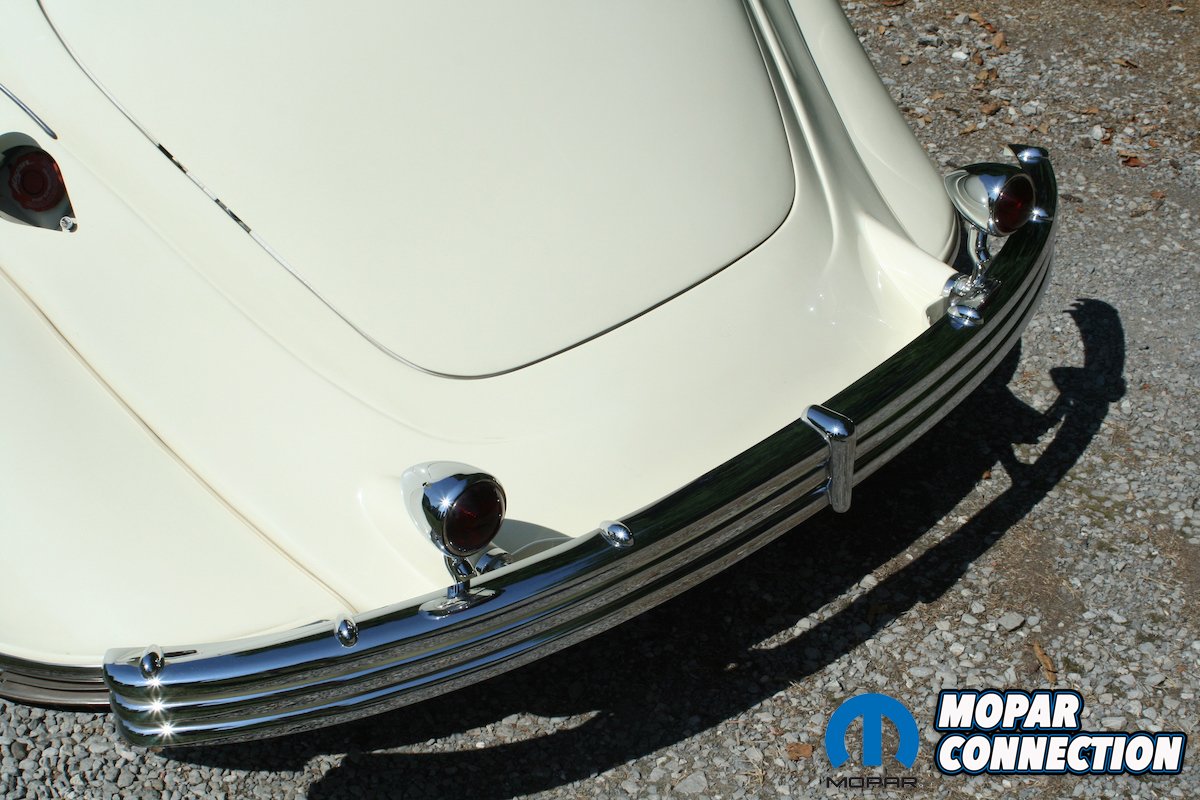
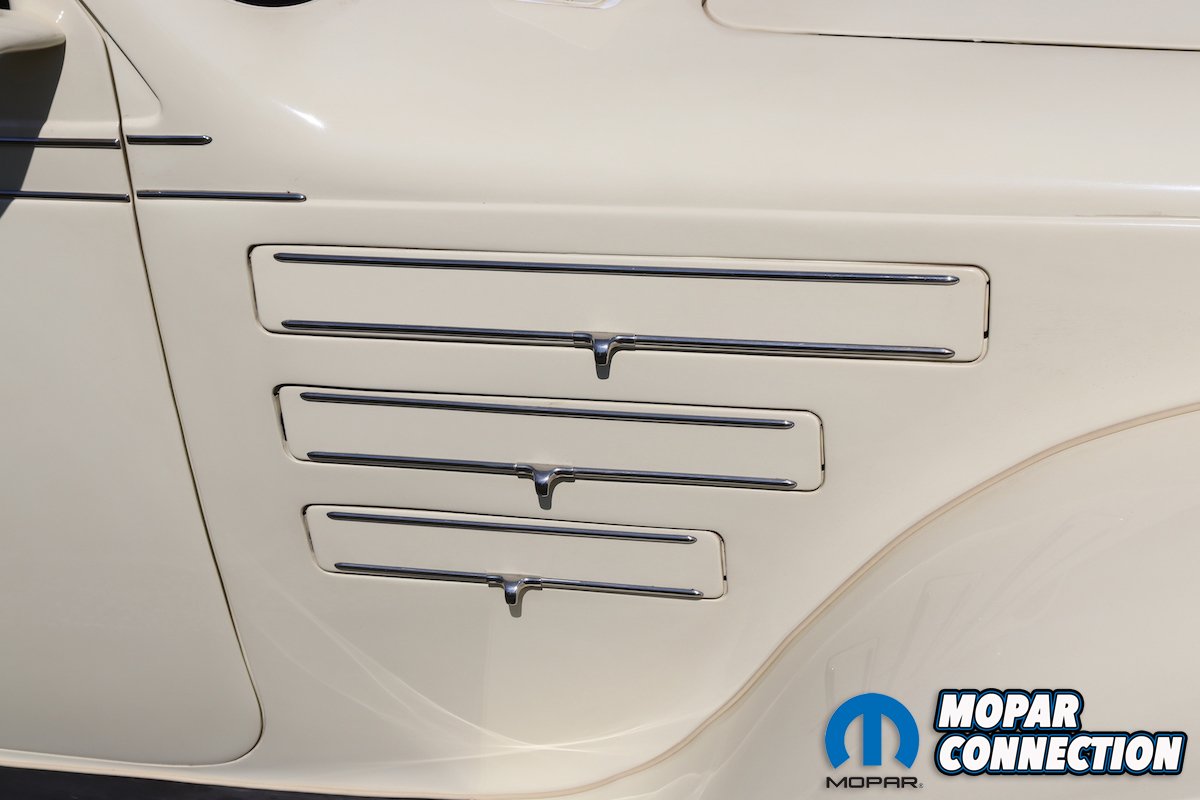
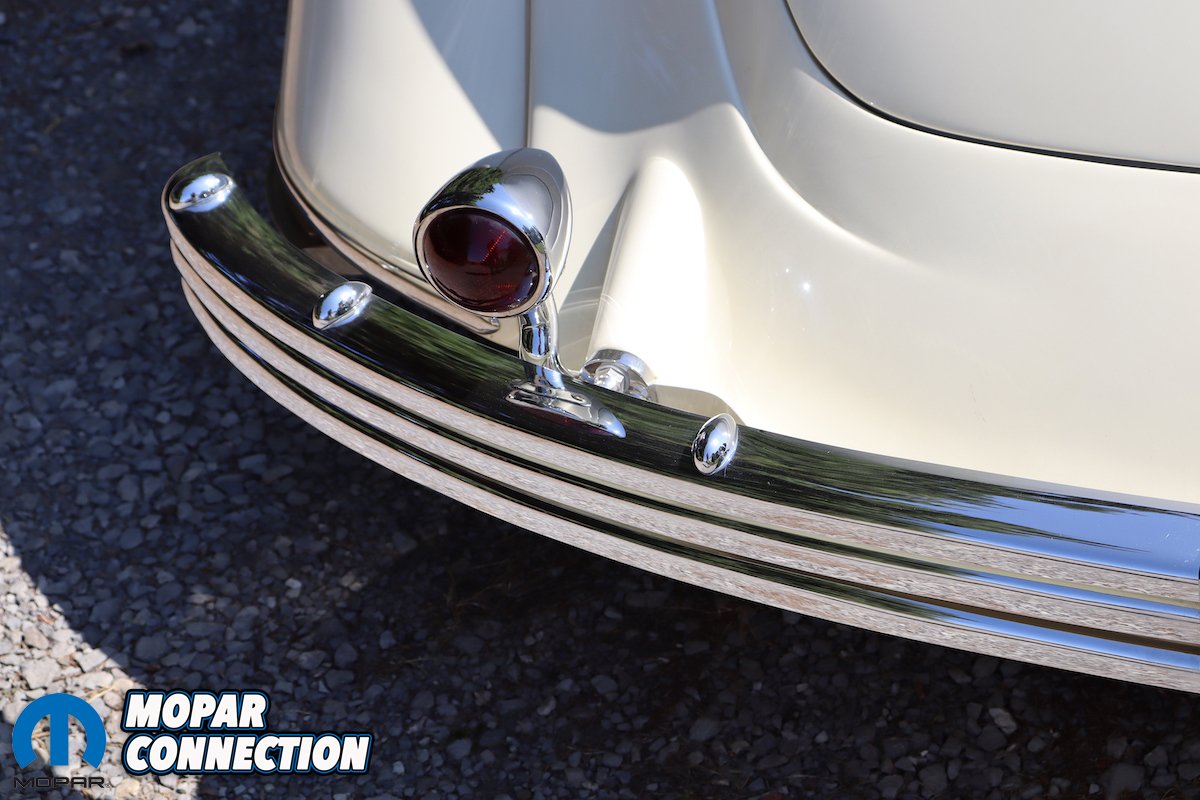
The trim, as well as the bumpers and body trim, was reworked or made for the car. All this would not be possible without the aid of Chuck Cochran for the hard-to-find parts and Jim Hazlewood for information on the Airflow. Greg Holland was also a big plus, helping Robert in his shop.
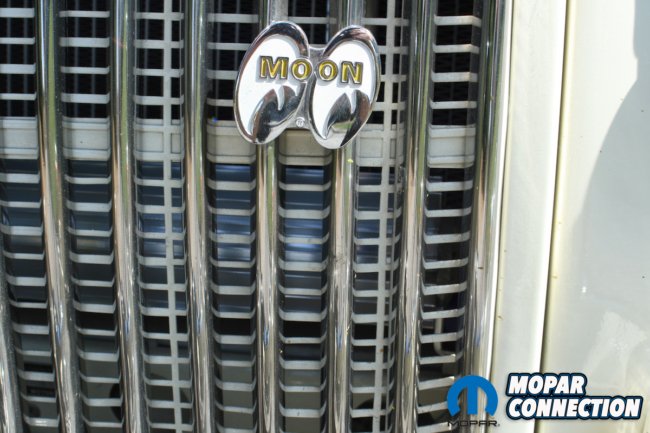
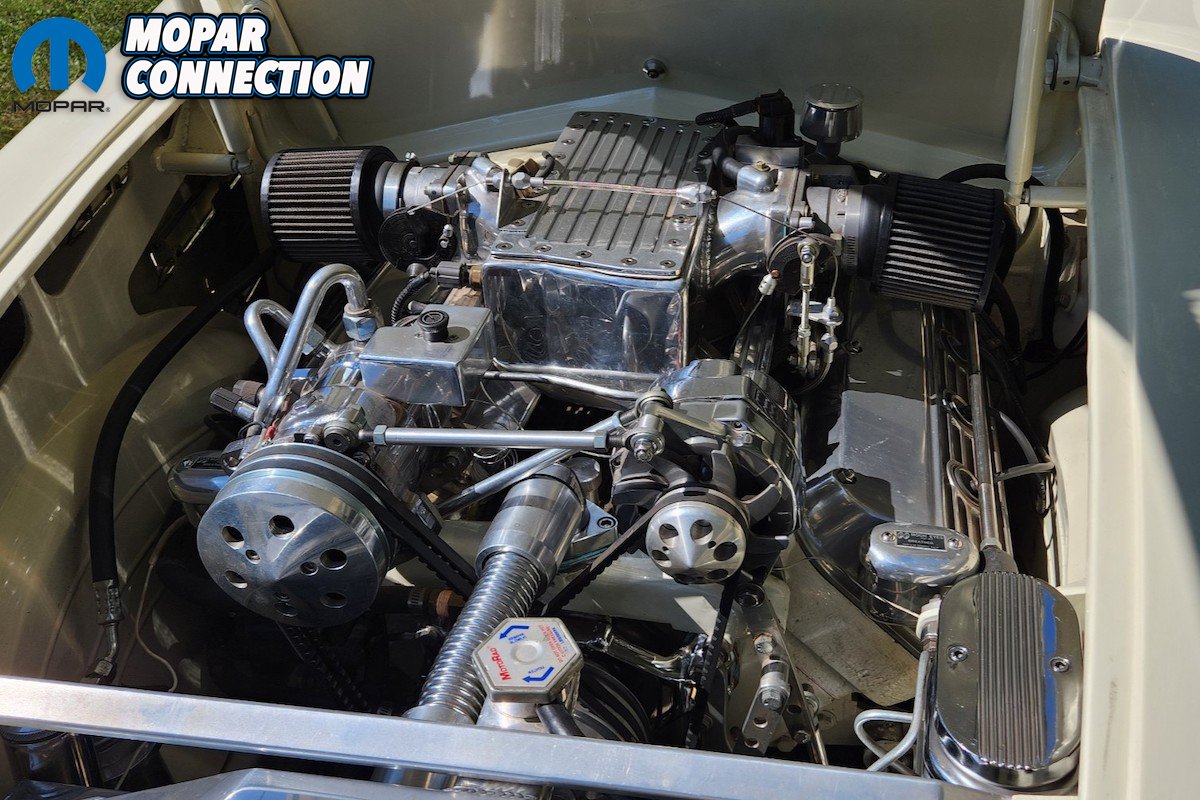
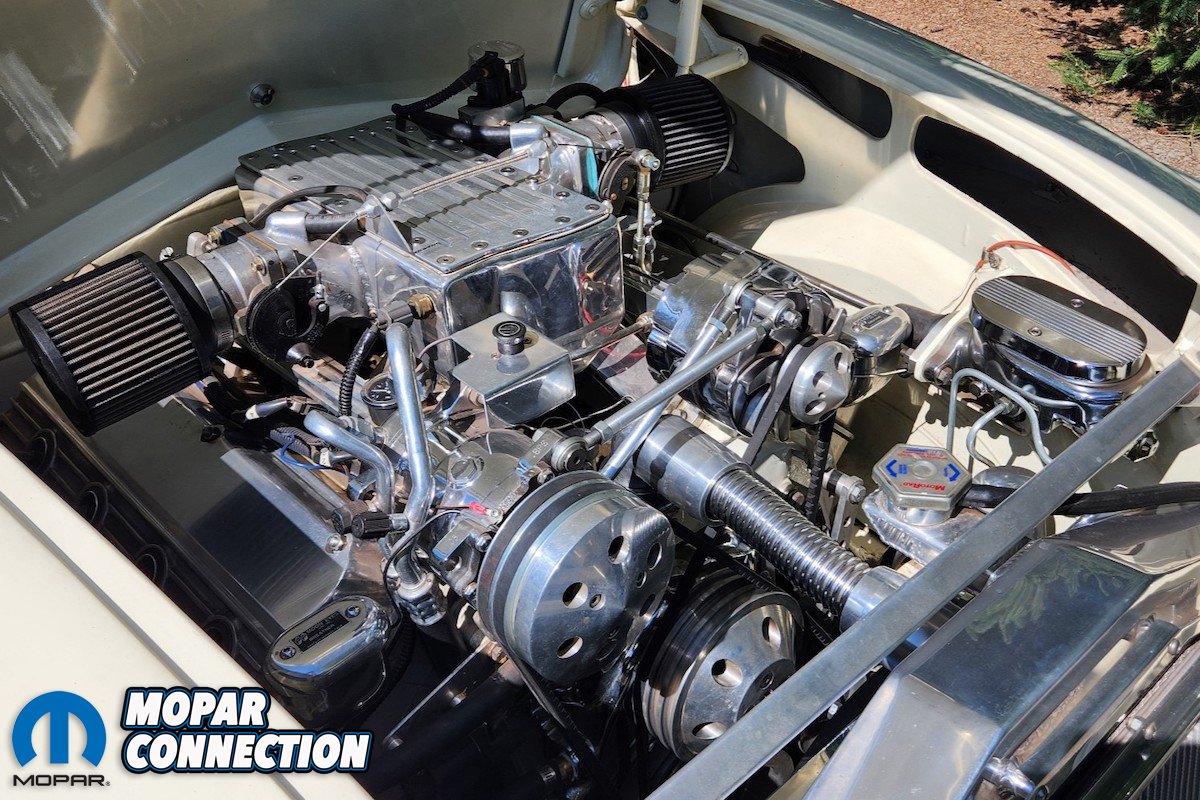
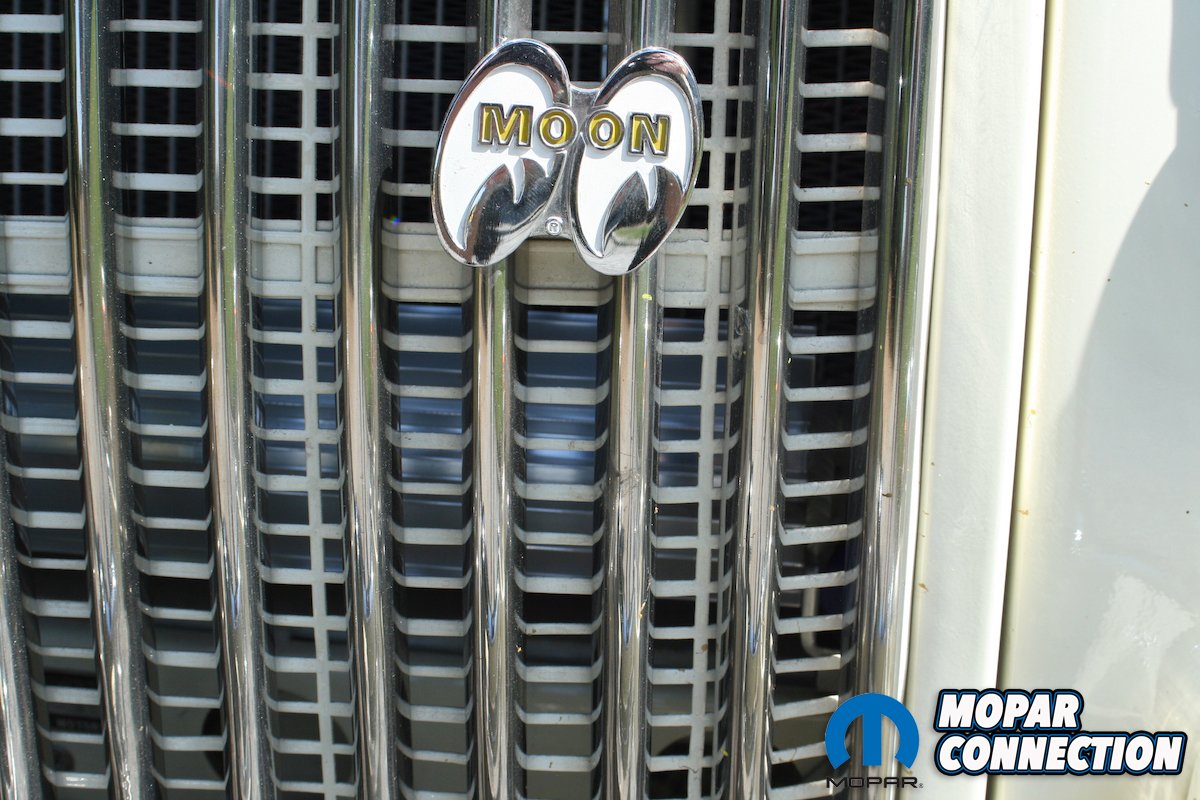
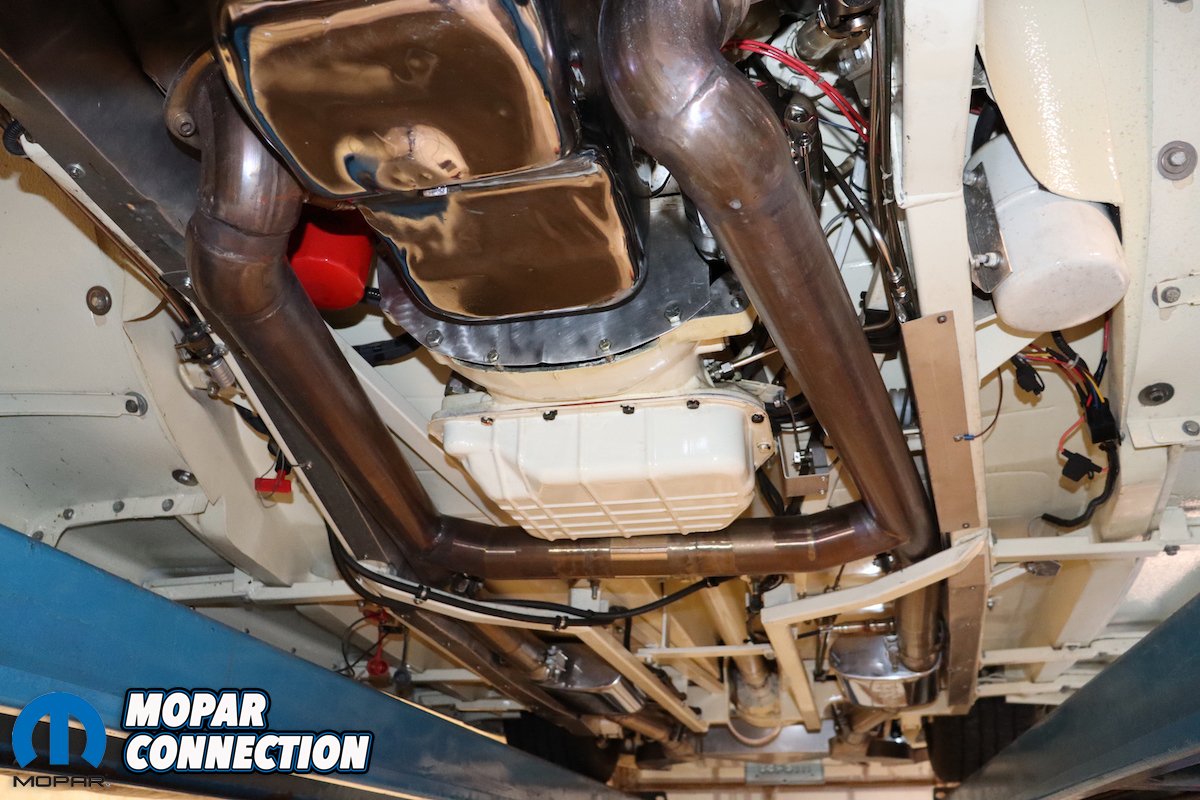
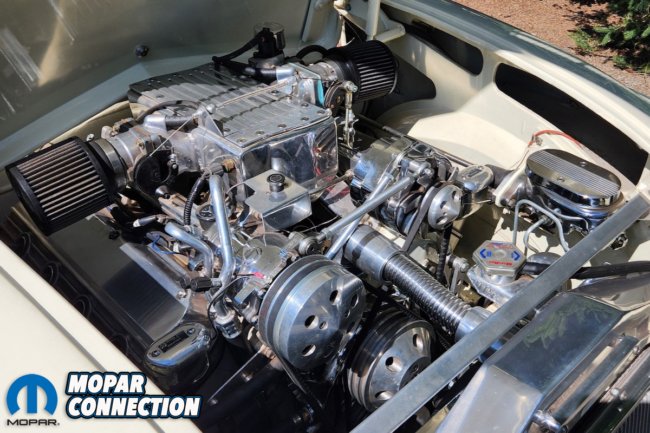
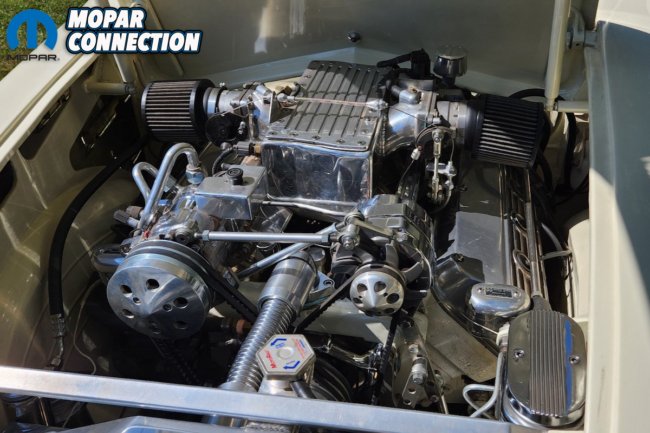
The engine selected would be a 1958 392 cubic inch Hemi. The engine received ported stock heads with, believe it or not, handmade electronic fuel injection by Robert himself. The cam was reground to 1958 Chrysler 300 specifications. Robert uses a twin 90 mm throttle body with an aluminum intake with custom fuel rails. Moon Valley pan was also added, and for bling, aluminum pulleys and brackets with matching valve covers and breathers.
Robert equipped the build with a 1999 Mopar A-518 overdrive transmission, paired with a 2500 stall converter for improved performance. Robert used a computer for a 1999 Dodge to run both the engine and transmission. Power was then routed to a Ford 9-inch rear axle, fitted with 3.75 positraction gears, ensuring optimal traction and stability.
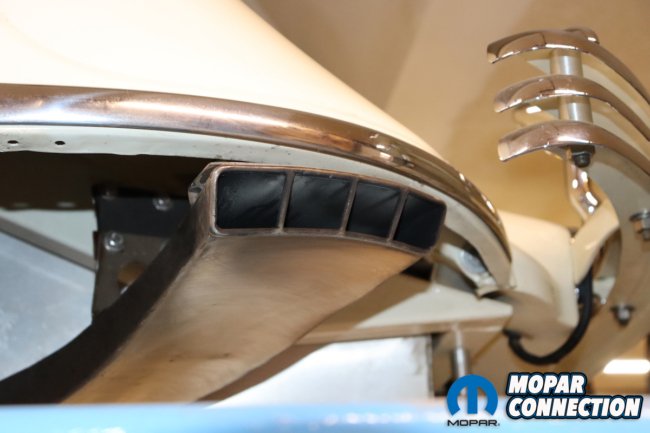
To keep the engine cool, a custom exhaust was fabricated and welded together with a NASCAR-style exhaust tip. The Airflow is equipped with an air ride suspension that is custom fabricated.
Artillery wheels, Moon caps, and chrome trim rings give the car a timeless, classic look, while those wide whitewalls really complete the vintage aesthetic. The staggered rim sizes—15 x 7 in the front and 15 x 9 in the rear—also suggest a well-thought-out stance for the build. Robert chose Diamond Back Classic tires with wide whitewalls to maintain a period-correct vibe while benefiting from modern radial construction—smooth ride, dependable grip, and no sacrifice to retro appeal. Radial construction ensures a smooth ride.
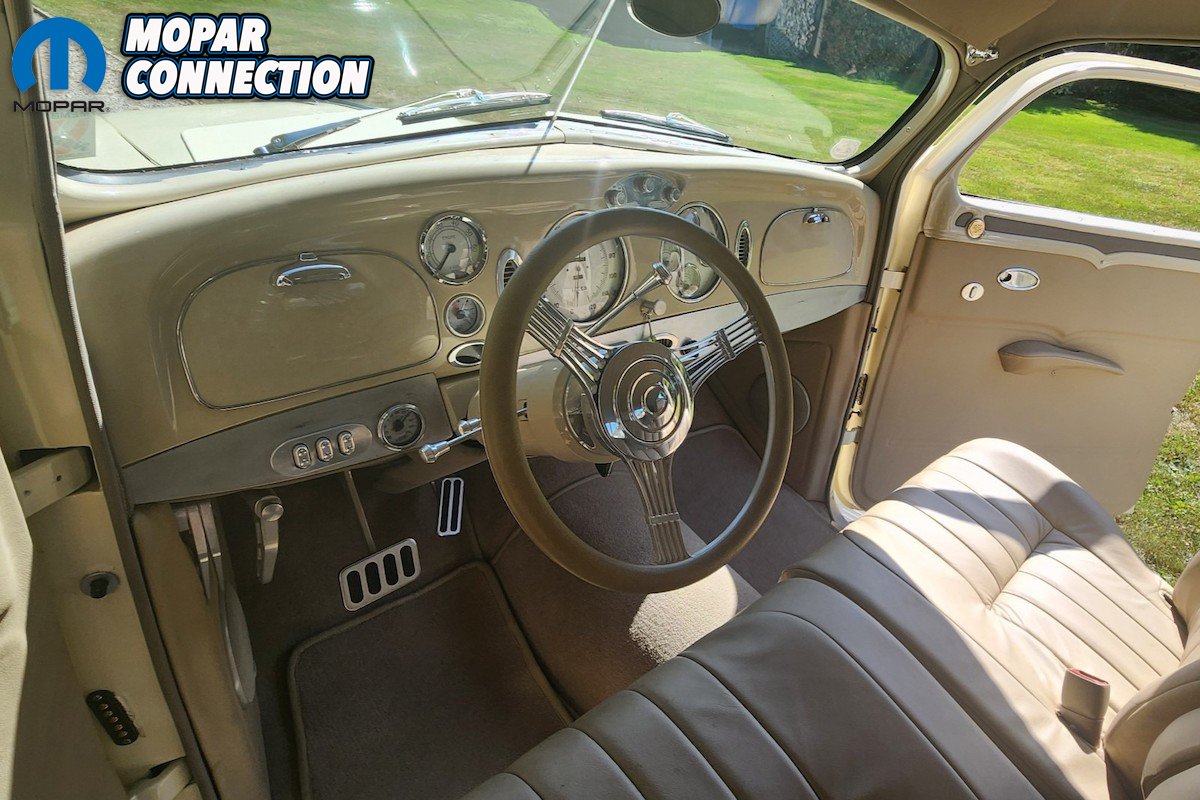
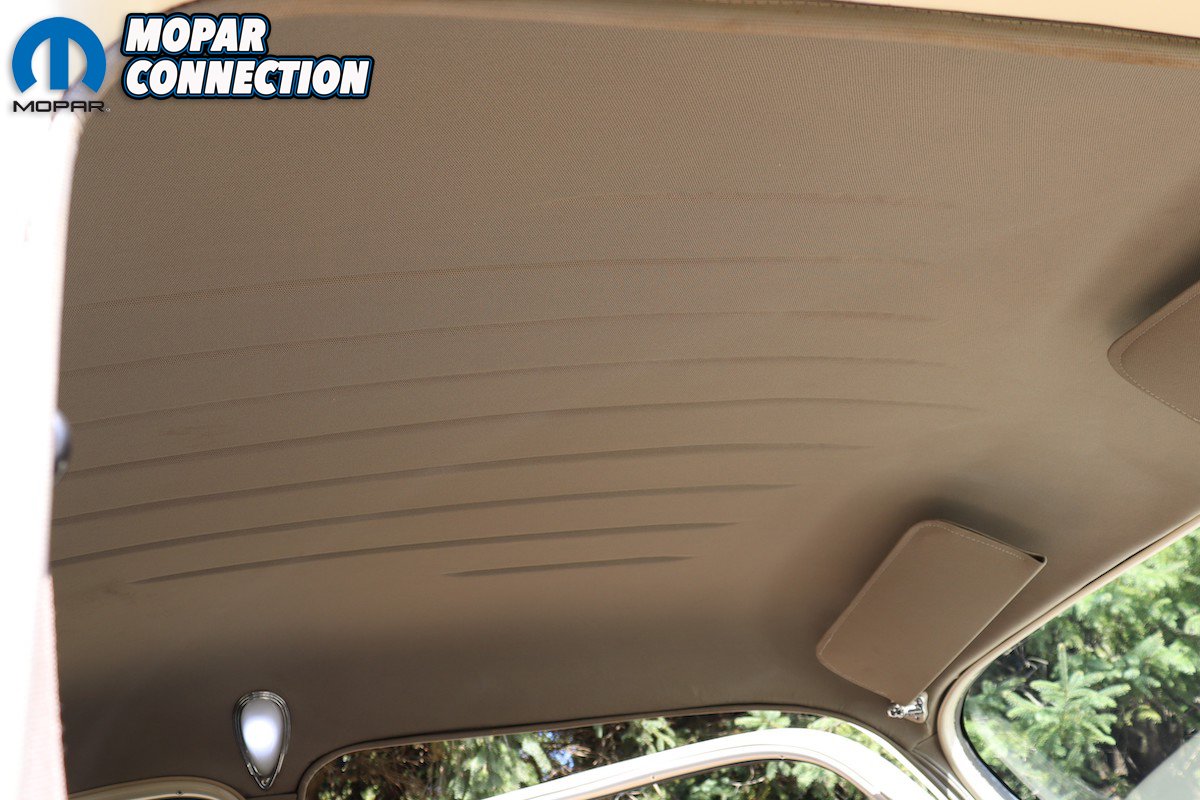
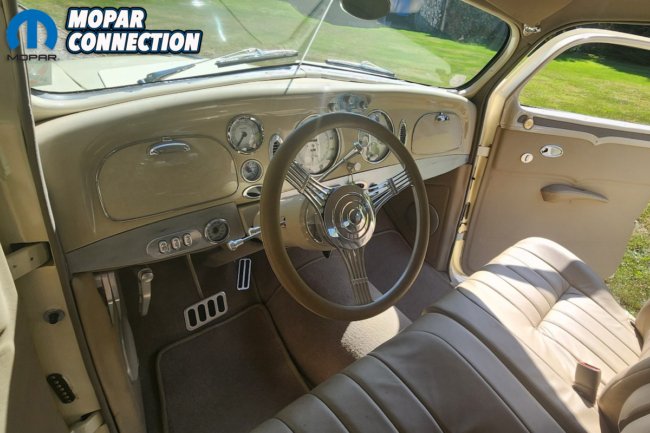
The front and rear seats, sourced from a 1999 Chrysler 300, have been meticulously reupholstered in rich Faun leather, extending seamlessly to the door panels for a cohesive look. Upholstery expert John Willkie handled the craftsmanship, ensuring every detail met the highest standards. Adding to the refined interior, the headliner is a one-piece sculpted fiberglass unit, elegantly wrapped in fabric material to maintain a harmonious design throughout.
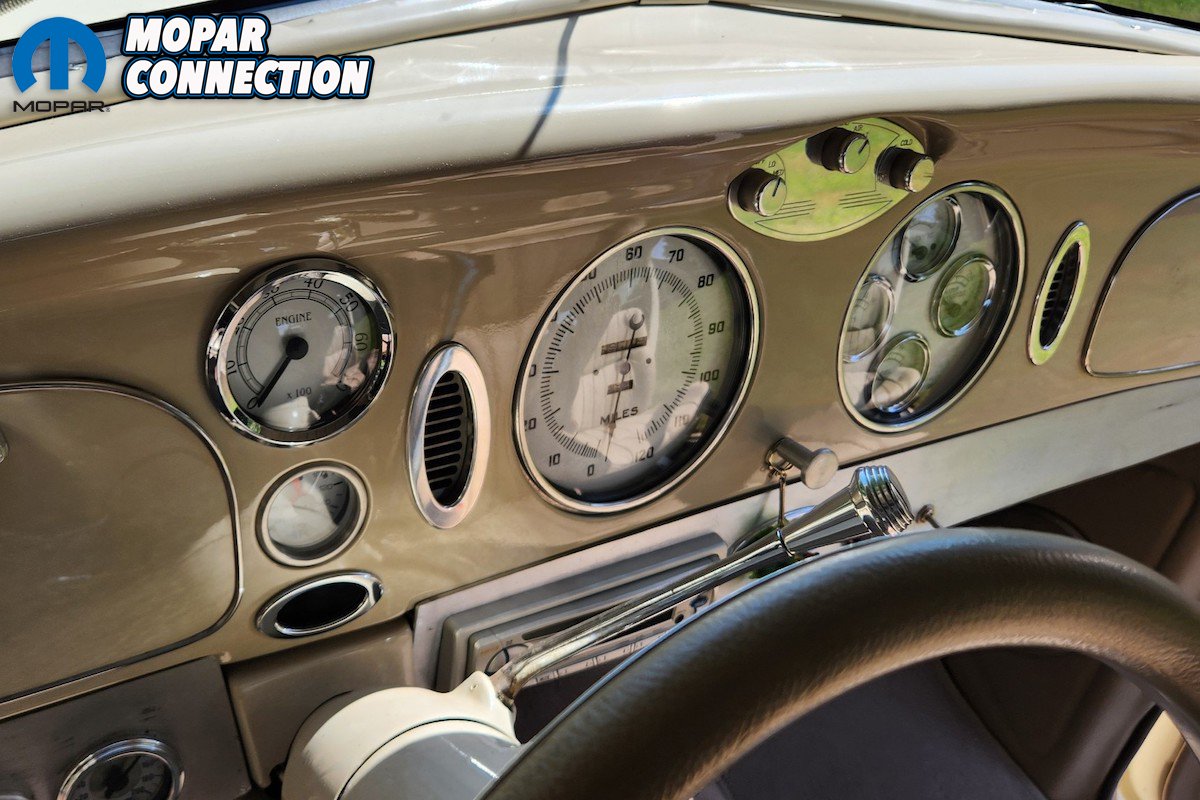
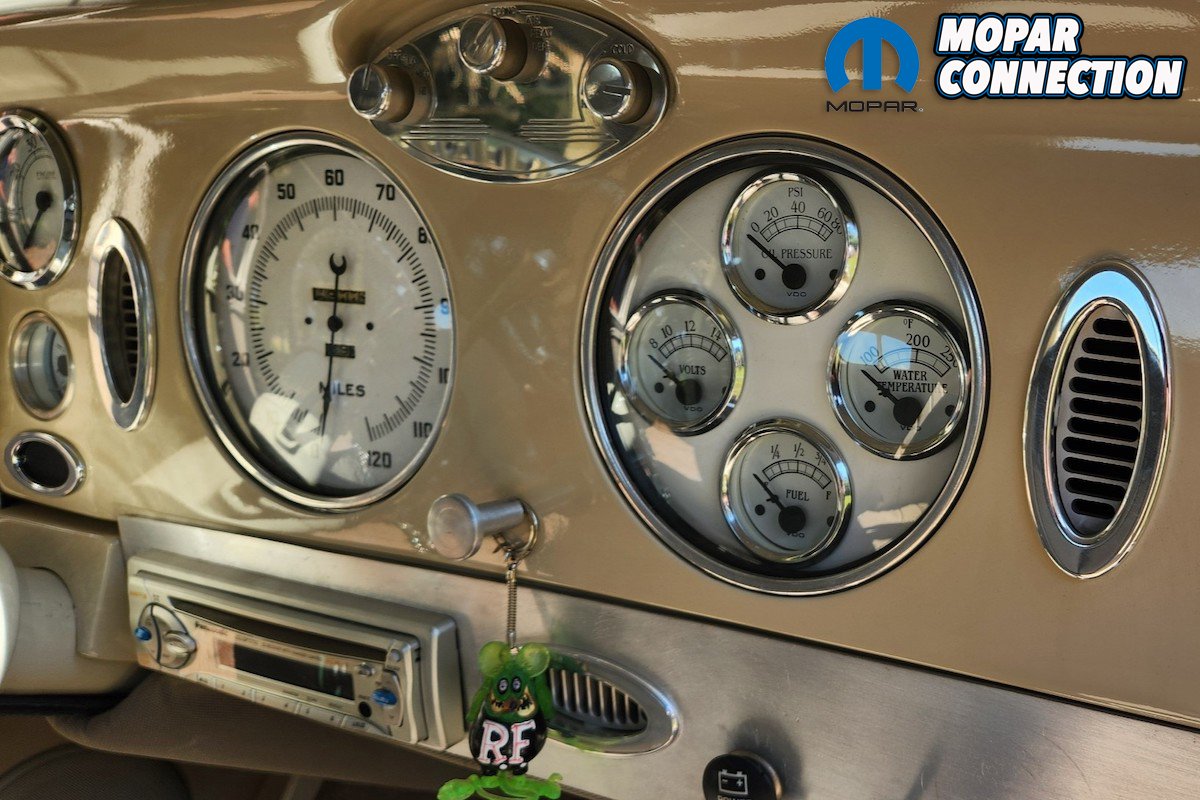
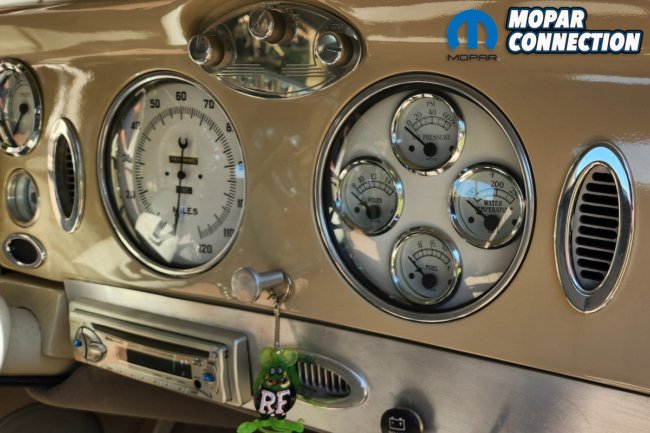
The instruments on the dashboard are modern but still have a period-correct look. The two large gauges consist of a speedometer and a four-cluster pack of gauges that have oil pressure, voltage, water temperature, and fuel. On the left side above the tilt steering column, you will find the tachometer gauge. Between the larger gauges you will find the climate controls. The Airflow has an automatic shifter on the steering column with a banjo-style steering wheel. Custom levers for air bag control are located on the left under the dashboard.
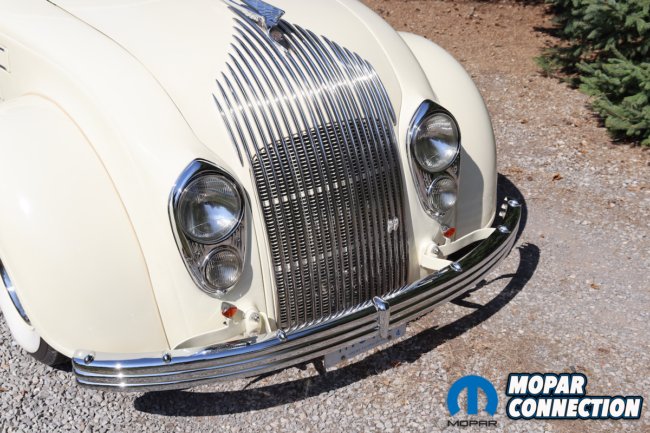
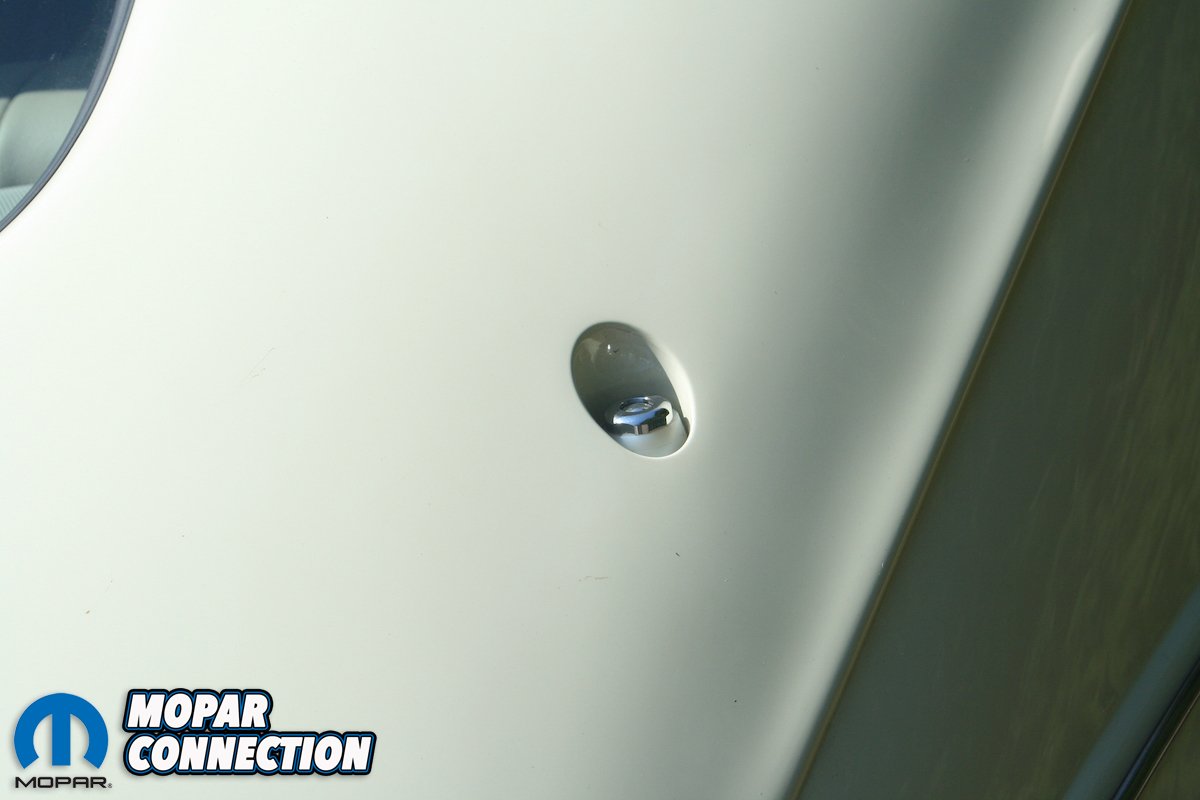
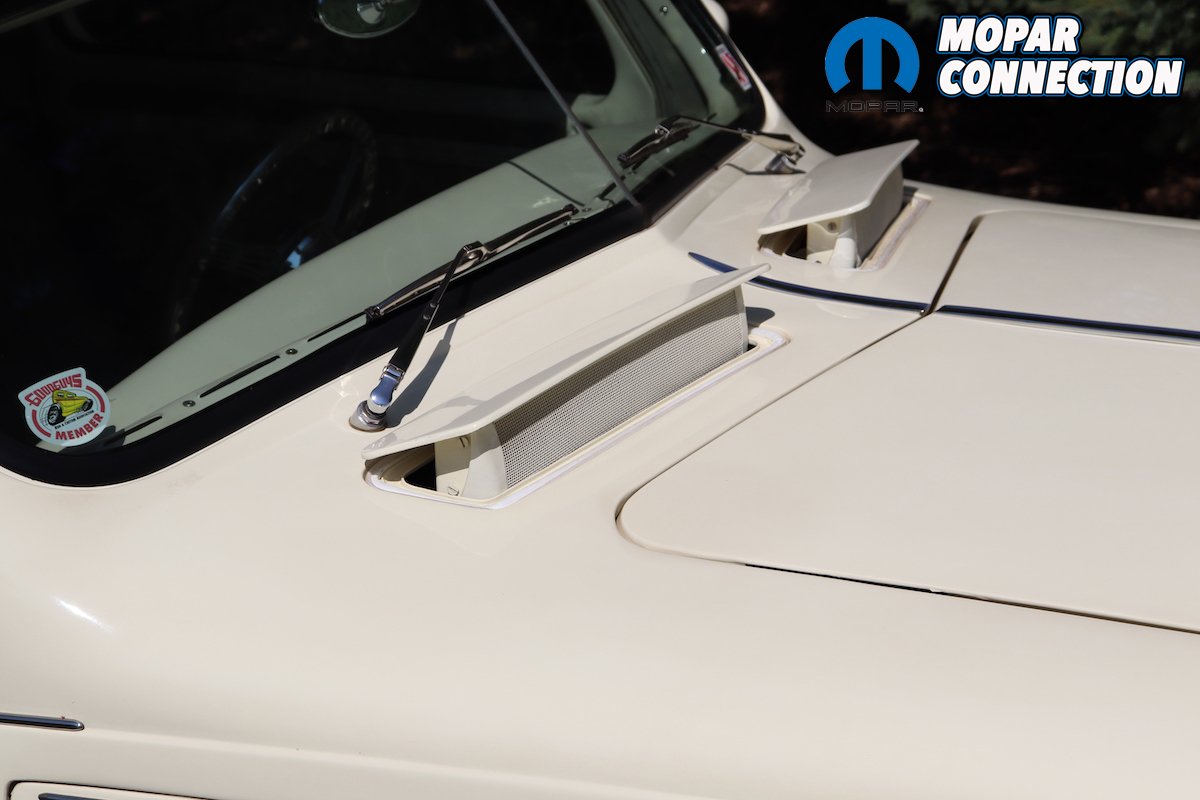
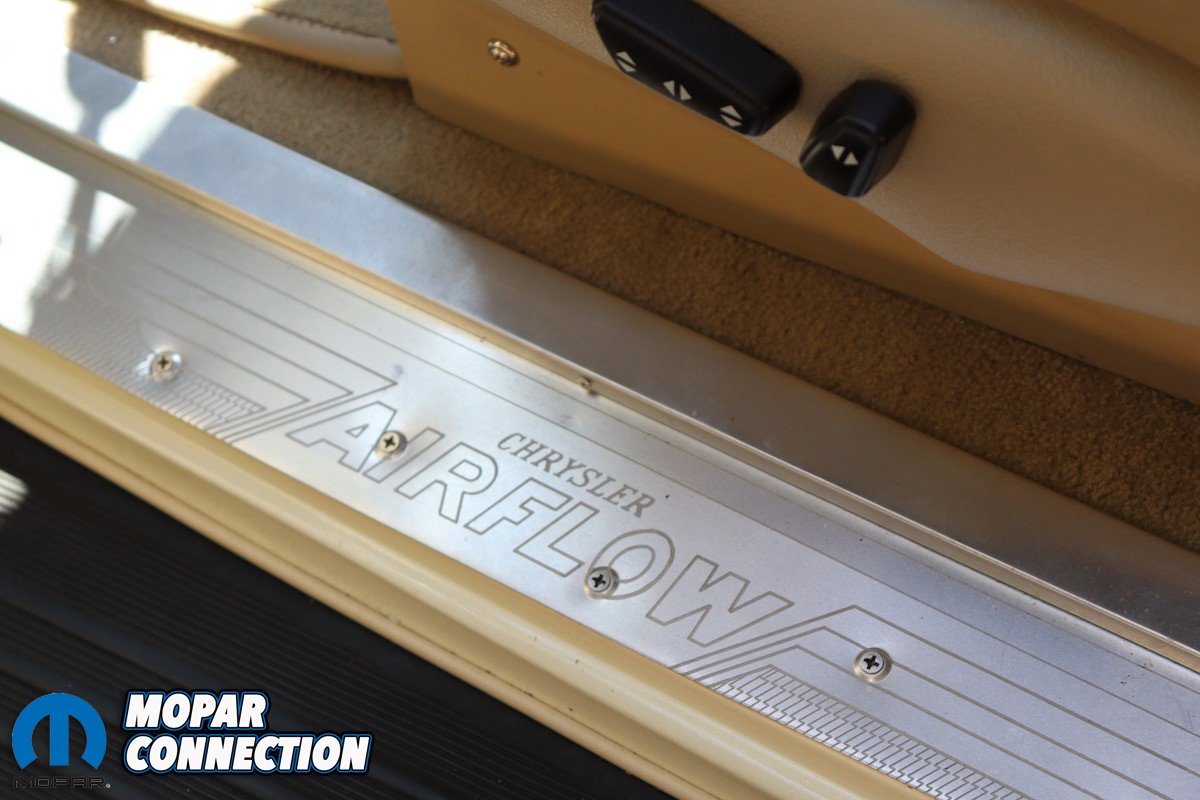
Among the standout features of this Airflow are the flush-mounted windshield, solid side glass, and relocated wipers, adding a sleek and refined touch to the build. Though it’s been upgraded with modern conveniences like power seats, air conditioning, and remote-operated doors, these enhancements are seamlessly integrated, preserving the car’s period-correct aesthetic. The result is a classic masterpiece that subtly incorporates modern functionality without compromising its timeless appeal.
Robert has many hands in this creation and would like to thank Rob Fraser for assistance with wiring work; Chuck Cochran for assistance in locating hard parts; Jim Hazelwood for an endless source of information on the Airflow; and Greg Holland for assistance at the shop.