Building a big-block Mopar is easy. Building one that works as a complete combination is another story. We have learned that lesson more than once with the stroker motor we first put together for our “Brazen” 1969 Dodge Charger, Mopar Connection Magazine’s longest-running project car.
What started as a 535-cubic-inch street-and-strip wedge has evolved through years of testing, troubleshooting, and improvements. Some changes delivered exactly what we wanted. Others taught us something we did not expect.
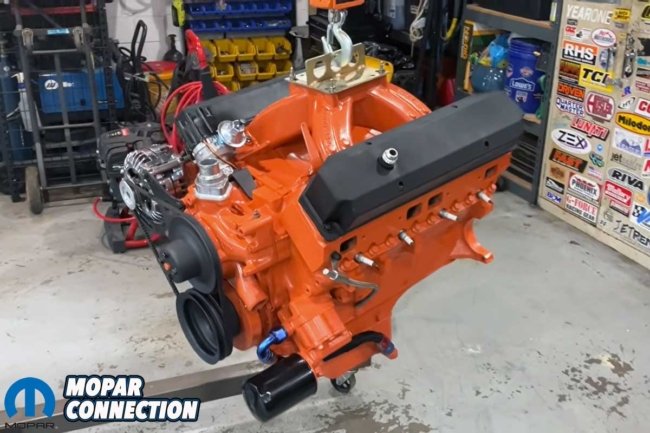
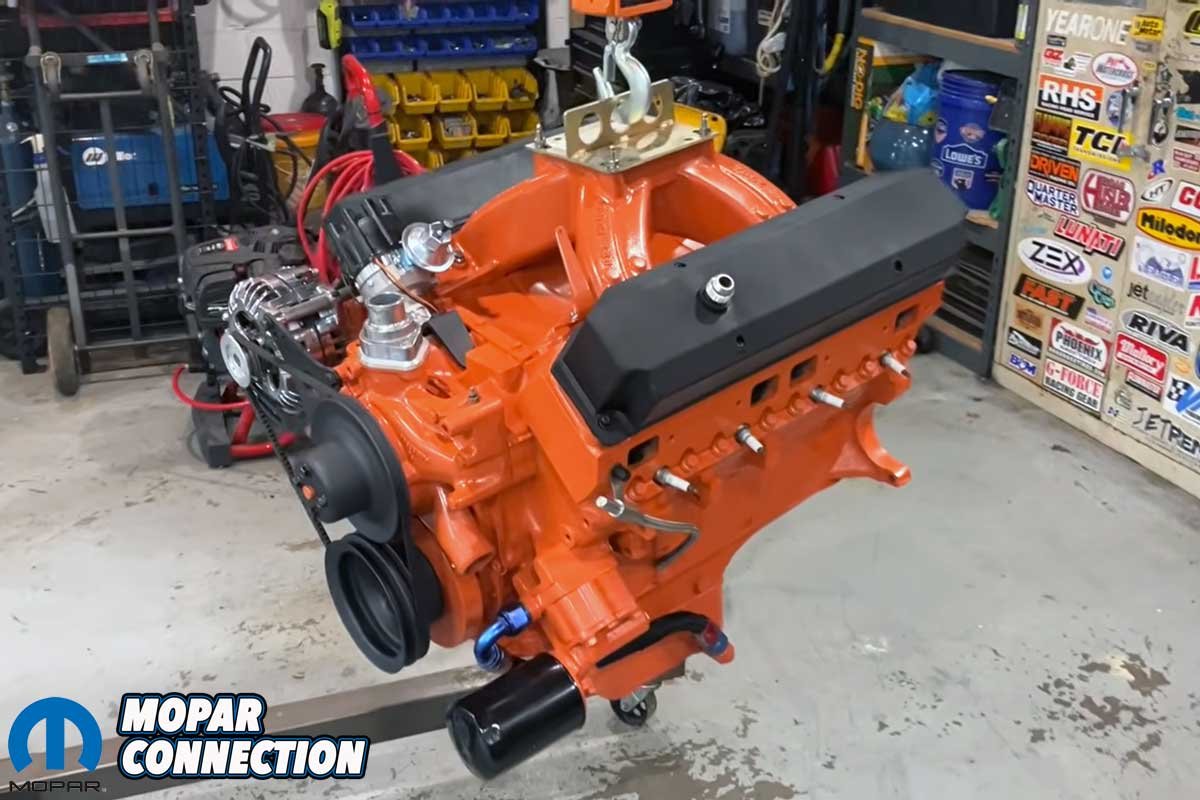
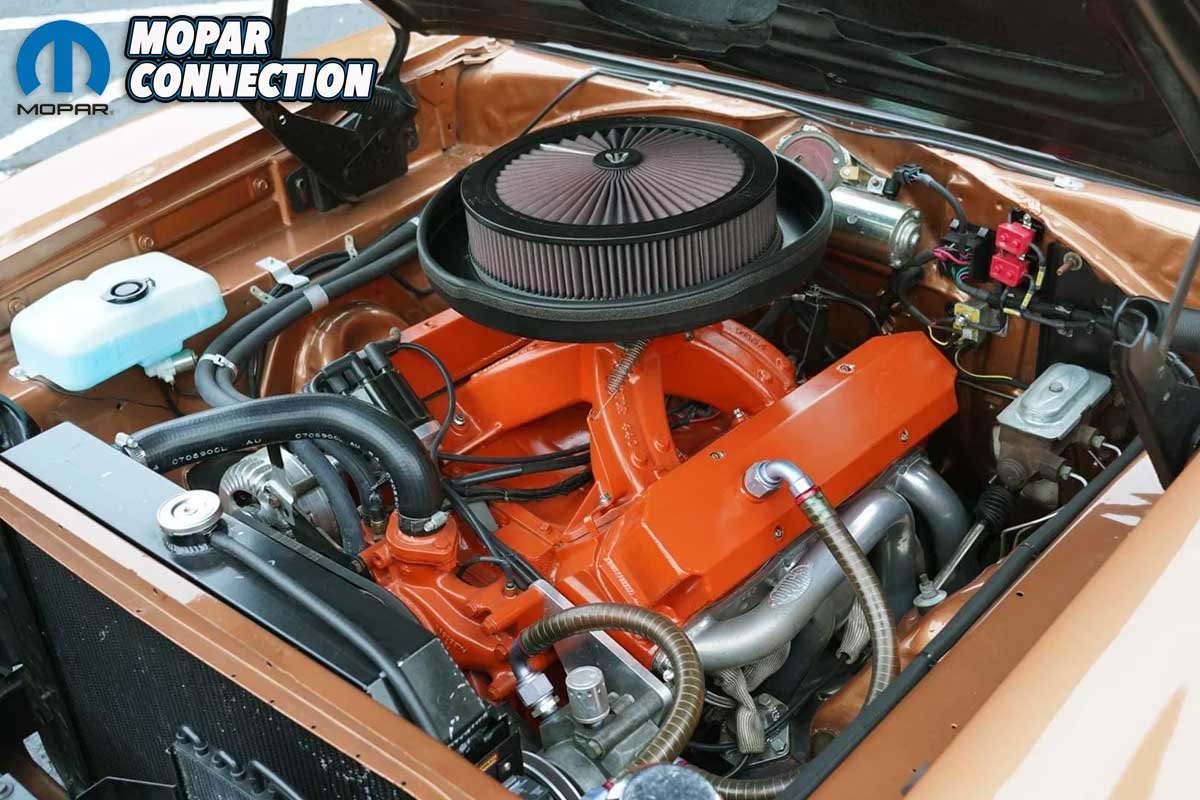
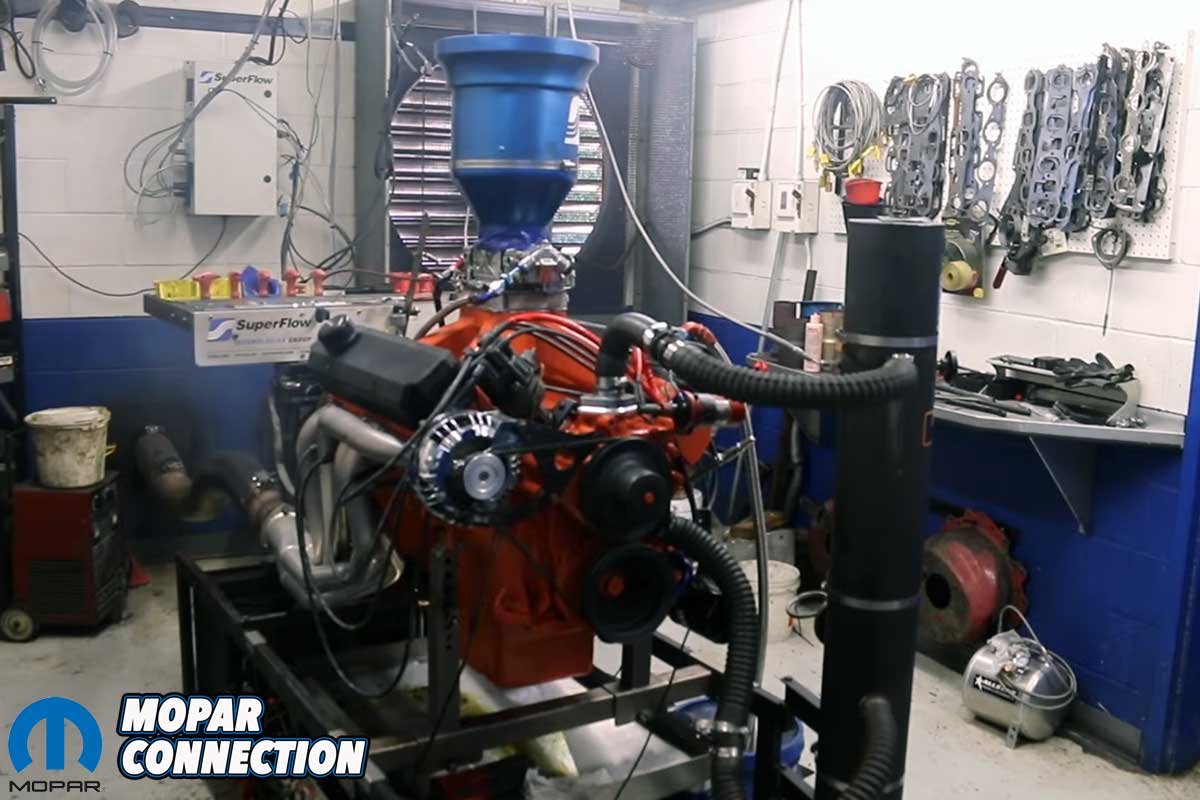
Above: Brazen’s 535-cubic-inch stroker wedge was installed more than a decade ago. Despite extensive work over the years, the original short block remained in place until recently, when it was finally removed for a refresh. In its initial form, the engine originally produced 624 horsepower and 700 lb.-ft. of torque, and since that time has swelled to 668 horsepower and (a small dip to) 686 lb.-ft of torque.
That is part of the fun, and sometimes the frustration, of building a performance engine. You can study the specifications, listen to the experts, and convince yourself that a particular part should make more power. Then you put the engine on the dyno and find out what actually happens.
How We Got Here
Brazen’s engine started with a humble motorhome 440 RB block. It was soon equipped with an Eagle 4.500-inch forged crankshaft and 7.100-inch connecting rods, and a set of MAHLE Power Pak forged pistons (see “Wicked Wedge of the South” part 1 & part 2).
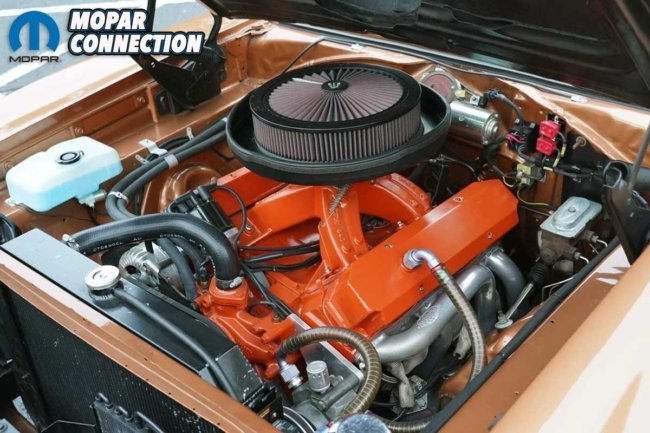
Above: In its final form, the 535 not only produced absolutely stump-pulling torque numbers propelling the Charger into the 11’s (when previously equipped with a TCI Super Street Fighter TorqueFlite and Gear Vendor overdrive), but was reliable enough to endure two Hot Rod Power Tours year-after-year and a jaunt up and down the Tail of The Dragon.
A COMP hydraulic roller camshaft (.598 int./.600 exh.) and Edelbrock’s 88c Performer RPM cylinder heads completed the combination. An Edelbrock dual-plane RPM Performer intake manifold and 850cfm Holley carburetor handled the air and fuel.
The original dyno numbers were impressive: 624 horsepower at 5,300 rpm and 700 lb.-ft. of torque at 3,900 rpm. There was plenty of power for a street-and-strip Charger, but the dyno also showed us something we needed to address: The engine began running out of airflow around 5,600 rpm.
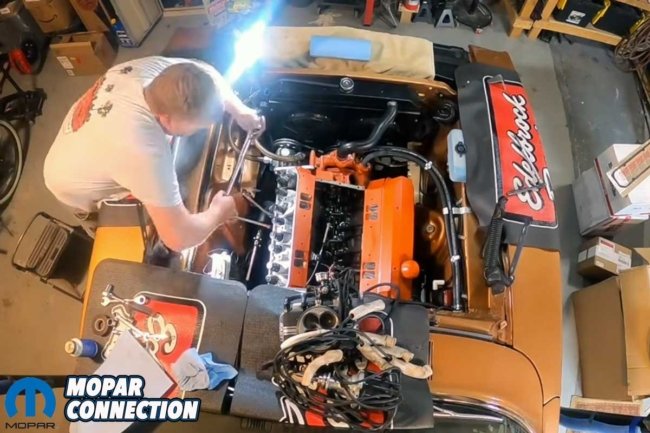
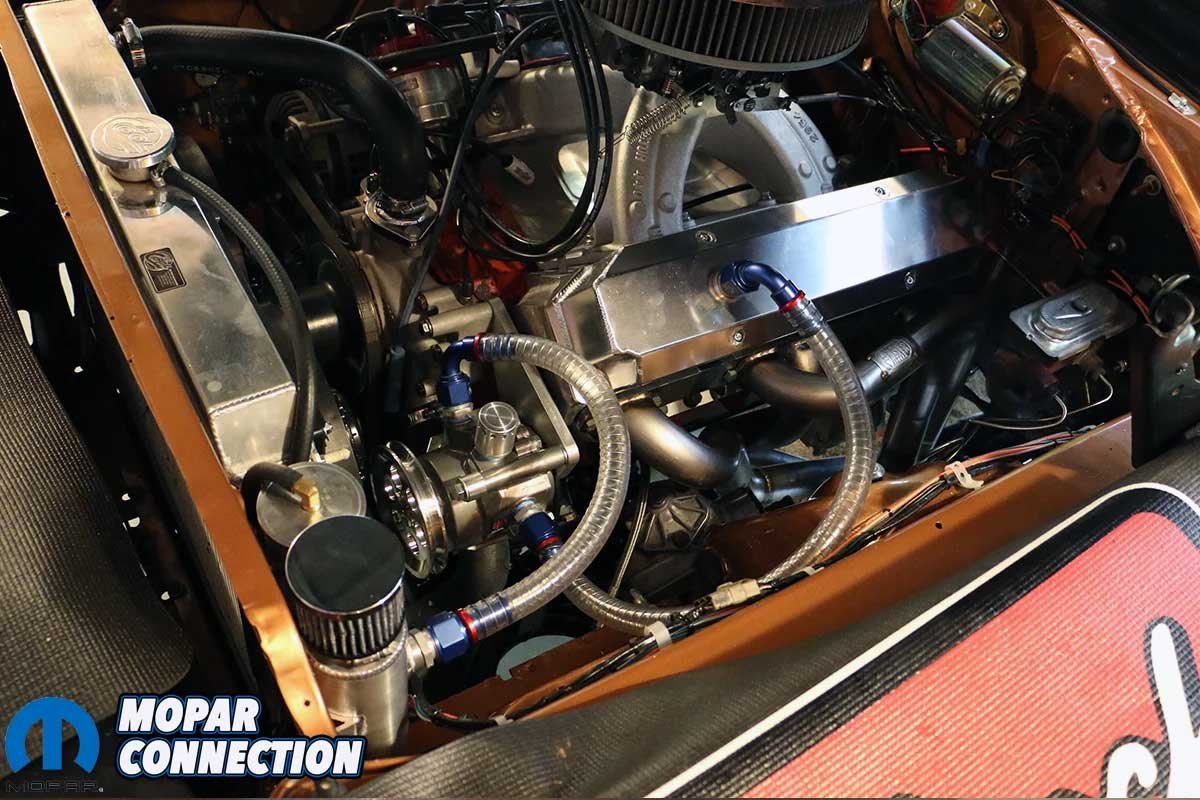
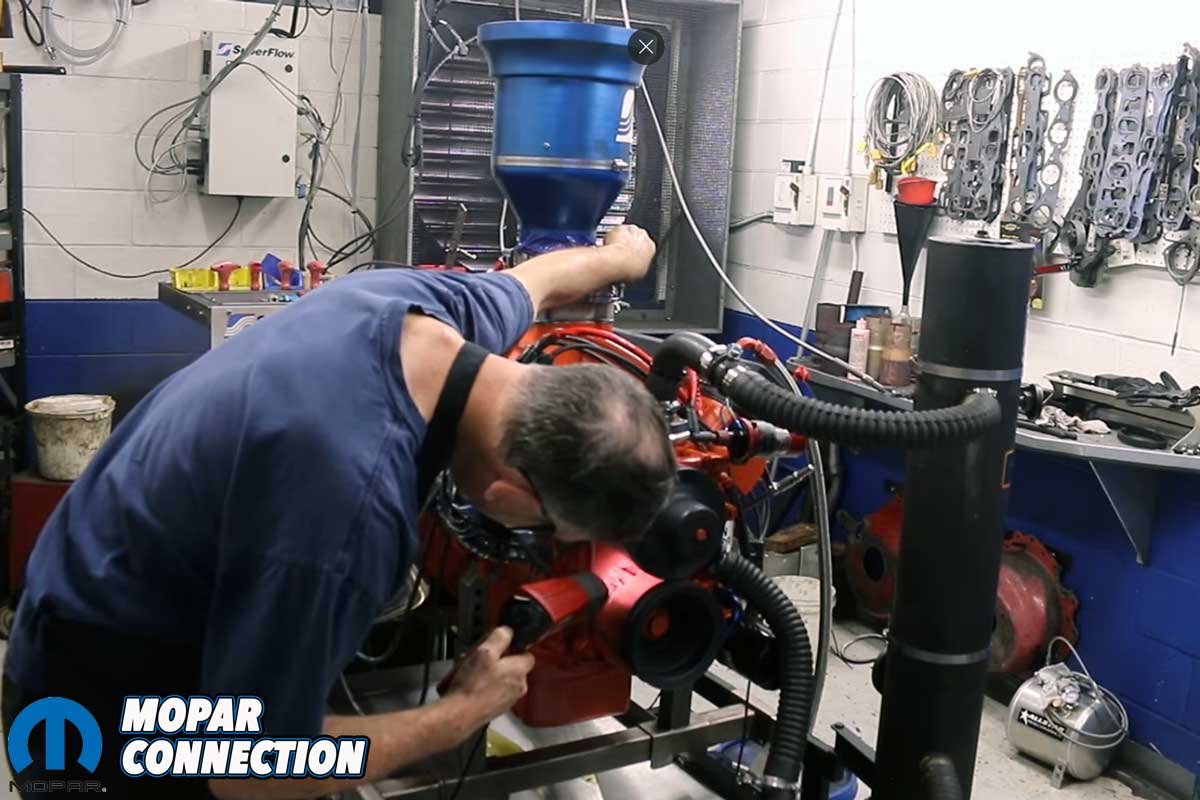
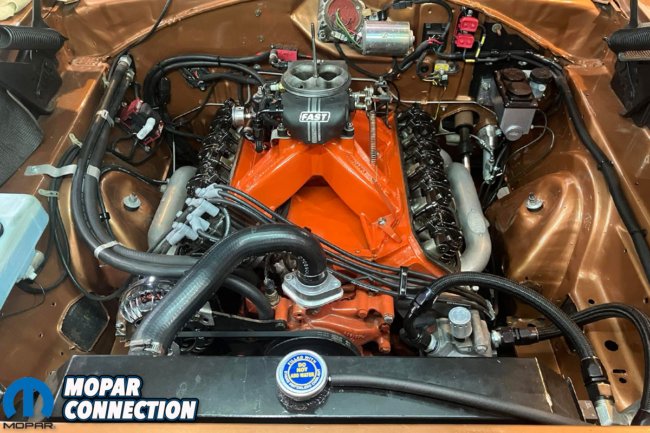
Above: Brazen’s top end has been refined and upgraded over the years with better-flowing Edelbrock heads CNC-ported by Hughes Engines, FAST fuel injection, a GZ Motorsports external vacuum pump, headers, and valvetrain improvements. With so many changes to the original 535, its current horsepower and torque output were unknown, making a few engine dyno runs the logical next step.
We had 535 cubic inches, but the Edelbrock cylinder heads struggled to keep up as engine speed rose. It reminded us that displacement alone does not make an engine breathe. The heads, intake, camshaft, and exhaust must work together if we want to make power at higher rpm.
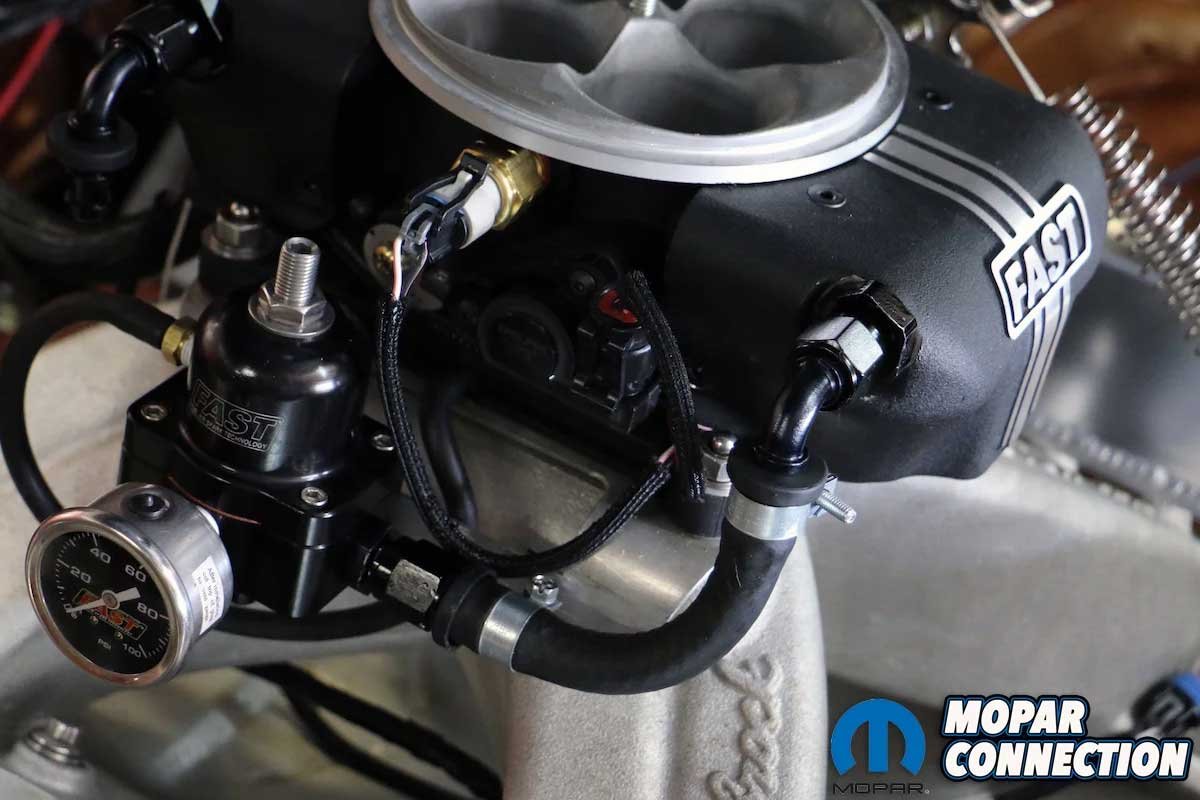
Fuel and ignition control were next. We replaced the Holley carburetor with FAST EZ-EFI 2.0, giving us wideband feedback and electronic ignition control. The biggest improvement was not a dramatic horsepower gain. Rather, the engine started more easily, idled better, responded more consistently to the throttle, and was more pleasant to drive.
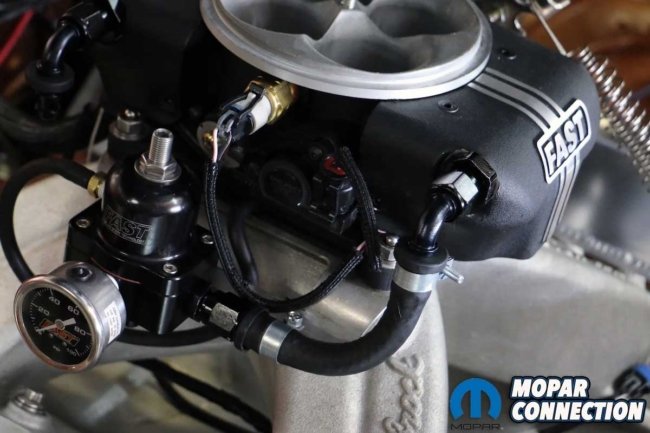
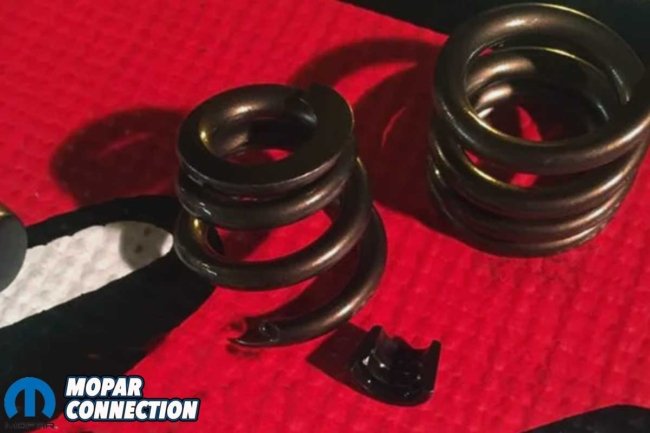
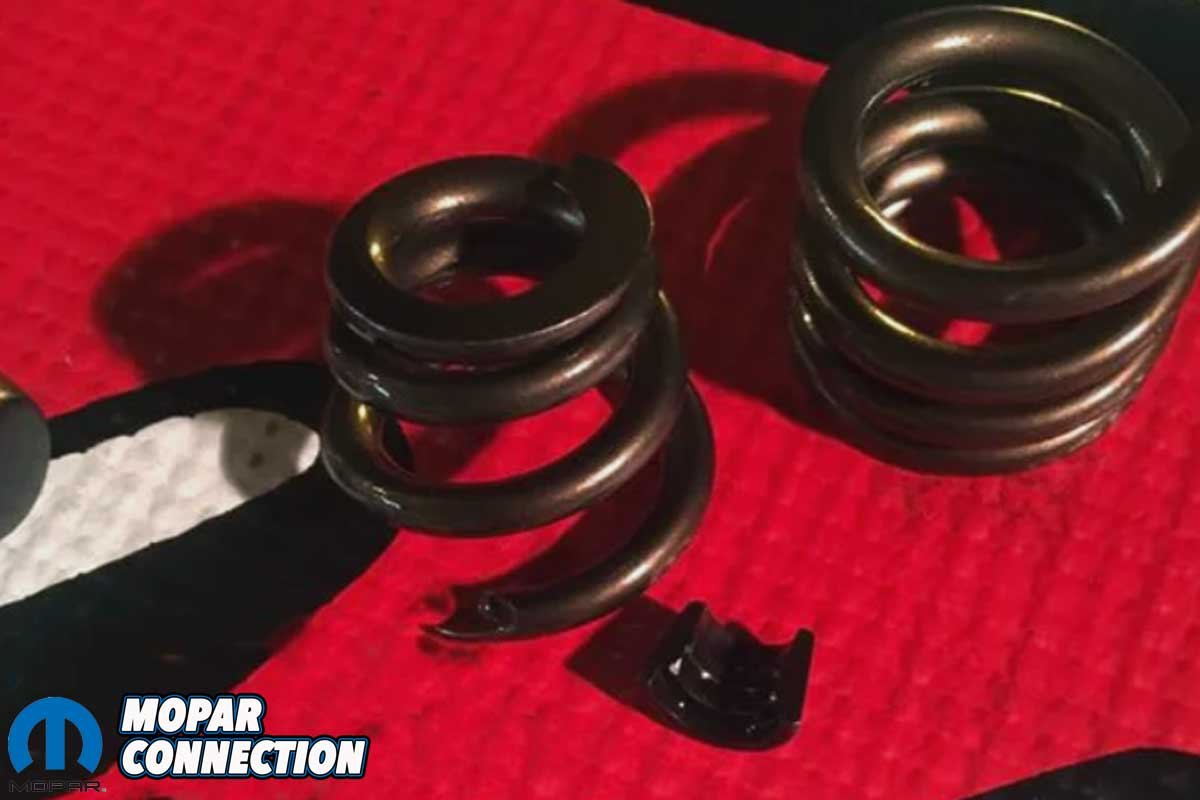
Above Left: Project Brazen received a complete FAST EZ-EFI 2.0 ignition and fuel system. While the 850-cfm Holley carburetor delivered respectable fuel metering, the FAST system improved starting and overall drivability of the 535-cubic-inch stroker. Above Right: The stroker suffered a valvetrain failure when a valve spring broke. Fortunately, the damage was limited to the valvetrain, leaving the short block unharmed. We took the opportunity to refine the valvetrain setup to help prevent a recurrence.
The valvetrain gave us another headache. Problems with the original beehive spring arrangement, spring movement, harmonics, and preload eventually contributed to a cylinder number two intake valve spring failure.
The valve lightly contacted the piston, but the damage was minor. We addressed the spring, locator, retainer, and installed-height concerns rather than simply reassembling everything and hoping for the best.
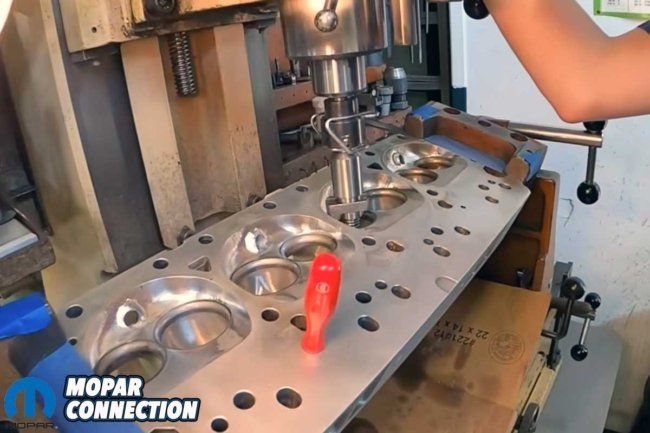
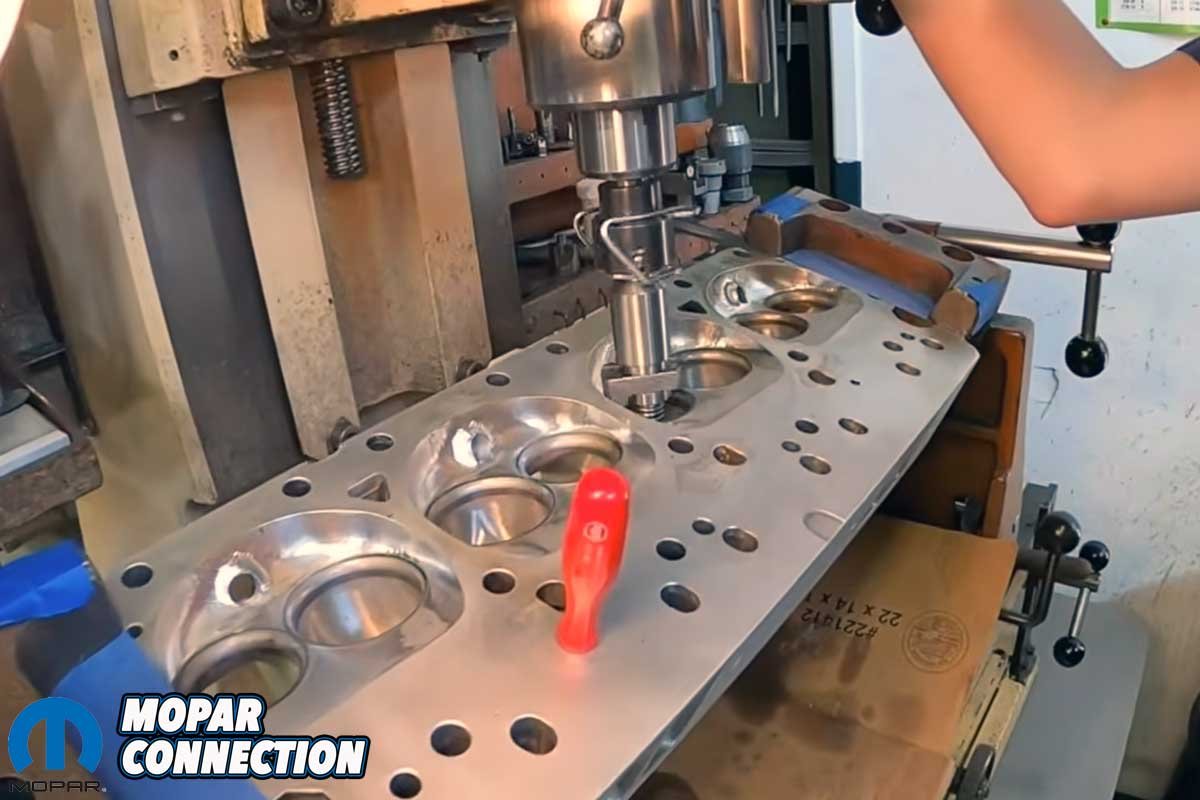
Above: Hughes Engines CNC-ported the Edelbrock cylinder heads, reworking the seats, valves, guides, and valvetrain to deliver significantly improved airflow over the stock configuration.
Doug’s Headers were selected to provide the exhaust flow needed to support our performance goals and a ceramic coating finish to add some eye candy. The headers were chosen to complement the big-block engine while addressing the challenges of fitment and clearance within the chassis.
Eventually, we returned to the airflow problem. Hughes Engines CNC-ported the Edelbrock heads using their Stage 1 program, reworked the valves, and addressed the guides and valvetrain. Intake airflow increased by approximately 53 cfm, while exhaust flow improved by another 21 cfm.
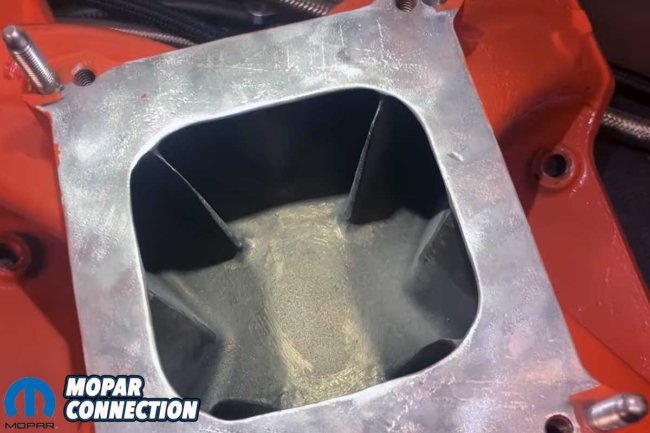
Above: Our Edelbrock Victor 440 intake manifold was extensively reworked by former Engine Masters competitor, Chuck Lagaisse, featuring knife-edged dividers between the runners and beautifully executed port work. Countless hours went into reshaping and refining the ports, revealing the airflow limitations of the Edelbrock RPM cylinder heads in their out-of-the-box configuration.
The improved heads helped the engine continue making power beyond the point where the original combination had started running out of breath. By this time, we had also upgraded from the RPM Performer dual-plane intake to a Victor 440 single-plane heavily-reworked by Engine Masters contender, Chuck Lagaisse.
Every one of those changes taught us something. More importantly, each addressed a real problem rather than adding parts simply because they looked good on paper.
Where We Were Currently
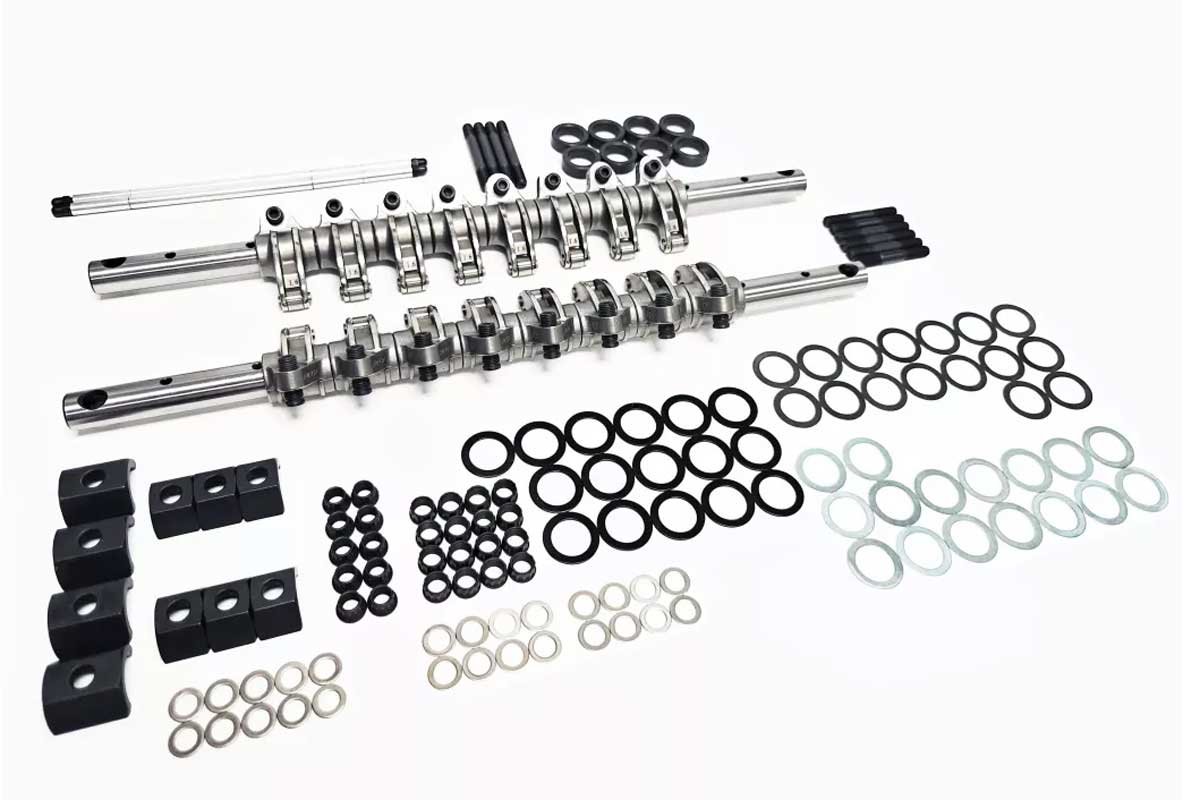
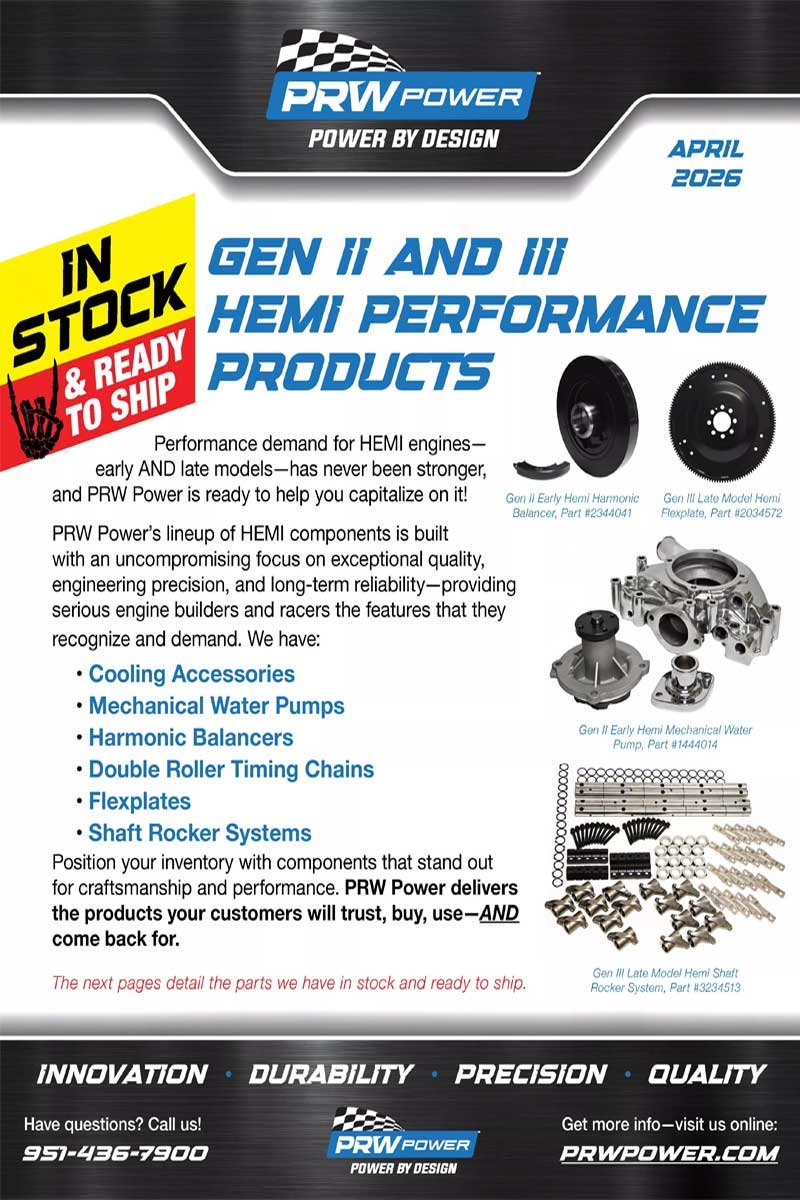
As stated above, our efforts to eke more out of our 535 stroker rendered incremental gains but each left us pondering if we had truly “ran out of camshaft.” Thinking we could cheat our way out of a legitimate cam swap, we went forward with comparing COMP Cams 1.5:1 rocker arms with PRW’s Mopar Elite Series Shaft Rocker System (part no. 3244012) 1.6:1 rocker arms. The results were not what we expected.
PRW Industries was founded in 2004 with a focus on performance engine parts that offered quality at a reasonable price. Rocker arms were central to its early product lineup, and the company eventually expanded into a much broader range of valvetrain and engine components. In 2023, Steve Whipple acquired PRW Industries’ assets and continued the business under the PRW Power name.
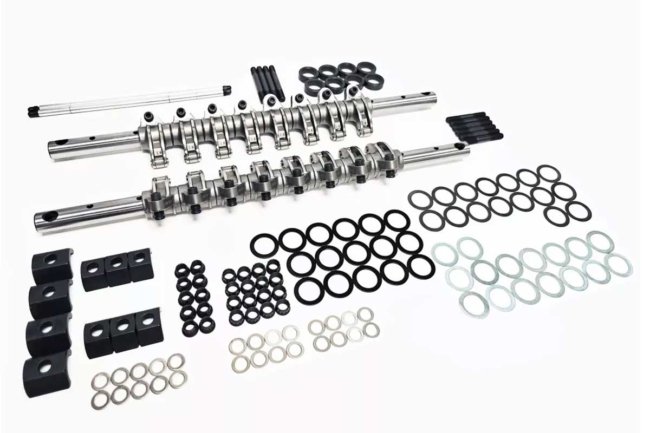
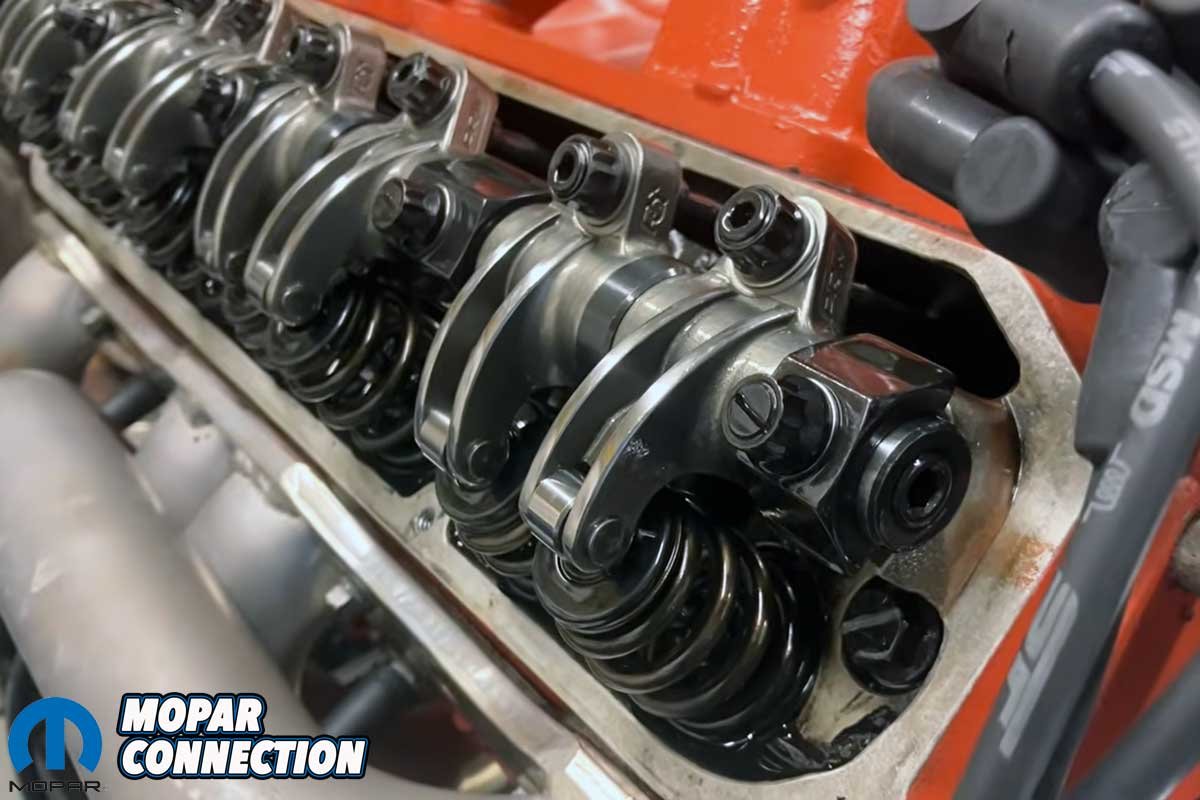
Above: PRW Elite Series rocker arms are constructed from 17-4 PH stainless steel, with relieved bodies for added valve spring clearance and anodized surfaces for increased strength. CNC-machined billet steel pedestals, alloy steel shafts and fasteners, and premium needle roller bearings complete these kits, which include all hardware for professional installation.
Based in Perris, California, PRW offers rocker systems, pushrods, harmonic balancers, flexplates, flywheels, water pumps, fasteners, valve covers, and numerous other engine components. Its catalog includes products manufactured in the United States as well as components produced through overseas manufacturing partners.
For Mopar enthusiasts, the selection includes rocker systems for the 273-360 LA small-block family and the 383-440 B/RB big-block engines. Depending on the application, buyers can choose from aluminum Sportsman and Pro Series systems or Elite Series stainless-steel systems.
The Pro Series big-block systems are particularly relevant to aftermarket wedge-cylinder-head combinations. PRW offers 1.5:1 and 1.6:1 ratios for Edelbrock Victor and similar aftermarket heads featuring the .650-inch intake-valve offset.
Complete systems include rocker arms, hardened shafts, adjusters, hardware, shims, and pushrod-length checkers. PRW also has rocker systems for modern 5.7-, 6.1-, and 6.4-liter Hemi engines.
It is a broad catalog, and the range of options gives engine builders plenty to consider. But having more choices also means understanding what a particular engine needs before deciding which parts to install.
That brings us back to our 535.
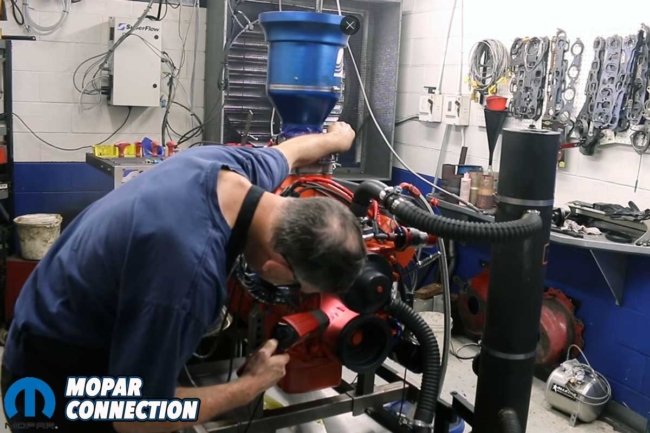
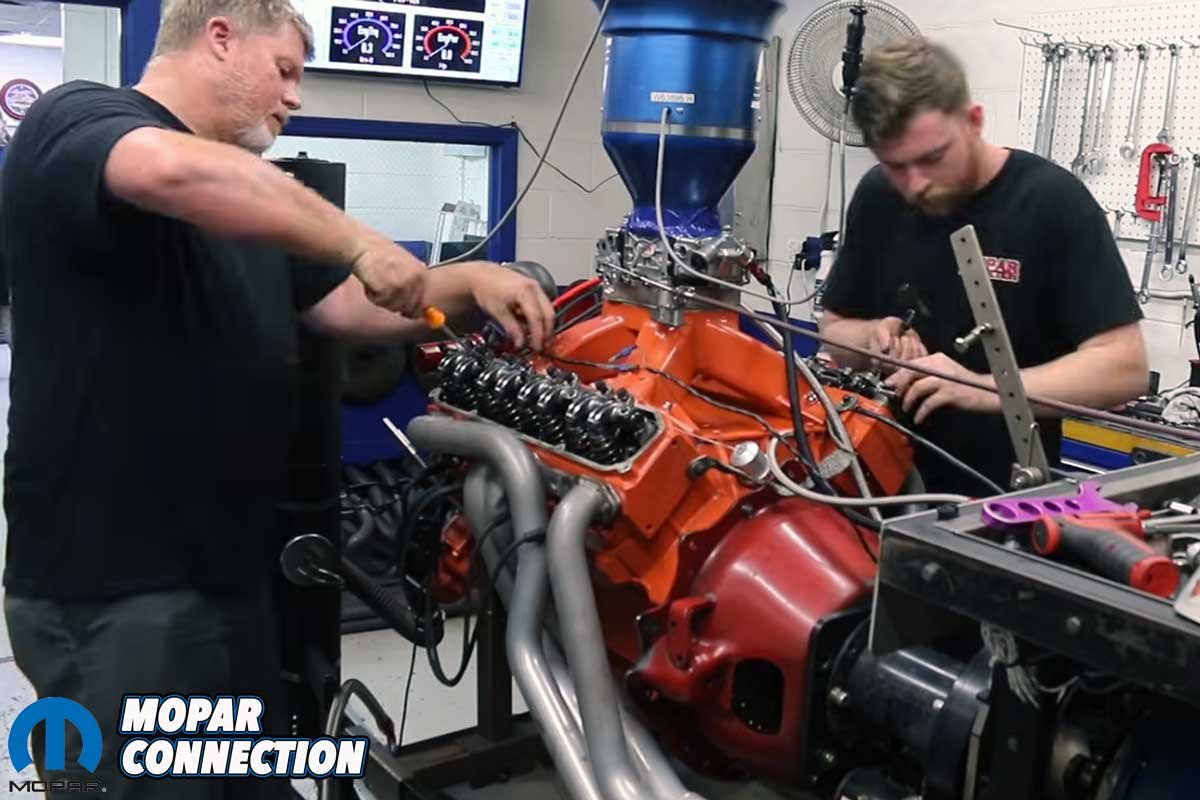
Above: Our baseline dyno session began with several timing adjustments to find the stroker’s sweet spot. The engine performed best with 32 degrees of total ignition timing. Equipped with the 1.5:1 rocker arms, the 535 produced 668 horsepower and 687 lb.-ft. of torque, establishing our baseline for the tests to follow.
The Dyno Delivered a Surprise
The idea behind trying the PRW 1.6:1 rocker arms was easy enough to understand. A higher rocker ratio increases theoretical valve lift without changing the camshaft itself. If the cylinder heads can use that additional lift, there is potential to improve airflow and power. But potential is not a guarantee.
We made multiple dyno pulls with the COMP Cams 1.5:1 rocker arms installed, then changed to the PRW Power 1.6:1 rockers and repeated the testing. At the jump, what was immediately noticeable was the difference in valvetrain noise. The added thickness of PRW’s rocker shaft radically reduced rocker noise (the PRW’s outweighed the COMPs by nearly a pound each side).
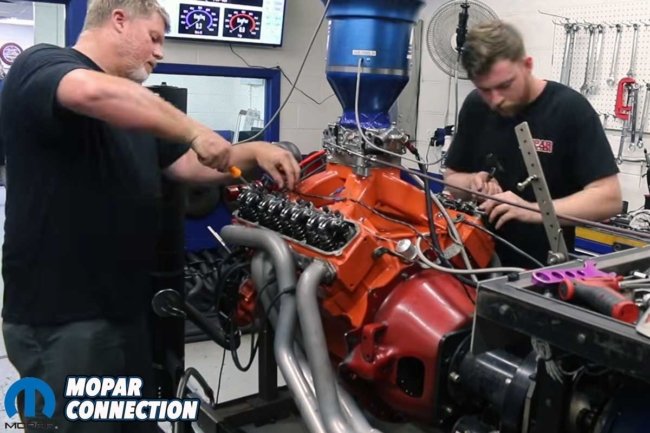
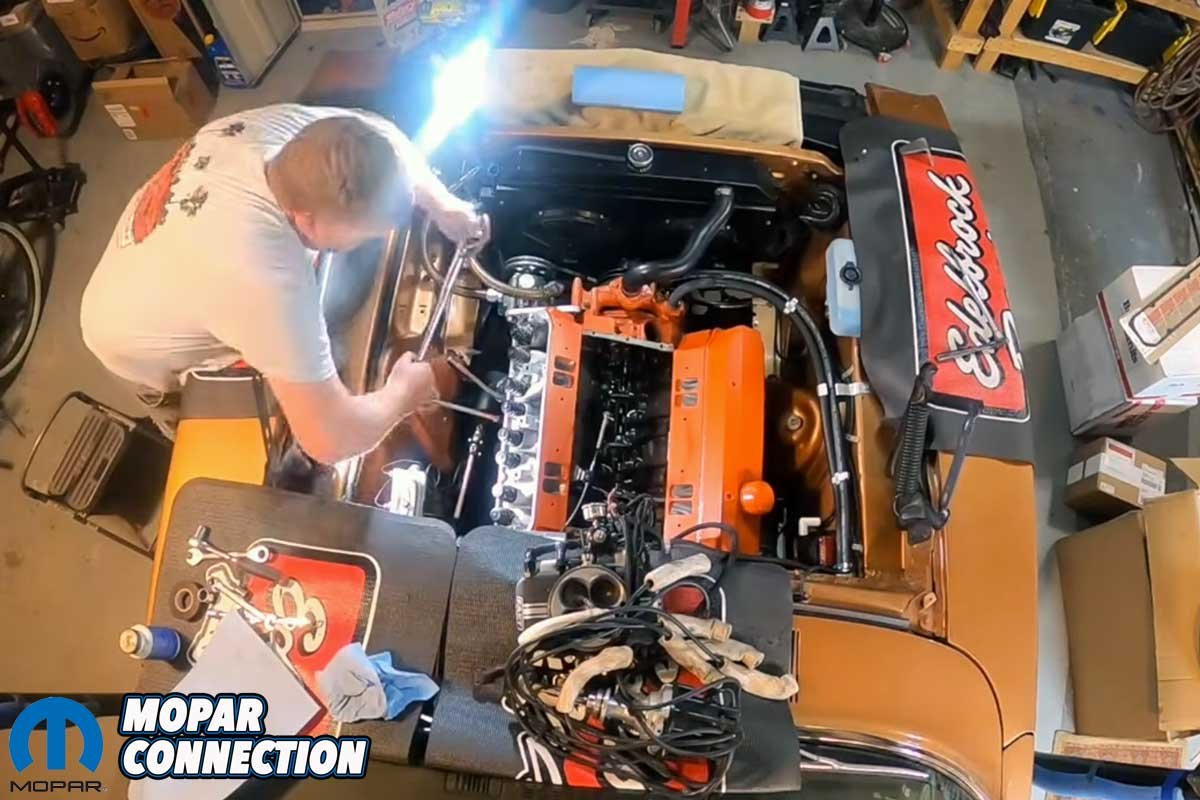
Above: We replaced the 1.5:1 rocker arms with PRW’s 1.6:1 units to evaluate their effect on the 535 stroker’s performance. The shaft-mounted design made the swap relatively straightforward, but we paid close attention to rocker alignment and valve lash to ensure the valvetrain was properly set up before returning to the dyno.
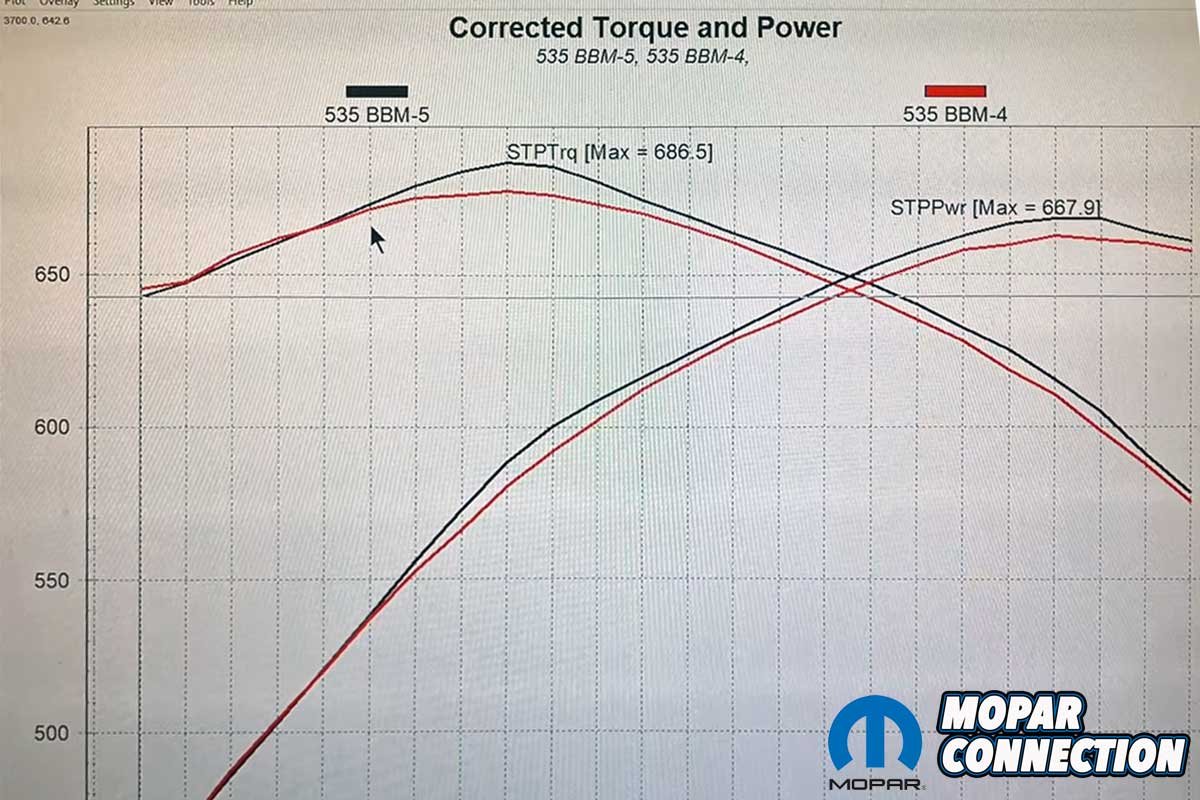
The 1.5:1 rocker arms produced 667.9 horsepower and 686.5 lb.-ft. of torque. With the 1.6:1 rocker arms installed, output dropped to 656.3 horsepower and 674.1 lb.-ft. of torque. We lost 11.6 horsepower and 12.4 lb.-ft. of torque. That works out to approximately 1.7 percent less peak horsepower and 1.8 percent less peak torque. Those are not the numbers we were looking for.
The change from a 1.5:1 to a 1.6:1 ratio represents a theoretical increase in valve lift of approximately 6.7 percent (or 0.030″), assuming the same camshaft lobe lift and ideal rocker geometry. It is tempting to look at that number and assume the engine should make more power. Unfortunately, engines do not always cooperate with that kind of reasoning.
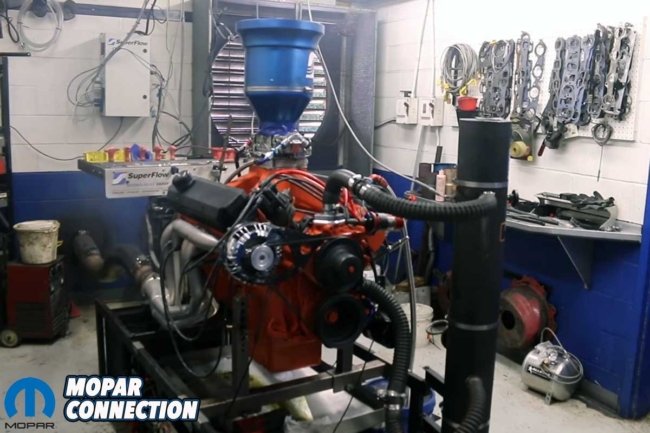
Above: Expectations were high with the 1.6:1 rocker arms installed, as some predicted horsepower gains of 20 or more over the 1.5:1 rockers. The dyno would reveal whether the increased rocker ratio delivered the anticipated performance improvements.
Additional lift only helps if the rest of the combination can take advantage of it. Cylinder-head airflow, camshaft characteristics, valve timing, spring control, and mechanical clearances all influence the outcome. More lift can provide diminishing returns when a cylinder head is already approaching its useful airflow limit. A higher ratio also changes valve motion and increases the demands placed on the valvetrain.
Those are possible explanations, but we cannot say the dyno results prove any one of them was responsible. To establish the cause, we would need to examine actual valve lift, spring specifications, clearances, and the consistency of the test conditions. What we can say is that the engine made less power with the 1.6:1 rocker arms during this comparison. That is precisely why we tested them.
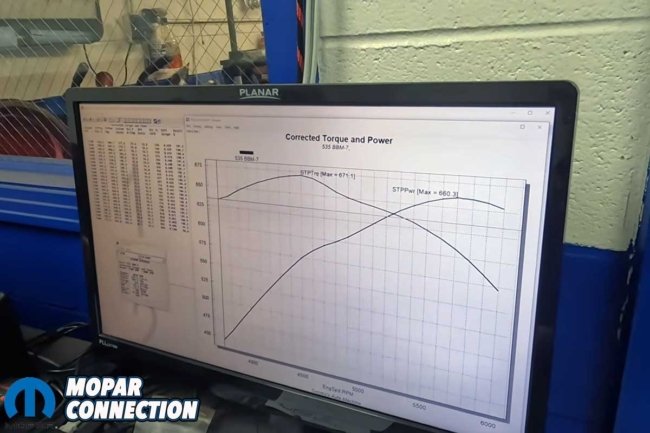
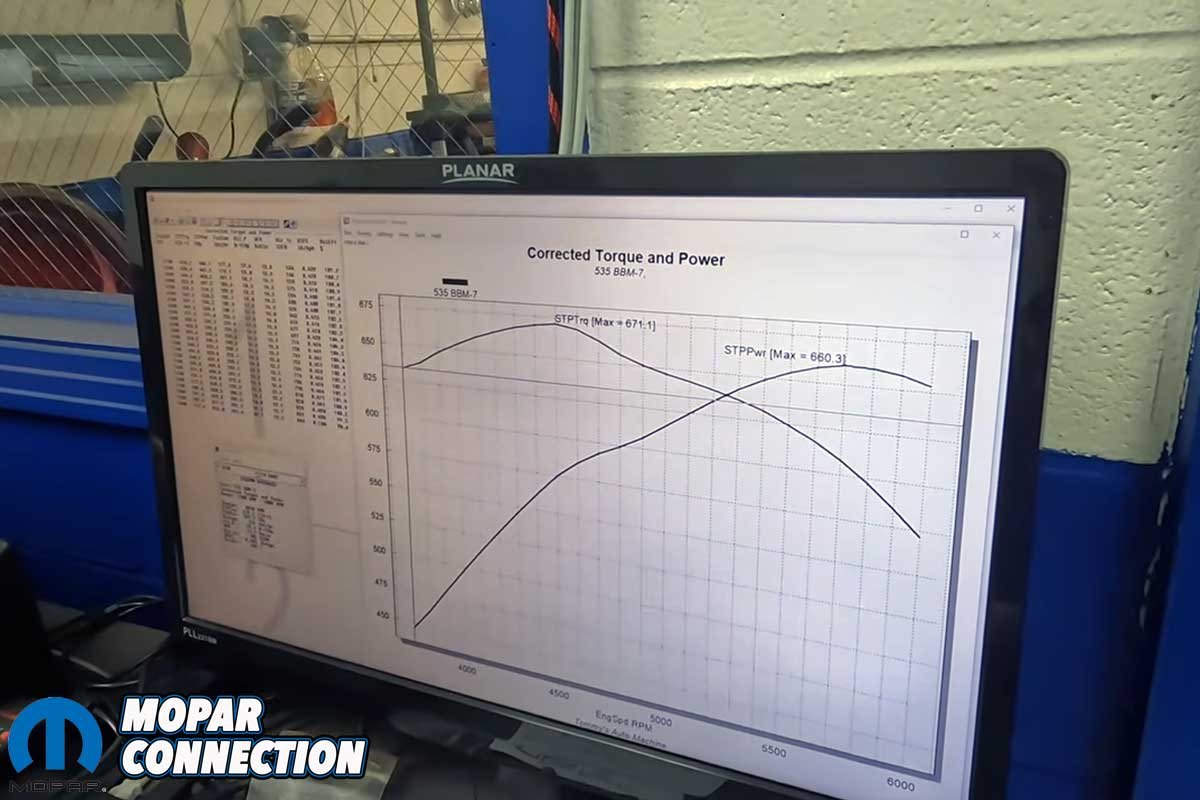
Above: Although the 535 stroker sounded strong, the 1.6:1 rocker arms failed to deliver the expected results with our combination. The initial dyno run produced 660 horsepower and 671 lb.-ft. of torque. Subsequent testing improved both figures, but the higher-ratio rockers never matched or surpassed the baseline numbers established with the 1.5:1 rockers.
What We Learned
It would be easy to conclude that 1.5:1 rocker arms are better than 1.6:1 rockers. That would be the wrong lesson. A higher rocker ratio can work very well when the camshaft, cylinder heads, and valvetrain are designed around it. Another engine might show a completely different result. Our testing does not establish that one ratio is universally better than the other. It establishes what happened on Project Brazen’s 535-cubic-inch Mopar.
We went into the test knowing that the engine had previously struggled with airflow at higher rpm. We wanted to see whether additional valve lift would help. Instead, the original 1.5:1 rocker arrangement produced the stronger peak numbers.
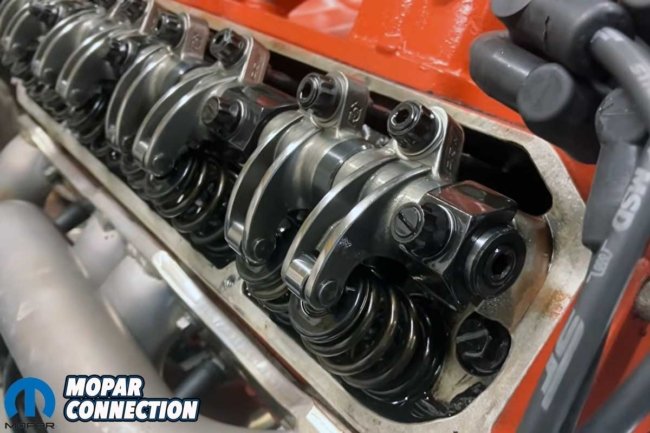
Above: Although we expected the PRW Power 1.6:1 rocker arms to improve performance, the initial dyno results fell short of our baseline figures with the 1.5:1 rockers. Several factors could have contributed to the difference, including cylinder-head airflow, valve-spring control, hydraulic roller valvetrain dynamics, and rocker geometry. Further testing would be necessary to isolate the cause and determine why the higher rocker ratio did not deliver the anticipated gains.
That is the reality of engine building. Sometimes the change you expect to help does not. Sometimes an expensive part delivers little improvement, while a seemingly less exciting change makes a noticeable difference. You have to be willing to measure the results rather than defend your expectations.
After years of working on Brazen, we have learned to appreciate what the dyno tells us, even when we do not particularly like the answer. More valve lift does not guarantee more airflow, and more airflow does not automatically guarantee more power. The entire combination has to work together.
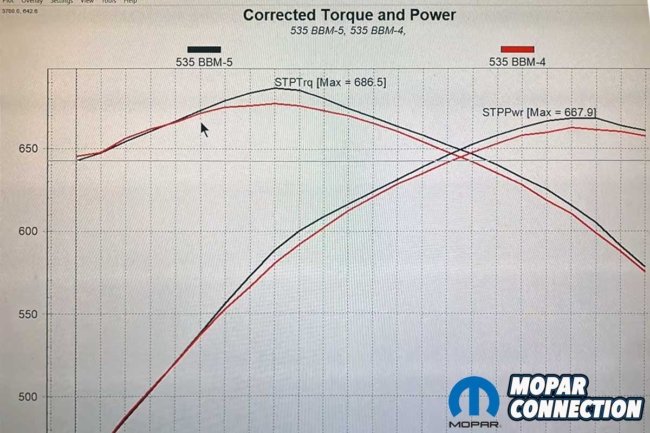
Above: The dyno curves follow a similar pattern up to approximately 4,000 rpm, where the results begin to diverge. Beyond that point, the 1.5:1 rocker arms (blue trace) outperform the 1.6:1 rockers (red trace), producing greater power at higher engine speeds.
In the end, the dyno does not care what the catalog promises, what the theory predicts, or what we hoped to see. It reports what the engine produces.
The promising PRW rockers will find their way to an engine project designed to take advantage of the increased lift provided by the 1.6:1 ratio. However, on Project Brazen, the 1.5:1 rocker arms won this round. That is why we test parts instead of assuming we already know the answer.